DiscoverRadical Candor: Communication at Work
Radical Candor: Communication at Work

Radical Candor: Communication at Work

Author: Kim Scott, Jason Rosoff & Amy Sandler

Subscribed: 8,425Played: 71,687
Share

Description

Ready to love your job, crush your career goals, and become the kind of leader everyone actually wants to work with?

Welcome to the Radical Candor podcast, where you'll learn how to kick ass at work without losing your humanity. Host Amy Sandler and Radical Candor co-founders Kim Scott and Jason Rosoff to break down how you can Care Personally and Challenge Directly — the deceptively simple but powerful formula for building stronger teams, giving (and getting) better feedback, and leading with heart and clarity.

Each episode is packed with real talk, relatable stories, and actionable tips to help you do the best work of your life while building the best relationships of your career. Whether you’re a manager, a team player, or dreaming bigger for your future, this is the podcast that will change how you show up at work — and in life. P.S. Don’t forget to check out Kim Scott’s New York Times and Wall Street Journal bestseller, Radical Candor: Be a Kick-Ass Boss Without Losing Your Humanity! Want even more Radical Candor? Join the Radical Candor Community — free forever.

210 Episodes
Reverse
“Be yourself.” “Bring your whole self to work.” “Don’t worry what people think.” These phrases sound empowering—but in real workplaces, they can create confusion, conflict, and even harm. In this episode of The Radical Candor Podcast, Kim Scott and Amy Sandler sit down with organizational psychologist Tomas Chamorro-Premuzic—Chief Science Officer at Russell Reynolds Associates, professor of business psychology at University College London and Columbia University, and author of Don’t Be Yourself: Why Authenticity Is Overrated and What to Do Instead. They start with a moment of actual Radical Candor: Kim reached out after Tomas and Amy Edmondson accidentally conflated Radical Candor with “brutal honesty.” Instead of stewing, she did the hard (and human) thing—she talked to him. That conversation sets the tone for a bigger question: What does it really mean to be “authentic” at work? Tomas breaks down four “authenticity traps” that sound like wisdom but often backfire: Always be honest with yourself and others Don’t worry what people think of you Always stay true to your values, no matter what Bring your whole self to work Together, they explore what replaces these traps: self-complexity, emotional intelligence, feedback you can absorb without defensiveness, and the discipline to regulate your impulses so you can build trust and safety—without turning the workplace into either chaos or conformity. If you’ve ever felt stuck between being “real” and being effective, this episode offers a more useful frame: your right to be you should never override your obligation to others. ⁠⁠⁠Website⁠⁠⁠ ⁠⁠⁠Instagram⁠⁠⁠ ⁠⁠⁠TikTok⁠⁠⁠ ⁠⁠⁠LinkedIn⁠⁠⁠ ⁠⁠⁠YouTube⁠⁠⁠ ⁠⁠Bluesky Resources: Fast Company: To create psychological safety, don't bring your whole self to work TEDx Talk: Why Do So Many Incompetent Men Become Leaders? Next Big Idea Club: The Surprising Science of Why Being Authentic Can Hold You Back HBR Podcast: Why Are We Still Promoting Incompetent Men? Why Do So Many Incompetent Men Become Leaders? (And How To Fix It) [book] Don't Be Yourself: Why Authenticity Is Overrated and What to Do Instead [book] I, Human: AI, Automation, and the Quest to Reclaim What Makes Us Unique [book] Dr. Tomas Chamorro-Premuzic [website] Mentioned on the podcast:  Infantilised: How Our Culture Killed Adulthood [book] Seinfeld episode: Life Hack “Do the opposite” [YouTube short] The Best Leaders are Great Followers HBR article by Tomas Chamorro-Premuzic and Amy C. Edmondson Chapters: (00:00) IntroductionKim and Amy welcome Tomas Chamorro-Premuzic and reflect on how this conversation began with Radical Candor. (03:10) Radical Candor vs. “Brutal Honesty”How a misinterpretation sparked a real conversation about kindness, nuance, and impact. (07:20) Why “Don’t Be Yourself”The meaning behind the provocative title and why authenticity advice often backfires at work. (14:10) The Four Authenticity TrapsAlways be honest, don’t care what people think, never compromise your values, and bring your whole self to work. (19:30) Confidence, Competence, and FeedbackWhy developing skill comes first—and how confidence is often about timing and delivery. (27:30) Staying True to Values Without Becoming DogmaticWhy uncompromising values can divide teams and what leadership actually requires. (30:10) Authenticity as PrivilegeWhy complete self-expression is often a luxury of the powerful, not a universal standard. (36:15) Psychological Safety Isn’t ComfortWhy safety should enable productive discomfort, not chaos or bullying. (41:55) Emotional Intelligence vs. Unfiltered AuthenticityWhy adapting to others is a strength, not a lack of integrity. (49:10) Regulating Impulses as a LeaderHow filtering behavior builds trust without sacrificing humanity. (01:03:50) Conclusion Connect:Resources for show notes:  Learn more about your ad choices. Visit megaphone.fm/adchoices
What if the reason you don’t give feedback, follow through, or change your habits… isn’t willpower? What if it’s a belief? In this episode of The Radical Candor Podcast, Kim Scott talks with Nir Eyal — author of Hooked, Indistractable, and his new book Beyond Belief — about the hidden force behind motivation: the stories we tell ourselves. They explore: Why AI can’t replace human relationships — but can help us practice hard conversations The limiting belief that keeps people silent at work Why knowing what to do isn’t enough How pain (not pleasure) drives behavior The difference between addiction and habit Why “time management is pain management.” How to reinterpret anxiety as readiness And why beliefs are tools — not truths If you’ve ever struggled to speak up, follow through, or break a bad habit — this conversation will help you see what’s really getting in the way.Chapters (00:00) Introduction Kim welcomes Nir Eyal and introduces AI portraits and scaling human insight. (04:30) Can AI Replace Relationships? Why AI can’t replace human connection — but may be the safest place to practice hard conversations. (10:15) Refining AI Voice & Identity What it means to “scale yourself” without losing your humanity. (16:40) The Limiting Belief That Keeps You Silent “If you don’t have anything nice to say…” — and why that belief causes harm. (23:10) Beliefs Are Tools, Not Truths Nir explains the core thesis of Beyond Belief. (29:30) Placebos, Pain, and Perception What belief can change — and what it can’t. (36:20) Stage Fright vs. Readiness Reinterpreting anxiety as oxygen for performance. (43:10) Time Management Is Pain Management Why distraction is about escaping discomfort. (50:40) Addiction vs. Habit Why addiction is about escaping pain — not seeking pleasure. (57:00) Why We Don’t Do What We Know The missing link between knowledge and action. (01:04:00) Radical Candor and the “Nice” Trap The story of Bob — and why staying silent isn’t kind. (01:10:00) If It’s Yellow, Let It Mellow Marriage, feedback, and choosing what truly matters. (01:13:00) Conclusion Learn more about your ad choices. Visit megaphone.fm/adchoices
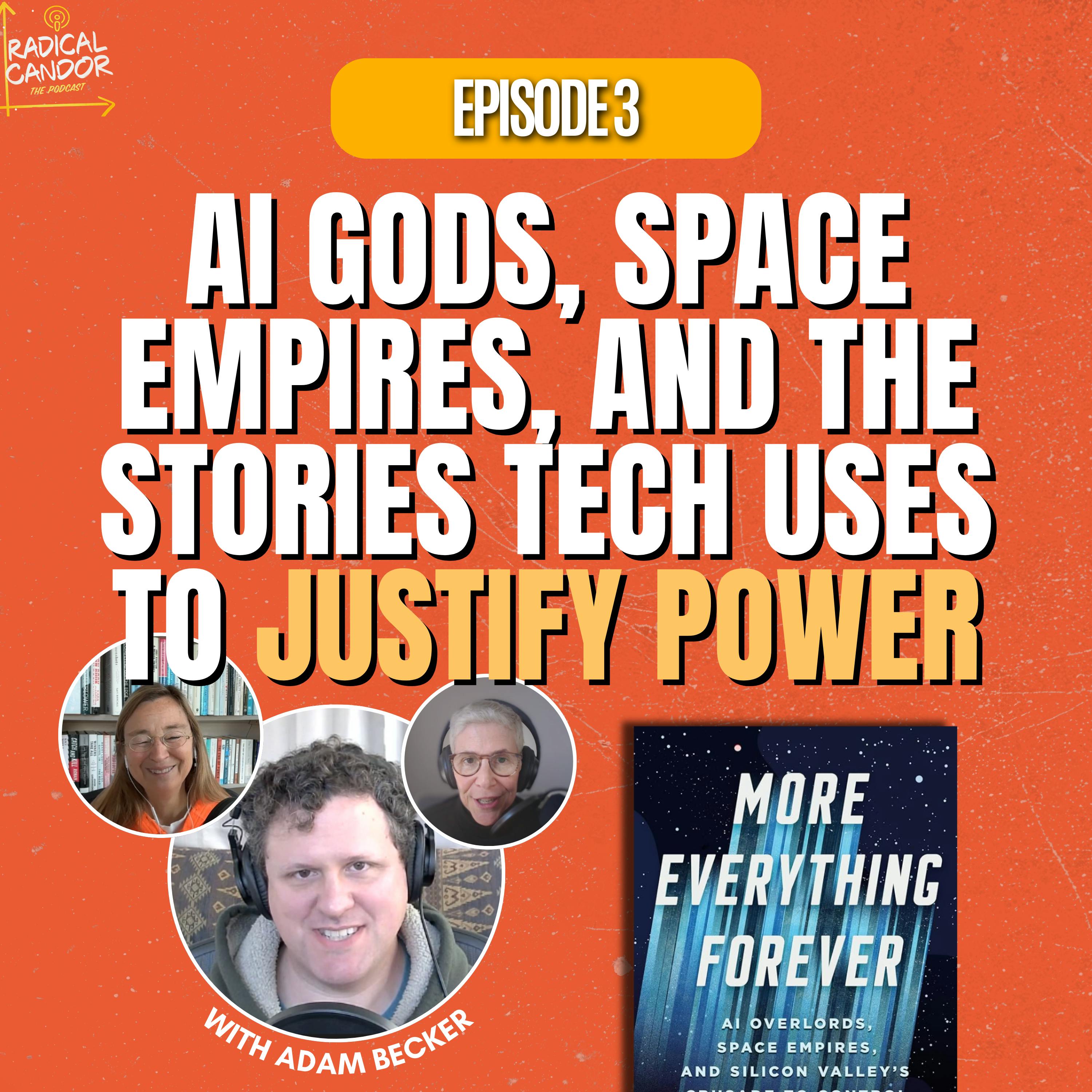
What if the loudest stories about the future—AI gods, Mars colonies, digital immortality—aren’t science at all, but science fiction masquerading as inevitability? In this episode of The Radical Candor Podcast, Kim Scott and Amy Sandler are joined by science journalist and astrophysicist Adam Becker (PhD in computational cosmology), author of More Everything Forever. Adam breaks down the “big three” myths that dominate Silicon Valley’s imagination: space colonization, superintelligent god-like AI, and the singularity. He explains why both the utopian and apocalyptic versions of AI stories often share the same assumption—unimaginable AI power—and why that assumption doesn’t match reality. They also explore the deeper pattern underneath these myths: the belief that every problem can be solved with technology (usually computer technology), even when the barriers are political and social—collective action, persuasion, solidarity, and power. Along the way, Adam shares how he stayed sane while writing about “seriously disturbing ideas,” and why reconnecting with the natural world (and real human relationships) is a necessary antidote to screen-mediated life. If you’ve ever felt overwhelmed by the “AI will save us” vs. “AI will doom us” debate, this conversation offers a clearer, more grounded frame—and a reminder that being human matters. ⁠⁠⁠⁠Website⁠⁠⁠⁠ ⁠⁠⁠⁠Instagram⁠⁠⁠⁠ ⁠⁠⁠⁠TikTok⁠⁠⁠⁠ ⁠⁠⁠⁠LinkedIn⁠⁠⁠⁠ ⁠⁠⁠⁠YouTube⁠ ⁠⁠⁠⁠⁠⁠⁠⁠Bluesky⁠⁠⁠ Resources for show notes: ⁠Adam Becker’s website⁠ ⁠More, Everything, Forever book page⁠ ⁠Adam Becker on Star Talk podcast⁠ ⁠Dave Troy presents: Understanding TESCREAL with Dr. Timnit Gebru and Émile Torres⁠ ⁠Why Silicon Valley’s Most Powerful People Are So Obsessed With Hobbits⁠ Referenced in conversation: Blade Runner (as an example of dystopian sci-fi being misunderstood) Star Wars / Jabba the Hutt (as an example of misreading stories) Lord of the Rings / Palantír (as a cautionary reference) Jurassic Park (“they didn’t stop to consider whether they should”) Public libraries (as a civic good worth supporting) Chapters: (00:00) Introduction Kim and Amy welcome Adam Becker to unpack Silicon Valley’s stories about the future. (06:06) The Myths Driving Tech Ideology Space colonization, superintelligent AI, and the singularity—and why they don’t hold up. (11:52) When Sci-Fi Turns into Strategy How dystopian stories get misread as roadmaps (Palantir, “Torment Nexus,” and more). (15:06) More Everything Forever Why endless expansion feels inevitable in tech—and why Adam argues it’s flawed. (21:24) “Can” vs. “Should” Why tech leaders dodge both questions—and what that reveals about power. (23:19) You Can’t Escape Politics by Going to Space Why “Mars as a reset button” is a fantasy—and politics follows humans everywhere. (33:22) AI Doom vs. AI Utopia Why both narratives rely on the same shaky assumption about “AGI.” (37:21) Solidarity as a Counterbalance Why labor organizing matters when leadership values diverge from workers’ values. (41:02) “AGI Will Fix Climate” Why betting on future AI while burning more energy now is a dangerous logic trap. (01:03:50) Conclusion Learn more about your ad choices. Visit megaphone.fm/adchoices
Why do so many leaders work hard to change — only to end up in the same place months later? What if the problem isn’t effort, but the beliefs running in the background? In this episode of The Radical Candor Podcast, Kim Scott and Amy Sandler are joined by Muriel Wilkins — executive coach, C-suite advisor, host of Coaching Real Leaders, and author of Leadership Unblocked. Together, they unpack why high performers default to action, how action bias can backfire when internal beliefs stay the same, and what it takes to create sustainable leadership growth. Muriel introduces seven common “hidden blockers,” including I need it done now, I can’t say no, and I don’t belong here, and explains how these beliefs drive behavior that feels productive in the short term but creates dissonance over time. The conversation also explores how leaders can build the muscle of noticing what’s happening internally, ask better coaching questions without attachment, and reduce unnecessary suffering by changing how they respond to challenges. If you’ve ever wondered, “Why do I keep ending up here again?” this episode offers a grounded, practical way forward. Connect: ⁠⁠⁠Website⁠⁠⁠ ⁠⁠⁠Instagram⁠⁠⁠ ⁠⁠⁠TikTok⁠⁠⁠ ⁠⁠⁠LinkedIn⁠⁠⁠ ⁠⁠⁠YouTube⁠⁠⁠ ⁠⁠Bluesky⁠⁠ Resources for show notes:  Leadership Unblocked: Break Through the Beliefs That Limit Your Potential book  The Hidden Beliefs That Hold Leaders Back Harvard Business Review article Coaching Real Leaders podcast Own the Room: Discover Your Signature Voice to Master Your Leadership Presence book Muriel Wilkins website Muriel Wilkins on Radical Candor podcast Chapters: (00:00) Introduction + Muriel Returns (01:20) Why Muriel Wrote Leadership Unblocked (01:50) Action Bias: Why Change Doesn’t Stick (03:00) Actions vs. Your Internal Operating System (04:04) The Fix-It Reflex in Work and Life (06:01) Discomfort, Control, and the Urge to Solve (09:25) Hidden Blockers: What They Are and Why They’re Hidden (10:57) The 7 Hidden Blockers (Overview) (11:48) “I Need It Done Now” and Reframing Time (17:03) Building the Noticing Muscle (39:58) Coaching Yourself Before Coaching Others (53:33) Conclusion Learn more about your ad choices. Visit megaphone.fm/adchoices
What do you do when the career path that once felt clear no longer is? What if that stuck, uneasy feeling in the middle of your career isn’t a failure, it’s information and an opportunity to rewrite your career story. On this episode of The Radical Candor Podcast, Adrion Porter founder of Mid-Career Mastery, host of the podcast Gen X Amplified, and a LinkedIn top voice joins Kim and Jason to talk honestly about the “Messy Middle” and what to do when your old definitions of success no longer fit.  Together, they explore Adrion’s Mastery Map, a practical framework for getting unstuck by letting go of limiting beliefs, finding meaning, and making intentional choices even when the next step isn’t obvious.  They also dig into navigating generational differences, the reality of different lived experiences and the divisive stories we tell ourselves and how to strengthen relationships across generations. If you’re feeling stuck, uncertain about what’s next, or frustrated that doing your best work feels harder than it used to, this conversation offers grounded ways to move forward. Get all of the show notes at ⁠⁠⁠⁠⁠⁠⁠⁠⁠⁠⁠⁠⁠⁠⁠⁠⁠⁠⁠⁠RadicalCandor.com/podcast⁠⁠⁠⁠⁠⁠⁠⁠⁠⁠⁠⁠⁠⁠⁠⁠⁠⁠⁠⁠. Episode Links:⁠⁠⁠⁠⁠⁠⁠⁠⁠⁠⁠⁠⁠⁠⁠ ⁠Transcript⁠⁠ About Adrion Porter⁠⁠ Follow Adrion on LinkedIn⁠⁠ ⁠Learn More About Mid-Career Mastery⁠ ⁠Listen to Adrion's Podcast, Gen X Amplified⁠⁠ Explore Adrion's Framework, The Mastery Map⁠⁠ Connect: ⁠⁠⁠⁠⁠⁠⁠⁠⁠⁠⁠⁠⁠⁠⁠⁠⁠⁠⁠⁠Website⁠⁠⁠⁠⁠⁠⁠⁠⁠⁠⁠⁠⁠⁠⁠⁠⁠⁠⁠⁠ ⁠⁠⁠⁠⁠⁠⁠⁠⁠⁠⁠⁠⁠⁠⁠⁠⁠⁠⁠⁠Instagram⁠⁠⁠⁠⁠⁠⁠⁠⁠⁠⁠⁠⁠⁠⁠⁠⁠⁠⁠⁠ ⁠⁠⁠⁠⁠⁠⁠⁠⁠⁠⁠⁠⁠⁠⁠⁠⁠⁠⁠⁠TikTok⁠⁠⁠⁠⁠⁠⁠⁠⁠⁠⁠⁠⁠⁠⁠⁠⁠⁠⁠⁠ ⁠⁠⁠⁠⁠⁠⁠⁠⁠⁠⁠⁠⁠⁠⁠⁠⁠⁠⁠⁠LinkedIn⁠⁠⁠⁠⁠⁠⁠⁠⁠⁠⁠⁠⁠⁠⁠⁠⁠⁠⁠⁠ ⁠⁠⁠⁠⁠⁠⁠⁠⁠⁠⁠⁠⁠⁠⁠⁠⁠⁠⁠⁠YouTube⁠⁠⁠⁠⁠⁠⁠⁠⁠⁠⁠⁠⁠⁠⁠⁠⁠⁠⁠⁠ ⁠⁠⁠⁠⁠⁠⁠⁠⁠⁠⁠⁠⁠⁠⁠⁠⁠⁠⁠Bluesky⁠⁠⁠⁠⁠⁠⁠⁠⁠⁠⁠⁠⁠ Chapters: (00:00) Introduction (02:04) Adrion’s Origin StoryA layoff at 40 forces Adrion to rethink what’s next. (06:51) Owning Your StoryKim & Adrion explore the narratives that had Kim stuck and how she rewrote those. (09:02) Mindset & Limiting BeliefsWhy reframing how you think is the first step forward. (11:48) The Mastery Map FrameworkThe pillars of the framework: mindset, meaning, and milestones. (16:23) When You Feel TrappedNavigating change when money, family, or expectations limit options. (17:48) The Framework in ActionAdrion tells the story of  a specific application of the framework. (20:39) Breakthrough Moments from the WorkWhat Adrion sees when people finally rewrite their story. (23:04) From Messy Middle to Magical MiddleWhy mid-career can be a season of reinvention. (26:42) Generations & Work StoriesHow different generations think about success and work. (32:37) Wisdom, Age & Radical CandorWhat experience adds to communication and feedback. (37:25) One Action to Take This WeekA practical step to start changing your story now.(38:21) Conclusion Learn more about your ad choices. Visit megaphone.fm/adchoices
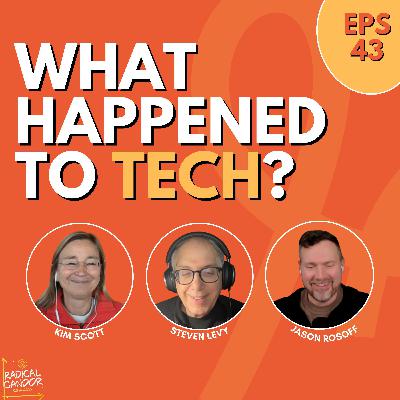
The early internet was built on big hopes—access, openness, connection, and the belief that technology could make the world fairer. In this episode of The Radical Candor Podcast, Kim & Jason are in conversation with Steven Levy. His recent article, “I thought I knew Silicon Valley. I was wrong.”, becomes the lens through which they revisit tech’s early promise and its reality today. They take an honest look at the optimism that shaped Silicon Valley’s early culture and how those ideals unraveled. Kim & Steven candidly share their unique perspective of  how it feels to recognize the gap between what they believed and what actually happened as two people who had a front row seat.  If you’re looking for a thoughtful, grounded, and honest conversation about how tech’s story was written—and rewritten—in real time, and what today’s leaders can learn from examining both intention and impact, this episode offers clarity and perspective you can apply right now. Get all of the show notes at ⁠⁠⁠⁠⁠⁠⁠⁠⁠⁠⁠⁠⁠⁠⁠⁠⁠⁠⁠RadicalCandor.com/podcast⁠⁠⁠⁠⁠⁠⁠⁠⁠⁠⁠⁠⁠⁠⁠⁠⁠⁠⁠. Episode Links:⁠⁠⁠⁠⁠⁠⁠⁠⁠⁠⁠⁠⁠ ⁠⁠⁠⁠⁠⁠⁠⁠⁠⁠⁠⁠⁠⁠⁠⁠⁠⁠⁠⁠"I Thought I Knew Silicon Valley, I was Wrong" ⁠⁠⁠⁠⁠⁠⁠⁠⁠⁠⁠⁠⁠⁠⁠⁠⁠⁠⁠⁠About Steven Levy⁠⁠⁠⁠⁠⁠⁠⁠⁠⁠⁠⁠⁠⁠⁠⁠⁠⁠⁠⁠ ⁠⁠⁠⁠⁠⁠⁠⁠⁠⁠⁠⁠⁠⁠⁠⁠⁠⁠⁠⁠Steven Levy's Newsletter⁠⁠⁠⁠⁠⁠⁠ ⁠⁠⁠⁠⁠⁠⁠⁠⁠⁠⁠⁠⁠⁠⁠⁠⁠⁠⁠⁠Steven Levy's Books⁠⁠⁠⁠⁠⁠⁠⁠⁠⁠⁠⁠⁠⁠ ⁠⁠⁠⁠⁠⁠⁠⁠⁠⁠⁠⁠⁠⁠⁠⁠⁠⁠⁠⁠⁠"Virtual Love" by Kim Scott ⁠⁠⁠⁠⁠⁠⁠⁠⁠⁠⁠⁠⁠⁠⁠⁠⁠⁠⁠⁠"Enshittification" by Cory Doctorow⁠⁠⁠⁠⁠⁠⁠⁠⁠⁠⁠⁠⁠⁠ ⁠⁠⁠⁠⁠⁠⁠⁠⁠⁠⁠⁠⁠⁠⁠⁠⁠⁠⁠"The Age of Extraction" by Tim Wu⁠⁠⁠⁠⁠⁠⁠⁠⁠⁠⁠⁠⁠ Connect: ⁠⁠⁠⁠⁠⁠⁠⁠⁠⁠⁠⁠⁠⁠⁠⁠⁠⁠⁠Website⁠⁠⁠⁠⁠⁠⁠⁠⁠⁠⁠⁠⁠⁠⁠⁠⁠⁠⁠ ⁠⁠⁠⁠⁠⁠⁠⁠⁠⁠⁠⁠⁠⁠⁠⁠⁠⁠⁠Instagram⁠⁠⁠⁠⁠⁠⁠⁠⁠⁠⁠⁠⁠⁠⁠⁠⁠⁠⁠ ⁠⁠⁠⁠⁠⁠⁠⁠⁠⁠⁠⁠⁠⁠⁠⁠⁠⁠⁠TikTok⁠⁠⁠⁠⁠⁠⁠⁠⁠⁠⁠⁠⁠⁠⁠⁠⁠⁠⁠ ⁠⁠⁠⁠⁠⁠⁠⁠⁠⁠⁠⁠⁠⁠⁠⁠⁠⁠⁠LinkedIn⁠⁠⁠⁠⁠⁠⁠⁠⁠⁠⁠⁠⁠⁠⁠⁠⁠⁠⁠ ⁠⁠⁠⁠⁠⁠⁠⁠⁠⁠⁠⁠⁠⁠⁠⁠⁠⁠⁠YouTube⁠⁠⁠⁠⁠⁠⁠⁠⁠⁠⁠⁠⁠⁠⁠⁠⁠⁠⁠ ⁠⁠⁠⁠⁠⁠⁠⁠⁠⁠⁠⁠⁠⁠⁠⁠⁠⁠Bluesky⁠⁠⁠⁠⁠⁠⁠⁠⁠⁠⁠⁠⁠ Chapters: (00:00) Introduction Kim, Jason, and Steven set the stage for a reflective look at Silicon Valley’s promise and reality. (01:39) “I Thought I Knew Silicon Valley. I Was Wrong.” Steven shares what led him to write the article and how his perspective shifted. (03:38) From Idealism to Influence: When Tech’s Culture Shifted Exploring the moment Silicon Valley’s playful, rebellious spirit hardened into something more powerful—and less accountable. (06:30) Recalling the Internet We Hoped For Revisiting the early optimism that shaped the web and the disillusionment that followed. (12:27) The Claims of AI Examining the bold promises tech leaders make about AI—and why skepticism matters. (15:01) The Long Tail Early optimism about the internet’s potential to democratize opportunity. (16:56) Enshittification & The Age of Extraction Cory Doctorow’s framework, antitrust debates, and how market consolidation reshaped the online ecosystem. (20:05) Do a CEO’s Values Matter? A look at how leaders like Mark Zuckerberg and Jeff Bezos have evolved—and what that means for their companies. (24:37) What to Do When You Don’t Align With Your Company Reflecting on how to stay true to your values when the culture around you shifts. (29:36) Looking Back with Clearer Eyes Kim reckons with past choices, blind spots, and what accountability looks like now. (32:29) What Corrupted Silicon Valley When too much money and power are concentrated in too few hands. (33:56) Conclusion Learn more about your ad choices. Visit megaphone.fm/adchoices
How do you fix what’s not working without losing trust in the process? On this episode of The Radical Candor Podcast, Kim and Amy talk with beloved Harvard Business professor Frances Frei and her wife, CEO and bestselling author Anne Morriss, about why speed and care aren’t opposites — and how the right sequence of actions can help you go faster and strengthen relationships along the way. Anne and Frances break down the five-day framework behind their book Move Fast and Fix Things, share real stories from coaching leaders and teams, and explain why so many of us misdiagnose the problems we’re trying to solve. They also walk through their “trust triangle” — authenticity, logic, and empathy — and reveal how understanding your own “wobbles” can help you communicate more clearly, lead with confidence, and create momentum without leaving people behind. Get all of the show notes at ⁠⁠⁠⁠⁠⁠⁠⁠⁠⁠⁠⁠⁠⁠⁠⁠⁠⁠⁠RadicalCandor.com/podcast⁠⁠⁠⁠⁠⁠⁠⁠⁠⁠⁠⁠⁠⁠⁠⁠⁠⁠⁠. Episode Links:⁠⁠⁠⁠⁠⁠⁠⁠⁠⁠⁠⁠⁠ Transcript⁠ Get a Copy of "Move Fast and Fix Things" Learn more about Anne & Frances Listen to the Fixable podcast Connect: ⁠⁠⁠⁠⁠⁠⁠⁠⁠⁠⁠⁠⁠⁠⁠⁠⁠⁠⁠Website⁠⁠⁠⁠⁠⁠⁠⁠⁠⁠⁠⁠⁠⁠⁠⁠⁠⁠⁠ ⁠⁠⁠⁠⁠⁠⁠⁠⁠⁠⁠⁠⁠⁠⁠⁠⁠⁠⁠Instagram⁠⁠⁠⁠⁠⁠⁠⁠⁠⁠⁠⁠⁠⁠⁠⁠⁠⁠⁠ ⁠⁠⁠⁠⁠⁠⁠⁠⁠⁠⁠⁠⁠⁠⁠⁠⁠⁠⁠TikTok⁠⁠⁠⁠⁠⁠⁠⁠⁠⁠⁠⁠⁠⁠⁠⁠⁠⁠⁠ ⁠⁠⁠⁠⁠⁠⁠⁠⁠⁠⁠⁠⁠⁠⁠⁠⁠⁠⁠LinkedIn⁠⁠⁠⁠⁠⁠⁠⁠⁠⁠⁠⁠⁠⁠⁠⁠⁠⁠⁠ ⁠⁠⁠⁠⁠⁠⁠⁠⁠⁠⁠⁠⁠⁠⁠⁠⁠⁠⁠YouTube⁠⁠⁠⁠⁠⁠⁠⁠⁠⁠⁠⁠⁠⁠⁠⁠⁠⁠⁠ ⁠⁠⁠⁠⁠⁠⁠⁠⁠⁠⁠⁠⁠⁠⁠⁠⁠⁠Bluesky⁠⁠⁠⁠⁠⁠⁠⁠⁠⁠⁠⁠ Chapters: (00:00) Introduction (01:49) The Why & Origins of Move Fast and Fix Things Frances and Anne explain how speed and care can work together. (05:03) Monday: Start by Diagnosing the Right Problem Why so many leaders fix the wrong thing—and how to avoid it. (07:38) The Velvet Coffin The Dangers of moving too slowly (12:55) How to Solve the Right Problem Approaches to use to get to the true problem (15:49) Coaching Effectively  A real world story of getting to & solving  the correct problem. (19:09) The Trust Triangle: Logic, Empathy, Authenticity How trust wobbles show up and what to do about them. (30:55) Wednesday, Thursday, Friday The remaining steps in the framework (32:09) Dealing with Bosses How to speak truth to power using the trust triangle and scripts (38:30) Scooby Snacks Examples of positive feedback (42:44) Conclusion Learn more about your ad choices. Visit megaphone.fm/adchoices
Difficult conversations don’t get easier by avoiding them—but they can get better when you prepare for them by getting curious. On this episode of The Radical Candor Podcast, Kim talks with Jeff Wetzler, author of ASK, about how staying curious helps us understand what others are really thinking and feeling. Jeff walks us through the curiosity curve and explains how to move into greater curiosity to reduce misunderstandings, deepen trust, and make space for more honest, helpful conversations—at work and at home. If you’ve ever faced a moment where you weren’t sure how to start, what to say, or how someone might react, this episode offers simple tools to help you connect with care and communicate with greater clarity. Get all of the show notes at ⁠⁠⁠⁠⁠⁠⁠⁠⁠⁠⁠⁠⁠⁠⁠⁠⁠⁠⁠⁠RadicalCandor.com⁠ Episode Links:⁠⁠⁠⁠⁠⁠⁠⁠⁠⁠⁠⁠⁠⁠⁠ ⁠Transcript⁠ ⁠Jeff Wetzler ⁠Book | Ask ⁠Article | The Right Way To Prepare for High Stakes Conversations ⁠Jason Rosoff : Get Curious Not Furious | YouTube Connect: ⁠⁠⁠⁠⁠⁠⁠⁠⁠⁠⁠⁠⁠⁠⁠⁠⁠⁠⁠⁠Website⁠⁠⁠⁠⁠⁠⁠⁠⁠⁠⁠⁠⁠⁠⁠⁠⁠⁠⁠⁠ ⁠⁠⁠⁠⁠⁠⁠⁠⁠⁠⁠⁠⁠⁠⁠⁠⁠⁠⁠⁠Instagram⁠⁠⁠⁠⁠⁠⁠⁠⁠⁠⁠⁠⁠⁠⁠⁠⁠⁠⁠⁠ ⁠⁠⁠⁠⁠⁠⁠⁠⁠⁠⁠⁠⁠⁠⁠⁠⁠⁠⁠⁠TikTok⁠⁠⁠⁠⁠⁠⁠⁠⁠⁠⁠⁠⁠⁠⁠⁠⁠⁠⁠⁠ ⁠⁠⁠⁠⁠⁠⁠⁠⁠⁠⁠⁠⁠⁠⁠⁠⁠⁠⁠⁠LinkedIn⁠⁠⁠⁠⁠⁠⁠⁠⁠⁠⁠⁠⁠⁠⁠⁠⁠⁠⁠⁠ ⁠⁠⁠⁠⁠⁠⁠⁠⁠⁠⁠⁠⁠⁠⁠⁠⁠⁠⁠⁠YouTube⁠⁠⁠⁠⁠⁠⁠⁠⁠⁠⁠⁠⁠⁠⁠⁠⁠⁠⁠⁠ ⁠⁠⁠⁠⁠⁠⁠⁠⁠⁠⁠⁠⁠⁠⁠⁠⁠⁠⁠Bluesky⁠⁠⁠⁠⁠⁠⁠⁠⁠⁠⁠⁠⁠⁠ Chapters: (00:00) Preparing for High Stakes Conversations  Jeff and Kim chat about why curiosity is essential for high stakes conversations (03:17) The Curiosity Arc Jeff introduces the sections of the Arc (12:34) The Curiosity Check Checking in to see where you are and where you want to be (18:16) How to Move Along the Arc Jeff explains head, heart, and hand-based ways to move along the Arc (27:06) Letting Go The importance of exhaling and letting go of the agenda in leadership (31:34) Dialectical Behavioural Therapy Kim & Jeff discuss the use of DBT  (32:43) Checking Someone Else’s Curiosity Level Jeff explains how to help others get curious  (37:56) Curiosity and Candor Kim explores why curiosity is essential to candor (41:54) Conclusion Learn more about your ad choices. Visit megaphone.fm/adchoices
When it comes to making a real difference, being remarkable isn’t about fame or titles—it’s about how you show up for others and yourself. Kim and Amy are joined by Guy Kawasaki—chief evangelist at Canva, bestselling author, and host of the Remarkable People podcast—to talk about what it really means to be remarkable. Guy shares stories from his book Think Remarkable and reflects on how growth, grit, and grace can help us create meaningful work and stronger relationships. From learning to embrace imposter syndrome, to saying “yes” when opportunity knocks, to finding joy in unexpected places (like surfing and parenting), Guy offers practical guidance for anyone who wants to make a difference. Tune in and discover how to bring more meaning—and more remarkable moments—into your life. Get all of the show notes at ⁠⁠⁠⁠⁠⁠⁠⁠⁠⁠⁠⁠⁠⁠⁠⁠⁠⁠⁠RadicalCandor.com Episode Links:⁠⁠⁠⁠⁠⁠⁠⁠⁠⁠⁠⁠⁠ Transcript Guy Kawasaki Books | Guy Kawasaki  Guy Kawasaki's Remarkable People Podcast  Think Remarkable | Guy Kawasaki Guy Kawasaki | Substack Is There Better Than Better | Ellen Langer  Developing a Growth Mindset with Carol Dweck Mindset | Carol Dweck Kim Scott: The Power of Radical Respect and Candor | YouTube The Problem With Passion 3 | 9 | Radical Candor Beyond 'Sorry': How to Apologize and Mean It 6 | 22 | Radical Candor Remarkably Candid: Insights from Guy Kawasaki 6 | 31 Connect: ⁠⁠⁠⁠⁠⁠⁠⁠⁠⁠⁠⁠⁠⁠⁠⁠⁠⁠⁠Website⁠⁠⁠⁠⁠⁠⁠⁠⁠⁠⁠⁠⁠⁠⁠⁠⁠⁠⁠ ⁠⁠⁠⁠⁠⁠⁠⁠⁠⁠⁠⁠⁠⁠⁠⁠⁠⁠⁠Instagram⁠⁠⁠⁠⁠⁠⁠⁠⁠⁠⁠⁠⁠⁠⁠⁠⁠⁠⁠ ⁠⁠⁠⁠⁠⁠⁠⁠⁠⁠⁠⁠⁠⁠⁠⁠⁠⁠⁠TikTok⁠⁠⁠⁠⁠⁠⁠⁠⁠⁠⁠⁠⁠⁠⁠⁠⁠⁠⁠ ⁠⁠⁠⁠⁠⁠⁠⁠⁠⁠⁠⁠⁠⁠⁠⁠⁠⁠⁠LinkedIn⁠⁠⁠⁠⁠⁠⁠⁠⁠⁠⁠⁠⁠⁠⁠⁠⁠⁠⁠ ⁠⁠⁠⁠⁠⁠⁠⁠⁠⁠⁠⁠⁠⁠⁠⁠⁠⁠⁠YouTube⁠⁠⁠⁠⁠⁠⁠⁠⁠⁠⁠⁠⁠⁠⁠⁠⁠⁠⁠ ⁠⁠⁠⁠⁠⁠⁠⁠⁠⁠⁠⁠⁠⁠⁠⁠⁠⁠Bluesky⁠⁠⁠⁠⁠⁠⁠⁠⁠⁠⁠⁠⁠ Chapters: (00:00:00) Introduction Amy and Kim introduce Guy Kawasaki, chief evangelist, author and host of the Remarkable People podcast. (00:03:02) Power of Saying Yes Guy discusses his “say yes" philosophy and its impact on his career. (00:06:54) What It Means to Be Remarkable What it means to be remarkable and how everyone can make a difference. (00:09:26) Being Remarkable with Jane Goodall The story of Jane Goodall writing his foreword and being on the podcast. (00:16:04) Growth Mindset & The Right Environment How the right environment is crucial for fostering a growth mindset. (00:20:59) Passion, Interests & Ikigai The value of exploration and interests over forced passion. (00:24:05) Get Interested in Your People Lessons from taking up kids’ interests and parallels to leadership. (00:29:43) Dealing with Stereotypes Personal experiences and learning to respond with humor or candor. (00:37:40) Bridging Viewpoints Understanding opposing perspectives by asking how instead of why. (00:42:02) Grace, Grit, & Growth Connecting with Stacey Abrams and her alignment with Guy’s book. (00:47:07) Overcoming Imposter Syndrome Advice on recognizing and overcoming imposter syndrome. (00:53:45) Making Decisions Right Focus on making decisions right, not making the right decisions. (00:55:52) Lessons in Motivation A story about mistaken identity and unexpected sources of motivation. (01:00:40) Conclusion Learn more about your ad choices. Visit megaphone.fm/adchoices
How do you stay true to your values when the pressure’s on? On this episode of The Radical Candor Podcast, Kim and Jason talk with Robert Glazer, author of The Compass Within, about what it really means to live and lead by your core values. Robert shares how storytelling helps bring his framework for discovering and defining core values to life. Together, they explore how understanding what truly drives you can strengthen trust, simplify tough decisions, and help you authentically lead with care and conviction — even when it’s uncomfortable. If you’ve ever wondered how to find your direction, make confident choices, and lead without losing yourself, this conversation is your compass. Get all of the show notes at ⁠⁠⁠⁠⁠⁠⁠⁠⁠⁠⁠⁠⁠⁠⁠⁠⁠⁠⁠⁠⁠RadicalCandor.com Episode Links:⁠⁠⁠⁠⁠⁠⁠⁠⁠⁠⁠⁠⁠⁠⁠⁠⁠ ⁠Transcript⁠ Order The Compass Within Core Values Discovery Course ⁠⁠⁠⁠⁠⁠⁠⁠⁠⁠⁠The Six Core Values Questions⁠ Robert's Newsletter: Friday Forward⁠ ⁠⁠⁠⁠⁠⁠⁠⁠⁠⁠⁠⁠⁠⁠⁠ Connect: ⁠⁠⁠⁠⁠⁠⁠⁠⁠⁠⁠⁠⁠⁠⁠⁠⁠⁠⁠⁠⁠Website⁠⁠⁠⁠⁠⁠⁠⁠⁠⁠⁠⁠⁠⁠⁠⁠⁠⁠⁠⁠⁠ ⁠⁠⁠⁠⁠⁠⁠⁠⁠⁠⁠⁠⁠⁠⁠⁠⁠⁠⁠⁠⁠Instagram⁠⁠⁠⁠⁠⁠⁠⁠⁠⁠⁠⁠⁠⁠⁠⁠⁠⁠⁠⁠⁠ ⁠⁠⁠⁠⁠⁠⁠⁠⁠⁠⁠⁠⁠⁠⁠⁠⁠⁠⁠⁠⁠TikTok⁠⁠⁠⁠⁠⁠⁠⁠⁠⁠⁠⁠⁠⁠⁠⁠⁠⁠⁠⁠⁠ ⁠⁠⁠⁠⁠⁠⁠⁠⁠⁠⁠⁠⁠⁠⁠⁠⁠⁠⁠⁠⁠LinkedIn⁠⁠⁠⁠⁠⁠⁠⁠⁠⁠⁠⁠⁠⁠⁠⁠⁠⁠⁠⁠⁠ ⁠⁠⁠⁠⁠⁠⁠⁠⁠⁠⁠⁠⁠⁠⁠⁠⁠⁠⁠⁠⁠YouTube⁠⁠⁠⁠⁠⁠⁠⁠⁠⁠⁠⁠⁠⁠⁠⁠⁠⁠⁠⁠⁠ ⁠⁠⁠⁠⁠⁠⁠⁠⁠⁠⁠⁠⁠⁠⁠⁠⁠⁠⁠⁠Bluesky⁠⁠⁠⁠⁠⁠⁠⁠⁠⁠⁠⁠⁠⁠⁠ Chapters: (00:00) A New Chapter for Radical Candor Jason shares an update on the podcast’s new twice-a-month format  (00:48) Meet Robert Glazer Kim and Jason introduce Robert, his book The Compass Within, and the idea of values as a leadership compass. (03:09) Why Values Matter Why defining your personal values is essential for authentic leadership and decision-making. (07:45) The Inverse Test How frustration and discomfort can reveal your true core values. (13:26) From Trust to Reliability Kim and Robert explore how words like “trust” and “integrity” mean different things—and why clarity matters. (21:30) The Six Questions Framework Robert shares his practical process for identifying and validating your core values. (27:22) The Cost of Integrity Kim reflects on a time when staying true to her values came at a cost—and why it was worth it. (41:20) Living Your Values Robert reveals his own core values and how they connect to Radical Candor’s idea of “respectful authenticity.” (49:12) Closing Reflections How knowing your compass—your values—can help you lead with clarity, care, and conviction. Learn more about your ad choices. Visit megaphone.fm/adchoices
Great films aren’t just about talent — they’re built on trust, clarity, and the kind of feedback that helps people grow. Kim and Amy talk with producer Adam Richman (Gran Torino, The Burial,) about Double Nickel's new film, Grow,  and how Radical Candor can actually fuel creativity. Adam shares why flattening hierarchies strengthens collaboration, how constraints spark innovation, and why gratitude creates teams that thrive. He also reflects on the joy of making Grow, a family film full of heart, hope, and giant pumpkins — coming to theaters October 17th. If you want to create cultures where feedback is welcomed, relationships matter, and creativity flourishes, this conversation offers the inspiration to get started. Get all of the show notes at ⁠⁠⁠⁠⁠⁠⁠⁠⁠⁠⁠⁠⁠⁠⁠⁠⁠⁠⁠⁠RadicalCandor.com/podcast⁠⁠⁠⁠⁠⁠⁠⁠⁠⁠⁠⁠⁠⁠⁠⁠⁠⁠⁠⁠. Episode Links:⁠⁠⁠⁠⁠⁠⁠⁠⁠⁠⁠⁠⁠⁠⁠ Transcript ⁠⁠⁠⁠⁠⁠⁠⁠⁠⁠⁠⁠⁠⁠⁠⁠⁠⁠⁠⁠⁠Grow the Film ⁠⁠⁠⁠⁠⁠⁠⁠⁠⁠⁠⁠⁠⁠⁠⁠⁠⁠⁠⁠⁠Grow the Film ⁠⁠⁠⁠⁠⁠⁠⁠⁠⁠⁠⁠⁠⁠⁠⁠⁠⁠⁠⁠⁠Grow Theme Song by KT Tunstall Adam Richman ⁠⁠⁠⁠⁠⁠⁠⁠⁠⁠⁠⁠⁠⁠⁠⁠⁠⁠⁠⁠Double Nickel Entertainment⁠⁠⁠⁠⁠⁠⁠⁠⁠⁠⁠⁠⁠⁠ Connect: ⁠⁠⁠⁠⁠⁠⁠⁠⁠⁠⁠⁠⁠⁠⁠⁠⁠⁠⁠⁠Website⁠⁠⁠⁠⁠⁠⁠⁠⁠⁠⁠⁠⁠⁠⁠⁠⁠⁠⁠⁠ ⁠⁠⁠⁠⁠⁠⁠⁠⁠⁠⁠⁠⁠⁠⁠⁠⁠⁠⁠⁠Instagram⁠⁠⁠⁠⁠⁠⁠⁠⁠⁠⁠⁠⁠⁠⁠⁠⁠⁠⁠⁠ ⁠⁠⁠⁠⁠⁠⁠⁠⁠⁠⁠⁠⁠⁠⁠⁠⁠⁠⁠⁠TikTok⁠⁠⁠⁠⁠⁠⁠⁠⁠⁠⁠⁠⁠⁠⁠⁠⁠⁠⁠⁠ ⁠⁠⁠⁠⁠⁠⁠⁠⁠⁠⁠⁠⁠⁠⁠⁠⁠⁠⁠⁠LinkedIn⁠⁠⁠⁠⁠⁠⁠⁠⁠⁠⁠⁠⁠⁠⁠⁠⁠⁠⁠⁠ ⁠⁠⁠⁠⁠⁠⁠⁠⁠⁠⁠⁠⁠⁠⁠⁠⁠⁠⁠⁠YouTube⁠⁠⁠⁠⁠⁠⁠⁠⁠⁠⁠⁠⁠⁠⁠⁠⁠⁠⁠⁠ ⁠⁠⁠⁠⁠⁠⁠⁠⁠⁠⁠⁠⁠⁠⁠⁠⁠⁠⁠Bluesky⁠⁠⁠⁠⁠⁠⁠⁠⁠⁠⁠⁠⁠⁠ Chapters: (00:00:00) Introduction Kim and Amy introduce Adam Richman, producer of Gran Torino, The Burial, and Grow. (00:03:07) Radical Candor in Creative Work How caring personally and challenging directly helps creative teams thrive. (00:08:34) Why Constraints Fuel Innovation Adam shares how budget limits on Grow sparked better ideas. (00:14:09) Flattening Hierarchies in Hollywood Breaking down status walls on set to build stronger collaboration. (00:20:21) Mentorship & Leading with Kindness The role of mentorship and kindness in sustaining creative careers. (00:24:10) Cultivating a Culture with Intention Creating clarity and trust, and appreciation at every stage of production. (00:28:44) The Film-Making Process Adam explains the process of making Grow (00:34:15) Feedback & Collaboration How Radical Candor guides tough conversations and creative decisions. (00:39:13) The Importance of Setting the Table Lessons from Post-Production (00:44:51) The Joy of Grow Why this family film, out October 17th, is filled with hope and heart.  (00:48:48) Music & Joyful Storytelling The story behind KT Tunstall’s theme song for Grow. (00:52:15) Conclusion Learn more about your ad choices. Visit megaphone.fm/adchoices
Chasing efficiency by flattening your organization can sound appealing, but true innovation and collaboration often thrive in a different kind of structure. Kim and Jason discuss how a thoughtful hierarchy — built on trust, clarity, and collaboration — helps teams do their best work. Drawing on lessons from Google, Apple, and Khan Academy, they share how empowered managers, clear decision-making, and open communication can transform the way organizations function. They also offer practical strategies for creating a collaboration hierarchy that supports managers, strengthens relationships, and gives great ideas the space to flourish. If you’re ready to build a culture where teams feel trusted, connected, and inspired, this conversation provides the helpful guidance you need to make it happen. Get all of the show notes at ⁠⁠⁠⁠⁠⁠⁠⁠⁠⁠⁠⁠⁠⁠⁠⁠⁠⁠RadicalCandor.com/podcast⁠⁠⁠⁠⁠⁠⁠⁠⁠⁠⁠⁠⁠⁠⁠⁠⁠⁠. Episode Links:⁠⁠⁠⁠⁠⁠⁠⁠⁠⁠⁠ Transcript Middle Managers: Dinosaurs or Essential Glue? 7 | 4 Get Shit Done Step 4 — Push Decisions Into the Facts 4 | 10 Connect: ⁠⁠⁠⁠⁠⁠⁠⁠⁠⁠⁠⁠⁠⁠⁠⁠⁠⁠Website⁠⁠⁠⁠⁠⁠⁠⁠⁠⁠⁠⁠⁠⁠⁠⁠⁠⁠ ⁠⁠⁠⁠⁠⁠⁠⁠⁠⁠⁠⁠⁠⁠⁠⁠⁠⁠Instagram⁠⁠⁠⁠⁠⁠⁠⁠⁠⁠⁠⁠⁠⁠⁠⁠⁠⁠ ⁠⁠⁠⁠⁠⁠⁠⁠⁠⁠⁠⁠⁠⁠⁠⁠⁠⁠TikTok⁠⁠⁠⁠⁠⁠⁠⁠⁠⁠⁠⁠⁠⁠⁠⁠⁠⁠ ⁠⁠⁠⁠⁠⁠⁠⁠⁠⁠⁠⁠⁠⁠⁠⁠⁠⁠LinkedIn⁠⁠⁠⁠⁠⁠⁠⁠⁠⁠⁠⁠⁠⁠⁠⁠⁠⁠ ⁠⁠⁠⁠⁠⁠⁠⁠⁠⁠⁠⁠⁠⁠⁠⁠⁠⁠YouTube⁠⁠⁠⁠⁠⁠⁠⁠⁠⁠⁠⁠⁠⁠⁠⁠⁠⁠ ⁠⁠⁠⁠⁠⁠⁠⁠⁠⁠⁠⁠⁠⁠⁠⁠⁠Bluesky⁠⁠⁠⁠⁠⁠⁠⁠⁠⁠⁠⁠ Chapters: (00:00:00) Introduction Kim and Jason introduce why “flat” organizations aren’t always as efficient as they seem. (00:01:56) The Myth of Flat Organizations Why fewer layers don’t automatically lead to better efficiency. (00:04:03) Why Companies Flatten Collaboration hierarchies versus command-and-control structures. (00:08:02) Reality of Managerial Capacity How having manageable spans of control can foster innovation. (00:12:44) Collaborative Hierarchies Examples of how thoughtful hierarchy supports entrepreneurship. (00:18:48) Decision-Making & Trust Building employee trust through transparent decision-making. (00:22:01) Avoiding Silent Failures The hidden risks when managers are overloaded and politics take over. (00:26:45) Democratizing Communication How open communication and collaboration beat rigid hierarchies. (00:29:31) Fixing Managerial Overload Practical strategies to maintain efficiency without burning out managers. (00:36:34) Radical Candor Tips Actionable tips to keep communication open and teams thriving. (00:38:02) Conclusion Learn more about your ad choices. Visit megaphone.fm/adchoices
When a company’s values don’t match its actions, the impact can be devastating. Kim and Amy speak with investigative journalist Gardiner Harris about his book, No More Tears: The Dark Secrets of Johnson & Johnson. Harris uncovers how a company once seen as the gold standard of integrity used its famous “Credo” to build emotional trust while covering up harmful practices—from baby powder linked to cancer to its role in the opioid crisis. The conversation goes beyond one company, raising bigger questions about accountability, transparency, and the systems meant to keep us safe. It’s a candid look at how misplaced trust can cause lasting damage—and what it really takes to create a culture where honesty and responsibility come first. Get all of the show notes at ⁠⁠⁠⁠⁠⁠⁠⁠⁠⁠⁠⁠⁠⁠⁠⁠⁠RadicalCandor.com/podcast⁠⁠⁠⁠⁠⁠⁠⁠⁠⁠⁠⁠⁠⁠⁠⁠⁠. Episode Links:⁠⁠⁠⁠⁠⁠⁠⁠⁠ Gardiner Harris No More Tears: The Dark Secrets of Johnson & Johnson  The Weekly | A Secret Opioid Memo That Could Have Slowed an Epidemic | The New York Times A Devastating New Exposé of Johnson & Johnson Indicts an Entire System | The New Republic The Johnson & Johnson Cancer Drug Scandal That Encapsulates Corruption In Health Care | STAT News J&J Is Back On The Legal Warpath After Striking Out In Baby Powder Bankruptcy | Reuters Antipsychotic Drugs and Nursing Home Residents: What Do the Different Numbers Mean? | Center for Medicare Advocacy Empire of Pain: The Secret History of the Sackler Dynasty The Least of Us: True Tales of America and Hope in the Time of Fentanyl and Meth  Physician Payments Sunshine Act (also known as the Open Payments program) Watch Cold Case: The Tylenol Murders | Netflix  Connect: ⁠⁠⁠⁠⁠⁠⁠⁠⁠⁠⁠⁠⁠⁠⁠⁠⁠Website⁠⁠⁠⁠⁠⁠⁠⁠⁠⁠⁠⁠⁠⁠⁠⁠⁠ ⁠⁠⁠⁠⁠⁠⁠⁠⁠⁠⁠⁠⁠⁠⁠⁠⁠Instagram⁠⁠⁠⁠⁠⁠⁠⁠⁠⁠⁠⁠⁠⁠⁠⁠⁠ ⁠⁠⁠⁠⁠⁠⁠⁠⁠⁠⁠⁠⁠⁠⁠⁠⁠TikTok⁠⁠⁠⁠⁠⁠⁠⁠⁠⁠⁠⁠⁠⁠⁠⁠⁠ ⁠⁠⁠⁠⁠⁠⁠⁠⁠⁠⁠⁠⁠⁠⁠⁠⁠LinkedIn⁠⁠⁠⁠⁠⁠⁠⁠⁠⁠⁠⁠⁠⁠⁠⁠⁠ ⁠⁠⁠⁠⁠⁠⁠⁠⁠⁠⁠⁠⁠⁠⁠⁠⁠YouTube⁠⁠⁠⁠⁠⁠⁠⁠⁠⁠⁠⁠⁠⁠⁠⁠⁠ ⁠⁠⁠⁠⁠⁠⁠⁠⁠⁠⁠⁠⁠⁠⁠⁠Bluesky⁠⁠⁠⁠⁠⁠⁠⁠⁠⁠⁠ Chapters: (00:00:00) Introduction Kim and Amy introduce Gardiner Harris, investigative journalist and author. (00:01:01) No More Tears Why Gardiner’s book hasn't been widely covered by the media. (00:07:35) Hidden Dangers of Products Overview of Johnson & Johnson’s vast range of dangerous products. (00:15:13) Antipsychotics in Nursing Homes How antipsychotics were pushed to sedate elderly patients. (00:16:58) Opioids & Corporate Responsibility The role Johnson & Johnson played in the opioid epidemic. (00:24:04) The Power of Branding & Emotional Trust The exploitation of emotional branding to avoid accountability. (00:27:28) Incentives, Conflicts, & Complicity How financial incentives corrupted doctors, researchers, and hospitals (00:39:12) Breaking Points & Speaking Up Stories about the individuals affected by Johnson & Johnson. (00:47:27) The Cult of the Credo How J&J weaponized its corporate credo to silence whistleblowers. (00:52:19) How J&J Got Away With It The ways J&J avoided accountability and hid decades of misconduct. (00:57:36) Tylenol, Safety, & the Illusion of Trust The FDA’s inability—or unwillingness—to enforce safety despite evidence. (01:03:29) Hope, Oversight & Individual Action How individual action and awareness can drive systemic change. (01:08:10) Conclusion Learn more about your ad choices. Visit megaphone.fm/adchoices

Endless meetings can be exhausting — but what if they could actually be productive and meaningful? Kim and Amy talk with Dr. Steven Rogelberg, author of Glad We Met and The Surprising Science of Meetings, about how to run effective meetings and make every minute count — especially during one-on-one meetings. Steven shares research-backed tips for running better meetings, from framing agendas as questions to setting clear meeting norms that invite everyone’s voice. He explains why one-on-one meetings are the most important conversations managers can have, how they build trust, strengthen relationships, and boost team performance, and why they should never be replaced by an email. If you’re ready to spend less time in unproductive meetings and more time having conversations that count, this episode offers helpful guidance on meeting best practices, better collaboration, and creating space for real connection. Get all of the show notes at ⁠⁠⁠⁠⁠⁠⁠⁠⁠⁠⁠⁠⁠⁠⁠⁠RadicalCandor.com/podcast⁠⁠⁠⁠⁠⁠⁠⁠⁠⁠⁠⁠⁠⁠⁠⁠. Episode Links:⁠⁠⁠⁠⁠⁠⁠ Transcript Steven Rogelberg We Asked a Meeting Scientist How to Make Meetings Better — Here's What He Said 7 Ways To Improve One-on-One Meetings | Radical Candor Effective 1:1s - Tips For One-on-One Meetings With Your Team | Radical Candor 3 Tips For How To Run Effective Staff Meetings | Radical Candor Glad we Met: The Art and Science of 1:1 Meetings — Steven Rogelberg, Ph.D. The Surprising Science of Meetings — Steven Rogelberg, Ph.D. Meet Like A Boss — The 411 On 1:1s | Radical Candor Podcast S2, Ep. 9 Making Meetings Suck Less: Advice From Dr. Steven Rogelberg   Connect: ⁠⁠⁠⁠⁠⁠⁠⁠⁠⁠⁠⁠⁠⁠⁠⁠Website⁠⁠⁠⁠⁠⁠⁠⁠⁠⁠⁠⁠⁠⁠⁠⁠ ⁠⁠⁠⁠⁠⁠⁠⁠⁠⁠⁠⁠⁠⁠⁠⁠Instagram⁠⁠⁠⁠⁠⁠⁠⁠⁠⁠⁠⁠⁠⁠⁠⁠ ⁠⁠⁠⁠⁠⁠⁠⁠⁠⁠⁠⁠⁠⁠⁠⁠TikTok⁠⁠⁠⁠⁠⁠⁠⁠⁠⁠⁠⁠⁠⁠⁠⁠ ⁠⁠⁠⁠⁠⁠⁠⁠⁠⁠⁠⁠⁠⁠⁠⁠LinkedIn⁠⁠⁠⁠⁠⁠⁠⁠⁠⁠⁠⁠⁠⁠⁠⁠ ⁠⁠⁠⁠⁠⁠⁠⁠⁠⁠⁠⁠⁠⁠⁠⁠YouTube⁠⁠⁠⁠⁠⁠⁠⁠⁠⁠⁠⁠⁠⁠⁠⁠ ⁠⁠⁠⁠⁠⁠⁠⁠⁠⁠⁠⁠⁠⁠⁠Bluesky⁠⁠⁠⁠⁠⁠⁠⁠⁠⁠ Chapters: (00:00:00) Introduction Kim and Amy introduce guest Dr. Steven Rogelberg, organizational psychologist and an expert on meetings. (00:03:51) The Impact of Meetings The global volume of meetings and the underestimated economic impact. (00:06:33) Optimizing Meetings Misconceptions about meetings and advice on improving their effectiveness. (00:09:39) Framing Agendas as Questions How to ensure that the meeting agenda questions are valuable. (00:12:01) Soliciting Feedback in Meetings Whether feedback should be solicited at the end of meetings. (00:14:24) Power of Silent Brainstorming Advice on encouraging team members to speak up in meetings. (00:17:51) Value of One-on-Ones Research that highlights the desire for more one-on-one meetings. (00:20:49) Building Relationships in One-on-Ones The importance of building relationships in one-on-one meetings. (00:25:54) One-on-One Best Practices Tips on starting, structuring, and scheduling one-on-one meetings. (00:28:21) Trust Through Signals How the location and questions of a one-on-one send powerful signals. (00:33:15) Scheduling for Success Optimizing schedules by spacing out one-on-ones and time blocking. (00:37:22) The Direct Report’s Role How direct reports can prepare for meetings with their managers. (00:41:48) Conclusion Learn more about your ad choices. Visit megaphone.fm/adchoices
We’ve all been there—that heart-sinking moment when you realize you’ve messed up at work. Kim, Jason, and Amy discuss how to recover from a big mistake without letting self-blame take over. Inspired by a Reddit post about a project that fell months behind, they share lessons from their own experiences, practical ways to take responsibility, and how to follow through with a recovery plan that actually works. You’ll learn why asking for support is a strength, not a weakness, and how managers can identify trouble early, check in effectively, and foster a culture where it’s safe to speak up before problems escalate. Whether you’ve missed a deadline, dropped the ball, or just want to be ready if things go sideways, this episode will help you rebuild trust and turn a setback into an opportunity for growth. Get all of the show notes at ⁠⁠⁠⁠⁠⁠⁠⁠⁠⁠⁠⁠⁠⁠⁠RadicalCandor.com/podcast⁠⁠⁠⁠⁠⁠⁠⁠⁠⁠⁠⁠⁠⁠⁠. Episode Links:⁠⁠⁠⁠⁠ Transcript Barings Bank: Its Collapse, Acquisition, and Lessons Learned | Investopedia I Fell Behind At Work And Fucked Up: How Do I Move Forward? | Reddit Resources For Feedback Training, Coaching & Development | Radical Candor How Delivering Bad News Early Strengthens Your Relationships at Work | Radical Candor Why Procrastinators Procrastinate | Wait But Why 6 Steps for Setting Measurable Goals to Avoid "Productivity Paranoia" | Radical Candor The Bob Story, a Tale of Ruinous Empathy | Radical Candor Podcast 4 | 1 Connect: ⁠⁠⁠⁠⁠⁠⁠⁠⁠⁠⁠⁠⁠⁠⁠Website⁠⁠⁠⁠⁠⁠⁠⁠⁠⁠⁠⁠⁠⁠⁠ ⁠⁠⁠⁠⁠⁠⁠⁠⁠⁠⁠⁠⁠⁠⁠Instagram⁠⁠⁠⁠⁠⁠⁠⁠⁠⁠⁠⁠⁠⁠⁠ ⁠⁠⁠⁠⁠⁠⁠⁠⁠⁠⁠⁠⁠⁠⁠TikTok⁠⁠⁠⁠⁠⁠⁠⁠⁠⁠⁠⁠⁠⁠⁠ ⁠⁠⁠⁠⁠⁠⁠⁠⁠⁠⁠⁠⁠⁠⁠LinkedIn⁠⁠⁠⁠⁠⁠⁠⁠⁠⁠⁠⁠⁠⁠⁠ ⁠⁠⁠⁠⁠⁠⁠⁠⁠⁠⁠⁠⁠⁠⁠YouTube⁠⁠⁠⁠⁠⁠⁠⁠⁠⁠⁠⁠⁠⁠⁠ ⁠⁠⁠⁠⁠⁠⁠⁠⁠⁠⁠⁠⁠⁠Bluesky⁠⁠⁠⁠⁠⁠⁠⁠⁠ Chapters: (00:00:00) Introduction Kim, Jason, and Amy introduce a Redditor’s dilemma about falling months behind on a project. (00:02:59) When Big Mistakes Happen Stories of mistakes and why they feel so personal. (00:04:05) From Lost to Regained Credibility Why credibility is already damaged—and how to earn it back. (00:06:20) Getting Away With Mistakes How getting away with a risky choice makes it tempting to repeat. (00:08:32) Procrastination or Denial? Recognizing the difference and the risk to your reputation. (00:12:31) Acknowledging the Mistake Why the first step to regaining credibility is admitting the error. (00:15:34) Kim’s Story of Denial A personal startup experience, health struggles, and hard truths. (00:20:29) Accountability Without Punishment Why admitting mistakes doesn’t mean beating yourself up. (00:21:40) The Manager’s Role How leaders can spot issues early and make bad news safe to share. (00:26:34) Escaping the “Death March” Breaking the cycle of repeated missed deadlines. (00:29:45) Preventing Crisis With Goal Tracking How visibility helps identify delays before they become disasters. (00:33:09) A Plan to Rebuild Trust Steps for repairing credibility with your boss and peers. (00:36:11) Cognitive vs. Affective Trust The two sides of workplace trust and how to restore them. (00:38:04) Radical Candor Tips Advice for self-forgiveness, peer support, and managing accountability. (00:41:37) Conclusion Learn more about your ad choices. Visit megaphone.fm/adchoices
Startup founders have a lot on their plates—but one of the most important things they can’t afford to neglect is how they build and lead their early team. Kim talks with executive coach and author Julia Austin about one of the most overlooked—but most important—skills for founders: setting clear expectations and giving helpful feedback early and often. Drawing from Julia’s book After the Idea, they cover how early hires shape company culture, why feedback systems matter from day one, and how to align as a team to create realistic, shared goals. Founders, joiners, and anyone curious about startup life will find valuable advice on leading with clarity, empathy, and purpose—because building a business starts with building relationships. Get all of the show notes at ⁠⁠⁠⁠⁠⁠⁠⁠⁠⁠⁠⁠⁠⁠RadicalCandor.com/podcast⁠⁠⁠⁠⁠⁠⁠⁠⁠⁠⁠⁠⁠⁠. Episode Links:⁠⁠⁠ Transcript Julia Austin After the Idea: What It Really Takes to Create and Scale a Startup Connect: ⁠⁠⁠⁠⁠⁠⁠⁠⁠⁠⁠⁠⁠⁠Website⁠⁠⁠⁠⁠⁠⁠⁠⁠⁠⁠⁠⁠⁠ ⁠⁠⁠⁠⁠⁠⁠⁠⁠⁠⁠⁠⁠⁠Instagram⁠⁠⁠⁠⁠⁠⁠⁠⁠⁠⁠⁠⁠⁠ ⁠⁠⁠⁠⁠⁠⁠⁠⁠⁠⁠⁠⁠⁠TikTok⁠⁠⁠⁠⁠⁠⁠⁠⁠⁠⁠⁠⁠⁠ ⁠⁠⁠⁠⁠⁠⁠⁠⁠⁠⁠⁠⁠⁠LinkedIn⁠⁠⁠⁠⁠⁠⁠⁠⁠⁠⁠⁠⁠⁠ ⁠⁠⁠⁠⁠⁠⁠⁠⁠⁠⁠⁠⁠⁠YouTube⁠⁠⁠⁠⁠⁠⁠⁠⁠⁠⁠⁠⁠⁠ ⁠⁠⁠⁠⁠⁠⁠⁠⁠⁠⁠⁠⁠Bluesky⁠⁠⁠⁠⁠⁠⁠⁠ Chapters: (00:00:00) Introduction Kim Scott introduces guest Julia Austin, who shares the inspiration behind her book After the Idea. (00:02:36) Why Early Hires Matter How the first 10–15 employees shape startup culture. (00:04:08) Building Good Systems The importance of healthy incentives and checks on power. (00:06:26) Growing Without Losing Trust The evolution of startups as they scale and the growing pains that follow. (00:08:14) Preparing for Growth and Change Managing team expectations as the company shifts and scales. (00:10:39) Layering Without Losing Trust Hiring early senior employees with transparency and respect. (00:14:51) Expectation Setting as a Leadership Tool Why clearly defined roles and goals are the most underused tools. (00:17:52) Co-Creating Goals in Startups Tips on using 30/60/90-day plans and bottoms-up goal setting. (00:19:53) What to Do When It’s Not Working Signs of misalignment and navigating tough conversations with care. (00:22:14) The Value of Contrarians Why different working styles and perspectives can be strengths. (00:23:49) Communicating What Success Looks Like Setting clear goals to reduce ambiguity and guide decision-making. (00:25:44) Aligning on Growth Strategy Why co-founders need to agree on the speed and path of scale. (00:28:10) Building a Culture of Feedback Small changes that create clarity, reduce fear, and invite real conversations. (00:29:50) Working With Visionary Founders Addressing unrealistic expectations while honoring the big picture. (00:32:02) Staying Connected as You Scale How founders can stay approachable and in touch as the company grows. (00:34:55) The Power of In-Person Moments Why off-Zoom time and shared experiences matter for team trust. (00:36:20) Common Mistakes Founders Make Avoiding common traps like bottlenecking, gossip loops, and unclear roles. (00:38:55) Conclusion Learn more about your ad choices. Visit megaphone.fm/adchoices
Kim, Jason, and Amy respond to a real-life leadership curveball: what happens when you accept a new role—only to find out mid-interview that it’s actually a director position? Inspired by a question from Reddit, they share practical advice for anyone navigating the leap from managing individuals to managing managers. Learn how to build trust early, create a strong feedback culture, and recognize when to listen and when to take action. Whether you’re new to leadership or just feeling a little unprepared, remember: you don’t have to have all the answers. Leading with Radical Candor means you care personally, challenge directly, and stay curious. Your job isn’t to fix everything—it’s to help your team grow. Get all of the show notes at ⁠⁠⁠⁠⁠⁠⁠⁠⁠⁠⁠⁠⁠RadicalCandor.com/podcast⁠⁠⁠⁠⁠⁠⁠⁠⁠⁠⁠⁠⁠. Episode Links:⁠ Transcript Accidentally Landed A Director Role | Reddit What Do Managers of Managers Do? (The Crank Call From Kim) 4 | 16 Five Principles For Successfully Managing Managers Are You a Manager of Managers? Here's How Speak-Truth-To-Power Meetings Can Make Your Workplace More Equitable Leading Large Teams: How to Manage 50+ Direct Reports In an Open Office or Factory Setting Context Matters — Share Your Radical Candor Stories 3 | 2 Connect: ⁠⁠⁠⁠⁠⁠⁠⁠⁠⁠⁠⁠⁠Website⁠⁠⁠⁠⁠⁠⁠⁠⁠⁠⁠⁠⁠ ⁠⁠⁠⁠⁠⁠⁠⁠⁠⁠⁠⁠⁠Instagram⁠⁠⁠⁠⁠⁠⁠⁠⁠⁠⁠⁠⁠ ⁠⁠⁠⁠⁠⁠⁠⁠⁠⁠⁠⁠⁠TikTok⁠⁠⁠⁠⁠⁠⁠⁠⁠⁠⁠⁠⁠ ⁠⁠⁠⁠⁠⁠⁠⁠⁠⁠⁠⁠⁠LinkedIn⁠⁠⁠⁠⁠⁠⁠⁠⁠⁠⁠⁠⁠ ⁠⁠⁠⁠⁠⁠⁠⁠⁠⁠⁠⁠⁠YouTube⁠⁠⁠⁠⁠⁠⁠⁠⁠⁠⁠⁠⁠ ⁠⁠⁠⁠⁠⁠⁠⁠⁠⁠⁠⁠Bluesky⁠⁠⁠⁠⁠⁠⁠ Chapters: (00:00:00) Introduction Kim, Amy, and Jason introduce a Reddit question about becoming a first time company director. (00:01:12) Core Management Principles Why the fundamentals of good leadership apply at every level. (00:03:18) Scaling Leadership Skills Learning to coach managers instead of solving problems directly. (00:05:35) Speak Truth to Power Meetings Creating space for honest feedback across company hierarchies. (00:07:39) Building Trust Why listening first matters—especially in a new role. (00:11:52) Handling Dysfunctional Teams Avoiding harm by understanding the root of the issues. (00:13:19) Navigating Pressure from Above How to explain why slowing down builds a strong foundation. (00:14:46) When to Step in Immediately Stories of handling toxic behavior and disrespect as managers. (00:17:37) Spotting Issues in Remote Teams Picking up subtle cues and helping team members course-correct. (00:19:03) When Moving Too Slowly Backfires Lessons from when hesitation allowed issues to grow. (00:23:52) Leading Through Identity How personal identity shapes experience and response in leadership. (00:27:16) Respectful Leadership Examples of respectful leadership communication and collaboration. (00:30:30) Ask for Help the Right Way Encouragement for new leaders to share their plans and seek feedback. (00:33:50) Radical Candor Tips Tips for helping overwhelmed, hesitant, or siloed leaders. (00:42:00) Conclusion Learn more about your ad choices. Visit megaphone.fm/adchoices
Candor Coach and executive coach Farrah Mitra joins Amy Sandler to share her 4-step Communicating Change Framework—a practical guide for leaders navigating layoffs, performance conversations, or org changes. Learn how to deliver tough news with kindness, clarity, and confidence, without causing unnecessary harm. A must-listen for anyone leading through change with Radical Candor. Get all of the show notes at ⁠⁠⁠⁠⁠⁠⁠⁠⁠⁠⁠⁠RadicalCandor.com/podcast⁠⁠⁠⁠⁠⁠⁠⁠⁠⁠⁠⁠. Episode Links: Transcript Communicating Change with Clarity and Care—A Framework for Leaders The Biggest Reason We Run from Challenging Conversations What's Your Radical Candor Story? Candor Coaches Share The Feedback They're Most Grateful For Farrah Mitra | LinkedIn Lead Change Better: A New Way to Communicate What’s Coming Connect: ⁠⁠⁠⁠⁠⁠⁠⁠⁠⁠⁠⁠Website⁠⁠⁠⁠⁠⁠⁠⁠⁠⁠⁠⁠ ⁠⁠⁠⁠⁠⁠⁠⁠⁠⁠⁠⁠Instagram⁠⁠⁠⁠⁠⁠⁠⁠⁠⁠⁠⁠ ⁠⁠⁠⁠⁠⁠⁠⁠⁠⁠⁠⁠TikTok⁠⁠⁠⁠⁠⁠⁠⁠⁠⁠⁠⁠ ⁠⁠⁠⁠⁠⁠⁠⁠⁠⁠⁠⁠LinkedIn⁠⁠⁠⁠⁠⁠⁠⁠⁠⁠⁠⁠ ⁠⁠⁠⁠⁠⁠⁠⁠⁠⁠⁠⁠YouTube⁠⁠⁠⁠⁠⁠⁠⁠⁠⁠⁠⁠ ⁠⁠⁠⁠⁠⁠⁠⁠⁠⁠⁠Bluesky⁠⁠⁠⁠⁠⁠⁠⁠⁠⁠⁠ Chapters: (00:00:00) Introduction Amy introduces Farrah Mitra, Radical Candor coach and creator of the Communicating Change framework. (00:01:49) Why This Matters Two stories that highlight the power of how change is communicated. (00:04:47) Framing Makes the Difference How message delivery impacts emotional response. (00:06:28) Goals of the Framework The overarching goal of the Communicating Change framework. (00:07:36) Why We Avoid Empathy Why leaders struggle with human-centered communication during change. (00:09:54) Structure Creates Confidence Creating a process that facilitates courage and clarity in conversations. (00:11:30) Communicating Change Framework A framework that gives leaders direction during tough conversations. (00:13:00) Coaching for Mindset Shifts Coaching to focus on reframing how leaders feel before they speak. (00:14:20) Reframing from Guilt to Partnership A real coaching story shows how shifting mindset changes everything. (00:17:51) Grief, Identity & Communication Why emotional processing is key before delivering hard news. (00:21:00) Clarifying the Message Choosing a narrative that doesn't mix performance and role decisions. (00:25:13) Focus on the Receiver Questions to help reverse engineer empathetic communication. (00:29:02) Helpful Phrasing Tips Phrasing examples to tailor language to ensure authenticity and clarity. (00:31:15) Empathy vs. Niceness Thoughtfully using structure to communicate with clarity and compassion. (00:35:24) Company-Wide Implementation How one org made the framework part of their leadership culture. (00:38:19) Why Empathy Still Wins Human-centered communication prevents harm—even in tough moments. (00:39:52) Connect with Farrah Where to connect with Farrah and find her framework. (00:41:11) Conclusion Learn more about your ad choices. Visit megaphone.fm/adchoices
This week, Amy talks with Harvard Business School professor and author of The Ritual Effect, Michael Norton, about how simple acts—like tapping your lucky pen or that sacred coffee run—can do more than you think. We're talking stress relief, team bonding, and (yes) actually making work feel meaningful. They unpack the difference between rituals and habits, why your team’s goofy lunch routine might be a stealth morale boost, and how even a tiny shared check-in—emoji-style—can reconnect us across the remote void. No kumbaya circles required. Tune in for a surprising, deeply human take on how we find connection, purpose, and a little weird joy in the everyday. Get all of the show notes at ⁠⁠⁠⁠⁠⁠⁠⁠⁠⁠⁠RadicalCandor.com/podcast⁠⁠⁠⁠⁠⁠⁠⁠⁠⁠⁠. Episode Links: Transcript Michael Norton Behavioral Science Books | Michael Norton  Michael I. Norton | Harvard Business School  Humblebragging: A Distinct—and Ineffective—Self-Presentation Strategy  Matchmaking Promotes Happiness | Social Psychological and Personality Science  Rituals Quiz | What Are Your Rituals? | Michael Norton  The Calming Power of Rituals | WSJ Connect: ⁠⁠⁠⁠⁠⁠⁠⁠⁠⁠⁠Website⁠⁠⁠⁠⁠⁠⁠⁠⁠⁠⁠ ⁠⁠⁠⁠⁠⁠⁠⁠⁠⁠⁠Instagram⁠⁠⁠⁠⁠⁠⁠⁠⁠⁠⁠ ⁠⁠⁠⁠⁠⁠⁠⁠⁠⁠⁠TikTok⁠⁠⁠⁠⁠⁠⁠⁠⁠⁠⁠ ⁠⁠⁠⁠⁠⁠⁠⁠⁠⁠⁠LinkedIn⁠⁠⁠⁠⁠⁠⁠⁠⁠⁠⁠ ⁠⁠⁠⁠⁠⁠⁠⁠⁠⁠⁠YouTube⁠⁠⁠⁠⁠⁠⁠⁠⁠⁠⁠ ⁠⁠⁠⁠⁠⁠⁠⁠⁠⁠Bluesky⁠⁠⁠⁠⁠⁠⁠⁠⁠⁠ Chapters: (00:00:00) Introduction Amy Sandler introduces guest Michael Norton and his book The Ritual Effect. (00:00:55) The Meaning in Small Rituals A fun and engaging ritual exercise to demonstrate emotional connections. (00:02:52) From Skeptic to Advocate Michael’s journey from being a ritual skeptic to writing The Ritual Effect. (00:05:49) The Meaning of Rituals How rituals naturally emerge to provide structure and meaning. (00:07:53) Rituals vs. Habits The emotional difference between habits and rituals. (00:10:06) Rituals as Emotion Generators The dual role of rituals in generating and managing emotions. (00:12:49) The Power of Collective Rituals How shared rituals strengthen bonds and emotional resonance. (00:14:07) Rituals in the Workplace Examples of team rituals that foster bonding and purpose. (00:16:39) Testing Rituals in Experiments Research showing even made-up rituals increase group cohesion. (00:20:37) Creating Work Rituals Advice for leaders to co-create rituals for new work teams. (00:23:12) Adapting Rituals for Remote Work How teams have developed virtual rituals to maintain connection online. (00:25:53) Meaningful Rituals in the Workplace The significance of rituals in the workplace for individuals and leaders. (00:29:11) Evaluating the Benefits of Rituals How rituals contribute positively to mental health and well-being. (00:32:40) Leaders Supporting Organic Rituals Encouraging authentic rituals without imposing corporate mandates. (00:35:40) Aligning Rituals with Team Values Using rituals to express and reinforce organizational values. (00:37:20) Discovering Your Rituals Exploring the rituals in your life through Michael’s Ritual Quiz. (00:40:52) Conclusion Learn more about your ad choices. Visit megaphone.fm/adchoices
When your one-on-ones start sounding like therapy sessions with zero breakthroughs, it’s time to ask—what’s really going on here? Jason and Amy unpack a Reddit post from a manager caught in a swirl of venting, defiance, and total burnout from their team. They dive into what venting actually signals, why some people shoot down every idea (even the good ones), and how to rebuild trust when the whole vibe is off. Sometimes it’s not about “fixing” people—it’s about listening like you mean it and why “don’t bring me problems, bring me solutions” might be the most toxic advice you never meant to give. It’s a deep dive into messy middle management moments, complete with hard truths, small wins, and the uncomfortable art of getting unstuck—without just slapping on a smile and pretending everything’s fine. Get all of the show notes at ⁠⁠⁠⁠⁠⁠⁠⁠⁠⁠RadicalCandor.com/podcast⁠⁠⁠⁠⁠⁠⁠⁠⁠⁠. Episode Links: Transcript Effective 1:1s - Tips For One-on-One Meetings With Your Team | Radical Candor 7 Ways To Improve One-on-One Meetings | Radical Candor Have More Effective 1:1 Meetings | Radical Candor Podcast 2 | 9 Resistant Direct Reports | Radical Candor Podcast 7 | 8 The Go-To Question | Radical Candor Podcast 2 | 8 Some direct reports have nothing to say during 1-on-1s | Reddit Connect: ⁠⁠⁠⁠⁠⁠⁠⁠⁠⁠Website⁠⁠⁠⁠⁠⁠⁠⁠⁠⁠ ⁠⁠⁠⁠⁠⁠⁠⁠⁠⁠Instagram⁠⁠⁠⁠⁠⁠⁠⁠⁠⁠ ⁠⁠⁠⁠⁠⁠⁠⁠⁠⁠TikTok⁠⁠⁠⁠⁠⁠⁠⁠⁠⁠ ⁠⁠⁠⁠⁠⁠⁠⁠⁠⁠LinkedIn⁠⁠⁠⁠⁠⁠⁠⁠⁠⁠ ⁠⁠⁠⁠⁠⁠⁠⁠⁠⁠YouTube⁠⁠⁠⁠⁠⁠⁠⁠⁠⁠ ⁠⁠⁠⁠⁠⁠⁠⁠⁠Bluesky⁠⁠⁠⁠⁠⁠⁠⁠⁠ Chapters: (00:00:00) Introduction Jason and Amy introduce a Reddit post about managing one-on-ones that turn into venting sessions. (00:02:35) Complaining vs. Valid Frustration How to treat repeated venting as a signal, not background noise. (00:04:00) The Manager’s Middle Role The challenges of managing from the middle of the org chart. (00:05:12) Listening as a Strategic Tool Why reflective listening helps clarify what really matters to your team. (00:06:33) Soliciting Specific Feedback Effectively Using targeted questions to gather feedback from frustrated reports. (00:09:52)Tailoring Feedback Questions Why not all feedback questions are equal: timing and specificity are key. (00:10:37) Celebrating Small Wins How to acknowledge constraints while celebrating progress. (00:12:17) Shifting from Emotion to Action Encouraging forward motion by focusing on what can be done now. (00:14:19) Managing Venting Time Balancing space to vent with the need to move forward. (00:17:03) Venting Culture & Peer Influence How one person’s negativity can shape the entire team dynamic. (00:19:01) Manipulative Insincerity & Unmet Needs Understanding venting as a shortcut to connection and belonging. (00:20:35) “Don’t Bring Me Problems” – Helpful or Harmful? Why banning complaints can backfire—and what to do instead. (00:22:14) The Roleplay: Shooting Down Every Idea A roleplay showing how to respond when every idea gets shot down. (00:27:00) Solutions Without Overpromising How to be honest about constraints without losing trust. (00:28:54) Radical Candor Tips Actionable tips to guide productive, empathetic one-on-ones. (00:31:38) Conclusion Learn more about your ad choices. Visit megaphone.fm/adchoices
loading
Comments (6)

Sunny Summer

radical candor for russ @6.50mins

Jun 29th
Reply

Lisa Corona

I am trying to better myself and become a leader worth having. Thank you for doing these podcasts.

Mar 1st
Reply

Michael Fogler

will there ever be more episodes?

Dec 1st
Reply

Tanya Conway Dale

awesome podcast for any leader!!

Dec 1st
Reply

Lilian Cheng

Meh. Kim's voice is grating. (Not that she can do anything about it.) I am also bewildered that she shared the time she passive aggressively wrote a novel on the job for A MONTH. Both hosts also talk extensively about their time at Google. Disappointed.

Nov 24th
Reply (1)