Discover
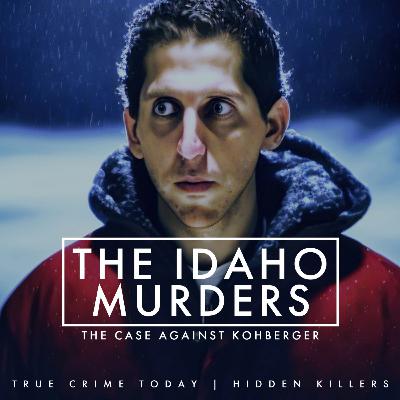
The Idaho Murders | The Case Against Bryan Kohberger
Author: True Crime Today
Subscribed: 668Played: 81,937Subscribe
Share
© True Crime Today
Description
Get ready for a true-crime podcast that will leave you questioning everything with its relentless focus on the capture and prosecution of Bryan Kohbeger - the man accused of committing a quadruple homicide in Moscow, Idaho, involving the brutal murder of four innocent college students he allegedly didn't even know. We'll leave no stone unturned as we explore the dark depths of Kohbeger's mind, asking the most haunting question of all - what drove him to commit such a heinous act? With every episode of the Idaho Murders Podcast, we'll bring you riveting reporting, in-depth discussions, and the latest breaking updates on the case against Kohbeger. Join us as we seek answers and uncover the chilling truth that lurks beneath the surface of this baffling crime. Will justice be served? We'll keep you on the edge of your seat until the very end. Don't miss out on the most riveting true-crime storytelling you'll ever experience.
1267 Episodes
Reverse
The families of the Idaho Four have taken Washington State University to federal court, alleging the school received 13 formal complaints about Bryan Kohberger's stalking and predatory behavior — and allowed him to keep his teaching position, housing, and salary until four students were dead. A professor reportedly warned he would become dangerous. Female students developed their own protection systems because the institution wouldn't act.Former FBI Special Agent Jennifer Coffindaffer analyzes the lawsuit, the Title IX implications, and what federal discovery might reveal. She also breaks down the Michael McKee case — another alleged institutional failure where death threats, strangulation allegations, and pre-offense surveillance reportedly went unaddressed for eight years before Monique and Spencer Tepe were murdered.Two cases. Two institutions. And the same devastating question: why didn't anyone stop this?#BryanKohberger #WSULawsuit #IdahoMurders #MichaelMcKee #MoniqueTepe #KayleeGoncalves #MadisonMogen #XanaKernodle #EthanChapin #JenniferCoffindafferJoin Our SubStack For AD-FREE ADVANCE EPISODES & EXTRAS!: https://hiddenkillers.substack.com/Want to comment and watch this podcast as a video? Check out our YouTube Channel. https://www.youtube.com/@hiddenkillerspodInstagram https://www.instagram.com/hiddenkillerspod/Facebook https://www.facebook.com/hiddenkillerspod/Tik-Tok https://www.tiktok.com/@hiddenkillerspodX Twitter https://x.com/tonybpodListen Ad-Free On Apple Podcasts Here: https://podcasts.apple.com/us/podcast/true-crime-today-premium-plus-ad-free-advance-episode/id1705422872This publication contains commentary and opinion based on publicly available information. All individuals are presumed innocent until proven guilty in a court of law. Nothing published here should be taken as a statement of fact, health or legal advice.
"Mark my words — if we give him a Ph.D., that's the guy that in that many years when he is a professor, we will hear is harassing, stalking, and sexually abusing his students."That's what a WSU professor reportedly told colleagues about Bryan Kohberger while he was still on campus. Female students and staff developed informal warning systems — alerting each other when he was present, arranging escorts after 5 p.m., leaving doors open because they feared being trapped alone with him. At least 13 formal complaints were filed about his behavior in one semester.The families of Kaylee Goncalves, Madison Mogen, Xana Kernodle, and Ethan Chapin have moved their lawsuit against Washington State University to federal court. The claim: the university had threat assessment protocols, received documented warnings, and allowed Kohberger to keep his position, housing, and salary until four people were murdered ten miles from campus.Former FBI Special Agent Jennifer Coffindaffer analyzes what this lawsuit exposes about institutional failure — what documented internal foreknowledge means for civil liability, what the move to federal jurisdiction changes, and what discovery might reveal about how badly WSU failed.#BryanKohberger #WSULawsuit #IdahoMurders #KayleeGoncalves #MadisonMogen #XanaKernodle #EthanChapin #TitleIX #InstitutionalFailure #JenniferCoffindafferJoin Our SubStack For AD-FREE ADVANCE EPISODES & EXTRAS!: https://hiddenkillers.substack.com/Want to comment and watch this podcast as a video? Check out our YouTube Channel. https://www.youtube.com/@hiddenkillerspodInstagram https://www.instagram.com/hiddenkillerspod/Facebook https://www.facebook.com/hiddenkillerspod/Tik-Tok https://www.tiktok.com/@hiddenkillerspodX Twitter https://x.com/tonybpodListen Ad-Free On Apple Podcasts Here: https://podcasts.apple.com/us/podcast/true-crime-today-premium-plus-ad-free-advance-episode/id1705422872This publication contains commentary and opinion based on publicly available information. All individuals are presumed innocent until proven guilty in a court of law. Nothing published here should be taken as a statement of fact, health or legal advice.
This is the forensic breakdown we've been waiting for. Newly unsealed court filings in the Bryan Kohberger case finally reveal the wound counts, blood pattern evidence, and autopsy findings that paint the clearest picture yet of what happened inside 1122 King Road.The numbers: Kaylee Goncalves — 38 sharp-force wounds. Madison Mogen — 28. Ethan Chapin — 17. Xana Kernodle — 67. Xana sustained more wounds than the other three victims combined, and the forensic evidence explains why.Kaylee, Maddie, and Ethan had no blood on the bottoms of their feet or socks. They never stood up. They were attacked in their beds and died there. But Xana had blood on the bottoms of her bare feet — proof she moved during the attack. And blood from Kaylee and Maddie was found on the stairwell and bannister leading from the third floor to the second.The implication: Xana went upstairs, saw or heard what was happening, and ran — with Kohberger in pursuit. Police documented defensive wounds between her fingers and cuts that extended into the bones of her hand. She fought. Hard. And investigators believe that's why Kohberger left behind the knife sheath with his DNA — the evidence that solved this case.We also cover the Idaho State Police disaster: 2,800 crime scene photos released, then pulled hours later. Families got less than 15 minutes' notice despite a court order. What happened, and who's accountable?#BryanKohberger #Kohberger #IdahoMurders #XanaKernodle #KayleeGoncalves #MadisonMogen #EthanChapin #KingRoad #Autopsy #ForensicEvidenceJoin Our SubStack For AD-FREE ADVANCE EPISODES & EXTRAS!: https://hiddenkillers.substack.com/Want to comment and watch this podcast as a video? Check out our YouTube Channel. https://www.youtube.com/@hiddenkillerspodInstagram https://www.instagram.com/hiddenkillerspod/Facebook https://www.facebook.com/hiddenkillerspod/Tik-Tok https://www.tiktok.com/@hiddenkillerspodX Twitter https://x.com/tonybpodListen Ad-Free On Apple Podcasts Here: https://podcasts.apple.com/us/podcast/true-crime-today-premium-plus-ad-free-advance-episode/id1705422872This publication contains commentary and opinion based on publicly available information. All individuals are presumed innocent until proven guilty in a court of law. Nothing published here should be taken as a statement of fact, health or legal advice.
A judge in Bryan Kohberger's case said the quiet part out loud in November 2025: under current Idaho law, Kohberger could potentially profit from book deals, streaming rights, and paid interviews within just five years of conviction. The statute "leaves open the potential for Defendant to receive money from media contracts in the future." Idaho's Son of Sam law hasn't been meaningfully updated since 1978—nearly fifty years ago, when serial killer David Berkowitz terrorized New York City and publishers lined up to pay him for his story. The Supreme Court gutted most of these laws in 1991, declaring them unconstitutional. Idaho never bothered to fix theirs. This week, that finally changed. State Senator Tammy Nichols introduced legislation to modernize the statute, addressing digital monetization, streaming platforms, podcasts, and ongoing royalties—none of which existed when the original law was written. The bill unanimously advanced out of committee for a public hearing. For the families of Kaylee Goncalves, Madison Mogen, Xana Kernodle, and Ethan Chapin, this represents the bare minimum of accountability. The idea that the man accused of murdering their children could one day profit from telling his version of that night is unconscionable. But Idaho has become America's true crime epicenter, and Kohberger isn't the only case raising these questions. Lori Vallow Daybell owes over $700,000 in restitution she'll never pay. Chad Daybell's self-published doomsday novels may still be generating income somewhere. In this episode, we break down the full history of Son of Sam laws, why the Supreme Court struck them down, how Idaho's current statute fails victims, and what the new legislation actually does. Idaho became a true crime epicenter by accident. What they do next is a choice.#BryanKohberger #IdahoMurders #SonOfSamLaw #KayleeGoncalves #MadisonMogen #XanaKernodle #EthanChapin #KohbergerCase #VictimsRights #IdahoLawJoin Our SubStack For AD-FREE ADVANCE EPISODES & EXTRAS!: https://hiddenkillers.substack.com/Want to comment and watch this podcast as a video? Check out our YouTube Channel. https://www.youtube.com/@hiddenkillerspodInstagram https://www.instagram.com/hiddenkillerspod/Facebook https://www.facebook.com/hiddenkillerspod/Tik-Tok https://www.tiktok.com/@hiddenkillerspodX Twitter https://x.com/tonybpodListen Ad-Free On Apple Podcasts Here: https://podcasts.apple.com/us/podcast/true-crime-today-premium-plus-ad-free-advance-episode/id1705422872This publication contains commentary and opinion based on publicly available information. All individuals are presumed innocent until proven guilty in a court of law. Nothing published here should be taken as a statement of fact, health or legal advice.
Bryan Kohberger pled guilty to murdering four University of Idaho students. Michael McKee stands charged with executing his ex-wife Monique Tepe and her husband Spencer in their Columbus home. One was a criminology PhD student. The other is a fellowship-trained vascular surgeon. Both allegedly believed their intelligence would protect them from investigators. Both were wrong.When you compare what we know about how each man allegedly operated, the parallels are disturbing. Kohberger turned his phone off for two hours during the Idaho murders—but it came back online and traced his route home. McKee allegedly left his phone at the hospital for 17 hours straight, creating a complete blackout during the time police say he drove 325 miles to kill two people and drove back. Better operational security on paper. Same result in practice.Kohberger's white Hyundai Elantra was captured on 17 surveillance cameras. McKee allegedly swapped stolen Ohio plates and Arizona temp tags on his silver SUV—but the vehicle was still registered to addresses in his name. Police tracked it to his workplace parking lot. Fresh scrape marks showed where he'd hastily removed a sticker that was already documented in pre-murder footage.Both men allegedly conducted surveillance before striking. Kohberger's phone pinged near the King Road house 23 times in the months before the killings. McKee allegedly spent hours on the Tepe property during a reconnaissance trip 24 days before the murders—while the family was at the Big Ten Championship game.Intelligence got them into elite programs. It didn't get them away with murder. This is the pattern of educated killers who think preparation equals protection—and discover that knowing what investigators look for isn't the same as avoiding it.#BryanKohberger #MichaelMcKee #SpencerTepe #MoniqueTepe #IdahoMurders #ColumbusOhio #TrueCrime #CriminalPsychology #EducatedKillers #HiddenKillersJoin Our SubStack For AD-FREE ADVANCE EPISODES & EXTRAS!: https://hiddenkillers.substack.com/Want to comment and watch this podcast as a video? Check out our YouTube Channel. https://www.youtube.com/@hiddenkillerspodInstagram https://www.instagram.com/hiddenkillerspod/Facebook https://www.facebook.com/hiddenkillerspod/Tik-Tok https://www.tiktok.com/@hiddenkillerspodX Twitter https://x.com/tonybpodListen Ad-Free On Apple Podcasts Here: https://podcasts.apple.com/us/podcast/true-crime-today-premium-plus-ad-free-advance-episode/id1705422872This publication contains commentary and opinion based on publicly available information. All individuals are presumed innocent until proven guilty in a court of law. Nothing published here should be taken as a statement of fact, health or legal advice.
In November 2025, Judge Steven Hippler said the quiet part out loud: Idaho's current Son of Sam law "leaves open the potential for Defendant to receive money from media contracts in the future." Bryan Kohberger — the man who confessed to stabbing Kaylee Goncalves, Madison Mogen, Xana Kernodle, and Ethan Chapin to death — could legally profit from telling his story within five years.This week, Idaho lawmakers finally moved to fix it. Senator Tammy Nichols introduced legislation to modernize the state's 48-year-old statute, and the bill unanimously advanced out of committee. Representative Elaine Price — whose district includes three of the victims' hometowns — co-sponsored it, saying: "Victims should not feel continually victimized."The numbers are infuriating. Kohberger owes over $300,000 in fines and fees. Restitution to the families totals about $32,000. While awaiting trial, he received more than $28,000 in donations to his jail account. Meanwhile, the Goncalves and Mogen families were left arguing in court over who should pay for their daughters' urns — a dispute over roughly $3,000.Idaho's current law was written in 1978. It doesn't mention podcasts. It doesn't mention streaming platforms. It doesn't account for social media monetization or ongoing royalties. The true crime industry generates hundreds of millions of dollars annually, and Idaho's law is stuck in the era of evening news broadcasts.The new bill addresses digital monetization, extends escrow periods by court order, and includes First Amendment protections to survive constitutional challenges. It focuses on profit, not speech. But the clock is already ticking. The families of Kaylee, Maddie, Xana, and Ethan deserve better than a legal system playing catch-up.We break down exactly what's in the bill, what it means for Kohberger, and why this fight is far from over.#BryanKohberger #IdahoMurders #KayleeGoncalves #MadisonMogen #XanaKernodle #EthanChapin #SonOfSamLaw #MoscowIdaho #UniversityOfIdaho #Justice4IdahoJoin Our SubStack For AD-FREE ADVANCE EPISODES & EXTRAS!: https://hiddenkillers.substack.com/Want to comment and watch this podcast as a video? Check out our YouTube Channel. https://www.youtube.com/@hiddenkillerspodInstagram https://www.instagram.com/hiddenkillerspod/Facebook https://www.facebook.com/hiddenkillerspod/Tik-Tok https://www.tiktok.com/@hiddenkillerspodX Twitter https://x.com/tonybpodListen Ad-Free On Apple Podcasts Here: https://podcasts.apple.com/us/podcast/true-crime-today-premium-plus-ad-free-advance-episode/id1705422872This publication contains commentary and opinion based on publicly available information. All individuals are presumed innocent until proven guilty in a court of law. Nothing published here should be taken as a statement of fact, health or legal advice.
Two different systems allegedly failed to act on clear warning signs. One was an institution. The other was a family. Former FBI Special Agent Robin Dreeke analyzes both in this extended interview—and explains what these cases reveal about how we recognize danger, and why we so often fail to respond. On the Kohberger case: The families of Kaylee Goncalves, Madison Mogen, Xana Kernodle, and Ethan Chapin have sued Washington State University for gross negligence and wrongful death. The lawsuit alleges WSU received 13 formal complaints about Bryan Kohberger's threatening and predatory behavior during the fall 2022 semester. Faculty allegedly predicted he would sexually abuse students if given a PhD. Staff created informal "911" alerts. Women needed security escorts. Robin—who spent 21 years with the FBI including as Chief of the Counterintelligence Behavioral Analysis Program—explains what those complaints should have triggered operationally and why institutions prioritize liability over safety. On the Reiner case: Nick Reiner was under LPS conservatorship in 2020, overseen by a professional fiduciary. It wasn't renewed. His medication was reportedly changed a month before his parents were found dead. Robin analyzes how someone manipulates institutional gatekeepers, how families lose threat perception over decades of managing mental illness and addiction, and what it means that Rob Reiner publicly regretted listening to professionals instead of Nick. Two failures. Two mechanisms. One conversation about the cost of inaction.#BryanKohberger #NickReiner #RobReiner #KayleeGoncalves #MadisonMogen #WSULawsuit #FBI #RobinDreeke #InstitutionalFailure #FamilyDynamicsJoin Our SubStack For AD-FREE ADVANCE EPISODES & EXTRAS!: https://hiddenkillers.substack.com/Want to comment and watch this podcast as a video? Check out our YouTube Channel. https://www.youtube.com/@hiddenkillerspodInstagram https://www.instagram.com/hiddenkillerspod/Facebook https://www.facebook.com/hiddenkillerspod/Tik-Tok https://www.tiktok.com/@hiddenkillerspodX Twitter https://x.com/tonybpodListen Ad-Free On Apple Podcasts Here: https://podcasts.apple.com/us/podcast/true-crime-today-premium-plus-ad-free-advance-episode/id1705422872This publication contains commentary and opinion based on publicly available information. All individuals are presumed innocent until proven guilty in a court of law. Nothing published here should be taken as a statement of fact, health or legal advice.
The families of Kaylee Goncalves, Madison Mogen, Xana Kernodle, and Ethan Chapin are suing Washington State University for allegedly knowing Bryan Kohberger was dangerous and doing nothing. Thirteen complaints in one semester. Security escorts for terrified women. A professor who warned colleagues he'd become a predator. And according to the lawsuit, WSU's biggest concern was getting sued by the stalker. We're answering your questions — and connecting this case to two others that expose the same systemic rot. Nick Reiner allegedly killed his parents Rob and Michele after years of failed rehab, a schizophrenia diagnosis, and a mental health system that couldn't contain what everyone saw coming. Michael McKee allegedly drove 300 miles to murder his ex-wife Monique Tepe and her husband Spencer — a seven-month marriage that became an eight-year obsession because domestic violence protections couldn't stop a man who decided his ex couldn't be happy. Three cases. Three different failures. Universities that don't act. Mental health systems that don't intervene. Restraining orders that don't protect. Your questions about Title IX, enabling, coercive control, and what accountability actually looks like when institutions choose self-preservation over the people they're supposed to serve.#BryanKohberger #WSULawsuit #KayleeGoncalves #MadisonMogen #XanaKernodle #EthanChapin #NickReiner #MichaelMcKee #InstitutionalFailure #TrueCrimeJoin Our SubStack For AD-FREE ADVANCE EPISODES & EXTRAS!: https://hiddenkillers.substack.com/Want to comment and watch this podcast as a video? Check out our YouTube Channel. https://www.youtube.com/@hiddenkillerspodInstagram https://www.instagram.com/hiddenkillerspod/Facebook https://www.facebook.com/hiddenkillerspod/Tik-Tok https://www.tiktok.com/@hiddenkillerspodX Twitter https://x.com/tonybpodListen Ad-Free On Apple Podcasts Here: https://podcasts.apple.com/us/podcast/true-crime-today-premium-plus-ad-free-advance-episode/id1705422872This publication contains commentary and opinion based on publicly available information. All individuals are presumed innocent until proven guilty in a court of law. Nothing published here should be taken as a statement of fact, health or legal advice.
The families of Kaylee Goncalves, Madison Mogen, Xana Kernodle, and Ethan Chapin have filed a 126-page wrongful death lawsuit against Washington State University — and the allegations paint a picture of institutional failure at every level. Thirteen formal complaints against Bryan Kohberger in a single semester. Female students so terrified they needed security escorts to their vehicles. Staff creating secret email systems to warn each other when he was on the move. A professor who allegedly predicted he would become a stalker and abuser if given a PhD. And according to this lawsuit, WSU's primary concern was getting sued by Kohberger, not protecting the women he was allegedly terrorizing. We're answering your questions about how this many red flags get ignored, what Title IX actually requires, and why Kohberger was finally terminated right around the time of the murders. The victims didn't even attend WSU — they were University of Idaho students killed eight miles away. Does that matter legally? We also discuss whether this lawsuit is about money, accountability, or forcing the truth onto the public record. Steve Goncalves has made clear he wants answers. This lawsuit might be the only way to get them.#BryanKohberger #WSULawsuit #KayleeGoncalves #MadisonMogen #XanaKernodle #EthanChapin #IdahoMurders #WashingtonStateUniversity #SteveGoncalves #InstitutionalNegligenceJoin Our SubStack For AD-FREE ADVANCE EPISODES & EXTRAS!: https://hiddenkillers.substack.com/Want to comment and watch this podcast as a video? Check out our YouTube Channel. https://www.youtube.com/@hiddenkillerspodInstagram https://www.instagram.com/hiddenkillerspod/Facebook https://www.facebook.com/hiddenkillerspod/Tik-Tok https://www.tiktok.com/@hiddenkillerspodX Twitter https://x.com/tonybpodListen Ad-Free On Apple Podcasts Here: https://podcasts.apple.com/us/podcast/true-crime-today-premium-plus-ad-free-advance-episode/id1705422872This publication contains commentary and opinion based on publicly available information. All individuals are presumed innocent until proven guilty in a court of law. Nothing published here should be taken as a statement of fact, health or legal advice.
Bryan Kohberger is serving four consecutive life sentences for murdering Kaylee Goncalves, Madison Mogen, Xana Kernodle, and Ethan Chapin. The criminal case is closed. But the civil reckoning is just beginning—and it's not the only case demanding accountability this week. The families of Kohberger's victims have filed a 126-page wrongful death lawsuit against Washington State University, alleging the school ignored 13 formal complaints against Kohberger while he was employed as a teaching assistant. Women requested security escorts to avoid him. Staff created informal "911" alerts. A professor allegedly predicted he'd harass and abuse students. The families argue the murders were "foreseeable and preventable." Former prosecutor turned defense attorney Eric Faddis breaks down the Title IX violations, gross negligence claims, and what discovery will expose. Also in this episode: Faddis analyzes the Tepe double murder case in Columbus, where Dr. Michael McKee faces aggravated murder charges for allegedly killing his ex-wife Monique Tepe and her husband Richard Tepe. Police say they found the murder weapon in McKee's apartment. His alibi reportedly failed. Faddis examines both the prosecution's strategy and where the defense will attack. Two cases. Criminal and civil accountability. One expert breakdown.#BryanKohberger #WSULawsuit #KayleeGoncalves #MadisonMogen #TepeMurders #MichaelMcKee #MoniqueTepe #EricFaddis #TitleIX #KohbergerCaseJoin Our SubStack For AD-FREE ADVANCE EPISODES & EXTRAS!: https://hiddenkillers.substack.com/Want to comment and watch this podcast as a video? Check out our YouTube Channel. https://www.youtube.com/@hiddenkillerspodInstagram https://www.instagram.com/hiddenkillerspod/Facebook https://www.facebook.com/hiddenkillerspod/Tik-Tok https://www.tiktok.com/@hiddenkillerspodX Twitter https://x.com/tonybpodListen Ad-Free On Apple Podcasts Here: https://podcasts.apple.com/us/podcast/true-crime-today-premium-plus-ad-free-advance-episode/id1705422872This publication contains commentary and opinion based on publicly available information. All individuals are presumed innocent until proven guilty in a court of law. Nothing published here should be taken as a statement of fact, health or legal advice.
The families of Kaylee Goncalves, Madison Mogen, Xana Kernodle, and Ethan Chapin have filed a 126-page wrongful death lawsuit against Washington State University—the school that employed Bryan Kohberger, housed him, and paid him a salary while he was allegedly terrorizing women on campus. According to the lawsuit, at least 13 formal complaints were filed against Kohberger during his single semester as a teaching assistant. Women requested security escorts to avoid him. Staff developed informal warning systems. One supervising instructor allegedly worried that removing Kohberger could expose the university to a lawsuit. A professor reportedly predicted he would go on to harass and sexually abuse students if WSU gave him a PhD. The families allege gross negligence, Title IX violations, and deliberate indifference—arguing the murders of their children were foreseeable and preventable. WSU has declined to comment beyond offering condolences. Former prosecutor turned criminal defense attorney Eric Faddis joins us to break down the legal claims. What does "deliberate indifference" mean? How do families prove it? What documents will emerge during discovery that WSU doesn't want exposed? And could this lawsuit change how universities nationwide handle threat assessments and complaints about predatory behavior? The criminal case is closed. The civil reckoning is just beginning.#BryanKohberger #KayleeGoncalves #MadisonMogen #XanaKernodle #EthanChapin #WSULawsuit #KohbergerCase #TitleIX #WrongfulDeath #EricFaddisJoin Our SubStack For AD-FREE ADVANCE EPISODES & EXTRAS!: https://hiddenkillers.substack.com/Want to comment and watch this podcast as a video? Check out our YouTube Channel. https://www.youtube.com/@hiddenkillerspodInstagram https://www.instagram.com/hiddenkillerspod/Facebook https://www.facebook.com/hiddenkillerspod/Tik-Tok https://www.tiktok.com/@hiddenkillerspodX Twitter https://x.com/tonybpodListen Ad-Free On Apple Podcasts Here: https://podcasts.apple.com/us/podcast/true-crime-today-premium-plus-ad-free-advance-episode/id1705422872This publication contains commentary and opinion based on publicly available information. All individuals are presumed innocent until proven guilty in a court of law. Nothing published here should be taken as a statement of fact, health or legal advice.
He studied sexually motivated burglars and serial killers for his PhD research. At the same time, according to a new lawsuit, his own behavior was reportedly alarming every woman who crossed his path at Washington State University. Bryan Kohberger is now serving four consecutive life sentences for the murders of Kaylee Goncalves, Madison Mogen, Xana Kernodle, and Ethan Chapin. But the families aren't done seeking answers—they've sued WSU for gross negligence, wrongful death, and Title IX violations, alleging the university ignored 13 formal complaints about Kohberger's threatening and predatory behavior in the semester before the murders. Former FBI Special Agent Robin Dreeke joins us for an in-depth analysis of what these behaviors actually signaled. Robin spent 21 years with the Bureau, including serving as Chief of the FBI's Counterintelligence Behavioral Analysis Program, and he walks us through the significance of each warning sign documented in the lawsuit. The spatial trapping. The blocked exits. The following women to their cars. The rage outbursts.The staff developing their own alert system. Robin explains when behavior like this crosses from concerning to requiring intervention, what a proper threat assessment would have revealed, and whether there's behavioral significance to someone studying predatory violence while allegedly exhibiting predatory behavior themselves. This deep dive covers every angle of the lawsuit's allegations—and what it means for accountability when institutions allegedly see a threat coming and choose not to act.#BryanKohberger #KohbergerCase #WSULawsuit #IdahoFour #RobinDreeke #FBI #ThreatAssessment #KayleeGoncalves #MadisonMogen #CriminalJusticeJoin Our SubStack For AD-FREE ADVANCE EPISODES & EXTRAS!: https://hiddenkillers.substack.com/Want to comment and watch this podcast as a video? Check out our YouTube Channel. https://www.youtube.com/@hiddenkillerspodInstagram https://www.instagram.com/hiddenkillerspod/Facebook https://www.facebook.com/hiddenkillerspod/Tik-Tok https://www.tiktok.com/@hiddenkillerspodX Twitter https://x.com/tonybpodListen Ad-Free On Apple Podcasts Here: https://podcasts.apple.com/us/podcast/true-crime-today-premium-plus-ad-free-advance-episode/id1705422872This publication contains commentary and opinion based on publicly available information. All individuals are presumed innocent until proven guilty in a court of law. Nothing published here should be taken as a statement of fact, health or legal advice.
She saw it coming. A professor at Washington State University looked at Bryan Kohberger in the fall of 2022 and told her colleagues exactly what she believed: "Mark my word, I work with predators. If we give him a Ph.D., that's the guy we will hear is harassing, stalking, and sexually abusing his students."She urged them to cut his funding. They didn't.According to a 126-page lawsuit filed by the families of Kaylee Goncalves, Madison Mogen, Xana Kernodle, and Ethan Chapin, at least 13 formal complaints were filed against Kohberger in just three months. Women built survival systems around him — tally boards, "911" emails, security escorts, door strategies to avoid being alone with him. Five days before the murders, WSU held mandatory discrimination training for his cohort. Because of him. Less than two weeks before, faculty met with him about his behavior.The lawsuit alleges WSU calculated that a discrimination lawsuit from Kohberger was a bigger threat than the violence he might commit.Now Bryan's sister Mel has broken her silence. In a New York Times interview, she describes Christmas 2022 — warning her brother about the "psycho killer on the loose" near his Pullman apartment, never knowing she was talking to the suspect. She reveals the "creepy drawing" tabloids mocked at his sentencing was actually a heart she made for him. Bright colors. A message of love.Mel talks about Bryan's childhood bullying, his heroin addiction, his recovery — and the impossibility of reconciling the brother she knew with the crimes he's accused of committing.The warning signs weren't missed. According to this lawsuit, they were documented, escalated, and ignored.#BryanKohberger #WSULawsuit #IdahoMurders #KayleeGoncalves #MadisonMogen #XanaKernodle #EthanChapin #MelKohberger #WashingtonStateUniversity #IdahoFourJoin Our SubStack For AD-FREE ADVANCE EPISODES & EXTRAS!: https://hiddenkillers.substack.com/Want to comment and watch this podcast as a video? Check out our YouTube Channel. https://www.youtube.com/@hiddenkillerspodInstagram https://www.instagram.com/hiddenkillerspod/Facebook https://www.facebook.com/hiddenkillerspod/Tik-Tok https://www.tiktok.com/@hiddenkillerspodX Twitter https://x.com/tonybpodListen Ad-Free On Apple Podcasts Here: https://podcasts.apple.com/us/podcast/true-crime-today-premium-plus-ad-free-advance-episode/id1705422872This publication contains commentary and opinion based on publicly available information. All individuals are presumed innocent until proven guilty in a court of law. Nothing published here should be taken as a statement of fact, health or legal advice.
The lawsuit the families promised has arrived — and it's worse than anyone expected.All four families of the Idaho murder victims have filed a 126-page complaint against Washington State University, alleging the school knew Bryan Kohberger was dangerous and did nothing to stop him. The filing details at least 13 formal complaints made against Kohberger between August and November 2022 — stalking, harassment, blocking doorways, following women to their cars, and behavior so alarming that female students built their own emergency warning systems.One professor told colleagues directly: "Mark my word, I work with predators. If we give him a Ph.D., that's the guy we will hear is harassing, stalking, and sexually abusing his students." She urged them to cut his funding. They refused.The lawsuit alleges the employee responsible for handling complaints never even spoke with Kohberger. It alleges a supervisor feared firing him could expose WSU to a lawsuit — from the predator himself. So they kept him on payroll, in university housing, with access to students.Five days before the murders: mandatory discrimination training. Less than two weeks before: a faculty intervention meeting.The families call what happened "foreseeable — and, in fact, predictable." They're demanding transparency, accountability, and answers. This episode covers every detail from the complaint.#BryanKohberger #WSULawsuit #Kohberger #IdahoMurders #KayleeGoncalves #MadisonMogen #XanaKernodle #EthanChapin #IdahoFour #KohbergerCaseJoin Our SubStack For AD-FREE ADVANCE EPISDOES & EXTRAS!: https://hiddenkillers.substack.com/Want to comment and watch this podcast as a video? Check out our YouTube Channel. https://www.youtube.com/@hiddenkillerspodInstagram https://www.instagram.com/hiddenkillerspod/Facebook https://www.facebook.com/hiddenkillerspod/Tik-Tok https://www.tiktok.com/@hiddenkillerspodX Twitter https://x.com/tonybpodListen Ad-Free On Apple Podcasts Here: https://podcasts.apple.com/us/podcast/true-crime-today-premium-plus-ad-free-advance-episode/id1705422872This publication contains commentary and opinion based on publicly available information. All individuals are presumed innocent until proven guilty in a court of law. Nothing published here should be taken as a statement of fact, health or legal advice.
This is the interview the Kohberger family never wanted to give — until now.In a bombshell exclusive with The New York Times, Mel Kohberger finally breaks three years of silence about her brother Bryan, the man who pleaded guilty to murdering Madison Mogen, Kaylee Goncalves, Xana Kernodle, and Ethan Chapin in November 2022.She takes us inside Bryan's troubled youth: the relentless bullying, the undiagnosed autism the family now believes shaped his personality, the heroin addiction that nearly killed him, and the moment he stole her phone to buy drugs — prompting their parents to call police on their own son.She describes the last Christmas before the arrest: vegan cookies their mother baked, TV party games, Bryan helping bandage a cut on her finger. Days later, FBI agents shattered the windows and took him away in handcuffs.And she finally explains the "creepy drawing" that went viral during Bryan's sentencing hearing. It wasn't dark. It wasn't a symbol of evil. It was a vibrant heart she drew for her brother — a reminder that even after everything, he was still loved.Mel also reflects on her own history as a true crime fan — and why she now regrets it.This episode contains new details about the Kohberger family's experience, their ongoing prayers for the victims, and what it's like to be dragged into the center of America's most scrutinized murder case.#BryanKohberger #MelKohberger #KohbergerFamily #KohbergerInterview #IdahoMurders #IdahoFour #KohbergerSister #KohbergerNews #KohbergerUpdate #MoscowIdahoMurdersJoin Our SubStack For AD-FREE ADVANCE EPISDOES & EXTRAS!: https://hiddenkillers.substack.com/Want to comment and watch this podcast as a video? Check out our YouTube Channel. https://www.youtube.com/@hiddenkillerspodInstagram https://www.instagram.com/hiddenkillerspod/Facebook https://www.facebook.com/hiddenkillerspod/Tik-Tok https://www.tiktok.com/@hiddenkillerspodX Twitter https://x.com/tonybpodListen Ad-Free On Apple Podcasts Here: https://podcasts.apple.com/us/podcast/true-crime-today-premium-plus-ad-free-advance-episode/id1705422872
In this chilling Hidden Killers deep dive, we confront two disturbing revelations about Bryan Kohberger — the kind that point to hidden behavior far beyond what happened on King Road. Retired FBI Behavioral Analysis Program Chief Robin Dreeke joins Tony Brueski to break down the unsettling possibility that Kohberger maintained secret stashes of weapons, stolen items, and trophies — and that investigators may have only scratched the surface.
First, we explore the “hidey hole” theory: a private cache where Kohberger may have stored the missing KA-BAR knife, clothing, stolen items, or other evidence he didn’t want to destroy. Dreeke draws direct parallels to BTK, Israel Keyes, and Robert Hansen — offenders who built entire systems of hidden drop sites to revisit, relive, and maintain control over their crimes. Kohberger’s shovel with tested soil, his repeated trips to remote parks, and a long pattern of break-ins and petty theft suggest this behavior may have been developing for years.
But the story gets darker.
We also examine the two mystery ID cards found in Kohberger’s possession — IDs belonging to women who were not his victims and who may not even know he ever had them. These weren’t discovered in plain sight. They were tucked away, hidden in a glove box inside a box. Dreeke explains why offenders sometimes keep items like this: not as accidents, but as trophies, leverage, fantasies, or souvenirs of earlier intrusions.
Why would a man who meticulously cleaned his car miss two IDs? He probably didn’t. He simply didn’t believe they were important to the crime he was trying to erase — a psychological compartmentalization common among escalating offenders.
Together, these findings raise chilling questions:
• Did Kohberger have a cache?
• How many items were hidden?
• How many women were surveilled, targeted, or intruded upon?
• And how much evidence — or truth — is still buried?
This is the behavioral blueprint investigators fear the most: escalation, souvenirs, and secrets carefully tucked away.
#BryanKohberger #HiddenKillers #Idaho4 #FBIProfiler #EvidenceStash #TrophyBehavior #TrueCrimePodcast #CriminalPsychology #KnifeCache #RobinDreeke
Want to comment and watch this podcast as a video?
Check out our YouTube Channel. https://www.youtube.com/@hiddenkillerspod
Instagram https://www.instagram.com/hiddenkillerspod/
Facebook https://www.facebook.com/hiddenkillerspod/
Tik-Tok https://www.tiktok.com/@hiddenkillerspod
X Twitter https://x.com/tonybpod
Listen Ad-Free On Apple Podcasts Here: https://podcasts.apple.com/us/podcast/true-crime-today-premium-plus-ad-free-advance-episode/id1705422872
🔍 Feel the raw agony of the Idaho murder victims' families as they confront Bryan Kohberger in court with impact statements that shatter souls – in this emotional powerhouse from Hidden Killers 2025 Year in Review – a look back at the biggest cases of the year. During the July 23, 2025, Boise sentencing, where Kohberger copped his guilty plea for four life terms, the #Idaho4 kin unleashed unfiltered fury: Kaylee Goncalves' dad Steve slamming the "cowardly" stabber who stole futures, Xana Kernodle's mom Kristi detailing shattered dreams and endless therapy voids, and Ethan's sister Jazz sobbing over a brother's erased laughter. No dry eyes as they demanded he stare into the abyss he created – premeditated horror via Amazon knives and sheath DNA that no autism plea could erase.
This Hidden Killers With Tony Brueski: True Crime Today deep dive captures the catharsis: Why these words weren't just closure, but weapons piercing his narcissistic shell, echoing FBI profiler warnings of zero empathy. Families' pleas for death row dodged, but the pain fueled yesterday's November 19 Goncalves WSU lawsuit, ripping into university lapses on Kohberger's creepy surveys and prowls. Restitution rages on too – $30K victim fund holdups and urn payback battles from the November 5 hearing, proving scars outlast sentences.
True crime heart-breakers, this is visceral: Statements that humanize the lost and haunt the locked-away killer. Did Kohberger flinch, or feast on the spotlight? Your 2025 essential on grief's grip in the Idaho inferno, where words wound deeper than blades.
#BryanKohberger #IdahoMurders #VictimImpact #FamilyStatements #TrueCrime #KohbergerSentencing #Idaho4 #HiddenKillers2025 #CrimeYearInReview #WSULawsuit #TrueCrimePodcast #CourtroomTears
Want to comment and watch this podcast as a video?
Check out our YouTube Channel. https://www.youtube.com/@hiddenkillerspod
Instagram https://www.instagram.com/hiddenkillerspod/
Facebook https://www.facebook.com/hiddenkillerspod/
Tik-Tok https://www.tiktok.com/@hiddenkillerspod
X Twitter https://x.com/tonybpod
Listen Ad-Free On Apple Podcasts Here: https://podcasts.apple.com/us/podcast/true-crime-today-premium-plus-ad-free-advance-episode/id1705422872
In today’s explosive Hidden Killers episode, we confront two of the most unsettling questions still hanging over the Bryan Kohberger case: Was he stalking other women long before the murders — and did investigators miss critical evidence that could reveal the full scope of his behavior?
Tony Brueski brings together new reporting, behavioral analysis, and expert insight to examine the disturbing possibility that the Moscow murders were not Kohberger’s first intrusion — and may not have been his last attempt at gaining control over women he watched, followed, or targeted.
Unsealed documents now suggest Kohberger may have entered the King Road home prior to the murders, explaining his precision during the attack. But that revelation unlocks deeper implications when paired with a chilling 2021 break-in in Pullman, where a masked intruder armed with a knife slipped into a home full of sleeping sorority members. Nobody was harmed. But the parallels — the geography, the weapon, the behavioral signature — are impossible to ignore.
Was he testing boundaries? Testing fear? Testing himself?
Then retired FBI Special Agent Jennifer Coffindaffer joins Tony to analyze whether investigators — despite their massive effort — may have missed key evidence in the chaotic crime scene aftermath. A three-person DNA mixture under a victim’s nails, inconsistencies in injury documentation, and the inherent difficulty of processing an ultra-violent, multi-victim scene leave open the question of whether critical clues slipped through the cracks.
We examine how crime scene pressure, overwhelming public scrutiny, and the singular focus on Kohberger could have narrowed the investigative lens too soon. Did they catch the right man? Yes. But did they catch every part of what he did? That’s a different question.
This episode ties it all together — the stalking, the intrusions, the behavioral pattern, and the forensic blind spots — painting a picture of a suspect whose trail may stretch further than the public ever realized.
#BryanKohberger #IdahoMurders #HiddenKillers #CriminalPsychology #StalkingBehavior #ForensicAnalysis #JenniferCoffindaffer #TonyBrueski #TrueCrimePodcast #KohbergerInvestigation
Want to comment and watch this podcast as a video?
Check out our YouTube Channel. https://www.youtube.com/@hiddenkillerspod
Instagram https://www.instagram.com/hiddenkillerspod/
Facebook https://www.facebook.com/hiddenkillerspod/
Tik-Tok https://www.tiktok.com/@hiddenkillerspod
X Twitter https://x.com/tonybpod
Listen Ad-Free On Apple Podcasts Here: https://podcasts.apple.com/us/podcast/true-crime-today-premium-plus-ad-free-advance-episode/id1705422872
🔍 Why did prosecutors snatch Bryan Kohberger's guilty plea in a heartbeat, dodging a death row spectacle? Top attorney Eric Faddis breaks it down raw – in this can't-miss clip from Hidden Killers 2025 Year in Review – a look back at the biggest cases of the year. Post-July 2025's frantic 48-hour deal landing four life sentences, Faddis exposes the DA's calculus: Ironclad sheath DNA and Amazon premed buys made trial a slam-dunk, but venue woes, jury taint from Dateline leaks, and family fatigue tipped the scale to "closure over carnage." No capital chase meant no spectacle for Kohberger's ego – just locked eternity for the #Idaho4 butcher.
This Hidden Killers With Tony Brueski: True Crime Today intel hits harder now: Yesterday's November 19 Goncalves WSU lawsuit rips university cover-ups of his stalking sprees, echoing Faddis' warnings on ignored red flags. Plus, fresh restitution beefs – $30K victim fund snags and urn payback drags from the November 5 hearing – prove the fight's far from over. Autism defenses? Flop city. Third-party ghosts? Busted.
True crime insiders, this is the legal gut-punch: Did the plea smart-save resources or shortchange screams for justice? Unpack the backroom bets that buried the Idaho nightmare – your 2025 key to why monsters sometimes skate the needle.
#BryanKohberger #IdahoMurders #PleaDealSecrets #EricFaddis #TrueCrime #KohbergerVerdict #Idaho4 #HiddenKillers2025 #CrimeYearInReview #WSULawsuit #TrueCrimePodcast #DAMove
Want to comment and watch this podcast as a video?
Check out our YouTube Channel. https://www.youtube.com/@hiddenkillerspod
Instagram https://www.instagram.com/hiddenkillerspod/
Facebook https://www.facebook.com/hiddenkillerspod/
Tik-Tok https://www.tiktok.com/@hiddenkillerspod
X Twitter https://x.com/tonybpod
Listen Ad-Free On Apple Podcasts Here: https://podcasts.apple.com/us/podcast/true-crime-today-premium-plus-ad-free-advance-episode/id1705422872
In this explosive Hidden Killers deep-dive, we bring together two of the sharpest minds in criminal profiling—retired FBI Behavioral Analysis Program Chief Robin Dreeke and retired FBI Special Agent Jennifer Coffindaffer—to expose how Bryan Kohberger failed at every stage of his crime, his aftermath, and even his attempts at psychological control.
This episode dissects the myth of Kohberger as a “mastermind” and replaces it with the truth: a man who wanted to be feared, studied, and remembered, but instead collapsed under the weight of his own incompetence.
Robin Dreeke breaks down the crumbling psychology beneath Kohberger’s persona—his grandiosity, his obsession with superiority, and the fantasy world he tried to construct online as “Papa Roger,” a self-appointed expert who desperately wanted attention. We examine Alivea Goncalves’ devastating victim impact statement through the eyes of a behavioral profiler—how her words cut directly through Kohberger’s ego and hit the one place he feels pain: his illusion of genius.
Then, Jennifer Coffindaffer joins Tony to unravel the newly uncovered shovel evidence from Pennsylvania—dirt still caked on it, soil samples tested, locations compared. Investigators believed the missing murder weapon or clothing could have been buried. Why? Because this wasn’t a mastermind’s cleanup. It was frantic, sloppy, and driven by panic, not brilliance. And yet the shovel suggests he still clung to ritual, control, and trophy-keeping impulses.
We dig into Kohberger’s obsessive pre-crime surveillance, his digital trail, his chaotic crime scene, his compulsive post-crime behavior—and the haunting question: Was he burying evidence, or burying the last scraps of an identity he could no longer maintain?
From botched planning to failed manipulation to the possibility of a still-hidden weapon, this episode dismantles Kohberger’s mythology and reveals the truth behind the man who wanted to be infamous—yet has become forgettable.
#BryanKohberger #HiddenKillers #FBIAnalysis #TrueCrimePodcast #CriminalProfiling #BehavioralAnalysis #IdahoMurders #ForensicEvidence
Want to comment and watch this podcast as a video?
Check out our YouTube Channel. https://www.youtube.com/@hiddenkillerspod
Instagram https://www.instagram.com/hiddenkillerspod/
Facebook https://www.facebook.com/hiddenkillerspod/
Tik-Tok https://www.tiktok.com/@hiddenkillerspod
X Twitter https://x.com/tonybpod
Listen Ad-Free On Apple Podcasts Here: https://podcasts.apple.com/us/podcast/true-crime-today-premium-plus-ad-free-advance-episode/id1705422872


What a basic show
she is very annoying, she has breached the gag order but blaming everyone else!