


 Claim Ownership
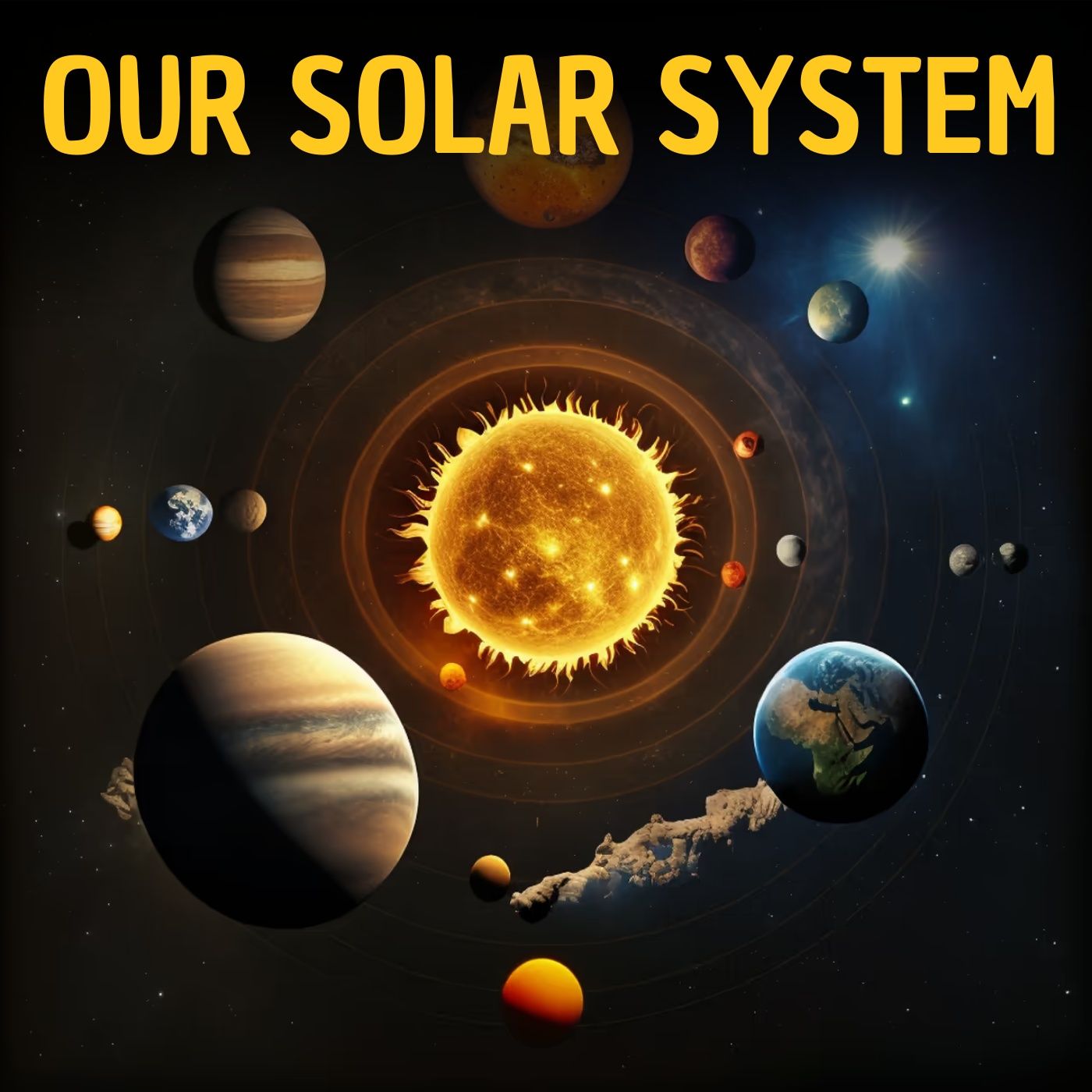
Our Solar System
Subscribed: 25Played: 200
Subscribe

© Copyright Sol Good Network
Description
Embark on an awe-inspiring exploration with "Our Solar System," a captivating podcast that takes listeners on an enlightening journey through the vast wonders of our celestial neighborhood. This engaging series delves deep into the mysteries and marvels of each planet, offering insightful glimpses into their unique features, intriguing histories, and profound significance. From the gas giant Jupiter with its swirling storms to Mercury's scorching surface, each episode presents a compelling narrative that unravels the secrets of space. "Our Solar System" stands out as a must-listen for anyone curious about the universe, blending factual information with the latest discoveries and theories to keep you informed and entertained. Whether you're a seasoned space enthusiast or a curious newcomer, this podcast provides an accessible yet comprehensive understanding of the cosmos, revealing the interconnectedness of our planetary system and its impact on our understanding of the universe. With expert interviews, vivid storytelling, and cutting-edge science, "Our Solar System" is more than just a podcast—it's an essential guide to the final frontier. Tune in to expand your knowledge and ignite your imagination as we venture beyond the confines of Earth to explore the dynamic and ever-changing universe that surrounds us. Check out more shows at solgoodmedia.com.
This show includes AI-generated content.
This show includes AI-generated content.
23 Episodes
Reverse
Uranus is tilted by about 98 degrees, so it spins on its side and has seasons that can last two decades. We explain what that tilt does to its rings, moons, and weather, why a giant impact early in the solar system is the leading explanation, and what Voyager 2's 1986 flyby revealed about this still little-visited ice giant.This episode includes AI-generated content.
The asteroid belt between Mars and Jupiter is not the crowded rock field movies suggest. We explain what is actually in it, why its total mass is so small, how Ceres and Vesta fit the story, and why Jupiter's gravity likely kept those leftovers from becoming a planet. We also cover the Kirkwood gaps and what missions such as Dawn have shown.This episode includes AI-generated content.
Mars is called the Red Planet because iron oxide dust stains its surface, but the more surprising story is water. We explain why Mars looks red, what its thin carbon dioxide atmosphere is like today, and the evidence from orbiters and rovers that rivers and lakes once existed there — including Curiosity's ancient lake in Gale Crater and Perseverance's work at Jezero. We also cover polar and underground ice, why liquid water is unstable on the surface now, and why no life has been confirmed.This episode includes AI-generated content.
Jupiter's Great Red Spot is a storm bigger than Earth that astronomers have watched for well over a century. We explain what it is, how big it is, why it is red, how long it has lasted, why it has been shrinking, and what spacecraft like Juno have learned about how deep it goes.This episode includes AI-generated content.
Saturn's rings are one of the most stunning sights in the solar system, but where did they come from, and will they last? We look at what the rings are made of, how thin they are, how Galileo first saw them, what the Cassini mission revealed, the debate over whether the rings are young or ancient, and why every giant planet has rings but only Saturn's shine so brightly.This episode includes AI-generated content.

Comments

Download from Google Play

Download from App Store
 United States