


Indie Marketing Plays
Subscribed: 2Played: 13
Subscribe


© Benjamin Boman
Description
Actionable marketing ideas and techniques in practice for Indie Hackers and product marketers.
indiemarketingplays.com
indiemarketingplays.com
34 Episodes
Reverse

It's here! That's the end of season 4.Many thanks to the guests of this season. Each of them provided very actionable direction on how to apply strategic theories in practice.Based on this season, I need to narrow and define the vision for this podcast moving forward. I may restart the podcast sometime next year.In the meantime, if you would like to support the show, please interact with the guests by leaving comments or likes on their episodes. This will help encourage the guests, and also give me some feedback on what people like to listen to.Thank you again for listening. This is a public episode. If you would like to discuss this with other subscribers or get access to bonus episodes, visit indiemarketingplays.com

Sankar is the CEO and Founder of SkyGeni, a Growth Insights platform for B2B revenue leaders. SkyGeni’s Explainable AI-powered actionable insights enable CROs to drive more efficient and predictable growth and boost sales productivity.In this episode, Sankar shares experience and guidance on building your first sales team at a new venture, without existing sales processes.Key takeaways:* Hiring junior vs senior when building the team* The role of the founder in preparing sales processes* The key 2 traits to look for in new sales hires for the best return* How to set targets for a new vs developed team* What roles to fill in as the team grows, and how to fill them* How to troubleshoot poor sales team performanceKey links:* SkyGeni* Sankar Sundaresan on LinkedInLooking for faster, scalable lead generation?Once developed, paid ad channels can provide consistent, profitable lead flow without the rollercoaster results of organic methods like content marketing.If you’d like help, contact me for a chat or learn more on my agency’s website Hungry Bear Digital. This is a public episode. If you would like to discuss this with other subscribers or get access to bonus episodes, visit substack.benjaminboman.com

Kevon Cheung is the founder of Public Lab and author of the book Find Joy in Chaos: How to Build Your Twitter Presence so Connections and Opportunities Come Find You. He is also the Creator and Head Teacher of Build in Public Mastery, a program that teaches others how to share their business journey authentically on social media.In this episode, Kevon teaches you how to share your journey authentically on social media to naturally attract followers, clients, and opportunities. Key takeaways:* How Building in Public (BIP) typically works* Two common mistakes in using the technique* How to build in public for services vs digital products* Kevon’s core framework for building in public* What to post, other than simple updates* How to consolidate your following and audience* How BIP content is changing, and what to post nowKey links:* Kevon’s Build in Public Essays* The Build in Public Mastery Program* Kevon’s book, Find Joy in Chaos: How to Build Your Twitter Presence so Connections and Opportunities Come Find YouBig news. This newsletter is now sponsored by… me!Recently I’ve struck out on my own to help people generate more leads through paid ads on platforms like Facebook and Google. If you’d like to learn more or make an inquiry, please check out my agency’s website Hungry Bear Digital. This is a public episode. If you would like to discuss this with other subscribers or get access to bonus episodes, visit indiemarketingplays.com

Paul Xue is the founder of Spacestation Labs, a solo developer agency he grew to over $500k p/year since 2017, while working a regular 40-hour week.Key takeaways* Client quality vs quantity in scaling* How to actually do value-based pricing* How to position clients for value-based pricing* Examples of price negotiation in practice* Getting leads inbound via communitiesKey links* Paul on Twitter* Guide to building a $500k solo dev agency* Spacestation LabsLooking for faster, scalable lead generation?Once developed, paid ad channels can provide consistent, profitable lead flow without the rollercoaster results of organic methods like content marketing.If you’d like help, contact me for a chat or learn more on my agency’s website Hungry Bear Digital. This is a public episode. If you would like to discuss this with other subscribers or get access to bonus episodes, visit indiemarketingplays.com

Looking to encourage the maximum amount of signups from your product’s traffic, but unsure how to organize your efforts? I asked Chris McCarron how.Chris has a depth of experience in CRO, having worked with names like Noah Kagan and Neil Patel, Chris has run the award-nominated CRO agency GoGoChimp since 2013. In this podcast, he shares:* How to A/B test with low traffic* Tips on issue diagnosis* The 5-step CRO process* Chris’ thoughts on the role of design* And more.Visit GoGoChimp or find Chris on LinkedIn. This is a public episode. If you would like to discuss this with other subscribers or get access to bonus episodes, visit indiemarketingplays.com

Copywriting product pages is super hard (for me). Trying to find the balance between something that hooks readers, without being cringy, while still being effective. 😔Thankfully I could ask Indiehacker copywriting favorite, Lana Rafaela for advice on how ordinary folk can write better pages. This interview turned into a mini master class, where she shared:* The MVP and ideal landing page* How to develop interest in your product, handle objections, and use social proof effectively* Where to adapt your page to improve your conversion rates* How to get user feedback using existing informationHere are the details:Important note: The following is a summary written by me based on the interview, not quotes. Please listen to the audio version for the exact wording.The ideal landing pageWhile each page differs by industry, a starting point to aim for could include these sections: * Hero section. Focus on the main benefits in the hero section, above the fold. That's the initial thing that people are gonna land on and that has to be really convincing to make them keep scrolling. Then talk about different objections.* Benefits. For the purpose of skimming, you should have it as a specific section. It doesn't have to be titled benefits, but they have to be clear out there. For example, using a bigger font to save time savings or ease of use or better than XYZ competitor. And then obviously infuse the rest of your landing page copy with them.* Features or how it works. You can use a video to have this if it's very verbose. * Social proof. Ideally, testimonials that give some value instead of just being trust signaling.* [Optional] FAQ. I like to use this especially if the product is not quite intuitive or if it's a new product in the space. * CTA. Try to make your CTAs unified. So don't try to sign up in one CTA and then learn more in another. If you want them to convert, then it's sign-up.Tips:* Differentiate to earn attention. People are exposed to so much content online that you really have to do something to earn that time that they're giving you.* Develop interest via consequences. Unless people feel like they're in real pain they're probably not gonna take action. More on this below.* Respond to objections on the page. You need to know what's making your leads start to think about and second guess whether they should be really in business with you. You have to respond to those objections whether through your copy or through an FAQ section, but you have to do that. What are the essentials?👉 Don't have all the material to create the page above? If you want to launch with just the essentials, include:* Value proposition* Explanation of what your product does* CTA Crafting differentiationYou need to understand the frustrations that are making people seek you out. There are a few ways to do this.* Reddit. It is a great source of unfiltered feedback. You can do some brainstorming on there as well to work out why is this product necessary.* Competitor feedback. Try to find competitors on G2 and see how negative reviewers think about their products, and what words they use, and try to narrow down on a specific situation that's causing a lot of frustration. You can then replicate that and respond to that on your landing page.Example:Say you are building a project management tool that combines the features of Trello and Asana. From Reddit research, you discover that users are frustrated with the limited visibility of team members' tasks and progress updates which leads to a lack of accountability and confusion over who is responsible for what tasks. Following this, you decide to prioritize collaboration features and real-time updates in the tool, highlighting the benefits of increased transparency and accountability on the landing page.How to make readers careThere are two parts to this. The first thing is to focus on frustrations and the second is to explain how are those frustrations affecting a business. The first is the emotional stage, as we tend to make decisions with our emotions, and then we try to reason them away with logic. 👉 It is important to cover both because in B2B, you're not just convincing your immediate customers, (e.g. a sales rep), but you're also helping them convince their manager, VP etc, and that's where the second point has relevance.Example. If users have to waste a lot of time managing application integrations, that’s a huge frustration. But it also affects the organization’s revenue. What if integrations worked well, how would that impact revenue? This larger factor is what your VP of sales is gonna care about.Handling objectionsIt depends on your sales funnel. Let's say you want an immediate signup. In that case, you'll want to handle the majority of things on the landing page.For other objections, like ease of use, they won't be able to see until they get started. So you have to focus users on trying the product first.Ultimately:* Prioritize placement of objection handling. Try to understand how much people care about the specific objection and then decide where to address it. If it's something big, like pricing, integrations, or collaboration features, then you could mention it earlier on. If it's really important, address it in the hero section.* Mix n’ match objection handling locations. So I'll address the main three objections in the body copy and then I'll address the others conceptually and intuitively through the FAQ section. It is up to you to decide what matters and what's is prevent people from trying your product in order to know which objections to address through copy.How to explain the productI think people tend to be too technical because a lot of founders have a technical background. I cannot fault them for that. But at the same time, you have to find the balance.* Stick to the main differentiating features. If your product is really innovative through and through, then just talk about the main features that make it different and then show a demo. * Leverage video, not just copy. I think videos and GIFs are a really good way to provide an explanation of how your product works and what it does without taking up space. * Create a curiosity gap. Tease people to want to sign up. It's like a cold email. There has to be a curiosity gap. Provide a balance of information and interest to make users want to sign up.Definitely, use action verbs and try to make the people feel like they're using your product already. How to properly use social proof👉 Social proof should be contextual. One thing that I see happen a lot is people are syndicating Twitter, G2 or Trustpilot reviews on the page, but they're not connected to use cases or specific problems. It's just a review saying “Oh wow, I love XYZ Software!” That's good but you need to connect them to specific use cases and to specific features or benefits.It's better to have a review saying:“As a real estate agent, this tool has helped me increase my revenue by 30%.”Or:“I've been able to save a lot of time that I spent on prospecting,”Also, consider adding a logo bar and media testimonials on the page.How to get feedbackYou can get feedback from your peers or friends, but I think that's not specific enough. 👉 You should really try to test it on a paying audience so an audience that pays for your competitor's products is a good testing ground. * Find them via negative reviews. I love people who leave negative reviews on my competitor's products because you're always going to be able to connect with people who dislike a product, more than people who like a product.* Connect with them on social media. LinkedIn, Twitter, Facebook groups. Try to find them on social and start a conversation.What to say:Mention their comment and ask a very specific question. Example: So let's say you've seen that they've negatively reviewed your competitor and you're wondering what it is and how it's affecting them in their day-to-day. And then you can mention that you're building a product. * Break the ice before asking. It's not going to happen in one email or message. So I get a lot of cold messages from all sorts of people on Twitter. And what happens is they immediately ask for something from me. And I'm not gonna provide that unless it's copywriting advice, but that's something else. You have to start that conversation and you really have to get the engagement going and explain why you've seen their review, why you care about the review and why you want to learn more. * Try to create a mini-focus group. 5 to 10 people is enough, especially if you're just getting started. And ask them what they think about your landing page. Ask them if it means anything to them, if your language is right if they can relate to what you're saying.Writing effective FAQsExplain the answer as quickly as possible. Make it collapsible. Don’t take up too much real estate. You want to make sure that that FAQ section serves different visitors with very different questions and they can find them within one or two seconds.Get the questions that are actually relevant. Obviously, try to source them from your user interviews, but you can also use keyword research. It's also really good for finding questions in the people also ask section. CTA Tips👉 Make sure that the user knows what's going to happen next. Sign up is always easiest because they're going sign up for the product. But if you're using something like Start Saving Money, then you have to make sure that all the content is around that to explain what will happen next.Long vs short: It's not a bad thing for a CTA to be descriptive as long as it's not convoluted. Conversion benchmarkingPersonally, I don't like to aim for a specific percentage because that's really hard to do, but:* Landing pages. For a very specific landing page that is for ads, for example, it is always going to be more optimized. The average is there around 5% as a benchmark. If you already have traffic, I think 5% to 10% are really good benchmarks for your landing

Recent data found that 79% of people say watching a video has convinced them to sign up for an app.But too many of my favorite products don't even have one.Hunting for best practices, I connected with Justin Halsall , who explained:* What exactly to put in the video* How (bootstrappers) can put one together* Annoying mistakes to avoid* And how to give your video the X factorHere are the details:Important note: The following is a summary written by me based on the interview, not quotes. Please listen to the audio version for the exact wording.What to put in your video?👉 Here are some tips want to put in the video itself:* Start with the main problem. There can be a temptation to add too many ideas to the same video. Stay focused on the main benefit or problem first.* Talk about sub-benefits after. After covering the main point, you will be able to detail the sub-benefits related to this problem. for example, your main problem may be dealing with too many emails, and your product solves this. After covering how you solve that, you can show the extra features that add usability or value.* Try to hook them in the first 15 seconds. More on how to do this below.* Aim for 30 seconds to 1min, 30 seconds. This is the optimal length. If not possible, aim to keep the video under 2 minutes long. You may be able to extend the time that people will pay attention by including a human face, but this will increase production of quality and inconsequence the budget required.Avoid these common mistakes:* Giving product tours. This wastes valuable time from communicating your main benefit or how you solve the main problem. Skip the login screen. This is definitely TMI.* Not showing the product. Motion graphics can be interesting, but you need to show the product being used.* Burying the video. The video needs to be placed in a location where it can actually be seen by users and affect your conversion Rates, like your home page.How to find your hook?You will find your hook by talking to your customers and prospects.You need to find the idea that really resonates with them. What big benefit do they get from solving a particular pain point? Focus on that.👉 How you present that hook depends on your creativity.* You could go full infomercial, such as “Are you struggling with X?” which is less cool, but it works. 🤷* Framer has a good example of a creative hook. They present the idea as asking you to imagine a few different ideas combined. See below:Video endingsHere are some tips on how to end your video:* One sentence recap. Especially if you have a hero video that's a bit long a one-sentence recap at the end allows you to end on a high note that people will remember.* Splash screens with a Try The Product Now button is a nice way to prompt people to engage more.How to create your hero videoHere are the steps to creating your hero video:* Create the ‘script’. Not the script probably like like you have in your mind right now but one based on high-level ideas written on post-its to prompt you through the recording. This will be flexible enough to re-arrange as you go based on what you learn from the process.* Write down the problem that you're going to address, describe the main benefit, and then describe the sub-benefits that you'd like to like to like to touch on.* Work out what you're going to show in your UI. In your video, you're going to click through different stages, etc. You will also need some assets to show this, like a demo or account with data in it already. Etc. Jot this down on a notepad.* Practice. You can practice this first just by talking it through and looking at your notes. You want to check that it makes sense.* Record and edit. Note that you want to record your audio separately from your video because that will remove a lot of the retakes.Tips:* Use the correct screen resolution. You want to record something that will also work on mobile when somebody is watching on mobile. So if you have a 30-inch screen, you're going to have to change the resolution so that it's more like a 720p display. * Turn on Do Not Disturb, turn off your notifications, and maybe start a new user profile that doesn't have a ton of extensions in Chrome.* Have the right sound environment. If you want, you can type out what you want to say, and then record that in a quiet environment.* Speak with higher energy. As is the general thumb in public speaking, bring your own self plus 10%. Testing your workBefore promoting your video, one method among many to get feedback is to use hallway user testing. 👉 Ask people where you work or whom you encounter for feedback on whether the key messages were conveyed.“Hey, we just finished this video. Do you mind checking it out? After, chat with them to see:* Do they think the product actually does anything that would be useful for them or their company?* What problem do they think it would solve?⚠️ If the value proposition is a complete and utter disconnect from what your messaging was supposed to be, then you have some work to do.Adding an X-factorOne way to add an X-factor to your video is to make use of humor. tl;dv used this to create a cost-effective video with an influencer which won them Product of the Day, 5th Product of the Month and Best Product Video of the Year.Big budgets vs. small budgetsThe difference between big and small budgets is the production quality of your audio, graphics and production help:Audio* With small budgets, you're probably going to be asking your friend who has a nice, clean, neutral English accent to do the voiceovers for you. * If you have a lot of budget, you can get a professional voice actor to do it.Graphics* For small budgets, the amount of motion graphics that you're going to be using is very limited. You might spend nothing or you're going to like Fiverr or a cheaper country to do that.* For bigger budgets, you can actually go ahead and get some decent cameras and actually get a human being filmed as part of your video, which will make it more engaging, which will make it more interesting.Studio and help* With bigger budgets, you could go out all out hire a studio, and hire people to actually help you with the script. You're going to be writing it together with them.What an agency is going to do is they're going to rebuild your whole app in After Effects. That way they don't have to go through the grind of recording too many multiple takes.Having someone that can basically raise their hand when they're super confused about what you're doing is quite helpful, too.Product Hunt launch videosFor a product hunt, it's very much a teaser. You want them to go to the web page. So getting people excited is incredibly important.Hero videos that do very well there also have pretty high production value. But if you don't have the budget for that, then it's totally fine to make a longer-form video that's a bit more in-depth.Timing considerationKnowing when to create or update a hero video depends on a product's stability. Try to think ahead and see when you might be making a big change in the product or doing a big shift. You would like your video to last as long as possible, so being early would be ideal so that you can avoid having to too soon.Key links* RecordOnce - Create video tutorials with Justin's product* Justin on Twitter, LinkedIn* How We Won Product Hunt “Video of the Year” and 2.3k upvotes as a Total Newcomer 🏆😻 - The tl;dv story* Best product hunt videos of 2022 - a good reference list and analysis by Grant ShaddickIf you've discovered my marketing case studies, analyses, and interviews for the first time, please consider subscribing to be notified of the next one. Click the button below, or check out a list of my other pieces here. This is a public episode. If you would like to discuss this with other subscribers or get access to bonus episodes, visit indiemarketingplays.com

This is why I love doing interviews on Substack.I got to ask everything about building out a killer onboarding sequence, including:* The 3 part foundational setup* Design and copy tips, as a founder and marketer* A review checklist for onboarding championsAs the co-founder of Userlist, a B2B SaaS email platform, Jane knows this inside out and shared generously in the interview. This is a public episode. If you would like to discuss this with other subscribers or get access to bonus episodes, visit indiemarketingplays.com

It's done! That's the end of season 3, which went far better than I expected. I really appreciate all the kind feedback that people have given.Many thanks to the six guests of this season. Each of them provided very actionable direction on how to apply strategic theories in practice.🎯 For season 4 ahead, I will be changing the mix to about 60% tactical, 30% strategy/theories, and 10% other.If you'd like to be notified when these episodes come out, please subscribe on my Substack.You can also interact with the guest this way by leaving comments or likes on the episodes this will help encourage the guests, and also give me some feedback on what people like to listen to.👉 If you are Subtack subscriber my case studies, written interviews and other notes will continue, with the podcast episodes being released on top in about a month or so.Thank you again for listening. This is a public episode. If you would like to discuss this with other subscribers or get access to bonus episodes, visit indiemarketingplays.com

Samuel Brealey is a UK based chartered marketing consultant specializing in helping SMBs grow. In this episode we discuss solid practices around media planning including:* Why you need to plan media spend* Common mistakes and red flags* How to define which channels to use* How to work out spend for each channel* how to measure spend performanceIf you have any questions for Samuel, check him out on LinkedIn or add a comment below. This is a public episode. If you would like to discuss this with other subscribers or get access to bonus episodes, visit indiemarketingplays.com

Ian Barnard is the Strategy Director at the Creative Business Company and sat down to chat with me about having your brand come to mind first. In this discussion, he detailed the steps of creating video campaigns to improve this and the exact measurable impact this can have on your short and long-term marketing efforts.You can learn more about Ian on LinkedIn, or check out some of the resources from his team below:* How To Grow A Big Brand On A Small Budget* How Challengers Can Position For Growth* Ian's website This is a public episode. If you would like to discuss this with other subscribers or get access to bonus episodes, visit indiemarketingplays.com

In this episode I discuss with Jonny Westcar the creative portion of expressing your brand strategy.You can probably tell I was completely out of my depth on the creative aspects, but we managed to cover some important ground including:* The two phases of the brand creation process* The key elements to have in place brand creation* The difference between positioning, repositioning and brand refreshes* how to choose a strategic brand creation partnerTo learn more or contact his team, you can visit the Studio Phoenix website here. This is a public episode. If you would like to discuss this with other subscribers or get access to bonus episodes, visit indiemarketingplays.com

In this week's Q&A discussion, I asked positioning specialist Faisal Siddiqui the following questions:* How to evaluate the positioning of brands and products?* What are the signs that positioning has been done incorrectly?* What are the steps to positioning a brand or product?* How does positioning change for early-stage versus late-stage brands?* How do you measure brand performance?If you'd like to learn more about positioning or connect with Faisal, you can visit his website or connect with him on LinkedIn. This is a public episode. If you would like to discuss this with other subscribers or get access to bonus episodes, visit indiemarketingplays.com

Professor Sara Dolnicar is an Australian Research Council Laureate Fellow, author and Tedx speaker with deep expertise in segmentation.In this episode, Sara explains why segmentation is essential in marketing strategy, and why it has been missed by many practitioners.She also discusses the techniques of creating segmentation via data analysis, while comparing the process to those used within the practical constraints of many smaller businesses.This episode includes a case study walkthrough where segmentation is applied to a hypothetical software application.If you want to learn more after listening to this episode be sure to check out these free resources:* The book, Market Segmentation Analysis: Understanding It, Doing It, and Making It Useful* The Market Segmentation Analysis course This is a public episode. If you would like to discuss this with other subscribers or get access to bonus episodes, visit indiemarketingplays.com
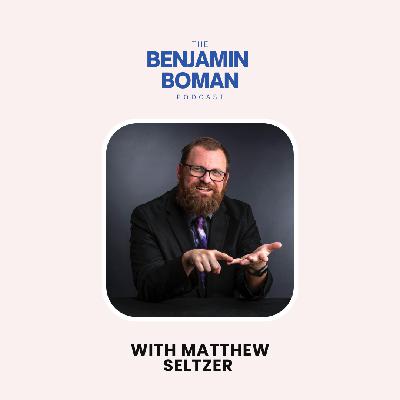
In this episode, I had the pleasure of chatting with Matthew Seltzer (LinkedIn), the Senior Vice President at Intuify and an expert in market research. Matt shared his insights on how market research can help founders solve campaign problems and plan their general marketing strategy.He explained how to do the 5 steps of the market research process: Starting with problem identification, question development, surveys, and interviews, and how to design effective questionnaires to get the insights you need. He then shared some best practices for analyzing research data and how to draw conclusions and implement the insights.Subscribe for future episodes, like the next one coming on market segmentation.PS. Let me know in the comments if you ended up getting a burger too after listening to the recording. This is a public episode. If you would like to discuss this with other subscribers or get access to bonus episodes, visit indiemarketingplays.com
This is it for season 2, on SaaS marketing. This season's great highlights include the episodes with Alex Berman, Fed at GummySearch, and the founder journey story with Jimmy Rose. Thank you to all the guests of this season. Next season will be focused on traditional marketing applied to smaller businesses, among tech and other non-traditional industries. I see there's a real need to explain how these theories and principles apply in practice, so I hope that these guests will help us better understand how to implement them. See you there, or connect with me on Twitter @benjaminboman_ or on my website here. This is a public episode. If you would like to discuss this with other subscribers or get access to bonus episodes, visit indiemarketingplays.com

Will van der Sanden is the founder of Dux Soup, one of the largest LinkedIn automation tools. In this episode, Will shares best practices around how to think about LinkedIn networking for SaaS, the step-by-step play, and how to leverage automation tools. This is a public episode. If you would like to discuss this with other subscribers or get access to bonus episodes, visit indiemarketingplays.com

Oli Bridge is the CMO at Bonjoro, taking the SaaS application from 0 to 50+ users. In this episode, we discuss the best practices he's discovered around video messaging to improve activation and conversions. Oli describes when to send video, what to include, how to scale your efforts, an example case study of these techniques and more. Check out the show notes on my blog, connect with Oli on Twitter, or read the Video Funnel Playbook. This is a public episode. If you would like to discuss this with other subscribers or get access to bonus episodes, visit indiemarketingplays.com

Paul-Louis Valat is the acquisition marketer at Plezi, a marketing automation solution for marketers. In this episode, we discuss Paul-Louis experience of spending $8,521 on newsletter placements and securing users for $52 per user. This is a public episode. If you would like to discuss this with other subscribers or get access to bonus episodes, visit indiemarketingplays.com

Alex Berman is the founder of Leadshark, Taplio, X27, and author of Cold Email Manifesto. In this episode, we discuss how to leverage cold email for B2B SaaS companies. Alex shares his framework for writing authentic emails and getting responses that turn cold email into a superpower.You can get Alex's book on cold email here. This is a public episode. If you would like to discuss this with other subscribers or get access to bonus episodes, visit indiemarketingplays.com

Comments

Download from Google Play

Download from App Store
 United States