DiscoverNo Set Path
No Set Path
Claim Ownership

No Set Path

Author: Drew English

Subscribed: 1Played: 54
Share

Description

Watch episodes on YouTube: https://www.youtube.com/@drew_english

No Set Path is the podcast for creatives ready to stop trading hours for dollars. Hosted by Drew English, a cinematographer, podcast studio owner, and media entrepreneur with 20 years in film and audio, this show delivers honest conversations and insights about what it really takes to build leverage and escape the gig cycle.


Episodes feature filmmakers, podcasters, designers, and creative entrepreneurs who've moved beyond client work to create sustainable income streams, plus solo deep-dives on the strategies and mindset shifts that matter. You'll hear real stories about pricing strategy, mental health, building assets instead of trading time, and forging unconventional paths that actually pay.


Whether you're drowning in freelance cycles, scaling a creative business, or ready to build something that works without you, No Set Path gives you the clarity and motivation to create a career on your terms.


Subscribe to the companion newsletter at thedrewenglish.substack.com for weekly essays on creative leverage.
50 Episodes
Reverse
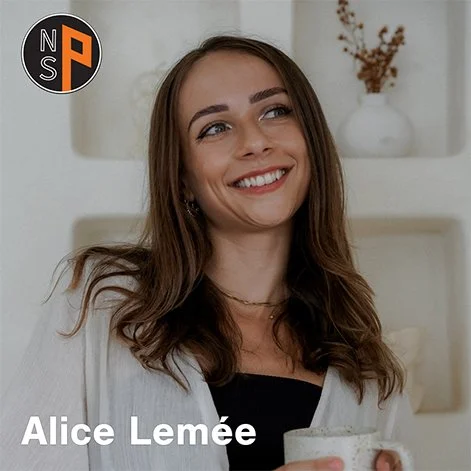
Most of the rejection you've gotten, you handed to yourself. Before anybody else had the chance.Alice Lemée is a writer, creator coach, and the mind behind Creator Gravity. She got rejected from every writing fellowship she applied to, decided that if nobody was going to hire her she'd hire herself, and turned $1.93 on Medium into a six-figure ghostwriting business writing for big creators and seven-figure entrepreneurs. Then she burned out and walked away from her biggest client. This conversation is about what it takes to stop waiting for permission and start acting like the person you're trying to become.Why rejecting yourself was never your job. What she saw working up close with the top 1% of creators (they move fast, and they don't tie their ego to whether something lands). Burnout that feels like a phone battery that won't hold a charge. "Tomorrow" as the lie she told herself every day for a year. Epistemic debt, and why you have to write an idea out to actually own it. Come ready to take some notes.💡TakeawaysRejecting yourself isn't your job. Your job is to apply, see what happens, and not get discouraged by the silence.When you step into a new identity, some people will try to shove you back into the old one fast, whether they know you or not.Burnout is when a weekend off charges you to 90% and you're back at 2% by Wednesday. At that point you don't need a recharge. You need a new battery."Tomorrow" is the most convincing lie you'll ever tell yourself.The top creators aren't unicorns. They act fast, they aren't afraid to fail, and they don't take it personally when something doesn't land.If AI writes your ideas for you, you own them legally but not cognitively. Writing them out yourself is how you find out what you actually believe.Launch before you're ready. A date on the calendar will build the thing faster than another month of planning.Attitude predicts who makes it more than intelligence or industry does. The internet mirrors back what you bring to it.You'll never beat the person who's having the most fun doing it.🔗 Links & ResourcesCreator Gravity Newsletter: https://alicelemee.substack.com/Alice's Instagram: https://www.instagram.com/alicelemee/Alice's LinkedIn: https://www.linkedin.com/in/alicelemee/👋 Connect with DrewDrew's IG: https://www.instagram.com/drewenglishh/Drew's LinkedIn: https://www.linkedin.com/in/drewenglish/Drew's Website: http://www.drewenglish.com/
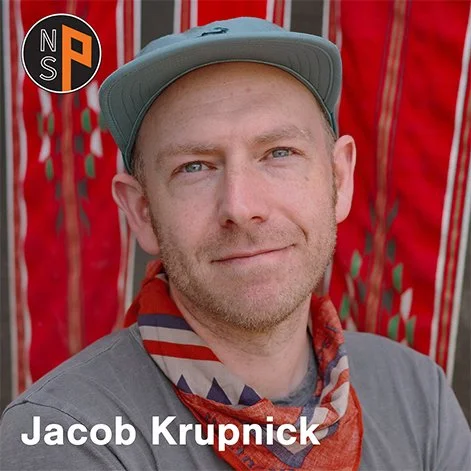
Do what you love and you'll never work a day in your life. Jacob Krupnick calls bullshit on that, and he's got a career's worth of proof.‍Jacob is a director and the founder of Wild Combination, the production company behind dance films you've probably scrolled past without knowing who made them. He's spent years making personal work nobody paid him to make, and this conversation gets into why he keeps doing it anyway, even when it doesn't pay the bills.‍We get into what winning actually looks like when there's no finish line. The unfair playing field built into this industry, time, money, and who you know mattering as much as talent. Why making unpaid personal work is sometimes just a way of processing something you haven't fully named yet. And the moment Jacob handed me back my own advice, on mic, before I'd fully earned the right to say it again. He also gets honest about how becoming a dad reordered everything he thought he knew about ambition, more than any day on set ever did. This one goes further than we planned. Come ready to take some notes. ‍📰 Join the No Set Path Newsletter HERE - https://thedrewenglish.substack.com/‍Takeaways‍"Do what you love and you'll never work a day in your life" doesn't hold up. Loving your work doesn't stop the parts of it that suck from sucking.Winning is building a game you're still glad to be playing years in.There's no end game for anything. Anyone chasing a destination just hasn't realized that yet.Work stopped being a place Jacob goes and became just another thing he's doing, one that changes shape as his life does.The industry runs on an unfair playing field. Time, money, security, and who you know move the needle as much as talent does.Making personal work nobody's paying for is often just processing an anxiety you haven't fully named yet.Becoming a parent changes your relationship to ambition more than any career milestone will.You can preach your own advice publicly for years and still get caught not living it.How much unglamorous, boring work you're willing to do determines how much you actually get done.‍Links & Resources‍Jacob's Website: https://wildcombination.comJacob's Instagram: https://www.instagram.com/jacobkrupnick/‍Connect with Drew Drew's Substack: https://thedrewenglish.substack.com/ Drew's IG: https://www.instagram.com/drewenglishh/ Drew's LinkedIn: https://www.linkedin.com/in/drewenglish/ Drew's Website: http://www.drewenglish.com/
Most people who are good at marketing are terrible at marketing themselves. Mat Zucker is no exception, and he'll be the first to say it. Mat spent two decades as a creative director at some of the biggest agencies in the world — Ogilvy, Razorfish, R/GA. Then he launched his own podcast and spent the first few years not applying a single one of those lessons to himself. Today he's a marketing strategy consultant, host of Cidiot (eight seasons, 124 episodes), published author, and somehow an amateur music producer. We talk about what institutions teach you that going solo never will, how to actually build an audience without a budget, and what happens when someone who knows the playbook finally runs it on themselves.Brand books for your own creative work. The 10-3-1 Rule for finding the right place to move. Why consistency beats every audience growth hack. The accountability trick that cracks stop-start syndrome. And the song Mat made after selling his family home following his mother's death — a project rooted in grief that's quietly becoming something much bigger. This one's for anyone building something on the side and wondering why it isn't moving faster. Come ready to take notes.Takeaways Most creative solopreneurs skip their own brand strategy. That's exactly why their work feels inconsistent and their choices feel arbitrary.Big agencies teach you something solo work can't replicate: passive growth through proximity. You get better by watching how talented people defend ideas, handle pressure, and raise their craft. Going independent means manufacturing that pressure yourself.Freelancing gives you control. It also takes away the friction that was making you grow. That trade is real and most people don't see it coming.Consistency of release moves the number more than almost any other tactic. More than ads. More than PR. More than stunts. Showing up on schedule is the unsexy answer that actually works.Going on other people's shows is the single highest-leverage thing a podcaster can do to grow. Most people know this and still wait too long to start.Stop-start syndrome is a creative person's problem. The cure isn't more discipline. Build something with someone else and it becomes much harder to quietly abandon.A newsletter is infrastructure, not content. Own the relationship with your audience before the algorithm changes. Mat wishes he built his in year one.Your toolkit travels further than you think. Mat can't play a single instrument. He's produced two songs by doing what he knows: writing a brief and hiring the right people to bring it to life.Done is better than perfect — not as a consolation prize, but as a philosophy. Release it. Move to the next one. The iteration is the point.Links & ResourcesMat's Website & Podcast: CidiotMat's Song: "Ashwood Road" — available on Spotify and Apple MusicMat's 10-3-1 Worksheet: linked at cidiot.comConnect with DrewDrew's Substack: https://thedrewenglish.substack.com/ Drew's IG: https://www.instagram.com/drewenglishh/ Drew's LinkedIn: https://www.linkedin.com/in/drewenglish/ Drew's Website: http://www.drewenglish.com/
Most creatives I know are great at what they do. The problem isn't talent. It's that nobody knows they exist.That's the through line of this conversation with Marissa Pane, founder of Pane Marketing, brand and content strategist, and someone who has spent years helping purpose-driven small businesses get seen and heard by the right people.We get into the real stuff here. Why starting with your "why" isn't just motivational fluff — it's the only logical place to begin. Why chasing virality is actually working against you if you're a service provider. Why the bad clients you keep attracting might be your brand's fault, not theirs. And what it actually looks like to build a content foundation that brings the right people to your door instead of chasing them down.Marissa also shares something she rarely talks about publicly — the loss of her brother, and how watching someone she loved struggle to simply exist rewired how she thinks about time, urgency, and the responsibility that comes with getting to do work you actually care about.This one hits differently. Come ready to take some notes and maybe rethink a few things.📰 Join the No Set Path Newsletter HERE - https://thedrewenglish.substack.com/TakeawaysPlenty of people are building businesses, but the ones worth remembering are building brands — and there's a real difference between the twoEverything starts with why. Before any tactic, platform, or content strategy, you need to know what you actually want and why you want itGoing viral is the wrong goal for most service providers. Universal appeal is a signal you're saying nothingConsistency isn't about showing up every day — it's about knowing your brand foundation first, then committing to what's realistic for you and protecting that streakBad clients aren't a client problem. They're a brand signal problem. What you put out attracts or repels, and if the wrong people keep showing up, your messaging is the culpritReferrals plateau. Word of mouth gets you started, but content is the filter that attracts the right people at scaleMulti-passionate creatives need to get narrow before they get wide. Trying to offer everything makes you the marketing girl — not the expert people seek outYour personal story and your brand story aren't separate things. For service providers especially, you are the deliverableLinks & ResourcesMarissa's Website: https://marissapane.comMarissa's Instagram: https://www.instagram.com/pane.marketingMarissa's Podcast: Your Brand Is ShowingMarissa's Newsletter: The Content Pour-OverConnect with DrewDrew’s Substack: https://thedrewenglish.substack.com/ Drew's IG: https://www.instagram.com/drewenglishh/ Drew's LinkedIn: https://www.linkedin.com/in/drewenglish/ Drew's Website: http://www.drewenglish.com/
📺 Watch the video interview HERE: https://youtu.be/YkTDNtgIPN4Join Jason Murray, Creative Director and lifelong maker, as he dives deep into the art and business of creativity. This episode explores the power of ownership, the process of building your own IP, and what it really takes to grow a creator business in today’s world. Whether you’re a designer, filmmaker, or entrepreneur, you’ll find insights and inspiration to turn your ideas into assets.💡TakeawaysOwnership beats freelancing. Building IP you control creates sustainable leverage, while trading time for money keeps you stuck in the gig cycleThe Creative 2.0 mindset reverses the traditional service model. Instead of helping brands execute their ideas, create your own work first, then let brands attach themselves to what you ownSelf-imposed limitations are the biggest barrier to growth. Most creatives already know what they need to do next but hold themselves back from taking actionAdvertising insights translate directly to content creation. Finding unspoken human truths that make people see problems differently is what creates valuable, shareable contentBuilding a media business provides multiple paths forward. Even if content doesn't generate direct income immediately, it positions you as an expert and brings inbound opportunitiesFollowing your interests matters more than picking a lane. Career paths naturally evolve when you pursue genuine curiosity rather than forcing yourself into predefined boxesLife and career operate in seasons. What works now doesn't have to be forever, and giving yourself permission to experiment keeps momentum going🔗 Links & ResourcesJason Murray on Instagram: @jason_sweatManyChat (AI chat automation tool)Adobe Creative CloudTeachable (online course platform)👋 Connect with Drew Drew's IG: https://www.instagram.com/drewenglishh/Drew's LinkedIn: https://www.linkedin.com/in/drewenglish/Drew's Website: http://www.drewenglish.com/
loading
Comments