


 Claim Ownership
Growing Forward: Lead like the top 1% in growth, marketing, & product
Subscribed: 10Played: 137
Subscribe

© 2023
Description
This show helps you uncover the leadership skills and inner game that separate the top 1% from everyone else - and make the leap from high-performing IC to true leader. Unlike other shows that focus on tactics or playbooks, we explore the human side of growth. In every episode, a growth, marketing, or product leader shares the real stories behind their toughest moments - missed goals, hard feedback, identity shifts - and how they grew through them. Hosted by Andrew Capland, Growth Leadership Coach and former Head of Growth at Wistia and Postscript.
108 Episodes
Reverse
![You're Managing the Wrong Thing [Field Note]](https://s3.castbox.fm/91/e9/a8/ad53923405cff852def4871fd3c0344f2c_scaled_v1_400.jpg "You're Managing the Wrong Thing [Field Note]")
Swipe my growth resume template: https://docs.google.com/document/d/1FR6Bbdwg80Hu-6TSz-8aGe4GgIBDukUzYXTdbr4pd0I/edit?tab=t.0New role? Get my 90-day Growth Leader onboarding plan here: https://deliveringvalue.co/90In this solo Field Notes episode, I break down a practical framework for getting more out of your team in an era where AI and modern tools are rapidly increasing individual output. We’ll explore how managers can adapt their leadership style based on the specific task at hand, rather than the person, and how combining structured management principles with coaching techniques can unlock better performance without requiring more time.In this episode, you’ll hear:- Why “task-relevant maturity” helps you adjust your management style based on the task, not the person- When to coach with questions vs. give direct guidance to keep work moving efficiently- How to get more output from your team without increasing your own workloadThings to listen for:(00:00) AI boosts output, adds complexity(01:05) Two frameworks to improve teams(02:16) What is task-relevant maturity?(03:34) Match your style to the task(05:03) Coaching vs. directingConnect with Andrew:LinkedIn: https://www.linkedin.com/in/andrewcapland/ Substack: https://media.deliveringvalue.coHire Andrew as your coach: https://deliveringvalue.co/coachingJoin Growth OS: https://deliveringvalue.co/growth-operating-system

A huge thanks to this episode’s sponsors:Hire Overseas: Exceptional Talent for Less - https://www.hireoverseas.com Navattic: Interactive Product Demo Software - https://navattic.com/value --Leaders don’t stall because of a lack of talent, but because the habits that helped them get promoted, such as saying yes, working longer hours, and proving value through output, stop scaling. In this episode, Arielle Johncox, CEO of Balsamiq, shares her journey stepping into the company’s first marketing role with minimal infrastructure. She had to quickly learn how to prioritize, embrace imperfection, and lean into her strengths. This shift in mindset ultimately led her to take on the role of CEO, where she reflects on the value of being a generalist and leading through uncertainty.In this conversation, you’ll learn:Why the instinct to say yes can become a ceiling at higher levels of leadershipHow to separate old self-doubt from legitimate growth edgesWhat it actually takes to move from functional leader to CEO without becoming someone else in the processThings to listen for:(00:00) Intro(01:00) The early days at Balsamiq(02:40) Arielle’s transition to the CEO role(05:42) Challenges and learnings as a marketing leader(08:13) Thanks to our sponsor, Hire Overseas(09:30) Thanks to our sponsor, Navattic(26:13) Burnout, self-doubt, and recovery(29:29) Letting go of “doer” identity(31:49) How the CEO offer happened(38:47) Why being a generalist wins(44:08) The advice Arielle would give herselfA huge thanks to this episode’s sponsors:Hire Overseas: Exceptional Talent for Less - https://www.hireoverseas.com Navattic: Interactive Product Demo Software - https://navattic.com/value Resources:Connect with Arielle:LinkedIn: https://www.linkedin.com/in/ariellejohncox/ Threads: https://www.threads.com/@ariellejohncox Learn more about Balsamiq: https://balsamiq.com/ Connect with Andrew:LinkedIn: https://www.linkedin.com/in/andrewcapland/ Substack: https://media.deliveringvalue.coHire Andrew as your coach: https://deliveringvalue.co/coachingJoin Growth OS: https://deliveringvalue.co/growth-operating-system

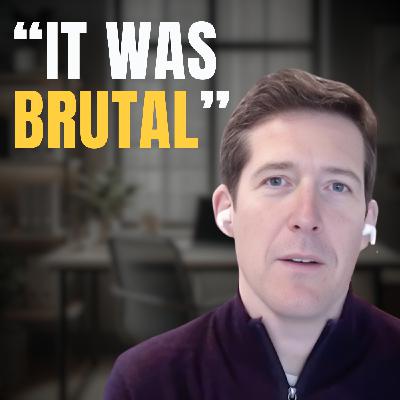
A huge thanks to this episode’s sponsor: Hire Overseas: Exceptional Talent for Less - https://www.hireoverseas.com In this episode, Jacob Woodward, a longtime product and tech leader, shares what happens when a strong resume runs into a brutal job market. He reflects on the year and a half after leaving a struggling company, attempting to go independent, applying nonstop, and still feeling invisible.Jacob talks about how AI has changed hiring on both sides. Candidates can apply at scale with polished, tailored resumes, while hiring teams are overwhelmed by stacks of applications that start to blur together. He opens up about how repeated ghosting shook his confidence and identity, especially under the pressure of providing for his family.After hitting a breaking point, Jacob shares how a raw LinkedIn plea went viral worldwide, and how support from strangers, including a Business Insider feature, helped restore his self belief. Now, he’s rebuilding through therapy, meditation, and yoga, and betting on himself as he builds what’s next, including a project to teach kids critical thinking in an AI driven world.In this conversation, you’ll learn:How AI and mass applying have changed the job search, and why great candidates can still feel invisibleWhat repeated rejection does to confidence, and how to rebuild without waiting for external validationWhy therapy, meditation, and yoga became key tools in Jacob’s comebackThings to listen for:(00:00) Intro(01:38) Early entrepreneurship and first exit(07:20) Facing today’s job market realities(08:50) Thank you to our sponsor, Hire Overseas(18:27) Moving beyond a professional facade(20:11) Sharing a raw LinkedIn plea(22:09) How AI is reshaping hiring(28:29) Rebuilding confidence after repeated ghosting(31:47) Therapy, meditation, and yoga practices(38:42) Betting on one’s self and building nextResources:Connect with Jake:LinkedIn: https://www.linkedin.com/in/jacobwoodward/ Website: https://www.jacobwoodward.dev/ Connect with Andrew:LinkedIn: https://www.linkedin.com/in/andrewcapland/ Substack: https://media.deliveringvalue.coHire Andrew as your coach: https://deliveringvalue.co/coachingJoin Growth OS: https://deliveringvalue.co/growth-operating-system
If you're focused on scaling your team and driving more revenue in 2026:Hire Overseas, helping growth and marketing teams find and hire exceptional overseas talent: https://hireoverseas.com/value-- High performers don’t get stuck because they lack talent. They get stuck because the habits that made them successful as individual contributors quietly stop working once they’re leading others. In this episode of Growing Forward, I sit down with Dan Wolchonok, founder of Work Coach, to unpack what happens when a strong operator runs into the “player-coach” trap. Dan reflects on a painful 360 review from his time at Reforge that forced him to confront how jumping in to do the work himself was unintentionally holding his team back.We talk through a defining moment in Dan’s journey: presenting a company-wide growth model to the executive team after weeks of preparation, only to be met with silence. No questions. No debate. Just a hollow reaction that left him gutted. Dan shares what that experience taught him about leadership at higher levels, including the importance of bringing a clear point of view, strong next steps, and enough conviction to spark real discussion and action.Dan also walks us through how he responded to tough feedback without spiraling, using executive coaching, systems, and intentional changes to rebuild trust and momentum. We explore why remote work and flatter orgs make career guidance harder to access, and how Work Coach was born from the desire to give people a reliable sounding board as they navigate growth, feedback, and leadership transitions.In this conversation, you’ll learn:How the “best doer” instincts can create a manager death spiral, and how to break it Why a presentation can flop even if the work is strong, and how to lead with a clear take + next stepsHow to respond to brutal feedback with maturity, momentum, and “next play” energyThings to listen for:(00:00) Intro(02:20) Dan’s early building roots in tech(05:12) The messy side of success(07:04) Thank you to our sponsor, Hire Overseas(08:45) Why talking about failure matters(09:57) What setbacks can reveal(10:45) Trying to scale with the company(15:15) Pitching a growth model to execs(17:46) When the feedback hits hard(23:11) Resetting after a missed swing(25:12) Turning feedback into momentum(26:28) Shifting from doer to leader(27:19) Reading painful 360 feedback aloud(40:14) Why Dan built Work CoachResources:Connect with Dan:LinkedIn: https://www.linkedin.com/in/danielwolchonok/ X: https://x.com/danwolch Learn more about Work Coach: https://work.coach/Connect with Andrew:LinkedIn: https://www.linkedin.com/in/andrewcapland/ Substack: https://media.deliveringvalue.coHire Andrew as your coach: https://deliveringvalue.co/coachingJoin Growth OS: https://deliveringvalue.co/growth-operating-system
![I’m begging you to take a one-year deal [Field Notes]](https://s3.castbox.fm/c3/4b/f3/caacab44c926ab572f7eb7660a5cee29fc_scaled_v1_400.jpg "I’m begging you to take a one-year deal [Field Notes]")
Swipe my growth resume template: https://docs.google.com/document/d/1FR6Bbdwg80Hu-6TSz-8aGe4GgIBDukUzYXTdbr4pd0I/edit?tab=t.0New role? Get my 90-day Growth Leader onboarding plan here: https://deliveringvalue.co/90In this solo Field Notes episode, I break down a simple but powerful career reframing I’ve been sharing with clients who feel stuck, burned out, or misaligned in their current roles: the idea of treating your next job as a one-year deal.Borrowing from how professional athletes think about their careers, I go over why looking for a great one-year fit instead of a perfect long-term home can lead to better decisions, less pressure, and more momentum, especially once you’re well into your career.In this episode, you’ll hear:Why long-term “forever job” thinking often backfires in fast-changing companiesHow the one-year deal mindset helps you maximize fit, impact, and optionalityWhen this approach makes sense and when it’s better to stay put and build depthThings to listen for:(00:00) Intro to the “One Year Deal” concept(00:29) Example and parallels in an athletic career(01:33) The One Year Deal in a professional context(02:39) Practical application of the One Year Deal(04:30) How to take this furtherResources:Connect with me:LinkedIn: https://www.linkedin.com/in/andrewcapland/ Substack: https://media.deliveringvalue.coApply for coaching: https://deliveringvalue.co/coachingJoin Growth OS: https://deliveringvalue.co/growth-operating-system

Download my customizable 90 Day Plan here: https://deliveringvalue.co/90In this episode, Jay Desai, Growth Lead at Navattic, shares his approach to stepping into an early-stage growth role with clarity and purpose. He reflects on how his first 90 days were spent gaining product knowledge, ramping up without burnout, and aligning cross-functional teams around a unified vision of growth.Jay talks about the ambiguity of growth roles and how the early days are about building relationships, learning, and strategic prioritization. He explains how he uses frameworks like “task-relevant maturity” and sprint systems to manage expectations while delivering early wins.Now leading growth at Navattic, Jay discusses his role in designing operating systems, building trust, reducing capacity confusion, and creating a repeatable model for experimentation to drive long-term success.In this conversation, you’ll learn:How to architect your first 90 days for impact across product learning, trust-building, and operating system designA practical framework for capacity planning, effort scoring, and balancing quick wins with long-term betsThe most common misalignments growth leaders face and how to proactively prevent themThings to listen for:(00:00) Intro(01:52) Jay’s role and scope at Navattic(03:20) How Navattic defines “growth”(06:03) What feels new vs. familiar in the role(08:37) Why the first 90 days set the tone(17:46) Learning the product and meeting the team(32:42) Capacity limits and prioritizing work(34:16) Tools Jay uses to run growth(38:22) Applying engineering workflows to marketing(49:11) Quick wins vs. long-term initiatives(54:04) When to share the first strategy draft(57:09) Pitfalls that derail growth rolesA huge thanks to this episode’s sponsor:Navattic: Interactive Product Demo Software - https://navattic.com/value Resources:Connect with Jay:LinkedIn: https://www.linkedin.com/in/jayanishdesai/ Navattic: https://navattic.com/value Connect with Andrew:LinkedIn: https://www.linkedin.com/in/andrewcapland/ Substack: https://media.deliveringvalue.coHire Andrew as your coach: https://deliveringvalue.co/coachingJoin Growth OS: https://deliveringvalue.co/growth-operating-system
![Want a new job in 2026? Do this! [Field Note]](https://s3.castbox.fm/00/df/45/24d5bf96740397fa827d82b2f399278386_scaled_v1_400.jpg "Want a new job in 2026? Do this! [Field Note]")
Swipe my growth resume template: https://docs.google.com/document/d/1FR6Bbdwg80Hu-6TSz-8aGe4GgIBDukUzYXTdbr4pd0I/edit?tab=t.0New role? Get my 90-day Growth Leader onboarding plan here: https://deliveringvalue.co/90In this solo episode, I kick off a new series called Field Notes, by walking you through a framework I’ve developed for making resumes clearer, more compelling, and easier for non-experts to understand — especially in growth roles where titles mean wildly different things at different companies.In this conversation, you’ll hear:Why most growth resumes fail to show meaningful contextHow the CATER framework helps tell a clearer career storyHow to translate your impact for hiring managers who aren’t “native speakers” of your fieldThings to listen for:(00:00) Intro(01:07) The importance of updating resumes(01:58) Common resume challenges(04:19) Introducing the CATER Framework(04:54) Breaking down the CATER Framework(05:45) Examples and application of CATER(10:12) An invitation for coaching and supportResources:Connect with me:LinkedIn: https://www.linkedin.com/in/andrewcapland/ Substack: https://media.deliveringvalue.coApply for coaching: https://deliveringvalue.co/coachingJoin Growth OS: https://deliveringvalue.co/growth-operating-system
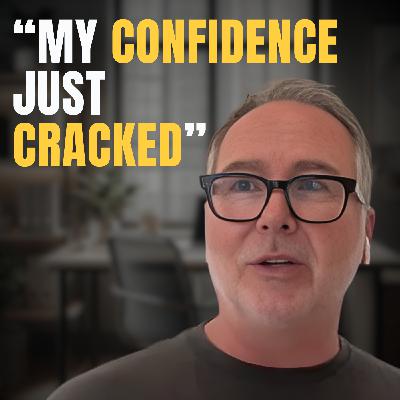
In this episode, Scott McNeely, Head of Product and founding team member at Epicurate and co-founder of Modern Adventure, traces his journey from “kid with an Apple II+ in his mom’s dessert business” to building and scaling product teams in travel, publishing, and tech. He reflects on growing up in humble circumstances while attending an elite LA boys’ school, stumbling into travel writing, and then helping Lonely Planet and Viator navigate the shift from print to digital products. Along the way, Scott shares how his bias for action, love of ideas, and willingness to figure things out on the fly shaped his career.Scott opens up about the moments when those same strengths became liabilities, like a shouting match over digital transformation with Lonely Planet’s leadership, and the emotional gut punch of being passed over twice for what felt like his perfect VP role. He talks candidly about anger, grief, and self-doubt, and how he rebuilt his confidence by zooming out, leaning on movement and thinking time, and staying curious. From scaling a team from 1 to 65 at Viator to learning to delegate, slow down, and create space for others, Scott offers a grounded, human look at what it really takes to keep growing as a leader.In this conversation, you’ll learn:How to read your environment and decide whether to push for change or move on, using Scott’s Lonely Planet experience as a case study.What it really takes to evolve from “get stuff done” operator to leader of a 60+ person team, including delegation, structure, and support systems.A grounded way to rebuild confidence after major setbacks, from being passed over for a dream role twice to anchoring your identity beyond one job.Things to listen for:(00:00) Intro(02:09) Scott’s upbringing and early influences(08:28) Thank you to our sponsor, Navattic(05:53) Early career pivots and first big lessons(13:16) Pushing change and hitting resistance(27:27) Reading your situation with clarity and EQ(28:48) Leadership growing pains and delegation(31:29) Scaling fast teams and personal evolution(42:48) Career setbacks and shaken confidence(52:09) Centering habits for focus and resilienceA huge thanks to this episode’s sponsor:Navattic: Interactive Product Demo Software - https://navattic.com/value Resources:Connect with Scott: LinkedIn: https://www.linkedin.com/in/scottmcneely Learn about Epicurate: https://epicurate.vip/Learn about Modern Adventure: https://modernadventure.com/ Connect with Andrew:LinkedIn: https://www.linkedin.com/in/andrewcapland/ Substack: https://media.deliveringvalue.coHire Andrew as your coach: https://deliveringvalue.co/coachingJoin Growth OS: https://deliveringvalue.co/growth-operating-system
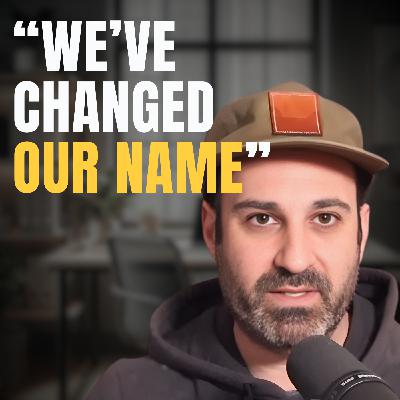
In this solo episode, I share the thinking behind a major evolution of the show and its new name: Growing Forward.I walk through what I learned while building the podcast, where the original positioning fell short, and how listener feedback helped clarify the show’s true purpose.In this conversation, you’ll hear:Why the original name worked early on, and why it was time to change itWhat listener feedback revealed about who the show is really forHow the new direction centers on growth through real leadership momentsThings to listen for:(00:00) Announcing the new name and why it matters(01:03) How the original name came together(02:19) Early signals the positioning needed work(03:28) What listeners are trying to solve(04:48) Clarifying the show’s new focus(08:58) Inviting listener feedback to shape what’s nextResources:Connect with me:LinkedIn: https://www.linkedin.com/in/andrewcapland/ Substack: https://media.deliveringvalue.coHire Andrew as your coach: https://deliveringvalue.co/coachingJoin Growth OS: https://deliveringvalue.co/growth-operating-system

In this special solo episode, I pull back the curtain and share a behind-the-scenes look at the evolution of the show. In this conversation, you’ll hear:Why I started the show - and what I’ve learned after 85 eps.How I’m reshaping the show to blend storytelling with practical leadership lessons you can apply immediately.Why expanding the format unlocks more impact, more value, and more meaningful connection with listeners like you.Things to listen for:(00:00) Intro(00:32) The journey so far(01:39) Behind the scenes(06:37) The challenge of podcast growth(11:57) The evolution of Delivering Value(15:39) Let’s build togetherResources:Connect with me:LinkedIn: https://www.linkedin.com/in/andrewcapland/ Substack: https://media.deliveringvalue.coHire Andrew as your coach: https://deliveringvalue.co/coachingJoin Growth OS: https://deliveringvalue.co/growth-operating-system

In this episode, Don McGray, product marketing leader and Head of Growth PMM at Vimeo (formerly Dropbox and Airtable), shares how to separate identity from performance without dialing down ambition. From being told his launch plan was “C-plus work” to navigating a surprise layoff, Don shares the inner-game shifts that helped him rebuild trust, make cleaner calls, and keep moving in high-stakes environments.Don gets specific about executive alignment (and the invisible pre-meeting “backchannel”), the moment he realized he was in the wrong role—and said it out loud—and why cultivating distance from work (and toward real hobbies) made him a steadier operator when pressure spiked.In this conversation, you’ll learn:How to detach self-worth from outcomes so feedback, layoffs, and big swings don’t break your momentum.How to earn executive buy-in before “the meeting” and turn harsh input into an actionable A-grade plan.How to diagnose a role misfit early, have the hard conversation, and land where your strengths actually compound.Things to listen for:(00:00) Intro(02:10) Don’s early career(04:37) High stakes and career growth at Dropbox(09:42) Thank you to our sponsor, Navattic(13:50) Lessons from Airtable: handling tough feedback(18:31) Navigating executive expectations(25:04) Facing imposter syndrome(25:25) Struggles in a new role(28:19) The importance of vulnerability(30:10) Navigating career changes(38:32) Handling layoffs and job insecurity(42:58) Balancing work and personal lifeA huge thanks to this episode’s sponsor:Navattic: Interactive Product Demo Software - https://navattic.com/value Resources:Connect with Don: LinkedIn: https://www.linkedin.com/in/donmcgray/ Connect with Andrew:LinkedIn: https://www.linkedin.com/in/andrewcapland/ Substack: https://media.deliveringvalue.coHire Andrew as your coach: https://deliveringvalue.co/coachingJoin Growth OS: https://deliveringvalue.co/growth-operating-system

In this episode, Natalie Marcotullio, Head of Growth & Operations at Navattic, looks back on a “rollercoaster” year and what it taught her about role fit, energy management, and leading through constant change. She traces the shift from growth to product marketing amid a noisy AI landscape, a new product line, and a leaner team, and how those forces sparked both imposter syndrome and new clarity about what work fuels her.Natalie opens up about the anxiety of the AI hype cycle, why chasing every new tactic eroded quality and enjoyment, and the candid conversation with her founder that helped reset expectations. She shares how she separates signal from noise, stops pegging self-worth to dashboards, and designs a job around customer proximity, evangelism, and community.Looking ahead, Natalie is doubling down on in-person energy: speaking, hosting, and building fandom around Navattic, including a new customer portal that rewards participation and connection. She offers practical advice for naming burnout early, restructuring scope without guilt, and making mid-term career bets even if you don’t plan to stay in tech forever.In this conversation, you’ll learn:How to tell “energizing change” from “draining change,” and reshape your role around the former without dropping the ballA simple script for the hard talk with your exec: mapping “gives energy / drains energy” into concrete scope and support changesHow to build product fandom (not just leads): customer proximity, IRL touchpoints, and a portal play that compounds communityThings to listen for:(00:00) Intro(01:37) Role shifts and team dynamics(02:17) Personal and professional challenges(03:42) Filtering AI hype after SaaStr(04:58) Launching a new product line and persona(11:45) Context switching and the 60% problem(14:03) When work bleeds into life (injury, decompression)(19:09) Q3 burnout and the hard conversation(22:00) The power of honesty in the workplace(22:40) Naming limits, resetting priorities, and role design(27:01) Dreams beyond the tech industry(36:24) Building community and looking aheadA huge thanks to this episode’s sponsor:Navattic: Interactive Product Demo Software - https://navattic.com/value Check out the Behind the Scenes deep dive with the Navattic growth team:Episode 0: Introducing the miniseries featuring the Navattic growth team - https://open.spotify.com/episode/4MSAgQcR0mkUjmmLl8fXx0?si=88211b89550c4261Episode 1: The size and stage of the Navattic business - https://open.spotify.com/episode/5ArIOcGmcLPUowPXqxU6Yr?si=510ce12c47734f13Episode 2: What does growth look like at Navattic? - https://open.spotify.com/episode/4rfP8yQu9nVveOQaxqJ06s?si=24c463778d4c4214Episode 3: What goes into Navattic’s growth strategy? - https://open.spotify.com/episode/3GrtQw0Kx1fntD4IBTudb7?si=2847fcce8da4496eEpisode 4: Navattic’s growth operating system - https://open.spotify.com/episode/6oJRINQlBby7kLFTxcrvY6?si=eebebb0033234ff8Episode 5: The specific KPIs & dashboards that drive Navattic’s success - https://open.spotify.com/episode/5wOunwgXy0AMRsODloAbD3?si=46b9f4e42f754a77Episode 6: The biggest challenges Natalie and Raman face working in growth at Navattic - https://open.spotify.com/episode/3CJmSh7XqFakyxfgotjABg?si=3284a52fc9e64acaEpisode 7: How Navattic’s growth team stays aligned and manages expectations internally - https://open.spotify.com/episode/7CX7DBGR0VYpEsnXd7rYbj?si=0b1e1729a6404903Episode 8: Big beats in 2024 and series takeaways - https://open.spotify.com/episode/0cxo9wtMJEZqQxCBiSEHdf?si=f91f566ac8f24a6e Check out Natalie’s previous Delivering Value episode: Spotify: https://open.spotify.com/episode/6kQx1DTHdPpGUlY33fHeqK?si=6fd1de234fa84436 Website: https://deliveringvalue.co/pod/navigating-speed-bumps-and-communication-challenges-as-a-one-person-growth-team-with-natalie-marcotullio Resources:Connect with Natalie:LinkedIn: https://www.linkedin.com/in/natalie-marcotullio/Navattic: https://navattic.com/value Connect with Andrew:LinkedIn: https://www.linkedin.com/in/andrewcapland/ Substack: https://media.deliveringvalue.coHire Andrew as your coach: https://deliveringvalue.co/coachingJoin Growth OS: https://deliveringvalue.co/growth-operating-system
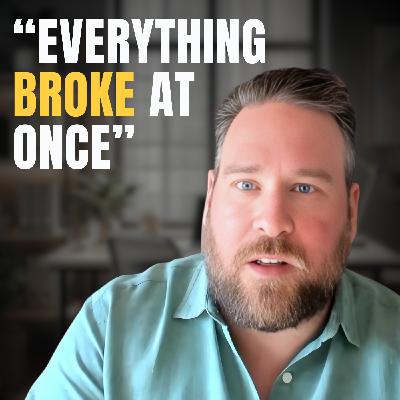
In this episode, Luke Wallace, founder-turned-fractional growth leader and former Chief Growth Officer at Zipline Education, opens up about the moment high-visibility mistakes hit customers and forced him to rebuild his operating system. He shares the CEO feedback that drew a line between being nice and being kind, why he chose to hire an executive coach instead of switching jobs, and how he moved from heroic execution to scalable systems that don’t break under pressure.Luke talks about over-communicating up and across with data, rebuilding trust after public misses, and setting binary outcomes that make expectations unambiguous. He also gets tactical on giving direct feedback without becoming a jerk, navigating team changes when a beloved generalist no longer fits the stage, running customer interviews to unlock stalled growth, and managing imposter syndrome as the stakes rise.In this conversation, you’ll learn:How to turn painful, public mistakes into long-term fuel for resilience, credibility, and trust.How to use systems, documentation, and managing-up rituals to scale beyond “hero mode.”How to build a support loop (clear feedback, mentors, and customer interviews) to stay grounded and effective.Things to listen for:(00:00) Intro(02:00) Luke’s early dream of becoming a pilot(03:22) Into tech via school IT program(05:00) Startup wins, scrappy realities(09:15) Thank you to our sponsor, Navattic(12:23) Direct feedback versus being nice(23:54) Building a data-backed recommendation(24:27) Handling high-stakes leadership talks(25:01) Working through imposter syndrome(27:19) Systems for scale over heroics(30:19) Why Luke hired an executive coach(34:42) The hardest conversations as a manager(36:45) When the team and role evolve(40:00) Giving clear, actionable feedback(40:32) One-to-one coaching offer from Andrew(43:20) Lessons learned from real failures(44:26) Customer interviews as the unlock(46:34) Key takeaways and ways to connectA huge thanks to this episode’s sponsor:Navattic: Interactive Product Demo Software - https://navattic.com/value Resources:Connect with Luke: https://www.linkedin.com/in/lukewallace805/ Connect with Andrew:LinkedIn: https://www.linkedin.com/in/andrewcapland/ Substack: https://media.deliveringvalue.coHire Andrew as your coach: https://deliveringvalue.co/coachingJoin Growth OS: https://deliveringvalue.co/growth-operating-system

In this episode, Diego von Söhsten, immigrant operator, product leader, and Director of Product Growth at Jobber, opens up about the “after you’ve already proven yourself” flavor of imposter syndrome. He recounts a moment when a senior executive publicly tore down his work (and blamed his accent), and how he rebuilt confidence, created alignment without air cover, and ultimately earned a promotion while shipping a freemium foundation that mattered when COVID hit.Diego talks about learning to over-communicate up and across, turning anti-role-models into fuel for the leader he wanted to become, and building a growth org that prized clarity, storytelling, and psychological safety. He also shares practical ways underrepresented builders can find mentors, ask for help without shame, and protect their inner game when the ground keeps moving.In this conversation, you’ll learn:How to turn painful feedback and bias into long-term fuel for resilience and credibility as a leader.How to use storytelling and structured communication to create alignment and influence without authority.How to build a support network of mentors, peers, and self-awareness to stay grounded under pressure.Things to listen for:(00:00) Intro(01:53) Diego's career beginnings(06:01) Diego’s experience being criticized for his accent(10:43) Thank you to our sponsor, Navattic(15:05) Overcoming and growing from adversity(24:04) Understanding user drop-off and alignment(24:46) The power of storytelling in product management(26:38) Building and leading effective teams(29:31) Diego’s advice to those struggling to find their place(33:13) Working with a good team member who just couldn’t fit(44:58) Balancing passion for work and professional boundariesA huge thanks to this episode’s sponsor:Navattic: Interactive Product Demo Software - https://navattic.com/value Resources:Connect with Diego: www.linkedin.com/in/diego-vs Diego’s official website: https://www.vonsohsten.com Connect with Andrew:LinkedIn: https://www.linkedin.com/in/andrewcapland/ Substack: https://media.deliveringvalue.coHire Andrew as your coach: https://deliveringvalue.co/coachingJoin Growth OS: https://deliveringvalue.co/growth-operating-system

In this episode, Kelly Gillease, two-time CMO, daily meditator, and former search marketer turned executive leader, talks candidly about the inner game behind durable leadership. She traces her path from debating podiums to performance marketing at Hotwire, through scale-up chaos at NerdWallet and post-acquisition life at TripAdvisor/Viator—sharing how mindfulness, therapy, and a “true, kind, necessary” feedback filter helped her steady teams when everything felt on fire.Kelly opens up about a tough DEI misstep, how she took the feedback without getting defensive, and why she chose to “run toward” hard conversations instead of retreat. She gets tactical about cross-functional influence (and why debate training still matters), building reputations through appreciation rituals, and choosing environments that actually fit you, even when the shinier title says otherwise.In this conversation, you’ll learn:- How to use “true, kind, necessary” to deliver (and receive) feedback that lands, and what to do when it doesn’t- Practical rituals for team resilience: appreciations, mindful pacing, and calmly problem-solving without losing speed- How to pick the right work environment for your wiring. and navigate the politics, pacing, and trade-offs of big-co vs. startup lifeThings to listen for:(00:00) Intro(01:47) Kelly’s roots, early influences, and formative values(03:51) Where creativity meets ROI: loving both art and math(09:05) Thank you to our sponsor, Navattic(13:50) Scripts and mindsets for hard feedback and conflict(24:23) Owning a DEI misstep, pausing, and moving forward(29:22) Gratitude rituals at work and at home that build morale(39:58) Why big-company bureaucracy wasn’t the right fit(44:20) Radical honesty, necessary conversations, real growthA huge thanks to this episode’s sponsor:Navattic: Interactive Product Demo Software - https://navattic.com/value Resources:Connect with Kelly: https://www.linkedin.com/in/kellythepea/ Connect with Andrew:LinkedIn: https://www.linkedin.com/in/andrewcapland/ Substack: https://media.deliveringvalue.coHire Andrew as your coach: https://deliveringvalue.co/coachingJoin Growth OS: https://deliveringvalue.co/growth-operating-system

In this episode, Mallory Contois, VP of Growth at Maven and founder of The Old Girls Club, traces her path from hypergrowth operator to community builder. She reflects on the “up, down, up” rhythm of her career, from Pinterest’s rocket ship years to rediscovering fit after leaving Metafy, and shares what she’s learned about ego, feedback, and identity along the way.Mallory opens up about being diagnosed with ADHD as an adult and how that reframed her communication, leadership, and approach to feedback. She explains why no one is an “A-player everywhere,” how environment shapes performance, and what it takes to design work that truly fits your strengths.Now leading growth at Maven while scaling a 2,000-member community, Mallory gets practical about following momentum, hiring for energy, and coaching the edges. She also reframes mentorship, arguing that small, intentional peer communities can be more powerful than chasing a single mentor, and offers practical advice for giving and receiving feedback without losing your voice.In this conversation, you’ll learn:- How to identify your fit Venn diagram (subject matter × work style × company size) and use it to choose roles that compound- A 3-part coaching framework to channel “bulldozer” energy into clear, respectful collaboration- Why building a peer community can be the highest-leverage “career hack” you controlThings to listen for:(00:00) Intro(03:31) First tech job (06:11) Hypergrowth lessons at Pinterest(10:12) Thank you to our sponsor, Navattic(14:37) Realizing no one is an A-player everywhere(17:49) ADHD in the workplace(28:23) Coaching and neurodiversity at work(31:39) Leaving Metafy and its aftermath(43:08) Mallory’s advice to her younger self(47:18) Trusting instincts and following momentumA huge thanks to this episode’s sponsor:Navattic: Interactive Product Demo Software - https://navattic.com/value Resources:Connect with Mallory:LinkedIn: https://www.linkedin.com/in/mallorycontois/ Mallory’s official website: https://www.mallorycontois.com/The Old Girls Club: https://www.jointheogc.com/ Connect with Andrew:LinkedIn: https://www.linkedin.com/in/andrewcapland/ Substack: https://media.deliveringvalue.coHire Andrew as your coach: https://deliveringvalue.co/coachingJoin Growth OS: https://deliveringvalue.co/growth-operating-system
In this episode, Ryan McCready, content leader turned Principal Content Engineer at Demostack, opens up about the moments that shaped his path: hacking distribution in the early “monoculture SEO” days, sharpening his voice through roles at Foundation, Reforge, and Whimsical, and facing his first layoff. He shares candid stories about creator burnout after viral teardowns, being the last marketer standing after cuts, and the gut punch of being told he hadn’t delivered on a role that had completely changed. When the market went quiet, Ryan turned the setback into a story on LinkedIn, igniting a thousand DMs, weeks of interviews, and a fresh sense of momentum.Now, as a builder and editor who treats vulnerability like a career asset, Ryan talks about measuring success in relationships, not just metrics, documenting your receipts, keeping your voice, and sending that DM. He breaks down the unglamorous parts of leadership: giving and receiving hard feedback, guarding against plagiarism, and aligning work with products that actually have staying power, while showing how practical AI and automation can clear the busywork so you can create with intention.In this conversation, you’ll learn:How vulnerability, done thoughtfully, can unlock opportunity, community, and your next rolePractical ways to productize your “receipts” with AI or automation so your wins market themselvesHow to deliver and absorb tough editorial feedback while protecting quality and your own voiceThings to listen for:(00:00) Intro(01:34) Ryan’s early career and content creation journey(04:19) Navigating career challenges and feedback(09:37) Thank you to our sponsor, Navattic(11:04) Giving and receiving feedback(14:58) On being a team player(17:41) The importance of adaptability(31:18) The power of vulnerability in job hunting(35:39) Creating a strong online presence(41:57) Difficult conversations in leadership(51:16) Building professional relationshipsA huge thanks to this episode’s sponsor:Navattic: Interactive Product Demo Software - https://navattic.com/value Resources:Connect with Ryan:LinkedIn: https://www.linkedin.com/in/ryan-mccready Demostack: https://www.demostack.com/ Connect with Andrew:LinkedIn: https://www.linkedin.com/in/andrewcapland/ Substack: https://media.deliveringvalue.coHire Andrew as your coach: https://deliveringvalue.co/coachingJoin Growth OS: https://deliveringvalue.co/growth-operating-system

In this episode, Kirk Reynolds, seasoned founder and now the creator of Wilder Retreats, opens up about the hardest conversations of his career. From telling his 55-person team that he was selling the company without sharing the real reason, to navigating the identity crisis that came when the acquirer shut it down, Kirk reflects on what it means to lead with honesty, even when fear and burnout make it tempting to hide.He also shares how blunt feedback about being a “people pleaser” reshaped the way he manages, and why processing failure and loss is just as important as chasing growth. This is a conversation about leadership, identity, and the courage it takes to be fully yourself when the stakes are high.In this conversation, you’ll learn:Why trusting your team with the truth builds deeper loyalty and respectHow to process the emotional toll of selling, losing, or reinventing a businessWhy intention and self-awareness can turn difficult feedback into lasting growthThings to listen for:(00:00) Intro(01:51) Kirk’s first steps into entrepreneurship(06:26) Building and scaling Discover Outdoors(08:31) Joining Abercrombie & Kent after exit(11:02) Tough feedback and personal growth(20:48) Balancing leadership with family life(25:26) Lessons from difficult conversations(26:04) Deciding to sell Discover Outdoors(28:14) Telling the team about the sale(30:31) Reflecting on honesty in leadership(34:27) The emotional weight of selling(37:48) Finding gratitude in new beginnings(40:03) Preparing mind and body for conversations(45:32) Setting bold, ambitious goalsResources:Connect with Kirk:LinkedIn: https://www.linkedin.com/in/kirk-reynolds/Wilder Retreats: https://discoverwilder.com/ Connect with Andrew:LinkedIn: https://www.linkedin.com/in/andrewcapland/ Substack: https://media.deliveringvalue.coJoin Growth OS: https://deliveringvalue.co/growth-operating-systemHire Andrew as your coach: https://deliveringvalue.co/coaching

In this episode, Heidi Gibson, product and growth leader with stints at companies like GoDaddy, Typeform, and Bill.com, reflects on the pivotal lessons from her unconventional career path. From welding nuclear submarines to becoming VP of Product, Heidi shares how resilience, feedback, and self-awareness shaped her leadership journey.Heidi opens up about the realities of imposter syndrome, learning to present to executives, and navigating tough interpersonal conflicts as a manager, all while building a reputation as a trusted, people-first leader.In this conversation, you’ll learn:Why tailoring your communication for executives can change your career trajectoryHow to confront imposter syndrome with practical reframing techniquesWhy early intervention is the key to resolving team conflicts before they escalateThings to listen for:(00:00) Intro(01:18) Heidi’s early life and education(02:03) Starting career and moving into tech(02:49) Building Kmart e-commerce and ISP(04:37) Joining GoDaddy and career growth(05:20) Developing executive presentation skills(07:28) Thank you to our sponsor, Navattic(13:38) Imposter syndrome in growth teams(22:52) Starting a growth team at GoDaddy(24:30) Applying growth fundamentals successfully(27:54) Strategies for overcoming imposter syndrome(31:46) Navigating difficult workplace conversations(50:01) Seeking guidance and finding mentorshipA huge thanks to this episode’s sponsor:Navattic: Interactive Product Demo Software - https://navattic.com/value Resources:Connect with Heidi:LinkedIn: https://www.linkedin.com/in/heidigibsonSubstack: https://heiditheproductgirl.substack.com/ Connect with Andrew:LinkedIn: https://www.linkedin.com/in/andrewcapland/ Substack: https://media.deliveringvalue.coHire Andrew as your coach: https://deliveringvalue.co/coachingJoin Growth OS: https://deliveringvalue.co/growth-operating-system
In this episode, Devin Reed, one of the leading voices in content and marketing, opens up about the defining moments that shaped his career—from growing up between two very different cultures in Sacramento to building a name for himself at Eventbrite, Gong, and Clari before stepping out on his own. He shares candid stories of career pivots, from giving up on his dream of teaching to unexpectedly landing in tech sales, and later realizing his sweet spot in content marketing. Devin reflects on the sting of being graded a “seven” at a company that recruited him aggressively, the intimidation of being told he wasn’t qualified for his role at just 25, and the burnout he faced after tying too much of his worth to productivity.Now as a founder, creator, and dad, he talks about learning to measure success not in metrics but in moments—balancing ambition with presence, and re-wiring what it means to “win” in both business and life.In this conversation, you’ll learn:- Why it’s essential to question feedback and define your own worth- How to recognize poor leadership and build a healthier leadership style- What it takes to reset old wiring around ambition and successThings to listen for:(00:00) Intro(01:59) Devin's upbringing and early career(02:47) Transition to marketing and entrepreneurship(03:01) Facing challenges and finding success(06:33) Pivotal career moments(08:08) Thank you to our sponsor, Navattic(11:33) Navigating tough feedback(17:17) The impact of therapy and self-worth(21:28) Dealing with imposter syndrome(26:46) Realizing the importance of empathy in leadership(28:40) Learning from coaches and mentors(34:48) Balancing work and personal life(38:50) Implementing new habits and boundaries(46:20) Setting goals for fulfillment and happiness(49:25) Caution in advice and embracing relatabilityA huge thanks to this episode’s sponsor:Navattic: Interactive Product Demo Software - https://navattic.com/value Resources:Connect with Devin:LinkedIn: https://www.linkedin.com/in/devinreed/The Reeder (official website): https://www.thereeder.coReed Between The Lines (podcast): https://www.thereeder.co/content-hub/podcastConnect with Andrew:LinkedIn: https://www.linkedin.com/in/andrewcapland/ Substack: https://media.deliveringvalue.coHire Andrew as your coach: https://deliveringvalue.co/coachingJoin Growth OS: https://deliveringvalue.co/growth-operating-system

Comments

Download from Google Play

Download from App Store
 United States