Discover
Ancient Futures
Ancient Futures
Author: Daniel Simpson
Subscribed: 13Played: 414Subscribe
Share
© Daniel Simpson
Description
Timeless wisdom for modern dilemmas, combining yoga philosophy, practical insight and critical thinking. Hosted by Daniel Simpson.
ancientfutures.substack.com
80 Episodes
Reverse
If mindfulness has drawbacks, what’s the alternative? 🤔Ron Purser is perhaps best known as the author of McMindfulness, critiquing the movement as “capitalist spirituality”. His latest book Mind Space is radical in other ways. It considers how to meditate without being a meditator – inspired by the writings of Tarthang Tulku, a Tibetan Buddhist lama.As Ron sees it, one problem with mindfulness is its view of the self as an “inner manager”. Striving to control things narrows the focus to coping with stress, which can overlook its causes. By contrast, Mind Space dismantles the manager to see past self-centredness. We discuss how that works, and revisit questions Ron raised in McMindfulness, particularly regarding the influence of Jon Kabat–Zinn.Ron is a professor of management at San Francisco State University. He teaches courses at Dharma College, hosts The Mindful Cranks podcast and contributes to various media. Recent highlights include an interview with the New Yorker and a takedown of life coaching for Current Affairs magazine.--💭 Join us on The Path of Knowledge for a mix of yogic wisdom and critical thinking.🙏 Your support makes this podcast sustainable – please consider subscribing or make a donation... It's greatly appreciated! This is a public episode. If you'd like to discuss this with other subscribers or get access to bonus episodes, visit ancientfutures.substack.com/subscribe

Although Buddhism is widely considered a peaceful tradition, some of its monks incite hatred and slaughter. Sonia Faleiro explores this trend in her latest book The Robe and the Sword: How Buddhist Extremism is Shaping Modern Asia.Drawing on reporting from Sri Lanka, Myanmar and Thailand, she unflinchingly shows how extremists target minorities, highlights alliances between ethnic nationalists who demonise Muslims, and reflects on resistance to militant Buddhism.Together, we look at the roots of these disturbing developments, from traumatic impacts of British colonialism to political rivalries and economic grievances. In the process, we talk about the legacy of Aung San Suu Kyi, monastic misconduct in Thailand and self-immolation, among many other topics.Sonia is also the author of The Good Girls – documenting the killing of two Indian teenagers – and Beautiful Thing, about Bombay’s dance bars. She has co-edited a collection of testimonies from Gaza and is the founder of South Asia Speaks, a mentorship programme for emerging writers.--💭 For a mix of yogic wisdom and critical thinking, join me for a course at truthofyoga.com🙏 Your support makes this podcast sustainable – please consider subscribing or make a donation... It's greatly appreciated! This is a public episode. If you'd like to discuss this with other subscribers or get access to bonus episodes, visit ancientfutures.substack.com/subscribe
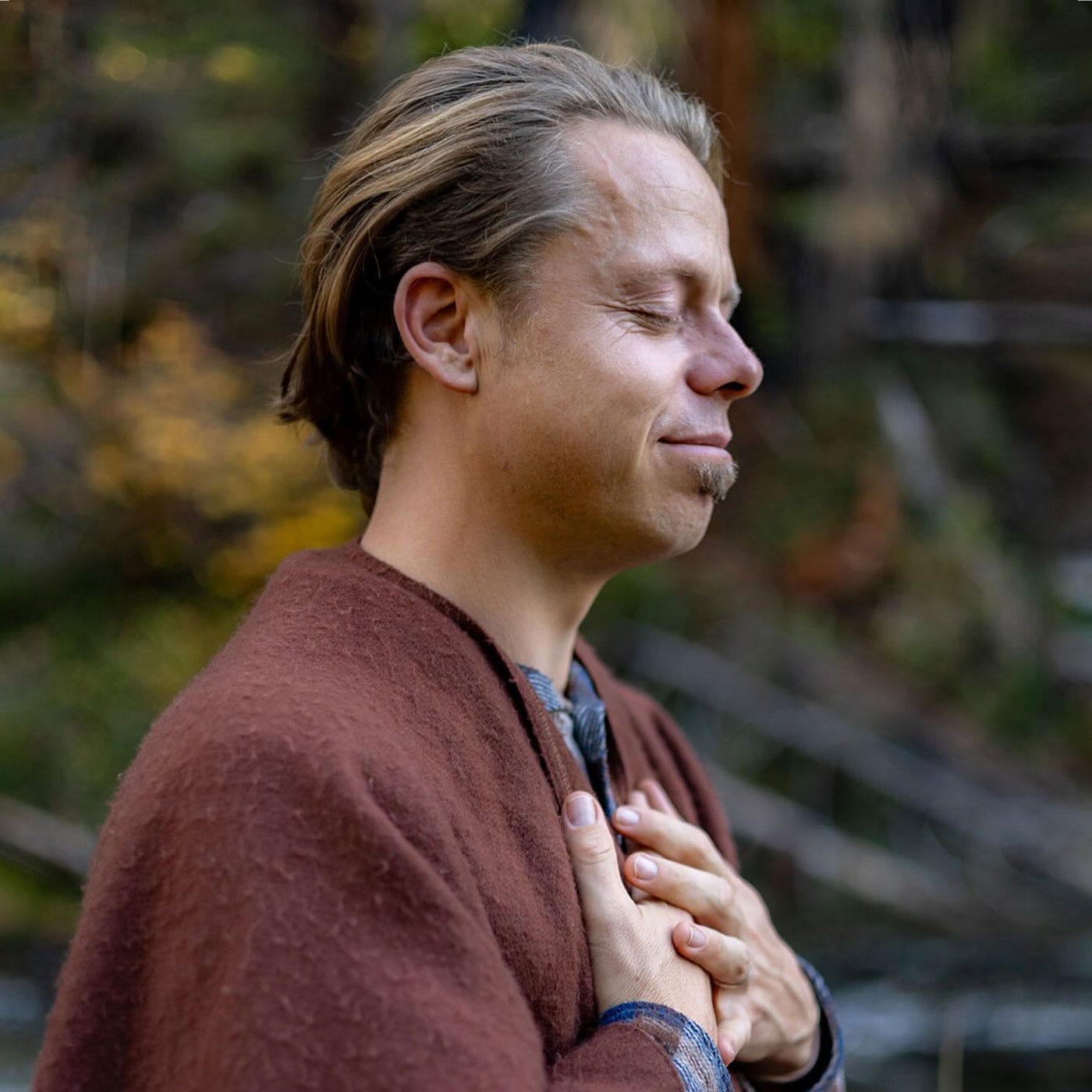
How do I interpret my rollercoaster ride on the yogic path? 🎢This is a different sort of podcast to the usual interview – my guest today is my younger self. Responding to a listener’s question, I reflect on how to deal with the challenging “ups and downs of the yogic journey”.To help with that, I turn to the writings of Hermann Hesse – particularly his novel Siddhartha, which features a character whose strong-willed independent streak reminds me of mine…When Siddhartha complains to his companion Govinda that they’ll never get enlightened by ascetic austerities, he’s urged to rethink. “We have learned a lot,” Govinda reminds him. “We are not going around in circles, we are moving up, the circle is a spiral, we have already ascended many a level.”Siddhartha disagrees and departs – a recurring pattern. Having done something similar myself a few too many times for comfort, I share what I’ve learned about commitment and detachment – and the need to strike a balance.In the process, I mention an interview I did a little while ago, a Siddhartha book club, and a recent podcast episode inviting listeners to ask me anything.🔎 To explore yogic wisdom in context, join me for a course at truthofyoga.com🙏 Donations make this podcast sustainable – please consider subscribing or buy me a coffee... Your support is greatly appreciated! This is a public episode. If you'd like to discuss this with other subscribers or get access to bonus episodes, visit ancientfutures.substack.com/subscribe
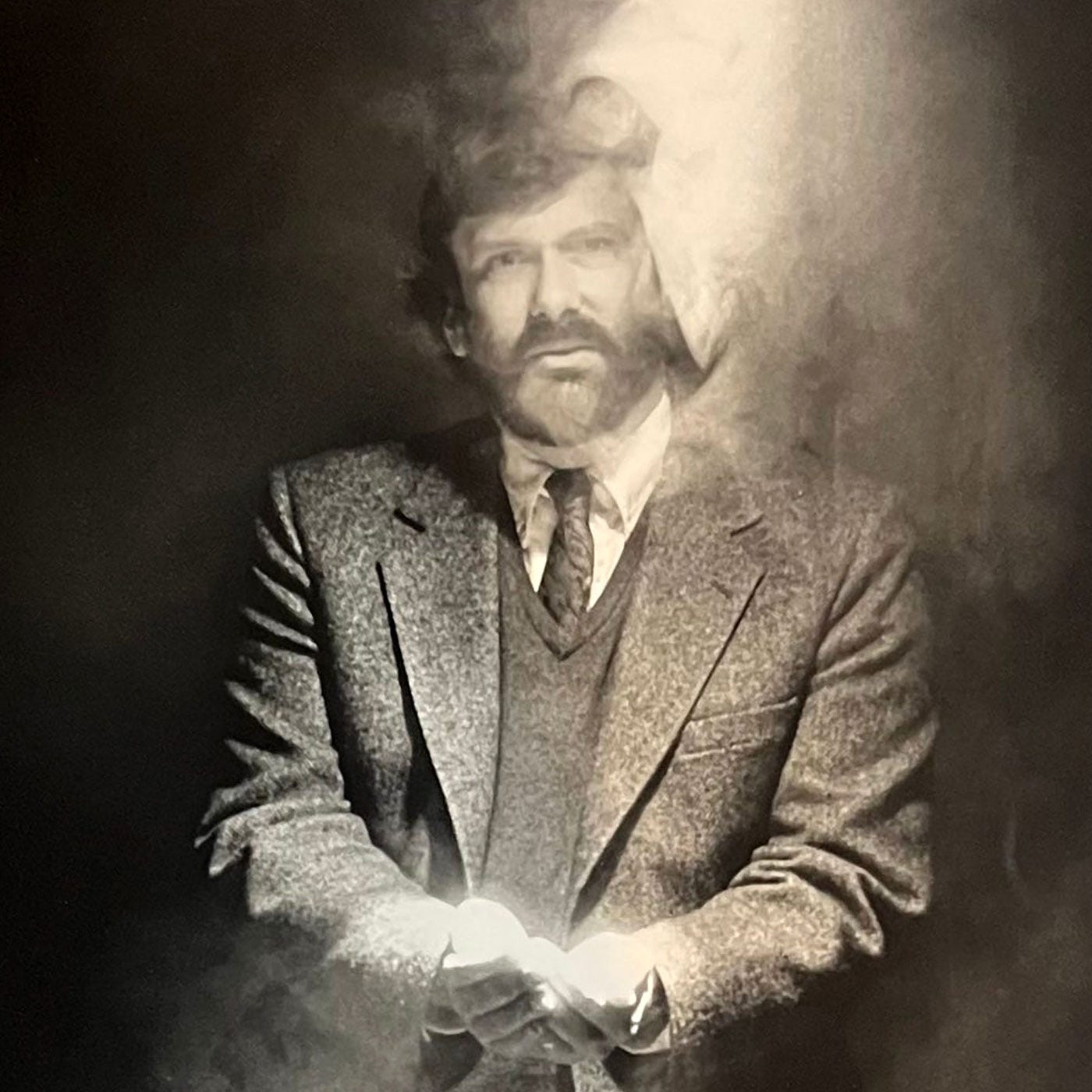
Can wisdom be taught? What if it were more about questions than finding "the answer"? How might reading be a meditative practice? Can writing from earlier centuries provide inspiration without mediation by academic experts?Valentin Gerlier is a scholar, musician and author, who is also the founder of the School of Sophia – a new hybrid educational platform that explores these sorts of subjects. “Inspired by the ancient Wisdom Schools”, its seminars are grounded in collective inquiry, with experiential insights as part of the process.Our conversation considers how wisdom relates to worldly action. The school’s curriculum asks about power: “Can it flourish for the good, or is it something to surrender?” Could a deeper intelligence help? In addition to discussing that, we explore some of the influences on Valentin’s work, including:* Mysticism, Joseph Milne and the Temenos Academy* Krishnamurti, Theosophy and Brockwood Park School* Satish Kumar, Schumacher College and Small is BeautifulThe texts for this term are The Tempest by William Shakespeare and Simone Weil’s Gravity and Grace. A recorded introductory meeting will be archived here. Weekly sessions are on Mondays from February 2, with in-person gatherings to follow.🔎 For yogic perspectives on wisdom, join me for a course at truthofyoga.com🙏 Donations make this podcast sustainable – please consider subscribing or buy me a coffee... Your support is greatly appreciated! This is a public episode. If you'd like to discuss this with other subscribers or get access to bonus episodes, visit ancientfutures.substack.com/subscribe
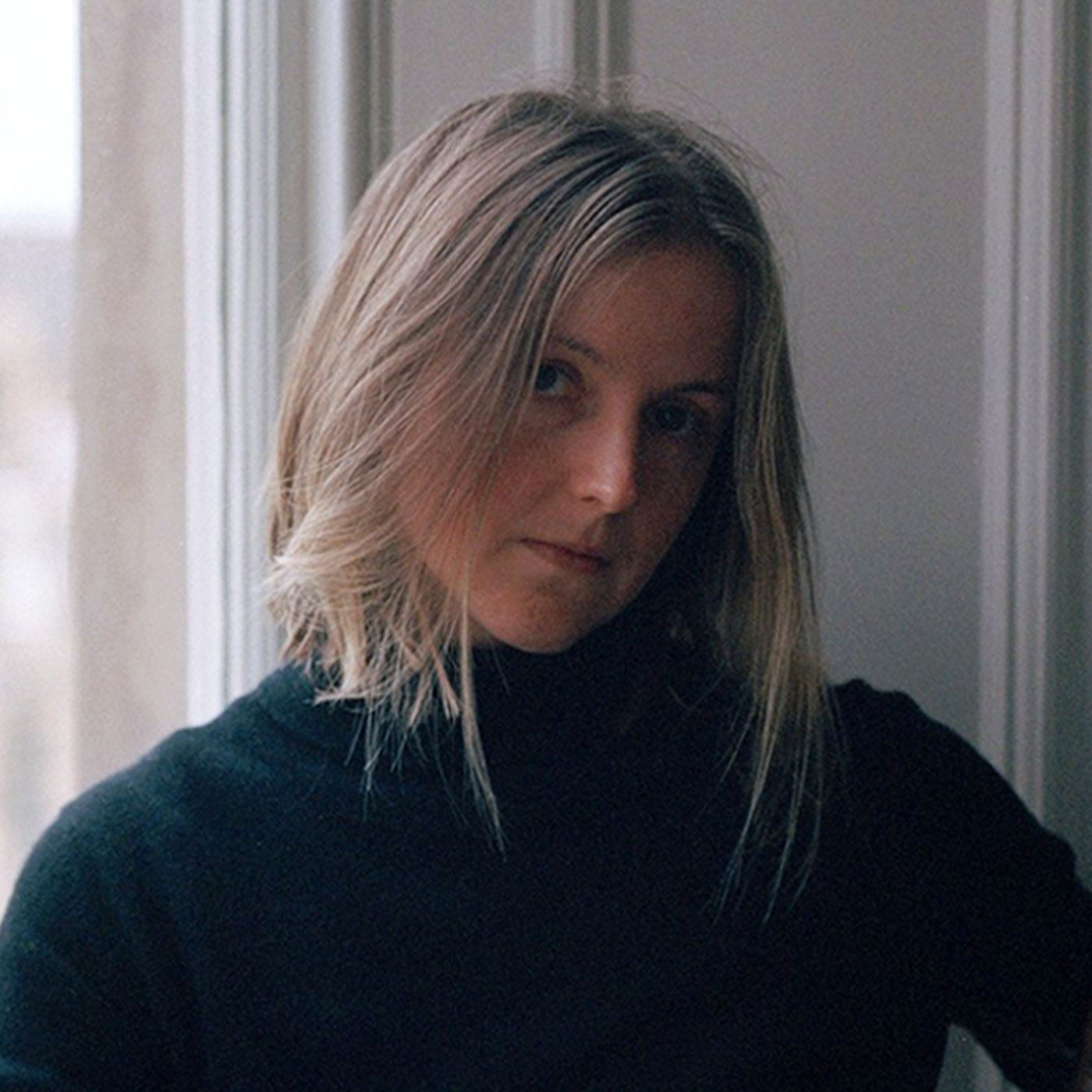
What exactly is Tantra, and how do modern teachings relate to traditions? Which other ideas inform intimacy workshops? Why is there often an emphasis on secrecy and power, and how is this exploited to enable abuse?Tova Olsson is a scholar of religion, as well as a teacher of yoga and Tantra. Our conversation explores these questions, along with many others – particularly the prevalence of what Tova calls “erotic spirituality”, and the extent to which Indian sources inform its practices. We also consider why tantric empowerment involves crossing boundaries, and whether non-duality dissolves accountability.In the process, we talk about scandals in multiple schools – from MISA and its offshoots (discussed in this Observer article and BBC podcast) to Siddha Yoga (the focus of a 1994 New Yorker exposé) and The New Tantra (whose founder features in this clip from Swedish public television).Tova’s academic work is available here – including articles on MISA and a Siddha Yoga teacher. She is the author of a book about yoga and Tantra, and teaches online courses at Saraswati Studies, which is also her handle on Instagram.--🔭 For comprehensive overviews of yogic traditions, join me at truthofyoga.com🙏 Donations make this podcast sustainable – please consider subscribing or buy me a coffee... Your support is greatly appreciated! This is a public episode. If you'd like to discuss this with other subscribers or get access to bonus episodes, visit ancientfutures.substack.com/subscribe
What would you like me to talk about in 2026? 🗣️As another year draws to a close, I’m reflecting on new types of podcasts. Today marks my 75th episode and while I plan to continue with the interview format, I’m also working on other ideas – including answering questions about any topic.So if there’s anything you want me to clarify, or to investigate, or if you have a dilemma you’d like to resolve from a yogic perspective, please get in touch – all suggestions and questions are welcome. Here are some from when I ran a “yoga problem page” a couple of years back:* How (Not) to Fight Injustice* Psychedelics, Yoga and Consciousness* The Yoga of Discord* Is the Truth of Yoga Communicable?* Solitude, Solace and CommunityThere’s no need to replicate those, or to focus on yoga – I’m genuinely open to anything, though I won’t blag an answer if I’m clueless. But I will do my best to ground whatever I say in yogic teachings – as well as exploring what might need rethinking to make them apply to contemporary challenges.I’ve shared some other examples in today’s podcast – responding to questions from Gabriel Maldonado, who hosts Living Yoga, and Peter Sterios and Crystal Ariel on My Inner Teacher (click the links for full versions of both conversations).For now, I’d like to wish you a happy and healthy new year! 🥳--🧘♂️ To explore the evolution of yogic traditions, join me online at truthofyoga.com🙏 Donations make this podcast sustainable – please consider subscribing or buy me a coffee... Your support is greatly appreciated! This is a public episode. If you'd like to discuss this with other subscribers or get access to bonus episodes, visit ancientfutures.substack.com/subscribe
What does it mean to choose wisely? Which kinds of values support this? To what extent are they related to ethics? How similar are Indian traditions to modern ideas about what to prioritise? Might teachings need reframing to speak to us clearly?Simon Haas presents ancient wisdom for everyday life. He is the author of The Book of Dharma – subtitled “Making Enlightened Choices” – and Yoga and the Dark Night of the Soul, which draws on ideas from the Bhagavad Gītā. He’s also spoken on these topics at the United Nations, and offers a wide range of workshops and seminars.Together, we discuss what he calls the Dharma Code, a framework of principles informing wise conduct. These overlap with ethical precepts, and help people fulfil their potential. We nonetheless reflect on drawbacks to expecting any system to have all the answers, since it's helpful to find one’s own way.Although Simon is adept at making subjects accessible, he is also a scholar with an Oxford PhD – you can find out more about his research here.🔎 For yogic perspectives on wisdom, join me for a course at truthofyoga.com🙏 Donations make this podcast sustainable – please consider subscribing or buy me a coffee... Your support is greatly appreciated! This is a public episode. If you'd like to discuss this with other subscribers or get access to bonus episodes, visit ancientfutures.substack.com/subscribe
This is a free preview of a paid episode. To hear more, visit ancientfutures.substack.comWhat exactly is Kuṇḍalinī? It depends... What began as an energetic metaphor has morphed into a framework for transcending trauma, and much else besides. Does a snake-like entity really ascend? What sparks the experience? If it happens by chance, how should someone respond? There are few simple answers.Sravana Borkataky-Varma and Anya Foxen are co-authors of The Serpent’s Tale, subtitled “Kuṇḍalinī, Yoga and the History of an Experience.” Both are scholars as well as practitioners – of Tantra (Sravana) and yoga (Anya) – and their research combines historical analysis with people’s experiences.Together, we explore why it can be hard to differentiate the physical from the psychological and the spiritual. We also ask if there are limits to what Kuṇḍalinī stands for and reflect on the challenges involved in defining them. In the process, we consider why reports of Kuṇḍalinī awakenings are increasingly common.Although The Serpent’s Tale is an academic book, it’s an engaging guide to some fascinating characters – along with cultural overlaps between East and West that explain the evolution of Kuṇḍalinī narratives over the centuries. As we discuss, the most famous of these is the story of Gopi Krishna.🧘♂️ To explore the evolution of yogic traditions, join me online at truthofyoga.com🙏 Donations make this podcast sustainable – please consider subscribing or buy me a coffee... Your support is greatly appreciated!
This is a free preview of a paid episode. To hear more, visit ancientfutures.substack.comWhat if change had more to do with relationships than miracle solutions? Which priorities help them work better? How does one take meaningful action without having the power to determine its outcomes? Who ought to act if not us?In this podcast, I talk about these questions – along with many others – with Jessica Böhme, PhD. Jes is the founder and director of the Institute for Practical ekoPhilosophy, “a post-disciplinary research and education institute dedicated to cultivating wisdom as a way of life for personal and planetary transformation.”She also writes wild:philosophy, a weekly Substack newsletter that offers “no easy answers, only better questions”, and runs a monthly PhilosophyGym, where people can “stretch their thinking” and “stay supple with uncertainty”. We consider how these qualities cultivate agency, and how that translates to effective activism.Jes describes her priorities as “personal development in service of the whole”, and encourages people to think about life as a laboratory. Some of her experiments are listed here, including wearing one outfit for over a year. The point is not to find a magic answer, she says, but to be open to exploration.🔎 For yogic perspectives on wisdom, join me for a course at truthofyoga.com🙏 Donations make this podcast sustainable – please consider subscribing or buy me a coffee... Your support is greatly appreciated!
This is a free preview of a paid episode. To hear more, visit ancientfutures.substack.comWhat distinguishes contemporary breath-control from earlier prāṇāyāma? 💨To what extent have external influences shaped Indian practices? How have things changed since the mid-nineteenth century? How might that relate to broader trends in yoga history?Lena Kraler is the author of Yoga Breath: Prāṇa and Prāṇāyāma in Early Modern Yoga. Her research explores the reinterpretation of breath-based techniques in light of ideas from Western occultism, fitness and science, as well as Hindu reform movements and nationalist responses to colonial rule.Our conversation explores how these currents inspired new approaches – from the origins of “deep” and “rhythmic” breathing to reinvented metaphors for teachings that date back to the early Upaniṣads and beyond. As a result, we chart the many continuities that coexist with change.Before her PhD work on prāṇāyāma, Lena’s focus was dance and music, which she now teaches – alongside religion – to early years educators. You can find out more about her research here. She also mentioned Karl Baier (who posts work here), and Anya Foxen (whom I interviewed here).🧘♂️ To explore the evolution of practices, join me for a course at truthofyoga.com🙏 Donations make this podcast sustainable – please consider subscribing or buy me a coffee... Your support is greatly appreciated!
This is a free preview of a paid episode. To hear more, visit ancientfutures.substack.comWhat distinguishes fiction from facts? John le Carré is renowned for Cold War spy thrillers, yet over half his books were published after 1990 and they tackled modern issues that he had to research. A new exhibition in Oxford documents his methods, and spotlights the networks of experts who helped him.An accompanying book – titled Tradecraft: Writers on John le Carré – explores their experiences. Reflecting on her trip with the author to Congo, Michela Wrong sheds light on the collaborative process, while demystifying complex subjects such as the malevolent role of Rwanda in fomenting conflict.Michela is an Africa specialist, whose books tell engaging stories for the general reader. However, as we discuss, the most compelling non-fiction rarely matches the reach of a bestselling novel. We nonetheless reflect on the importance of reporting, and the damaging impact of scaling it back on our shared understanding.I’ve long been a fan of how le Carré – a.k.a. David Cornwell – laced his plots with psychological drama and moral ambiguity as people struggle to do the right thing. This has a few parallels with epic yoga narratives. Our conversation mostly covers worldly matters, but we also talk about the workings of human delusions.Finally, for non-UK listeners, here’s some context on Mr Bates vs the Post Office.🔎 To investigate truth from a yogic perspective, join me online at truthofyoga.com.🙏 Donations make this podcast sustainable – please consider subscribing or buy me a coffee... Your support is greatly appreciated!
This is a free preview of a paid episode. To hear more, visit ancientfutures.substack.comWhat was the impact of the Osho / Rajneesh cult on the families of members? Why might some people struggle to heal old wounds? To what extent is abuse of children still unacknowledged? How can telling one’s story facilitate recovery?Lily Dunn is an author, teacher and mentor of literary memoir. She explores its potential in her new book, Into Being, which cites many writers including herself – Lily’s last book, Sins of My Father, describes her enchantment with an absent parent, who joined the Rajneeshees and later drank himself to death.Examining this tangled relationship revealed her father’s narcissistic avoidance of responsibility. This was common in communes, with painful effects on the children raised there – sex with minors was widespread, as Lily noted in an article that brought her into contact with survivors of abuse.One was Maroesja Perizonius, a Dutch director with whom Lily worked to develop a film titled Children of the Cult – available here if you’re in the UK, with a trailer here. Their stories were ignored by the Netflix series, Wild Wild Country, which focused instead on other cult transgressions, such as bioterrorism.Our conversation explores all these topics, along with some practical guidance on writing, and the value of external help – from editors, mentors and therapists – in reducing the risk of self-deception. In the process, we consider what distinguishes creative non-fiction from making things up.🧘♂️ For a modern take on yogic traditions, join me for a course at truthofyoga.com🙏 Donations make this podcast sustainable – please consider subscribing or buy me a coffee... Your support is greatly appreciated!
This is a free preview of a paid episode. To hear more, visit ancientfutures.substack.comWhat might scholars learn from yoga practitioners, as well as vice versa? To what extent do their worldviews differ? Are their methods of inquiry compatible? Since many academics also practise yoga, as well as educating teachers via courses and trainings, can these roles be compartmentalised?Theo Wildcroft and Barbora Sojkova are the co-editors of a new book titled Yoga Studies in Five Minutes, presenting short summaries of scholarly knowledge from a burgeoning field. Each of its chapters – written by specialists – answers frequently asked questions, such as “what is samādhi?” and “is yoga a religion?”Our conversation explores how the book came together, asks if it caters both to academic readers and curious practitioners, and considers why context and critical thinking are important. We also talk about some common misconceptions, while reflecting on limits to what can be known – or at least articulated.If you’re in the UK, there’s an in-person book launch on November 5 at the Oxford Centre for Hindu Studies. Theo and Barbora are also preparing a round-table about scholarship and practice for the Yoga Darśana Yoga Sādhana conference in Paris next May. In the meantime, recordings of this year’s event are available here.🙋♂️ To explore yogic wisdom from multiple angles, join me for The Path of Knowledge.🙏 Donations make this podcast sustainable – please consider subscribing or buy me a coffee... Your support is greatly appreciated!
This is a free preview of a paid episode. To hear more, visit ancientfutures.substack.comWhat might we learn from the marginalised stories of women in yogic traditions? 🧘♀️Although female practitioners are prevalent today, ancient texts mostly talk about men. However, broadening the focus beyond ascetic yogis, we find empowered women – as well as awkward truths about social restrictions.Anjali Rao is the author of Yoga as Embodied Resistance: A Feminist Lens on Caste, Gender, and Sacred Resilience in Yoga History. Our conversation explores hidden links between gender and caste, and the impact of colonialism on social hierarchies. We also discuss inspiring stories of radical females whom Anjali highlights.Her overall aim is to encourage practitioners to think about ways to expand their perspectives, presenting yoga as an activist path to collective liberation. Her book is published on October 14, and available for pre-order now. She’s also hosting a reading group to talk about ways of dismantling oppression and developing agency.👀 To integrate multiple perspectives on yoga, join me for The Path of Knowledge.🙏 Donations make this podcast sustainable – please consider subscribing or buy me a coffee... Your support is greatly appreciated!
This is a free preview of a paid episode. To hear more, visit ancientfutures.substack.comWhat does it mean to be well in yogic terms? How far does this involve integration with natural surroundings? 🌳Many early teachings prioritise the opposite, promoting withdrawal and inward focus, while the goal in the best-known text – Patañjali’s Yoga Sūtra – is to disengage completely from material things.This podcast includes a talk I presented this summer at a British Wheel of Yoga event, whose themes were harmony, nature, community and wellbeing (slides available here). I was asked to present some historical context, which sparked conversations about how to reframe things for modern practitioners.That’s basically the focus of my year-long course, The Path of Knowledge, which starts soon. We explore how yoga evolved from its earliest history to contemporary developments, and reflect on what keeps teachings relevant as well as connected to earlier traditions, while also developing critical thinking skills. Our international group meets on alternate Sundays – find out more and join us here.🎓 For more courses on yogic wisdom – as well as free talks – visit truthofyoga.com.🙏 Donations make this podcast sustainable – please consider subscribing or buy me a coffee... Your support is greatly appreciated!
This is a free preview of a paid episode. To hear more, visit ancientfutures.substack.comWhat can we learn from a medieval hermit about how to live? A surprising amount perhaps. Julian of Norwich is the author of the oldest surviving book by a woman in English – her Revelations of Divine Love provides a fascinating guide to what it means to be well despite experiencing suffering.Hannah Lucas is a scholar of Julian’s work, among other medieval contemplative literature. She explores the entanglement of illness and insight in her recent book Impossible Recovery: Julian of Norwich and the Phenomenology of Well-Being, including what Julian meant by saying “all shall be well” and “we are all one in love”.Our conversation considers some parallels between Christian mystics and Indian traditions – particularly yoga, which Hannah also teaches. One dimension of this involves facing the world as it is instead of wishing it were otherwise, which has broad implications for everyday life, as we discuss.See here for an introductory blog about Hannah’s book. She is the Newby Trust Research Fellow in English at Newnham College, University of Cambridge. From October, she will be an Alexander von Humboldt Research Fellow based at the Max Planck Institute for the History of Science and the Technical University Berlin.🙋♂️ To explore the evolution of yogic traditions, join me for The Path of Knowledge.🧘♀️ I’m also running a retreat that draws on highlights from the course (Sep 25-28).🙏 Donations make this podcast sustainable – please consider subscribing or buy me a coffee... Your support is greatly appreciated!
This is a free preview of a paid episode. To hear more, visit ancientfutures.substack.comTo what extent has yoga been influenced by socio-political forces, or competition for resources between different groups? Does understanding historical context help to make sense of teachings? What might we learn from the past that’s still relevant today?Richard Davis is an emeritus professor of religion at Bard College in New York. His latest book, Religions of Early India: A Cultural History, explores the fluidity of ancient traditions, including interactions between Brahmanical renouncers, Buddhists and Jains. He’s also the author of The Bhagavad Gita: A Biography, a fascinating story of how the text has been interpreted over the centuries.Having taught undergraduates for 35 years, Richard writes accessibly about the big picture, so our conversation surfs across several millennia. We focus in particular on tensions between renunciation and social engagement, as well as a history of cultural exchange. Among other questions, we consider:* Where ideas about karma and rebirth originated* What inspired sacred images and religious devotion* Whether the earliest traditions were goddess-focused* Whose voices texts leave out, and how to hear them* Why Siddhartha by Hermann Hesse is insightfulSelections from Richard’s work are posted here. For a list of publications, see here.🤿 For a year-long immersion in yogic wisdom, join me on The Path of Knowledge.🧘♀️ I’m also running a retreat that incorporates highlights from the course (Sep 25-28).🙏 Donations make this podcast sustainable – please consider subscribing or buy me a coffee... Your support is greatly appreciated!
This is a free preview of a paid episode. To hear more, visit ancientfutures.substack.comWhat does it mean to have mental plasticity? ♳Unless the mind is to some extent controlled, it controls our experience. This axiom of yoga philosophy has helpful applications in everyday life – from avoiding being triggered by politics to making wise choices.Jessica Frazier is a lecturer at Oxford University, and also a fellow of the Oxford Centre for Hindu Studies. She recently organised a conference that discussed the radical nature of Indian ideas about self-transformation. This podcast includes her presentation on yoga, along with a chat about what we can learn from cross-cultural thinking – particularly about phenomenology (a term we unpack).You can stream more presentations from the conference here, or join the OCHS Virtual Classroom, where subscribers get access to talks on a regular basis. There’s also a range of online courses on yogic traditions and related subjects (some of which I tutor) – a new intake begins on July 27.🙋♂️ For a broad exploration of yogic traditions, join me for The Path of Knowledge.🧘♀️ I’m also running a retreat that draws on highlights from the course (Sep 25-28).🙏 Donations make this podcast sustainable – please consider subscribing or buy me a coffee... Your support is greatly appreciated!
This is a free preview of a paid episode. To hear more, visit ancientfutures.substack.comWhat might the world look like if heroin was provided on prescription at local pharmacies? 💉This is not a thought experiment. It used to be the basis of a policy that experts call the “British System” – in the early 1960s in London, the biggest dealer of drugs was Boots the Chemists.JS Rafaeli is the author of Drug Wars, which documents this history and the crackdown that buried it. His collaborator – Neil Woods – is a retired undercover detective whose experience convinced him the “war on drugs” just made things worse (a story detailed in their first book, Good Cop, Bad War).In this wide-ranging chat, JS explains how criminalisation has corrupted policing, caused violence to spiral and turned addicts into pyramid salesmen who try to hook others to pay for their fix. Meanwhile, evidence takes a back seat to political agendas, producing policies focused on punishment not public health.Our conversation considers how to make things safer for everyone concerned, while acknowledging the obstacles to implementing change. In the process, we talk about work to promote wiser policies by organisations such as Transform, and the Law Enforcement Action Partnership in the U.S. and the UK.🙋♂️ To explore the yogic precept of non-harming, join me on The Path of Knowledge.🧘♀️ I’m also running a retreat that incorporates highlights from the course (Sep 25-28).🙏 Donations make this podcast sustainable – please consider subscribing or buy me a coffee... Your support is greatly appreciated!
This is a free preview of a paid episode. To hear more, visit ancientfutures.substack.comTo what extent is knowledge an obstacle? Is ignorance bliss? 🤔Although it can be helpful to admit to not knowing, it rarely feels comfortable. I’ve been reflecting on that recently while working on some writing about yoga and politics, and it’s also a theme on my year-long course, The Path of Knowledge.This podcast discusses distinctions between what sounds true and what’s verifiable, as well as yogic tensions in seeking the truth by transcending the known. It also talks about the limits of scholarly knowledge and practical insight, while considering ways of balancing both of these perspectives.Since we really don’t know how much we don’t know about the history of yoga, that can add to discomfort when looking for clarity about what’s authentic, or traditional – or any other word that tries to get grounded in something more certain. However, that can be the start of resolving confusion for oneself.🙋♂️ The recording incorporates clips from a talk that had slides (which are available here) and it includes Q&A about The Path of Knowledge. A new intake starts in September – you can find out more and join us here.🧘♀️ I’m also running a retreat based on some of the highlights from the course – more details here. If you have any questions, send me an email.🙏 Donations make this podcast sustainable – please consider subscribing or buy me a coffee... Your support is greatly appreciated!


