DiscoverCold War Conversations Podcast
Cold War Conversations Podcast

Cold War Conversations Podcast

Author: Ian Sanders

Subscribed: 2,131Played: 108,141
Share

Description

Experience the Cold War like never before with Cold War Conversations — an award-winning podcast recommended by The New York Times.


Each week, host Ian Sanders brings you raw, firsthand accounts from the people who lived through one of history’s most tense and transformative eras — soldiers, spies, civilians, and more.


These aren’t stories from textbooks. They’re unfiltered voices from the frontlines of history — emotional, gripping, and deeply human.


This is Cold War history, told from the inside out.


We cover subjects such as spies, spying, the Iron Curtain, nuclear weapons, warfare, tanks, jet aircraft, fighters, bombers, transport aircraft, aviation, culture, and politics.


We also cover personalities such as Fidel Castro, JFK, Ronald Reagan, Nikita Khrushchev, Leonid Brezhnev, Yuri Andropov, Mikhail Gorbachev, Konstantin Chernenko, Margaret Thatcher, John F. Kennedy, Josef Stalin, Richard Nixon, Lech Walesa, General Jaruzelski, Nicolae Ceaușescu.


Other subjects include Czechoslovakia, Yugoslavia, Romania, Checkpoint Charlie, Berlin, West Berlin, East Berlin, Cuban missile Crisis, Berlin Airlift, Bay of Pigs, SALT, Perestroika, Space Race, superpower, USSR, Soviet Union, DDR, GDR, East Germany, SDI, Vietnam War, Korean War, Solidarność, Fall of the Wall, Berliner Mauer, Trabant, Communist, Capitalist, Able Archer, KGB, Stasi, STB, SB, Securitate, CIA, NSA, MI5, MI6, Berlin Wall, escape, defection, Cuba, Albania, football, sport, Bulgaria, Soviet Union, Poland, China, Taiwan, Austria, West Germany, Solidarity, espionage, HUMINT, SIGINT, OSINT, IMINT, GEOINT, RAF, USAF, British Army, US Army, Red Army, Soviet Army, Afghanistan, NVA, East German Army, KAL007, T-72, T-64, Chieftain, M60


The podcast is for military veterans, school teachers, university lecturers, students and those interested in Cold War history, museums, bunkers, weapons, AFVs, wargamers, planes, A Level, GCSE students studying Superpower Relations and the Cold War.

438 Episodes
Reverse
The US invasion of Grenada in 1983 remains a pivotal event in both Caribbean and Cold War history. President Reagan, fearing the spread of communism in the Caribbean and the safety of US citizens, initiated military action. US forces launched a swift invasion, aiming to seize control of the island and restore order. However, the operation was fraught with challenges. Intelligence failures, miscommunication, and the chaotic nature of the military operation raised questions about the effectiveness of US planning and coordination. Internationally, the invasion was met with condemnation. The United Nations General Assembly passed a resolution denouncing the intervention as a violation of international law. Critics argued that the US had blurred the lines between humanitarian intervention and regime change, setting a dangerous precedent for future military actions. As history often shows, the smallest conflicts can have the most profound impacts, shaping policies and perceptions for decades to come. The story of Grenada is not just about a military operation; it serves as a poignant reminder of the intricate interplay between local politics and global power dynamics. Related episodes 1983 – the year the Cold War almost turned hot Episode Extras - Maps and videos https://coldwarconversations.com/episode438/ The fight to preserve Cold War history continues and via a simple monthly donation, you will give me the ammunition to continue to preserve Cold War history. You’ll become part of our community, get ad-free episodes, and get a sought-after CWC coaster as a thank you and you’ll bask in the warm glow of knowing you are helping to preserve Cold War history. Just go to ⁠⁠https://coldwarconversations.com/donate/⁠⁠ If a monthly contribution is not your cup of tea, We also welcome one-off donations via the same link. Find the ideal gift for the Cold War enthusiast in your life! Just go to ⁠⁠https://coldwarconversations.com/store/⁠⁠ CONTINUE  THE COLD WAR CONVERSATION Follow us on BlueSky ⁠⁠https://bsky.app/profile/coldwarpod.bsky.social⁠⁠ Follow us on Threads ⁠⁠https://www.threads.net/@coldwarconversations⁠⁠ Follow us on Twitter ⁠⁠https://twitter.com/ColdWarPod⁠⁠ Facebook ⁠⁠https://www.facebook.com/groups/coldwarpod/⁠⁠ Instagram ⁠⁠https://www.instagram.com/coldwarconversations/⁠⁠ Youtube ⁠⁠https://youtube.com/@ColdWarConversations⁠⁠ Learn more about your ad choices. Visit podcastchoices.com/adchoices
In the 1970s, a network of radical extremists terrorised the West with intricately planned plane hijackings and hostage-takings. Among them was the young Leila Khaled with her jewellery made from grenade rings, the hard-drinking Carlos the Jackal in shades and designer suits, and the radical leftists of the Baader-Meinhof Gang. United by their hatred of Israel, capitalism and ‘Western imperialism’, they unleashed a series of audacious attacks that brought governments to their knees and glued the world to their televisions in morbid fascination. Drawing on decades of research, recently declassified government files, secret documents, and original interviews with hijackers, spies, witnesses and victims, I speak with Jason Burke, the author of “The Revolutionists - The Story of the Extremists Who Hijacked the 1970s” takes us into the lives and minds of the perpetrators of these often-deadly operations. Buy the book here https://uk.bookshop.org/a/1549/9781847926067 Related episodes: Watching the Jackals: Prague’s Covert Liaisons with Cold War Terrorists and Revolutionaries https://coldwarconversations.com/episode382/ Terrorism in the Cold War https://coldwarconversations.com/episode205/ Episode extras ⁠⁠⁠⁠https://coldwarconversations.com/episode437⁠ The fight to preserve Cold War history continues and via a simple monthly donation, you will give me the ammunition to continue to preserve Cold War history. You’ll become part of our community, get ad-free episodes, and get a sought-after CWC coaster as a thank you and you’ll bask in the warm glow of knowing you are helping to preserve Cold War history. Just go to ⁠⁠https://coldwarconversations.com/donate/⁠⁠ If a monthly contribution is not your cup of tea, We also welcome one-off donations via the same link. Find the ideal gift for the Cold War enthusiast in your life! Just go to ⁠⁠https://coldwarconversations.com/store/⁠⁠ CONTINUE  THE COLD WAR CONVERSATION Follow us on BlueSky ⁠⁠https://bsky.app/profile/coldwarpod.bsky.social⁠⁠ Follow us on Threads ⁠⁠https://www.threads.net/@coldwarconversations⁠ Follow us on Twitter ⁠⁠https://twitter.com/ColdWarPod⁠ Facebook ⁠⁠https://www.facebook.com/groups/coldwarpod/⁠ Instagram ⁠⁠https://www.instagram.com/coldwarconversations/⁠ Youtube ⁠⁠https://youtube.com/@ColdWarConversations⁠⁠   Learn more about your ad choices. Visit podcastchoices.com/adchoices
Andrew was a British modern languages student in 1989. He recounts the serendipitous moment when he stumbled upon an advert for a work and holiday trip to the GDR. The trip was organized by the Great Britain GDR Society, which allowed participants to experience life behind the Iron Curtain. For just £120, students could immerse themselves in a culture that was vastly different from what they knew. The only requirement was to join the society, which piqued the curiosity of our guest, who had previously visited West Germany but had yet to set foot in the East. As the group engaged in work on a building site, they encountered East German soldiers and workers, sharing stories and forging unexpected friendships. The camaraderie that developed during these moments highlighted the human connections that transcended political boundaries. Andrew reflects on the peculiarities of the trip, from the shoddy living conditions to the surreal experience of mingling with locals who had their own dreams and aspirations. Episode extras https://coldwarconversations.com/episode436/ The fight to preserve Cold War history continues and via a simple monthly donation, you will give me the ammunition to continue to preserve Cold War history. You’ll become part of our community, get ad-free episodes, and get a sought-after CWC coaster as a thank you and you’ll bask in the warm glow of knowing you are helping to preserve Cold War history. Just go to https://coldwarconversations.com/donate/ If a monthly contribution is not your cup of tea, We also welcome one-off donations via the same link. Find the ideal gift for the Cold War enthusiast in your life! Just go to https://coldwarconversations.com/store/ CONTINUE  THE COLD WAR CONVERSATION Follow us on BlueSky https://bsky.app/profile/coldwarpod.bsky.social Follow us on Threads https://www.threads.net/@coldwarconversations Follow us on Twitter https://twitter.com/ColdWarPod Facebook https://www.facebook.com/groups/coldwarpod/ Instagram https://www.instagram.com/coldwarconversations/ Youtube https://youtube.com/@ColdWarConversations   Learn more about your ad choices. Visit podcastchoices.com/adchoices
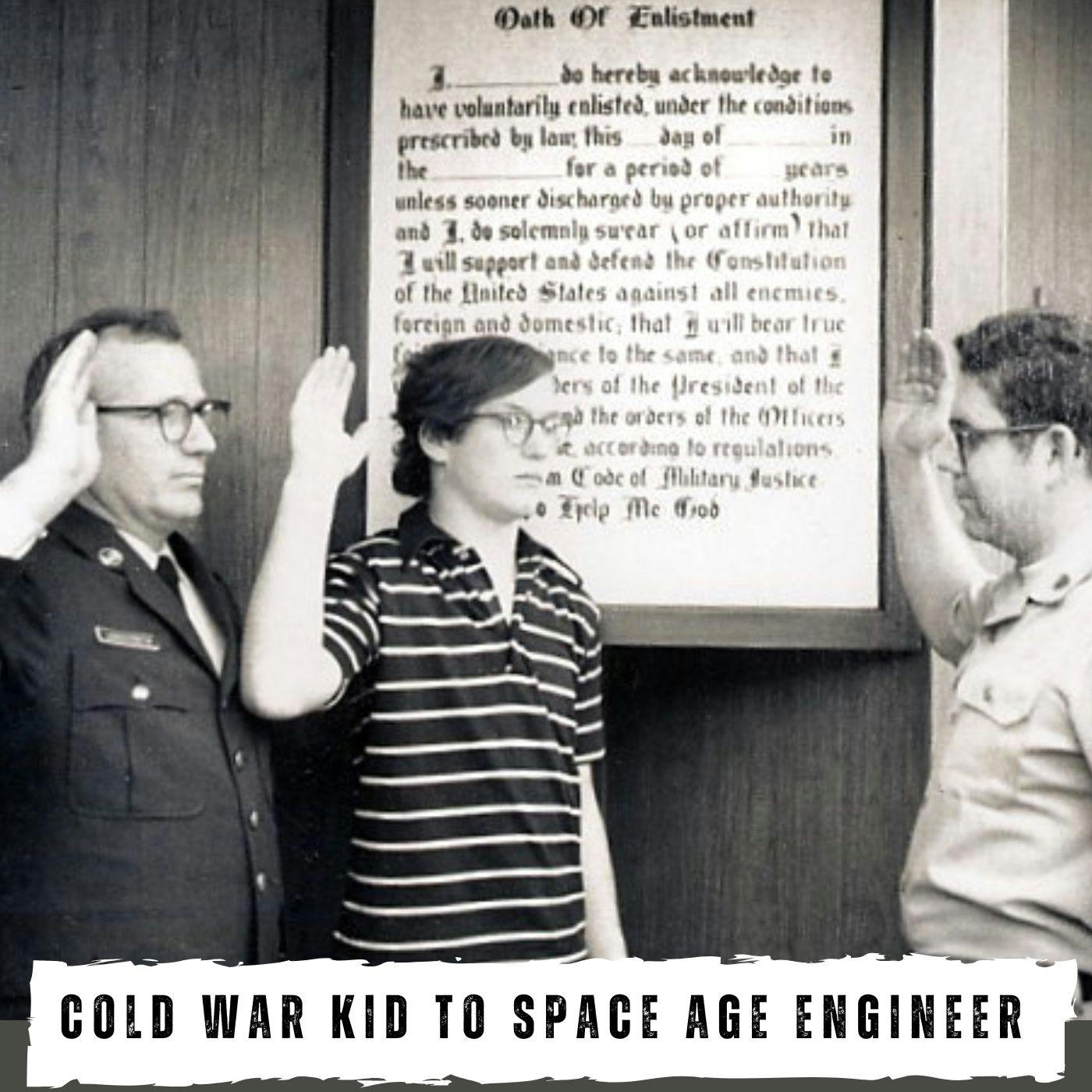
Keith Longstreth takes us through an extraordinary life shaped by the rhythms and risks of the Cold War. Born into an Air Force family, Keith grew up on bases across the world—from Scotland to Italy to Texas, where he describes a poignant last farewell to President Kennedy before his assassination. His career in the USAF placed him behind the scenes of America’s most critical aircraft, including time at RAF Upper Heyford during the tense early 1980s. There, he lived through chemical-attack drills, nuclear-strike simulations, and the ever-present pressure of NATO–Soviet confrontation. Rising to become an astronautical engineer, Keith later worked on GPS satellites and experiments flown on the Space Shuttle. Episode Extras ⁠⁠⁠⁠⁠⁠⁠https://coldwarconversations.com/episode435/ ⁠⁠Help me preserve Cold War history. ⁠⁠⁠ You’ll become part of our community, get ad-free episodes, and get a sought-after CWC coaster as a thank you and you’ll bask in the warm glow of knowing you are helping to preserve Cold War history. Just go to ⁠⁠⁠⁠https://coldwarconversations.com/donate/⁠⁠⁠⁠ If a monthly contribution is not your cup of tea, We also welcome one-off donations via the same link. Find the ideal gift for the Cold War enthusiast in your life! Just go to ⁠⁠https://coldwarconversations.com/store/⁠⁠ CONTINUE  THE COLD WAR CONVERSATION Follow us on BlueSky ⁠⁠https://bsky.app/profile/coldwarpod.bsky.social⁠⁠ Follow us on Threads ⁠⁠https://www.threads.net/@coldwarconversations⁠⁠ Follow us on Twitter/X ⁠⁠https://twitter.com/ColdWarPod⁠⁠ Facebook ⁠⁠https://www.facebook.com/groups/coldwarpod/⁠⁠ Instagram ⁠⁠https://www.instagram.com/coldwarconversations/⁠⁠ Youtube ⁠⁠https://youtube.com/@ColdWarConversations⁠ Learn more about your ad choices. Visit podcastchoices.com/adchoices
This is the 2nd part of the story of Miles, a British National Service conscript during his military service in the late 1950s. I’d like to give special thanks for the Norfolk Tank Museum for highlighting Miles’ story and one of his relatives for putting me in contact with him. Throughout the episode, our Miles shares captivating anecdotes and the thrill of being part of a light armoured reconnaissance regiment. He vividly recounts the challenges of operating various armoured vehicles, including the Saladin and Saracen, and the responsibilities that came with being on the front lines of military operations. One of the most intriguing aspects of his service was the border patrols, where he and his comrades would venture into the woods, often encountering their East German counterparts. The tension of those moments, coupled with the knowledge that they were living in a semi-war footing, adds a layer of gravity to his experiences. ⁠Help me preserve Cold War history. ⁠⁠ You’ll become part of our community, get ad-free episodes, and get a sought-after CWC coaster as a thank you and you’ll bask in the warm glow of knowing you are helping to preserve Cold War history. Just go to ⁠⁠⁠https://coldwarconversations.com/donate/⁠⁠⁠ If a monthly contribution is not your cup of tea, We also welcome one-off donations via the same link. Episode Extras ⁠https://coldwarconversations.com/episode434/ Find the ideal gift for the Cold War enthusiast in your life! Just go to ⁠https://coldwarconversations.com/store/⁠ CONTINUE  THE COLD WAR CONVERSATION Follow us on BlueSky ⁠https://bsky.app/profile/coldwarpod.bsky.social⁠ Follow us on Threads ⁠https://www.threads.net/@coldwarconversations⁠ Follow us on Twitter/X ⁠https://twitter.com/ColdWarPod⁠ Facebook ⁠https://www.facebook.com/groups/coldwarpod/⁠ Instagram ⁠https://www.instagram.com/coldwarconversations/⁠ Youtube ⁠https://youtube.com/@ColdWarConversations Learn more about your ad choices. Visit podcastchoices.com/adchoices
We hear the fascinating story of Miles, a British National Service conscript during his military service in the late 1950s. I’d like to give special thanks for the Norfolk Tank Museum for highlighting Miles’ story and one of his relatives for putting me in contact with him. Miles shares vivid memories of receiving his call-up papers, the initial medical examination, and the challenges of basic training at Catterick Camp. From the camaraderie formed among recruits to the rigours of physical training and the often humorous anecdotes of army life, this episode offers a unique glimpse into the last days of British conscription. Help me preserve Cold War history. ⁠ You’ll become part of our community, get ad-free episodes, and get a sought-after CWC coaster as a thank you and you’ll bask in the warm glow of knowing you are helping to preserve Cold War history. Just go to ⁠⁠https://coldwarconversations.com/donate/⁠⁠ If a monthly contribution is not your cup of tea, We also welcome one-off donations via the same link. Episode Extras https://coldwarconversations.com/episode433/ Find the ideal gift for the Cold War enthusiast in your life! Just go to https://coldwarconversations.com/store/ CONTINUE  THE COLD WAR CONVERSATION Follow us on BlueSky https://bsky.app/profile/coldwarpod.bsky.social Follow us on Threads https://www.threads.net/@coldwarconversations Follow us on Twitter/X https://twitter.com/ColdWarPod Facebook https://www.facebook.com/groups/coldwarpod/ Instagram https://www.instagram.com/coldwarconversations/ Youtube https://youtube.com/@ColdWarConversations Learn more about your ad choices. Visit podcastchoices.com/adchoices
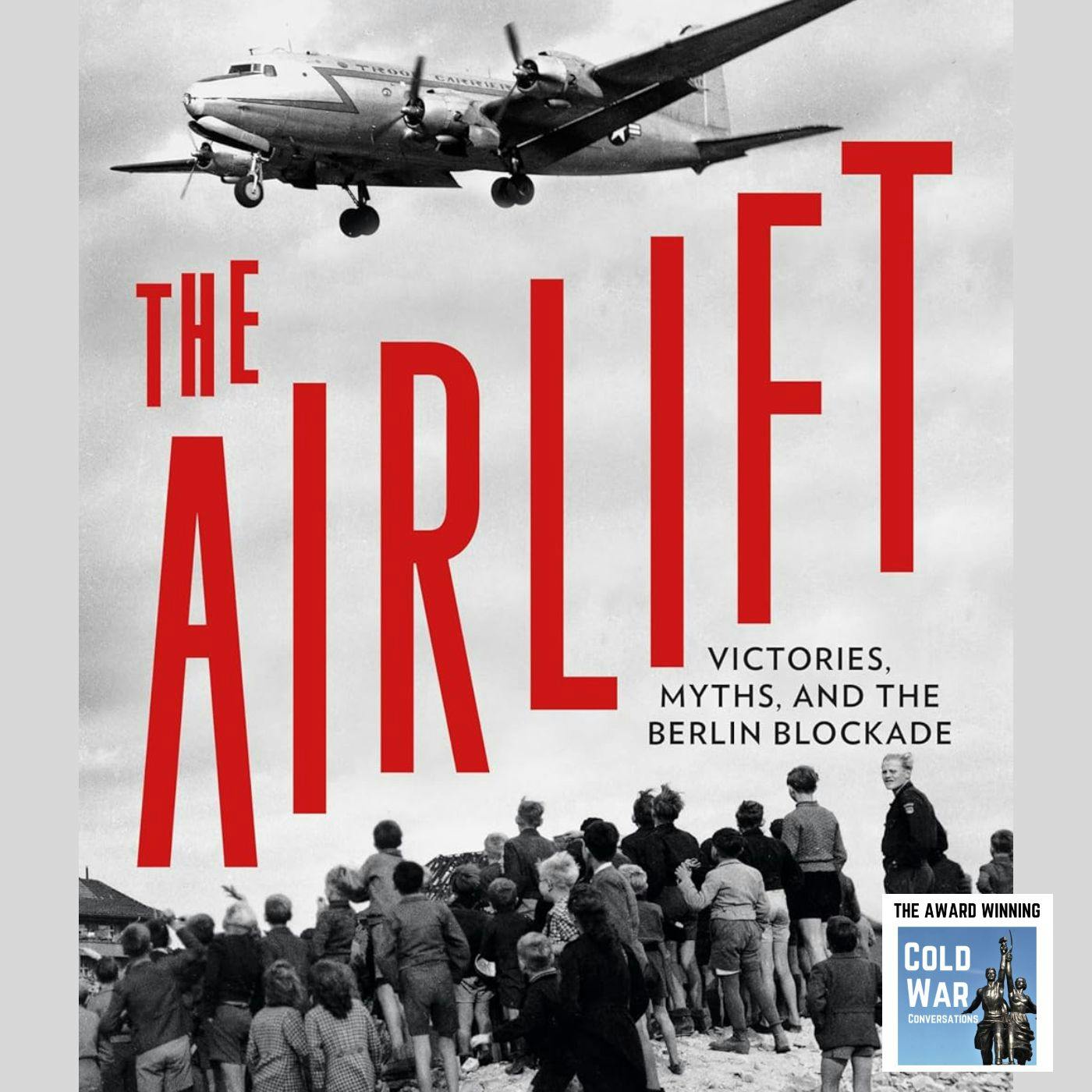
The Berlin Blockade was one of the first major international crises of the Cold War when the Soviet Union blocked the Western Allies' railway, road, and canal access to the sectors of Berlin under Western control. I speak with Joseph Pearson, the author of “The Airlift Victories, Myths, and the Berlin Blockade. This is not your standard military history. Drawing on first-hand interviews and untapped sources from both German and Anglo-American archives, Pearson interweaves personal tales into an extraordinary story: an American pilot crashing in Soviet territory; a Jewish photographer struggling to reconcile with the Germans; the 17,000 women who built Tegel Airport; Cambridge University actors performing in the ruins for British intelligence and Hollywood star Montgomery Clift filming at Tempelhof Airport. Through this deeply human lens, Pearson offers crucial historical insight into how lasting new battlelines were formed. The Berlin Airlift didn’t just supply a city; it wrote the playbook of the Cold War and continues to influence Western thinking and diplomacy with Russia to this day. Help me preserve Cold War history. ⁠⁠ You’ll become part of our community, get ad-free episodes, and get a sought-after CWC coaster as a thank you and you’ll bask in the warm glow of knowing you are helping to preserve Cold War history. Just go to ⁠⁠⁠https://coldwarconversations.com/donate/⁠⁠⁠ If a monthly contribution is not your cup of tea, We also welcome one-off donations via the same link. Related episodes: Veteran of the Cold War Berlin Airlift – the Candy Bomber ⁠https://coldwarconversations.com/episode56/⁠ A 98 Year Old USAF Veteran Remembers the Berlin Airlift ⁠https://coldwarconversations.com/episode417/⁠ A visit to Cold War base RAF Burtonwood ⁠https://coldwarconversations.com/episode74/⁠ Book Giveaway ⁠https://coldwarconversations.com/giveaway1/⁠ Episode Extras ⁠https://coldwarconversations.com/episode432/⁠ Find the ideal gift for the Cold War enthusiast in your life! Just go to ⁠https://coldwarconversations.com/store/⁠ CONTINUE  THE COLD WAR CONVERSATION Follow us on BlueSky ⁠https://bsky.app/profile/coldwarpod.bsky.social⁠ Follow us on Threads ⁠https://www.threads.net/@coldwarconversations⁠ Follow us on Twitter/X ⁠https://twitter.com/ColdWarPod⁠ Facebook ⁠https://www.facebook.com/groups/coldwarpod/⁠ Instagram ⁠https://www.instagram.com/coldwarconversations/⁠ Youtube ⁠https://youtube.com/@ColdWarConversations Learn more about your ad choices. Visit podcastchoices.com/adchoices
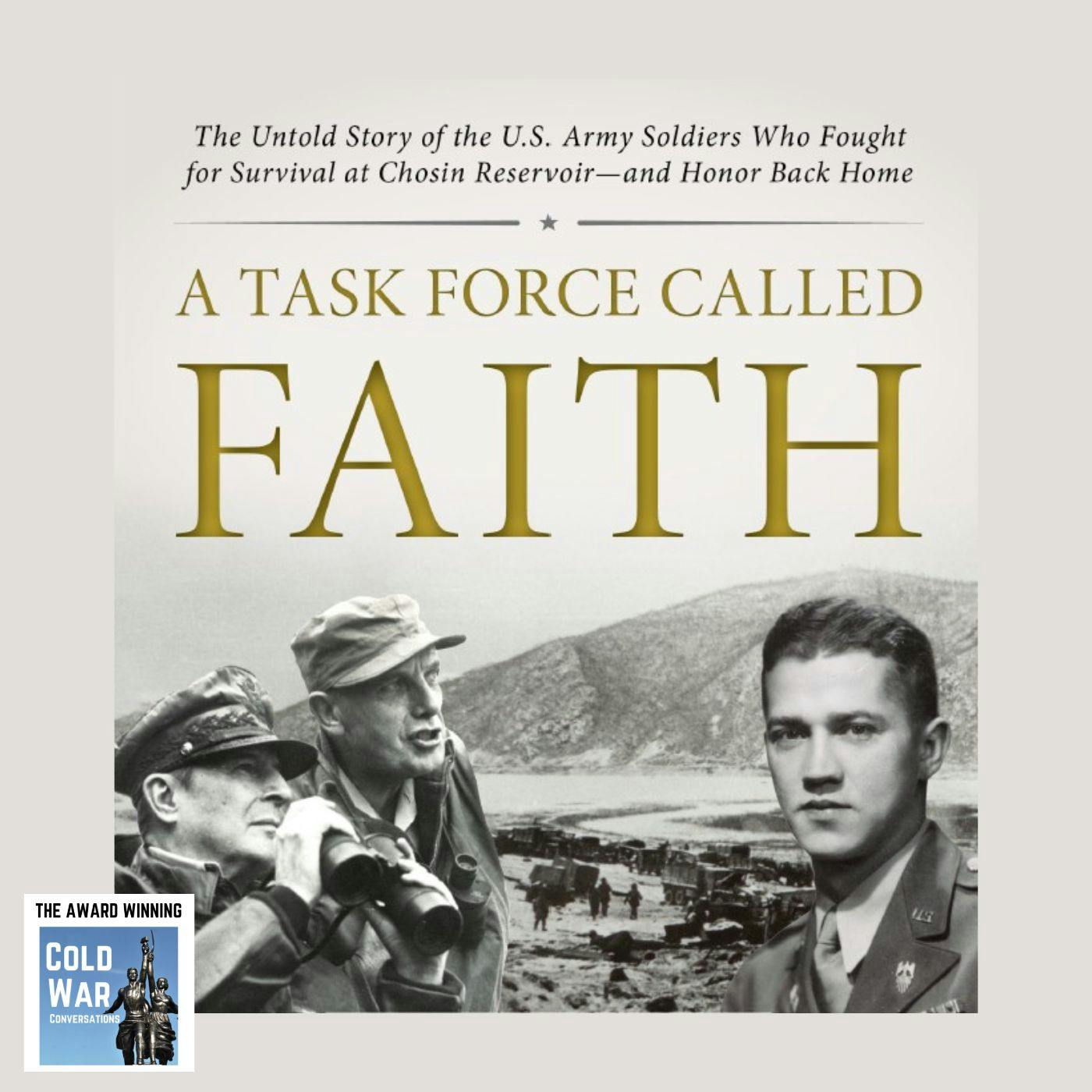
This is the largely untold story of Task Force Faith, the U.S. Army soldiers who although outnumbered 8-1 by Chinese troops fought valiantly during the Battle of Chosin Reservoir in the Korean War. Author Steve Fogel has written a new book called A Task Force Called Faith - The Untold Story of the U.S. Army Soldiers Who Fought for Survival at Chosin Reservoir and Honor Back Home We discuss the dramatic events that unfolded on the eastern side of Chosin, contrasting the well-documented Marine narrative with the harrowing experiences of the Army unit. Discover the heroism, tragedy, and the long-overdue recognition these soldiers deserve as we delve into this compelling chapter of Cold War military history. UK Listeners buy the book here https://uk.bookshop.org/a/1549/9781493092895 US listeners but the book here https://bookshop.org/a/92195/9781493092895 Episode extras here ⁠https://coldwarconversations.com/episode431/⁠⁠ Related episodes: Korea: War WIthout End https://coldwarconversations.com/episode412/ Surrounded and captured in the Korean War https://coldwarconversations.com/episode374/ Help me preserve Cold War history. You’ll become part of our community, get ad-free episodes, and get a sought-after CWC coaster as a thank you and you’ll bask in the warm glow of knowing you are helping to preserve Cold War history. Just go to ⁠https://coldwarconversations.com/donate/⁠ If a monthly contribution is not your cup of tea, We also welcome one-off donations via the same link. Find the ideal gift for the Cold War enthusiast in your life! Just go to ⁠https://coldwarconversations.com/store/⁠ CONTINUE  THE COLD WAR CONVERSATION Follow us on BlueSky ⁠https://bsky.app/profile/coldwarpod.bsky.social⁠ Follow us on Threads ⁠https://www.threads.net/@coldwarconversations⁠ Follow us on Twitter ⁠https://twitter.com/ColdWarPod⁠ Facebook ⁠https://www.facebook.com/groups/coldwarpod/⁠ Instagram ⁠https://www.instagram.com/coldwarconversations/⁠ Youtube ⁠https://youtube.com/@ColdWarConversations⁠ Learn more about your ad choices. Visit podcastchoices.com/adchoices
Bill Hodes was an American school child in 1950s Revolutionary China and this is the second part of his story. Among many stories we hear how he had the unique opportunity to meet one of China's most revered leaders, Zhou Enlai, the first Premier of the People's Republic of China and how he played softball with US and British POWs from the Korea War who had refused to return home. Bill reflects on the challenges he faced, including moments of cultural misunderstanding and the playful jabs from classmates who labelled him an "American imperialist." These interactions highlight the complexities of identity and belonging in a rapidly changing world. The narrative takes a poignant turn as he recounts his involvement in the Mississippi Freedom Summer, a significant civil rights initiative aimed at combating racial injustice. Episode extras https://coldwarconversations.com/episode430/ Learn more about your ad choices. Visit podcastchoices.com/adchoices
Bill Hodes was a red diaper baby, a baby born to Communist parents. Bill shares stories about his parents, Bob and Jane Hodes, both convinced communists who were active in civil rights movements during the McCarthy period. He recounts their life in New Orleans, his father's groundbreaking research in neurophysiology, and the family's eventual move to China amidst political turmoil. Discover how Bill navigated this unique upbringing, filled with significant historical events, and the cultural experiences in China that shaped his identity. Episode extras here https://coldwarconversations.com/episode429/ Related episodes: The China civil war and the independence of Taiwan 1949 https://coldwarconversations.com/episode165/ Part two of  Bill Hodes interview https://coldwarconversations.com/episode430/ The fight to preserve Cold War history continues and via a simple monthly donation, you will give me the ammunition to continue to preserve Cold War history. You’ll become part of our community, get ad-free episodes, and get a sought-after CWC coaster as a thank you and you’ll bask in the warm glow of knowing you are helping to preserve Cold War history. Just go to https://coldwarconversations.com/donate/ If a monthly contribution is not your cup of tea, We also welcome one-off donations via the same link. Find the ideal gift for the Cold War enthusiast in your life! Just go to https://coldwarconversations.com/store/ CONTINUE  THE COLD WAR CONVERSATION Follow us on BlueSky https://bsky.app/profile/coldwarpod.bsky.social Follow us on Threads https://www.threads.net/@coldwarconversations Follow us on Twitter https://twitter.com/ColdWarPod Facebook https://www.facebook.com/groups/coldwarpod/ Instagram https://www.instagram.com/coldwarconversations/ Youtube https://youtube.com/@ColdWarConversations   Learn more about your ad choices. Visit podcastchoices.com/adchoices
Ned Richardson- Little has written a new book titled The German Democratic Republic: The Rise and Fall of a Cold War State. It offers a differentiated picture of the communist state with a sophisticated analysis of life under dictatorship which candidly confronts the abuses of the East German Communist Party and the Stasi. The GDR was also entangled in international politics well beyond the rivalry between the United States and the Soviet Union. Ned offers a history of the GDR in a global perspective that illustrates the worldview of those who ruled it, those who rebelled against the strictures of state socialism, and those in between who sought a normal life under dictatorship. Buy the book & support the podcast here: UK listeners https://uk.bookshop.org/a/1549/9781350341517 US listeners https://bookshop.org/a/92195/9781350341517 Episode extras https://coldwarconversations.com/episode428⁠ The fight to preserve Cold War history continues and via a simple monthly donation, you will give me the ammunition to continue to preserve Cold War history. You’ll become part of our community, get ad-free episodes, and get a sought-after CWC coaster as a thank you and you’ll bask in the warm glow of knowing you are helping to preserve Cold War history. Just go to ⁠⁠https://coldwarconversations.com/donate/⁠⁠ If a monthly contribution is not your cup of tea, We also welcome one-off donations via the same link. Find the ideal gift for the Cold War enthusiast in your life! Just go to ⁠⁠https://coldwarconversations.com/store/⁠⁠ Continue the Cold War Conversation via social media! F acebook ⁠⁠⁠https://www.facebook.com/groups/coldwarpod/⁠⁠ BlueSky ⁠⁠https://bsky.app/profile/coldwarpod.bsky.social⁠⁠ Threads ⁠⁠https://www.threads.net/@coldwarconversations⁠⁠ Twitter/X  ⁠⁠https://twitter.com/ColdWarPod⁠⁠ Instagram ⁠⁠https://www.instagram.com/coldwarconversations/⁠⁠ Youtube ⁠⁠https://youtube.com/@ColdWarConversations⁠⁠ Learn more about your ad choices. Visit podcastchoices.com/adchoices
I continue chatting with Dennis Greene about his incredible journey from a challenging childhood in segregated Savannah, Georgia to a distinguished military career. Dennis is made Senior Flight Commander responsible for 50 Minuteman nuclear missiles. Dennis shares his firsthand experiences of the intense pressure, the psychological toll of nuclear readiness, and the groundbreaking integration of women into the Minuteman 2 system. He recounts pivotal moments, from the deactivation of nuclear warheads following the signing of the START1 disarmament treaty to the unique interactions with Soviet counterparts during verification processes. Episode extras including videos here ⁠⁠⁠https://coldwarconversations.com/episode427/⁠ The fight to preserve Cold War history continues and via a simple monthly donation, you will give me the ammunition to continue to preserve Cold War history. You’ll become part of our community, get ad-free episodes, and get a sought-after CWC coaster as a thank you and you’ll bask in the warm glow of knowing you are helping to preserve Cold War history. Just go to ⁠https://coldwarconversations.com/donate/⁠ If a monthly contribution is not your cup of tea, We also welcome one-off donations via the same link. Find the ideal gift for the Cold War enthusiast in your life! Just go to ⁠https://coldwarconversations.com/store/⁠ Continue the Cold War Conversation via social! F acebook ⁠⁠https://www.facebook.com/groups/coldwarpod/⁠ BlueSky ⁠https://bsky.app/profile/coldwarpod.bsky.social⁠ Threads ⁠https://www.threads.net/@coldwarconversations⁠ Twitter/X  ⁠https://twitter.com/ColdWarPod⁠ Instagram ⁠https://www.instagram.com/coldwarconversations/⁠ Youtube ⁠https://youtube.com/@ColdWarConversations⁠ Learn more about your ad choices. Visit podcastchoices.com/adchoices
Dennis Greene, is a former Air Force officer, who shares his incredible journey from a challenging childhood in segregated Savannah, Georgia to a distinguished military career. He reflects on his early inspirations, the realities of growing up in a segregated South, and the lessons learned throughout his US military service. Dennis discusses the significance of teamwork, overcoming adversity, and the pivotal moments that shaped his life, including his experiences in boot camp, missile training, and the complexities of race within the US military. Episode extras including videos here ⁠⁠⁠https://coldwarconversations.com/episode426/⁠ The fight to preserve Cold War history continues and via a simple monthly donation, you will give me the ammunition to continue to preserve Cold War history. You’ll become part of our community, get ad-free episodes, and get a sought-after CWC coaster as a thank you and you’ll bask in the warm glow of knowing you are helping to preserve Cold War history. Just go to ⁠https://coldwarconversations.com/donate/⁠ If a monthly contribution is not your cup of tea, We also welcome one-off donations via the same link. Find the ideal gift for the Cold War enthusiast in your life! Just go to ⁠https://coldwarconversations.com/store/⁠ Continue the Cold War Conversation via social! F acebook ⁠⁠https://www.facebook.com/groups/coldwarpod/⁠ BlueSky ⁠https://bsky.app/profile/coldwarpod.bsky.social⁠ Threads ⁠https://www.threads.net/@coldwarconversations⁠ Twitter/X  ⁠https://twitter.com/ColdWarPod⁠ Instagram ⁠https://www.instagram.com/coldwarconversations/⁠ Youtube ⁠https://youtube.com/@ColdWarConversations⁠   Learn more about your ad choices. Visit podcastchoices.com/adchoices
Oleg Lyalin, was a KGB officer whose actions would provide British intelligence with pivotal information during the Cold War. I speak with Richard Kerbaj,  the author of a new book, 'The Defector,' which chronicles Lyalin's story.   Lyalin ​was trained ​with ​The KGB’s Department ​V, which ​was their sabotage ​and ​​assassinations ​department.  He was sent to the UK under the guise of a trade official, where he was tasked with gathering intelligence and plotting assassinations of  ​British politicians, ​paralysing the ​British ​economy and ways ​to ​starve ​the ​population ​by ​attacking ​emergency food ​supplies. ​ In early 1971, overwhelmed by personal and professional turmoil, Lyalin approached MI5, revealing his true identity and the KGB's sinister plans against the UK. Episode extras including related episodes & videos here ⁠⁠⁠https://coldwarconversations.com/episode425/⁠ The fight to preserve Cold War history continues and via a simple monthly donation, you will give me the ammunition to continue to preserve Cold War history. You’ll become part of our community, get ad-free episodes, and get a sought-after CWC coaster as a thank you and you’ll bask in the warm glow of knowing you are helping to preserve Cold War history. Just go to ⁠https://coldwarconversations.com/donate/⁠ If a monthly contribution is not your cup of tea, We also welcome one-off donations via the same link. Find the ideal gift for the Cold War enthusiast in your life! Just go to ⁠https://coldwarconversations.com/store/⁠ Continue the Cold War Conversation via social! F acebook ⁠⁠https://www.facebook.com/groups/coldwarpod/⁠ BlueSky ⁠https://bsky.app/profile/coldwarpod.bsky.social⁠ Threads ⁠https://www.threads.net/@coldwarconversations⁠ Twitter/X  ⁠https://twitter.com/ColdWarPod⁠ Instagram ⁠https://www.instagram.com/coldwarconversations/⁠ Youtube ⁠https://youtube.com/@ColdWarConversations⁠   Learn more about your ad choices. Visit podcastchoices.com/adchoices
Author Tom Hapgood is a US military BRAT  aka the child of a parent or parents serving full-time in the United States Armed Forces. He talks about his 5 years in West Germany during the Cold War. He shares the challenges of moving every few years, adapting to new cultures, and the rich tapestry of friendships formed along the way. The term "BRAT" often carries a negative connotation, but Tom sheds light on its origins, suggesting a more nuanced history tied to military families. The stories shared reveal how these children navigated their identities as they lived in foreign lands. We reflect on the Cold War's influence and  tensions, yet amidst the challenges, there were countless adventures and opportunities for cultural exchange that enriched their lives. From navigating new cities to forming lifelong friendships, the life of a military BRAT is filled with unique experiences that shape who they become. This episode not only details those experiences but also invites listeners to reflect on their own childhood adventures.  Do check out Tom's novel Lost Letters based on his experiences as a BRAT. Buy the book here  Episode extras including videos here ⁠https://coldwarconversations.com/episode424/ The fight to preserve Cold War history continues and via a simple monthly donation, you will give me the ammunition to continue to preserve Cold War history. You’ll become part of our community, get ad-free episodes, and get a sought-after CWC coaster as a thank you and you’ll bask in the warm glow of knowing you are helping to preserve Cold War history. Just go to https://coldwarconversations.com/donate/ If a monthly contribution is not your cup of tea, We also welcome one-off donations via the same link. Find the ideal gift for the Cold War enthusiast in your life! Just go to https://coldwarconversations.com/store/ Continue the Cold War Conversation via social! F acebook ⁠https://www.facebook.com/groups/coldwarpod/ BlueSky https://bsky.app/profile/coldwarpod.bsky.social Threads https://www.threads.net/@coldwarconversations Twitter/X  https://twitter.com/ColdWarPod Instagram https://www.instagram.com/coldwarconversations/ Youtube https://youtube.com/@ColdWarConversations   Learn more about your ad choices. Visit podcastchoices.com/adchoices
The incredible story of the five most damaging spies in British history, from their recruitment at Cambridge University to their infiltration of the government and the security services, all while successfully eluding prosecution. I speak with Shawnna Morris the author of a new book The Cambridge Spy Ring: The Treachery of the Five Who Got Away. We explore the backgrounds, motivations, and the intricate web of espionage that defined the lives of Kim Philby, Donald McLean, John Cairncross, Guy Burgess, and Anthony Blunt.  The Cambridge Five's legacy is one of betrayal, loyalty, and moral ambiguity. Their actions had far-reaching consequences, not only for themselves but for the intelligence community and the political landscape of the time. Episode extra including video interviews of the Cambridge Five here https://coldwarconversations.com/episode423/ Book Giveaway entry (until 4th Oct 2025) https://coldwarconversations.com/giveaway1/ Related episodes Guy Burgess and the Cambridge Spy Ring https://pod.fo/e/a5e38 Charlotte Philby talks about her grandfather Soviet spy Kim Philby & her book “Edith & Kim” https://pod.fo/e/115bd7 An evening with Kim Philby https://pod.fo/e/d8080 The fight to preserve Cold War history continues and via a simple monthly donation, you will give me the ammunition to continue to preserve Cold War history. You’ll become part of our community, get ad-free episodes, and get a sought-after CWC coaster as a thank you and you’ll bask in the warm glow of knowing you are helping to preserve Cold War history. Just go to https://coldwarconversations.com/donate/ If a monthly contribution is not your cup of tea, We also welcome one-off donations via the same link. Find the ideal gift for the Cold War enthusiast in your life! Just go to https://coldwarconversations.com/store/ Follow us on BlueSky https://bsky.app/profile/coldwarpod.bsky.social Follow us on Threads https://www.threads.net/@coldwarconversations Follow us on Twitter https://twitter.com/ColdWarPod Facebook https://www.facebook.com/groups/coldwarpod/ Instagram https://www.instagram.com/coldwarconversations/ Youtube https://youtube.com/@ColdWarConversations Love history? Join Intohistory https://intohistory.com/coldwarpod Learn more about your ad choices. Visit podcastchoices.com/adchoices
Fraser McCallum is the author of a new book Cold War Britain: Fifty years in the shadow of the bomb which gives a fascinating insight into a period that shaped the fabric of British society. The Cold War defined the history of Britain in the second half of the twentieth century as much as it did that of the US and the Soviet Union. Cold War Britain is an exploration into the multifaceted dimensions of Britain’s experience during the Cold War era. By weaving together history, politics, literature, and popular culture, this book invites readers to immerse themselves in the vibrant tapestry of Cold War Britain, offering fresh insights and perspectives into how this global conflict shaped the fabric of British society. Buy the book here https://uk.bookshop.org/a/1549/9780008743994 Fraser’s Cold War Playlist Apple Music - https://music.apple.com/gb/playlist/cold-war-britain-the-soundtrack-to-the-book/pl.u-NRp7s3pq7o Spotify - https://open.spotify.com/playlist/2lZ7HBrKKyBj31wXKXx2nq?si=m2U2HNafQ7O13d3NlYHbYwπ=X-UioH1WQdW2J Episode extras https://coldwarconversations.com/episode422 Enter the book giveaway (expires 27th Sep 2025) https://coldwarconversations.com/giveaway/ Related episodes How Cold War Britain Prepared for Nuclear War https://pod.fo/e/172825 The Cold War Atomic Spies https://pod.fo/e/1fa45e Portland Spy Ring Part 1 ⁠https://pod.fo/e/292bd⁠ Portland Spy Ring Part 2 ⁠https://pod.fo/e/4471e⁠ The Happy Traitor - The Life of Soviet Spy George Blake https://pod.fo/e/b8583 The fight to preserve Cold War history continues and via a simple monthly donation, you will give me the ammunition to continue to preserve Cold War history. You’ll become part of our community, get ad-free episodes, and get a sought-after CWC coaster as a thank you and you’ll bask in the warm glow of knowing you are helping to preserve Cold War history. Just go to ⁠⁠⁠⁠⁠⁠⁠⁠https://coldwarconversations.com/donate/⁠⁠⁠⁠⁠⁠⁠⁠ If a monthly contribution is not your cup of tea, we welcome one-off donations via the same link. Find the ideal gift for the Cold War enthusiast in your life! Just go to ⁠⁠⁠⁠⁠⁠⁠⁠https://coldwarconversations.com/store/⁠⁠⁠⁠⁠⁠⁠⁠ Follow us on BlueSky ⁠⁠⁠⁠⁠⁠⁠⁠https://bsky.app/profile/coldwarpod.bsky.social⁠⁠⁠⁠⁠⁠⁠⁠ Follow us on Threads ⁠⁠⁠⁠⁠⁠⁠⁠https://www.threads.net/@coldwarconversations⁠⁠⁠⁠⁠⁠⁠⁠ Follow us on Twitter ⁠⁠⁠⁠⁠⁠⁠⁠https://twitter.com/ColdWarPod⁠⁠⁠⁠⁠⁠⁠⁠ Facebook ⁠⁠⁠⁠⁠⁠⁠⁠https://www.facebook.com/groups/coldwarpod/⁠⁠⁠⁠⁠⁠⁠⁠ Instagram ⁠⁠⁠⁠⁠⁠⁠⁠https://www.instagram.com/coldwarconversations/⁠⁠⁠⁠⁠⁠⁠⁠ Youtube ⁠⁠⁠⁠⁠⁠⁠⁠https://youtube.com/@ColdWarConversations⁠⁠⁠⁠⁠⁠⁠⁠ Love history? Join Intohistory ⁠⁠⁠⁠⁠⁠⁠⁠https://intohistory.com/coldwarpod⁠⁠⁠⁠ Learn more about your ad choices. Visit podcastchoices.com/adchoices
On November 24, 1971, a man using the alias Dan Cooper hijacked a Northwest Airlines flight, demanding a ransom of $200,000 and four parachutes. What followed was a daring escape that has left investigators and enthusiasts puzzled for over five decades. I sit down with Pat Boland, a true crime aficionado and expert on the D.B. Cooper case. Boland shares her deep dive into the many theories surrounding this infamous hijacking, which remains the only unsolved case of its kind in U.S. history. She recounts the events of that fateful day, painting a vivid picture of Cooper's calm demeanour and meticulous planning. Throughout the episode, Boland also delves into the forensic evidence—or lack thereof—that has hampered the investigation. From the infamous black tie Cooper left behind to the money discovered years later by a boy on the Columbia River, the clues are tantalizing yet frustratingly inconclusive. Want to learn more? Pat Boland Blog Pat Boland on Twitter DB Cooper Facebook Group Episode extras ⁠ ⁠⁠⁠⁠⁠⁠⁠https://coldwarconversations.com/episode421/ Live Podcast in London https://coldwarconversations.com/live/ The fight to preserve Cold War history continues and via a simple monthly donation, you will give me the ammunition to continue to preserve Cold War history. You’ll become part of our community, get ad-free episodes, and get a sought-after CWC coaster as a thank you and you’ll bask in the warm glow of knowing you are helping to preserve Cold War history. Just go to ⁠⁠⁠⁠⁠⁠⁠⁠⁠⁠⁠⁠https://coldwarconversations.com/donate/⁠⁠⁠⁠⁠⁠⁠⁠⁠⁠⁠⁠ If a monthly contribution is not your cup of tea, we welcome one-off donations via the same link. Find the ideal gift for the Cold War enthusiast in your life! Just go to ⁠⁠⁠⁠⁠⁠⁠⁠⁠⁠⁠⁠https://coldwarconversations.com/store/⁠⁠⁠⁠⁠⁠⁠⁠⁠⁠⁠⁠ Follow us on BlueSky ⁠⁠⁠⁠⁠⁠⁠⁠⁠⁠⁠⁠https://bsky.app/profile/coldwarpod.bsky.social⁠⁠⁠⁠⁠⁠⁠⁠⁠⁠⁠⁠ Follow us on Threads ⁠⁠⁠⁠⁠⁠⁠⁠⁠⁠⁠⁠https://www.threads.net/@coldwarconversations⁠⁠⁠⁠⁠⁠⁠⁠⁠⁠⁠⁠ Follow us on Twitter ⁠⁠⁠⁠⁠⁠⁠⁠⁠⁠⁠⁠https://twitter.com/ColdWarPod⁠⁠⁠⁠⁠⁠⁠⁠⁠⁠⁠⁠ Facebook ⁠⁠⁠⁠⁠⁠⁠⁠⁠⁠⁠⁠https://www.facebook.com/groups/coldwarpod/⁠⁠⁠⁠⁠⁠⁠⁠⁠⁠⁠⁠ Instagram ⁠⁠⁠⁠⁠⁠⁠⁠⁠⁠⁠⁠https://www.instagram.com/coldwarconversations/⁠⁠⁠⁠⁠⁠⁠⁠⁠⁠⁠⁠ Youtube ⁠⁠⁠⁠⁠⁠⁠⁠⁠⁠⁠⁠https://youtube.com/@ColdWarConversations⁠⁠⁠⁠⁠⁠⁠⁠⁠⁠⁠⁠ Love history? Join Intohistory ⁠⁠⁠⁠⁠⁠⁠⁠⁠⁠⁠⁠https://intohistory.com/coldwarpod⁠⁠⁠⁠⁠⁠⁠⁠ Learn more about your ad choices. Visit podcastchoices.com/adchoices
I delve into the remarkable life of Peter Stewart, a former Royal Scots Dragoon Guard Chieftain tank driver whose experiences during the Cold War offer a unique perspective on military life. Peter's stories are filled with humour and nostalgia, particularly when he recalls his time in Berlin. His anecdotes are both entertaining and thought-provoking. Peter shares tales of training that tested the limits of his physical endurance, the friendships forged in the face of adversity, and the lessons learned that would stay with him for life. One of the highlights of the episode is Peter's recounting of Exercise Rocking Horse, an exercise designed to test the readiness of the British Army in the event of a Soviet invasion. Related episodes BRIXMIS, the defence of Cold War Berlin & Rudolf Hess https://pod.fo/e/f833 Life as a British Soldier in Cold War West Berlin https://pod.fo/e/163e4 The Last British Commandant in Cold War West Berlin Part 1 https://pod.fo/e/27472 The Last British Commandant in Cold War West Berlin Part 2 https://pod.fo/e/28391 Episode extras ⁠ ⁠⁠⁠⁠https://coldwarconversations.com/episode420/ The fight to preserve Cold War history continues and via a simple monthly donation, you will give me the ammunition to continue to preserve Cold War history. You’ll become part of our community, get ad-free episodes, and get a sought-after CWC coaster as a thank you and you’ll bask in the warm glow of knowing you are helping to preserve Cold War history. Just go to ⁠⁠⁠⁠⁠⁠⁠⁠⁠⁠⁠https://coldwarconversations.com/donate/⁠⁠⁠⁠⁠⁠⁠⁠⁠⁠⁠ If a monthly contribution is not your cup of tea, we welcome one-off donations via the same link. Find the ideal gift for the Cold War enthusiast in your life! Just go to ⁠⁠⁠⁠⁠⁠⁠⁠⁠⁠⁠https://coldwarconversations.com/store/⁠⁠⁠⁠⁠⁠⁠⁠⁠⁠⁠ Follow us on BlueSky ⁠⁠⁠⁠⁠⁠⁠⁠⁠⁠⁠https://bsky.app/profile/coldwarpod.bsky.social⁠⁠⁠⁠⁠⁠⁠⁠⁠⁠⁠ Follow us on Threads ⁠⁠⁠⁠⁠⁠⁠⁠⁠⁠⁠https://www.threads.net/@coldwarconversations⁠⁠⁠⁠⁠⁠⁠⁠⁠⁠⁠ Follow us on Twitter ⁠⁠⁠⁠⁠⁠⁠⁠⁠⁠⁠https://twitter.com/ColdWarPod⁠⁠⁠⁠⁠⁠⁠⁠⁠⁠⁠ Facebook ⁠⁠⁠⁠⁠⁠⁠⁠⁠⁠⁠https://www.facebook.com/groups/coldwarpod/⁠⁠⁠⁠⁠⁠⁠⁠⁠⁠⁠ Instagram ⁠⁠⁠⁠⁠⁠⁠⁠⁠⁠⁠https://www.instagram.com/coldwarconversations/⁠⁠⁠⁠⁠⁠⁠⁠⁠⁠⁠ Youtube ⁠⁠⁠⁠⁠⁠⁠⁠⁠⁠⁠https://youtube.com/@ColdWarConversations⁠⁠⁠⁠⁠⁠⁠⁠⁠⁠⁠ Love history? Join Intohistory ⁠⁠⁠⁠⁠⁠⁠⁠⁠⁠⁠https://intohistory.com/coldwarpod⁠⁠⁠⁠⁠⁠⁠ Learn more about your ad choices. Visit podcastchoices.com/adchoices
Irina Nistor worked as a translator of TV programs in Romania under the Communist regime, and is known for secretly voicing over thousands of banned movie titles on VHS tapes smuggled in from the West in the four years between 1985 and the revolution. She was reckeoned to be the 2nd most famous voice in Romania after the Communist leader Nicolae Ceaușescu. In a basement with two TVs, a VCR, and a microphone, she voiced four to six films a night, from Doctor Zhivago to cartoons her children watched. Though distribution was handled by her recruiter, Teodor Zamfir, her Romanian-language voice overs spread across the country, reaching crowded living rooms where families gathered around rare VHS players. These films offered Romanians a forbidden glimpse of life beyond the Iron Curtain—stories free of ideology, filled with possibility and freedom. While her precise role in communism’s fall is immeasurable, Nistor’s voice became one of defiance, opening a window to the wider world and inspiring hope under Ceaușescu’s repressive regime. Related episodes: Childhood Memories of the 1989 Romanian Revolution https://pod.fo/e/2d696e Cold War, Warm Hearts – Hitchhiking behind the 1960s Iron Curtain https://pod.fo/e/2098ae A Childhood under the eye of the Secret Police https://pod.fo/e/a4730 My life laid bare through secret police files https://pod.fo/e/12e45f A Hungarian childhood in Cold War Romania https://pod.fo/e/1190aa Escaping from Cold War Romania https://pod.fo/e/11ad63 Emanuela – a Cold War Romanian Childhood https://pod.fo/e/f0376 Reporting the 1989 Romanian Revolution https://pod.fo/e/1ea8c Episode extras ⁠ ⁠⁠⁠https://coldwarconversations.com/episode419/⁠ The fight to preserve Cold War history continues and via a simple monthly donation, you will give me the ammunition to continue to preserve Cold War history. You’ll become part of our community, get ad-free episodes, and get a sought-after CWC coaster as a thank you and you’ll bask in the warm glow of knowing you are helping to preserve Cold War history. Just go to ⁠⁠⁠⁠⁠⁠⁠⁠⁠⁠https://coldwarconversations.com/donate/⁠⁠⁠⁠⁠⁠⁠⁠⁠⁠ If a monthly contribution is not your cup of tea, we welcome one-off donations via the same link. Find the ideal gift for the Cold War enthusiast in your life! Just go to ⁠⁠⁠⁠⁠⁠⁠⁠⁠⁠https://coldwarconversations.com/store/⁠⁠⁠⁠⁠⁠⁠⁠⁠⁠ Follow us on BlueSky ⁠⁠⁠⁠⁠⁠⁠⁠⁠⁠https://bsky.app/profile/coldwarpod.bsky.social⁠⁠⁠⁠⁠⁠⁠⁠⁠⁠ Follow us on Threads ⁠⁠⁠⁠⁠⁠⁠⁠⁠⁠https://www.threads.net/@coldwarconversations⁠⁠⁠⁠⁠⁠⁠⁠⁠⁠ Follow us on Twitter ⁠⁠⁠⁠⁠⁠⁠⁠⁠⁠https://twitter.com/ColdWarPod⁠⁠⁠⁠⁠⁠⁠⁠⁠⁠ Facebook ⁠⁠⁠⁠⁠⁠⁠⁠⁠⁠https://www.facebook.com/groups/coldwarpod/⁠⁠⁠⁠⁠⁠⁠⁠⁠⁠ Instagram ⁠⁠⁠⁠⁠⁠⁠⁠⁠⁠https://www.instagram.com/coldwarconversations/⁠⁠⁠⁠⁠⁠⁠⁠⁠⁠ Youtube ⁠⁠⁠⁠⁠⁠⁠⁠⁠⁠https://youtube.com/@ColdWarConversations⁠⁠⁠⁠⁠⁠⁠⁠⁠⁠ Love history? Join Intohistory ⁠⁠⁠⁠⁠⁠⁠⁠⁠⁠https://intohistory.com/coldwarpod⁠⁠⁠⁠⁠⁠ Learn more about your ad choices. Visit podcastchoices.com/adchoices
loading
Comments (22)

Alfredo Acosta

Thanks for sharing. Always when I go to Berlin, I kind of try to imagine all these amazing stories.

May 31st
Reply

J Coker

bridge of... filmed near jihlove close to prague.

May 20th
Reply

Ingrid Linbohm

There are too many interruptions by the host in this episode. This is a pity because the episode itself is really interesting.

Jul 29th
Reply (1)

Vernon Crawford

and look at it now ¹😂😂😂😂

Jun 10th
Reply

Honza H

Astonishing!

Apr 14th
Reply

Honza H

The estate Trabant was the first car I was ever driven in. My parents had a borrowed one and drove little baby me around in the boot just laying in the crib from a stroller. One day someone rear-ended us and the back-door glass shatteredd all over me. Those were the days, eh? Cheers form a Chechoslovakian cold war baby. I really enjoy the podcast.

Mar 31st
Reply (1)

James Siverson

In fact, the Cold War is a big problem, I already know and understand it from history. That is why I can definitely say that now it is necessary to learn more about it, so that it does not happen again. You can read this useful source in detail https://studydriver.com/cold-war-essay/ , there are a lot of essays and other things written about it, so I hope that I can help you with this and you will know more about it.

Apr 11th
Reply

Will Riley

Just out of interest,what made you clarify Crimea,and not Ukraine, in relation to the "little green men" arriving?

Aug 14th
Reply

Paul Holland

It's Friday. I'm dying for an episode.

Jul 10th
Reply

Iain Harrison

Another great episode.

Jul 5th
Reply

Iain Harrison

Really enjoyed listening to this.

Jun 5th
Reply (2)

Rod SS

Ep 21. A very engaging conversation on one of the most fascinating aspects of cold war intelligence gathering. I can also recommend further reading in the form of Tony Geraghty's BRIXMIS book which also covers a few of the incidents mentioned here, plus many more hair raising adventures over the other side of the wall.

Apr 26th
Reply (1)

Athena&TheOwl

Superb Cold War podcast. Ian curates a vast variety of topics, eyewitnesses and events to make a compelling and informative podcast.

Mar 7th
Reply (1)

Kenny Milne

Hi Ian , yes thanks , I do very much enjoy the podcast , it's extremely informative and the variety of guests is excellent , the facebook site is also very good , your hard work is appreciated , thank you

Oct 8th
Reply

Kenny Milne

very interesting , fascinating conversation

Jul 29th
Reply (1)