


 Claim Ownership
The Healthy Project Podcast
Subscribed: 8Played: 110
Subscribe

© 2023 The Healthy Project Podcast
Description
The Healthy Project Podcast explores the powerful intersection of health, society, and equity through real conversations with changemakers on the front lines of social impact. Each episode features thought leaders, researchers, and advocates who unpack how social structures — from policy to culture — shape the health of communities.
Topics we explore include:
Health equity and structural determinants
Community-driven research and innovation
Lived experiences of marginalized populations
Public policy, systemic bias, and health outcomes
Whether you're a public health professional, social science researcher, policymaker, or community advocate, this podcast brings you grounded insights, bold ideas, and practical tools to drive change where it matters most.
Topics we explore include:
Health equity and structural determinants
Community-driven research and innovation
Lived experiences of marginalized populations
Public policy, systemic bias, and health outcomes
Whether you're a public health professional, social science researcher, policymaker, or community advocate, this podcast brings you grounded insights, bold ideas, and practical tools to drive change where it matters most.
186 Episodes
Reverse
Sister Mary Haddad, President and CEO of the Catholic Health Association, returns to The Healthy Project as 2025 ends with a major coverage threat ahead.In July 2025, Congress passed the One Big Beautiful Bill Act with major Medicaid changes that analysts warn will reduce access for millions. American Medical Association+1 At the same time, enhanced ACA premium tax credits are set to expire on December 31, 2025, which could raise premiums sharply and leave roughly 4 to 5 million more people uninsured in 2026 without an extension. KFF+2Thomson Reuters Tax+2Sister Mary explains what this means for working families, rural hospitals, emergency departments, and telehealth access. Many Medicare telehealth flexibilities are extended only through January 30, 2026, adding pressure for rural patients and health systems. telehealth.hhs.gov+1You will hear:How Medicaid cuts and expiring ACA subsidies collideWhy rural communities face higher riskWhat happens to EDs when coverage dropsWhy telehealth policy still feels temporaryWhat Congress must do nowHow you can take action beyond awarenessShow Notes 0:00 – Welcome and why this episode matters right now 2:10 – What changed with Medicaid in July 2025 American Medical Association+1 6:30 – The ACA subsidy deadline and what families are seeing in open enrollment KFF+1 11:20 – The size of the coverage risk for 2026 Thomson Reuters Tax+1 16:10 – Why rural markets and lower incomes create a sharper cliff 20:40 – Hospital strain, closures, and service reductions 25:15 – Emergency departments as the fallback system 29:50 – Telehealth lessons from COVID and what the January 30, 2026 deadline means telehealth.hhs.gov+1 34:10 – Healthcare as dignity and economic justice 38:25 – What Congress can do immediately 41:30 – What you can do as a citizen and advocate 45:00 – Closing and where to learn moreGuest Sister Mary Haddad, RSM President & CEO, Catholic Health Association of the United StatesResourcesCatholic Health Association: chausa.org
Related Episode June 2025 – Medicaid at a Crossroads: A Conversation with Sr. Mary Haddad (Part 1)Call to action Follow The Healthy Project Podcast on Apple Podcasts. Share this episode with one person who cares about coverage, rural health, and health equity.
★ Support this podcast ★
This episode explores how technology and healthcare intersect. We talk with Jhonatan Bringas Dimitriades, MD, CEO of Lapsi Health, about Keikku, the first FDA-cleared smart stethoscope with an AI scribe. You will hear how this tool impacts clinical workflows, patient communication, and the broader healthcare system.Key points covered • How clinicians use AI during real-world visits • Measurable time savings in documentation • Data privacy and HIPAA/GDPR compliance • Effects on clinician burnout and emotional fatigue • Future applications of AI in public health and care settings • Skills health professionals need as tech advancesWhy it matters • You see how AI tools shape medical decision-making and patient engagement • You get insight into how tech adoption fits into social systems and workplace culture • You hear practical examples that support ongoing conversations in public health and social scienceThink about this • How does technology influence trust in the patient-provider relationship? • What skills will workers need as AI expands in healthcare? • What policies should protect patients and providers as these tools grow?Listen and reflect on how innovation, behavior, culture, and care systems interact.Resources Mentioned:Website: https://www.keikku.health/Connect with Jhonatan: LinkedIn, Instagram, Twitter/XPhysician burnout researchStay Connected & Support the Show:Want to keep up with conversations like this that challenge the status quo and center community voices? Sign up for The Healthy Project newsletter at www.healthyproject.co for exclusive insights, resources, and updates you won't want to miss.Love what you're hearing? Support independent podcasting that prioritizes truth over trends. Join THP+ for just $5/month and get bonus content, early access to episodes, and the satisfaction of knowing you're fueling more conversations that matter.Visit www.healthyproject.co to subscribe and support today.
★ Support this podcast ★
Dr. Philip Alberti joins Corey Dion Lewis to unpack what organizations risk when they remove words like equity and justice overnight without community input. The conversation focuses on trust, decision-making speed, and the difference between changing language and changing relationships.You will hear:Why fast brand shifts can damage credibilityWhat authentic community engagement requiresHow to talk about equity for all communities without creating a zero-sum storyWhat leaders can protect when the environment turns hostileA practical path to rebuilding trust through process, not slogansThis episode is for health equity leaders, communicators, and community partners who want strategy that keeps values and trust intact.Show Notes 0:00 – The post that sparked the conversation and the trust problem 3:10 – The pressure behind rapid language changes 5:29 – Why speed sent the wrong signal 8:18 – Who exited the work and what that reveals 9:09 – Why equity messaging became more contested in 2025 11:25 – Equity for all communities and why that framing matters 13:10 – The myth that equity creates winners and losers 16:30 – The burden of bridge-building and a fresh way to share it 18:09 – What should stay non-negotiable in public messaging 19:00 – Core principles for real community engagement 22:01 – How to begin partnerships by listening first 24:43 – The internal systems that make engagement real 27:57 – Public opinion signals that point to shared ground 31:49 – Example of cross-community relationship building 32:14 – Health justice as a practice that treats process as the outcomeKey Resources MentionedAAMC Center for Health Justice
AAMC Principles of Trustworthiness Toolkit
AAMC CHARGE
“Health Equity Benefits All Communities”
National Academies engagement model
Dr. Sarah Gollust’s research
The Vital Conditions for Health and Well-being
Guest Bio Dr. Philip Alberti is the founding director of the AAMC Center for Health Justice. He focuses on community engagement, health equity research, and policy change, with an emphasis on partnerships that respect community expertise.Support the ShowThe Healthy Project newsletter THP+ healthyproject.co
★ Support this podcast ★
83,000 Americans die needlessly every year due to health inequity and systemic racism in healthcare. Dr. George Rust has spent 40 years fighting health disparities in America's most underserved communities, from migrant farmworker clinics in rural Florida to leading public health initiatives during the COVID-19 pandemic.In this powerful conversation, Dr. Rust reveals the structural inequities, racial health gaps, and preventable suffering he's witnessed throughout his career in medicine and public health. He shares hard-won lessons about earning trust in marginalized communities, navigating cultural competency challenges, and building coalitions for systemic change in American healthcare.THE REAL COST OF HEALTH INEQUITY: Research shows that eliminating the Black-white gap in health outcomes would save 83,000 lives annually. In Atlanta alone, closing premature death rates between Black and white populations would restore 43,000 person-years of life every year to Black communities. These aren't just statistics—they represent grandmother-years, wisdom-years, and family-years lost to needless suffering caused by barriers to healthcare access, discrimination in medicine, and social determinants of health.KEY TOPICS IN THIS EPISODE:Why health disparities persist in American healthcare and how systemic racism drives preventable deathsThe concept of "trust adjacency" and how healthcare providers earn trust in communities of colorWhat 40 years serving underserved populations taught one doctor about cultural humility and respect in medicineHow COVID-19 exposed America's public health vulnerabilities and political interference in scienceThe difference between "me all vs. we all" – individual autonomy versus community responsibility in public healthReal stories of needless suffering: from the $500 hand surgery barrier to cervical cancer from lack of pap smearsLessons from Morehouse School of Medicine, Dr. David Satcher, and Dr. Louis Sullivan on health justiceWhy respect matters more than you think in clinical settings and the "Lou Sullivan name tag" storyThe Tallahassee measles case and what happens when ideology trumps evidence-based medicineHow to avoid physician burnout while fighting for social justice and health equityBuilding coalitions and community partnerships for sustainable systemic changeABOUT DR. GEORGE RUST: Dr. Rust is a public health physician and professor at Florida State University with over 40 years of experience in community health, health policy, and medical education. His career spans Cook County Hospital in Chicago, the Farmworker Health Association in rural Florida, and 25 years at Morehouse School of Medicine, where he worked alongside public health legends Dr. David Satcher (former U.S. Surgeon General) and Dr. Louis Sullivan (founding president of Morehouse School of Medicine and former Secretary of Health and Human Services).His new book, "Healing in a Changing America: Doctoring a Nation of Needless Suffering" (Johns Hopkins University Press), examines how America's healthcare system creates preventable suffering through structural inequities, racial discrimination, and barriers to healthcare access. The book offers a roadmap for achieving health justice and eliminating health disparities across race, class, and geography.WHY THIS MATTERS NOW: America is undergoing demographic transformation into a multicultural, pluralistic democracy, yet health inequities continue to widen. With political polarization affecting public health policy, attacks on diversity initiatives in medical education, and ongoing debates about vaccine mandates, quarantine protocols, and government intervention in healthcare, this conversation offers critical insights for healthcare professionals, policy makers, community organizers, and anyone committed to social justice.Dr. Rust shares practical strategies for cross-cultural healthcare delivery, building trust with patients from different backgrounds, working within broken systems while advocating for reform, and maintaining resilience as a health equity advocate. His perspective combines clinical experience, public health expertise, academic leadership, and lived experience navigating racism in medicine as a white ally working in predominantly Black and Latino communities.QUOTABLE MOMENTS: "You don't come into communities carrying trust with you. You have to earn it." "83,000 lives could be saved annually just by eliminating the Black-white health gap." "It's what Fitzhugh Mullen called tin cup medicine: 'Now please sir, may I have some healthcare?'" "Would you rather deal with having somebody not go to work for two weeks, or would you rather be explaining to the public why you let a measles outbreak happen?"CONNECT WITH DR. RUST: Email: george.rust@med.fsu.edu Book: "Healing in a Changing America" available on Amazon and Johns Hopkins University PressABOUT THE HEALTHY PROJECT: The Healthy Project Podcast explores the intersection of health, equity, and justice through conversations with leaders transforming healthcare and public health. Host Corey Dion Lewis brings you stories of systemic change, health advocacy, and the fight for health justice in America.Subscribe for weekly episodes on health equity, racial justice in healthcare, public health policy, community health, and social determinants of health.Support The Healthy ProjectNEW! THP+ Premium Newsletter Get exclusive behind-the-scenes access, early episode releases, merch shop access, and more!$5/month or $50/yearSubscribe at: healthyproject.coFree Newsletter: Stay updated on new episodes and health equity resources at healthyproject.co
★ Support this podcast ★
How can families in under-resourced communities access timely, culturally responsive hearing care for infants who are deaf or hard of hearing?Corey Dion Lewis is joined by Pamela Rowe, MA, CCC-SLP, and Dr. Lauren Ramsey to unpack the barriers that shape early hearing care and where teleaudiology can improve access.You will hear:How health literacy, transportation, and mistrust delay early careHow policy and insurance shape pediatric hearing accessWhy trusted relationships drive long-term engagementWhere teleaudiology fits and where it does notPractical steps providers, advocates, and policymakers can take nowThis episode is for professionals and advocates working in maternal and child health, health policy, early intervention, and community-based care.Show Notes 0:00 – Welcome and why early hearing care is a health equity issue 1:10 – Meet Pamela Rowe and Dr. Lauren Ramsey 3:00 – The current landscape of early hearing care access 5:20 – Health literacy gaps and family navigation challenges 8:10 – Transportation and time barriers for follow-up visits 11:00 – Medical mistrust and why relationships matter 14:30 – Insurance and policy drivers of access 18:00 – What teleaudiology can solve for families 21:10 – Limits of virtual care and where in-person still leads 24:00 – Building culturally responsive systems and workflows 27:10 – Action steps for providers 30:00 – Action steps for policymakers and advocates 33:00 – What success looks like for infants and families 35:10 – Closing and how to connectAbout the Guests Pamela Rowe, MA, CCC-SLPSpeech-language pathologist, public health consultant, and advocate for equitable access to communication servicesFounder of a private practice serving diverse populationsDr. Lauren RamseyPublic health researcher and consultant with 20+ years of experience in maternal and child health, health equity, and disparities in care accessLinks and ResourcesConnect with Pamela Rowe on LinkedIn Connect with Dr. Lauren Ramsey on LinkedIn Contact: hello@healthyprojectmedia.com Join the movement: healthyproject.co Follow The Healthy Project Podcast on Apple Podcasts. Share this episode with one person working in maternal and child health or early intervention.
★ Support this podcast ★
In this episode of The Healthy Project Podcast, host Corey Dion Lewis talks with Pamela Oren-Artzi, COO and co-founder of GRIN, a digital oral health platform reimagining how care is delivered for underserved communities. Pam shares her journey from technology leader to health innovator, the challenges of addressing oral care deserts, and how GRIN’s accessible, affordable tools are transforming the way providers reach patients—no broadband required.We explore why oral health must be recognized as a core social driver of health, the connection between oral disease and chronic conditions like heart disease and diabetes, and the ripple effects that poor access to dental care can have on individuals, families, and the economy. Pam also offers valuable insights for health tech innovators on how to build equity into products from the ground up.📌 Sponsored by GRIN – Learn more at https://www.get-grin.com/Shownotes: 00:00 – Introduction & Welcome 00:45 – Meet Pam Orrin & the GRIN Mission 03:15 – Why Oral Health is Overlooked in Health Tech 06:35 – The Global Oral Health Crisis 09:00 – Early GRIN Impact Stories in Underserved Communities 12:20 – The Link Between Oral Health & Full Body Health 14:30 – Why Oral Health is a Social Determinant of Health 17:10 – Economic & Social Ripple Effects of Poor Oral Care 19:40 – Absenteeism, Malnutrition, and Hidden Impacts 23:30 – Building Equity into Product Design 25:15 – Serving Digitally Excluded Communities 26:40 – Measuring Equity, Efficiency & Behavioral Change 31:20 – Reducing Health System Burden 34:10 – Making Care Efficient for Patients & Providers 36:05 – Uplifting Communities Through Health Technology 38:25 – The Future of Digital Oral Health 43:20 – Advice for Health Tech Innovators 44:12 – How to Connect with GRIN 46:52 – Closing Thoughts
★ Support this podcast ★
In this episode of The Healthy Project Podcast, host Corey Dion Lewis sits down with Stacy Wells, a purpose-driven leader and DEI practitioner working at the intersection of behavioral health, education, and public service. From her early days in the classroom to her current role leading health equity efforts in Minnesota’s direct care and treatment system, Stacy shares the challenges and lessons of navigating systemic racism, healthcare disparities, and the politicization of equity work.Together, they explore how cultural humility, lived experience, and community input must shape our systems of care, and why staying committed to the work matters now more than ever.Follow and subscribe to The Healthy Project Podcast for more conversations that push health equity forward.🔗 For health information and resources, visit: www.healthyproject.co📌 Shownotes: 00:00 – Welcome and intro to Stacy Wells 01:10 – Stacy’s shift from PR to education to public health 03:45 – Minnesota’s persistent disparities in education and health 06:30 – The intersection of youth education and healthcare systems 09:15 – Supporting individuals with complex behavioral health needs 13:30 – Why cultural humility matters in direct care 18:00 – Including lived experience in designing care 22:15 – When community feedback challenges systems 28:00 – Speaking truth in professional spaces 30:50 – DEI backlash and its toll 36:15 – Holding space for joy and rest as a Black woman in the work 42:00 – Why staying curious and connected is key 43:30 – Final thoughts and how to connect with Stacy Wells
★ Support this podcast ★
In this episode of The Healthy Project Podcast, host Corey Dion Lewis is joined by Sister Mary Haddad, President and CEO of the Catholic Health Association of the United States. Together, they get into the pressing issue of proposed Medicaid funding cuts and the far-reaching implications for millions of Americans, particularly those in underserved communities. Sr. Mary offers expert insight into what these changes could mean for access to care, the healthcare workforce, and the moral responsibility we share in supporting those who are vulnerable. This is a timely and vital conversation about healthcare, equity, and advocacy.📌 Show Notes:Introduction to Sister Mary Haddad and her role at CHA (00:33)Overview of Medicaid and why it's essential (02:48)Details on proposed funding cuts and their potential impact (04:50)The urgency of the moment and why it matters now (08:51)Who is most at risk from these changes (10:53)Consequences for emergency rooms and healthcare access (12:23)Discussion on work requirements and policy misconceptions (13:07)Effects on state governments and local economies (15:30)Broader societal impact beyond Medicaid recipients (16:30)Consequences for healthcare providers and Catholic health systems (19:13)CHA’s advocacy efforts and how citizens can get involved (23:44)A message of hope and community resilience (27:36)Where to learn more and take action (29:48)
★ Support this podcast ★
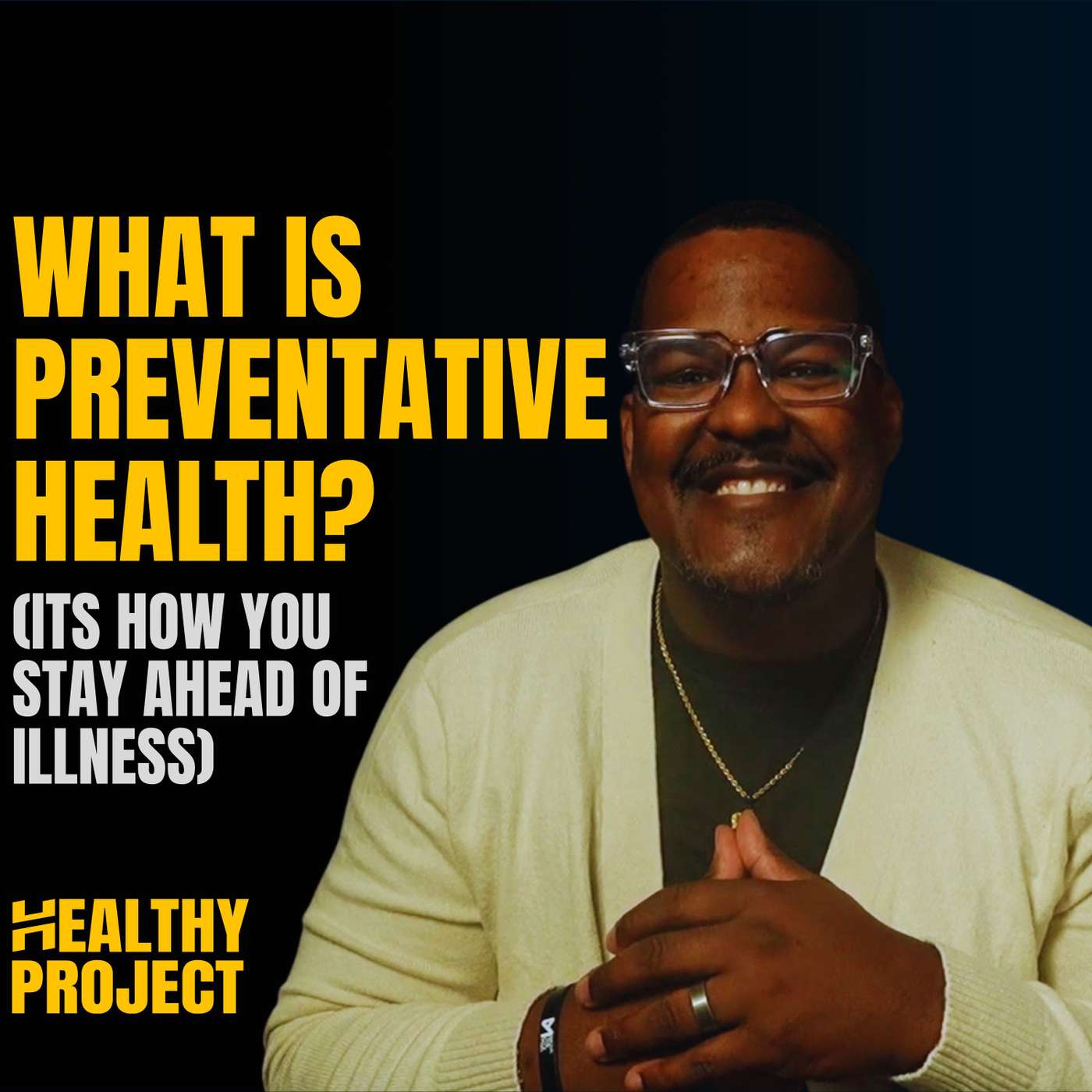
What if the key to better health isn’t treatment—it’s prevention?In this episode of The Healthy Project Podcast, Corey Dion Lewis breaks down the true meaning of preventative health and why it matters. From early screenings to lifestyle changes, Corey explains how staying ahead of illness can save money, boost energy, and extend your life.We cover:What counts as preventative careHow early detection worksWhy prevention puts you in control of your healthSimple steps you can take todayThis isn’t about reacting. It’s about being ready.Subscribe, rate, and share with someone who needs a reminder to book that checkup.
★ Support this podcast ★
ITamar Blue, founder of Mental Happy, joins Corey Dion Lewis on The Healthy Project Podcast to explore how group therapy and community-based care are changing the future of mental health.In this episode, you’ll hear: • Why group support is often more effective than one-on-one therapy • How Mental Happy empowers both participants and providers • The cultural and structural gaps in mental health care • Why more therapists are shifting to cash-based models • How virtual communities are breaking down stigma in Black mental health spacesWhether you’re a provider, peer specialist, or just someone looking for emotional support, you’ll gain insights into what true community healing can look like.Guest:Tamar Blue Founder & CEO, Mental Happy Website: https://www.mentalhappy.comSocial Media Links:LinkedIn: https://www.linkedin.com/in/tamarlucienblue/ Twitter: https://twitter.com/mentalhappy Facebook: https://www.facebook.com/mentalhappyhumans Instagram: https://www.instagram.com/livementalhappy YouTube: https://www.youtube.com/@mentalhappyinc
★ Support this podcast ★
In this episode of the Healthy Project Podcast, we feature an inspiring artist interview with Ariel, part of the Freedom of Expression Project. Ariel shares her journey into sewing art, creating handmade purses, and how sewing by hand supports mental health and creativity. We talk about creative coping strategies, colorful yarn projects, and beginner sewing inspiration. Learn how personal expression through art, community art projects, and therapeutic art activities can help reduce stress and build community. This Freedom of Expression artist series highlights the power of creative expression and artist storytelling. Watch to hear how sewing reduces stress and fuels personal creativity.Learn more about the Freedom of Expression Project here: https://www.foeproject.com/
★ Support this podcast ★
In this heartfelt episode of the Healthy Project Podcast, host Corey Dion Lewis sits down with Sadie, a creative soul whose journey with mental health, adoption, and anxiety has been transformed through art.Sadie shares how drawing, painting, origami, and glitter have become more than just hobbies—they’re her tools for healing, self-expression, and emotional strength. She talks about the power of community, her dream to open an inclusive art studio, and how creativity gives people a sense of purpose and belonging.This episode is part of our collaboration with the Freedom of Expression Project, highlighting voices that use art for emotional resilience and empowerment.🎨 Topics Covered:Art therapy and mental healthOvercoming anxiety through creativityBuilding community through self-expressionThe role of faith and support systemsFinding purpose through art🔗 Learn more about the Freedom of Expression Project and how you can support inclusive creative spaces in the video description.#mentalhealth #arttherapy #creativeexpression #freedomofexpression #belonging #anxietyrelief #healthypodcast #publichealth #youthempowerment #healingthroughart #communitysupport
★ Support this podcast ★
In this episode of The Healthy Project, host Corey Dion Lewis sits down with Brian Foster to explore how community health workers are transforming diabetes care—especially in underserved communities. Brian shares his personal journey with type 1 diabetes and his work with the American Diabetes Association. They discuss the connection between diabetes and heart disease, health equity, patient trust, and why community-based care is critical for improving outcomes.Topics: type 1 diabetes, diabetes education, community health workers, healthcare access, health equity, social determinants of health, American Diabetes Association, chronic disease management, public health policy, Black health equity, Healthy Project Podcast
★ Support this podcast ★
In this eye-opening episode of The Healthy Project Podcast, host Corey Dion Lewis explores the concept of food swamps—urban environments where unhealthy food options far outweigh nutritious ones. While much attention has been given to food deserts, food swamps reveal a deeper layer of the public health crisis tied to systemic racism, zoning laws, and chronic disease disparities. From obesity and diabetes to nutrition literacy and community health, Corey breaks down the critical role of the built environment in shaping our health outcomes.Whether you're a public health professional, community advocate, or just passionate about food justice and health equity, this episode offers a powerful and personal perspective on turning food swamps into food sanctuaries.Show Notes:What is a food swamp and how does it differ from a food desert?Real-life stories from Corey’s work as a safety net health coachHow systemic barriers and zoning laws impact food accessThe link between food environments and chronic diseaseExploring the intersection of food insecurity, fast food, and public healthSolutions: from urban farming and farmers markets to nutrition education and local policy reformWhy tackling food apartheid is about more than food—it's about justice and equityActionable steps to support low-income communities in accessing healthier food optionsThe role of Social Determinants of Health in shaping Long-term wellbeingLinktree: https://linktr.ee/thehealthyproject📢 Don’t forget to subscribe, leave a review, and share this episode to keep the conversation around community health and equity going.
★ Support this podcast ★
Corey Dion Lewis talks with Cole Smith, founder of Opal, about how AI is changing mental health care without replacing the human relationship that makes therapy work.You will hear:How AI can strengthen the therapeutic allianceWhere bias and privacy risks show up in AI mental health toolsWhat therapists should look for when evaluating platformsHow AI may improve access in rural communitiesWhat it takes to build trust in digital mental healthThis episode is for clinicians, public health leaders, founders, and anyone tracking the future of mental health equity and ethical AI.Try Opal AI For therapists: heyopal.com Free AI chat: chat.heyopal.comClinician offer 40% off your first year + 1 month free Code: PODCASTShow Notes 0:01 – Welcome to The Healthy Project Podcast 0:46 – Meet Cole Smith and the mission behind Opal 1:43 – Why the therapeutic alliance still leads the work 2:09 – Privacy, bias, and trust in AI-powered therapy 3:21 – Why resistance to AI is growing and what’s driving it 4:35 – Balancing automation with real human connection 6:52 – How AI can help therapists understand patterns and needs 8:30 – Rural access and where AI can close gaps 9:54 – Cost barriers and the fragmented mental health tech landscape 11:29 – The therapist search problem and communication gaps 14:29 – How clinicians can use AI without fear-led decision making 17:43 – How to evaluate platforms for privacy and compliance 19:08 – What Opal is building next 21:11 – Where to find Cole Smith and Opal resourcesGuest Cole Smith Founder of Opal AIResources & LinksFollow Cole Smith on LinkedIn
Opal for therapists: heyopal.com
Opal free chat: chat.heyopal.com
Call to action Follow The Healthy Project Podcast on Apple Podcasts. Share this episode with one therapist or leader exploring ethical AI in mental health.
★ Support this podcast ★
Corey Dion Lewis talks with Dr. Seun Ross about health justice, medical racism, and the policy changes that move outcomes, not just conversations.You will hear:The difference between health equity and health justiceHow racism gets baked into clinical decision toolsWhy structural barriers keep disparities in placeWhat it takes to remove race-based algorithmsA real example of change tied to kidney transplant accessHow you can advocate for health justice in your roleThis episode is for public health leaders, clinicians, and advocates who want clear language and practical action.Episode Chapters 0:00 - Introduction 0:37 - Meet Dr. Seun Ross 1:48 - Defining health justice and how it differs from health equity 4:01 - Layers of inequity and structural barriers 6:21 - Why well-intended programs fall short 8:24 - Why addressing social determinants alone is not enough 10:51 - Race in medicine as a structural barrier 12:20 - Removing race from clinical guidelines 15:10 - What changed after removing race-based algorithms 17:02 - Why multidisciplinary teams matter 19:50 - Advocacy in 2025 and staying effective 21:46 - Health equity, law, and protections 23:31 - What Dr. Ross is building next 25:09 - Closing and how to connectResources & LinksConnect with Dr. Seun Ross on LinkedIn Learn more about the Encoding Equity Alliance Connect with MeWebsite: https://www.coreydionlewis.com/ Instagram: https://www.instagram.com/coreydionlewis/ LinkedIn: https://www.linkedin.com/in/coreydlewis/
★ Support this podcast ★
Corey Dion Lewis sits down with Daniel Zinnel, CEO of Proteus, to talk about farmworker health, immigrant health care, and real strategies to improve access. This episode is shaped by questions from the My City My Health conference.You will hear:How mobile healthcare brings care to workers where they areWhat heat stress and pesticide safety training should look likeWhy community health workers are central to trust and outcomesHow partnerships expand screening and preventionWhat organizations can do when immigration policy shifts increase fear and barriersThis conversation centers health equity in the working lives that keep communities fed.Show Notes 0:01 – Welcome and episode setup 0:24 – Why this conversation connects to My City My Health questions 1:02 – Meet Daniel Zinnel and the mission of Proteus 2:32 – The organization’s full wraparound model beyond healthcare 4:25 – Heat stress, pesticide exposure, and safety training that saves lives 6:02 – The mobile care approach and what makes it effective 7:18 – Why farmworker health is a public health priority 9:25 – Meeting the needs of immigrant communities with culturally responsive care 17:29 – Translators and AI in care and where human trust still matters most 22:51 – Supporting communities when fear and deportation concerns rise 30:02 – Cancer prevention and screening access for underserved groups 32:40 – Partnerships that increase reach and improve outcomes 35:41 – Daniel’s personal connection to the mission 38:40 – Closing and how to connect with ProteusLinks and ResourcesLearn more about Proteus: ProteusInc.net Follow Proteus on social media: LinkedIn, Facebook, Instagram, YouTube Connect with Daniel Zinnel on LinkedIn Follow The Healthy Project Podcast on Apple Podcasts. Share this episode with one person who cares about farmworker health and health equity.
★ Support this podcast ★
Dr. Julian Lee joins Corey Dion Lewis to break down how racism shapes type 2 diabetes outcomes and trust in care for African American communities in Sioux City, Iowa.You will hear:What aversive, structural, and overt racism look like in healthcareWhy diabetes disparities persist and what the data showsHow bias shows up in real clinical momentsWhat systems can change now to improve outcomes and trustThis episode connects health equity, diabetes prevention, and community-driven solutions with a clear focus on action.Show Notes 0:00 – Introduction and welcome 2:15 – Dr. Julian Lee’s work and why health equity drives him 3:42 – How racism impacts diabetes outcomes in African Americans 5:38 – Losing his father and the path to advocacy 8:57 – Moving from awareness to action 10:25 – Helping people care and respond with responsibility 15:20 – Aversive, structural, and overt racism in healthcare 20:06 – The curb cut effect and why equity helps everyone 29:18 – Bias and stereotyping in clinical interactions 33:03 – Structural changes that create accountability 36:27 – Mistrust, history, and today’s realities 40:49 – Key takeaways on diabetes disparities in Sioux City 43:44 – Closing thoughts and how to connect with Dr. LeeLearn More About Healthy Project MediaWebsite: https://www.healthyproject.co/ Linktree: https://linktr.ee/thehealthyproject Follow The Healthy Project Podcast and share this episode with one person who cares about health equity and diabetes outcomes.
★ Support this podcast ★
DiscussIn this episode of The Healthy Project Podcast, host Corey Dion Lewis dives deep into the often-overlooked topic of medical debt and how it disproportionately affects under-resourced communities. Corey is joined by Jenifer Bosco, a Senior Attorney at the National Consumer Law Center (NCLC) and co-author of the Model Medical Debt Protection Act. Together, they explore the causes of medical debt, the role of healthcare systems and insurance companies, and practical solutions that can protect vulnerable individuals from crippling financial burdens.Jenifer shares actionable insights on how to navigate the healthcare system, what hospitals and policymakers can do to alleviate medical debt, and how civic engagement can empower individuals to demand change. This episode is a must-listen for anyone looking to understand the deep-rooted complexities of medical debt and what can be done to bring about health equity and financial relief.Show Notes:00:00 - Intro: Corey welcomes listeners and introduces the topic of medical debt and its impact on underserved communities.01:14 - Guest Introduction: Meet Jenifer Bosco, Senior Attorney at the National Consumer Law Center, who shares her work on financial and medical debt advocacy.02:35 - Causes of Medical Debt: Jenifer explains the common causes of medical debt, from rising healthcare costs to lack of insurance and high out-of-pocket expenses.05:22 - Impact of Medical Debt on Access to Healthcare: Discussing how the fear of medical bills can prevent people from seeking necessary healthcare services.07:39 - The Role of Healthcare Systems: Jenifer talks about what hospitals can do to reduce the burden of medical debt, including financial assistance programs and better debt collection practices.10:18 - Importance of Financial Assistance Policies: Understanding the need for more accessible and transparent financial aid options for low-income patients.15:47 - The Role of Insurance Companies: Corey and Jenifer discuss how underinsurance and high-deductible health plans contribute to medical debt, and the role of expanding Medicaid.19:33 - Empowering Communities: Civic engagement strategies to help communities advocate for better healthcare policies and protections from medical debt collection.24:03 - The Future of Medical Debt Reform: Jenifer shares her perspective on how ongoing reforms and consumer protection laws can shape a more equitable healthcare system.25:22 - How to Connect: Resources and contact information for Jenifer Bosco and the NCLC for those looking to learn more or get involved.Resources Mentioned:Jenifer Bosco on LinkedInNCLC on FacebookTwitter: @nclc4consumersNCLC WebsiteNCLC’s Medical Debt ResourcesNCLC’s Model Medical Debt Protection ActStay Connected!If you enjoyed this episode and want to stay up to date with all things health, wellness, and public health advocacy, make sure to follow me on social media:X (formerly Twitter): @CoreyDionLewisFacebook: Health Coach LewInstagram: @CoreyDionLewisLinkedIn: Corey Dion LewisTikTok: @CoreyDionLewisWebsite: CoreyDionLewis.com
★ Support this podcast ★
In this powerful episode of The Healthy Project Podcast, Corey Dion Lewis revisits a heartbreaking yet vital story that shines a light on the devastating impact of air pollution on public health. Inspired by his 2022 interview with Marisol Iglesias-Gonzalez on the health impacts of climate change, Corey shares the story of Ella Roberta Kissi-Debrah, a young girl from London whose life was tragically cut short by asthma, exacerbated by extreme air pollution. This episode explores how air pollution disproportionately affects marginalized communities, the importance of systemic change, and actionable steps we can take to prevent similar tragedies.Learn how we can fight for clean air, health equity, and climate justice. Don't miss this call to action!Chapters: 00:00 - Introduction: Ella's Story and Climate Change01:18 - Ella Roberta Kissi-Debrah: The Devastating Impact of Air Pollution03:14 - The Legal Breakthrough: Air Pollution as a Cause of Death05:20 - Air Pollution's Disproportionate Effect on Vulnerable Communities06:10 - Solutions: Addressing Air Pollution Systematically08:18 - Closing Thoughts: Advocacy and Action for Clean AirCheck out the 2022 episode with Marisol Iglesias-Gonzalez on the health impacts of climate changeStay Connected!If you enjoyed this episode and want to stay up to date with all things health, wellness, and public health advocacy, make sure to follow me on social media:X (formerly Twitter): @CoreyDionLewisFacebook: Health Coach LewInstagram: @CoreyDionLewisLinkedIn: Corey Dion LewisTikTok: @CoreyDionLewisWebsite: CoreyDionLewis.comFollow me for insights, updates, and tips on health equity, mental wellness, and more! Let’s keep the conversation going!Subscribe for more content on health equity, climate change, and public health!#AirPollution #HealthEquity #ClimateJustice #CleanAir #EllaRobertaKissiDebrah
★ Support this podcast ★

Comments

Download from Google Play

Download from App Store
 United States