


 Claim Ownership
Reflections on Interpretation: Talking Story with Guides and Interpreters
Subscribed: 8Played: 42
Subscribe

© Copyright 2023 All rights reserved.
Description
Tim Merriman talks story with heritage interpretation professionals from all over the world. In his 50+ year career as a heritage interpreter, Tim has been a park ranger, nature center director, and national recreation area research manager. From 1995 to 2012, he was Executive Director of National Association for Interpretation, the professional organization for guides and interpreters in the United States. He has been a motivational speaker, trainer, and planner in 26 countries and all 50 states in the US, sharing his love for communicating with the public about valued places, people and stories in natural and cultural heritage settings.
88 Episodes
Reverse
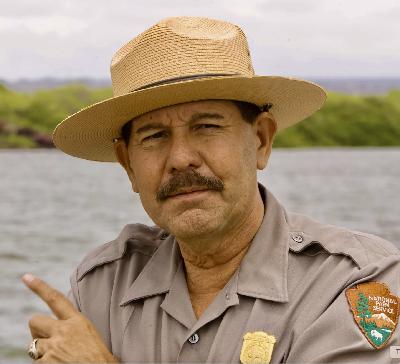
Tim Merriman and Bill Gwaltney talk story with Daniel Martinez on Reflections on Interpretation. For historian Daniel Martinez, history isn’t just something to study—it’s something you feel. After 44 years with the National Park Service, most recently as historian at the Pearl Harbor National Memorial, Martinez reflects on a career dedicated to keeping the past vividly alive.
From his own family’s memories of December 7, 1941 to his years connecting with survivors, leaders, and visitors, Martinez has helped countless people see the human side of history—and feel its lasting presence.
He shares the stories, moments, and relationships that shaped his life’s work from his start at Little Bighorn Battlefield National Monument to Pearl Harbor and why the lessons of war, peace, and resilience still matter today.
#timmerriman #InterpretationMatters #HEARTApproach #MatherTrainingCenter #NPSInterpretation #InterpretiveConnections #VoicesOfInterpretation #nps #nationalpark #nationalparks #nationalparkservice #OralHistory #HumanHistory #PearlHarbor #WWIIHistory #December71941 #PearlHarborRemembrance
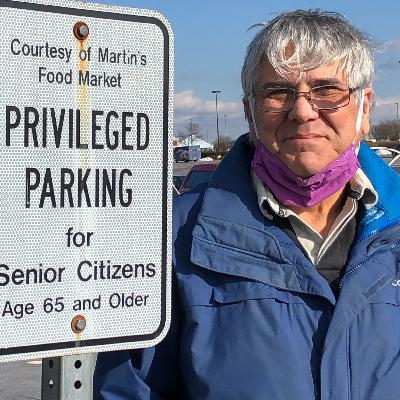
Gary Candelaria brings a lifetime of dedication to America’s public lands to this episode of Reflections on Interpretation: Talking Story with Guides and Interpreters. Raised in Los Angeles and inspired early on to become a park ranger, he pursued that dream through a forestry degree at Oregon State University before entering the prestigious Intake Ranger program in 1975. His first assignment at Saratoga National Historical Park during the nation’s Bicentennial set the stage for a distinguished National Park Service career.
Candelaria went on to serve in key leadership roles across the country, Assistant Chief of Interpretation at Ozark National Scenic Riverways, Chief Ranger at Sitka National Historical Park, and Superintendent at Fort Laramie National Historic Site, Pinnacles (then National Monument), and Wrangell–St. Elias National Park & Preserve. Along the way he earned a master’s degree from the University of Oklahoma and worked in Washington, D.C., as assistant to Director Roger Kennedy.
Before retiring in 2008, Candelaria capped his service as Assistant Director of Harpers Ferry Center and Associate Regional Director for Cultural Resources in Omaha. Now living in Sharpsburg, Maryland, he continues contributing to historical scholarship as a contractor for the U.S. Navy, updating the Dictionary of American Naval Fighting Ships.
Join Bill Gwaltney and Tim Merriman as Gary reflects on a remarkable career shaped by curiosity, stewardship, and a deep commitment to interpretation.
#timmerriman #InterpretationMatters #HEARTApproach #MatherTrainingCenter #NPSInterpretation #InterpretiveConnections #VoicesOfInterpretation #nps #nationalpark #nationalparks #nationalparkservice

Costa Dillon is a retired National Park Service ranger and park superintendent who worked in more than a dozen parks in his 35-year career including as Superintendent of Indiana Dunes National Park, Fire Island National Seashore, and the Horace Albright Training Center. He is the recipient of the Department of the Interior’s Meritorious Service Award, the National Parks Conservation Association's Stephen Mather Award, and the National Association for Interpretation’s Meritorious Service Award.
Mr. Dillon has a B.S. from the University of California, Davis, and a Master of Public Administration from the University of Colorado. Costa has been an adjunct faculty member of the University of New Hampshire and Indiana University where he is an Honorary Fellow of the Eppley Institute for Parks and Public Lands.. He currently teaches at San Diego State University and California State University, San Marcos.
Mr. Dillon is the creator and principal writer of the feature film Attack of the Killer Tomatoes, as well as five other feature motion pictures.
#timmerriman #InterpretationMatters #VoicesOfInterpretation #HeritageInterpretation #NationalParks, #InterpretiveVoices, #NPSVoices, #KillerTomatoes

Join Tim Merriman and Bill Gwaltney for a fascinating conversation with T. Lindsay Baker, a historian of the American West who doesn’t just write about the past, he’s lived it.
Author of more than two dozen peer-reviewed histories and a lifelong interpreter, Baker brings academic rigor and interpretive insight together in ways few others do. Known for using first-person interpretive scenarios in his university classrooms and immersive living history to inform his writing, Lindsay once built and lived in a sod house on the Great Plains for 18 months, just to better understand frontier life.
T. Lindsay shows how deep empathy and lived experience can change how we teach, write, and guide at the intersections of history, storytelling, and self-awareness. Whether you’re a museum educator, park interpreter, or heritage trainer, this episode will challenge and inspire you to think differently about how and why we interpret.
He's also a Fulbright Scholar and Texas Tech alum who held curatorial and faculty roles at major institutions across Texas and beyond. But we think you’ll appreciate him most for his humility, humor, and the way he helps us see interpretation as a tool for deep connection.
#timmerriman #InterpretationMatters #HEARTApproach #InterpretiveConnections #VoicesOfInterpretation #heritage interpretive guide

For more than fifty years, I’ve been asking one question: What is the purpose of heritage interpretation? Early in my career, a few key experiences set me on a path of reflection—a path that has shaped every step of my professional life since.
Few of us have the luxury of working in isolation or for ourselves alone. If interpretation is to be meaningful and sustainable, it must do more than entertain or inform. We have to protect the resource itself and nurture the circumstances that make interpretation possible. That means building purpose—real, intentional purpose—into everything we plan and do.
I’m Tim Merriman, and in this week’s episode of Reflections on Interpretation, I share a story from my early years—one that forever changed how I think about purpose in our work. It began with a simple question from another trainer: Why did purpose become so important to you so early on?
Join me for this short, heartfelt episode. I hope it inspires you to think about how your work supports the mission and purpose of your organization—and why that purpose matters to you.
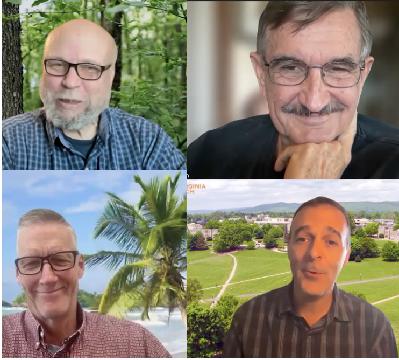
Dr. Robert Powell’s research at Clemson University focuses on informal STEM education, interpretation, protected area management, and sustainable tourism. He has led multiple NSF-funded national studies on learning outcomes in parks and environmental education, publishing over 100 peer-reviewed articles. A former U.S. Canoe and Kayak Team member, Bob spent 20 years guiding whitewater and sea kayaking tours spanning 45+ countries and seven continents before earning his PhD from Yale University in 2005.
Dr. Marc J. Stern is a professor in Virginia Tech’s College of Natural Resources and Environment, where he teaches interpretation, environmental education, sustainability, and social science research methods. His research explores human behavior in environmental communication, interpretation, education, protected areas, and natural resource planning. He has published widely and serves as co-Editor-in-Chief of the Journal of Interpretation Research, alongside Bob Powell.
#timmerriman #InterpretationMatters #HEARTApproach #MatherTrainingCenter #InterpretiveConnections #VoicesOfInterpretation #Clemson #ClemsonPRTM #ClemsonResearch #SustainableTourism #ConservationAtClemson #InterpretiveLeadership #VirginiaTech #VTCNRE #VirginiaTechResearch
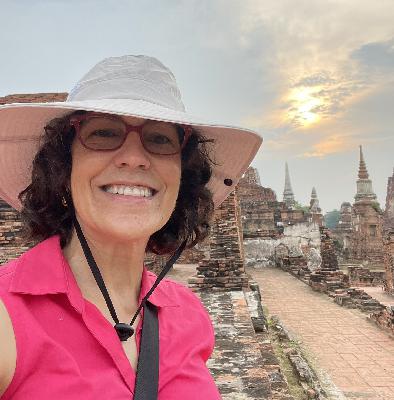
Join us for an inspiring conversation with Celeste Bernardo, who devoted 35 years to the National Park Service (NPS), building bridges between people, places, and heritage. With a career spanning coastlines, historic neighborhoods, and international cultural exchanges, Celeste is known for her gift of turning partnerships into lasting legacies.
As acting Deputy Regional Director for the North Atlantic-Appalachian region, she supported more than forty national park units—from wilderness preserves and coastal habitats to historic sites and battlefields. Before that, she spent sixteen years as superintendent of partnership parks, where she championed community-driven projects: restoring historic structures, constructing trails, opening visitor centers, upgrading transportation systems, and hosting large-scale cultural events. Her leadership at Lowell National Historical Park, Boston National Historical Park, the Boston African American National Historic Site, and New Bedford Whaling National Historical Park demonstrates her ability to connect diverse communities to their shared stories.
Celeste also served in the Washington Office as the first NPS Partnership Training Specialist, designing curriculum to strengthen leadership’s ability to collaborate across agencies, nonprofits, and communities. Earlier in her career, she honed her interpretive and visitor services skills at national seashores, historical parks, and recreation areas across the country.
Since retiring in 2021, Celeste has continued her mission globally—volunteering in Thailand to enhance interpretive services and leading volunteer management training for park leaders from 38 national parks.
From Massachusetts mills to Thai rainforests, Celeste’s story is about the power of collaboration, heritage, and the enduring human connection to place.
#timmerriman #InterpretationMatters #HEARTApproach #MatherTrainingCenter #NPSInterpretation #InterpretiveConnections #VoicesOfInterpretation #nps #nationalpark #nationalparks #nationalparkservice

Toby Merriman, MFA, works each day as Assistant Director of Center for Virtual Expression at Southern Illinois University in assisting faculty in understanding how AI, VR and Gamification may improve their teaching and research. Toby grew up with Tim Merriman, his father, at a nature center and actually worked as an interpretive guide at a Dinosaurs Alive Exhibit when he was 15. He helps Tim and other interpreters understand how they can use these new tech platforms to improve their interpretive planning and execution in many different ways. Join them on Reflections on Interpretation for 39 minutes of talking story about their collaboration in these new tech areas.
#timmerriman #InterpretationMatters #HEARTApproach #InterpretiveConnections #VoicesOfInterpretation

Today on Reflections I am talking story with my podcast co-host, Bill Gwaltney, who recently returned from a trip to western Europe to visit friends from his long career with National Park Service and especially with friends he made during his final five years with American Battle Monuments Commission. Born and raised in the Nation’s Capital, Bill Gwaltney is a seventh generation native of Washington, D.C. His pursuit of a degree in Forestry/Botany led him to change majors focusing on Western American History and Parks and Recreation Management.
Gwaltney had many roles in his thirty-five-year career with the National Park Service from Seasonal Interpreter to Museum Curator and from Regional Interpretive Specialist to Chief Ranger, Site Manager and Park Superintendent.
He also served as President of The Association of African American Museums. In addition, Gwaltney served as Chief Naturalist at Rocky Mountain National Park and as Assistant Regional Director for Workforce Diversity at the Intermountain Region in Denver, Colorado.
Gwaltney’s last two years in the National Park Service found him on loan to the National Museum of African American History and Culture for the Smithsonian Institution, where he designed and developed the exhibit on Military History.
The last five years of his career took him to Paris, France, where he worked for The American Battle Monuments Commission, as the Director of Interpretation and Visitor Services, assisting with the planning, Interpreter training, and Visitor Center development for the 26 American overseas military cemeteries under the Agency’s responsibilities.
Still teaching classes to park and museum employees and volunteers, Gwaltney is a trained Instructor of the H.E.A.R.T approach to Interpretation.
#timmerriman #InterpretationMatters #HEARTApproach #InterpretiveConnections #VoicesOfInterpretation #NPS #ABMC

Michael Stuckey had a career of many decades with National Park Service working in both natural and cultural history parks in a variety of roles, but especially in interpretation. He tells his own story well, "Born in Los Angeles and somehow history grabbed me early on. I began to explore how to work with it professionally. Richmond Battlefield in Virginia was my first park and from there I was able to work in a dozen other parks and sites – natural and historical – and feel that the 33 years where the most wonderful one could imagine. My favorite park? Historically there is a tie between Antietam and Pearl Harbor, and the natural park is hands down, Yosemite.
Interpretation has always been my focus, but I have worn many hats including law enforcement, resources management, wildland fire, management, acting Superintendent, and a special niche in living history. I worked with the Interpretive Development Program for several years as an instructor and that taught me tons about how interpretation can and should work.
#timmerriman #heritageinterpretation #NationalParks #PublicLands #ConservationConversation #ParksLeadership #NatureTalks #Park
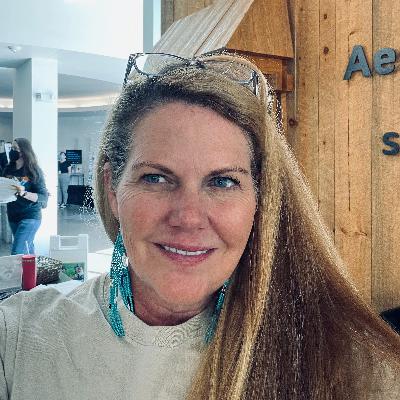
Monique Thompson, CIT, is a Restorative Justice practitioner, nature enthusiast, and expert in interpretive education. Her programs inspire community connection and inclusivity, with a focus on environmental and personal well-being. She has been engaged in the education field for over 25 years as an instructor, collaborator, and learner. Early in her career she taught English as a Second Language to young people in Mozambique while serving in the Peace Corps. Since 2019 she has been a very active trainer of CIGs with National Association for Interpretation.
https://timfmerriman.podbean.com/
#timmerriman #InterpretationMatters #HEARTApproach #InterpretiveConnections #VoicesOfInterpretation #raindropnaturalist
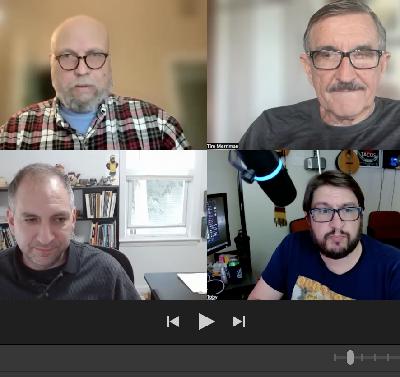
Matt Villamaino, Bill Gwaltney, Toby Merriman, and Tim Merriman gather on Zoom to explore the role of Artificial Intelligence in heritage interpretation—with a focus on authenticity, ethics, and emerging opportunities. Toby Merriman, MFA, serves as Assistant Director of the Center for Virtual Expression at Southern Illinois University, where he supports faculty in integrating AI, virtual reality, and gamification into teaching and research. This dynamic discussion examines how these technologies might enhance both interpretive training and the design of meaningful visitor experiences.
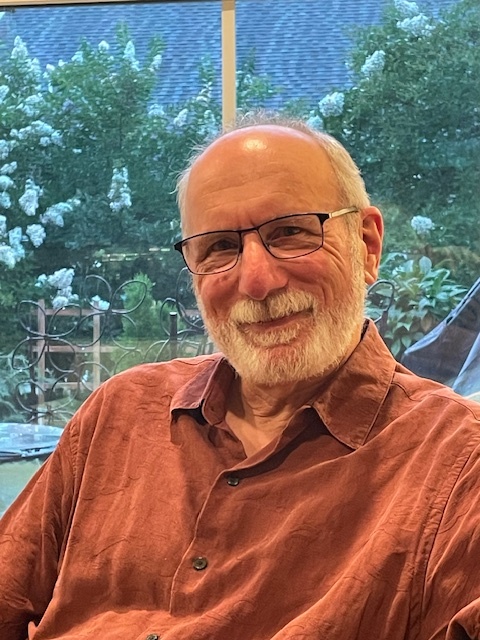
Born and raised in California, Marc Blackburn’s love of history led him to the Pacific Northwest, where he earned a B.A. in history from the University of Puget Sound in Tacoma, Washington. Inspired by a passion for teaching and the complexities of the American experience, he pursued graduate work at Temple University in Philadelphia. There, under the mentorship of the renowned historian Dr. Russell F. Weigley, Marc earned a Ph.D. with a focus on modern American military and diplomatic history.
What began as a summer job in 1987 as a seasonal park ranger at Independence National Historical Park turned into a lifelong calling. Over more than three decades, Marc has brought history to life in some of America’s most iconic and meaningful places—from the Klondike Gold Rush site in Seattle to the battlefields and sacred lands of the Nez Perce, and from the volcanic landscapes of Lava Beds and Tule Lake to the solemn grounds of Colonial National Historical Park, where he currently serves as Manager of Visitor Experience and Community Engagement.
Now based in Virginia’s historic Tidewater region with his wife, Marc continues to share stories that connect people to the past, illuminate the present, and inspire stewardship for the future.
Matt Villamaino has worked in the interpretive field for over 15 years, not counting the dinosaur museum he and a friend started in his basement at age 8. He currently works for the Massachusetts Department of Conservation and Recreation as the Regional Interpretive Coordinator for the Central Region. He is a Certified Interpretive Trainer, Planner, and Heritage Interpreter and has worked and done training in iconic places like the USS Constitution, Pilgrim Memorial State Park and Springfield Armory NHS in living history and interpretive roles.
https://timfmerriman.podbean.com/
#timmerriman #interpretationservices #interpretation #heritageinterpretation
David Larsen (1960-2011) was a National Park Service Interpretive Ranger who became the Manager of Interpretive Training with National Park Service (NPS) at The Mather Employee Development Center. After many years as a frontline interpreter at sites such as the the Vietnam Memorial and Harper's Ferry National Historic Park, David stepped up to become a leader in Interpretive thought, philosophy, and training.
Bill Gwaltney, Connie Rudd, and Kim Sikoryak were colleagues and collaborators with David during his training years and knew him well. Tim Merriman interviews the trio on “Reflections on Interpretation” about the enduring impact David's philosophy on training and the conceptual framework of Interpretation that has impacted the entire profession of heritage interpretation.
Thanks is due NPS for our use of short clips of David speaking via a series of 5-videos available on youtube.com. We highly recommend you watch the entire series of about one hour and fifteen minutes. David's excellent interactive book entitled “Meaningful Interpretation” published by the Eastern National Cooperating Association is available through the association.
Today Tim Merriman is interviewed by Bill Gwaltney about the HEART Train the Trainers Program. This innovative new training program for the fundamentals of the interpretive approach to communication began in October of 2024 and is now being used by many experienced trainers as a more affordable approach to training new hires, seasonal guides, docents and other frontline workers at parks, zoos, museums, nature centers, historic sites and tour companies. It includes the application of Artificial Intelligence in development of new programs, tours and presentations. Available now at
https://timfmerriman.podbean.com/
or by YouTube at
https://youtu.be/ObEolw2Bd74
#heritageinterpretation #timmerriman #interpretivetraining
Toby Merriman is the Acting Director of Center for Virtual Expression at Southern Illinois University (SIU). He and his staff assist faculty at SIU in the uses of Artificial Intelligence, Virtual Reality and Gamification in teaching university students, who so readily employ these new tools. Join Monique Thompson, Clark Hancock, Rosemary Prince, Angel Burns, Matt Villamaino, Joanna Robinson and Tim Merriman in an hour and 8 minutes of Questions and Answers about the uses of these new tools in training interpreters, guides and the many people who employ an interpretive approach to communication.
#timmerriman #heritageinterpretation #interpretivetraining
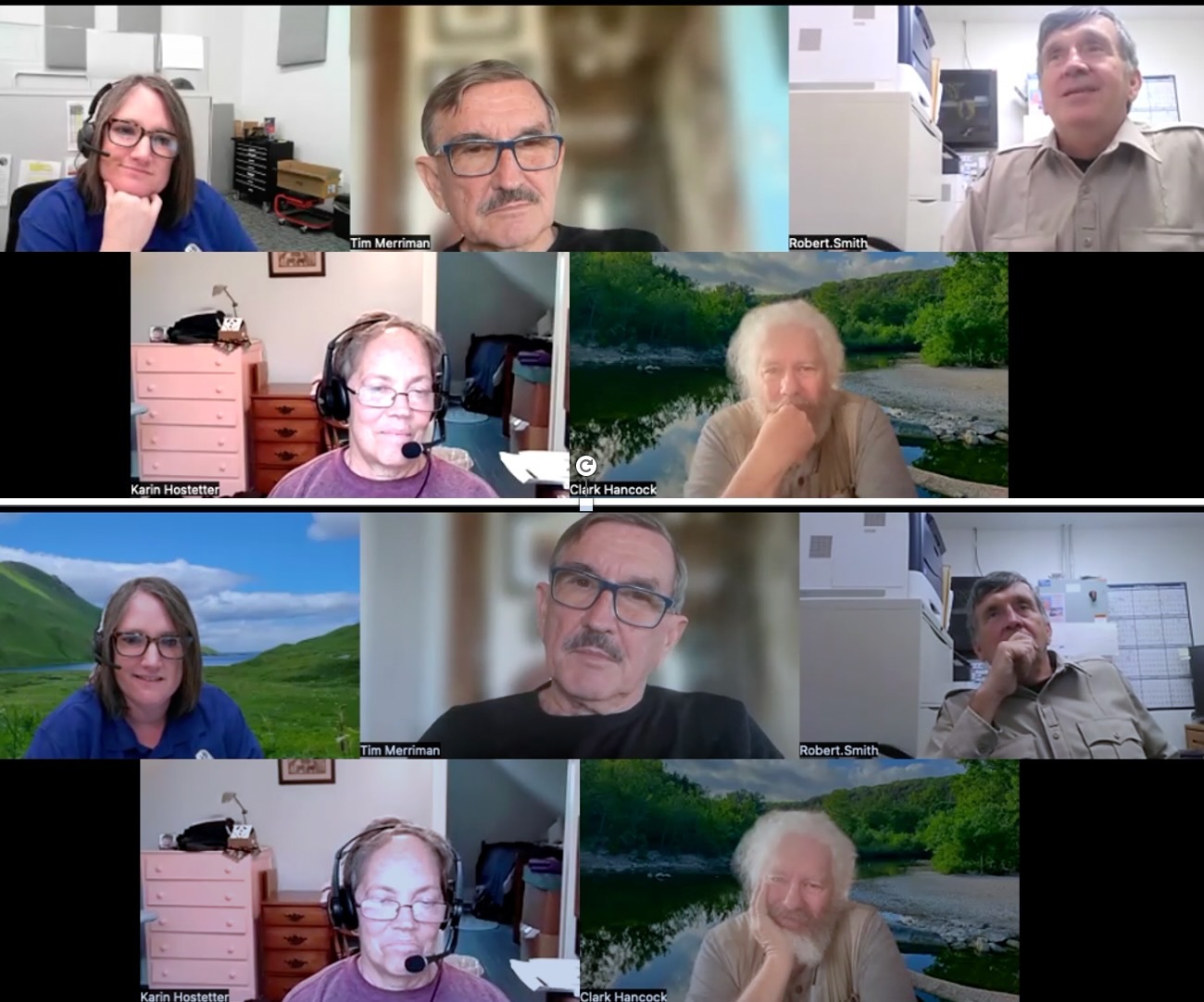
Interpretive Trainers are our guests this week on Reflections on Interpretation: Talking Story with Guides and Interpreters. Karin Hostetter, Robert Smith, Jamie Hubert, Clark Hancock, Bill Gwaltney and Tim Merriman discuss the economic changes affecting training, the challenges of training large numbers of docents, seasonal workers and frontline staff and the impact of Artificial Intelligence on training. Join us for a lively conversation on your favorite audio platform.
https://timfmerriman.podbean.com/
#timmerriman #heritageinterpretation #ParkPreservation #interpretivetraining
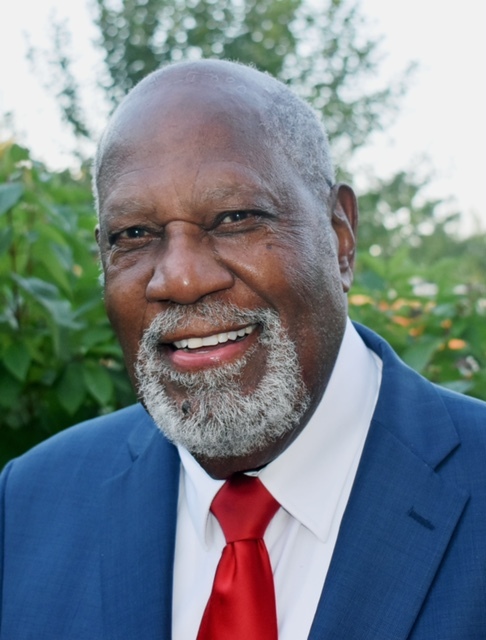
With nearly four decades of experience with the National Park Service (NPS), Robert G. Stanton has an unmatched depth of experience about the Agency from top to bottom.
Born in Fort Worth, Texas, Robert Stanton’s experience growing up in an African American community and the need to deal with Race and Racism brought a special focus to his life and career.
His career with the NPS began in 1962 when the Secretary of the Interior appointed him as a summer seasonal park ranger at Grand Teton National Park (NP) in Wyoming. He went on to a variety of other jobs including Personnel Management, Public Information Specialist, Management Assistant, Park Superintendent, Deputy Regional Director, Regional Director, Associate Director for Operations, and finally, Director of the National Park Service.
As NPS Director, Stanton actively promoted Diversity within the national park system, increased opportunities for young people, and enhanced NPS public programs to better serve all Americans.
https://timfmerriman.podbean.com/
#timmerriman #interpretationservices #interpretation #heritageinterpretation #AfricanAmericanHistory #BlackHistory #BlackHistoryMatters #AmericanHistory #AfricanAmericanHeritage #BlackStoriesMatter #BlackVoicesInHistory #AfricanAmericanStorytelling #HistoryComesAlive #HistoryMatters #HistoricalInterpretation #BringingHistoryToLife #AfricanAmericanHistory
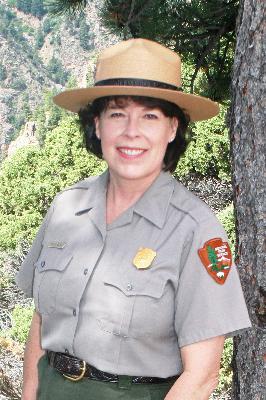
Born during a snowstorm in Ft. Riley, Kansas, Connie's adventurous spirit was kindled from the start. This early connection to winter led to a passion for sled dog racing with her purebred Samoyed team, a venture she pursued for 20 years across the United States.
Raised in Athens, Ohio, Connie developed a love for reading that sparked her imagination, inspired by stories like “Sergeant Preston of the Yukon.” After earning a double major in English and Physical Geography from Ohio University, she continued her education at the University of Illinois, focusing on fluvial geomorphology.
Connie began her career as a GS-3 Dispatcher with the National Park Service at Indiana Dunes National Lakeshore, later transitioning to roles at Grand Canyon and Rocky Mountain National Parks. In 1991, she became Regional Chief of Interpretation, where she pioneered “Compelling Stories” workshops enhancing storytelling within the Service.
Connie eventually served as Superintendent at several national parks before retiring in 2014. Today, she works as a professional photographer, capturing landscapes and wildlife while promoting conservation and inspiring others to connect with nature.
https://timfmerriman.podbean.com/
#timmerriman #heritageinterpretation #NationalParks #PublicLands #ConservationConversation #ParksLeadership #NatureTalks #ParkPreservation #connieruddphotography

Comments

Download from Google Play

Download from App Store
 United States