


 Claim Ownership
Bellville SDA Church
Subscribed: 5Played: 29
Subscribe

© Bellville SDA Church
Description
Listen to sermons and messages shared live in Church.
We are a community of believers that is committed to preaching and teaching the good news of salvation through Jesus Christ, equipping our members to ministry, nurturing maturing relationships with Him, and offering compassionate care to those in need.
We, Seventh-day Adventists, are Bible-believing Christians who base our faith, hope, and future in Jesus Christ. The name 'Seventh-day' indicates our adherence to the biblical Sabbath, while 'Adventist' means we anticipate the promised return of Christ.
We are a community of believers that is committed to preaching and teaching the good news of salvation through Jesus Christ, equipping our members to ministry, nurturing maturing relationships with Him, and offering compassionate care to those in need.
We, Seventh-day Adventists, are Bible-believing Christians who base our faith, hope, and future in Jesus Christ. The name 'Seventh-day' indicates our adherence to the biblical Sabbath, while 'Adventist' means we anticipate the promised return of Christ.
178 Episodes
Reverse
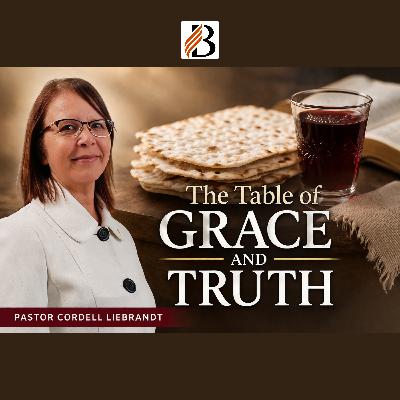
In this powerful and reflective message, Pastor Cordell Liebrandt explores the deep spiritual meaning behind the communion table, connecting the Hebrew Passover with Christian communion. He reminds us that God’s grace is costly, His promises are sure, and our story of redemption is still unfolding. As we remember Christ’s sacrifice, we are called to live in gratitude, faith, and hopeful anticipation of His return.
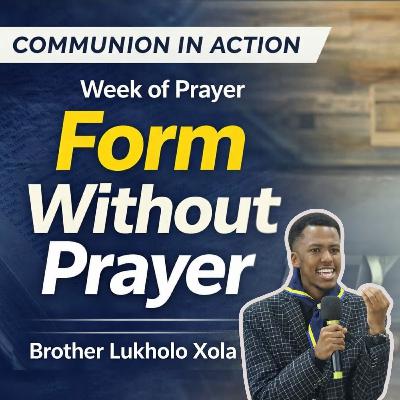
In this sermon delivered at the Bellville Seventh-day Adventist Church, Brother Lukholo Xola addresses the theme of "Communion in Action," focusing specifically on the subtopic "Form Without Prayer." He warns against the "scandalous" nature of grace and the danger of religious routine that lacks a genuine connection with Christ.
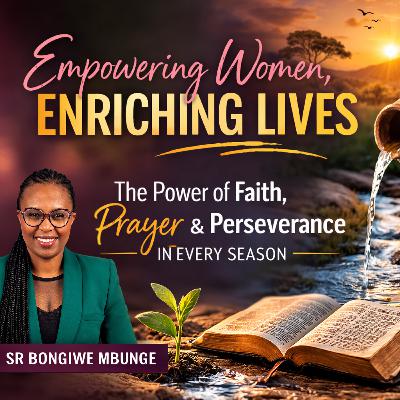
In this powerful and heartfelt message, Sr Bongiwe Mbunge calls women—and the entire church—to a deeper life of faithful, persistent prayer. Drawing from the story of the prophet Elijah in First Kings and the encouragement found in James, she reminds believers that God often leads us through seasons of dryness, uncertainty, and waiting so that our faith may grow stronger.Using the powerful imagery of Elijah at the brook, the widow’s miracle of flour and oil, and the return of rain after prayer, the message highlights how God works through both the small and the impossible. Sr Mbunge encourages believers not to lose hope during the “messy middle” of life’s challenges, but to continue planting seeds of faith, trusting that God will send the rain in His perfect time.Through personal testimony and biblical promises, the sermon emphasizes that prayer is the ultimate game changer—strengthening faith, shaping character, and preparing believers to stand firm in difficult seasons. Women, families, and young people are called to cultivate a legacy of prayer that anchors the next generation in Christ.✨ A moving reminder that God is able to sustain, restore, and fulfill His promises—even in the midst of life’s famine.#EmpoweringWomen #PrayerChangesThings #FaithInGod #SDA #AdventistMessage #TrustGod #BellvilleSDA #WomenOfPrayer #ChristianFaith
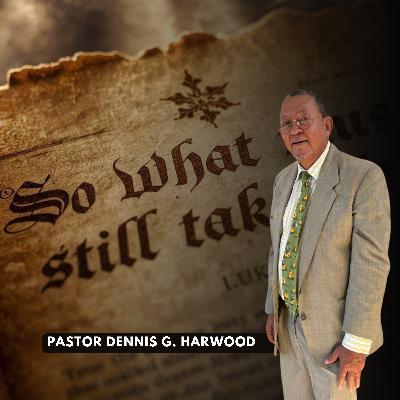
In “So What Must Still Take Place?”, Pastor Dennis G. Harwood delivers a heartfelt and urgent appeal to the church to stop merely talking about the gospel and start living it. Reflecting on end-time prophecy—particularly the “toenails” of Daniel’s image—he reminds the congregation that we are living at the very edge of time, yet Christ has not returned. The pressing question is not what prophecy still needs fulfillment, but what transformation still needs to happen within God’s people.He challenges superficial Christianity—programs without power, knowledge without surrender, positions without unity, and worship without genuine love. The real issue, he argues, is not a lack of preaching but a lack of Christ-centered living. The gospel is not about outward performance, rules, or appearances; it is about a surrendered heart transformed by Jesus.Calling out division, hypocrisy, and spiritual complacency within the church, he emphasizes that Christ must be lifted up and allowed to change hearts. When believers truly surrender and reflect Christ’s character—loving God and one another—the gospel will be powerfully witnessed to the world, and then the end will come.Ultimately, the message is a solemn but hopeful appeal: God is ready. The world is waiting. The question is whether His people are willing to fully surrender and become who He has called them to be.
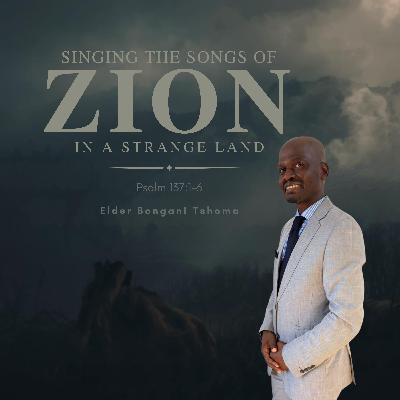
In this powerful message based on Psalm 137, Elder Bongani Tshoma reflects on Israel’s captivity in Babylon and their heartfelt question: “How shall we sing the Lord’s song in a strange land?” Drawing from their exile, he compares Babylon to the difficult, unfamiliar seasons we face—times of grief, illness, financial struggle, workplace tension, or spiritual dryness.The sermon reminds believers that a “strange land” is not just a physical place, but an emotional and spiritual season where life feels disorienting. Yet, just as God remained with Israel in Babylon, He remains present with His people today. Zion represents identity, promise, hope, and God’s abiding presence—truths that cannot be taken away, even in exile.Through examples like Job’s declaration of faith, Daniel in the lion’s den, and Paul and Silas singing in prison, the message emphasizes that worship is not performance but spiritual warfare. Our song becomes our strength, our testimony, and our weapon against discouragement. When we continue to praise God in difficult seasons, we declare trust in His faithfulness and anticipate the ultimate hope—the New Jerusalem and Christ’s soon return.The sermon closes with a call to keep singing songs of hope and victory, remembering that our present “Babylon” is temporary. Our strange land is not our final destination—Zion is coming.
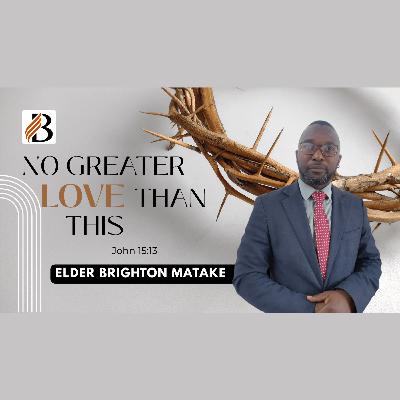
In this Valentine’s message, Brighton Matake contrasts worldly love with God’s ultimate love. Drawing from Book of Revelation 5, he explains that humanity lost dominion through sin, but Jesus Christ became our kinsman Redeemer, paying the full price for our salvation.The sermon’s core message: There is no greater love than Christ laying down His life. The price has been paid—now the question is whether we will accept His redemption and live free from sin.

Pastor Reuben Oliphant centers his message on the power of testimony, drawing from 2 Kings 8 and the story of the Shunammite woman. He shows how retelling God’s mighty acts—especially Elisha’s miracles—softened a king’s heart and led to an extraordinary act of justice and restoration. The sermon emphasizes that God is still active today, and that sharing personal stories of God’s faithfulness, provision, and miracles can inspire faith, hope, and transformation in others. Pastor Oliphant encourages believers to live out their faith daily and to intentionally tell “the great things” God has done, making testimony a powerful form of evangelism.

Based on Acts 3:1–10, this sermon highlights how God can use one faithful act, one willing person, and one divine encounter to bring transformation far beyond what seems possible. Through the story of the lame man healed at the temple gate, the message reminds believers that spiritual power is not found in wealth or status, but in faith, obedience, and the name of Jesus.The sermon challenges listeners to recognize the potential God has already placed within them, encouraging each person to step forward in faith, even when resources feel limited. When surrendered to God, what seems small can become a powerful instrument for healing, hope, and change — proving that one life, yielded to God, can make an eternal impact.
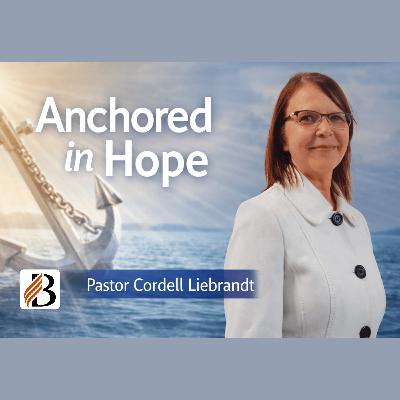
“Anchored in Hope” teaches that while God does not always remove life’s storms, He stabilizes His people through them by anchoring them in hope. Drawing from Jeremiah 29:10–14, Pastor Cordell Liebrandt reminds believers that God’s promises remain sure even in seasons of hardship, delay, and uncertainty. Using the biblical experiences of Israel in exile, Joseph, Abraham and Sarah, and Job, she emphasizes that God’s sovereignty, timing, and power to restore are always at work, even when circumstances seem overwhelming. Hope calls believers to trust God’s bigger plan, remain faithful while waiting, pray wholeheartedly, and persevere through suffering, knowing that divine delays are not denials. Ultimately, true hope is found only in Christ, who sustains, restores, and leads His people toward a future filled with purpose and promise.
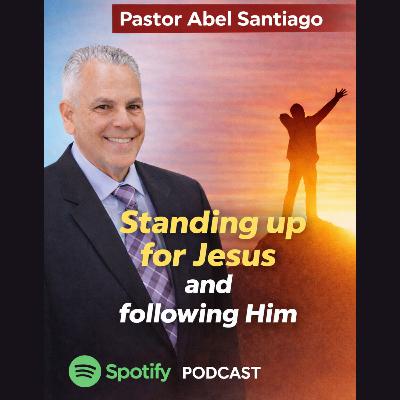
Peter once denied Jesus out of fear, but after Pentecost he stood up with boldness and preached Christ without hesitation.This sermon reminds us that we don’t stand for Jesus in our own strength. When the Holy Spirit fills us, ordinary people are transformed into courageous witnesses. God doesn’t call the qualified, He qualifies the willing.Wherever you are — home, church, or workplace — the call is the same: stand up for Jesus and follow Him fully.

Pastor Hillary Baatjies reflects on Psalm 34, emphasizing that it was written by David while hiding in a cave during fear and distress, not after victory. The message highlights that God meets people in their brokenness—he hears their cries, lifts their faces, liberates them from fear, provides for their needs, purifies their lives, and heals the brokenhearted. Using stories and personal testimony, the sermon invites the congregation to stop hiding in self-reliance or fear and instead find refuge in God, symbolized by the hymn “Hiding in Thee.” The call is to surrender, trust God amid hardship, and allow Him to restore and revive individuals and the church
The message is based on 1 Kings 3, where God invites Solomon to ask for anything. Newly crowned and aware of his limitations, Solomon does not ask for wealth or power but for an understanding heart to lead God’s people well. His humility and desire to serve pleased God, who then blessed him beyond his request.The speaker contrasts worldly desires—money, status, possessions, and fame—with what truly matters: character and a relationship with Christ. He warns that wisdom and success without ongoing dependence on God lead to compromise, as seen later in Solomon’s life and in other biblical examples.As the year closes, the message calls listeners to reflect on what they are truly asking God for. Material things fade, but faith, obedience, and Christlike character endure. The appeal is to ask God today for a renewed heart, daily conversion, and a life centered on Jesus.
This sermon reminds us that God’s people can confidently say “Hitherto hath the Lord helped us.” Drawing from 1 Samuel 7:12, Pastor Denzil Fourie calls believers to look back with gratitude at God’s faithfulness, live in repentance and obedience today, and move forward with hope—knowing that the same God who helped us in the past will lead us into the future.
The message addresses confusion within the church about salvation, emphasizing that salvation is a present reality received solely by God’s grace through faith—not by perfect law-keeping or works. Drawing from Ephesians and church research, it calls believers to assurance, joy, and confidence in Christ’s finished work.
Pastor Isaac Solomon teaches that God “inhabits the praises of His people,” meaning genuine praise actively invites God’s presence and power. Praise is not just an emotional response but a spiritual posture that draws God near, even in hardship. Using 2 Chronicles 20, he shows how Jehoshaphat faced overwhelming enemies by seeking God, positioning the people in faith, and sending singers ahead of the army. When they praised, God fought the battle and brought victory.The message then turns to Acts 16, where Paul and Silas, beaten and imprisoned, prayed and sang praises at midnight. Their praise triggered God’s intervention—an earthquake opened prison doors and broke every chain. Pastor Solomon applies this to believers today, reminding them that many carry invisible chains such as fear, guilt, sin, bitterness, or discouragement.The sermon concludes with a call to surrender these chains to Jesus, affirming that Christ was born to heal, restore, and set captives free. A spirit of praise, even in one’s “midnight season,” releases God’s presence, breaks bondage, and leads to freedom and renewed hope.Pastor Isaac Solomon, the Ministerial and Family Life Ministries Director at the Southern African Union Conference, shared a short message with the congregants as part of the Annual Christmas Service at Bellville SDA Church.
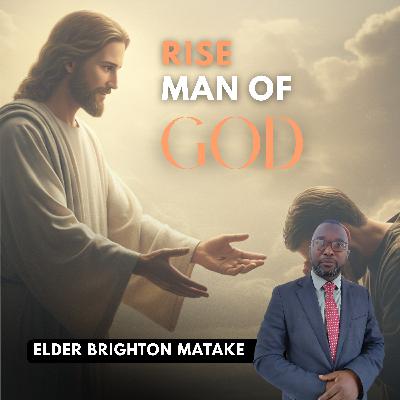
A message by Elder Brighton Matake.

Br Chad Britz shared a special message with the Bellville Children's Ministries Department as part of the special Children's Day 2025 Program.
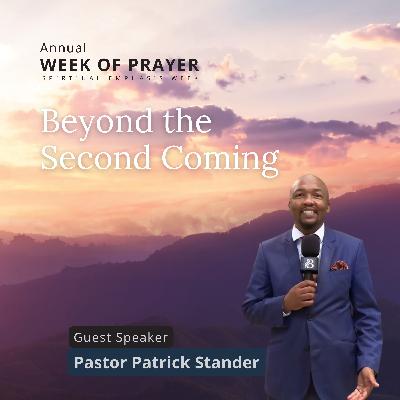
Pastor Stander reflects on the Christian hope that extends beyond the Second Coming. Using the book of Hebrews, he reminds believers that although they face suffering, persecution, and the feeling of not yet being “home,” their true identity and rest are found in Jesus Christ. Hebrews presents Jesus as the ultimate revelation of God—the better leader, sacrifice, and High Priest—and encourages believers to live by the “currencies” of God’s kingdom: faith and hope.He emphasizes that the heroes of faith in Hebrews 11 point to Jesus, who is the perfect example of living by faith, sharing fully in human struggle and temptation. Though God’s people die without receiving the earthly fulfillment of the promise, they remain pilgrims looking for a heavenly country.Revelation’s closing chapters reveal what lies beyond the Second Coming: God will relocate His throne to the earth made new, and the redeemed will see Him face to face. Pastor Stander stresses that heaven is not about golden streets or earthly upgrades—it is about being in the presence of God and the Lamb.He concludes by urging believers to keep their divine appointment with God, trusting His grace until the day they see Him face to face.

The main theme, “Spiritual Spring Cleaning,” was based on Psalm 51:10–12, encouraging members to let God renew their hearts by removing spiritual clutter such as pride, unforgiveness, and negativity. Through prayer, Bible study, gratitude, and fellowship, believers can maintain a clean and renewed spirit throughout the year.
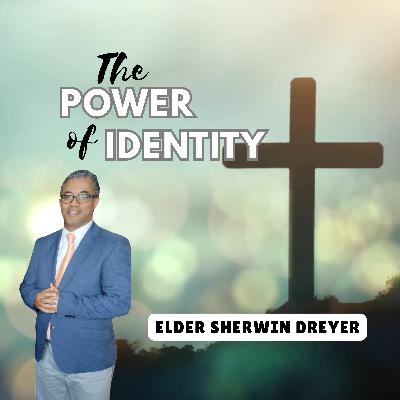
Elder Sherwin Dreyer’s message “The Power of Identity” focuses on discovering who we truly are in Christ. He explains that our identity isn’t defined by our past, failures, or the world’s labels, but by God’s view of us as His beloved children. When we embrace this truth, it transforms how we think, live, and serve. Dreyer encourages believers to let go of false identities and live confidently in the purpose and freedom found in their God-given identity.

Comments

Download from Google Play

Download from App Store
 United States