


 Claim Ownership
Gardening Out Loud
Subscribed: 1Played: 44
Subscribe

© Jen Knoch
Description
Gardening Out Loud is a series of weekly audio love letters to, and conversations with, a little patch of soil. This isn’t an instructional podcast, but an experiential one: listen in for my reflections and observations as I experiment with sonic chronicles of the 2023 growing season. Grow along with me, in your imagination or in your own space, as I cultivate food and flowers, and soak up the beauty of this tiny urban refuge. Gardening Out Loud is restorative radio to help us all slow down, get grounded, and make a bit of space for connection and natural wonder.
gardeningoutloud.substack.com
gardeningoutloud.substack.com
33 Episodes
Reverse
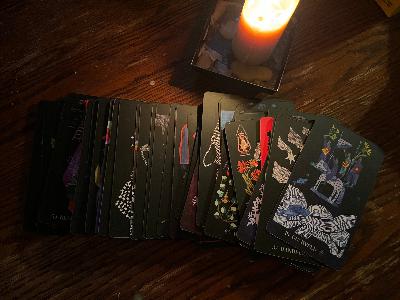
I’m not a horoscope person. I’m not into psychic readings or auras or crystals. I loathe dreams. (If you are into these things, all good!) I bring it up, because until very recently, I would say I wasn’t a tarot person. That changed when I went to Ingrid’s wonderful guided forest immersion, and after, Ateqah asked me if I wanted to pull a card from her Dirt Gems oracle deck. I said okay, because why not? The deck is plant-inspired, and I am myself plant-inspired if not particularly mystical. The card I pulled was dogwood, and as Ateqah read me the interpretation, I realized it was exactly what I needed to hear. I almost wept. Afterwards I wondered, Was this experience a coincidence, or was this actually a useful tool? While I don’t believe in prediction, oracles were also traditional sources of wisdom, and I craved that feeling again, of a gentle, loving pep talk. I found myself reading more about the deck online, taking in more of the interpretations, and I realized this might be useful for me as a kind of investigative tool for how I’m feeling. In my #sadgirl season, I found myself constantly looking for anything that might provide some relief, support, and/or recalibration. And while I generally avoid buying new things, I decided it was worth the experiment and I took the plunge. What I appreciate about the deck, aside from the lovely art, is how it’s focused on getting to know and appreciate so many different plants. These aren’t abstract symbols, but living beings in the world around us, and the deck is helping me learn their ecological, medicinal, and symbolic offerings. As someone who is always scanning the plants I walk by, this brings them to life in a new way. The plants in the deck are notably all referred to as “they,” which dispenses with gendered binaries, but, more than that also confers them with a sort of personhood. “It” is also gender neutral but resigns plants to a lesser category. Western science generally resists this sort of anthropomorphism, but it can confer a respect that is sorely lacking in many of our engagements with the more-than-human living world. In recent years, many non-human entities like rivers and mountains have been granted legal personhood, which gives them inherent rights that can be defended in court. If courts of law the world over have given other living things personhood, why can’t we? I’ve been relistening to Robin Wall Kimmerer’s Braiding Sweetgrass, which is both comfort and important recalibration, a reminder of wiser ways of seeing and being. In “Learning the Grammar of Animacy,” Kimmerer relates some of her observations from her attempts to learn Potawotami: Imagine seeing your grandmother standing at the stove in her apron and then saying of her, “Look, it is making soup. It has gray hair.” We might snicker at such a mistake, but we also recoil from it. In English, we never refer to a member of our family, or indeed to any person, as it. That would be a profound act of disrespect. It robs a person of selfhood and kinship, reducing a person to a mere thing. So it is that in Potawatomi and most other Indigenous languages, we use the same words to address the living world as we use for our family. Because they are our family.The cards do a good job, I think, at helping us get to know the gifts and the spirit of each of these family members and giving them some of that animacy. They become allies, beings you can turn to when you need support (and don’t we all?). In Braiding Sweetgrass Kimmerer also writes, “In some Native languages, the term for plants translates to ‘those who take care of us,’” and listening to that as I walked the aisles of the grocery store, tenderness swelled in me. This world can be a hard place, and we aren’t meant to go it alone. Plants started taking care of me when I was just a cluster of cells in my mother, have taken care of me every day on this Earth since I took my first breath. They were caring for me long before I started to care for them. Since I bought the deck, I’ve pulled a card every Monday as something to reflect on at the beginning of the week. Sometimes this felt meaningful, other times less so. But it wasn’t really about any single card, it was about making space for a check-in, for reflecting in a new way. It’s only in retrospect that I’ve been able to see that the last few months have been a process of learning to trust myself again after a long, tumultuous journey with anxiety. Medication was a vital turning point, but these cards have been their own tool, a reminder not only to check in with myself, but of all the potential nourishment in the living world. The messages in the accompanying book were so often reassuring, speaking to connection, rest, resilience, renewal, balance. Above all, plants remind us that everything is cyclical — the ultimate measure of trust. This is especially important as we head into the dark season: this is part of the process; this will pass. The day after my birthday this year, I did a full “root to seed” spread of cards, as prompted by the deck’s interpretive book. Interestingly, my seed card, which is about my next phase and what’s to come, was that very first card I’d picked with Ateqah: Dogwood, “The Loyal.” (And, incidentally, at a local parkette gathering the day before we had been giving away dogwoods.) Here’s part of Dogwood’s message, in case you need it: Dogwood builds core strength and resilience, bolstering our resolve by softening the jagged edges of our story of what is, what has been, and what it is come. We invite space to focus and create when we stop working so hard to steel ourselves against the inevitable pain and struggle in life. Dogwood rewires the nervous system when our fuses are blown. . . . If you have decided that you are a certain way and are incapable of change, Dogwood is a friend that says, You can be whoever you want to be. You can decide today I am new. Today I make different choices; today I am confident and assured. Today I am generous. Every day we decide our own story, we decide how we work with what we have, and we decide how we treat others and ourselves. Where I started, where I’m headed: a long journey that rolls on. Good thing I have plants to help me along the way. Otherwise this week, I’m . . .Savouring: The skittering sound of leaves tumbling down streets; the starlings and robins eating the fruit of the wild grape plant that covers one side of my house. The arrival of the juncos, who bring some cheery variation to the local birdsong. Tending: I divided and stored the dahlias, and it wasn’t so much of a slog as it can be. I dug a few of my perennials that are in terracotta pots into the ground temporarily in an effort to protect the pots from winter cracking. (This works most of the time, but it’s best just not to put your perennials in terracotta!) I’ve collected the neighbours’ leaves to cover the annual beds and for the year’s compost browns. Planting: The amaryllis bulb I ordered is coming to life, so I’ve potted it up to enjoy those December blooms. I have one more I recharged in the garden over summer, and I’ll plant that up in a month or so, so I have a couple months of something still blooming indoors. Harvesting: Native seeds. I’m still harvesting and processing a few native seeds. It’s not too late to throw some down. I’m also processing the last of the herbs I dried (a nice TV-watching activity, if you don’t mind a little thyme on your couch). Making: My friend Joy gifted me some of her stunning Italian terracotta pots, which are the perfect size for houseplants, but unglazed, and I’m worried that water may seep out through the porous saucer. So, I bought a little Mod Podge, and I’m painting a matte glaze on the inside of the saucer. Presto! Watertight, but the beautiful patina unaffected. Cross-pollination“Praise Song,” by Barbara CrookerPraise the light of late November,
the thin sunlight that goes deep in the bones.
Praise the crows chattering in the oak trees;
though they are clothed in night, they do not
despair. Praise what little there’s left:
the small boats of milkweed pods, husks, hulls,
shells, the architecture of trees. Praise the meadow
of dried weeds: yarrow, goldenrod, chicory,
the remains of summer. Praise the blue sky
that hasn’t cracked yet. Praise the sun slipping down
behind the beechnuts, praise the quilt of leaves
that covers the grass: Scarlet Oak, Sweet Gum,
Sugar Maple. Though darkness gathers, praise our crazy
fallen world; it’s all we have, and it’s never enough.Thank you to everyone who tuned in for this strange, freeform season, and who sent me lovely little notes to say when something resonated. I’m not sure what’s to come for this little project, but I so appreciate everyone showing up as I explore this terrain. xo Jen This is a public episode. If you would like to discuss this with other subscribers or get access to bonus episodes, visit gardeningoutloud.substack.com
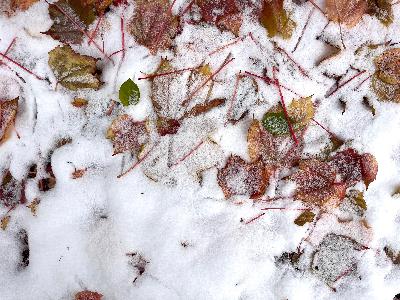
Is this thing on? Popping in to your feed with feelings about fall snow and the onset of winter. This is a public episode. If you would like to discuss this with other subscribers or get access to bonus episodes, visit gardeningoutloud.substack.com
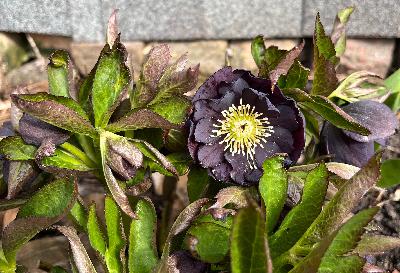
This week: on tending and being tender, signs from a snowdrop, early spring progress. For full episode guide, check out Gardening Out Loud on Substack. This is a public episode. If you would like to discuss this with other subscribers or get access to bonus episodes, visit gardeningoutloud.substack.com
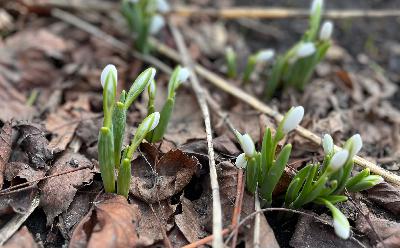
Hello dear plant people, I don’t want to commit to making a whole new season of the podcast, but spring has stirred up so many of my garden feelings, I thought I’d send out a little missive, and this essay recorded in audio, because the garden is waking and so am I. Winter felt especially hard and long this year, my anxiety sometimes a light dusting of snow, other times chest-high drifts. My partner and I have been navigating the complex and ever-changing needs of my beloved cat for almost a year and a half now, and it’s been a challenge. This personal struggle has, of course, taken place against the dystopian backdrop of the wider world: genocide, Trump 2.0, 19 of the last 20 months over 1.5 degrees warming, threats of economic collapse, re-election of a corrupt premier determined to pave the Greenbelt and rip out all our bike lanes, and so much more. In this region February was also ferociously cold, with massive dumps of snow that shovelled reached head-high, and spring seemed like an impossible dream. So this year, more than other years even, I awaited the first snowdrops with near-desperation. I don’t have any in the garden, but I know where they first appear in the neighbourhood, and on my daily mental health walks, I’d check for signs of life.And then March 13th, there they were: a little spray of slender green leaves, sturdy stem a paintbrush with a dollop of white on its bristles. (According to my garden journal, almost a full month after last year’s, though last year’s were eerily early.) It’s often said that snowdrops are thermogenic, which is to say they create their own heat, but that seems to not be necessarily true: they may just absorb more sunlight with their dark leaves amidst the snow. This does that make them any less miraculous in my book. Thus far, I have not been a person who could ever commit to a tattoo, but at this time of year I’m so drunk on spring I could almost rush into a parlour and get emblazoned with this tiny, delicate sign of resilience, of hope in the dark. Seasons are a reminder of eternal change, that nothing gold, or nothing cold, can stay, even when it feels otherwise. And so often, when we’re in our feelings, they feel permanent, as Sophie Lucido Johnson recently graciously shared, “Personally, I regularly think things are the worst they’ve ever been, and I come up with reasons why the thing will feel exactly the same amount of bad for the rest of my life. Nothing feels the same amount of bad for the rest of your life, unless you are going to die very soon.”I was chatting with remarkable botanical artist Kathryn Bondy about snowdrops after she posted a reel of some she’d made, and she asked me what they symbolized for me. I mentioned hope and renewal and resilience, but I think there are even more lessons, like how they form colonies, gently spreading year over year, which is a good reminder of the need for others in times of hardship and times of beauty (and the places they might improbably overlap). I love, too, how they combine strength (arrowing up through hard soil before everything else) and delicacy. I find myself often scanning for parts of my body to soften these days — really I need to be like a snowdrop. I am not a galanthophile, as enthusiastic collectors are called, and I actually don’t care much about the subtle variations in form, or the slightest blush of green or pale yellow. Give me your most common snowdrop and I will worship it with Mary Oliver-like zeal. Just a day or two after their emergence, the first American robin greeted me in the backyard, pecking at the leaf litter below the raspberry canes. Again, I found myself verklempt. I hope it will nest in the yard, raise its clutches here so I will have goofy teen robins to make me smile all summer. Which brings me to Bob Marley, specifically the song “Three Little Birds,” which I’ve been singing to myself as a sort of mantra every day, because I have been trying to imagine things turning out well rather than bracing for the worst. And this sweet, gentle song really brings it home for me. Rise up this morning, smiled with the rising sunThree little birds sit by my doorstepSinging sweet songs of melodies pure and trueSaying, “This is my message to you-ou-ou”Singing, “Don’t worry about a thing’Cause every little thing is gonna be alright”Singing, “Don’t worry about a thing (Don’t worry)’Cause every little thing is gonna be alright!”After this long winter, it’s a song brimming with sunshine. When my grandmother died, just over a decade ago, for some reason I liked to imagine she might come back as a hardy little winter sparrow, chirping from the bushes even on the coldest days. (Especially if she noticed I had neglected to don a hat.) Wouldn’t it be nice if our loved ones became birds, if they landed so gently on our doorstep to tell us “every little thing is gonna be alright”? It may be a comforting thought for those who, like me, pray earthwise. Otherwise this week, I’m . . .Savouring: Apricity, the warmth of the sun in winter. (Yes, it is technically spring, but only just.) The snowdrops, obviously. I also visited the neighbourhood witch hazel and inhaled the sweet scent of its golden, frizzled flowers. The emergence of the hellebores, especially two hastily transplanted at the wrong time from my friend Courtney’s late uncle Dave’s garden last year. My pot of mini daffodils I buy from the greengrocer every spring and then plant in the garden for next year. Tending: I have the first round of seeds under the lights. A geum I had to import, some pansies and snapdragons and sweet peas. Also some peppers, lettuce, golden beets, and peas to give them a jump start when temperatures warm. (Yes, beets! I experimented with Charles Dowding’s multisowing method last year and it worked amazingly well.) It’s too cold to do much beyond pick up litter, clean out equipment storage, and prune raspberry canes. Later today I’ll start my tomato, basil, and marigold seeds. Harvesting: A few young leaves from kale that overwintered, likewise some walking onion greens. It is the hungry season, but there are small pickings to be found. Making: Seed packets for Seedy Saturdays and the seed library box at Karma Co-op.Cross-pollination* I adored this piece from Maria Popova on Nikolai Valivov, the brave Soviet scientist who established the world’s first seed bank and worked tirelessly to improve plant breeding to prevent crop losses and starvation. It is an action-packed and incredibly inspiring tale, well worth ten minutes of attention. I’m not sure what I’ll do with this space this year, if anything. It’s a lot of work to make a podcast solo, even a low-fi one, and I’m helping lead a neighbourhood food growing program and will be joining the Toronto Beekeepers Cooperative, both of which will keep me busy. But in this first swell of spring, I wanted to reach out to say happy spring. I hope this finds you both strong and soft, I hope when things get hard, the birds come to reassure you.xo Jen This is a public episode. If you would like to discuss this with other subscribers or get access to bonus episodes, visit gardeningoutloud.substack.com
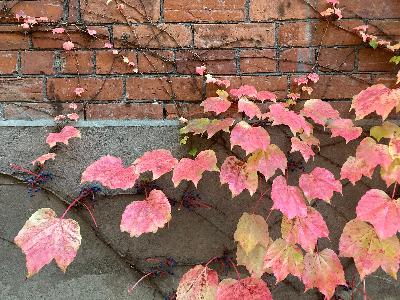
In this episode . . .A frost narrowly avoided. Changing leaves, and beautiful Boston ivy. The local woodchip and leaf economy. Some cutting back (but mostly not). Surprise radishes. Cold frames and improvised low tunnels. Native seed sitting. Bulb planting tips. And a goodbye, or maybe a see you later.Otherwise this week, I’m . . .Savouring: The colours of the leaves and their crunch underfoot.Tending: Cutting back diseased plants, planting spring bulbs, digging up and dividing dahlias.Harvesting: Parsley, sage, kale, chard, green onions.I said it in the podcast, but I’ll say it again: if you have feedback on this experiment, this season, I’d love to hear it. I’m not sure if Gardening Out Loud has a future, but feedback from devoted listeners will help determine that. And the episodes will nevertheless remain online if you need a dose of the growing season during the winter. Thanks, from the bottom of my heart, for your attention this season. xoJen This is a public episode. If you would like to discuss this with other subscribers or get access to bonus episodes, visit gardeningoutloud.substack.com
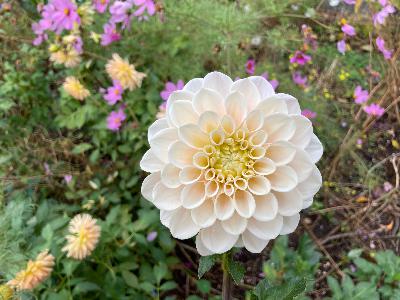
In this episode . . .Return of the juncos. Winter’s call to rest. Harvesting bean seeds. Late season harvests. The beauty of stolen yard waste. My compost cycle. Starting new beds. Specific plant varieties mentioned: Coyote tomato, Gem marigold series, Silver Years dahlia, Lakeview Peach Fuzz dahlia, Be a part of Gardening Out Loud!It’s as easy as recording a voice memo on your phone. Record your name, where you live, and then describe a moment in the garden or in nature that mattered to you this year. Send them to gardeningoutloud@substack.com. This is a public episode. If you would like to discuss this with other subscribers or get access to bonus episodes, visit gardeningoutloud.substack.com
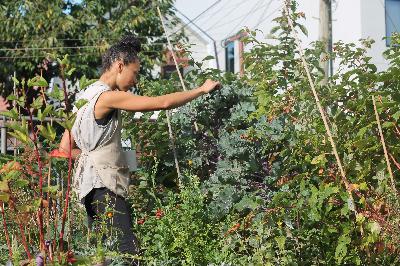
Welcome back to another guest episode. This time I headed northwest on my bike up to the home of Mikael Walter-Campbell, the owner and maker at Sage & Thistle Handmade Goods, where she makes all kinds of wonderful soaps, infused oils, masks, soaks, and more. I wanted to see the garden that provides many of the botanicals for her products and learn more about what she grows for skincare and how it makes the transition from plant to finished product. Along the way we also talk about the importance of having something to nurture, gardening with kids, gardening in community, making mistakes, and cultivating an aesthetic that’s just a little bit wild. If you’d like to learn more about Mikael and Sage & Thistle, check out her website and her Instagram, or drop by her shop at 2A Rogers Rd. in Toronto. This is a public episode. If you would like to discuss this with other subscribers or get access to bonus episodes, visit gardeningoutloud.substack.com
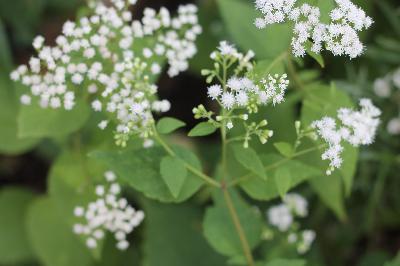
In this episode . . .Retreat recovery. The beauty (and practicality) of asters and goldenrod. Time to label dahlias and move or divide perennials. Specific plant varieties mentioned: White snakeroot, large-leaved aster, wood aster, cardinal flower, bonesetBe a part of Gardening Out Loud!It’s as easy as recording a voice memo on your phone. Record your name, where you live, and then describe a moment in the garden or in nature that mattered to you this year. Send them to gardeningoutloud@substack.com. This is a public episode. If you would like to discuss this with other subscribers or get access to bonus episodes, visit gardeningoutloud.substack.com
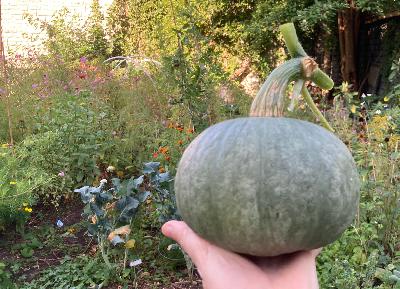
In this episode . . .Shift in the seasons. Time to top tomatoes. A minor squash victory. Focus on ripening he fruits you have. Compost bin fungi and other surprises. Gardening as act of faith.Specific plant varieties mentioned: Blue Kuri squash, Cosmos Apricot LemonadeBe a part of Gardening Out Loud!It’s as easy as recording a voice memo on your phone. Record your name, where you live, and then describe a moment in the garden or in nature that mattered to you this year. Send them to gardeningoutloud@substack.com. This is a public episode. If you would like to discuss this with other subscribers or get access to bonus episodes, visit gardeningoutloud.substack.com
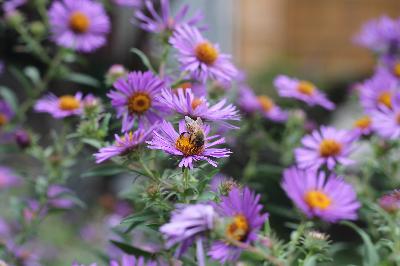
In this episode . . .A tree full of birds. Tuning in by slowing down. The delights (and practicality) of the New England aster. Guest appearance by a marauding squirrel. This is a public episode. If you would like to discuss this with other subscribers or get access to bonus episodes, visit gardeningoutloud.substack.com
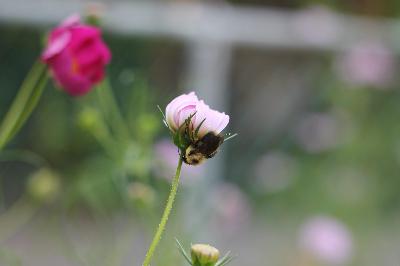
In this episode . . .In praise of Canada goldenrod. Strategies for savouring summer. A magical harvest dinner. Saving cosmos, nasturtium, and calendula seeds. My squirrels love honeynut squash. A taste of the tropics with ground cherries. This is a public episode. If you would like to discuss this with other subscribers or get access to bonus episodes, visit gardeningoutloud.substack.com
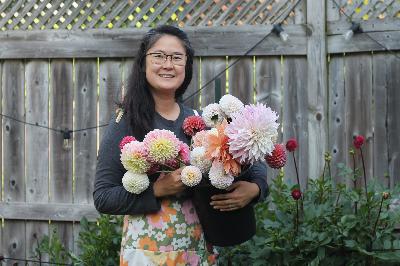
Most of Gardening Out Loud focuses on gardeners, but in Toronto there are a few ingenious folks farming in people’s gardens. Sylvia Cheng of Growing Tkaronto Floristry is one of those people growing gorgeous blooms on borrowed land, creating little pockets of abundance beside busy city streets.I came to Sylvia for her perspective on farming in gardens, working with landowners, and, of course, growing beautiful dahlias. On a beautiful late summer day, we checked out her home plot, one growing in the neighbour’s backyard, and hopped our bikes to visit a front yard dahlia plot just exploding with colour.Tune in to learn a bit about some challenges of urban floristry, tips for healthy dahlias, and why growing local flowers matters. If you’d like to learn more about Sylvia and Growing Tkaronto, check out her website and her Instagram. I hope you enjoyed this little peek into urban flower farming and have a new understanding of why some of why local bouquets have higher price tags. This is a public episode. If you would like to discuss this with other subscribers or get access to bonus episodes, visit gardeningoutloud.substack.com
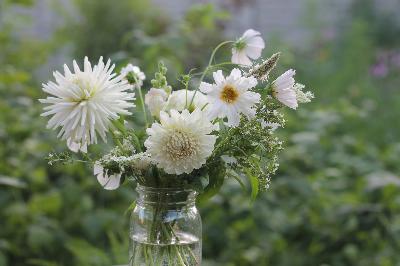
In this episode . . .On embracing creativity as an adult and finding flow state. A tour of all the plants and flowers I use in arrangements. Basic tips for bouquets and arrangements. The benefits of growing your own cut flowers. The book that taught me so much about arranging seasonal flowers: A Year in Flowers by Erin Benzakein. I get my spring bulbs from Flowerbulbsrus. (Not sponsored.) Specific plant varieties mentioned: Black Knight scabiosa, Costa Silver snapdragons, Black Prince snapdragons, Little Lime hydrangea, cosmos Apricot Lemonade, cosmos Snow Puff, ninebark Diablo, geranium Rose of Attar. This is a public episode. If you would like to discuss this with other subscribers or get access to bonus episodes, visit gardeningoutloud.substack.com
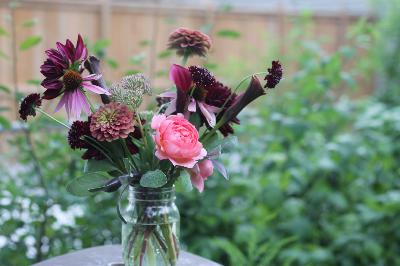
In this episode . . .A passionfruit-scented rose. Tomatoes, beans, cukes. The squash plants persevere. Sprouting broccoli lessons. Planters are not litterboxes (and yet . . .) Surprise cucamelons continue. Attack of the 11-foot tomato plant. Some container successes. Specific seed varieties mentioned: Purple Peacock pole beans, Blue Lake pole beans, dahlia Hollyhill Black Beauty, dahlia Lakeview Peach Fuzz, dahlia Karras 150, cosmos Apricot Lemonade, ninebark Diablo, Aspabroc sprouting broccoli, Mesclun mix, Duke blueberry, geranium Attar of Roses, Coyote tomato, Fall Gold raspberries. The ruffled tomato in the container I couldn’t remember is called Costoluto Fiorentino. This is a public episode. If you would like to discuss this with other subscribers or get access to bonus episodes, visit gardeningoutloud.substack.com
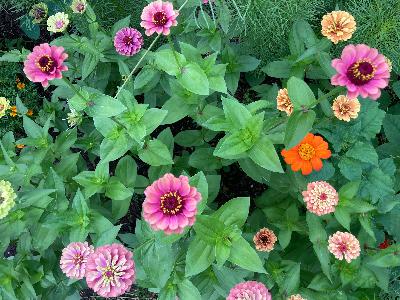
In this episode . . .Cultivating awe. Visits from cardinals and teen robins. Updates from the zinnia and the dahlia patch. Garden time moves differently.Specific seed varieties from this episode: dahlia Hollyhill Black Beauty. Queen Lime zinnia series.If you want to learn more about awe, check out the interviews I mentioned with Dacher Kaltner: On Being and How We Live Now. You can also read Keltner’s new book, Awe: The New Science of Everyday. And let me know what brings little doses of awe to your life. This is a public episode. If you would like to discuss this with other subscribers or get access to bonus episodes, visit gardeningoutloud.substack.com
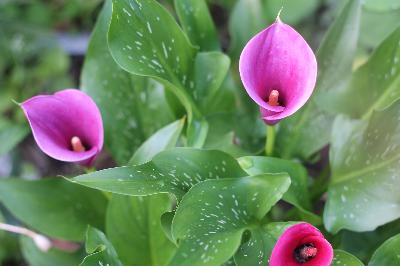
In this episode . . .A calla lily experiment. The resilience of mouse melons. All hail the 2023 garlic harvest. First tomato. Dahlias and tomatoes are here. Plus: zinnias! Beans! Cucumbers! Specific seed varieties from this episode: dragon’s tongue bush beans, Cosmonaut Volkov tomatoes, Piccolo cucumbers, Eleonora basil, tulsi (holy basil), dahlia Lakeview Peach Fuzz, snowpuff cosmos. This is a public episode. If you would like to discuss this with other subscribers or get access to bonus episodes, visit gardeningoutloud.substack.com
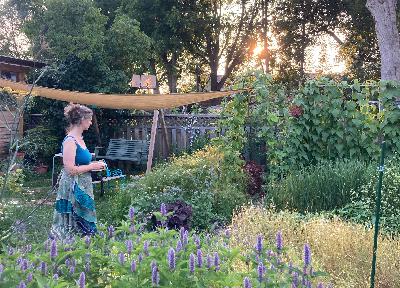
Another guest episode! Last year, as part of Urban Agriculture Week in Toronto, I visited Maria Solakofski’s garden in East York, and I found myself signing up for a workshop just so I could return days later. Listen in and I think you’ll get a sense of why. Maria is an herbalist and educator growing a wildly abundant garden according to permaculture principles. She sells tisanes, skincare, and other herbal products, and runs workshops and a mentorship program out of her East York yard.You’ll find this episode runs a bit longer than the other guest episodes, because we covered three gardens — and if you like listening as much as I liked being there, I don’t want to cut it short. Tune in to learn a bit about permaculture, but also unique berries, growing in containers, soil amendment, and cooperating with wildlife. The episode also feature’s the pod’s first-ever groundhog guest. If you’d like to learn more about Maria and her garden, check out her website, Wild by Nature, to learn more about her offerings. I hope you enjoyed soaking in her knowledge and enthusiasm, and you too always remember her prompt to enjoy something you don’t strictly need: “But wouldn’t it be nice?” Lastly, I can’t seem to record a guest podcast without an audio problem (🤦♀️) and you’ll find the last three minutes with Maria are a bit of a shambles because it seems my new mic didn’t connect and you were getting raw phone audio. I encourage you to keep listening though — those are some of the most vital minutes of the conversation. One day I’ll crack this audio thing, I swear. Listening to my intro this morning, I thought maybe it’s making me sound like a robot, so my mic search may continue. Thank you for your grace as I stumble my way through. At a certain point, you’ll also hear some rambunctious play from a nearby yard, because that’s just life in the city. This is a public episode. If you would like to discuss this with other subscribers or get access to bonus episodes, visit gardeningoutloud.substack.com
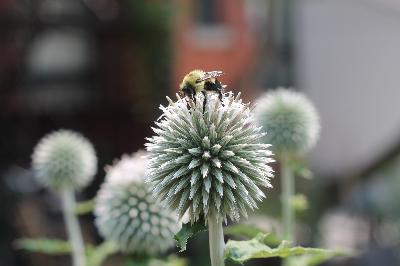
In this episode . . . After the rain (cue Jim Cuddy). Why I’m done with comfrey tea even if it’s not done with me. Milkweed multiplies. Collecting kale seed. Surprise mouse melons. More edible “weeds” and surprise appearances. A special guest monarch. First zinnia (Queen Lime Blush). Leaf thievery and its many uses. This is a public episode. If you would like to discuss this with other subscribers or get access to bonus episodes, visit gardeningoutloud.substack.com
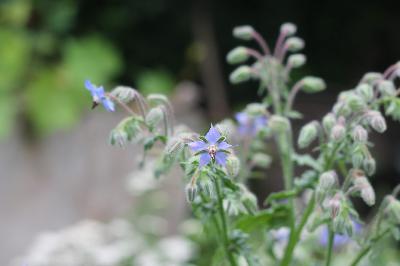
In this episode . . .The great fence drama of 2023, and why a chain-link fence can be a wonderful thing. First strawflowers and blueberries. Borage abounds. Pinching dahlias. A return to broccoli.Gardens I visited last weekend: Artemesia Daylilies and Fiddlehead Nursery — they’re just down the road from each other. This is a public episode. If you would like to discuss this with other subscribers or get access to bonus episodes, visit gardeningoutloud.substack.com
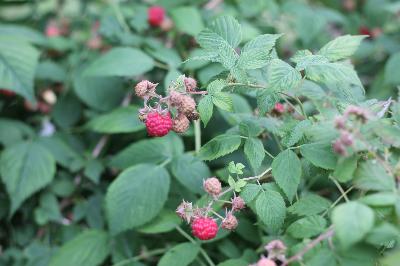
In this episode . . .Snapdragons and poppies in their prime. Serviceberry mystery solved? Revelling in raspberries. On growing friendship. Mulberries as economy of abundance. If you’re in Toronto and have a fruit tree you’d like harvested, or would like to help harvest other people’s trees, sign up for Not Far from the Tree. Similar groups also exist in cities all over the world. This is a public episode. If you would like to discuss this with other subscribers or get access to bonus episodes, visit gardeningoutloud.substack.com

Comments

Download from Google Play

Download from App Store
 United States