


 Claim Ownership
The Essential Coaching Skills Podcast
Subscribed: 28Played: 569
Subscribe

© 2026 Copyright 2026 All rights reserved.
Description
Listen to our coaching podcast for expert advice, personal development insights, and success stories. Explore NLP and hypnosis topics.
211 Episodes
Reverse

The questions you ask determine what your mind focuses on—and that focus shapes your emotional state, your decisions, and ultimately your life. In this episode of the Essential Coaching Skills Podcast, Doug O’Brien explores the power of questions in coaching and personal transformation. Drawing from NLP, Tony Robbins’ work, and practical coaching experience, Doug explains how intentional questions can shift emotional states, improve problem solving, and help clients move from reactivity to empowerment. You’ll also learn Tony Robbins’ Morning Questions and Problem-Solving Questions, simple tools that can dramatically change how you approach challenges and opportunities. 00:01 – Introduction: The Power of Questions 00:29 – Questions in Coaching and NLP 01:28 – The “Imperative Question” Concept Leslie Cameron Bandler’s idea that each person carries a core question that influences their choices and behavior. 03:54 – Focus Determines State Why the questions we ask control our focus—and how focus directly affects our emotional state. 05:22 – Tony Robbins’ Morning Questions Doug introduces Tony Robbins’ structured morning questions for shaping mindset and emotional state. 07:14 – Why Questions Work Better Than Affirmations 08:50 – The Three-Step Happiness Question 18:11 – Better Questions for Difficult Situations 19:32 – The Five Problem-Solving Questions 24:09 – A Marathon Training Story 26:59 – Coaching Story: Shifting Depression with Questions A coaching story illustrating how powerful questions can shift emotional state quickly. ----------------------------------- BECOME AN EXTRAORDINARY COACH!JOIN THE MEMBERSHIP NOW & Get My Six-Week Storytelling Course LIVE. https://www.essentialcoachingskills.com/membership-aug2025 JOIN 3K+ READERS ON THE WEEKLY ESSENTIAL COACHING SKILLS NEWSLETTER: https://www.essentialcoachingskills.com/newsletters/the-essential-coaching-skills-newsletter NEED DOUG AS YOUR COACH? BOOK HERE: https://www.essentialcoachingskills.com/coaching CONNECT ON LINKEDIN: https://www.linkedin.com/in/dougobrien/
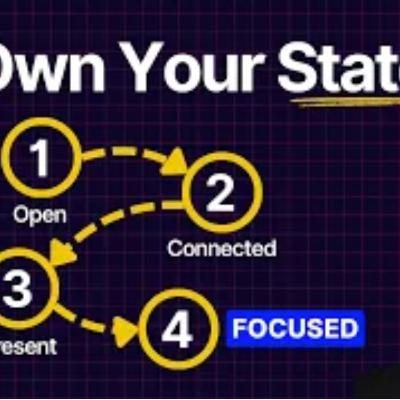
Have you ever walked into a situation completely 'on' — clear, connected, in control — and wondered why you can't access that every time? You can. And it's simpler than you think. In this episode, NLP Master Trainer and Ericksonian coach Doug O'Brien teaches one of the most essential and practical NLP tools in existence: the Circle of Excellence. It's a body-mind anchoring technique that lets you choose your emotional state — and access it on demand — for any situation. Because you are not at the mercy of your circumstances. That person who "makes you mad" doesn't make you anything. You do. And once you understand that, you can change everything. 🔗 LINKS & RESOURCES 📚 The User's Guide to Storytelling (book + bonus class): https://www.essentialcoachingskills.com/users-guide-to-storytelling 🎓 Essential Coaching Skills Membership: https://www.essentialcoachingskills.com/membership-aug2025 🌐 Website: https://www.essentialcoachingskills.com 📧 Newsletter: https://www.essentialcoachingskills.com/newsletters/the-essential-coaching-skills-newsletter 🎙️ ABOUT DOUG O'BRIEN Doug O'Brien is an NLP Master Trainer, Ericksonian Hypnotherapist, and coach with over 35 years of experience. Certified by Tony Robbins and endorsed by Richard Bandler and Robert Dilts. He teaches coaches, therapists, and practitioners how to create lasting behavior change through NLP, Ericksonian hypnosis, storytelling, and nervous system-aligned coaching. 0:00 Why your state determines everything you do 0:34 The body-mind connection: we are one organism 1:04 Why circumstances don't control your emotions — you do 2:04 The traveling salesman and the fake lottery win 4:52 What Tony Robbins got right (and what to watch out for) 5:21 Peak state isn't always firewalk state 6:18 The Circle of Excellence: what it is and how it works 7:46 Body posture exercise: stand like you're depressed (then don't) 9:38 Motion equals emotion — the Tony Robbins principle 10:06 The Botox study: why you can't feel what your face can't mirror 12:24 How to anchor a state using color and memory 13:20 Real example: anchoring anger for punk rock, love for ballads 14:18 How to pick the right color and emotion for your circle 16:36 Step-by-step: entering, feeling, and breaking the state 17:06 Live demo: anchoring the coaching state (open and connected) 20:08 How to fire the anchor instantly without thinking 20:38 Choosing the right state for the right situation 21:37 You are in charge of your state 22:08 Closing: take control, stop letting circumstances lead ----------------------------------- BECOME AN EXTRAORDINARY COACH!JOIN THE MEMBERSHIP NOW & Get My Six-Week Storytelling Course LIVE. https://www.essentialcoachingskills.com/membership-aug2025 JOIN 3K+ READERS ON THE WEEKLY ESSENTIAL COACHING SKILLS NEWSLETTER: https://www.essentialcoachingskills.com/newsletters/the-essential-coaching-skills-newsletter NEED DOUG AS YOUR COACH? BOOK HERE: https://www.essentialcoachingskills.com/coaching CONNECT ON LINKEDIN: https://www.linkedin.com/in/dougobrien/

You're not broken. You're not lazy. You're probably using the wrong structure. In this episode, NLP Master Trainer and Ericksonian coach Doug O'Brien shares the EASE Method — a four-level system for building habits that actually stick without willpower, burnout, or shame spirals. EASE stands for: Easy → Acceptable → Stretch → Extraordinary You'll hear the story of a college violinist whose teacher gave him one simple instruction that changed everything: "If you can't practice, just take the violin out of its case and sit with it on your lap for five minutes."That's it. And it works — not just for music, but for fitness, writing, business-building, and any long-term goal that keeps falling apart. 0:00 Why massive action burns people out 0:21 Introducing the EASE Method 0:49 The pattern: start strong, then collapse 1:17 You're not broken — it's the structure 1:45 The story of the brilliant violinist 3:13 The teacher's secret: just 5 minutes 4:11 Newton's First Law and why you stay on the couch 5:10 Newton's Second Law: a body in motion 6:09 How to get a couch potato off the couch 6:39 The one-to-one ratio: practice and progress 8:20 What Tony Robbins taught Doug — and what was missing 9:18 Why firewalk motivation doesn't last at home 11:10 EASE explained: Easy, Acceptable, Stretch, Extraordinary 12:07 Real client example: the gym-door strategy 13:37 The extraordinary goal as your carrot 14:28 Doug's marathon story: running to Boston 17:50 The acceptable level: what to do on hard days 19:19 Meeting Stu Mittleman: the 1,000-mile world record holder 21:26 How daily action shifts your identity 22:23 When EASE is NOT the right tool 23:21 Taxes, deadlines, and when to light a fire 23:50 Closing: design change vs. forcing change 25:16 How to work with Doug ----------------------------------- BECOME AN EXTRAORDINARY COACH!JOIN THE MEMBERSHIP NOW & Get My Six-Week Storytelling Course LIVE. https://www.essentialcoachingskills.com/membership-aug2025 JOIN 3K+ READERS ON THE WEEKLY ESSENTIAL COACHING SKILLS NEWSLETTER: https://www.essentialcoachingskills.com/newsletters/the-essential-coaching-skills-newsletter NEED DOUG AS YOUR COACH? BOOK HERE: https://www.essentialcoachingskills.com/coaching CONNECT ON LINKEDIN: https://www.linkedin.com/in/dougobrien/

Storytelling is not a performance skill. It is a transformation skill. If you coach, practice NLP, hypnosis, or therapeutic conversation, this episode will deepen your craft. 00:01 – Storytelling Is Not a Soft Skill 00:54 – We Learn from Experience 02:48 – Common Human Struggles How universal themes make stories relatable and powerful. 03:17 – Isomorphic Metaphor Explained 04:46 – Identity-Level Coaching 06:12 – Changing the Inner Hero 06:40 – One Story, Many Meanings 08:02 – Coaching Without Templates 08:57 – The Harry Murphy Story 11:24 – Discovery Over Directive 12:51 – The Realization Pattern 15:32 – Storytelling as an Essential Coaching Skill Why this belongs at the center of coaching mastery. ----------------------------------- BECOME AN EXTRAORDINARY COACH! JOIN THE MEMBERSHIP NOW & Get My Six-Week Storytelling Course LIVE. https://www.essentialcoachingskills.com/membership-aug2025 JOIN 3K+ READERS ON THE WEEKLY ESSENTIAL COACHING SKILLS NEWSLETTER: https://www.essentialcoachingskills.com/newsletters/the-essential-coaching-skills-newsletter NEED DOUG AS YOUR COACH? BOOK HERE: https://www.essentialcoachingskills.com/coaching -----------------------------------
Most people try to change by trying harder. They use willpower, discipline, and effort to push themselves toward the life they want. It works for a while. Then something starts to resist. In this episode, I talk about why sustainable change rarely comes from effort, and why it works much better when your life is designed so you don’t have to fight yourself.
Get coached by Doug: https://www.essentialcoachingskills.com/coaching
**00:01 – Sustainable change vs. effort-based change** Why lasting change is a design issue, not a discipline issue. **00:18 – What willpower-based change looks like** New Year’s resolutions, late-night habits, and short-lived control. **00:48 – Why effort feels like progress** How culture rewards pushing harder while people quietly burn out. **01:15 – Peak states and short-term success** Firewalks, motivation spikes, and why intensity doesn’t scale. **01:44 – The problem with relying on peak performance** Why success usually takes longer than a burst of motivation. **02:13 – Why you need better design, not more drive** How systems reduce friction and remove the need for force. **02:42 – Willpower is a finite resource** Why suppression and self-monitoring aren’t sustainable strategies. **03:11 – The system eventually rebels** Burnout, self-criticism, and fatigue disguised as laziness. **03:41 – Dan Millman’s three selves** The basic self, conscious self, and higher self explained. **04:10 – The seven-year-old inside you** Why parts of us don’t understand delayed gratification. **04:38 – What happens when suppression fails** Tantrums, binges, and biological rebellion. **05:07 – The real cost of willpower** Loss of trust, joy, creativity, and nervous system safety. **05:41 – Designing systems that remove friction** Why consistency should feel easier, not harder. **06:09 – Life as a night owl musician** A personal story about rhythm, identity, and transition. **07:07 – Becoming a morning runner** Why change was hard until the system changed. **08:03 – Nighttime guy vs. morning guy** Internal conflict and how Doug resolved it. **08:32 – Removing decision-making entirely** Laying out running gear as a behavioral system. **09:02 – The firehouse metaphor** Why systems must run without thinking. **09:32 – The E-Myth explained simply** Entrepreneurs vs. overworked technicians. **10:52 – Joe’s Garage and system failure** Why talent alone creates exhaustion without structure. **11:20 – What real entrepreneurship actually is** Designing repeatable systems that work without willpower. **12:49 – McDonald’s as a systems model** Why consistency beats motivation. **13:03 – Why systems replace willpower** How ease creates momentum. **13:31 – Identity replaces discipline** “I’m a runner” vs. “I should run.” **13:59 – Easy, acceptable, and extraordinary** A compassionate framework for consistency. **14:57 – Showing up counts** Why even 100 yards reinforces identity. **15:27 – Who you are determines what you do** Behavior follows identity, not effort. **15:56 – The invitation to reflect** Where are you forcing what could be redesigned? **16:25 – Willpower as wisdom** Why needing willpower is a signal, not a failure. **17:05 – Sustainable change requires alignment** Doug’s core coaching philosophy in practice. **17:35 – Closing and invitation** Why better design makes life easier.
Get coached by Doug: https://www.essentialcoachingskills.com/coaching
Your nervous system is always checking to make sure things are safe. It's number one job is to keep you alive. Sometimes new patterns that are needed for success can feel scary or unsafe. You may find that subconscious sabotage takes place. A good coach is able to deal with this and find a remedy. Here I give you some options.
https://www.essentialcoachingskills.com/coaching **00:07 – Why good plans still fail** Great roadmaps break down when energy and follow-through disappear. **01:03 – Dopamine and the planning trap** Why planning feels rewarding and execution feels like a slog. **01:33 – The marathon metaphor** Why long-term goals lose momentum without emotional reward. **02:32 – Why coaching matters** Coaching helps people stay plugged in when motivation fades. **02:45 – The nervous system always votes** Safety determines whether action continues or stops. **03:01 – Why change triggers avoidance** New goals feel unsafe to the body, even when they feel exciting mentally. **04:58 – Regulation through physical practice** Running, movement, and daily routines as nervous system regulation. **05:56 – Meditation, hypnosis, and self-regulation** Daily practices that stabilize emotional and mental state. **06:21 – Entering coach state intentionally** Why Doug prepares his nervous system before every session. **07:20 – Hypnosis and performance anxiety** Early exposure to hypnosis through music performance training. **08:18 – Gradual exposure and safety training** How visualization retrains the nervous system step by step. **09:37 – Safety as the foundation of success** Why the body must feel safe before progress can happen. **10:35 – NLP and the Circle of Excellence** Using anchoring to access optimal emotional states. **11:59 – Choosing the right peak state** Peak calm can be more powerful than peak intensity. **12:27 – The Cloud Technique** Releasing emotional overwhelm and choosing a better state. **13:53 – Plans without state alignment fail** Why cognition alone cannot sustain change. **14:52 – Accessing internal resources** Coaching helps clients reconnect with what they already have. **15:22 – Beliefs, meaning, and emotional response** How reframing meaning restores safety and confidence. **16:19 – Benjamin Franklin’s virtue practice** A weekly method for living values consistently. **17:07 – Integration and closing thoughts** Congruence creates momentum across all systems. If you want to deepen your coaching skills and learn how to work with state, nervous system alignment, NLP, and hypnosis in real conversations, explore Doug’s training programs at: https://www.essentialcoachingskills.com/coaching
Essential Coaching Skills Podcast
👉 Explore Doug’s coaching and training programs - https://www.essentialcoachingskills.c... 👉 Or work with Doug directly to get unstuck and move forward - https://www.essentialcoachingskills.c... 00:00 — Why smart people get stuck Doug explains why capable and intelligent people still struggle to take action. *01:01* — The perfection trap Many people wait until they feel “ready” or “expert” before starting. *01:52* — Being stuck is not a motivation problem Being stuck is not laziness, not lack of discipline, and not lack of intelligence. *02:21* — Insight does not equal change Understanding something does not mean you can do it. *03:13* — The three requirements for real change Cognitive understanding. Behavioral capacity. Emotional readiness. *04:11* — Why willpower fails Willpower works for short bursts. It does not create lasting change. *04:40* — The Chuck Close story How a paralyzed artist kept painting by changing the system instead of relying on inspiration. *09:30* — “Inspiration is for amateurs” Professionals design systems that make action automatic. *10:13* — How to remove thinking from action Doug shares how he made running automatic by laying out his clothes. *11:07* — The firehouse principle When systems are right, action happens without debate. *12:04* — Why knowledge becomes avoidance Some people collect books, seminars, and information instead of taking action. *13:32* — Practice rewires behavior Understanding without practice does nothing. *14:01* — Intrinsic vs extrinsic motivation External accountability can help until habits become automatic. *15:02* — The habit myth It does not take 21 days. It often takes much longer. *15:59* — How habits really form Repetition removes resistance. *16:28* — The flossing example What starts as effort becomes identity. *16:59* — Why accountability works Deadlines and reporting create action. *17:58* — Emotional safety and the nervous system If change does not feel safe, the system resists. *18:28* — NLP and integrating conflicting parts Change happens when inner conflicts are resolved. *19:44* — Old patterns are not broken They exist to protect you. *20:13* — Why willpower collapses Willpower cannot create identity change. *20:43* — Identity is the real goal You become a runner. You become a writer. You become a coach. *21:13* — The EASE process Small wins create momentum. *22:10* — Why “all or nothing” keeps people stuck Tiny actions build real change. *23:38* — There is no failure There is only feedback. *24:03* — Why coaching accelerates change Coaching removes blocks and creates alignment. *24:32* — Doug’s invitation Get coached. Help others get unstuck. If this episode describes you, you do not need more information. Doug works with coaches and individuals to:
Remove internal blocks
Rewire habits
Align identity with action
Make change feel natural
👉 Learn more at https://www.essentialcoachingskills.c... 👉 Explore Doug’s coaching and training programs - https://www.essentialcoachingskills.c... 👉 Or work with Doug directly to get unstuck and move forward - https://www.essentialcoachingskills.c...
How do you know if coaching is actually working? What should a good coaching session feel like? And how can you tell the difference between helpful coaching and coaching that just creates pressure, hype, or dependence? In this episode, Doug O’Brien explains what good coaching really feels like from the client’s side. This is not about techniques, certifications, or motivation. It is about the lived experience of being well-coached. 00:00 – Introduction Doug explains why this episode is about the experience of coaching, not techniques or credentials. 01:30 – What coaching is not Why people confuse coaching with therapy, advice, or motivation. 02:50 – Why most people don’t know what good coaching feels like How the field began and why expectations are often wrong. 03:45 – The core feeling of good coaching Why good coaching feels safe, calm, and unrushed. 04:30 – “You feel met, not managed” Why great coaching feels like being on the same team. 05:00 – Bad coaching vs good coaching (basketball story) The difference between pressure, fear, and real support. 05:50 – Your nervous system should relax in coaching Why good coaching does not feel performative or stressful. 06:00 – How a good coach understands you before you understand yourself Why clarity emerges naturally in great sessions. 06:40 – The running coach story How great coaches adapt to different personalities. 07:50 – What real support feels like Why good coaching gives you what you need, not what’s scripted. 08:20 – Pressure vs healthy structure The difference between stress and supportive accountability. 09:20 – The EASE approach to progress Why success should feel sustainable, not punishing. 10:20 – One quiet benefit of good coaching: less self-judgment How compassion replaces criticism. 11:00 – You should leave coaching with more energy Why good coaching feels light and organizing. 11:40 – Flow state and effortless progress Why coaching should feel natural, not forced. 12:45 – Coaching should increase agency, not dependence Why you should not become reliant on your coach. 14:00 – The real goal of coaching Why eventually, you should not need your coach anymore. 15:20 – How to know if coaching is working for you What to notice in your own experience. 16:00 – Final invitation Why good coaching creates conditions where change feels natural. Good coaching does not push you forward. It creates the conditions where moving forward feels natural. Learn more about Doug’s work at EssentialCoachingSkills.com
Death is one of the most universal experiences—and one of the least discussed. In this powerful conversation, Doug O’Brien speaks with storyteller and end-of-life doula Jim Brulé about what it means to support someone through their final transition. You’ll discover: • what an end-of-life doula actually does • how this work supports families, caregivers, and clients • how coaches can approach mortality with clarity, compassion, and confidence • why listening without agenda is the most powerful skill in end-of-life care • the surprising connection between birth doulas and death doulas • the questions people wish someone would ask them • how to reduce fear by understanding the stages of dying • how Jim’s near-death experience shaped his path • how stories create healing at the end of life If you’re a coach, therapist, chaplain, caregiver, or someone navigating a loved one’s final chapter, this episode offers deep wisdom and grounded guidance. 🔗 Jim’s book: Stories of the Heart 🔗 Doug’s resources: EssentialCoachingSkills.com 00:00 – Introduction Doug introduces storyteller and end-of-life doula Jim Brulé. 00:30 – What Is an End-of-Life Doula? Jim explains the role, the parallels to birth doulas, and how this work supports families and caregivers. 02:41 – How Death Doulas Help Regulatory guidance, emotional support, grief work, and preparation for end-of-life decisions. 04:38 – Pre- and Post-Grief Work Why grief starts long before the moment of death. 05:35 – Is Certification Required? Why end-of-life doula work isn’t regulated and how people enter the profession. 06:33 – Who Chooses This Work? How personal experience with loss inspires many doulas to begin this path. 07:02 – Jim’s Near-Death Experience at Age 10 A powerful moment that shaped his awareness of mortality. 09:01 – Chaplaincy, Trauma, and Spiritual Care Jim’s work in hospitals and how he learned about death doulas. 10:00 – A Day in the Life of an End-of-Life Doula Client types, Zoom work, medical aid in dying, and daily support. 11:27 – The Omega Home Model Caring for dying individuals in small community homes with volunteers. 12:25 – How Doulas and Hospice Work Together Understanding the limitations of hospice and how doulas fill the gaps. 14:19 – Doug’s Personal Hospice Story A candid moment about Doug’s brother’s hospice experience. 15:44 – How End-of-Life Doulas Are Paid How pricing works and why the intention behind compensation matters. 17:14 – Storytelling as a Tool for End-of-Life Work Using stories to open difficult conversations. 20:43 – The Most Important Skill: Deep Listening What people really want to talk about at the end of life. 22:37 – What People Fear Most About Dying Not death itself—but the process of dying. 24:33 – Doug’s Family Story and “Not Talking About Death” How avoidance increases fear. 26:01 – A Story of Meaningful Impact How Jim supported a mother, sister, and young child during a devastating loss. 28:55 – When Should You Bring in a Death Doula? Ideal timing and early conversations. 30:08 – Preparing for a Planned Death A moving story from New Mexico. 32:06 – Why Some People Wait Until They’re Alone to Die The deeper emotional patterns behind “timing.” 33:45 – How This Work Changes Your View of Mortality Time becomes precious. Relationships become central. 35:12 – The Most Important Truth About Dying Death is natural—and understanding it reduces fear. 36:32 – How to Start End-of-Life Conversations With Loved Ones Practical openings to meaningful dialogue. 38:15 – Doug’s Own Journey With Death Anxiety Panic, fear, and finding peace through wisdom traditions. 40:13 – The Odds of Being Alive A reflection on the miracle of existence. 40:43 – Jim’s Book: Stories of the Heart Stories about mortality from cultures around the world. 41:48 – Closing and Links https://storiesoftheheartbook.com https://transformationalstorytelling.org #EndOfLifeDoula #DeathDoula #HospiceCare #GriefSupport #CoachingSkills #StorytellingForHealing #Mortality #EndOfLifeCare #DyingWithDignity #EssentialCoachingSkills
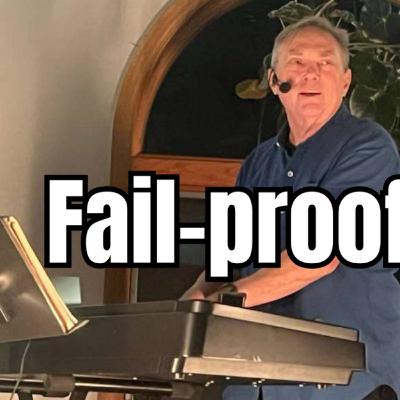
Storytelling is not a talent. Storytelling is a skill anyone can learn and master. In this presentation from the Woodstock Story Festival, Doug O’Brien breaks down the craft of storytelling using music, performance, and real teaching examples. This video shows how stories work, why structure matters, and how great storytellers keep audiences listening. You will learn what makes a story powerful, why conflict is essential, how voice and timing change impact, and how stories connect people. Doug also demonstrates how music reveals the same structure that lives inside great narrative storytelling. This session also includes a special bonus. Doug created a six-week online storytelling course that comes free when you purchase his book. Any format applies. Hardcover. Kindle. PDF. The access code is included at the back of the book. 00:27 – Why This Training Exists Doug explains his background in teaching hypnosis, NLP, Havening, Sleight of Mouth, and piano, and how it led to building a six-week storytelling course (available free with the book). 01:26 – How to Access the Complete Storytelling Course Details on how purchasing the book unlocks the full six-session online course. 01:39 – Opening of the Live Woodstock Presentation Doug begins the live session by showing how everyone is a storyteller and why storytelling is a universal human skill. 02:26 – Not All Storytellers Start Skilled Doug demonstrates that storytelling, like music, can be learned with practice—not talent alone. 03:33 – Storytelling Through Music Doug uses piano to show how performance and storytelling follow similar development paths. 05:01 – What Makes a Story a Story Doug defines key elements of storytelling: events, goals, challenge, and transformation. 07:06 – The Hero’s Journey & Emotional Transformation Doug explains how separation, struggle, trials, and return shape compelling stories, referencing Joseph Campbell. 08:42 – Music Theory as Story Theory Mozart’s sonata becomes a metaphor for building tension, leaving “home,” and returning transformed. 10:14 – Discomfort Creates Movement Why dissonance in music is the same as conflict in narrative—and why both are needed to keep audiences engaged. 13:05 – Freytag’s Pyramid Introduction to classical story structure: exposition, rising action, climax, falling action, and resolution. 15:10 – The Universal Story Form A structure used by modern storytellers and Broadway performers: setup, long rising action, irreversible dilemma, sharp climax, and fast resolution. 16:28 – Example: The Wizard of Oz Doug breaks down why The Wizard of Oz is a perfect example of the Universal Story structure. 19:18 – Why Stories Need Conflict The emotional and structural necessity of challenges, tension, and stakes. 21:06 – The Big Mistake New Storytellers Make Beginners overexplain everything—Doug shows how brevity and rhythm keep stories moving. 22:53 – Why Tonality and Delivery Matter In communication, tone and body language carry more meaning than words alone. 26:01 – How Humans Read Emotion Doug shares research showing how people subconsciously mirror facial expressions—essential for live storytelling. 27:38 – Two Ways Music Teachers Communicate Emotion Doug shares contrasting lessons from two piano professors—one rigid and one expressive—and why true mastery blends both. 30:28 – Rhythm, Timing, and the Pause How pacing, silence, and emphasis shape comedic timing and narrative emotional power. 35:01 – How Musicians Create Emphasis Without Volume Doug demonstrates rhythmic accents and timing applied to both piano and spoken storytelling. 37:11 – The John Cage Lesson: Listening to Silence Doug recounts the history of Cage’s 4’33" and the insight that emotional presence matters. 39:01 – Storytelling Has No Fourth Wall Live storytelling is not scripting—it is connection, vulnerability, and shared emotional space. 41:34 – What Chopin Teaches About Momentum Doug performs Chopin to demonstrate emotional pacing, phrasing, and narrative flow without words. 49:57 – Full Performance Live performance of Chopin with human connection, emotion, and storytelling at the instrument. 52:19 – Final Thoughts & Call to Action Doug closes the episode with thanks and encouragement to explore more at EssentialCoachingSkills.com. ### 🎁 Free Course Get Doug’s complete six-week online storytelling course free with the purchase of “The User’s Guide to Storytelling.” Details and enrollment instructions are inside the book. https://www.essentialcoachingskills.com/users-guide-to-storytelling ### 👇 If you enjoyed this video Like the video. Subscribe to the channel. Share it with a fellow speaker, coach, trainer, musician, or storyteller. #Storytelling #PublicSpeaking #DougOBrien #CoachingSkills #CommunicationSkills #HeroJourney #StoryStructure #PresentationSkills #WoodstockStoryFestival #Havening #PodcastHost #PersonalDevelopment #SkillBuilding
Tony Burgess could be accurately described in many ways. He is a trainer, coach, therapist and firewalk instructor. He's an author and a professional speaker. He is a husband and a parent. And the description he likes best, which applies to all of these roles, is that he is a 'human treasure hunter'. He sees the unique treasure in everyone he meets and, when invited, helps unearth these priceless gifts with all the tools at his disposal.
What if changing your thoughts could change your life? In this episode of *The Essential Coaching Skills Podcast*, Doug O’Brien sits down with **Tony Burgess** — trainer, coach, therapist, and author of *Beliefs: And How to Change Them for Good* and *Pink Bucket Thinking.*
Tony shares the story behind his “Pink Bucket Thinking” model — a simple yet powerful framework for separating helpful from unhelpful thoughts — and explores how *belief change*, *informational havening*, and *self-awareness* can transform both personal and professional growth.
Together, Doug and Tony dive into the neuroscience of thought, how to use curiosity and language to reframe limiting beliefs, and why sometimes the best change work starts with giving yourself permission to *do it imperfectly*.
*** You can feel free to download free pdf versions of the two books Tony mentions! ****
Beliefs and How to Change Them … For Good! https://www.aha-success.co.uk/beliefs-book/
Pink Bucket Thinking https://www.pinkbucketthinking.co.uk/the-book/
0:00 – Introduction: Doug welcomes Tony Burgess 0:30 – Who is Tony Burgess? “The Human Treasure Hunter” 2:10 – How Doug met Tony through Havening 4:00 – Finding balance in life and work 5:00 – DISC Profiling explained: understanding people through behavioral filters 8:30 – Keeping things simple in coaching and writing 9:40 – The origin of Informational Havening 11:00 – The What-If Pattern for belief change 13:00 – Turning “What if it goes wrong?” into “What if it goes right?” 15:15 – Combining Havening with NLP and Sleight of Mouth 17:00 – The birth of *Pink Bucket Thinking* 18:30 – Sorting helpful vs unhelpful thoughts 21:00 – Using buckets as a tool for awareness 23:20 – How to shift thoughts between “unhelpful” and “helpful” 25:00 – The power of neutrality: “It just is.” 27:50 – Why awareness precedes transformation 29:40 – Practicing Pink Bucket Thinking in daily life 33:30 – Using it in families, teams, and organizations 35:30 – The art of self-responsibility: response-ability 38:30 – Ownership vs blame in change work 40:00 – Pink Bucket Thinking in action: community and Uganda project 43:00 – Co-authoring with Julie French
**Tony Burgess** Trainer, Coach, Therapist, Author
📘 *Beliefs and How to Change Them for Good*
📗 *Pink Bucket Thinking*
🌐 [aha-success.co.uk](https://aha-success.co.uk)
Listen to more episodes**Visit [EssentialCoachingSkills.com](https://essentialcoachingskills.com) coaching skills, NLP techniques, belief change, havening techniques, informational havening, sleight of mouth, Tony Burgess, Doug O’Brien podcast, pink bucket thinking, mindset shift, personal development, self awareness, coaching psychology, disc profiling, nlp coaching, emotional intelligence, cognitive reframing, the essential coaching skills podcast, nlp for coaches, healing through belief change, nlp practitioner #EssentialCoachingSkills #DougOBrien #TonyBurgess #PinkBucketThinking #BeliefChange #NLP #Havening #MindsetShift #LifeCoaching #PersonalDevelopment #SleightOfMouth #NeuroscienceOfChange #SelfAwareness

What if basketball was reimagined to include everyone — not just the tall? In this thought-provoking and hilarious conversation, Doug O’Brien sits down with his brother Tim O’Brien to explore an unconventional idea: creating a height budget for basketball.
They dive into:
🏀 How height bias shapes sports and opportunity ⚖️ The “total height budget” concept that could make basketball more inclusive
🧠 What this says about how we structure competition and fairness in life 💡 How this parallels modeling excellence in NLP — and what coaches can learn from it It’s a light-hearted yet deeply insightful talk on innovation, fairness, and thinking differently.
0:00 Introduction – Basketball and brotherly rivalry
1:00 Why height matters more than skill in modern basketball
3:00 The idea: integrating basketball by height 5:00 Explaining the “total height budget”
7:00 How teams could balance tall and short players
9:00 Real-world examples from the NBA and high school sports
11:00 What coaches can learn about fairness and innovation
13:00 Modeling athletic excellence – the NLP connection
15:00 The value of diversity in skill and size
17:00 Closing thoughts – opening up the game to everyone
To read an artilce on this subject by Dr. Tim O'Brien, go here: https://ericksonian.com/height-budget-for-bball-by-e-timothy-obrien-phd
👉 essentialcoachingskills.com #NBA #BasketballPodcast #DougOBrien #EssentialCoachingSkills #BasketballInnovation #HeightBudget #SportsMindset #NLPForCoaches #PerformanceCoaching #MindsetMatters

Kevin Allison is the creator and host of the hit podcast, RISK!, which has been where people tell true stories they never thought they’d dare to share for 16 years. Kevin is also the founder and lead instructor of The Story Studio, a storytelling school which offers classes and corporate workshops around the world and online.
He is the editor of the book adaptation of RISK!, published by Hachette Books in 2018. As an actor, writer and comedian, Kevin began his career as a founding member of the legendary sketch comedy group, The State, whose cult classic show aired on MTV from 1993-96. More recently, Kevin has appeared in shows such as Flight of the Conchords, High Maintenance, Cobra Kai, and the films Alma and the Wolf and I'll Take the Hamm.
On Twitter and Instagram, I'm at TheKevinAllison and RISK! is at RISKshow.
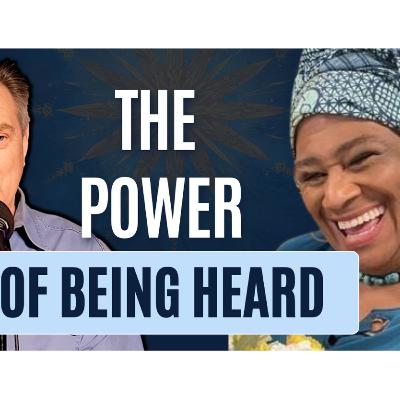
Denise Manning Keyes Page began storytelling when a dear friend in her last months of living with ALS urged her to do so. Denise excavated a story she had written about her mother’s family, edited it and shared it at a community story event. She did so to honor two people she loved. Her mother deceased at the time and her friend. Her friend delighted in the feedback and encouraged Denise to keep telling. Ms. Page is convinced this entry into the art of storytelling ignited a passion within her because it began in so much love. That was 2019. She tells stories to heal, challenge, inspire, inform and connect.
She is also founder of Ubuntu Storytellers and “Women Tell by the Decades” with Jen Munro. She is currently working on a trilogy “Legacy of A Wealthy Slave” … a headline from the New York Times that references her great – great- grandfather. He patented an invention in 1866, and with its resultant revenue sent two sons to Yale University.
www.ubuntustorytellers.com
www.denisekeyestells.com
Lewis Mehl-Madrona, MD, graduated from Stanford University School of Medicine and trained in family medicine, psychiatry, and clinical psychology. He completed his residencies at the University of Vermont College of Medicine. He has been on the faculties of several medical schools, most recently as associate clinical professor of family medicine at the University of New England. He has worked with Indigenous communities to explore how to bring their culture and healing traditions into health care. He is interested in what Indigenous cultures and practices can bring to contemporary medicine and psychology. Barbara Mainguy holds multiple degrees, including a Master’s in Creative Arts Psychotherapy and an M.S.W. from the University of Maine. She is a psychotherapist at Cornerstone Behavioral Health in Bangor, Maine. With a strong background as an artist and a psychotherapist, she specializes in working with individuals diagnosed with psychosis, chronic pain, and exploring the connection between art and healing. Barbara is certified in hypnosis and has taught for several organizations, including the American Psychiatric Association. She has authored numerous papers and co-wrote the book Remapping Your Mind. Currently, she is finishing her M.F.A. in documentary filmmaking. Discover more at https://www.coyote-institute.org/ COME to the Woodstock Story Festival 2025 October 24, 25, 26 @woodstockstoryfestival and #woodstockstoryfestival

Shelley Stockwell-Nicholas, PhD., is a renowned hypnotherapist, author of over 25 books, and President of the International Hypnosis Federation. A member of the International Hypnosis Hall of Fame, she has dedicated her life to helping individuals master their own mindset for greater health, happiness, and success. As a trainer and dynamic media personality, Dr. Stockwell-Nicholas brings decades of experience and wisdom to every conversation. www.hypnosisfederation.com
WOODSTOCK STORY FESTIVAL #woodstockstoryfestival
Full Festival (3 days): $195 general / $125 seniors & students
Single day tickets: Friday $45 | Saturday $105 | Sunday $75
Get tickets here: https://woodstockstoryfestival.com/tickets/
Mountain View Studio20 Mountainview Ave, Woodstock, NY 12498
Source:: https://woodstockstoryfestival.com/

In this week’s episode of the *Essential Coaching Skills Podcast*, Doug O’Brien sits down with transformational storyteller **Jim Brulé**, whose life’s work weaves stories from around the world into paths for healing, spiritual growth, and transformation.
@woodstockstoryfestival and #woodstockstoryfestival
From Ericksonian hypnosis to AI, healthcare, and his role as a **death doula**, Jim has lived many stories of his own—and now teaches others how to tell stories that awaken, heal, and connect.
Together, Doug and Jim explore: * Why transformational storytelling is about **questions, not answers**. * The difference between *telling a story* and *writing one down*. * How Jim’s work as a **death doula** uses story to help people and families navigate grief. * Ancient tales like **Madam Whitesnake**, Jewish folktales, and myths of healing monsters. * The importance of lineage, source, and permission in storytelling.
* What to expect at the upcoming **Woodstock Storytelling Festival** (October 2025).
Plus, Jim shares a powerful Jewish folktale about a thief-turned-fake-rabbi who discovers the transformative power of authentic prayer. This is a conversation about the heart of storytelling—not just performance, but presence, healing, and compassion. 00:00 – Welcome & intro to Jim Brulé, transformational storyteller 02:06 – Woodstock Storytelling Festival & global storytelling traditions 04:57 – From therapist & AI pioneer to spiritual storyteller 07:16 – Ordained as a Jewish storyteller & teaching worldwide 08:15 – Why transformational storytelling opens questions, not answers 11:01 – Death doula work & using stories at end of life 16:19 – Strong women & “healing monsters” as storytelling themes 22:05 – Ghost story: a gift from a dead sister 23:29 – The story of Yitzhak, the incompetent thief turned rabbi 42:02 – How to connect with Jim + Woodstock Storytelling Festival details **Resources & Links:** *
Jim Brulé: [TransformationalStorytelling.org](https://transformationalstorytelling.org) | [jimbrule@gmail.com](mailto:jimbrule@gmail.com) *
His book *Stories of the Heart* (with colleague in Spain) * Woodstock Storytelling Festival: [woodstockstoryfestival.com](https://woodstockstoryfestival.com) * Essential Coaching Skills Podcast: [essentialcoachingskills.com](http://essentialcoachingskills.com) Jim Brulé is a transformational storyteller, death doula, teacher, and mentor, drawing on a unique background that encompasses advanced degrees in both clinical psychology and artificial intelligence. For the past seven years, he has directed Transformational Storytelling, an online school accredited by the National Storytelling Network. This global community trains spiritual storytellers from diverse traditions to craft narratives that inspire healing and foster spiritual growth. Co-authored with Rebecca Lemaire, his book 'Stories of the Heart' presents 18 global tales for navigating life and death. https://StoriesOfTheHeartBook.com/ He is the founder of Transformational Storytelling Community, a 501(c)(3) devoted to using storytelling with communities to heal wounds and build new resilience - and resistance. You can learn more about his current project at https://transformationalstorycommunity.org/a-new-story-for-syracuse/ Jim is the recipient of the 2025 Oracle Regional Service & Leadership Award (Northeast Region), and participated in setting the Guinness World Record for the longest continuous oral storytelling at the 2025 Marrakech International Storytelling Festival. Jim's classes, workshops, and communities embody his dedication to multicultural wisdom, grounded in the belief that true abundance arises from interconnected generosity and gratitude. You can learn more here: https://TransformationalStorytelling.org/
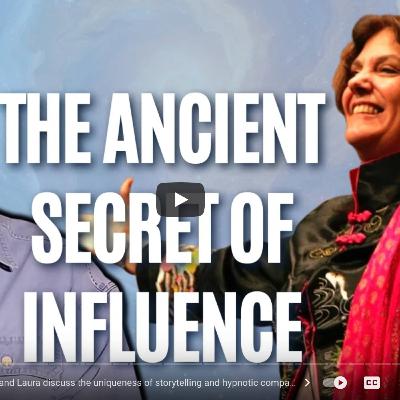
LAURA SIMMS is an internationally acclaimed storyteller, writer, and educator, advocating engaged storytelling as compassionate action for personal and community transformation. In these unprecedented times of Covid, climate change and increased aggression, she offers in-depth classes coaching, and powerful performances of stories that address the most pressing issues of our times with dignity, and joy. https://www.laurasimms.com/


Comments

Download from Google Play

Download from App Store
 United States