


 Claim Ownership
Equine Assisted World with Rupert Isaacson
Subscribed: 20Played: 571
Subscribe

© Horse Boy LLC
Description
Here on Equine Assisted World. We look at the cutting edge and the best practices currently being developed and, established in the equine assisted field. This can be psychological, this can be neuropsych, this can be physical, this can be all of the conditions that human beings have that these lovely equines, these beautiful horses that we work with, help us with.
Your Host is New York Times bestselling author Rupert Isaacson. Long time human rights activist, Rupert helped a group of Bushmen in the Kalahari fight for their ancestral lands. He's probably best known for his autism advocacy work following the publication of his bestselling book "The Horse Boy" and "The Long Ride Home" where he tells the story of finding healing for his autistic son. Subsequently he founded New Trails Learning Systems an approach for addressing neuro-psychiatric conditions through horses, movement and nature. The methods are now used around the world in therapeutic riding program, therapy offices and schools for special needs and neuro-typical children.
You can find details of all our programs and shows on www.RupertIsaacson.com.
Your Host is New York Times bestselling author Rupert Isaacson. Long time human rights activist, Rupert helped a group of Bushmen in the Kalahari fight for their ancestral lands. He's probably best known for his autism advocacy work following the publication of his bestselling book "The Horse Boy" and "The Long Ride Home" where he tells the story of finding healing for his autistic son. Subsequently he founded New Trails Learning Systems an approach for addressing neuro-psychiatric conditions through horses, movement and nature. The methods are now used around the world in therapeutic riding program, therapy offices and schools for special needs and neuro-typical children.
You can find details of all our programs and shows on www.RupertIsaacson.com.
45 Episodes
Reverse
In this episode of Equine Assisted World, Rupert Isaacson speaks with Suzie Latchford, founder of Heal With Horses in Ontario, Canada — a long‑running equine‑assisted program working with autistic children, families, and communities in a demanding four‑season climate.Suzie shares how Heal With Horses grew organically over more than fifteen years, often without a clear roadmap, and what that growth revealed about sustainability, invisible structure, horse welfare, staff leadership, and practitioner wellbeing. What begins as a conversation about weather and logistics becomes a deeply honest exploration of burnout, menopause, identity, delegation, and the hidden costs of purpose‑driven work.Rather than presenting easy answers, this episode offers lived experience from someone who has stayed in the work long enough to feel its strain — and to find ways through it. From following the child and respecting nature‑led limits, to building mobile animal programs and planning for succession, Suzie reflects on what it really takes to keep equine‑assisted work ethical, human, and sustainable over decades.If you want to support the show, you can do so at Patreon: https://www.patreon.com/LongRideHome🔍 What You’ll Learn in This EpisodeHow following the child builds communication and trust before any therapeutic goals are imposedWhy nature‑based limits — weather, seasons, and animals — can support regulation better than rigid schedulesWhat invisible structure looks like in real equine‑assisted programs, and why it mattersHow long‑term practitioners experience burnout, including emotional, physical, and hormonal factorsWhy delegation, staff leadership, and succession planning are essential for program survivalHow mobile animal programs extend equine‑assisted work into seniors’ homes, schools, and community spacesWhat sustainable horse welfare looks like in cold climates through herd living and 24/7 turnout🎤 Memorable Moments from the Episode[00:01:40] Suzie reflects on the unplanned beginnings of Heal With Horses and how Horse Boy Method shaped her early direction[00:06:53] Navigating winter cancellations, financial strain, and client expectations in extreme Canadian weather[00:16:26] A clear, lived example of “following the child” through imagination, animals, and choice[00:32:37] Suzie speaks candidly about burnout, depression, and losing joy in work she once loved[00:40:00] An open discussion about menopause, identity loss, and rebuilding self‑trust[00:50:00] How stepping back allowed younger staff to step up — and why delegation matters[01:25:24] The mobile animal program: bringing pigs, goats, and bunnies into nursing homes and universities[01:41:00] Redefining success beyond money, productivity, and traditional metrics📚 Contact, Projects, and Resources MentionedHeal With Horses (Canada) https://healwithhorses.caHorse Boy Method, Movement Method & Takhin Equine Integration https://ntls.coLong Ride Home / Rupert Isaacson https://rupertisaacson.com🌍 Follow UsLong Ride Home https://longridehome.com https://facebook.com/longridehome.lrh https://instagram.com/longridehome_lrh https://youtube.com/@longridehomeNew Trails Learning Systems https://ntls.co https://facebook.com/horseboyworld https://instagram.com/horseboyworld https://youtube.com/newtrailslearningsystems📊 Affiliate DisclosureLinks to books and products may include affiliate tracking. We may earn a commission if you make a purchase, at no extra cost to you. Thank you for supporting the show.
In this episode, Rupert Isaacson speaks with Celisse Barrett — a practitioner whose work blends equine‑assisted therapy, movement‑based regulation, and full‑scale equestrian spectacle. From trick riding, vaulting, and Roman riding to using these same performance skills day‑to‑day with clients, Celisse shows how horses become partners in confidence‑building, trauma recovery, coordination, and empowerment.Rather than separating therapy from performance, Celisse explains how showmanship, rhythm, choreography, and playful challenge help clients — including neurodivergent and special‑needs riders — access balance, focus, and self‑belief. The conversation moves through her personal journey, her training roots, her safety framework, and the way she shapes a space where horses and humans learn together.If you want to support the show, you can do so at Patreon: https://www.patreon.com/LongRideHome🔍 What You’ll Learn in This Episode• How Celisse integrates trick riding, vaulting, Roman riding, and performance skills into therapeutic work• Why movement, choreography, and physical challenge help clients regulate and build confidence• How she creates a safety culture that allows playful risk without compromising wellbeing• The role of rhythm, balance, and co‑movement in trauma recovery• How horses teach authenticity and emotional truth in both performance and therapy• Ways Celisse adapts her show‑based techniques to different personalities and needs• What long‑term practice has taught her about sustainability, joy, and preventing practitioner burnout• How equestrian spectacle can become a tool for empowerment, identity, and belonging🎤 Memorable Moments from the Episode• [00:03:00] Celisse describes the first time she realized trick‑riding skills could help a client regulate and connect.• [00:10:00] A young rider discovers unexpected confidence through a simple performance‑style exercise.• [00:25:00] Rupert and Celisse talk about balancing "spectacle" with safety — and why fun, when done right, is protective.• [00:36:00] Breaking down how movement and balance training with a young horse transfers directly into client work.• [00:50:00] Celisse explains how co‑movement and rhythm help clients rebuild trust in their own bodies.• [01:20:00] A discussion about choreography, creativity, and how Roman riding principles translate into real therapeutic outcomes.• [01:36:00] How performance‑style exercises unlock emotional breakthroughs in riders who struggle with traditional approaches.📚 Contact, Projects, Thinkers, and Ideas Mentioned• Equestrian Chaos: https://www.equestrianchaos.com https://www.instagram.com/equestrianchaos/?hl=enhttps://www.facebook.com/EquestrianChaos/• Horse Boy Method, Movement Method & Takhin Equine Integration – https://ntls.co• Long Ride Home – https://longridehome.com • Rupert’s Programs and Shows: https://rupertisaacson.com📲 Follow UsLong Ride HomeWebsite: https://longridehome.comFacebook: https://facebook.com/longridehome.lrhInstagram: https://instagram.com/longridehome_lrhYouTube: https://youtube.com/@longridehomeNew Trails Learning SystemsWebsite: https://ntls.coFacebook: https://facebook.com/horseboyworldInstagram: https://instagram.com/horseboyworldYouTube: https://youtube.com/newtrailslearningsystems📊 Affiliate DisclosureLinks to books and products may include affiliate tracking. We may earn a commission if you make a purchase, at no extra cost to you. Thank you for supporting the show.
✨ “Fun is the foundation of transformation. Once people laugh, anything becomes possible.” – Troy Shaw✨ “Clichés are cliches because they’re true – when you make horses healthier and happier, you make humans healthier and happier, too.” – Rupert IsaacsonWhat happens when a corporate manager swaps the boardroom for the barn? In this heartwarming episode, Rupert Isaacson speaks with Troy Shaw, co-director of New Leaf Triangle in Leicestershire, UK — a thriving equine-assisted education and therapy center that grew from one family’s leap of faith into a nationally respected program. Alongside his wife Lorraine, Troy left behind the security of a corporate job to create a place where play, laughter, and horses transform lives.Troy shares the story of how New Leaf Triangle began in 2014 with just a few students and a handful of horses, and how it evolved into a multi-site program supporting young people with autism, emotional challenges, and special educational needs. From fun and dress-up sessions that unlock neuroplasticity to serious discussions about risk, horse welfare, and staff training, this episode explores how joy and rigor can coexist in equine-assisted work.If you’ve ever wondered how to make a sustainable living doing meaningful work with horses, or how to bring more fun and authenticity into your sessions, this conversation is for you.If you want to support the show, you can do so at Patreon: https://www.patreon.com/LongRideHome🔍 What You’ll Learn in This Episode:• How Troy and Lorraine Shaw left corporate life to build New Leaf Triangle from scratch ([00:03:00])• The power of fun, silliness, and play in equine-assisted learning ([00:32:00])• How to gain credibility and funding through professionalism and paperwork ([00:17:00])• Why risk, laughter, and resilience are essential parts of therapy ([01:03:00])• How to build horses that are confident, bombproof, and emotionally balanced ([00:50:00])• The importance of matching horse and human personalities ([00:54:00])• What makes a great equine-assisted staff culture – and how to train it ([00:43:00])• The value of authenticity and humor in building resilience ([01:27:00])• How to grow an equine-assisted business without losing joy ([01:52:00])🎤 Memorable Moments from the Episode:• Rupert and Troy reminisce about the night New Leaf Triangle was born over dinner in Soho ([00:24:00])• The family who rediscovered communication through laughter on horseback ([00:11:00])• Why leading with laughter creates safety and connection ([00:33:00])• How dressing up as pirates, cowboys, or highwaymen becomes real therapy ([01:14:00])• Troy’s candid reflections on leaving behind a pension for purpose ([00:09:00])• The horses that teach emotional intelligence – and the humans who learn from them ([00:55:00])📚 Contact, Projects, Thinkers, and Ideas Mentioned:• New Leaf Triangle – https://newleaftriangle.co.uk• Lorraine and Troy Shaw – Co-directors, New Leaf Triangle• Horse Boy Method, Movement Method & Takhin Equine Integration – https://ntls.co🌍 See All of Rupert’s Programs and Shows:Website: https://rupertisaacson.com📲 Follow Us:Long Ride HomeWebsite: https://longridehome.comFacebook: https://facebook.com/longridehome.lrhInstagram: https://instagram.com/longridehome_lrhYouTube: https://youtube.com/@longridehomeNew Trails Learning SystemsWebsite: https://ntls.coFacebook: https://facebook.com/horseboyworldInstagram: https://instagram.com/horseboyworldYouTube: https://youtube.com/newtrailslearningsystems📊 Affiliate Disclosure:Links to books and products may include affiliate tracking. We may earn a commission if you make a purchase, at no extra cost to you. Thank you for supporting the show.
What happens when curiosity meets compassion and data meets horsemanship? In this inspiring episode, Rupert Isaacson speaks with Dr. Pebbles Turbeville, CEO of the Horses and Humans Research Foundation (HHRF) — an organization that funds groundbreaking studies proving the power of horse-human interactions. For nearly two decades, HHRF has legitimized and advanced the field of equine-assisted services through rigorous, peer-reviewed research, helping programs worldwide access funding and credibility.Pebbles shares the foundation's origins, from founder Molly Sweeney's question of how horses help humans to the global network of researchers and practitioners now carrying that torch. Together, she and Rupert explore the science behind equine-assisted therapy, innovative studies linking brain scans to equine activity, and the growing focus on equine well-being — because healing must go both ways.If you’re in the equine-assisted world, this episode is your guide to the data, ethics, and compassion shaping the future of our field.If you want to support the show, you can do so at Patreon: https://www.patreon.com/LongRideHome✨ “When we make horses healthier and happier, we make humans healthier and happier, too.” – Dr. Pebbles Turbeville✨ “Research legitimizes what we do. It helps the world see that playing with ponies is powerful medicine.” – Rupert Isaacson🔍 What You’ll Learn in This Episode:How Horses and Humans Research Foundation began — and the story of founder Molly Sweeney ([00:03:00])How HHRF’s Shark Tank-style grant process ensures integrity and safety in research ([00:08:00])The challenges of funding equine-assisted research and why quality control matters ([00:10:00])Highlights of HHRF-funded studies, including brain mapping in therapeutic riding ([00:27:00])How horses’ well-being is now central to research — and what the Five Domains model means ([00:34:00])Why fitness, enrichment, and emotional health matter for therapy horses ([00:38:00])How HHRF bridges research and real-world application through free webinars ([00:45:00])The organization’s upcoming conference and equine well-being initiatives ([00:47:00])Innovative grants focused solely on equine welfare ([00:50:00])The role of emotional intelligence and kindness in both horse and human learning ([01:05:00])How collaboration, not competition, will shape the future of the equine-assisted world ([01:25:00])🎤 Memorable Moments from the Episode:The volunteer who changed everything: how one woman’s curiosity built a global research movement ([00:03:00])Pebbles on the irony of how hard it is to give away money – and what makes a great grant applicant ([00:10:00])The first study to measure both human and horse brain activity ([00:27:00])How understanding horse behavior and enrichment prevents burnout and aggression ([00:36:00])The power of the Five Domains: nutrition, environment, health, behavior, and mental state ([00:34:00])Rupert’s reflection on how emotional control and empathy are rooted in horsemanship ([01:06:00])Why interdisciplinary collaboration is the key to advancing the whole field ([01:25:00])📚 Contact, Projects, Thinkers, and Ideas Mentioned:Horses and Humans Research Foundation (HHRF) – https://horsesandhumans.orgDr. Pebbles Turbeville – CEO, Horses and Humans Research FoundationDr. Molly Sweeney – Founder, HHRFDr. Steven Peters – Keynote Speaker, HHRF Conference 2026Dr. Helen Sharp – Research collaborator and educatorDr. Beth Lanning, Baylor University – Neuroscience-based equine studiesChristina Wilkins – Equitation Science & Five Domains CourseSquare Peg Foundation – https://www.squarepegfoundation.orgHorse Boy Method, Movement Method & Takhin Equine Integration – https://ntls.co🌍 See All of Rupert’s Programs and Shows: Website: https://rupertisaacson.com📲 Follow Us:Long Ride HomeWebsite: https://longridehome.comFacebook: https://facebook.com/longridehome.lrhInstagram: https://instagram.com/longridehome_lrhYouTube: https://youtube.com/@longridehomeNew Trails Learning SystemsWebsite: https://ntls.coFacebook: https://facebook.com/horseboyworldInstagram: https://instagram.com/horseboyworldYouTube: https://youtube.com/newtrailslearningsystems📊 Affiliate Disclosure: Links to books and products may include affiliate tracking. We may earn a commission if you make a purchase, at no extra cost to you. Thank you for supporting the show.
What happens when autism transforms not just a child’s life, but an entire family’s purpose? In this heartwarming episode of Equine Assisted World, Rupert Isaacson speaks with Monique and Cees Jan Timmermans from the Netherlands about their son Stan’s remarkable journey — from dolphin therapy in Curaçao to finding peace and communication through horses.Monique, founder of InKompassie, shares how her family’s experience with autism inspired her to build a holistic equine-assisted practice that helps other families find balance, regulation, and hope. Together with her husband Ian, she reflects on the lessons they’ve learned about parenting, partnership, and letting go of expectations while embracing the beauty of the present moment.From dolphins to horses, deep pressure to patience, and family dynamics to neuroplasticity — this episode explores how compassion, movement, and nature can rewire both brain and heart.If you want to support the show, you can do so at Patreon: https://www.patreon.com/LongRideHome✨ “When you look with compassion — at your child, your partner, and yourself — healing begins.” – Monique Timmermans✨ “Stu does things when he is ready. You can’t push it; you just have to recognize the moment.” – Ian Timmermans🔍 What You’ll Learn in This Episode:How dolphin therapy unlocked communication and calm for Stan ([00:18:00])The sensory connection between body awareness, regulation, and emotion ([00:06:00])Why involving the whole family is key to successful equine-assisted sessions ([00:05:15])The origins and meaning behind Monique’s practice name, InKompassie ([00:11:25])How horses help children with autism reconnect with their bodies and emotions ([01:01:00])Teaching academic skills like math and reading through movement and horses ([01:04:00])The neuroscience behind movement, nature, and neuroplasticity ([00:42:00])How Monique helps parents find regulation and perspective through horses ([00:59:00])Lessons from 20 years of parenting: acceptance, patience, and unconditional love ([01:20:00])🎙️ Memorable Moments:Stan’s breakthrough moments during dolphin therapy in Curaçao ([00:19:00])Discovering that compassion begins with the self — after a hospital scare ([00:12:00])Watching Stan find peace and joy with horses at home ([00:45:00])How Monique’s practice evolved from personal healing to community support ([00:48:00])“When everyone was like Stan, it would be a beautiful world.” – Monique ([01:37:02])Ian on balance, respect, and partnership in parenting a special needs child ([01:22:15])The importance of letting go of expectations and embracing what is ([01:34:19])📚 Contact, Projects & Resources Mentioned: Monique Timmermans – InKompassie (Equine-Assisted Practice, Netherlands) – https://inkompassie.nl Dolphin Therapy Center – Curaçao Dolphin Therapy & Research Center (CDTC) Temple Grandin – Author, Autism Advocate Horse Boy Method Horse Boy Method, Movement Method & Takhin Equine Integration – https://ntls.co🌍 See All of Rupert’s Programs and Shows: Website: https://rupertisaacson.com📲 Follow Us: Long Ride HomeWebsite: https://longridehome.comFacebook: https://facebook.com/longridehome.lrhInstagram: https://instagram.com/longridehome_lrhYouTube: https://youtube.com/@longridehomeNew Trails Learning SystemsWebsite: https://ntls.coFacebook: https://facebook.com/horseboyworldInstagram: https://instagram.com/horseboyworldYouTube: https://youtube.com/newtrailslearningsystems📊 Affiliate Disclosure: Links to books and products may include affiliate tracking. We may earn a commission if you make a purchase, at no extra cost to you. Thank you for supporting the show.
When most people think of the Thoroughbred industry, they picture racing, speed, and high stakes. But what happens to these horses after the finish line? And could their intelligence, courage, and sensitivity make them perfect partners in equine-assisted work?✨ “It’s a win-win situation for the equine-assisted world and for the Thoroughbred world — an opportunity to give back to society in a meaningful way.” – Suzi Pritchard-Jones✨ “Any living creature is made up of energy. Unless you can express that energy, it gets bottled up and becomes destructive.” – Suzi Pritchard-JonesIn this compelling episode, Rupert Isaacson speaks with Suzi Pritchard-Jones — a breeder and advocate working to bridge the gap between the racing world and the equine-assisted community. Suzi shares her vision for a more humane future for Thoroughbreds, both during their careers and beyond, where welfare, horsemanship, and second careers in therapy and education take center stage.From Ireland to Florida to the UK, Suzi is pushing for change within an industry often misunderstood and criticized, championing transparency, accountability, and empathy for one of the world’s most athletic and misunderstood breeds. Together, she and Rupert explore how Thoroughbreds — once the engine of civilization — can once again serve humanity through healing, learning, and connection.If you want to support the show, you can do so at Patreon: https://www.patreon.com/LongRideHome🔍 What You’ll Learn in This Episode:Why Thoroughbreds deserve a second chance — and how their traits suit equine-assisted work ([00:06:00])The evolution of the racing industry — from owner-breeders to syndicates — and how that affects welfare today ([00:18:00])How misconceptions about “hot” Thoroughbreds persist, and what really defines their temperament ([00:22:00])How better horsemanship could transform the racing world ([00:28:00])Inside prison programs using retired racehorses to teach empathy and responsibility ([00:39:00])Creating unity between equine-assisted practitioners and the racing establishment to secure funding and respect ([01:00:00])How the in-hand Takhin method can help retrain racehorses and improve balance, confidence, and soundness ([01:17:00])Rediscovering the origins of the Thoroughbred — from the Barley Turk to modern breeding concerns ([01:23:00])Why equine-assisted practitioners must explain the science behind their work to earn support ([01:42:00])How the Newmarket Pony Academy and Autism & Racing initiatives are paving the way for social change ([01:45:00])🎙️ Memorable Moments from the Episode:Suzi recalls growing up riding out racehorses in Ireland and learning trust over dominance ([00:05:00])The lightbulb moment: seeing Thoroughbreds used in therapy for veterans at Ville, France ([00:15:00])The evolution of the racing industry and its changing relationship with welfare ([00:18:00])How better horsemanship and “crazy time” for horses can prevent frustration and burnout ([00:28:00])Thoroughbreds and prisons: how touch, empathy, and hope transform both horses and inmates ([00:40:00])Creating transparency and accountability in racing welfare programs ([00:48:00])The challenge of funding and uniting the equine-assisted field ([01:00:00])How the in-hand Takhin method builds balance, confidence, and soundness in ex-racehorses ([01:17:00])Rediscovering the origins of the Thoroughbred — from the Barley Turk to modern breeding concerns ([01:23:00])The Newmarket Pony Academy and Autism & Racing initiatives leading social change ([01:45:00])📚 Contact, Projects, Thinkers, and Ideas Mentioned:Suzi Pritchard-Jones – Author of Barley: The Thoroughbred’s Ticking Time Bomb: https://amzn.to/492f7DdInternational Forum for the Aftercare of Racehorses (IFAR) – https://www.internationalracehorseaftercare.comThoroughbred Retirement Foundation – https://www.trfinc.orgThoroughbred Aftercare Alliance – https://www.thoroughbredaftercare.orgHorseback UK – https://www.horseback.org.ukSquare Peg Foundation – https://www.squarepegfoundation.orgNewmarket Pony Academy – British Racing School, UKAutism & Racing – Initiative founded by Bobby Beavers, UKHorse Boy Method, Movement Method & Takhin Equine Integration – https://ntls.co🌍 See All of Rupert’s Programs and Shows: Website: https://rupertisaacson.com📲 Follow Us:Long Ride HomeWebsite: https://longridehome.comFacebook: https://facebook.com/longridehome.lrhInstagram: https://instagram.com/longridehome_lrhYouTube: https://youtube.com/@longridehomeNew Trails Learning SystemsWebsite: https://ntls.coFacebook: https://facebook.com/horseboyworldInstagram: https://instagram.com/horseboyworldYouTube: https://youtube.com/newtrailslearningsystems📊 Affiliate Disclosure:Links to books and products may include affiliate tracking. We may earn a commission if you make a purchase, at no extra cost to you. Thank you for supporting the show.
When doctors advised abortion after a devastating prenatal diagnosis, Gitti and Henrich Berkhoff chose a different path. Their son Julian was born with spina bifida and hydrocephalus, enduring multiple life-threatening surgeries. Against all odds, Julian not only survived but thrived—becoming a rider, public speaker, and inspiration.Out of this journey, Gitti built one of Germany’s most innovative equine-assisted programs, blending neuroscience, horsemanship, and joy. From wheelchair fox hunting to pillow fights on horseback and even toilet-brush “microphone” interviews, her farm is a living testament to humor, creativity, and resilience.Now, as she and her husband bring equine-assisted therapy to the German parliament, Gitti shares how horses, family, and a belief in joy over suffering reshaped her life—and how they can reshape equine therapy itself.If you want to support the show, you can do so at Patreon: https://www.patreon.com/LongRideHome✨ “If you have something that makes you happy and you share it, then it grows. That gives you energy.” – Gitti Berkhoff✨ “If you are not consciously creating joy, you may be unconsciously creating suffering.” – Rupert Isaacson🔍 What You’ll Learn in This Episode:Choosing life: why Gitti and Henrich refused abortion despite grim medical predictions ([00:03:00])Julian’s early years—nine surgeries, brain infections, and the fight for survival ([00:09:00])The role of prayer, resilience, and one unforgettable moment of recognition ([00:14:00])From nurse to horsewoman: how Gitti’s medical background shaped her practice ([00:21:00])Building an “active stable” and preparing horses far beyond typical therapy standards ([00:29:00])Why play, rebellion, and humor matter more than therapy ([00:33:00])Pillow fights, toilet-brush games, and fishing thistles—turning frustration into joy ([00:35:00])Green Care farming: integrating agriculture, nature, and equine work ([00:56:00])Bringing animals into schools after trauma and conflict ([01:05:00])Validation, empathy, and the art of truly believing what children and dementia patients feel ([01:13:00])Taking equine-assisted work to the German parliament with David Doyle ([01:22:00])🎙️ Memorable Moments from the Episode:A doctor cries when baby Julian shows he can recognize faces—proof his brain is working ([00:15:00])Handing her child over for surgery with a fever of 41°C, not knowing if he’d survive ([00:16:20])Discovering Horse Boy Method in 2017 and deciding to go all the way to Texas for training ([00:07:00])Children on horseback “hunting” their parents with toilet brushes full of water ([00:36:00])Turning burdock weeds into an Olympic sport of “fishing” from horseback ([00:41:00])Installing an old toilet in the sandpit to help autistic kids laugh at and overcome toilet fears ([00:43:00])A schoolboy tells Gitti after a farm day: “This was the best day of my life.” ([01:07:00])Preparing to bring equine-assisted programs before the German parliament ([01:23:00])📚 Contact, Projects, Thinkers, and Ideas Mentioned:Gitti Berkhoff – Hof Berkhoff / Green Care Farm Hof Berkhoff: https://greencarefarm.de/David Doyle & Liskennett Farm, Ireland – pioneering government-backed equine-assisted workTemple Grandin – autism advocate and authorThe Horse Boy, The Long Ride Home, and The Healing Land – books by Rupert IsaacsonHorse Boy Method, Movement Method & Takhin Equine Integration – https://ntls.co🌍 See All of Rupert’s Programs and Shows:Website: https://rupertisaacson.com📲 Follow Us:Long Ride HomeWebsite: https://longridehome.comFacebook: https://facebook.com/longridehome.lrhInstagram: https://instagram.com/longridehome_lrhYouTube: https://youtube.com/@longridehomeNew Trails Learning SystemsWebsite: https://ntls.coFacebook: https://facebook.com/horseboyworldInstagram: https://instagram.com/horseboyworldYouTube: https://youtube.com/newtrailslearningsystems📊 Affiliate Disclosure:Links to books and products may include affiliate tracking. We may earn a commission if you make a purchase, at no extra cost to you. Thank you for supporting the show.
From a childhood marked by abandonment in Australia to building a groundbreaking equine-assisted program in New Mexico, Dr. Rebecca Evanko’s story is one of resilience, survival, and transformation. Joined by her husband, physician Dr. Marc Evanko, the two share how their own neurodivergence—autism and ADHD—shaped Wilder Wood Equine Therapy, a program centering female autism and authentic connection with horses.Together they discuss the creation of WRADIANCE©, a new diagnostic tool designed by autistic women for autistic women, and their unique counseling model that blends equine interaction with trauma-informed, neurodivergent-led support.✨ “For the first time, I said to myself: I’m not a problem. I’m autistic. I think differently.” – Dr. Rebecca Evanko✨ “There’s nothing wrong with either operating system—Android or Apple. They both work. It’s just different.” – Dr. Marc EvankoIf you want to support the show, you can do so at Patreon: https://www.patreon.com/LongRideHome🔍 What You’ll Learn in This Episode:Growing up autistic, obsessed with horses, and left alone at 15 in rural Australia ([00:04:00])Surviving homelessness, finding mentors, and building resilience through horses ([00:06:00])Misdiagnosis, masking, and why female autism is so often overlooked ([00:10:00])Meeting Marc, ADHD as both challenge and superpower, and their shared love of horses ([00:21:00])Why true classical dressage informed their horse work at Wilder Wood ([00:27:00])Creating equine therapy and counseling programs rooted in lived autistic experience ([00:48:00])How WRADIANCE© was developed: 900+ narratives from autistic women worldwide ([00:57:00])The limitations of “gold standard” diagnostic tools and why WRADIANCE© is different ([01:00:00])Grief, tribe, and the importance of community for autistic women ([01:17:00])Joy as the opposite of suffering—and the role of horses in bringing it back ([01:53:00])🎙️ Memorable Moments from the Episode:Riding her horse through mist at 2 a.m. as a teen left alone in Queensland ([00:05:00])A kitchen accident leading Rebecca back to horses at age 52 ([00:27:00])Marc’s ADHD metaphor: starting to rake leaves, ending up at Home Depot, forgetting the rake ([00:32:00])Discovering that most autism programs weren’t designed by autistic people ([00:48:00])The “aha” moment: interviews don’t work—written narratives reveal female autism ([00:57:00])Women saying after WRADIANCE©: “I feel so heard. I feel so seen.” ([01:04:00])Why masking makes girls “fly under the radar” until adolescence melts them down ([01:12:00])The concept of learned helplessness vs. finding survival strategies ([01:45:00])Horses as partners in teaching self-reliance, not helplessness ([01:52:00])Rebecca’s memoir Joy—naming what she found on the other side of suffering ([01:53:00])📚 Projects, Thinkers, and Ideas Mentioned:Joy – Memoir by Dr. Rebecca Evanko https://amzn.to/4meH0uPWilder Wood Equine Therapy – https://wilderwoodequinetherapy.orgThe WRADIANCE© Protocol – female autism diagnostic tool in clinical trials https://wilderwoodequinetherapy.org/the-wradiance-instrument-and-protocol/Temple Grandin – Autism advocate, professor, and authorMovement Method & Horse Boy Method – https://ntls.co🌍 See All of Rupert’s Programs and Shows:Website: https://rupertisaacson.com📲 Follow Us:Long Ride Home:Website: https://longridehome.comFacebook: https://facebook.com/longridehome.lrhInstagram: https://instagram.com/longridehome_lrhYouTube: https://youtube.com/@longridehomeNew Trails Learning Systems:Website: https://ntls.coFacebook: https://facebook.com/horseboyworldInstagram: https://instagram.com/horseboyworldYouTube: https://youtube.com/newtrailslearningsystems📊 Affiliate Disclosure:Links to books and products may include affiliate tracking. We may earn a commission if you make a purchase, at no extra cost to you. Thank you for supporting the show.
Episode Title:Guest Introduction:(If you want to support the show, you can do so at Patreon: https://www.patreon.com/LongRideHome)“Being attuned to hesitation is what allows for finding the next step.” – Dr. Mark UrangaIn this episode of Equine Assisted World, Rupert Isaacson is joined by Dr. Mark Uranga, a pediatrician from Boise, Idaho, with deep Basque roots and a lifelong connection to horses and mules. Blending his medical expertise with his equestrian experience, Dr. Uranga explores how resilience, community, and attunement shape both childhood development and equine-assisted practices.From the cultural heritage of the Basque people to the sure-footed wisdom of mules, this conversation dives into what resilience really means, why attunement is vital in pediatrics and horsemanship, and how nature and equines offer healing pathways beyond clinical walls.✨ What You’ll Learn in This Episode:Basque traditions of tribal upbringing and resilience (Starts at 00:05:00)The difference between authoritarian vs. authoritative parenting (Starts at 00:23:00)How attunement with children and horses builds trust (Starts at 00:38:00)Why mules embody persistence, safety, and discernment (Starts at 00:42:00)The role of stubbornness vs. flexibility in human growth and horsemanship (Starts at 00:51:00)The mammalian caregiving system and why nurture drives resilience (Starts at 01:35:00)Why doctors should “prescribe nature” alongside medicine (Starts at 01:46:00)🌟 Memorable Moments from the Episode:“A comfortable child is a more reliable patient.” (00:04:00)On Basque childhood: “An 8-year-old carrying an 8-month-old — that’s resilience in practice.” (00:08:00)“Authoritative parenting provides the framework — without the conflict of authoritarianism.” (00:26:00)The mule’s pause as a model for resilience: “Their sense of self-preservation keeps us safe.” (00:47:00)“Being attuned to hesitation is what allows for finding the next step.” (00:59:00)On magic and awe: “We’re still monkeys on horses, moved by the mystery of it all.” (01:20:00)Why every pediatrician should spend time in nature-based learning environments (01:51:00)🤝 Connect with Dr. Mark Uranga:🎙️ Podcast: The Kid Wrangler (Spotify)📧 Email: theidahokidwrangler@gmail.com🌐 Warm Springs Care Farm (Boise, ID): https://www.warmspringscarefarm.org/🌐 See All of Rupert’s Programs and Shows:Rupert Isaacson: https://rupertisaacson.comEquine-Assisted Programs: https://newtrailslearning.com📲 Follow Us:Long Ride HomeFacebook: https://facebook.com/longridehome.lrhInstagram: https://instagram.com/longridehome_lrhYouTube: https://youtube.com/@longridehomeNew Trails Learning SystemsWebsite: https://ntls.coFacebook: https://facebook.com/horseboyworldInstagram: https://instagram.com/horseboyworldYouTube: https://youtube.com/newtrailslearningsystems🧺 Affiliate Disclosure:Some links may be affiliate links. If you purchase through them, we may receive a commission at no additional cost to you. Thank you for supporting the show!
In this episode of Equine Assisted World, Rupert Isaacson sits down with Dr. Janet Varhus, DVM—a veterinarian whose decades of practice bridge old-school horsemanship, holistic care, and cutting-edge therapies like acupuncture, fascia release, and low-level laser treatment. From endurance riding roots to working alongside Linda Tellington-Jones, Dr. Varhus offers a rare, practical roadmap through the complex world of equine health.Together, they explore ulcers, fascia, posture, contaminated feeds, and how barns can combine tradition with holistic practices to keep therapy horses sound, safe, and thriving.If you want to support the show, you can do so at Patreon: https://www.patreon.com/LongRideHome✨ What You’ll Learn in This Episode:Why posture reveals hidden health issues (Starts at 00:29:00)The role of ulcers in behavior, stress, and performance (Starts at 00:33:00)Glyphosate in grain feeds and what to do about it (Starts at 00:34:00)Herbs and natural remedies for ulcers and liver health (Starts at 00:54:00)Low-level lasers: how they heal nerves, trauma, and chronic injuries (Starts at 00:57:00)Why companionship and enrichment matter as much as feed and shelter (Starts at 01:19:00)The difference between movement, enrichment, and true exercise for horses (Starts at 01:20:00)How to give horses choice, voice, and options for play (Starts at 01:32:00)🌟 Memorable Moments from the Episode:Janet on diagnosing ulcers with acupressure and laser points (00:17:00)Why “I see you” is her starting point with every horse (00:29:57)Why at least half of horses she sees suffer from ulcers (00:33:12)The dangers of glyphosate in grain feeds—and humic acid as a solution (00:37:39)How low-level lasers cut healing time in half for horses, dogs, and even people (01:13:00)Living in a barn with her horses: “They come in for coffee with my husband.” (01:38:06)🤝 Connect with Dr. Janet Varhus, DVM:Email: jvarhusdvm@yahoo.com🌐 See All of Rupert’s Programs and Shows:Rupert Isaacson: https://rupertisaacson.comEquine-Assisted Programs: https://newtrailslearning.com📲 Follow Us:Long Ride HomeFacebook: https://facebook.com/longridehome.lrhInstagram: https://instagram.com/longridehome_lrhYouTube: https://youtube.com/@longridehomeNew Trails Learning SystemsWebsite: https://ntls.coFacebook: https://facebook.com/horseboyworldInstagram: https://instagram.com/horseboyworldYouTube: https://youtube.com/newtrailslearningsystems🧺 Affiliate Disclosure: Some links may be affiliate links. If you purchase through them, we may receive a commission at no additional cost to you. Thank you for supporting the show!
In this essential episode of Equine Assisted World, Rupert Isaacson sits down with Dr. Temple Grandin, one of the world’s most influential voices on autism, sensory processing, and practical approaches to learning and healing. Together, they explore how therapeutic riding centers can do more than just offer horse time—they can create whole environments of sensory safety, meaningful skill-building, and community resilience.Dr. Grandin shares her personal experiences growing up autistic, her early fears and breakthroughs, and the real-life tools that helped her thrive—tools that every equine program can apply. From using turn-taking games to stimulate speech to setting up repair shops and greeter stations to build confidence and career readiness, this episode is a blueprint for any equine-assisted center aiming to have deeper impact. If you want to support the show, you can do so at Patreon: https://www.patreon.com/LongRideHome ✨ What You’ll Learn in This Episode:The Power of Observation & Following the Child (Starts at 01:00)How Rupert adapted Temple's three-step approach to help his nonverbal sonWhy nature and movement are essential for sensory integrationEquine Interaction & Sensory Patterns (Starts at 04:00)The three ways autistic kids respond to animalsWhat PET scans and OTs show about rhythm, balance, and the cerebellumWhy nature and gardens still matter even without horsesEarly Intervention with Church Play & Library Play (Starts at 07:00)Why many children can't afford to be on waitlistsTurn-taking games and imitation as entry pointsHow to tap into local retirees to fill gaps in early interventionTheory of Mind & Naturalistic Learning (Starts at 08:30)Flapping, spinning coins, and making daisy chains as foundational social engagementHow structured tasks lead to intellectual developmentHigh Expectations with Support (Starts at 14:00)Accommodating without overprotecting: ferry horns and dessert rulesWhy selling candy and hosting parties mattered for both Temple and Bill GatesPractical Skills, Tools & Trades (Starts at 20:00)From coat hangers to glue guns: the neuroscience of hands-on learningHow fixing things builds brains and self-worthRebuilding the Workshop Culture (Starts at 28:00)Why shop class should return to therapeutic barnsVisual thinkers vs. math thinkers: all kinds of brains need tactile trainingUsing retired mechanics, carpenters, and engineers as mentorsStructured Responsibility Around the Barn (Starts at 34:00)Real tasks: mucking, grooming, feeding, building stallsHow responsibility leads to confidence and safety awarenessSocial Skills Training through Greeting & Selling (Starts at 43:00)Simulating cookie sales, greeter roles, and party host behaviorControlled exposure to rejection and resilience buildingJob Skills, Routine & Community Integration (Starts at 51:00)Creating modern equivalents of paper routes with local volunteersWhy non-family bosses matter for skill-buildingTap into senior centers to address budget shortfallsThe Cost of Screen Time & the Value of Movement (Starts at 54:00)How too much tech stunts developmentWhat real-world vestibular tasks do for brain growthCognitive, Motor & Emotional Growth Through Challenge (Starts at 59:00)The science behind tool use, play, and heavy workBalancing boards, swings, and walking rails in arenas and homesMedication, Anxiety & Exercise (Starts at 67:00)Temple's 40-year experience with antidepressantsWhy burst exercise helps more than walkingHow low-dose meds plus movement can regulate fear systems🌟 Memorable Moments from the Episode:Temple's method for helping kids tolerate scary noises like vacuum cleaners (01:34:00)How she visualizes responsibility: "Put the lid down and turn the latch." (01:36:22)Why greeting guests at parties was as important as riding horses (01:37:38)Temple's go-to back pain trick: "Look at the ceiling beams." (01:05:00)🤝 Connect with Dr. Temple Grandin: Website: https://www.templegrandin.com Books: Thinking in Pictures, Visual Thinking, The Autistic Brain, and more🌐 See All of Rupert’s Programs and Shows: Rupert Isaacson: https://rupertisaacson.com Equine-Assisted Programs: https://newtrailslearning.com📲 Follow Us: Long Ride HomeFacebook: https://facebook.com/longridehome.lrhInstagram: https://instagram.com/longridehome_lrhYouTube: https://youtube.com/@longridehomeNew Trails Learning SystemsWebsite: https://ntls.coFacebook: https://facebook.com/horseboyworldInstagram: https://instagram.com/horseboyworldYouTube: https://youtube.com/newtrailslearningsystems🧺 Affiliate Disclosure: Some links may be affiliate links. If you purchase through them, we may receive a commission at no additional cost to you. Thank you for supporting the show!
In this inspiring episode of Equine Assisted World, Rupert Isaacson sits down with Melissa Connor, Executive Director of Renew Therapeutic Riding Center in Holland, Michigan. Recorded just weeks after Rupert visited the center, this conversation highlights what it takes to create a truly horse-centered therapeutic program—where equine well-being is as prioritized as human healing.Melissa shares her decades-long journey through the equine-assisted services field, how she shaped a program with excellence in horse care, and the practical systems Renew uses to maintain a thriving herd of 22 horses. From rider conditioning and pasture management to financial sustainability and healthy organizational culture, Melissa offers a rare, transparent view into what truly ethical equine-assisted work looks like behind the scenes. If you want to support the show, you can do so at Patreon: https://www.patreon.com/LongRideHome ✨ What You’ll Learn in This Episode:Creating a Culture of Equine Well-Being (Starts at 01:00)Why therapeutic horses deserve the same quality of care as competition horsesHow listening to horses and honoring their vocation sets the foundationThe importance of movement, friendship, and forage (the three F’s)Evolving Out of the "Donated Horse" Mentality (Starts at 09:00)Melissa’s early experiences with horses in VirginiaWhy therapeutic programs shouldn’t accept broken-down or unsuitable horsesHow to reframe our value system when it comes to horses in serviceSetting Standards for Horse Acceptance & Retirement (Starts at 20:00)How Renew handles free leases and vet care capsWhy written agreements and ongoing owner relationships are criticalWhat happens when retirement is needed—but the owner steps backToplines, Thriving, and Conditioning (Starts at 29:00)Rupert’s reaction to seeing three glowing, fit therapy horsesThe conditioning system at Renew: riding, groundwork, and professional lessonsWhy not all conditioning needs to involve riding—and how Teke work will integrateTime Management & Staff Structure (Starts at 37:00)How Renew blocks out weekly time for horse conditioningUsing shared digital logs and notes to communicate across staffWhy excellence in horsemanship is a hiring priorityFinding Skilled Riders for Conditioning (Starts at 41:00)Where and how Renew recruits advanced, balanced ridersWhy setting the bar high helps attract the right peopleBuilding a team of instructors with both equestrian and teaching skillsTurning Horses Out—Even in Michigan Winters (Starts at 47:00)How Renew designed their pastures and shelter for 24/7 turnoutThe mental and physical benefits of herd life and freedom to moveManaging blankets, individualized care, and daily wellness checksFunding a High-Standard Therapeutic Program (Starts at 56:00)Renew’s journey from a small leased parcel to a built-from-scratch facilityStrategies that work: storytelling, Chamber of Commerce, and Rotary clubsWhy inviting donors to the farm changes everythingCommunity Culture, Conflict & Longevity (Starts at 1:10:00)How Renew fosters staff cohesion, continued education, and joy at workMelissa’s perspective on conflict resolution and non-toxic leadershipBuilding systems that ensure sustainability beyond one leaderThe Future of Equine Assisted Services (Starts at 1:33:00)Why mentorship is urgently needed in our fast-growing fieldRecruiting not just horse people, but professionals in governance and financeMelissa’s dream: long-term impact and positive life change with every ride🌟 Memorable Moments from the Episode:Rupert’s reaction to seeing perfect toplines on therapy horses (29:00)Why “the barns are for humans, not horses” (07:00)Melissa’s powerful response to someone offering broken equipment (14:00)The reality of owners not reclaiming their horses after years in service (22:00)One donor’s lunch meeting that became the start of Renew’s land purchase (1:05:00)🤝 Connect with Melissa Connor & Renew TRC: Website: https://renewtrc.org Facebook: https://facebook.com/renewtrc Instagram: https://instagram.com/renewtrc🌐 See All of Rupert’s Programs and Shows: Rupert Isaacson: https://rupertisaacson.com Equine-Assisted Programs: https://newtrailslearning.com📲 Follow Us: Long Ride Home Facebook: https://facebook.com/longridehome.lrh Instagram: https://instagram.com/longridehome_lrh YouTube: https://youtube.com/@longridehomeNew Trails Learning Systems Website: https://ntls.co Facebook: https://facebook.com/horseboyworld Instagram: https://instagram.com/horseboyworld YouTube: https://youtube.com/newtrailslearningsystems🧺 Affiliate Disclosure: Some links may be affiliate links. If you purchase through them, we may receive a commission at no additional cost to you. Thank you for supporting the show!
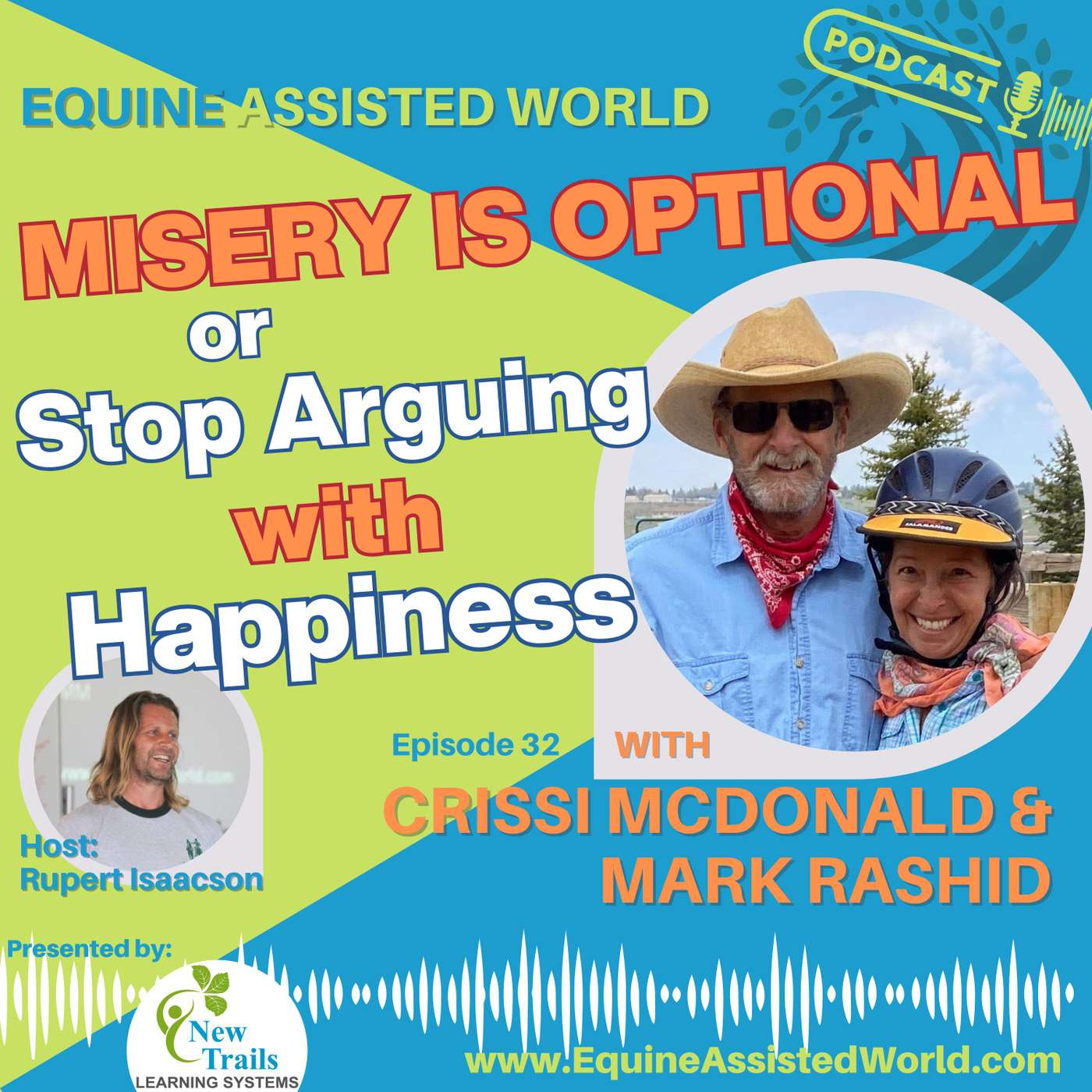
In this thought-provoking follow-up episode of Equine Assisted World, Rupert Isaacson reunites with legendary horseman Mark Rashid and clinician-author Crissi McDonald. This time, the conversation shifts deeper into the internal landscapes of both horse and human, exploring what it really means to be soft—without losing structure.From navigating low-level panic and reframing anxiety, to understanding when pressure is productive and when it breaks us, Mark and Crissi offer powerful insights not only for horse people, but for anyone seeking a more peaceful way of being in the world. Broadcasting from Happy Dog Ranch in Colorado, they also share how kindness, community, nature, and play are essential ingredients in creating meaningful transformation.(If you want to support the show, you can do so at Patreon: https://www.patreon.com/LongRideHome )✨ What You’ll Learn in This Episode:The Paradox of Softness & Anxiety (Starts at 01:00)Why striving for softness can trigger anxietyMark's pressure scale (0 to 10) and self-regulation in real timeHow internal tension blocks horse-human communicationSpeed Bumps and Nervous System Awareness (Starts at 08:00)Crissi explains the compounding stress of modern lifeWhy we don’t need to always be calm—and how to ride the nervous system waveThe idea of setting stress aside just long enough to connectWhen Softness Meets an Unready Horse (Starts at 13:00)What to do when your horse is not in a soft stateThe art of doing what you can do instead of forcing what you can’tPressure vs. Anxiety (Starts at 25:00)How pressure can lead to problem-solving, while anxiety leads to shutdownA lesson in reframing stress as “just an event, not an emergency”Why “Misery is Optional” became a clinic mottoHow We Live Matters (Starts at 31:00)Crissi’s 20-year journey toward balance: food, sleep, connection, movementThe surprising role of creativity (like watercolor and photography) in emotional regulationClinic Structure That Feels Like Freedom (Starts at 36:00)Daily dojo sessions: breath, safety, and playful presenceGiving students permission not to ride—and why that sets the tone for learningLetting laughter and safety replace performance pressureNature, Tribe & the Horse-Human Herd (Starts at 42:00)Designing Happy Dog Ranch to support exploration, not confinementThe unseen structure that holds clinics togetherHow horses themselves teach people, especially when given time and spaceSoftness With Structure (Starts at 52:00)Why softness without structure isn’t softness at allRain contact, feel, and feedback loops in real timeMark’s practical metaphors: the coffee cup, the skeleton, and invisible teaching momentsBuilding Confidence Without Force (Starts at 1:10:00)How support teams guide riders back from the edge of overwhelmLetting people grow without letting them get lostKindness as Framework (Starts at 1:20:00)The radical idea that a clinic structure can be kind—not punishingWhy many riders unconsciously argue with happinessThe ripple effects of affirming "You're okay. Your horse is okay."Reclaiming Tribe & Breaking the Misery Habit (Starts at 1:30:00)The loneliness epidemic in the horse world—and how clinics become familyMark and Crissi’s reminder: We get good at what we practice—even if it’s unhappinessWhy being of service to horses and humans might be the simplest cure for anxiety🌟 Memorable Moments from the Episode:"Misery is optional"—what it means and how it reshapes learning (25:00)Mark’s coffee cup metaphor for structured softness (1:00:00)How “crazy time” with horses taught Rupert to prioritize play and energy release (23:00)Why one rider’s fear melted just by being told she didn’t have to ride (37:00)When anxiety isn’t really anxiety—it’s just too much pressure without strategy (26:00)🤝 Connect with Mark Rashid & Crissi McDonald: Mark's Website: https://markrashid.com Crissi’s Website: https://crissimcdonald.com Books by Mark Rashid: Considering the Horse: Tales of Problems Solved and Lessons Learned: https://amzn.to/3GbhmrKFinding the Missed Path: The Art of Restarting Horse: https://amzn.to/44e47i2A Journey to Softness: In Search of Feel and Connection with the Horse: https://amzn.to/44c0KIjFor the Love of the Horse: Looking Back, Looking Forward: https://amzn.to/4lkx8zDBooks by Crissi McDonald: Rising From the Sea (North to Home Book 3): https://amzn.to/3ZL864hContinuing The Ride: Rebuilding Confidence from the Ground Up: https://amzn.to/40iZUsfThe Clock in the Water (North to Home): https://amzn.to/40gmv8NGetting Along with Horses: An Evolution in Understanding: https://amzn.to/4k4E8zs🌐 See All of Rupert’s Programs and Shows: Rupert Isaacson: https://rupertisaacson.com Equine-Assisted Programs: https://newtrailslearning.com📲 Follow Us: Long Ride Home Facebook: https://facebook.com/longridehome.lrh Instagram: https://instagram.com/longridehome_lrh YouTube: https://youtube.com/@longridehomeNew Trails Learning Systems Website: https://ntls.co Facebook: https://facebook.com/horseboyworld Instagram: https://instagram.com/horseboyworld YouTube: https://youtube.com/newtrailslearningsystems🧺 Affiliate Disclosure: Some links may be affiliate links. If you purchase through them, we may receive a commission at no additional cost to you. Thank you for supporting the show!
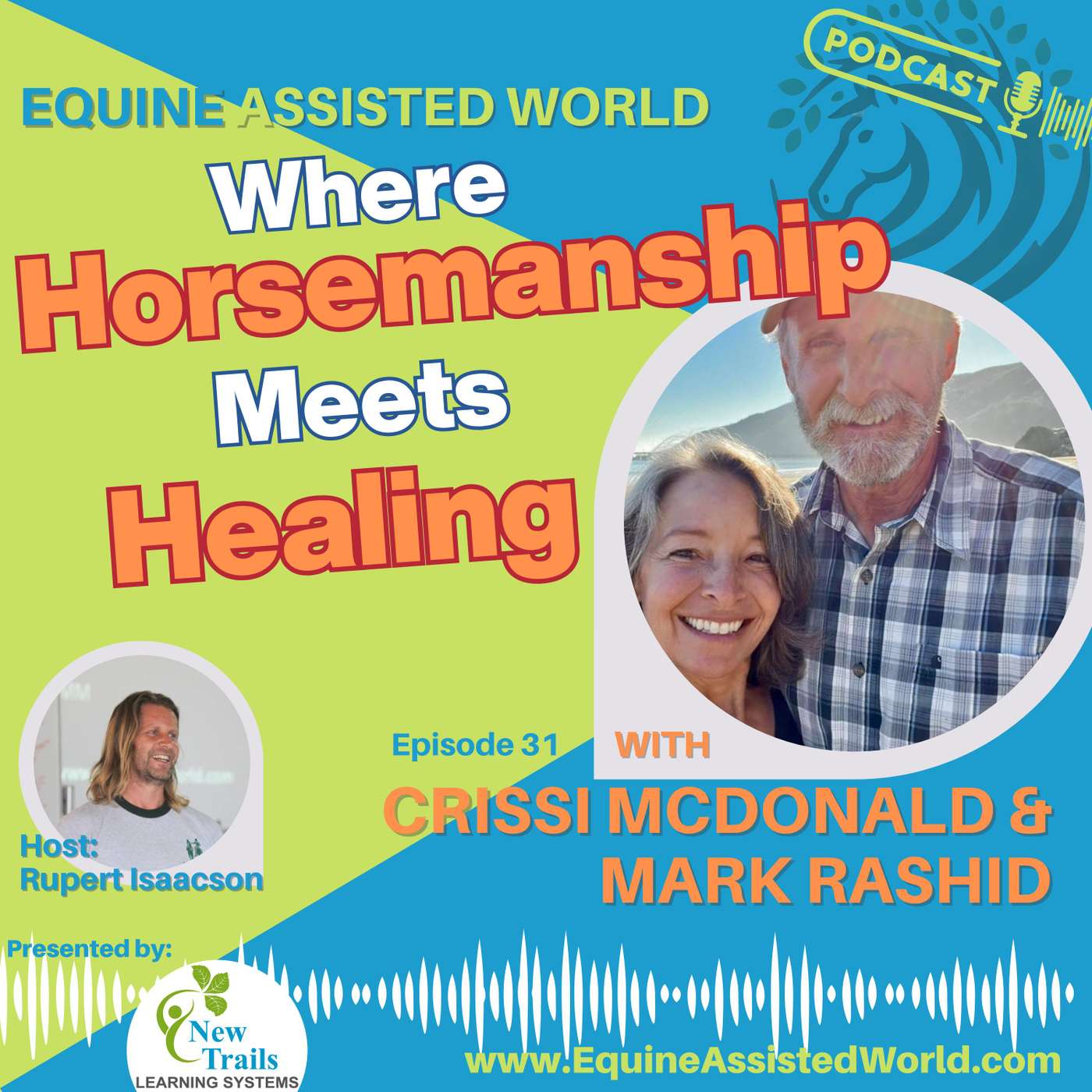
In this episode of Equine Assisted World, Rupert Isaacson welcomes renowned horseman Mark Rashid and equine clinician and author Crissi McDonald. Broadcasting from their home in Estes Park, Colorado, this inspiring duo shares how softness, internal awareness, and individual connection form the core of their horsemanship and life philosophy.From Aikido to equine-assisted work, from storytelling to trauma-informed approaches, and from photo artistry to martial principles, Mark and Crissi reveal a unique path that blends kindness, discipline, and intuition in equal measure. With over 30 years of experience and thousands of horses and people taught, they bring a powerful perspective for anyone working in the equine-assisted world—or simply seeking a more compassionate way to be with horses.✨ What You’ll Learn in This Episode:The Foundation of Softness (Starts at 02:00)Why Mark and Crissi focus on internal softness rather than just soft hands.The legacy of Mark's mentor, Walter, and how it shaped his entire approach.From Martial Arts to Horsemanship (Starts at 08:00)How Mark found the feeling of "softness" in Aikido after years of searching.Why blending energy instead of resisting it helps both horses and people.Crissi's Journey Through Horsemanship (Starts at 14:00)How Crissi moved from harsh training environments to seeking gentleness.The transformational impact of attending her first clinic with Mark.Principles Over Systems (Starts at 24:00)Why Mark and Crissi prioritize principles over rigid techniques.How flexibility and attunement create better outcomes for horse and rider.Observing Patterns & Recognizing Limits (Starts at 33:00)What years of working with thousands of horses taught them about common dilemmas.How inbreeding and neurodivergence manifest in equine behavior and learning.Premarin Foals, Mustangs & Genetic Quirks (Starts at 42:00)The challenges of working with inbred or neurologically atypical horses.What to do when a horse can’t retain information—and how to support them.Softness in the Rider: Letting Go of Tension (Starts at 55:00)How most riders carry too much tension—and how that affects the horse.Why riding with less muscle builds communication and feel.Bridging Aikido, Horsemanship, and Teaching (Starts at 1:06:00)How Mark developed Aibado—Aikido for horse people.The value of practicing feel, balance, and response before teaching technique.Photography, Nature, and Perspective (Starts at 1:17:00)How Crissi uses photography as a mindfulness and self-care practice.The role of creativity in staying grounded while helping others.Gratitude, Storytelling & Emotional Safety (Starts at 1:28:00)How telling the right story at the right time can build trust and safety.Why gratitude is a powerful nervous system regulator for educators and clients alike.🌟 Memorable Moments from the Episode:Why Mark insisted on the title "Considering the Horse" over "Consider the Horse" (22:00)How Crissi's clinic experience made her realize she "knew nothing" — and loved it (18:00)Mark's metaphor of building guitars like building trust with a horse (1:19:00)Why many horses and people carry too much tension—and what to do about it (56:00)The story of Banjo, the inbred horse who could trail ride but not retain lateral work (41:00)🤝 Connect with Mark Rashid & Crissi McDonald:Mark's Website: https://markrashid.comCrissi’s Website: https://crissimcdonald.com Books by Mark Rashid: Considering the Horse: Tales of Problems Solved and Lessons Learned: https://amzn.to/3GbhmrKFinding the Missed Path: The Art of Restarting Horse: https://amzn.to/44e47i2A Journey to Softness: In Search of Feel and Connection with the Horse: https://amzn.to/44c0KIjFor the Love of the Horse: Looking Back, Looking Forward: https://amzn.to/4lkx8zDBooks by Crissi McDonald: Rising From the Sea (North to Home Book 3): https://amzn.to/3ZL864hContinuing The Ride: Rebuilding Confidence from the Ground Up: https://amzn.to/40iZUsfThe Clock in the Water (North to Home): https://amzn.to/40gmv8NGetting Along with Horses: An Evolution in Understanding: https://amzn.to/4k4E8zs🌐 See All of Rupert’s Programs and Shows:Rupert Isaacson: https://rupertisaacson.comEquine-Assisted Programs: https://newtrailslearning.com📲 Follow Us:Long Ride Home: https://longridehome.com Facebook: https://facebook.com/longridehome.lrh Instagram: https://instagram.com/longridehome_lrh YouTube: https://youtube.com/@longridehomeNew Trails Learning Systems Website: https://ntls.co Facebook: https://facebook.com/horseboyworld Instagram: https://instagram.com/horseboyworld YouTube: https://youtube.com/newtrailslearningsystems🧺 Affiliate Disclosure: Some links may be affiliate links. If you purchase through them, we may receive a commission at no additional cost to you. Thank you for supporting the show!
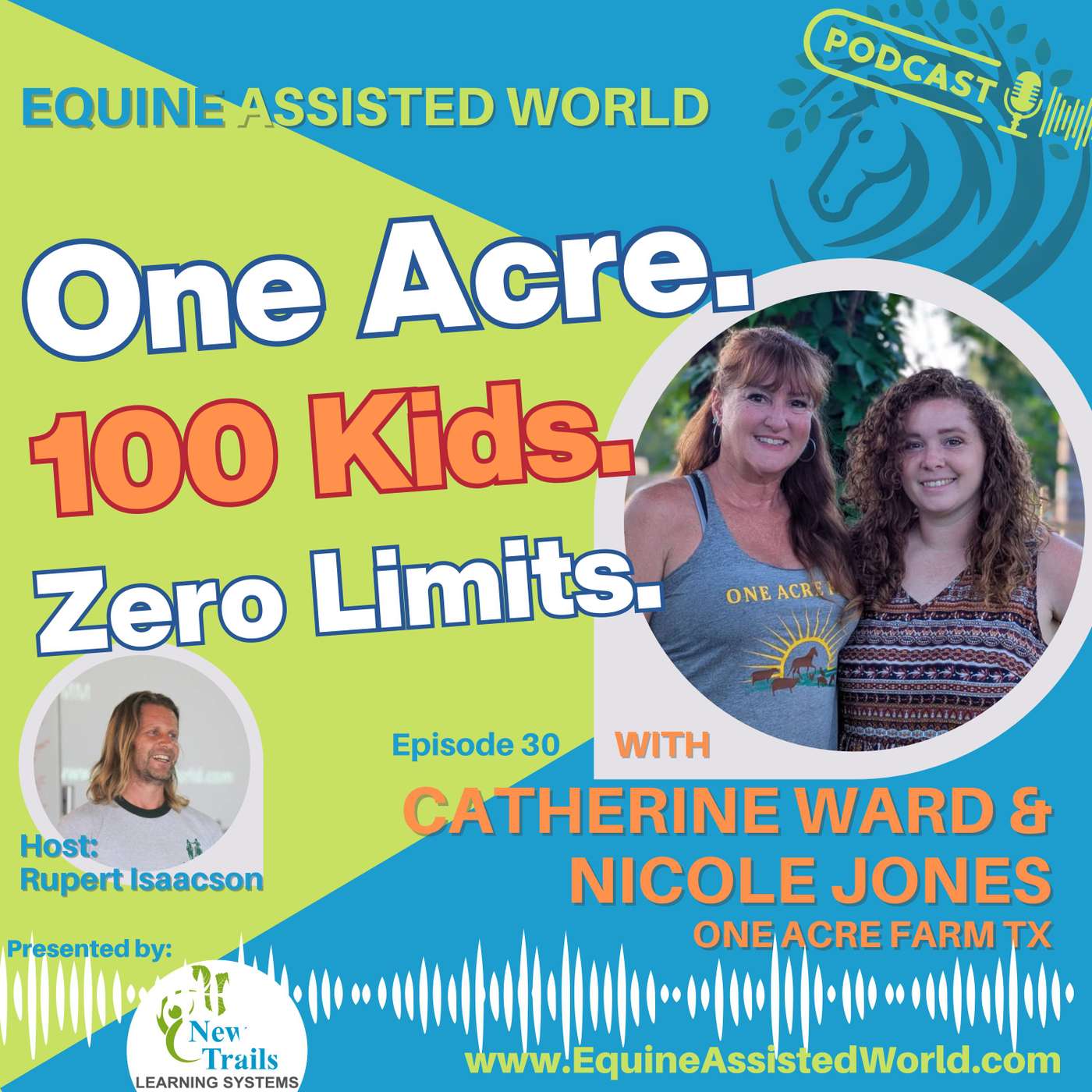
In this episode of Equine Assisted World, Rupert Isaacson speaks with Catherine Ward and her daughter Nicole Jones of One Acre Farm in Texas. Together, they’ve built a thriving outdoor farm school and equine-assisted program on just a single acre—proving that miracles don’t require massive land, just massive heart.From backyard chickens to neurodiverse farm school, from ABA burnout to Montessori inspiration, and from homeschooling to creating a whole new educational paradigm, Catherine and Nicole share how they blend horsemanship, autonomy, and science to create a truly inclusive, joy-filled learning environment.Discover how they overcame lawsuits, personal tragedy, and cultural bias to build something profoundly impactful—and how you can, too.📚 What You’ll Learn in This Episode:Starting Small: How One Acre Became a Movement (Starts at 01:00)The origin of One Acre Farm and why location doesn’t limit transformation.Why their first class was on raising backyard chickens.From ABA to Montessori to Movement Method (Starts at 06:00)Nicole’s early experience with ABA and why it didn’t sit right.Discovering Montessori and how it changed her educational path.Faith, Loss, and Resilience: Catherine’s Personal Journey (Starts at 14:00)How growing up wealthy and then losing everything shaped her.Finding strength through grief and rediscovering purpose in education.Transition from Public School to Homeschooling (Starts at 24:00)Catherine’s decision to homeschool and build a lifestyle of faith and connection.What autonomy looked like in their homeschool setting.Neurodiversity, Animals, and Movement Method (Starts at 33:00)Why ABA didn’t work—and how Horse Boy and Movement Method did.The power of swinging, manure, and goat poop for emotional regulation.The Science of Belonging: From Chickens to Compass Skills (Starts at 44:00)Building trust, confidence, and cognitive growth through nature.Why letting kids lead creates powerful learning moments.The Curriculum in Action: Real Academics in a Farm School (Starts at 56:00)How they teach long division, reading, and geography through farm chores.Montessori flexibility and real-world applications.Emotional Intelligence and Social Development (Starts at 1:08:00)How children learn to navigate social dynamics and resolve conflict.Why mixed-age groups foster natural mentorship.Infrastructure and Burnout Prevention (Starts at 1:22:00)Turning living rooms into classrooms and avoiding mission drift.The challenge of staffing and seasonal demand.Mentorship, Consulting, and Creating New Campuses (Starts at 1:35:00)Helping others start their own programs with land/educator pairings.The vision for a “thousand One Acre Farms” worldwide.From Mobile Education to Legacy Building (Starts at 1:47:00)The story of the mobile petting barn and education trailer.What Catherine and Nicole want to leave behind for future educators.🌟 Memorable Moments from the Episode:Why kids who “failed” at preschool thrived at One Acre Farm (46:00)Catherine's powerful visual for neuroplasticity: getting to Dallas without I-45 (1:27:00)When Nicole knew Rupert was speaking "right to her soul" (1:33:00)"Let kids do dangerous things carefully"—why risk builds resilience (1:47:00)Pumpkin smashing as science, therapy, and fun—all in one (1:50:00)🤝 Connect with One Acre Farm:Website: https://oneacrefarmtx.com Email: Catherine Ward – catherine@oneacrefarmtx.com | Nicole Jones – nicole@oneacrefarmtx.com Phone & WhatsApp: +1 832-860-4756 Facebook: https://www.facebook.com/oneacrefarmtxSee All of Rupert’s Programs and Shows: 🌐 Rupert Isaacson: https://rupertisaacson.com💻 Equine-Assisted Programs: https://newtrailslearning.comFollow Us:Long Ride Home📘 Facebook: https://facebook.com/longridehome.lrh📸 Instagram: https://instagram.com/longridehome_lrh🎥 YouTube: https://youtube.com/@longridehomeNew Trails Learning Systems🌐 Website: https://ntls.co📘 Facebook: https://facebook.com/horseboyworld📸 Instagram: https://instagram.com/horseboyworld🎥 YouTube: https://youtube.com/newtrailslearningsystems🧺 Affiliate Disclosure: Some links may be affiliate links. If you purchase through them, we may receive a commission at no additional cost to you. Thank you for supporting the show!
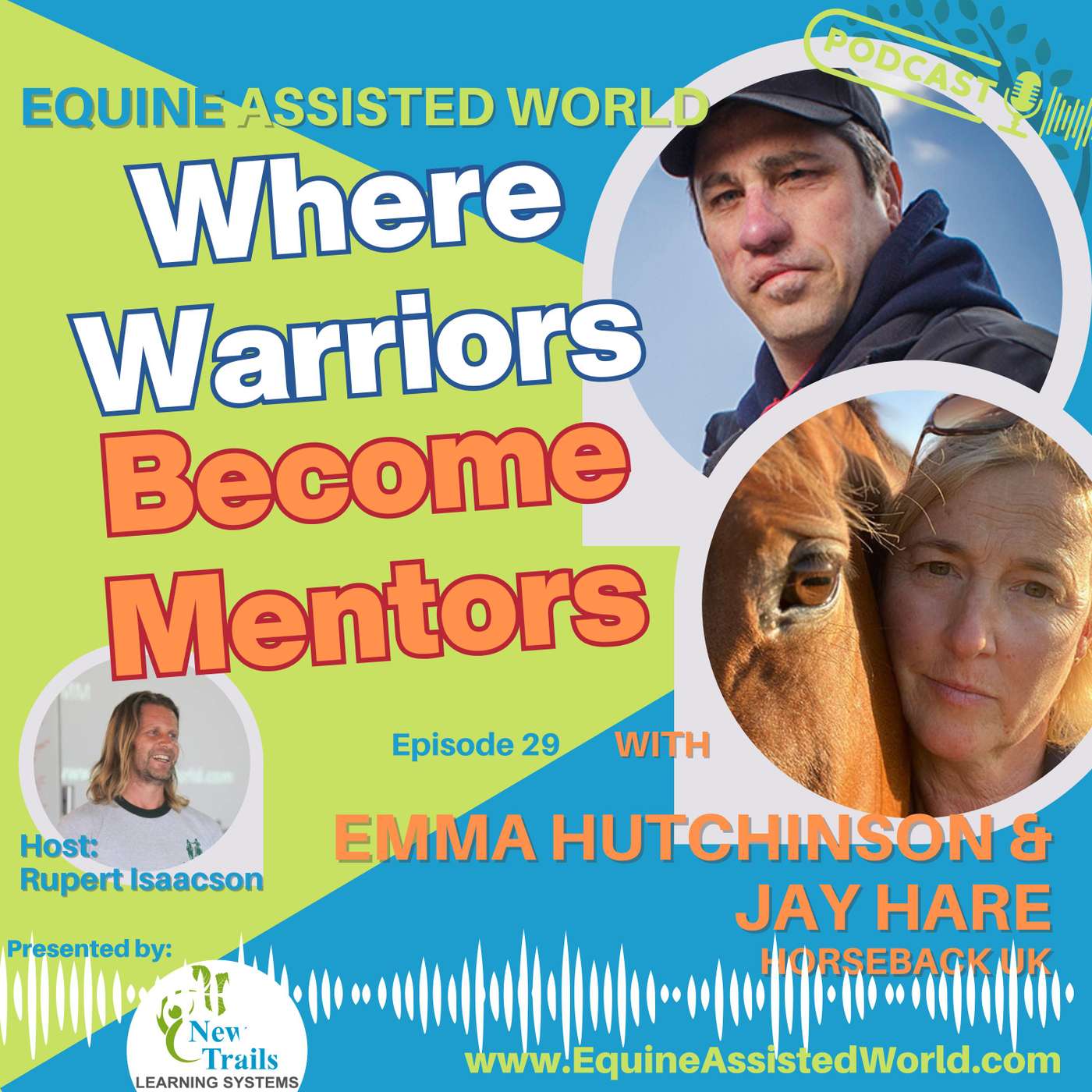
In this episode of Equine Assisted World, Rupert Isaacson speaks with Emma Hutchinson and Jay Hare of HorseBack UK, a groundbreaking charity based in the Scottish Highlands. Originally developed to support military veterans recovering from physical and emotional trauma, HorseBack UK now works across diverse populations including at-risk youth and refugee communities.Jay shares his powerful personal journey as a Royal Marine commando who lost his leg and facial identity in combat—and found healing through horses. Emma walks us through the origins and growth of HorseBack UK, how they built their eclectic, nature-based programs, and how their holistic approach integrates horsemanship, bushcraft, mentorship, and leadership.From PTSD recovery to ADHD support, herd dynamics to leadership development, this episode reveals how horses, nature, and community can reforge identity, restore dignity, and create lasting change.📚 What You’ll Learn in This Episode:Jay’s Story: Trauma, Recovery, and the Call to Serve (Starts at 02:00)How combat injuries reshaped Jay’s life and led him to horses.Finding identity and peace through horsemanship and service.Why HorseBack UK Was Born (Starts at 12:00)From breeding quarter horses to becoming a sanctuary for wounded soldiers.How a bonfire with friends turned into a national charity.Healing Through Community, Nature, and Horses (Starts at 18:00)Creating programs that combine horse work, bushcraft, archery, and more.Why trust and shared struggle forge powerful therapeutic outcomes.Empathy Over Expertise: Mentorship at the Core (Starts at 29:00)How lived experience fuels transformation and mentorship.Training veterans to mentor others on their healing path.Youth Empowerment Through Herd Dynamics (Starts at 34:00)Teaching empathy, emotional regulation, and leadership through horses.Why alpha energy, structure, and bushcraft work wonders for troubled teens.Equine Wisdom: Personality Pairing and Groundwork (Starts at 44:00)Matching horses and humans for emotional resonance and learning.Using liberty, groundwork, and bareback riding for connection over control.Nature as Classroom: Bushcraft, Breathwork, and Belonging (Starts at 51:00)Why outdoor environments restore brain function and build confidence.From breath syncing with horses to building shelters and herbal string.Sustainable Systems: How to Fund, Staff, and Grow (Starts at 1:04:00)Strategies for working with councils and local authorities.The genius of part-time mentorship and community collaboration.Creating a Professional Field: Regulation and Standards (Starts at 1:11:00)The Human Equine Interaction Register (HEIR) and the move toward best practices.How to join or learn from their evolving network.🌟 Memorable Moments from the Episode:Jay recalls sneezing his prosthetic eye into a salad and how humor helped him heal (13:00)Why ADHD is not a deficit—it’s a superpower for problem-solving and leadership (22:00)A Shetland pony as the confidence-building bridge for military giants (1:28:00)How Emma’s 3-year-old daughter assumed everyone had prosthetic legs (1:33:00)"Horses don’t care about your medals, degrees, or scars. They meet you in the moment."🤝 Connect with Us:Contact HorseBack UK: 🌐 Website: https://www.horseback.org.uk 📘 Facebook: https://www.facebook.com/horsebackuk 📷 Instagram: https://www.instagram.com/horseback_ukSee All of Rupert’s Programs and Shows: 🌐 Rupert Isaacson: https://rupertisaacson.com 💻 Equine-Assisted Programs: https://newtrailslearning.comFollow Us:Long Ride Home 📘 Facebook: https://facebook.com/longridehome.lrh 📷 Instagram: https://instagram.com/longridehome_lrh 🎥 YouTube: https://youtube.com/@longridehomeNew Trails Learning Systems 🌐 Website: https://ntls.co 📘 Facebook: https://facebook.com/horseboyworld 📷 Instagram: https://instagram.com/horseboyworld 🎥 YouTube: https://youtube.com/newtrailslearningsystems🧺 Affiliate Disclosure: Some links may be affiliate links. If you purchase through them, we may receive a commission at no additional cost to you. Thank you for supporting the show!
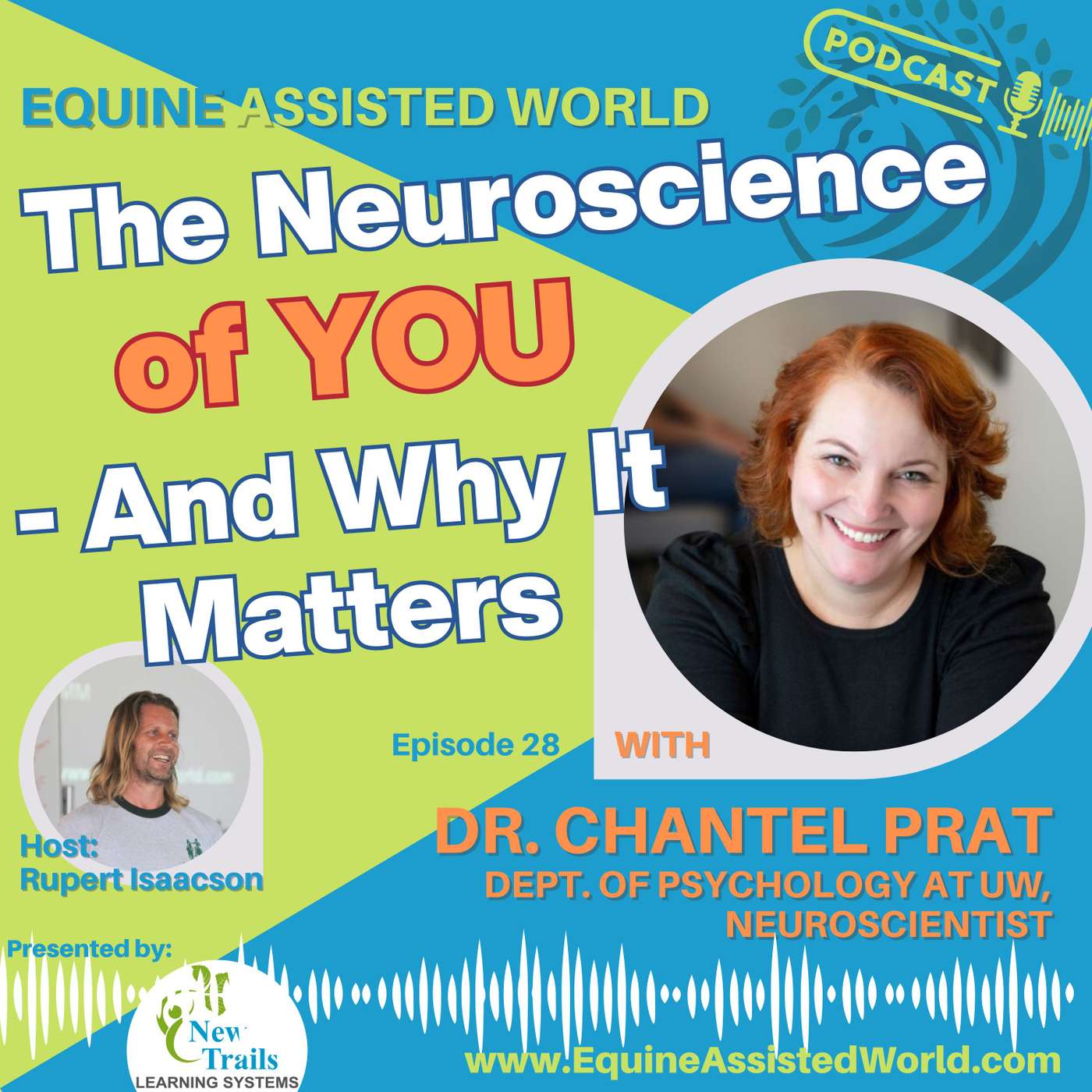
In this episode of Equine Assisted World, Rupert Isaacson sits down with Dr. Chantel Prat—a neuroscientist, psychologist, linguist, and horsewoman. Dr. Prat teaches at the University of Washington and is the author of The Neuroscience of You, a groundbreaking book that examines how every brain is different and what that means for our lives, relationships, and learning processes.Rupert and Chantel dive deep into individual brain differences, the neuroscience of curiosity, attention, and empathy, and how equine-assisted practices can benefit from this knowledge. From mirror neurons to movement, nature, and neurodivergence, this episode explores how understanding our brains can transform education, therapy, leadership, and horsemanship.📚 What You’ll Learn in This Episode:The Neuroscience of Individuality (Starts at 02:00)Why one-size-fits-all brain models fall short.How your brain builds reality from bite-sized inputs and past experience.Rewiring How We Think About Intelligence (Starts at 06:00)Moving beyond deficit-based views of learning and attention.Understanding the trade-offs and strengths of different brain types.The Trouble with Normal: Education, Economics, and Brain Diversity (Starts at 14:00)Why school systems misunderstand how brains actually learn.The mismatch between economic systems and human neurodiversity.Curiosity, Creativity, and Collaboration (Starts at 17:00)How diversity of thought increases innovation and team success.Cultivating workplace cultures that support different kinds of brains.Mirror Neurons and Theory of Mind (Starts at 24:00)What mirror neurons really are—and what they aren’t.Understanding empathy, imitation, and their relevance in equine work.Making Implicit Social Cues Explicit in Therapy (Starts at 34:00)Strategies for working with people who experience the world differently.The power of observation and simplification in building empathy.Movement, Nature, and Attention (Starts at 41:00)Why nature and motion restore brain function and emotional regulation.The importance of soft focus, rhythm, and the outdoors for learning.The Brain and Attention: Not a Deficit, Just Different (Starts at 45:00)The real neuroscience behind ADHD and attention struggles.Why labeling differences as disorders is often inaccurate and harmful.Curiosity as the Ultimate Learning State (Starts at 58:00)The PACE model: Predict, Assess, Curiosity, Explore.Why psychological safety is key to curiosity and learning.Medication, Diagnosis, and the Developing Brain (Starts at 1:17:00)The complexity of medicating kids for attention or behavior.Centering the child's experience in therapeutic decisions.Plasticity, Psychedelics, and States of Consciousness (Starts at 1:29:00)What dreams, serotonin, and neuroplasticity tell us about brain healing.The difference between natural and artificial brain interventions.🌟 Memorable Moments from the Episode:"The brain is not broken. It’s just doing its job in a noisy world."Why nature isn’t a distraction—it’s the optimal learning environment (42:00)Curiosity increases dopamine and accelerates learning (1:02:00)Movement and rhythm unlock creativity and cognitive restoration (44:00)Reframing ADHD as adaptive in hunter-gatherer societies (50:00)A playdate with mom: the best definition of successful training (1:25:00)🤝 Connect with Us:Contact Dr. Chantel Prat: 🌐 Website: http://www.chantelprat.com/Books by Chantel Prat: 📘 The Neuroscience of You: How Every Brain Is Different and How to Understand Yours – https://amzn.to/3YJ4TBQSee All of Rupert’s Programs and Shows: 🌐 Rupert Isaacson: https://rupertisaacson.com 💻 Equine-Assisted Programs: https://newtrailslearning.comFollow Us:Long Ride Home 📘 Facebook: https://facebook.com/longridehome.lrh 📸 Instagram: https://instagram.com/longridehome_lrh 🎥 YouTube: https://youtube.com/@longridehomeNew Trails Learning Systems 🌐 Website: https://ntls.co 📘 Facebook: https://facebook.com/horseboyworld 📸 Instagram: https://instagram.com/horseboyworld 🎥 YouTube: https://youtube.com/newtrailslearningsystemsAffiliate Disclosure: Links to books and products may include affiliate links, meaning we may earn a commission if you make a purchase through these links. This does not affect the price you pay and helps support the podcast.
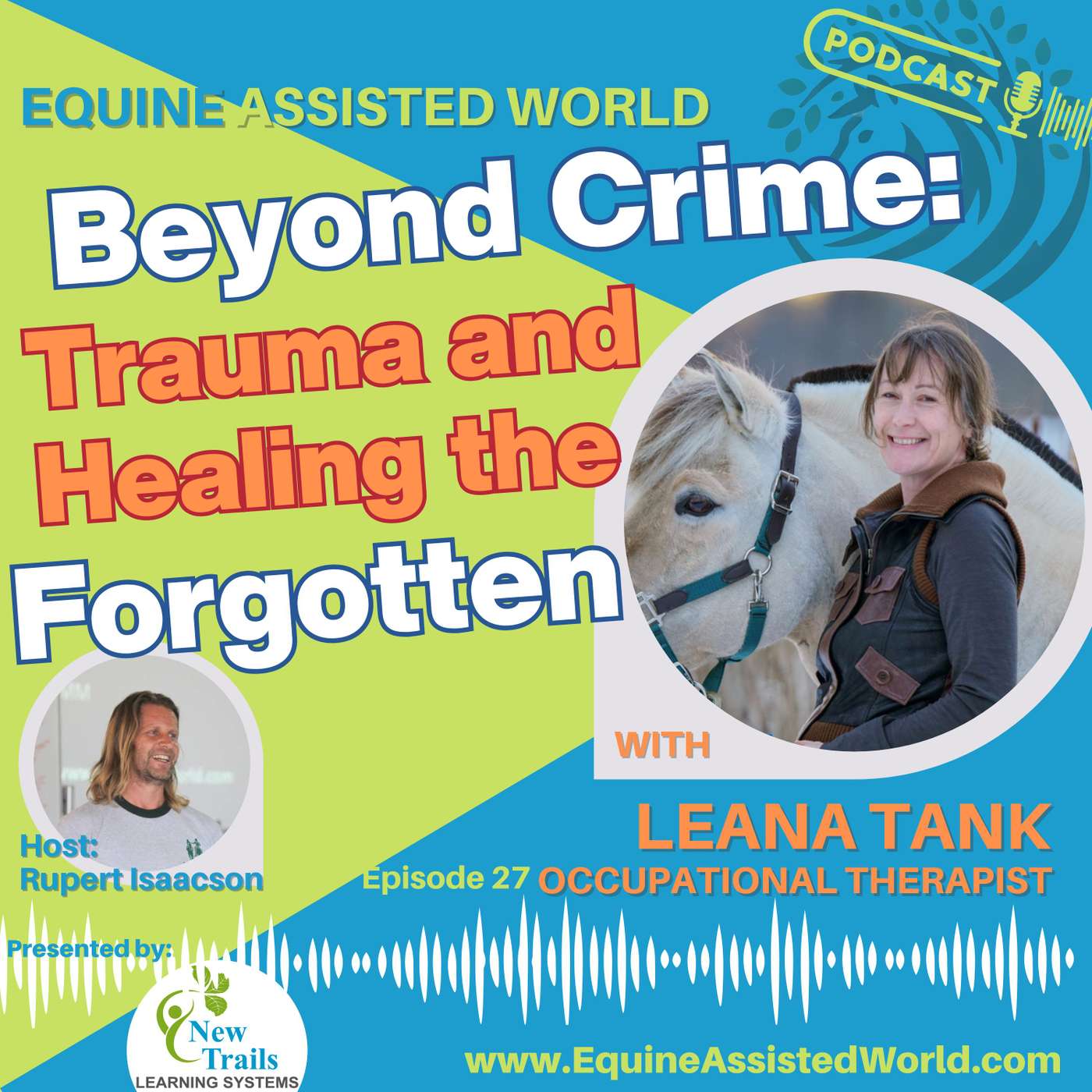
In this episode of Equine Assisted World, Rupert Isaacson sits down with Leana Tank, an occupational therapist from Grand Rapids, Michigan, and an accomplished horsewoman specializing in equine-assisted services and behavioral health. Leana works with individuals at the extreme end of the mental health continuum—people coming from psychiatric hospitals and the criminal justice system, many diagnosed with schizophrenia, cognitive impairments, autism, and complex trauma.Through her radical acceptance, sensory-based therapy, movement integration, and nature-centered approaches, Leana redefines how we think about healing, trauma, and society's marginalized populations. Her work invites us to reconsider the humanity, sensitivity, and resilience of individuals often deemed "other."📘 What You’ll Learn in This Episode:Meeting the Margins: Understanding Leana's Population (Starts at 02:00)Why those labeled as "monsters" are often society's most sensitive souls.The profound failures of social support systems and how they shape lives.Radical Acceptance as a Therapeutic Tool (Starts at 06:00)How releasing judgment creates real avenues for healing.Why dismantling assumptions is crucial to genuine human connection.The Impact of Psychosis, Brain Injury, and Trauma (Starts at 15:00)Psychosis versus premeditation: how cognitive states influence behavior.Brain injury, trauma, and the thin line that separates "us" from "them."The Transformative Power of Movement and Nature (Starts at 29:00)Why nature is the most accessible and effective healing environment.How movement and rhythm regulate the nervous system.Occupational Therapy for the "Invisible" Population (Starts at 43:00)Supporting adults with serious mental illness through practical, embodied therapies.The role of sensory integration, cooking, and daily activities in recovery.Safety, Risk, and Working Without Fear (Starts at 54:00)How Leana assesses safety when taking clients into community spaces.Why authoritarian approaches escalate crises—and how she avoids them.Building Healing Environments: Indoors and Out (Starts at 1:03:00)The overlooked importance of aesthetics, art, and comfort in institutional settings.Creating sensory-friendly spaces that foster connection and resilience.Resilience Through Horses: Personal and Professional Lessons (Starts at 1:19:00)How Leana’s young horse taught her about boundaries, patience, and attunement.Transferring lessons from horsemanship to healing human trauma.Attunement and the Power of Radical Listening (Starts at 1:24:00)How true attunement—"listening with your whole body"—becomes medicine.Mirroring nervous system states to bring clients back to themselves.The Future: Supporting Staff, Scaling Healing (Starts at 1:56:00)Why staff education in attunement and trauma-informed care is essential.How small shifts in environment, training, and nature access could transform mental health systems.🌟 Memorable Moments from the Episode:"They are not what they've done."The surprising safety of working with people society labels as dangerous (29:00)Why taking clients to Lake Michigan and cooking meals together brings more progress than clinical interventions (44:00)The critical difference between healing and cure (41:30)The "poison plant" metaphor for understanding trauma and sensitivity (2:07:00)Radical acceptance as the doorway to true change (2:03:00)🤝 Connect with Us:See All of Rupert’s Programs and Shows:🌐 Rupert Isaacson: https://rupertisaacson.com💻 Equine-Assisted Programs: https://newtrailslearning.comFollow Us:Long Ride Home📘 Facebook: https://facebook.com/longridehome.lrh📸 Instagram: https://instagram.com/longridehome_lrh🎥 YouTube: https://youtube.com/@longridehomeNew Trails Learning Systems🌐 Website: https://ntls.co📘 Facebook: https://facebook.com/horseboyworld📸 Instagram: https://instagram.com/horseboyworld🎥 YouTube: https://youtube.com/newtrailslearningsystems
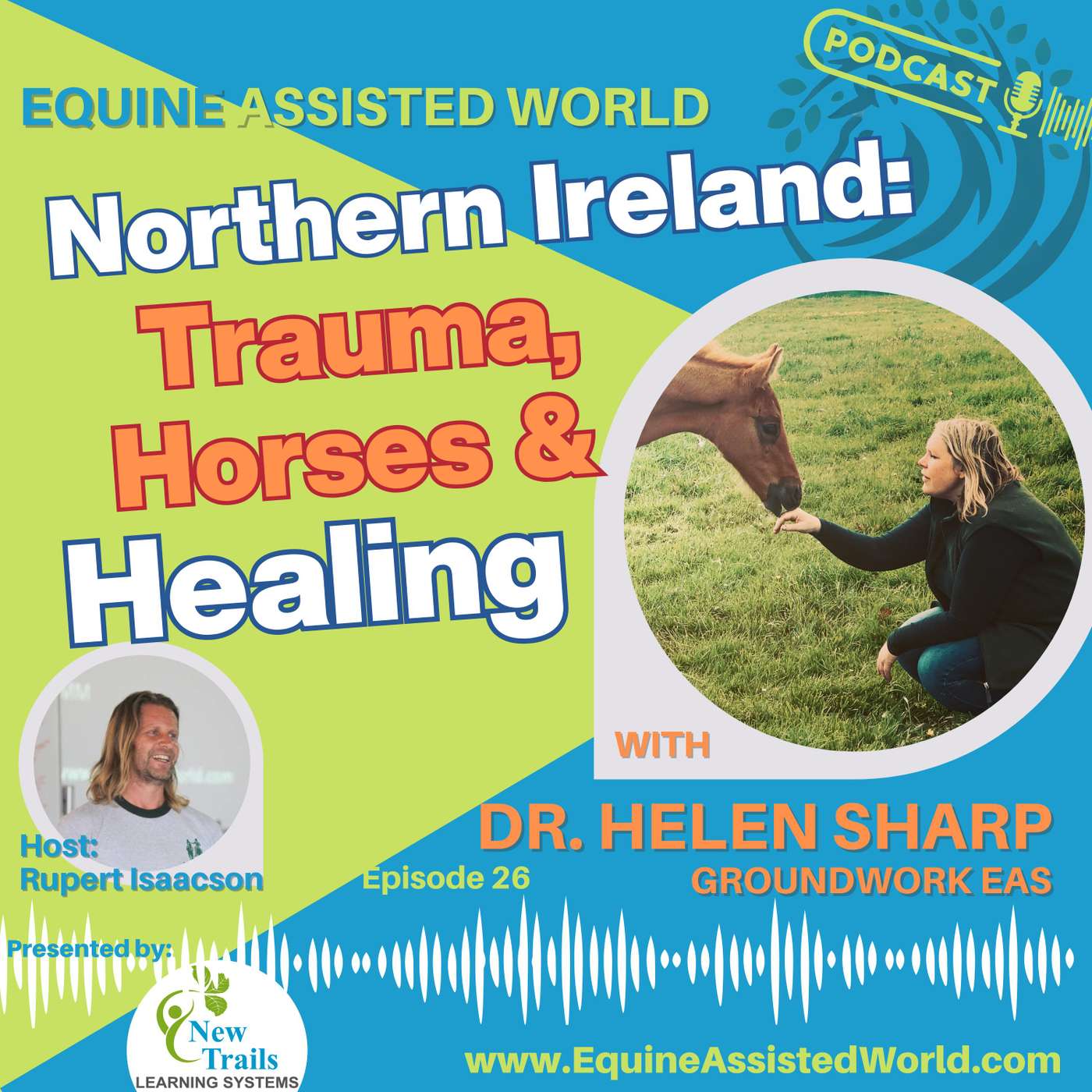
In this episode of Equine Assisted World, Rupert Isaacson sits down with Dr. Helen Sharp, an equine journalist, academic, and co-founder of Groundwork EAS—an equine-assisted charity on the border between Northern Ireland and the Republic of Ireland. A leading voice in both equine media and trauma-informed equine work, Dr. Sharp brings a unique blend of artistry, horsemanship, and therapeutic insight to everything she does.She writes for The Irish Field and Farmers Journal, and her career spans journalism, community arts, equine bodywork, and academic research. She holds a PhD and has a background in sculpture and performance art, with her creative and research work shown around the world. As co-director of Groundwork, she serves veterans, trauma survivors, and neurodivergent individuals through programs that fuse nature, horses, and compassionate partnership.This powerful conversation traces her extraordinary journey from the Hebrides to heroin recovery, from performance art to equine-assisted leadership, and why horses continue to be the greatest teachers of all.📘 What You’ll Learn in This Episode:The Origins of Groundwork EAS (Starts at 03:00)How Helen and co-founder Fiona Butchart launched the charity on a Northern Irish estate.The unique collaboration with Brooke House, a veterans' mental health charity.Why equine-assisted services are critical in a region with some of the UK’s highest mental health rates.Inside the Program: Grounding, Grooming, and Gentle Touch (Starts at 06:44)How Groundwork uses nonclinical space, tea rituals, and horsemanship to support healing.What a 10-week program looks like—from grooming to obstacle courses.The power of soft, tactile interaction and its effect on hypervigilance and aggression.Memorable Story: A Veteran’s Breakthrough with Breathing (Starts at 13:00)A former RUC officer transforms his relationship with anger through breathwork and horse partnership.How working with horses improved his family life.Breaking the Silence: Domestic Violence and Equine Healing (Starts at 19:35)A stroke survivor finds calm and confidence through grooming a yearling.How horse-human connection opens doors that talk therapy alone can’t.Childhood on the Edge: From the Hebrides to Horses (Starts at 23:03)Helen’s wild childhood on a remote Scottish island with no horses.How early life near the sea shaped her sensitivity and resilience.Art, Heroin, and Healing (Starts at 35:00)Helen shares openly about her past heroin addiction, recovery, and a near-death experience.How a vivid overdose changed her life trajectory—and deepened her compassion.Why this history helps her serve people in trauma without judgment.The Role of Routine, Ritual, and Horses in Recovery (Starts at 57:31)Why even intravenous drug use can mimic the grounding people seek in horses.The link between tactile connection and nervous system regulation.From Performance Art to Journalism (Starts at 01:00:00)Helen’s unexpected path from swinging off anchors in Belarus to writing for Horse & Hound and The Irish Field.Why writing was always at the center of her self-expression.Creating Change: Groundwork’s Model and the Power of the Broodmare (Starts at 01:16:00)How Helen uses young stock and broodmares to reflect complex family dynamics.Why one teenage girl found her voice by learning to speak clearly to a horse.The Future of Equine-Assisted Services in Ireland (Starts at 01:29:00)Helen’s vision for integrating equine-assisted work into the national healthcare system.Why collaboration—not competition—is key to the future of the sector.Lessons learned from the global Seen Through Horses campaign: https://horsesformentalhealth.org/seen-through-horses/✨ Memorable Moments from the Episode:“The hands can heal what the mind can’t.” (10:17)A veteran realizing that slowing down with his horse prevents family arguments (18:00)How grooming a yearling helped a stroke survivor regain stability (21:00)Helen’s overdose experience and the voice that saved her life: “You have a great brain” (38:00)“Frivolity is not the opposite of seriousness—it’s a form of joy.” (1:03:14)How observing a colt helped a mother process her teenage son’s behavior (1:26:00)🤝 Connect with Dr. Helen Sharp & Groundwork:Groundwork Equine-Assisted Services: https://groundworkeas.orgThe Irish Field (Helen’s journalism): https://www.theirishfield.ieSee All of Rupert’s Programs and Shows:🌐 Rupert Isaacson: https://rupertisaacson.com🎧 Podcast Archive: https://lfrf.transistor.fm💻 Equine-Assisted Programs: https://newtrailslearning.comFollow Us:Long Ride Home📘 Facebook: https://facebook.com/longridehome.lrh📸 Instagram: https://instagram.com/longridehome_lrh🎥 YouTube: https://youtube.com/@longridehomeNew Trails Learning Systems🌐 Website: https://ntls.co📘 Facebook: https://facebook.com/horseboyworld📸 Instagram: https://instagram.com/horseboyworld🎥 YouTube: https://youtube.com/newtrailslearningsystemsTune in to this remarkable conversation with Dr. Helen Sharp for a raw and resonant look at horses, healing, and hope on the Irish border.
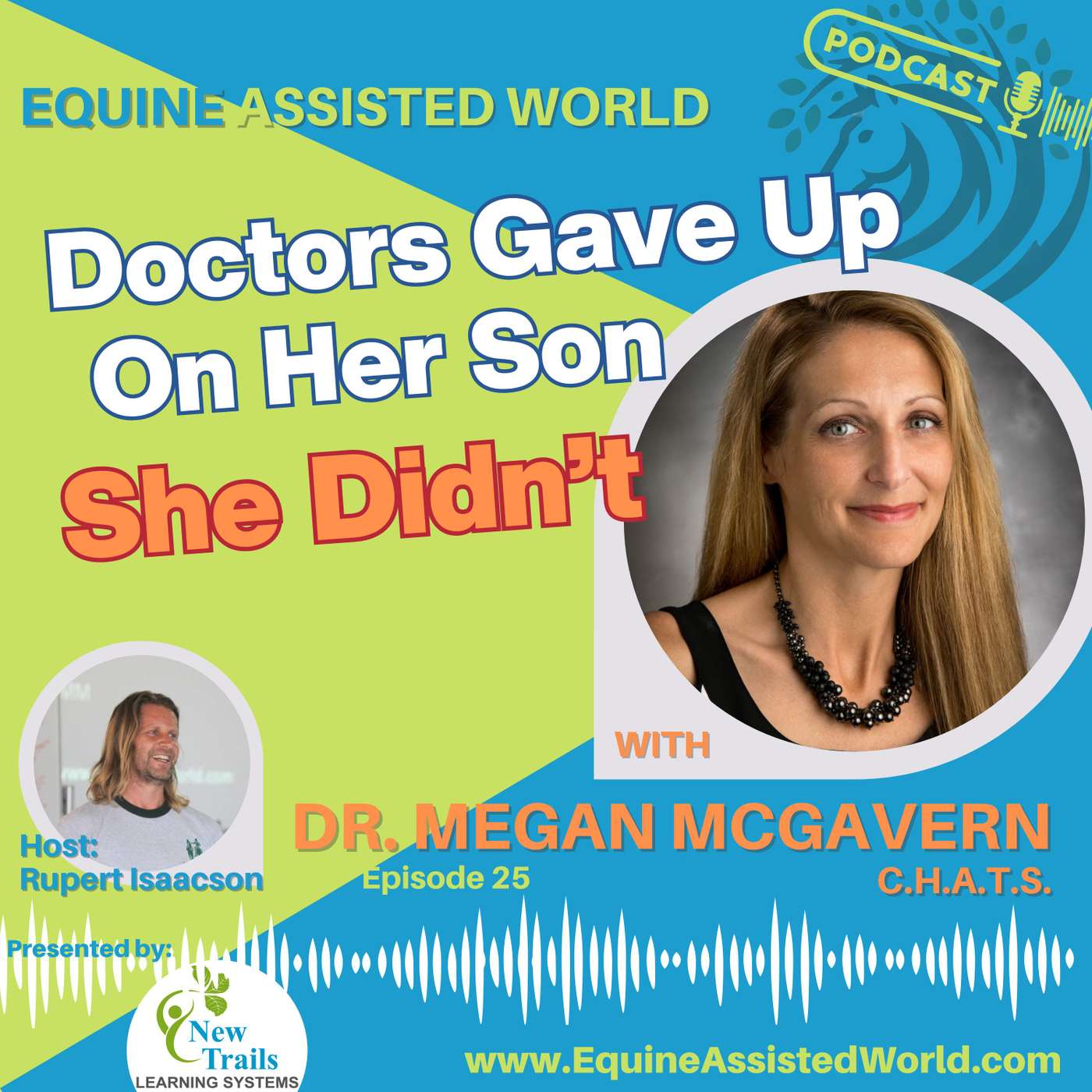
In this episode of Equine Assisted World, Rupert Isaacson speaks with Dr. Megan McGavern, a board-certified physician in Physical Medicine and Rehabilitation. Megan shares the powerful story behind the founding of C.H.A.T.S.—Creative, Holistic, Adaptive, Therapeutic Solutions—and how it was born out of both professional insight and personal necessity.When her son Cole faced significant challenges, and medical professionals told her to accept that he might never regain functionality, Megan refused to give up. Drawing on her medical training, clinical experience, and deep intuition as a mother, she created C.H.A.T.S. as a space where children like Cole could thrive. C.H.A.T.S. is not about traditional therapy or horseback riding—it is about building relationship, regulation, and readiness to learn through purposeful, adaptive, equine-based engagement.What sets Megan apart is her ability to take science-based, evidence-backed practices—like Movement Method—and integrate them meaningfully into both therapeutic and clinical settings. After traveling to New Trails to learn Movement Method and Horse Boy Method firsthand from Rupert Isaacson, Megan returned home and applied what she had learned with her son Cole. The profound changes she witnessed led her to establish C.H.A.T.S. as a nonprofit organization. From there, she worked to bring Movement Method into the medical establishment, eventually helping to launch a neuroscience conference focused on the approach and its clinical applications.What You’ll Learn in This Episode:From Despair to Innovation: A Mother’s Mission (Starts at 01:45)The moment Megan was told to “accept the loss” regarding her son Cole’s future.Why she decided to go beyond traditional care models.The founding of C.H.A.T.S. and how it gave Cole a new chance at life.Movement Method and Medical Practice (Starts at 20:10)How Megan found the Movement Method and incorporated it into her work.Practical ways she’s brought it into institutional and clinical settings.The role of science—not mysticism—in shaping her therapeutic philosophy.C.H.A.T.S. in Action (Starts at 32:40)What makes C.H.A.T.S. distinct from other equine-assisted programs.Why it's focused on adaptability, safety, and authentic connection.How Megan uses observation, relationship, and responsiveness to meet each child’s needs.The Dual Role: Mother and Medical Professional (Starts at 48:15)How personal experience reshaped her understanding of care.Advice for professionals who want to do more—but don’t know how.Why being present often matters more than having all the answers.Memorable Moments from the Episode:Megan recounts hearing that her son might never regain function (04:02).The turning point where C.H.A.T.S. took form in response to Cole’s needs (11:50).Integrating Movement Method into medical care (24:35).A reflection on letting go of "being the expert" to simply be present (53:20).Connect with Dr. Megan McGavern: 🌐 C.H.A.T.S. Website: https://chats757.com 📘 Facebook: https://www.facebook.com/coleshorsetherapySee All of Rupert’s Programs and Shows: 🌐 Rupert Isaacson: https://rupertisaacson.comFollow Us: Long Ride Home 📘 Facebook: https://facebook.com/longridehome.lrh 📸 Instagram: https://instagram.com/longridehome_lrh 🎥 YouTube: https://youtube.com/@longridehomeNew Trails Learning Systems 🌐 Website: https://ntls.co 📘 Facebook: https://facebook.com/horseboyworld 📸 Instagram: https://instagram.com/horseboyworld 🎥 YouTube: https://youtube.com/newtrailslearningsystemsTune in to this grounded and powerful conversation with Dr. Megan McGavern to learn how clinical science, determined parenting, and adaptive equine approaches are reshaping what's possible for children and families facing big challenges.

Comments

Download from Google Play

Download from App Store
 United States