


 Claim Ownership
Black and Education
Subscribed: 23Played: 229
Subscribe

© Red and Black Ink, LLC
Description
Stories about Black History delves into the human side of the experiences we have had throughout America and the world.
79 Episodes
Reverse

Let's explore the man who laid the foundation for Dr. King and his family in Atlanta.
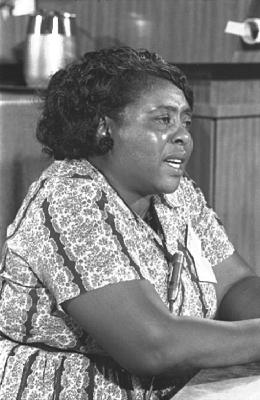
Fannie Lou Hamer was a remarkable woman. Let's explore her early beginnings in life, her days fighting to register to vote, her time being beaten in jail and her famous speech during the Democratic National Convention, in 1964.
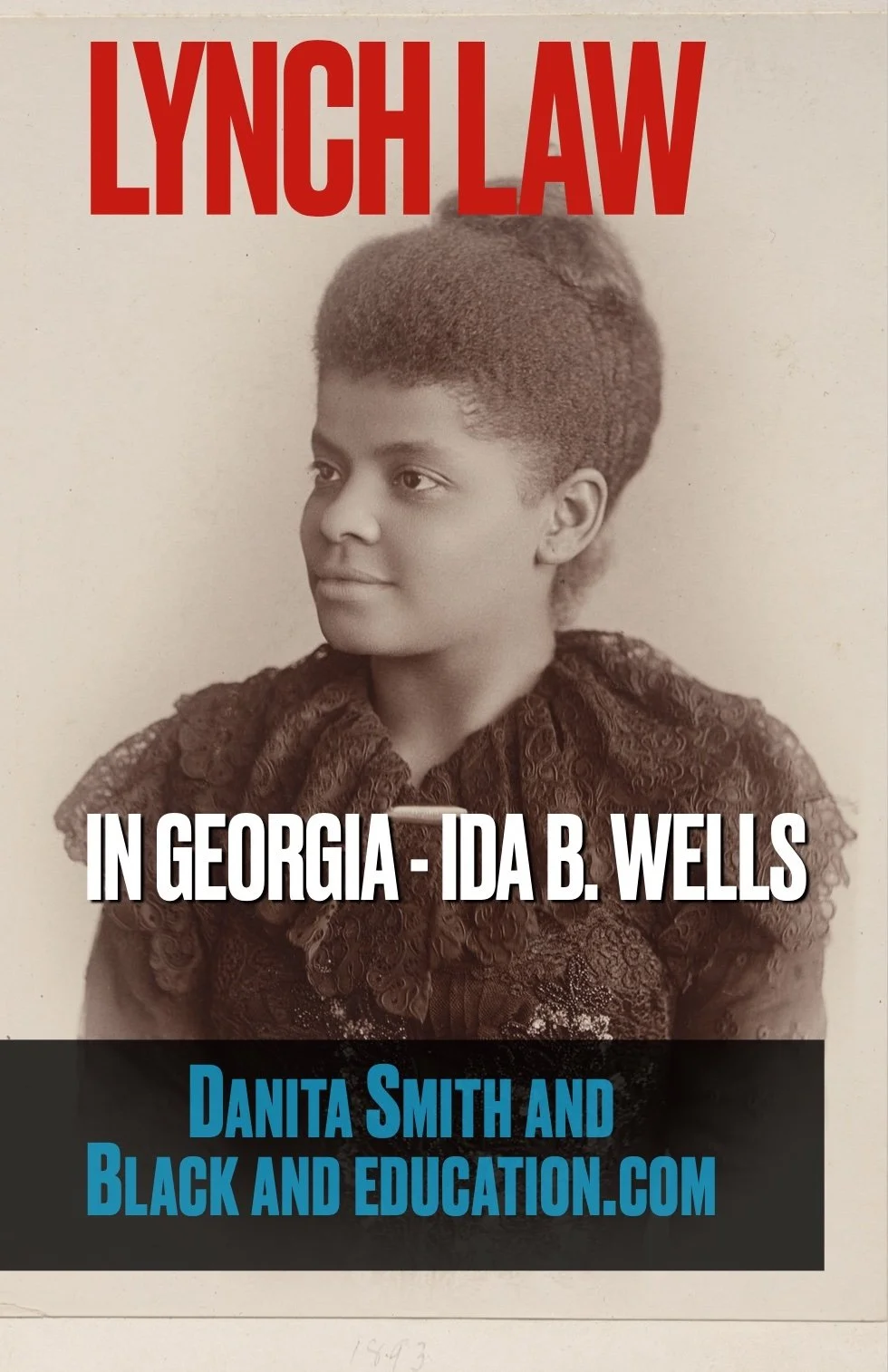
Ida B. Wells wrote about several incidences in Georgia, in 1899. This is an
excerpt of the murders of several men, who were tied together in a
warehouse, awaiting trial the next morning on the accusation of arson.
“That the awful story of their slaughter may not be considered overdrawn,
the following description is taken from the columns of the Atlanta Journal
, as it was written by Royal Daniel, a staff correspondent. The story of
the lynching thus told is as follows :
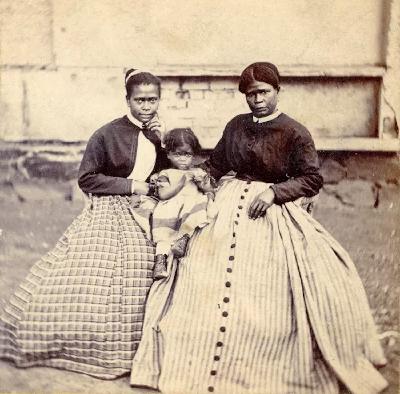
Selina and Thornton Gray should be best know for what they did for their
family, not for anything they did for Robert E. Lee or George Washington’s
legacy.
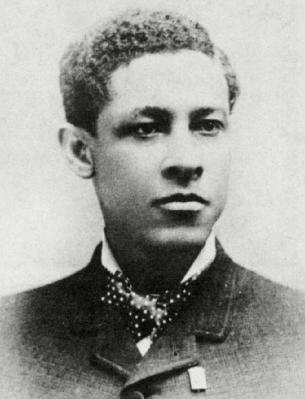
Who was Jan Ernst Matzeliger and what did he invent? Find out now.
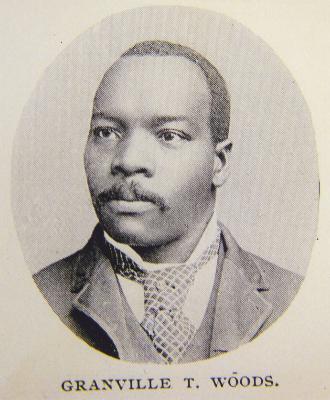
What was Granville T. Woods famous for? What did he invent and where can his impact be felt today?

John Parker was born in 1827 in Norfolk, VA. He was enslaved and was sold
at the age of 8, from Virginia to Mobile, AL. Imagine what is was like for
an…

Adam Daniel Williams was a catalyst for his grandson's actions and laid the foundation for him in many ways.
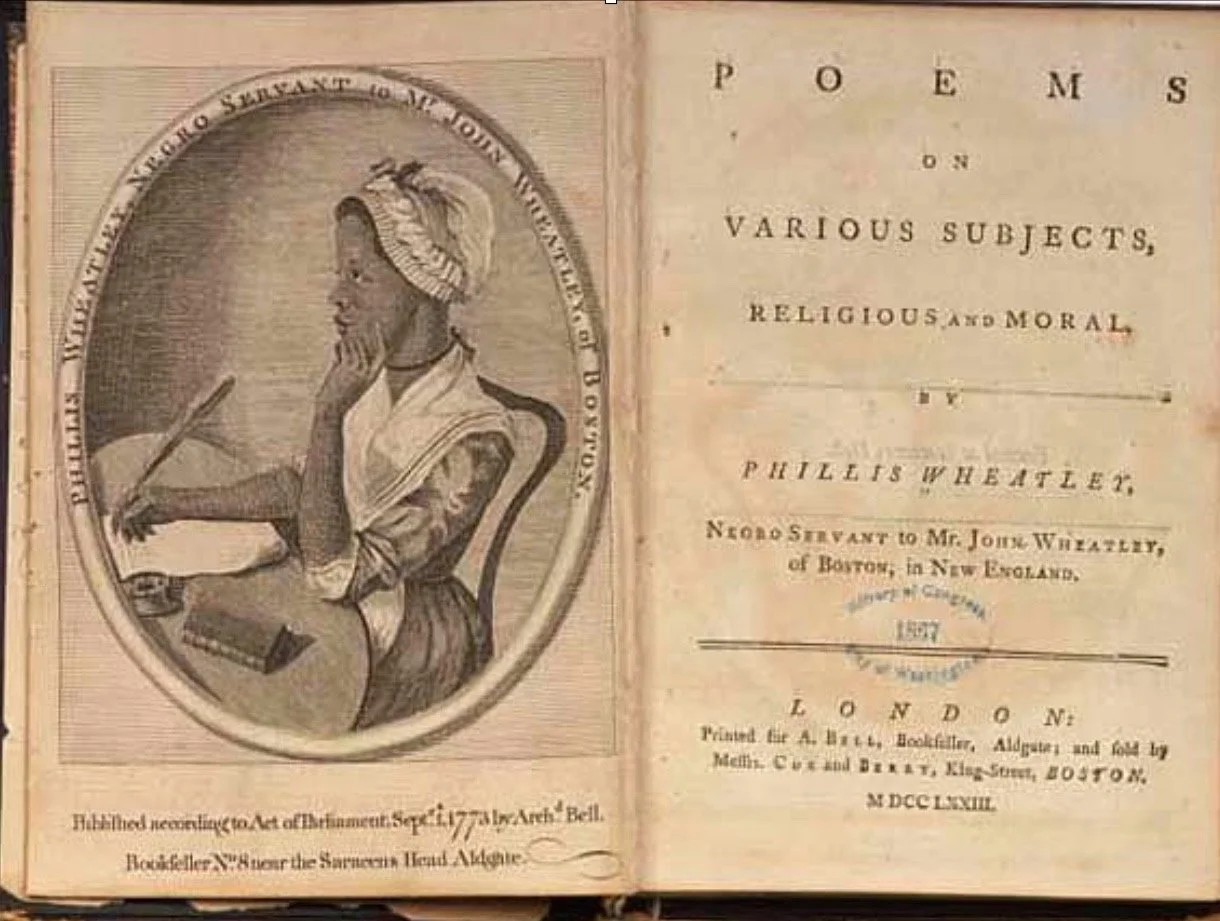
Who was Phillis Wheatley? Where was she born? How did she get the name Phillis? All this and more are covered in this episode.
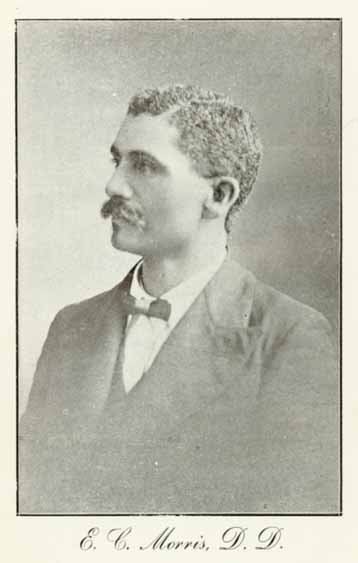
Elias Camp Morris was a fierce leader of the National Baptist Convention for 27 years. He helped to bring that organization to further prominence through his leadership, publishing efforts and strong support for educational institutions, including some colleges that are still around today.
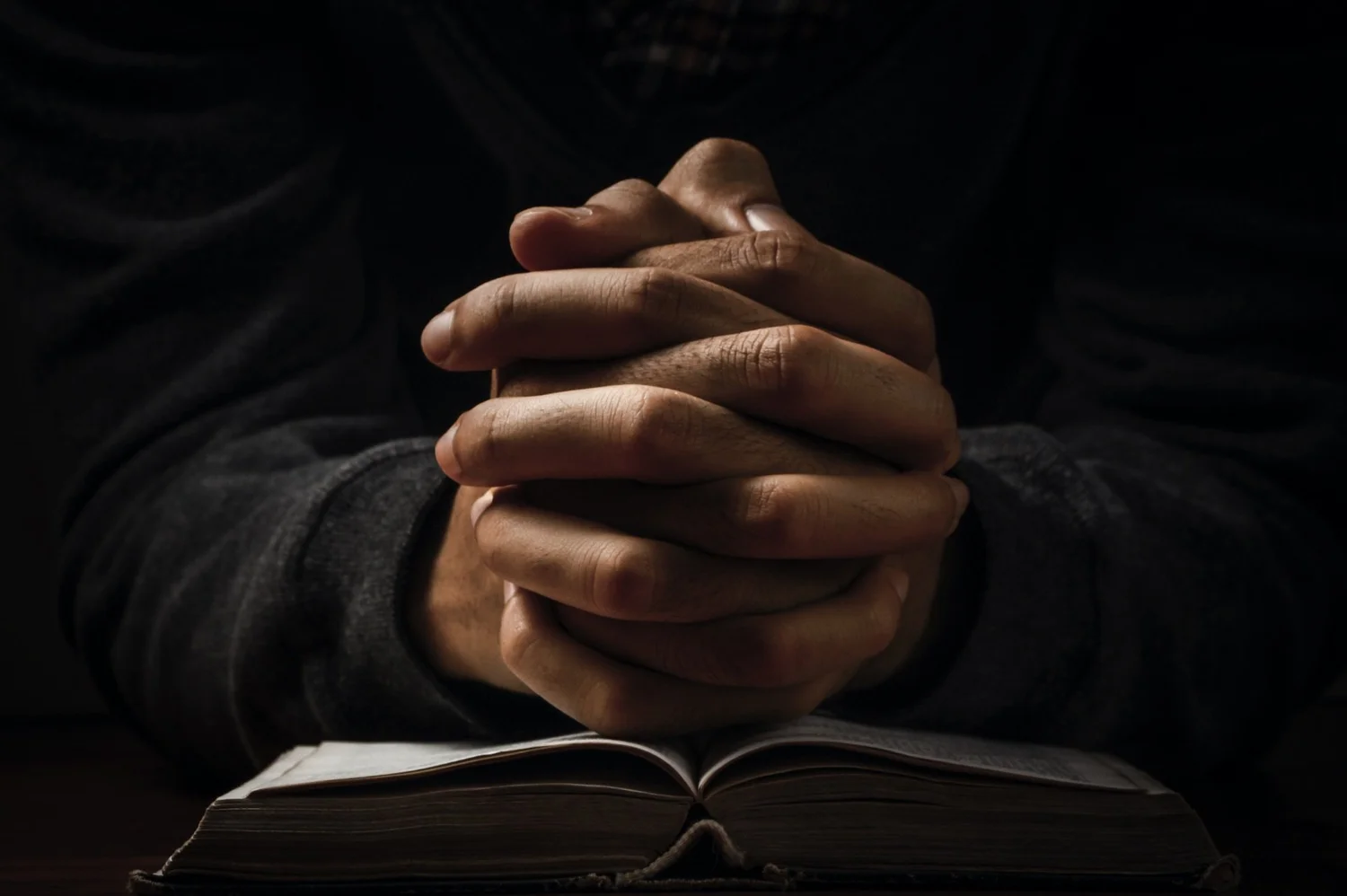
September 14, 1924, the American Baptist College opened its doors. Like some other historically Black colleges, the American Baptist College got its start from a religious organization.
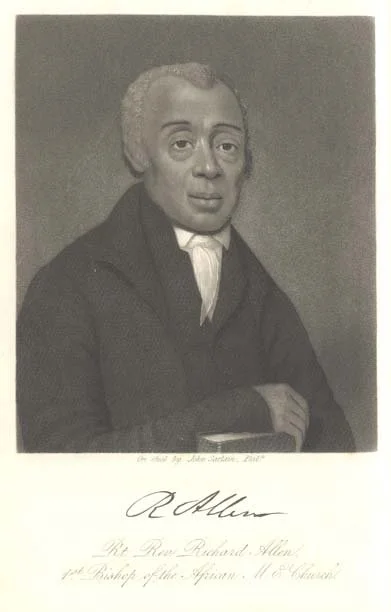
Allen University was founded by the African Methodist Episcopal Church (AME) in 1870. It’s hard for me to think of another institution (outside of the Federal Government) that has supported and established more institutions of higher learning than the African Methodist Episcopal Church.
It cannot be overstated that the AME Church had a lasting and phenomenal impact on the lives of many Black Americans. It was the first independent African-American religious denomination.
Alcorn State University was founded in 1871. It offered higher education to areas where none might not have been available to many people in rural Mississippi, but its greatest testament is shared by those who graced its halls, namely Hiram Revels and Medgar Evers.
Albany State University was founded in 1903 with rich traditions and a long history, its stories are best told through the experiences of the people who lived them.

Alabama State University was active in several ways at the end of the Civil War, when it was founded, and at the dawn of the modern Civil Rights Movement.

Alabama A&M University offers educational opportunities to students seeking to kickoff their careers.
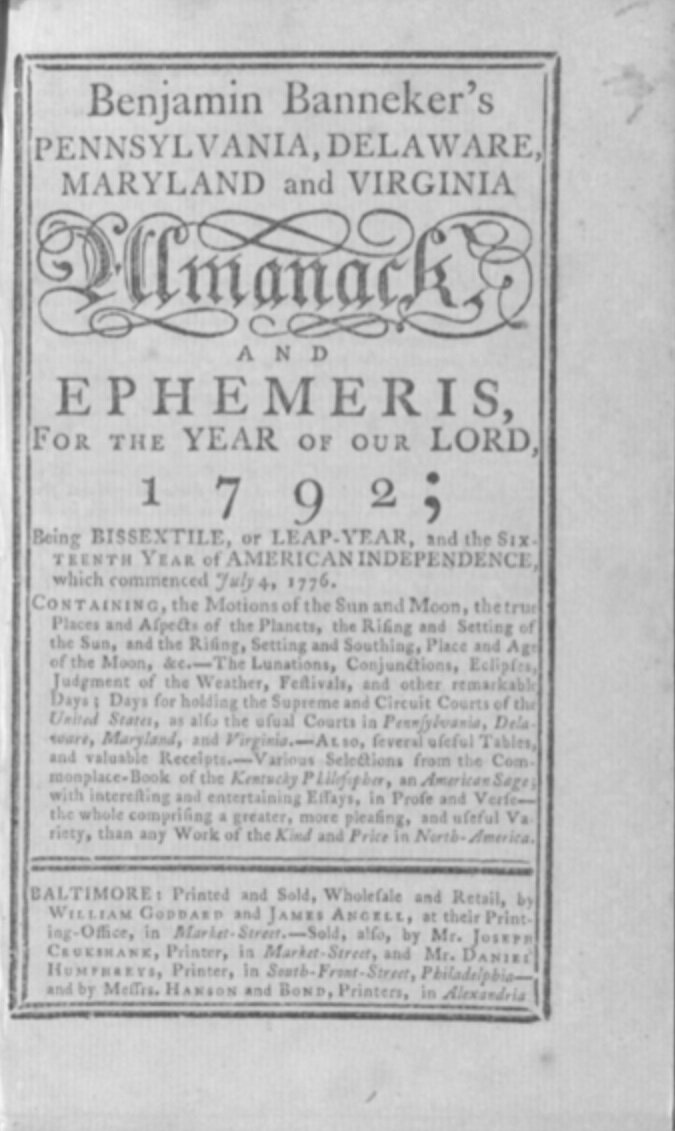
Sir if this is founded in truth, I apprehend you will readily embrace every
opportunity to eradicate that train of absurd and false ideas and opinions
which so generally prevails with respect to us, and that your Sentiments
are concurrent with mine, which are that one universal Father hath given
being to us all, and that he hath not only made us all of one flesh, but
that he hath also without partiality afforded us all the Same Sensations,
and endued us all with the same…
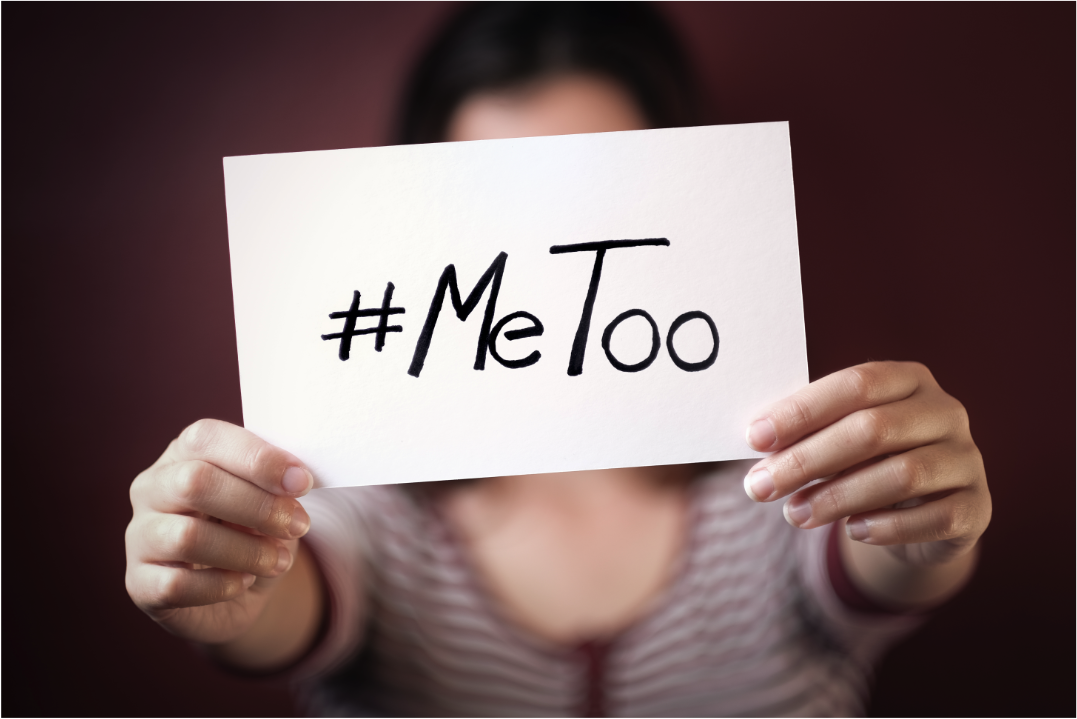
When I think about Sally Hemings and her mother, Elizabeth Hemings, I think about the words “Me too!”
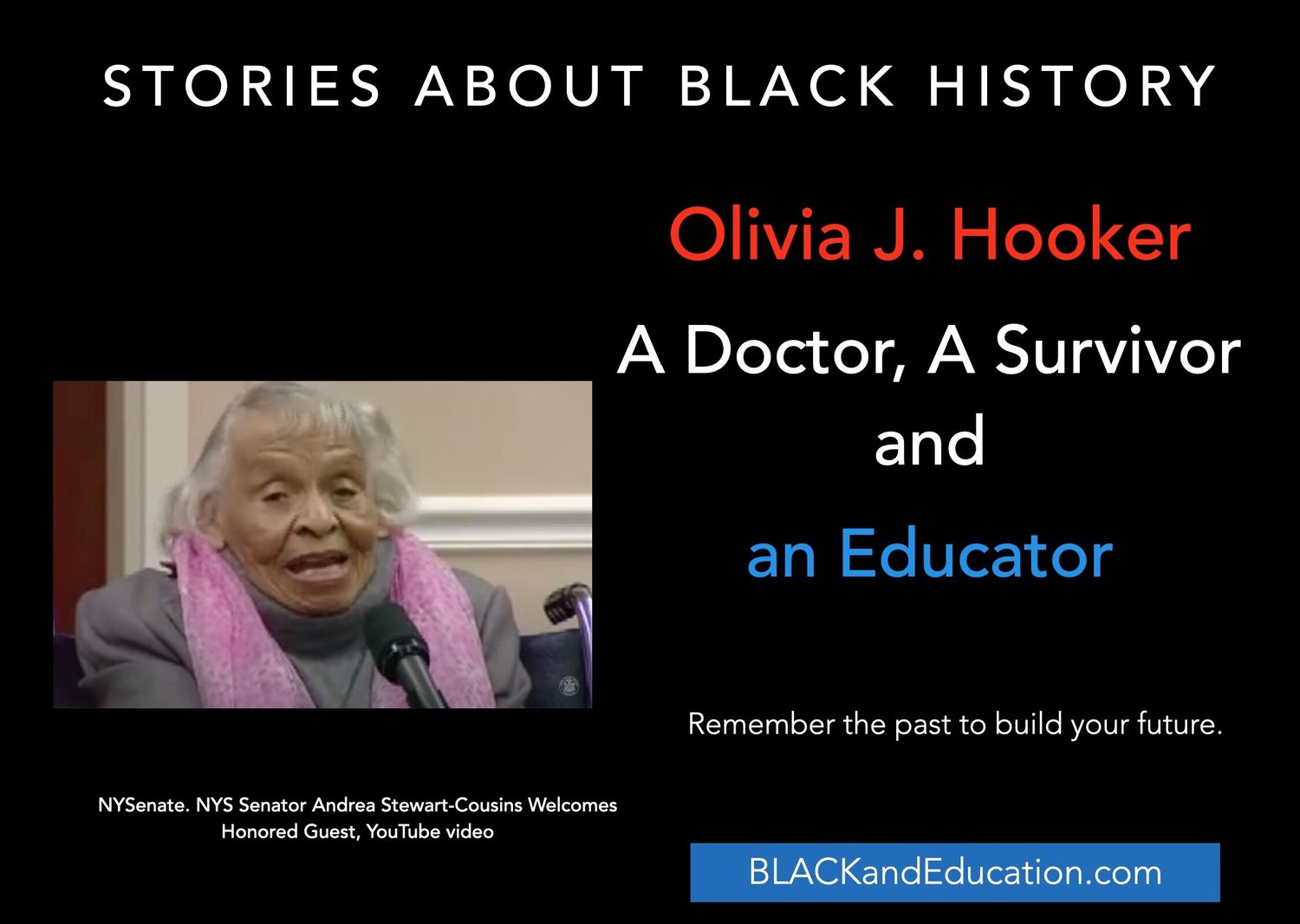
Dr. Olivia J. Hooker was a clinical psychologist, a professor of
psychology, one of the first African-American women to serve in the U.S.
Coast Guard and a survivor of the Tulsa race massacre in 1921.
For the few Blacks who were able to get homes, their homes “may have” risen
in value, but so much of the money surrounding the housing industry was
going to white people who were profiting off of a segregated area.

Comments

Download from Google Play

Download from App Store
 United States