


 Claim Ownership
Little Office of the Blessed Virgin Mary
Subscribed: 10Played: 161
Subscribe

© Veronica Brandt
Description
Recordings of the Little Office of the Blessed Virgin Mary from the 1962 version sung in Latin.
Cantare Officium Parvum Beatae Mariae Virginis.
littleoffice.brandt.id.au
littleoffice.substack.com
Cantare Officium Parvum Beatae Mariae Virginis.
littleoffice.brandt.id.au
littleoffice.substack.com
94 Episodes
Reverse
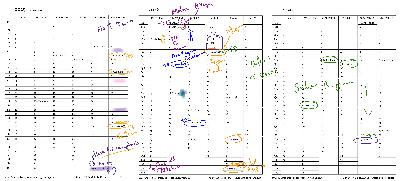
This video was a quick one, back to my usual mumbling speedy voice.Here’s the final annotated calendar:Hopefully it’s clear enough to point you in the right direction. Most proper copies of the Little Office will have a section on Rubrics or Instructions which should explain the same information.Here are my source PDFs:* 2025* 2026* 2027I made 2027 so far ahead of time in order to include it in my Planner for next year. You can get a printed copy at Lulu or browse a PDF version on Gitlab. I probably should have spruiked it in the video. Well, if anyone buys a copy I’ll know you read through to the end of the article! Or you can leave a cryptic comment somewhere. Get full access to Little Office of the Blessed Virgin Mary at littleoffice.substack.com/subscribe
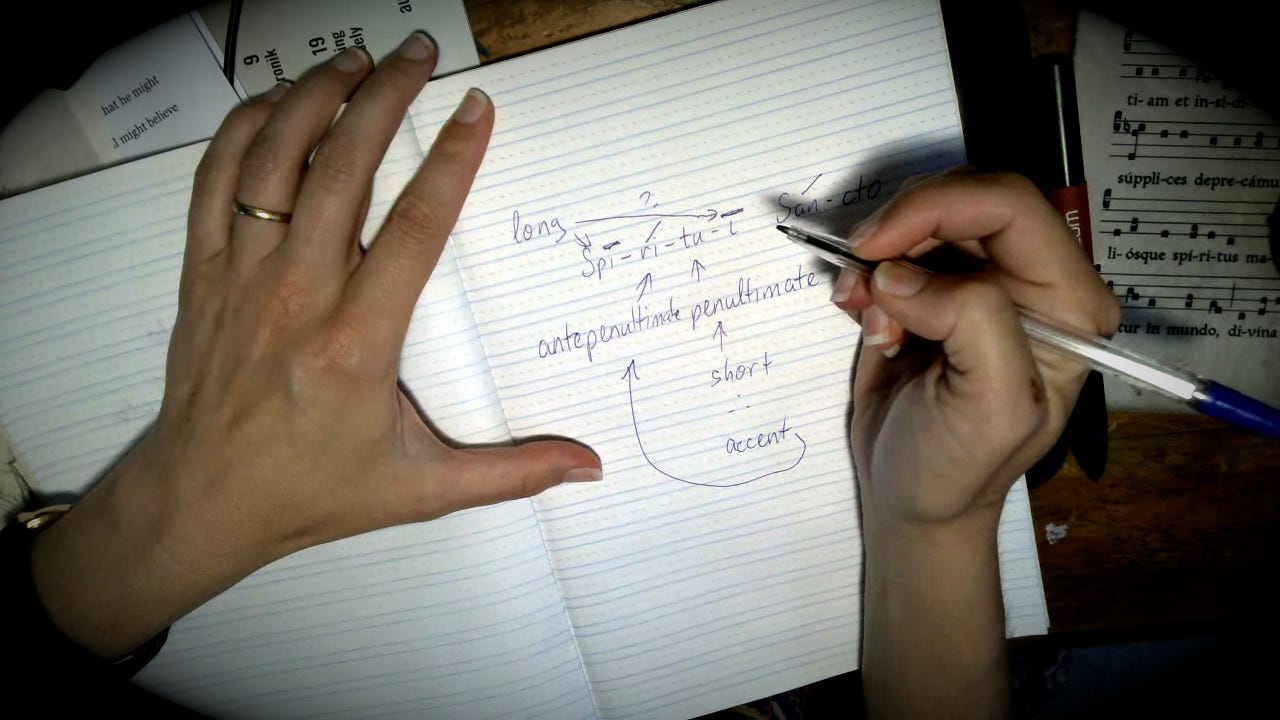
SpiRItui or SPIriTUi? What’s the difference, who cares and why?This puzzle jumped out at me a while ago. I started listening and assembled a few examples, but it wasn’t until this tripped up one of my choir members that it seemed worthwhile to put an explainer together. Today we’ll briefly look at why mastering this word will help you, what the different endings mean and why Spiritus is so odd in Latin. In the recording I will include clips from Pope Pius XII, Pope John Paul II and Pope Benedict XVI and Cardinal Burke.First, a warning, don’t be a fusspot. It is very common and normal for people speaking Latin to mix things up. Most of the time it’s not worth correcting someone’s pronunciation. As long as you’re generally intelligible, then we can live with funny quirks.Except if you’re singing a psalm in a tone with a final of two accents, then you will need to know the accent in Spiritui falls on the RI and not the TU. This occurs in Mode 5 and Mode 7. As choir leader, I care that people sing the right note on the right syllable, so although I do my best to remember that pronunciation can vary, I am in a wonderful position where I have the final say on how things are sung in my choir. That said, you probably go with what your choirmaster says, but I’ll plough ahead because I think I’m right and because it’s one of those details which is interesting in a small way.Now, the word Spiritus is an interesting case. It ends with “US” which makes you think it’s a normal 2nd declension noun, but turns out it’s a member of a much smaller group, the 4th declension nouns. However, it is frequently paired with the adjective “SANCTUS” which follows the 2nd declension noun endings. Most of the time, in Latin, your adjectives and nouns share endings, so you can be tempted to say Spiritus Sanctus, Spirito Sancto, Spiriti Sancti, but in this case that doesn’t always work.When the Holy Spirit is the Subject of the sentence, as in “May Almighty God bless, you, Father, Son and Holy Ghost” then you do have Spíritus Sanctus. However, when making the sign of the Cross, the Three Persons of the Blessed Trinity are in the Genitive Case, “Of the Father, Of the Son, Of the Holy Ghost” and we use “Spíritus Sancti”. Lastly, the case under the microscope today, in the Gloria Patri, we use the Dative Case, “Glory Be To the Father, To the Son, To the Holy Ghost” and here we have “Spirítui Sancto”.In Latin the last syllable is never accented. The accent falls on either the second last (penultimate) or third last (antepenultimate) syllable. In Classical Latin we talk about the quantity of different syllables, whether it’s long or short. If the penultimate syllable is long, it gets the accent. If the penultimate syllable is short, then the accent goes on the antepenultimate syllable. In Spiritui, the first and last syllables are long, so both middle syllables are short, so the accent falls on the antepenultimate, which is the RI.So that gives you too much information on why we say SpiRItui in the Gloria Patri. Hearing people pray the Gloria Patri in Latin is wonderful, regardless of accuracy. A long time ago I made a quick video saying that pronouncing Latin is easy, and I guess there is still some truth in that, but as you can see here, there is usually more out there to learn. I hope this discussion helps you pronounce the Gloria Patri with confidence and accuracy so that if you ever join a choir and sing a Gloria Patri in mode five or seven, then you will easily hit the right notes on the right syllables.God bless you. Get full access to Little Office of the Blessed Virgin Mary at littleoffice.substack.com/subscribe
https://www.lobvm.com/hours/roman/1962/office-1/la-en/matins/I finished with the optional collect to make this a standalone hour. Sorry, I didn’t check the other spoken recordings for consistency. Follow up with Lauds if you like: Get full access to Little Office of the Blessed Virgin Mary at littleoffice.substack.com/subscribe
Very similar to the last two posts, just subbing out the Psalms for the 3rd Nocturn. This recording was plagued by bird noises. First take it was Sulphur Crested Cockatoos, second take my voice was audibly much more tired and one chicken was hanging around, making her presence felt. So here you can hear one psalm from the first take and two psalms from the second take and you might guess which is which.Matins is a bit of a tough one. The invitatory stays the same, so you get the hang of that. The responsories have a bit of variation and in Lent where the Te Deum is not said and instead there’s a third responsory, “Felix namquam”. I’m singing the one from the Baronius Press book, which comes from Hartker’s Nocturnale.But here is Matins for Wednesdays and Saturdays from Septuagesima Sunday through to Holy Wednesday or Holy Saturday if you’re praying in private.I’ve included the optional ending in case you don’t go straight into Lauds. Feel free to skip this if you have Lauds queued up ready to roll. Hopefully your podcast app allows you to do this.Booklets in PDF available: littleoffice.brandt.id.auSupport this channel, either via Substack or Buy Me a Coffee Get full access to Little Office of the Blessed Virgin Mary at littleoffice.substack.com/subscribe
I’m copying from the previous post, just changing the bit to make it 2nd Nocturn. Even the audio pretty much does this. It’s a shortcut. Hope it’s not too aggravating.Matins is a bit of a tough one. The invitatory stays the same, so you get the hang of that. The responsories have a bit of variation and in Lent where the Te Deum is not said and instead there’s a third responsory, “Felix namquam”. I’m singing the one from the Baronius Press book, which comes from Hartker’s Nocturnale.But here is Matins for Tuesday and Friday from Septuagesima Sunday through to Holy Wednesday or Holy Saturday if you’re praying in private.I’ve included the optional ending in case you don’t go straight into Lauds. Feel free to skip this if you have Lauds queued up ready to roll. Hopefully your podcast app allows you to do this.Booklets in PDF available: littleoffice.brandt.id.auSupport this channel, either via Substack or Buy Me a Coffee Get full access to Little Office of the Blessed Virgin Mary at littleoffice.substack.com/subscribe
Matins is a bit of a tough one. The invitatory stays the same, so you get the hang of that. The responsories have a bit of variation and in Lent where the Te Deum is not said and instead there’s a third responsory, “Felix namquam”. I’m singing the one from the Baronius Press book, which comes from Hartker’s Nocturnale.But here is Matins for Sunday, Monday and Thursday from Septuagesima Sunday through to Holy Wednesday or Holy Saturday if you’re praying in private.I’ve included the optional ending in case you don’t go straight into Lauds. Feel free to skip this if you have Lauds queued up ready to roll. Hopefully your podcast app allows you to do this.Booklets in PDF available: littleoffice.brandt.id.auSupport this channel, either via Substack or Buy Me a Coffee Get full access to Little Office of the Blessed Virgin Mary at littleoffice.substack.com/subscribe
The Little Office of the Blessed Virgin Mary is a great treasure from the Church’s rich history of liturgical work. Here is a wonderful way to usher in the morning. There are four psalms and two canticles.I sort of munged the different versions as the budgerigars were starting to wake up as I reached the end, plus I didn’t have the words for the Commemoration of the Saints handy, so the recording includes the Kyrie from the 1915 version, but ends like the 1962 version.Booklets in PDF available:https://littleoffice.brandt.id.au/Support this channel, either via Substack or Buy Me a Coffee Get full access to Little Office of the Blessed Virgin Mary at littleoffice.substack.com/subscribe
Completorium is known as Compline or Complin with all the different possible pronunciations. I’m using the Roman Little Office of Our Lady in the 1915 version. The Little Office of the Blessed Virgin Mary is a cut down version of the Divine Office for the Laity or Third Orders. The Gregorian Chant is from the Antiphonale Romanum. The Marian Antiphon, Ave Regina Caelorum is sung in the Simple Tone.This one was surprisingly easy to put together as I didn’t make so many mistakes. Once upon a time I did have this memorised, but that was a while ago.Booklets in PDF available:https://littleoffice.brandt.id.au/Support this channel, either via Substack or Buy Me a Coffee Get full access to Little Office of the Blessed Virgin Mary at littleoffice.substack.com/subscribe
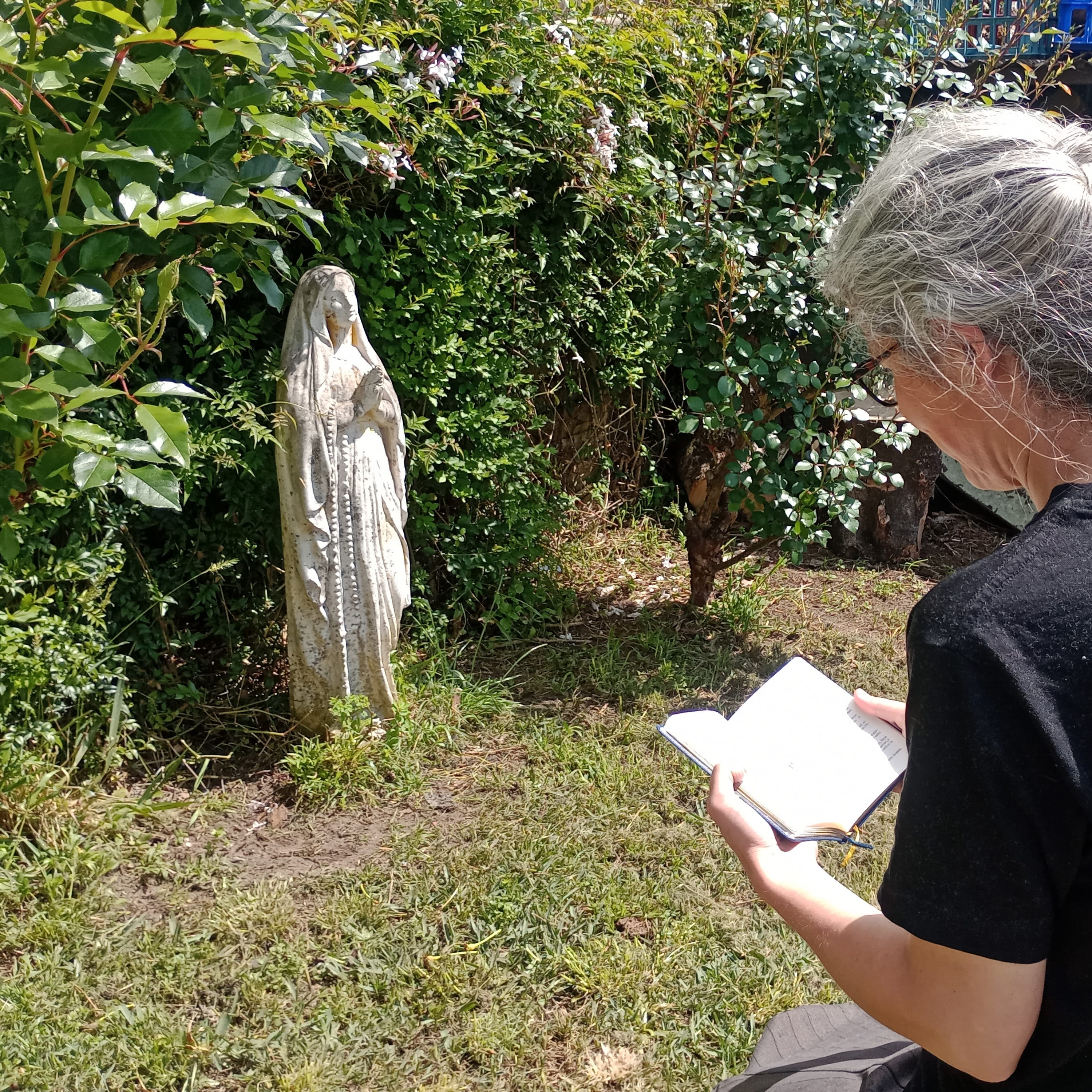
Vespers, Vesperae, Evening Prayer for the time from Septuagesima Sunday through Ash Wednesday, First Sunday of Lent right through to Holy Thursday. The Little Office is not prayed publically over the Sacred Triduum, but if you were saying it privately, this is what you could use. The Divine Office proper to the Sacred Triduum is pretty amazing though and well worth looking into. divinumofficium.com is a good place to start. Tenebrae is the most musical hour (Matins+Lauds) with many fine recordings available on Youtube. The rest are very pared back with minimal singing, but very beautiful in an austere way.This recording is back in the house at night with some noise removal and filter curve equalising courtesy of Audacity.Booklets in PDF available:https://littleoffice.brandt.id.au/Support this channel, either via Substack or Buy Me a Coffee Get full access to Little Office of the Blessed Virgin Mary at littleoffice.substack.com/subscribe
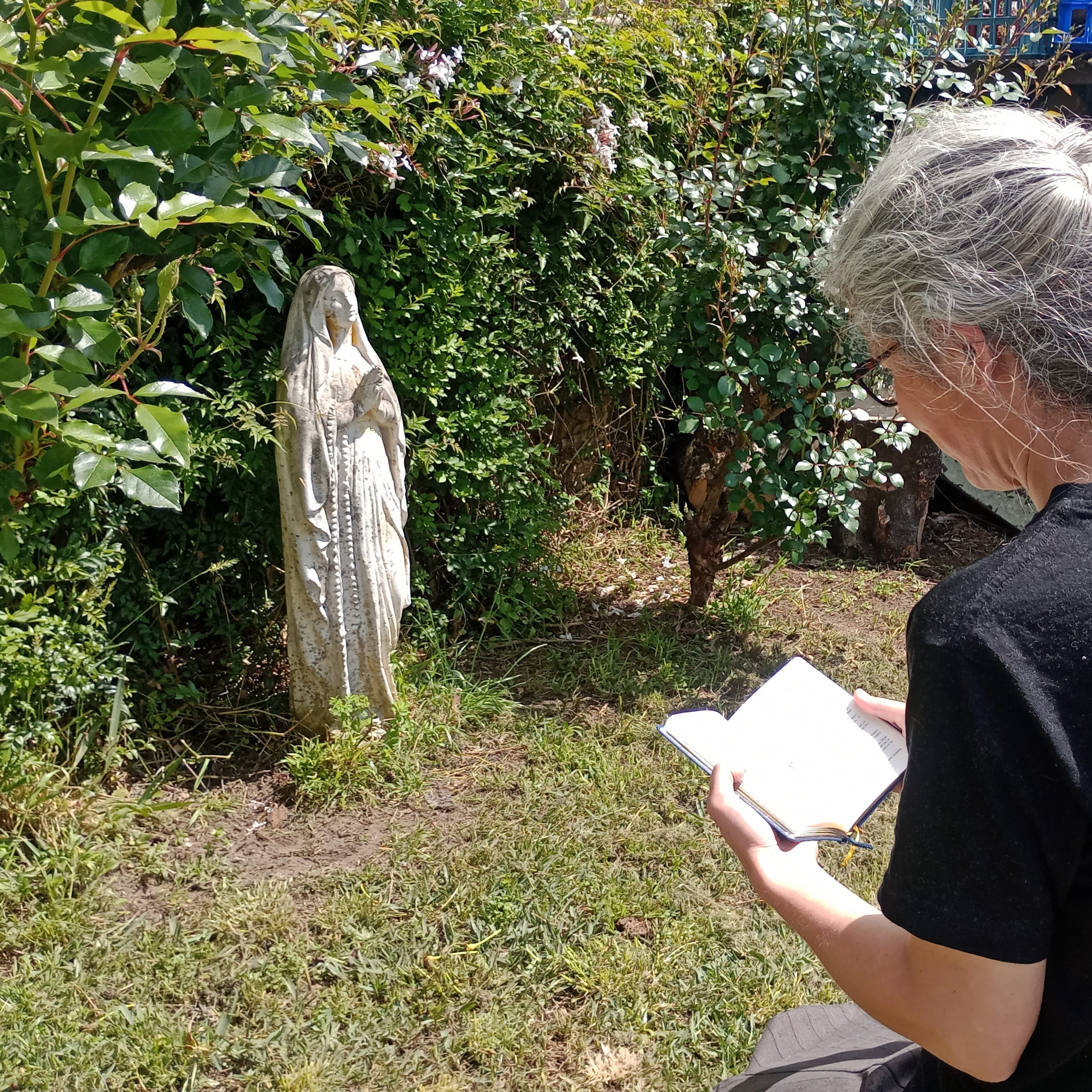
The bird noises from about 5 minutes in are Sulphur Crested Cockatoos, which are very common in my part of Australia.Booklets in PDF available:https://littleoffice.brandt.id.au/Support this channel, either via Substack or Buy Me a Coffee Get full access to Little Office of the Blessed Virgin Mary at littleoffice.substack.com/subscribe
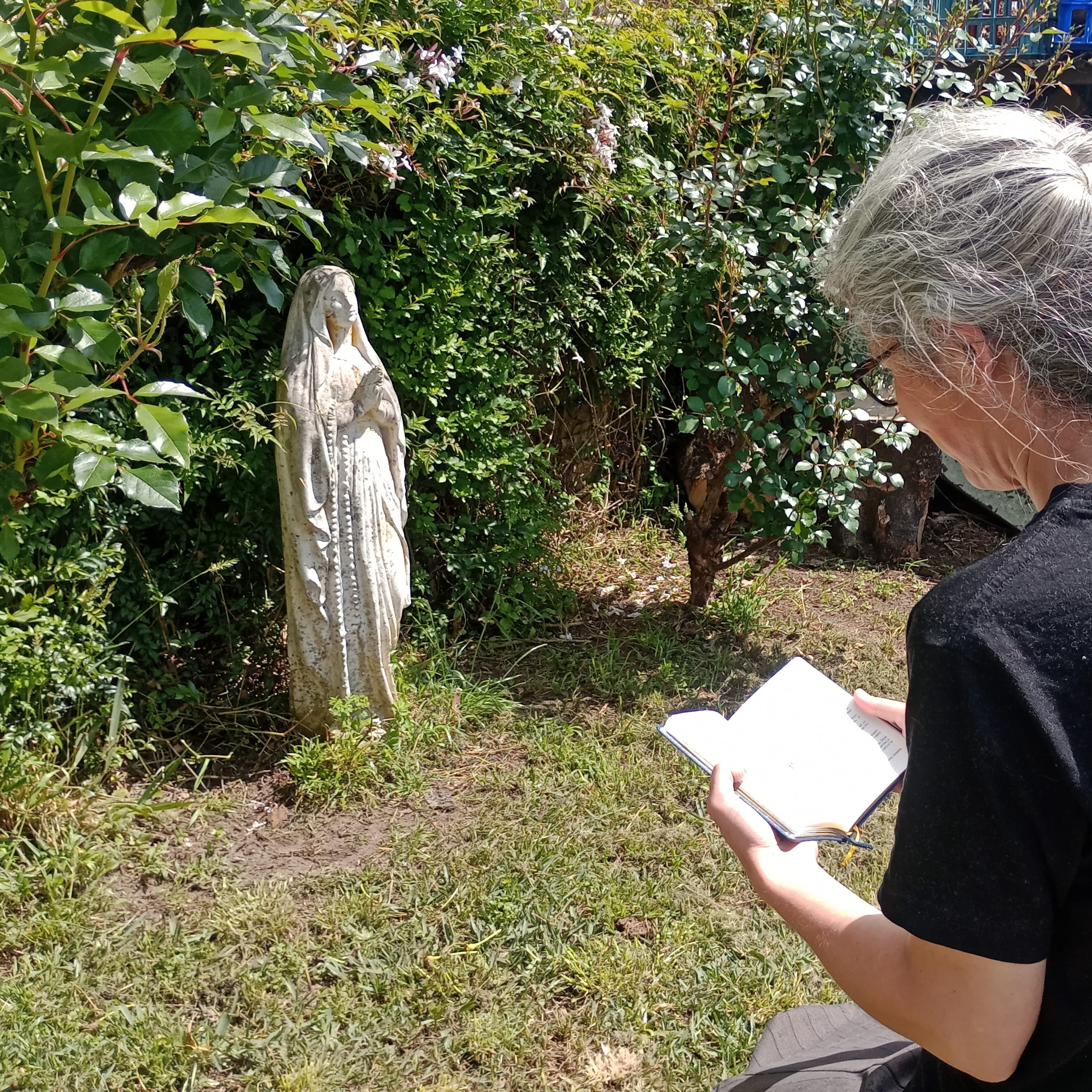
Booklets with all the music can be found here https://littleoffice.brandt.id.au/ Get full access to Little Office of the Blessed Virgin Mary at littleoffice.substack.com/subscribe
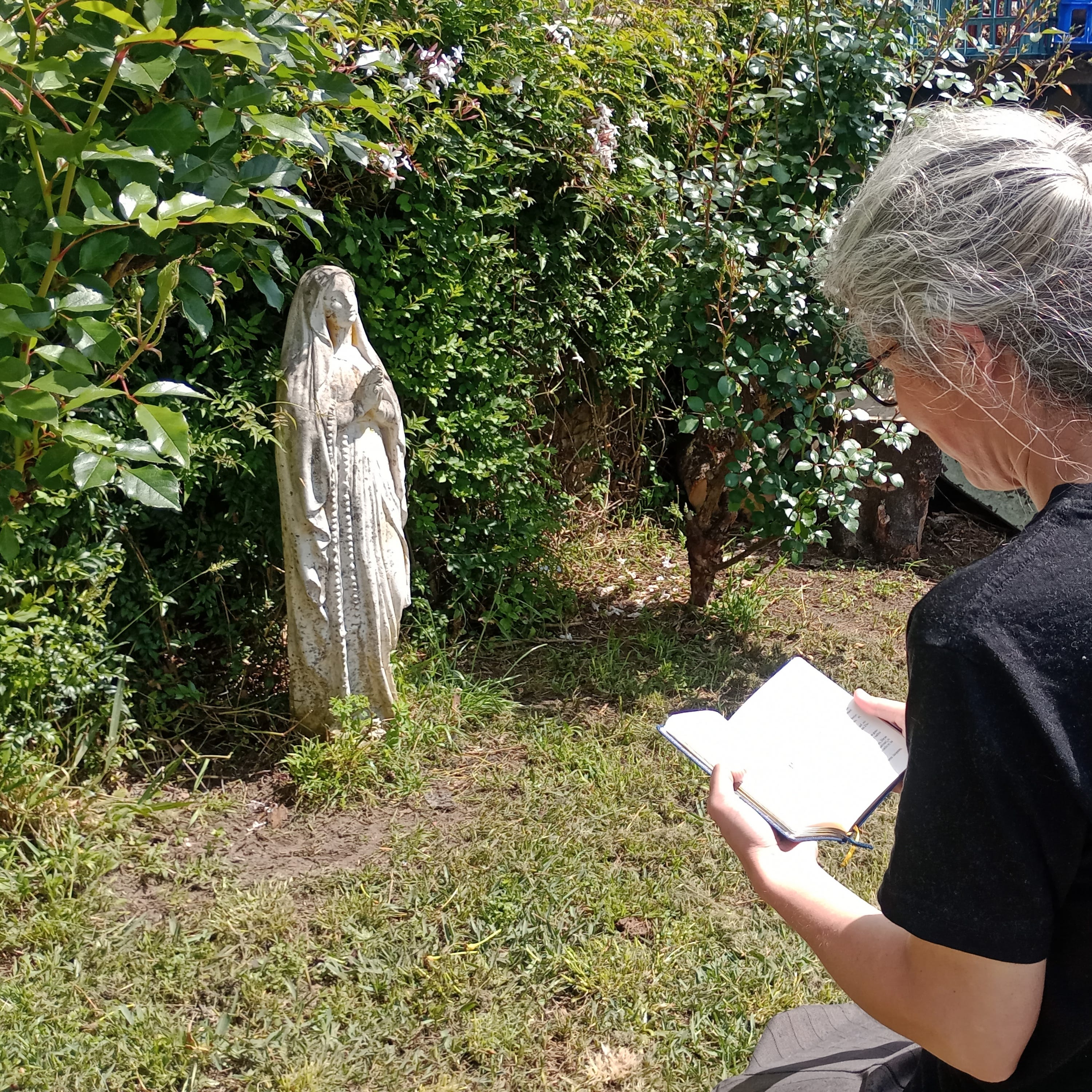
Recorded with my H2 zoom microphone, this time using the exercise shed to avoid the budgerigar chirps. Instead we hear some chicken noise - they were fine, I checked. Get full access to Little Office of the Blessed Virgin Mary at littleoffice.substack.com/subscribe
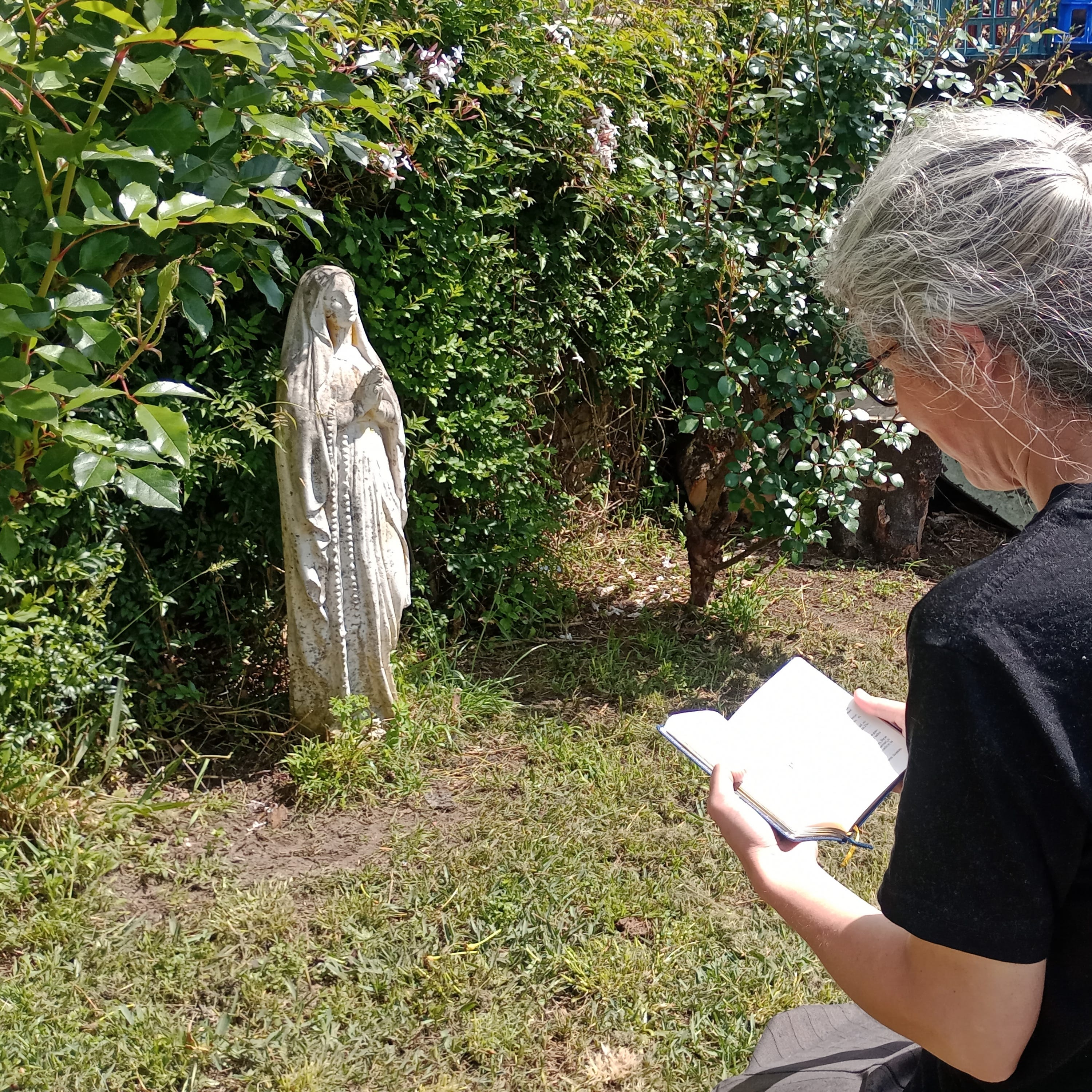
Recorded with my H2 zoom microphone. Used Audacity for noise removal and run the Filter Curve EQ thing.The sheet music is mostly from the Prime booklet at littleoffice.brandt.id.au. The Kyrie is from my Medieval Lauds booklet there - I’ve become accustomed to sing from the 1915 Benziger Bros book as I like the extra Kyrie. You’ll have to imagine the silent Ave Maria at the beginning.You’ll see it’s pretty much the same as Office 1: Post Pentecost, except for substituting “Laus tibi Domine, Rex Aeterne Gloriae” for the Alleluia.God bless you! Get full access to Little Office of the Blessed Virgin Mary at littleoffice.substack.com/subscribe

Firstly, we are now well into the season of “Laus tibi Domine, Rex aeterne gloriae.” Happy Septuagesima!A keen reader found a very old typo in my Little Office Compline PDFs - somehow, long ago, I had typed up “Lumen et revelationem gentium” instead of “Lumen ad revelationem gentium”. That has been fixed in the files at littleoffice.brandt.id.au/#booklets Refreshing the files at Gumroad and Udemy will take a little longer.Looking back at last month’s update, I did manage to accomplish one of the three goals, that of running through the explanation of rubrics in the Benziger Brothers 1914 Little Office book. It took two videos. Unfortunately they are recorded in fairly low resolution as my usual video device was being used elsewhere, so I used an old iPad which I had previously set to low resolution video, as sometimes a small person fills up the hard drive… anyway here they are:And the second installment looking more into the ceremonial aspects:The other two goals were a bit more ambitious - to explain how to sing psalms and make a course on singing Roman Compline.The real answer to the question “how does one psing psalms?” is that one can psing them in any way one desires. Of course, coming from a background in singing psalms in the western chant tradition in Latin, that’s going to be the way I will gravitate towards, but there are many different ways to sing. I’ve been singing with many different people with many different styles and realising that singing in itself is a valuable skill to cultivate. Our culture seems to push people away from singing into being passive consumers of mass produced noise. Any sort of singing is better than nothing.The photo above captures my current list of ideas for Youtube videos. I’m always open to suggestions. Someone asked me how I would recite the Chaplet of the Holy Face in English and I started drawing diagrams describing my interpretation of the description in the 1789 Holy Face Manual, but co-ordinating all the elements of making videos seems to be more difficult than I remember.Also, this particular substack is devoted to the Little Office of Our Lady and sometimes I go outside that area. I have another podcast called the Latin Mass Homeschool Family, which is hosted with Spotify. Unfortunately Spotify has a policy of only hosting podcast episodes which are predominantly spoken. They recently deleted 32 episodes from my Latin Mass Family podcast without warning. I tried contacting them about getting back up copies, but turned out their system was not set up to cater for that service. The episodes were all from the 100 days of Chant challenge which I set myself a few years ago. Fortunately they are all still on Youtube. The recordings I was most concerned about were the family recordings of singing Compline, which would have been very difficult to recreate, and are all linked into a little blog at compline.brandt.id.au. Fortunately all those recordings passed Spotify’s test for being mostly spoken.That gives me yet another goal, to migrate the Latin Mass Homeschool Podcast to a more music-friendly host. I’ll put that job alongside updating the wowchemy themes on my webpages to hugo blocks.But all this pales in comparison with what seem to be our Holy Father the Pope’s last days on earth. Let us pray for the Pope.Ave María. Grátia plena. Dóminus tecum. Benedícta tu in muliéribus et benedíctus fructus ventris tui, Jesus. Sancta María Mater Dei. Ora pro nobis peccatóribus, nunc et in hora mortis nostrae. Amen. Get full access to Little Office of the Blessed Virgin Mary at littleoffice.substack.com/subscribe
Summer Holidays!Lenten Hymns are my main preoccupation at the moment. I have a special bunch of Masses around the feast of the Annunciation this year.Turns out there are quite a few arrangements of Audi Benigne Conditor on CPDL.org, some of them for 3 parts and designed to alternate with the chant. I love this hymn. It’s one I didn’t know back when I assembled A New Book of Old Hymns.Back to the Little Office, January is still Christmas time or Office 3. The feast of the Purification of the Blessed Virgin Mary, now known as the Presentation of Jesus, 2nd February is the last day for Office 3. The beginning of the changeover to Office 1 comes at the end of Compline. Instead of finishing with the Christmas antiphon Alma Redemptoris, you change to the next antiphon, Ave Regina Caelorum. Then the next hour, Matins, is Office 1.I often describe Ave Regina Caelorum as the Lenten antiphon, though that isn’t strictly accurate. Purification to Sacred Triduum is a better description, but it’s a bit more wordy. So this change doesn’t catapult us into Lent or even Septuagesima. Septuagesima Sunday falls on 16 February this year, so your last Alleluias happen at None of Saturday 15 February. From Vespers Saturday 15 February, use the “Laus tibi Domine” options.With regard to my own Little Office PDFs and reprints, a keen reader found that I had left out the third collect for Compline, so that has been remedied. The up to date PDFs are always at https://littleoffice.brandt.id.au/#bookletsSomeone else noticed that a shop description of my truncated Benziger Brothers Little Office had a misleading description. It is a bit confusing. I have four variations of the Benziger 1915 Little Office:* The Little Office of the Blessed Virgin Mary - 257 pages, paperback - lulu or shop.jubil.us* Little Office of the Blessed Virgin Mary with Office of the Dead - 433 pages, paperback - lulu or shop.jubil.us* Little Office of the Blessed Virgin Mary, 1915 - 257 pages, hardcover - lulu or shop.jubil.us* The Little Office of the Blessed Virgin Mary, 1915, blue hardback - 257 pages, hardcover - lulu or shop.jubil.usSo only one of the four gives you the complete book with the extra commemorations and the Office of the Dead. The other three have been shortened to just the Little Office and they share a listing on Shop Jubilus - there’s a drop down menu there to select which one you’re after.As the school year resumes here in Australia, I have a new list of projects to work on:* a course on singing Roman Compline according to the 1962 rubrics* a video (or two) going through the rubrics section of the Benziger 1915 Little Office book* an explanation of how to sing PsalmsThese are responses to queries from kind readers like you. I live in a lovely bubble where I can go to the Latin Mass on Sundays and sometimes even on weekdays. My family sings Compline together most evenings. I’ve learned so much about chant over the past two decades, often volunteering for things way over my head - you don’t know what you don’t know. When you ask questions, it helps me reflect on my assumptions and track down the reasons for how I sing.It’s still frustrating that a conventional Catholic education completely overlooks these aspects of the treasures of Catholic music. But again, you don’t know what you don’t know. It’s by learning and passing on this information that one day maybe a good majority of Catholics will be able to sing together confidently, transcending boundaries of age and language with timeless repertoire. It will take a while for our Catholic education systems to catch on.So, I hope this message finds you well. Let’s pray for each other that we may accomplish our goals in 2025!God bless. Get full access to Little Office of the Blessed Virgin Mary at littleoffice.substack.com/subscribe
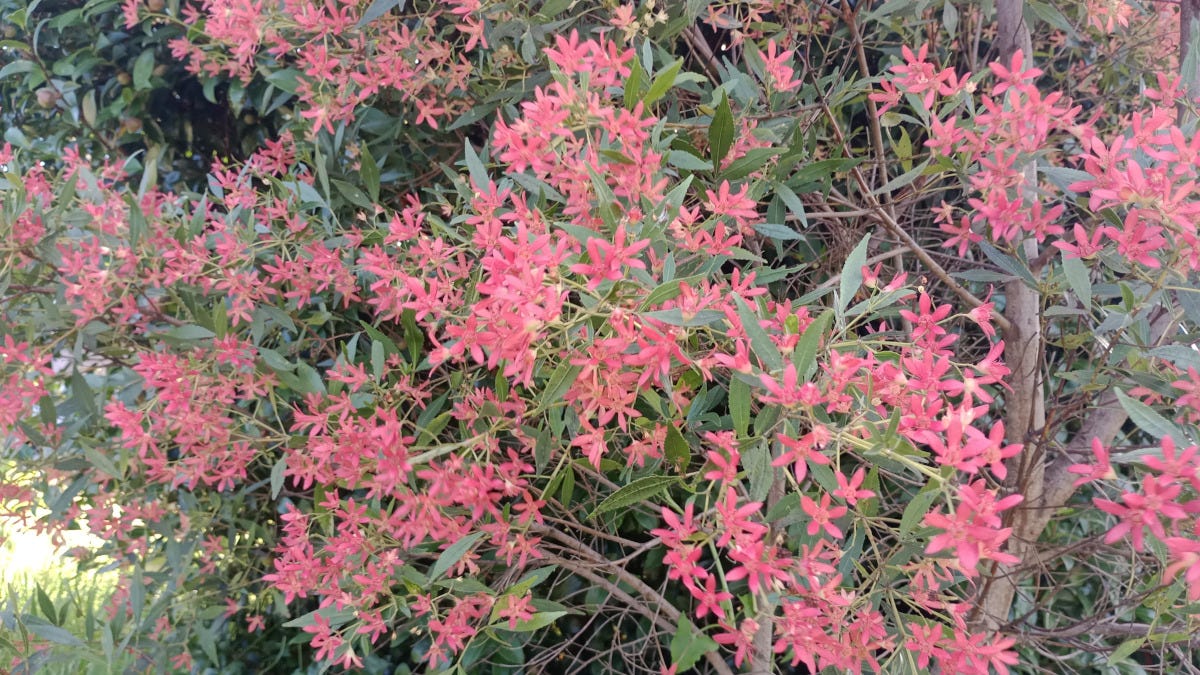
This December marks the 4th anniversary of the launch of the course, Sing the Little Office in Latin. If you haven’t signed up already, I’ve just set up a coupon for you or a friend to enrol in the course for free on Udemy:(This coupon starts 12/21/2024 3:23 PM PST (GMT -8) and expires 01/21/2025 3:23 PM PST (GMT -8) or until 100 people have signed up, whichever comes first)For anyone interested in improving their writing, the Institute for Excellence in Writing is preparing for their Twelve Days of Christmas Giving which you can read about over on my family webpage. While I was editing the video, I realised that I had ignored all the Public Speaking advice in the IEW materials and that my phone camera faithfully focussed on my microphone, leaving the rest of the scene slightly blurry. More learning experiences.The photo is our Christmas Bush, an Australian native shrub which has been struggling for twenty years and finally gave a good show of flowers this year. The bush had been choked by surrounding trees, but after we took some down and cut back the wisteria vines, it sent out a new shoot which started looking healthy and leafy last year and now has this big show of red flowers just in time for Christmas.Christmas is a crazy time - both in secular circles and religious circles here. The weather is warm. The shops are full. Kids are keen for Christmas. I would love to include a jolly carol sung by our family, but if I wait for the opportunity to put that together it will be too late to send out, so I’ll include a Christmas carol from another family - listen out for the introit for Christmas Day! (it’s just after the 6 minute mark in case you’re pressed for time) Get full access to Little Office of the Blessed Virgin Mary at littleoffice.substack.com/subscribe
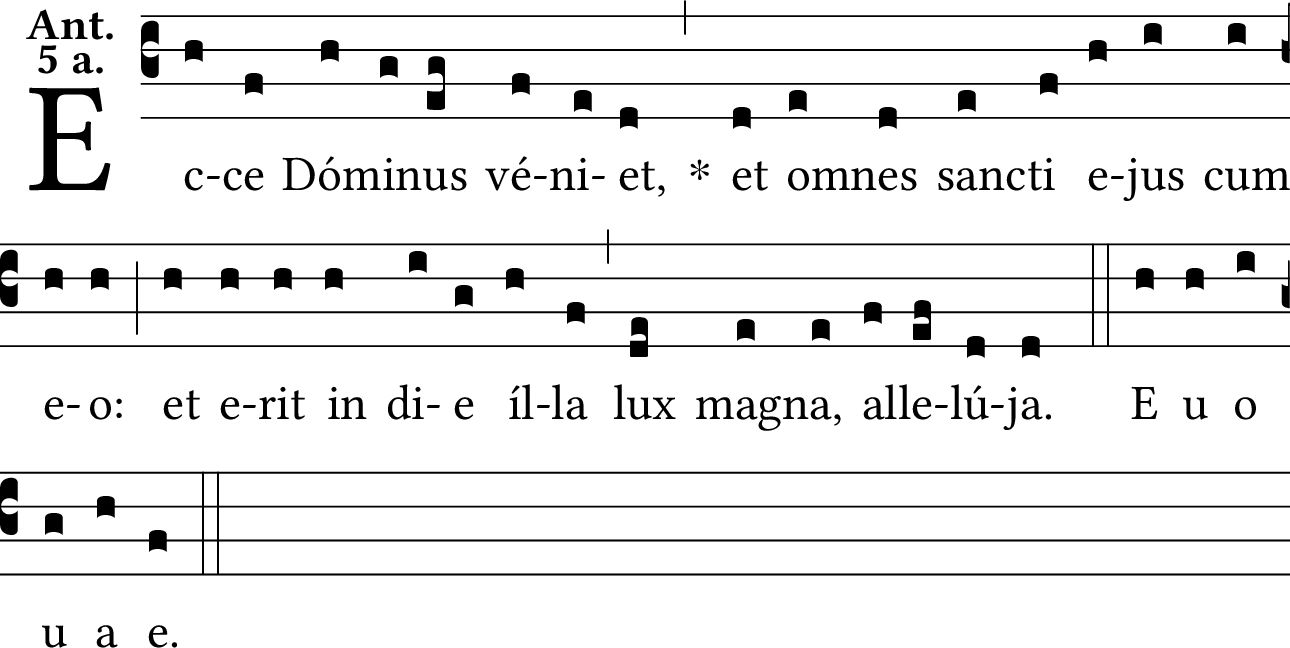
This is the first time I’ve recorded the little prayer from the 1915 version of the Little Office and earlier.It’s in my Medieval Lauds booklet : https://littleoffice.brandt.id.au/#bookletsHere’s the antiphon from Gregobase:Behold the Lord comes, and all his saints with him: and it will be in that day a great light, alleluia.This comes in at the end of Lauds and Vespers in the older editions of the Little Office. The history of this little piece is worth reading. When the Little Offices emerged, there were three main ones: * All Saints* The Faithful Departed* Our LadySaying all of them as well as the Divine Office proved too much, so different orders generally went with either Our Lady or the Dead. The Little Office of the Saints survived in this little Commemoration in the Little Office of Our Lady. Then in 1962 the Little Office of the Blessed Virgin Mary was pared down a little bit more and the commemoration was removed, along with the little “Kyrie eleison, Christe eleison, Kyrie eleison”. Get full access to Little Office of the Blessed Virgin Mary at littleoffice.substack.com/subscribe
It is finished!Seven tracks for the Day Hours of Advent!PDF Booklets are available here: https://littleoffice.brandt.id.au/#booklets Get full access to Little Office of the Blessed Virgin Mary at littleoffice.substack.com/subscribe
Vespers is beautiful.The CD is getting closer all the time! Only Compline left to knock into shape!Then we’ll need a Christmas album…As always, you can find the booklets at https://littleoffice.brandt.id.au/#booklets Get full access to Little Office of the Blessed Virgin Mary at littleoffice.substack.com/subscribe
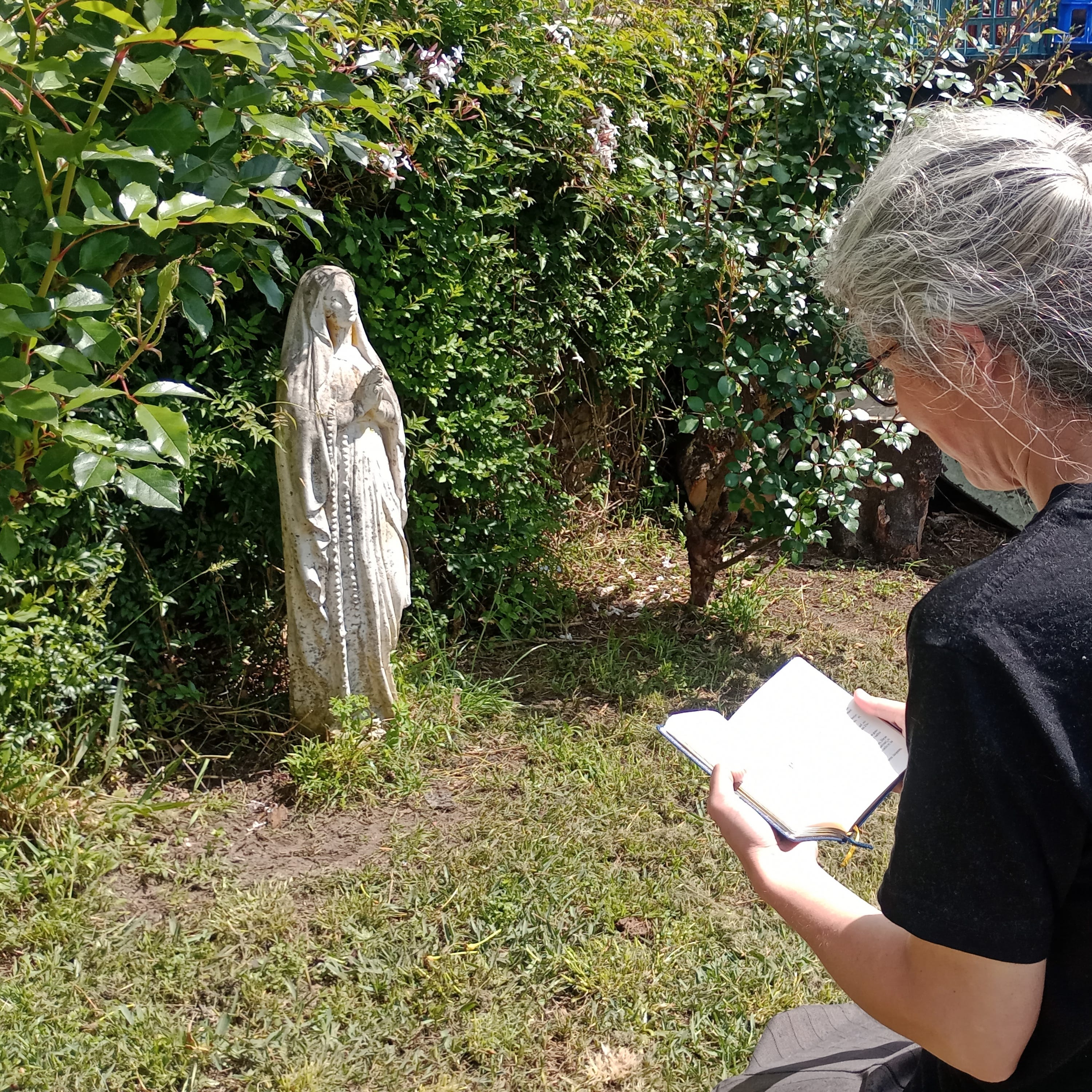
Mid-afternoon prayer from the Little Office of the Blessed Virgin Mary of the Roman Breviary.Or “Hora Nona”.As always, you can find the booklets at https://littleoffice.brandt.id.au/#booklets Get full access to Little Office of the Blessed Virgin Mary at littleoffice.substack.com/subscribe

Comments

Download from Google Play

Download from App Store
 United States