


 Claim Ownership
Psychiatry Tomorrow
Subscribed: 22Played: 110
Subscribe

© 2023, Osmind, All rights reserved
Description
Psychiatry is entering a new era. Join host Carlene MacMillan, M.D., Psychiatrist and Chief Medical Officer at Osmind, for Psychiatry Tomorrow, where we delve into captivating conversations with mental health leaders advancing the field. From groundbreaking research and technology, to the modern private practice and the policies shaping psychiatry’s future.
Navigate the exciting realms of neuromodulation, rapid-acting antidepressants, metabolic psychiatry, psychedelic medicine, starting a private practice, and much more.
Join us on this thrilling journey, and let’s transform mental health together.
Navigate the exciting realms of neuromodulation, rapid-acting antidepressants, metabolic psychiatry, psychedelic medicine, starting a private practice, and much more.
Join us on this thrilling journey, and let’s transform mental health together.
31 Episodes
Reverse
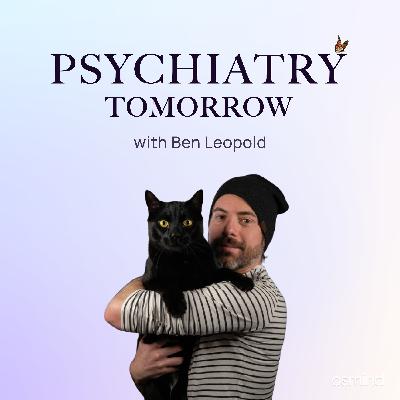
Ben Leopold spent years on 10 different antidepressants, each one trading his lowest lows for a flatline existence that erased his personality. It wasn't until a psychiatrist stopped prescribing and started digging into the childhood trauma underneath his depression that things began to shift. In late 2020, already armed with years of therapeutic tools he couldn't access through the fog, Ben started Spravato treatment at a clinic in Portland. The dissociative experience let him step outside his anxiety for the first time and see himself the way his family always had. Today, more than two years after his last session, he maintains his recovery through running, surfing, writing horror novels, and showing up for the people he loves. In this episode of Psychiatry Tomorrow, Ben sits down with Osmind's Dr. Will Sauvé and Dr. Brittany Albright to walk through the full journey.Timestamped Show Notes
[00:00] Introduction and Ben's opening reflection on where he is today
[01:06] Ben begins sharing his story and background [03:09] The morning his father died when he was nine years old
[05:58] How early trauma became panic attacks and catastrophic thinking
[06:43] Building survival mechanisms and isolation patterns as a child
[09:00] The slow decline from 2015 to 2018: getting heavier, losing hobbies, losing himself
[10:35] Breaking point: panic attack during a routine work meeting
[12:19] Finding his first psychiatrist and starting antidepressants
[13:19] How Ben's mother normalized mental health treatment in the late 80s
[15:01] Dr. Sauvé on memory loss after 12+ months of depression
[16:15] Why supporting someone through depression is a thankless job
[16:52] The isolation paradox: pushing people away to "protect" them
[22:17] The antidepressant carousel: 10 medications and their side effects
[23:44] Emotional blunting: feeling like a shell of yourself
[26:18] Ten medications tried over approximately 18 months
[27:16] COVID, freefall, and starting fresh with Dr. Combs
[28:31] A different approach: addressing root causes instead of just symptoms
[32:28] Sister introduces Ben to Spravato
[33:47] First impressions of Evolve Health clinic in Portland
[35:17] How clinic atmosphere and personalization changed Ben's treatment experience
[36:40] Prior psilocybin experience and writing a letter to his mother
[37:07] The Spravato experience: the Tasmanian devil tornado metaphor
[38:18] Learning to love imperfection
[39:07] Why Spravato needed a therapeutic foundation to work
[40:11] Integration: zipping up nine-year-old Ben with adult Ben
[41:36] Journaling during sessions and learning to express love
[42:35] The dissociative sandbox: beta testing yourself
[43:38] Off Spravato since 2021 and maintaining recovery through lifestyle
[45:37] Taking a year off work to build stability in the boring daily routine
[46:26] Current life: running, surfing, writing, family
[47:09] Final words: put in the effort, keep pushing
Brought to you by: Osmind.org, the #1 All-in-one Billing Solution + EHR for the modern private psychiatry practice
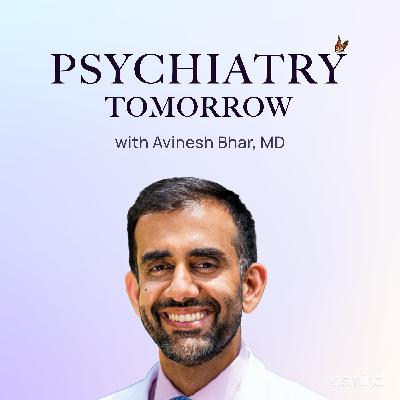
Most of Brittany Albright's treatment-resistant depression patients test positive for obstructive sleep apnea. Some longstanding ADHD cases turn out to be sleep apnea too—treated, the diagnosis comes off. Dr. Avinesh Bhar, a sleep medicine physician who founded Sliiip, joins Will Sauvé and Brittany Albright to discuss why sleep disorders hide behind psychiatric diagnoses. They cover how sleep apnea now shows up earlier and in different presentations, why women get missed on standard scoring, and what the 2-3am wake-up really means. The conversation also addresses the access crisis—only 150 sleep fellows graduate annually—and how telemedicine and home testing are starting to close the gap.Timestamped Show Notes:[00:00:00] Introduction: Dr. Bhar's path from pulmonology to sleep medicine [02:19] Sleep as a "single-player experience" and why patients normalize dysfunction[06:18] Psychiatry training teaches us to avoid deep sleep conversations[07:09] Only 150 sleep physicians graduate annually; most were grandfathered in[08:08] "The test is negative, now what?" The Seroquel referral loop[09:22] Tardive dyskinesia case from quetiapine prescribed for sleep[11:58] Financial conflicts in sleep medicine: in-lab vs. home testing[14:05] Setting up virtual sleep medicine for accessibility[16:44] Dr. Albright on 9-12 month waitlists and finding Dr. Bhar[19:04] The deprescribing challenge: when patients don't want to stop meds[21:43] Multi-night home testing vs. single-night in-lab studies[22:53] Skulls at smallest size in evolution; REM-dependent sleep apnea in women[24:06] The 2-3 AM wake-up: tracing the third REM cycle[26:15] "Is insomnia a diagnosis or symptom?"[27:01] Teeth grinding as a sign of sleep-disordered breathing[28:13] Sleep apnea and addiction: the stimulant-alcohol cycle[29:02] AI scoring trained on male patients; women get missed[31:32] PTSD, metabolic syndrome, and sleep apnea overlap[32:08] GLP-1s as "cheat code" for insurance approval[34:07] Weight loss doesn't cure sleep apnea permanently[35:38] Patients don't know what "well" feels like[36:20] ADHD diagnosis removal after sleep apnea treatment[38:09] Teenagers on stimulants: changing long-term trajectories[38:54] Magic wand question: insomnia as diagnosis vs. symptom[40:04] CBTI resources: the VA's free app[43:45] Wearables: useful for trends, not diagnosis
Brought to you by: Osmind.org, the #1 All-in-one Billing Solution + EHR for the modern private psychiatry practice
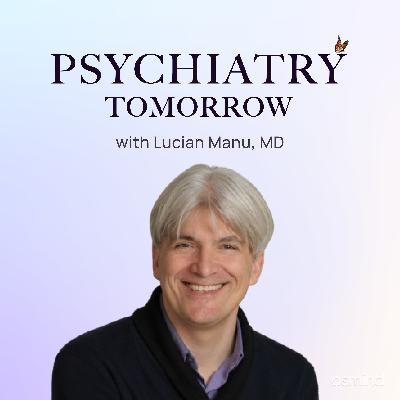
What if one of psychiatry's most effective treatments for treatment-resistant depression emerged from watching childbirth breathing techniques?Around 30-48% of depression patients become treatment-resistant after failing two or more antidepressants. For those who've exhausted every option—medication after medication, therapy combinations, even ECT—psychiatrists face a clinical impasse. But vagal nerve stimulation (VNS) offers something unprecedented: patients don't just maintain improvement—they keep getting better, month after month, year after year.At Stony Brook University, Dr. Lucian Manu has helped over 20 patients access VNS, many of whom have reduced their reliance on weekly ketamine infusions to monthly or less while maintaining stability.What You'll LearnWhy VNS emerged from an accidental observation during Lamaze classes and what that tells us about vagal modulationHow VNS creates a clinical "floor" that prevents patients from reaching their lowest depressive episodesThe Medicare coverage breakthrough after 15 years of insurance denials—and the cost-effectiveness argument that workedPatient selection criteria, practical implementation details, and managing the insurance appeals processWhy functional improvements often precede symptom score changes Timestamped Show Notes[00:00:00] Introduction: VNS as a treatment discovered by accident[00:01:00] Dr. Will Sauvé joins as new co-host[00:02:00] Why VNS is gaining momentum now[00:03:00] Dr. Manu's journey into VNS starting in 2016[00:05:00] The vagus nerve: anatomy and function—80% afferent, pathway to locus coeruleus[00:08:00] Jake Zabara's serendipitous discovery at Lamaze class[00:11:00] From stopping dog seizures to human epilepsy treatment[00:13:00] PET scans reveal VNS targets same brain regions as TMS; patients report feeling better than ever[00:16:00] The two unique features that convinced the FDA: improvement over time, low relapse[00:19:00] Why insurance companies refused coverage 2005-2020: not "class one evidence"[00:22:00] The RECOVER trial and Medicare breakthrough—cost-effectiveness argument[00:27:00] Getting single-case agreements through appeals: "war of attrition"[00:31:00] Patient selection criteria: 4+ failed treatments, bell curve age distribution, no ceiling on failures[00:34:00] Comparing VNS to ECT: "less extreme, more natural—dialing up existing function"[00:35:00] Bipolar depression often underdiagnosed in "treatment-resistant" populations[00:38:00] How VNS reduces ketamine treatment frequency: creating the floor while ketamine provides acute relief[00:42:00] The surgical procedure: outpatient, comparable to pacemaker, 21 patients with zero explantation requests[00:46:00] Quality of life improvements precede symptom scores; using MADRS and CGI to counter self-report bias[00:50:00] Transcutaneous auricular VNS: the non-invasive future, respiratory-gated stimulation research[00:53:00] VNS-assisted psychotherapy: priming the brain to learn by activating locus coeruleus attention systems[00:56:00] Trauma surgery ICU delirium study with ta-VNS—cross-disciplinary collaboration
Brought to you by: Osmind.org, the #1 All-in-one Billing Solution + EHR for the modern private psychiatry practice
 1
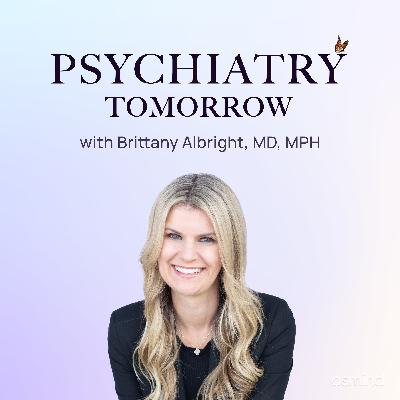
1Nine out of twenty patients in Dr. Brittany Albright's psychiatry practice were taking GLP-1 medications—not for weight loss, but because metabolic and psychiatric disease share the same pathophysiology. About 43% of patients with major depression have obesity, and GLP-1 receptors throughout the brain's mesolimbic reward system explain why these medications reduce alcohol cravings, tobacco cravings, and compulsive eating. A February 2024 JAMA Psychiatry study showed semaglutide significantly reduced drinking episodes in alcohol use disorder at relatively low doses. Dr. Will Sauvé and Dr. Brittany Albright discuss the neurobiological mechanisms, evidence-based patient selection beyond BMI, and why psychiatrists need to stop asking whether they're "allowed" to treat their patients' metabolic dysfunction. By 2030, over 50% of US adults will have obesity—the question isn't whether psychiatrists should prescribe GLP-1s, it's how we've gotten away with ignoring metabolic health for so long. Timestamped Show Notes[00:00:00] Introduction - Brittany's home office with plants and dogs[02:02] The "holistic" medicine debate[04:02] Why Brittany opened Sweetgrass Psychiatry[07:00] Bringing family medicine in-house[10:01] The economics of integrating primary care[11:08] Scaling to 30 clinicians[13:41] Full suite of interventional services offered[15:08] Nine out of twenty patients on GLP-1s[16:15] Depression and metabolic syndrome: 50/50 overlap[19:03] GLP-1s and the mesolimbic system[20:24] JAMA Psychiatry study on semaglutide for alcohol use disorder[21:17] Dr. Stahl quote: "Follow the FDA label and never get anybody better"[22:10] When GLP-1s aren't appropriate[24:01] Case study: patient on paliperidone gaining weight despite tirzepatide[25:52] Discovery of nucleus tractus solitaris[28:26] The "are we allowed to prescribe this?" debate[29:10] Valproic acid, propranolol, and scope of practice[30:01] Bipolar disorder, obesity, and mood episode frequency[30:49] Moving beyond the monoamine hypothesis[31:19] UK paper: no proof depression is serotonin deficiency[33:23] Alternative treatments: TMS, ketamine, GLP-1s[34:03] Dr. Stahl's prediction: MDD is five different illnesses[36:11] 2030 projection: over 50% of adults with obesity[37:27] Starting with clinicians practicing what they preach[38:44] Wild 5 Wellness program[40:34] Force multipliers: treating populations, not just individuals[43:06] Equipping other clinicians rather than scaling[43:48] Private practice summit planned for Vegas 2026
Brought to you by: Osmind.org, the #1 All-in-one Billing Solution + EHR for the modern private psychiatry practice
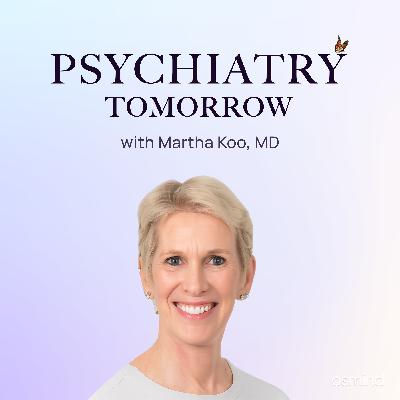
Dr. Martha Koo bought her first TMS machine in 2009 when colleagues thought she was "crazy"—now she runs 11 centers across California as immediate past president of the Clinical TMS Society. Her biggest revelation came when longtime therapy patients said "I'm good, but I'm not my true full self," showing how psychiatrists often settle for partial recovery. Unlike medications, TMS doesn't require patient belief to work—as one skeptical patient discovered when he achieved complete remission despite thinking the treatment was "silly." Early billing operated in a regulatory gray zone where insurers accidentally processed TMS sessions like MRIs, inadvertently funding the field's growth. She envisions a future with accelerated one-day protocols, mobile devices in oncology and OB-GYN settings, and implantable brain stimulators. Her blunt advice to hesitant colleagues: "The cat's out of the bag—I don't see a world in future psychiatry that's just medicine and therapy."Timestamped Show Notes:[08:09] The $100K gamble and early TMS adoption[13:25] Insurance loopholes and money-back guarantees[15:57] "Not my true full self": what patients really want[19:44] Santa's sleigh and the belief problem[22:50] Military medicine and the polypharmacy solution[25:05] Why TMS is five days a week (blame Dr. George's wife)[28:33] Accelerated, mobile, implantable: what's next[34:05] VNS comeback and combination approaches[37:21] Interventional psychiatry as evolution, not revolution[48:09] Advice for hesitant psychiatrists
Brought to you by: Osmind.org, the #1 All-in-one Billing Solution + EHR for the modern private psychiatry practice
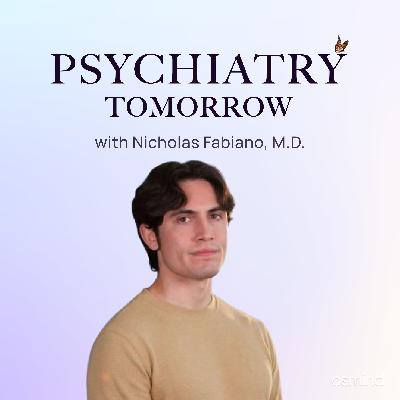
SummaryDr. Nicholas Fabiano, a third-year psychiatry resident at the University of Ottawa with 70,000+ X followers, explains how exercise can match antidepressants for mild-to-moderate depression through muscle-released proteins called myokines that act like "miracle grow for the brain." He introduces the FIT framework (Frequency, Intensity, Type, Time) for systematically discussing exercise with patients, similar to prescribing medication. Creatine supplementation, typically used by athletes, shows promise for mental health when used alongside traditional treatments, but brain benefits may require higher doses (10g+) than the standard 5g used in fitness. Fabiano warns that excessive exercise can become a form of self-harm when used to transfer emotional pain, with red flags including 6+ hours daily and frequent injuries. His vision for psychiatry's future centers on removing the artificial divide between mental and physical health, enabling better collaboration across medical specialties.Key takeaways:• Exercise intensity matters more than type for antidepressant effects • Creatine costs ~$35 for 90 servings and has favorable risk-benefit ratio • Supervised exercise interventions outperform unsupervised due to adherence • Future psychiatry requires integrated mind-body treatment approaches Timestamps / Shownotes[00:00:00] Introduction - Dr. Fabiano's background and training structure in Canada [00:04:30] Defining lifestyle psychiatry and the mind-body connection[00:06:00] Exercise for depression - research evidence and meta-analyses [00:09:00] Exercise study design challenges and placebo controls [00:11:30] Exercise intensity vs. type - what matters for antidepressant effects [00:15:00] The muscle-brain connection - myokines and BDNF explanation [00:20:00] Creatine for mental health - from gym supplement to brain fuel [00:26:00] Clinical implementation - the FIT framework for prescribing exercise [00:33:00] Exercise as self-harm - warning signs and red flags [00:40:00] Balancing productivity with self-care during medical training [00:42:00] Future of psychiatry - removing mental-physical health divide
Brought to you by: Osmind.org, the #1 All-in-one Billing Solution + EHR for the modern private psychiatry practice
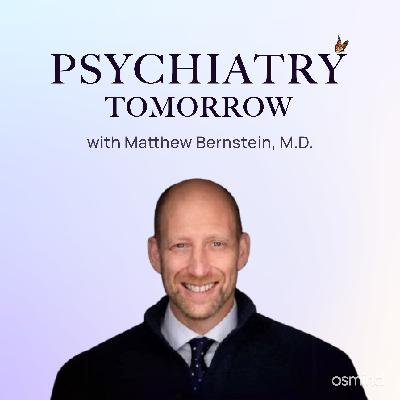
After a young patient died by suicide, many psychiatrists might retreat to safer cases—Dr. Matt Bernstein took a different path, choosing to treat our field's highest-risk patients in their communities rather than behind hospital walls. Drawing from his experience at McLean Hospital's acute unit and now at Ellenhorn's community-based program, he shares practical insights on balancing clinical risk with recovery potential. Through the groundbreaking Accord Metabolic Psychiatry Program, Bernstein demonstrates how integrating metabolic approaches with psychosocial rehabilitation can reduce symptoms and medication needs. His team's comprehensive approach combines measurement-based care, metabolic interventions, and meaningful social engagement to help patients rebuild their lives. Perhaps most importantly, Bernstein challenges our field's approach to risk, arguing that acknowledging psychiatry's mortality rate—while maintaining hope for recovery—opens new possibilities for treatment. His work offers a compelling model for moving beyond crisis management to create sustainable paths for recovery, even in our most complex cases.Episode Show Notes and Timestamps:[00:00:00] - Introduction: After a young patient's death by suicide, Dr. Bernstein chose to focus on high-risk psychiatric care in community settings.[00:01:00] - Host Dr. Will Sauvé introduces his background in military psychiatry and interventional approaches.[00:02:00] - Overview of Dr. Bernstein's career trajectory from McLean Hospital to pioneering community-based care.[00:03:00] - Early career at McLean Hospital- 8.5 years on Schizophrenia and Bipolar Inpatient Unit- Experience teaching residents- Transition to longitudinal care focus[00:05:00] - The PACT Model and Ellenhorn's Evolution- Origins in 1970s Wisconsin- Design as "hospital without walls"- Transition from public to private sector implementation[00:08:00] - Ellenhorn's Comprehensive Approach- Holistic treatment model- Integration of psychosocial rehabilitation- Focus on real-world functioning[00:11:00] - Discussion of Risk Management in Psychiatry- Comparison with other medical specialties- Role of clinical judgment- Impact on treatment decisions[00:13:00] - Development of Metabolic Psychiatry Program- Introduction to ketogenic approaches- Implementation of fasting protocols- Creation of Accord program[00:16:00] - Measurement-Based Care Strategies- Standard clinical measures- Functional outcome assessments- Digital phenotyping implementation[00:20:00] - Family Engagement and Risk Assessment- Shared decision-making approach- Balance of clinical liability and treatment access- Case example of successful risk management[00:28:00] - Future Directions- Integration of innovative treatments- Expansion of metabolic approaches- Vision for community-based careKey Quotes:- "What we find is that when we can get people connected psychosocially out there in real jobs or school or relationships, those experiences can reduce symptoms and take the place of medications."- "These are illnesses that have a mortality rate... sometimes someone dies and everyone did everything exactly right."- "It's a great time to be working in psychiatry because of these options that we didn't have even ten years ago."Resources Mentioned:- Program of Assertive Community Treatment (PACT)- Ellenhorn Community Treatment Program- Accord Metabolic Psychiatry Program
Brought to you by: Osmind.org, the #1 All-in-one Billing Solution + EHR for the modern private psychiatry practice
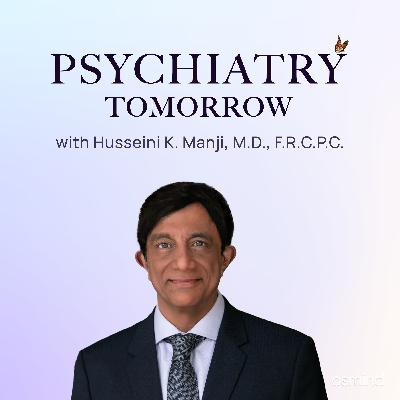
Dr. Husseini K. Manji takes us behind the scenes of esketamine's development, from basic neuroscience research to FDA approval. Learn about the science of targeting NMDA receptors, the rigorous clinical trial process, and the potential of esketamine as a first-line treatment for depression. Dr. Manji discusses the challenges of bringing a novel psychiatric drug to market, including regulatory hurdles and insurance coverage issues. He also explores the broader implications of esketamine's success for mental health treatment, including the fight for parity and the future of psychedelic medicine development. This episode offers invaluable insights for clinicians, researchers, and anyone interested in the future of psychiatry and drug innovation.
Brought to you by: Osmind.org, the #1 All-in-one Billing Solution + EHR for the modern private psychiatry practice
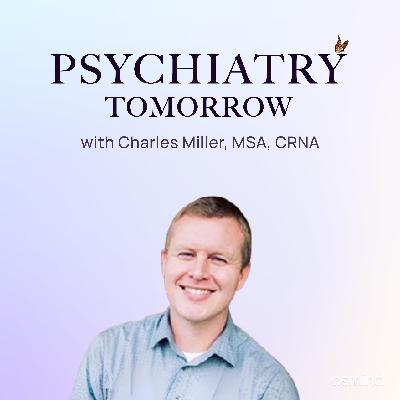
Charles Miller, CRNA, founder of Scenic City Neurotherapy, takes us through his journey of starting a ketamine infusion therapy clinic from scratch. From cashing out his 401k to navigating complex licensing requirements, Charles shares the ups and downs of building a successful practice. He discusses the importance of patient education, the challenges of insurance reimbursement, and the role of technology in streamlining operations. Charles also offers insights on expanding services, managing supply chains, and building a strong team. This episode is packed with practical advice for clinicians considering opening their own breakthrough treatment clinic or expanding their existing services.Timestamps with show notes:[00:00:00] Introduction to Charles Miller and Scenic City Neurotherapy [00:01:00] Charles' background in anesthesiology and interest in ketamine therapy [00:02:00] The decision to start a ketamine clinic and initial research [00:05:00] Starting small: Initial funding and facility setup [00:08:00] Navigating business challenges: Licensing and financial management [00:11:00] Collaborating with psychiatrists and expanding services to include TMS [00:15:00] The importance of patient education in ketamine therapy [00:18:00] Securing VA contracts and navigating insurance reimbursement [00:22:00] Using Osmind platform for practice management [00:24:00] Building a strong team and hiring process [00:28:00] Community education and advertising strategies [00:31:00] Measuring success and patient outcomes [00:35:00] Managing supply chain challenges and diversifying suppliers [00:38:00] Proactive approach to regulatory compliance [00:41:00] Advice for aspiring clinic owners [00:45:00] Concluding thoughts on the rewards of running a breakthrough treatment clinic
Brought to you by: Osmind.org, the #1 All-in-one Billing Solution + EHR for the modern private psychiatry practice
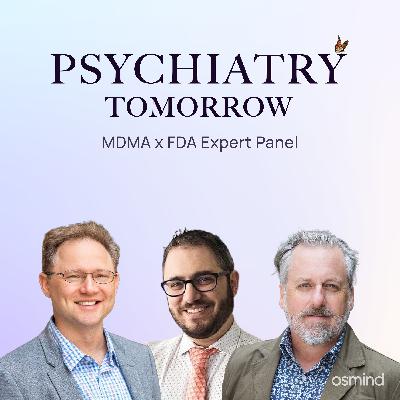
In this episode of Psychiatry Tomorrow, Dr. Carlene MacMillan hosts a panel of experts to discuss the FDA's pending decision on MDMA-assisted therapy for PTSD. The conversation explores the current landscape of clinical enthusiasm and regulatory caution, key challenges facing approval, and potential regulatory requirements. Panelists Dr. Owen Muir, Dr. Boris Heifets, and Andrew Penn share their insights on functional unblinding in clinical trials, safety monitoring, and provider qualifications. The episode concludes with a look at the future of psychedelic medicine and the potential impact of the FDA's decision on mental health treatment.
Brought to you by: Osmind.org, the #1 All-in-one Billing Solution + EHR for the modern private psychiatry practice
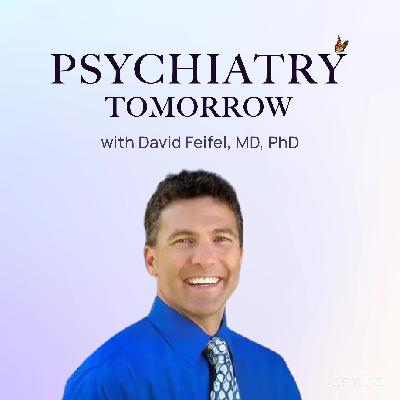
In this captivating episode, we explore Dr. David Feifel's unconventional journey from quantum physics to pioneering psychiatrist. Dr. Feifel shares how his fascination with consciousness led him to psychiatry, hoping to witness a "golden era" of breakthrough treatments. However, his early career was marked by disillusionment as the field remained stagnant, prompting him to seek innovative solutions.Dr. Feifel discusses his groundbreaking work with Transcranial Magnetic Stimulation (TMS) and ketamine therapy at UC San Diego. He details the challenges of implementing these treatments in academic settings, including the crucial role of set and setting in ketamine therapy. His persistence led to the creation of the Center for Advanced Treatment of Mood and Anxiety Disorders (CATMAD), where he combined TMS and ketamine treatments with remarkable results.The conversation then turns to Dr. Feifel's decision to leave academia and establish the Kadima Neuropsychiatry Institute, allowing him greater freedom to innovate. He also shares insights on his work expanding ketamine therapy to Rwanda, highlighting the challenges and rewards of adapting treatments to different cultural contexts. The episode concludes with a discussion on the future of psychiatry, including the complex interplay between innovation, regulation, and economics in bringing new treatments to patients.Throughout the episode, Dr. Feifel emphasizes the importance of thinking beyond traditional pharmacological approaches in psychiatry, advocating for a more holistic and innovative approach to mental health treatment. His journey offers valuable lessons for clinicians and researchers looking to push the boundaries of psychiatric care and improve outcomes for patients with treatment-resistant conditions.
Brought to you by: Osmind.org, the #1 All-in-one Billing Solution + EHR for the modern private psychiatry practice
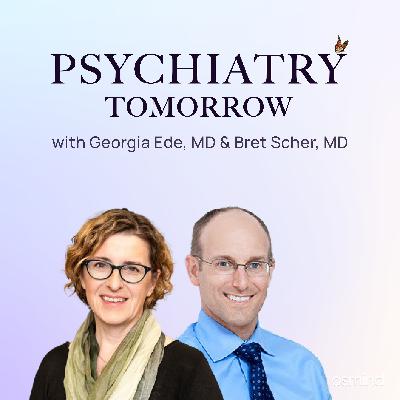
Explore the emerging field of metabolic psychiatry and its potential to revolutionize mental health treatment. Discover the inspiring story of the Baszucki family and how a ketogenic diet helped their son overcome severe bipolar disorder. Learn about the science behind the gut-brain connection and the mechanisms by which the ketogenic diet can improve brain health. Gain insights from leading experts Dr. Georgia Ede and Dr. Bret Scher on implementing metabolic psychiatry in clinical practice, including how to assess metabolic health, collaborate with nutrition professionals, and address objections from traditional psychiatry and insurers. Finally, explore practical considerations for patient empowerment and learn how you can get involved in the growing metabolic psychiatry movement to help shape a brighter future for mental health care.Psychiatry Tomorrow Podcast Show Notes00:00:00 - Introduction- Over 50% of U.S. adults have insulin resistance, which affects blood sugar levels and impairs the brain's ability to process glucose- Interview with Dr. Georgia Ede, a psychiatrist specializing in nutritional and metabolic approaches to mental health, and Dr. Bret Scher, a cardiologist and director of Metabolic Mind- Ketogenic diet can fundamentally improve brain health by providing an alternate fuel source 00:02:00 - Introductions and background- Dr. Bret Scher's journey from cardiology to metabolic health and involvement with the Bazouki family and metabolic psychiatry- Dr. Georgia Ede's background and gradual incorporation of nutrition principles into her psychiatric practice 00:05:00 - Defining metabolic psychiatry- Understanding and addressing the metabolic root causes of mental health conditions, often through nutritional strategies 00:06:00 - The Baszucki family story- Matt Bazouki's struggle with bipolar disorder and remarkable improvement on a ketogenic diet under the guidance of Dr. Chris Palmer- The Baszuki family's commitment to advancing metabolic psychiatry research and education 00:10:00 - Research in metabolic psychiatry- Explosion of research in the field across a wide spectrum of psychiatric conditions- Dr. Albert Danan's study on the ketogenic diet in treatment-resistant patients with serious mental illness 00:14:00 - Ongoing and upcoming studies- Completed pilot studies by Dr. Shabani Sethi and Dr. Ian Campbell- New randomized controlled trials at McLean and University of Pittsburgh- Metabolic Mind's role in bringing together the scientific community 00:16:00 - Balancing the need for more research with helping patients today- Relying on clinical experience while working to speed up research and randomized controlled trials 00:17:00 - Metabolic psychiatry in mainstream psychiatric education- Lack of programming in traditional psychiatric training- McLean and Stanford now have formal programs 00:18:00 - Resources for psychiatrists to learn about metabolic psychiatry- Metabolic Mind website, Dr. Ede's book "Change Your Diet, Change Your Mind," clinician training programs, and literature 00:19:00 - Including a simple metabolic evaluation in psychiatric intake- Testing fasting insulin, triglycerides, HDL cholesterol, and waist circumference- Encouraging patients to improve overall metabolic health 00:21:00 - Metabolic assessment details- Problems with relying solely on fasting blood sugar and hemoglobin A1c- Importance of testing fasting insulin levels and other markers of metabolic health 00:24:00 - Scaling the ketogenic diet for the average person- Strategies for making the ketogenic diet affordable and accessible- Adapting the diet to various preferences, including vegetarian and vegan approaches 00:28:00 - GLP-1 agonists and their role in metabolic health- Dr. Ede's preference for food-first, lifestyle approaches- Limitations of medication-based solutions for the metabolic health crisis 00:31:00 - Empowering patients to improve their mental and metabolic health- The role of psychiatrists in supporting and encouraging patients while emphasizing the importance of patient ownership and self-efficacy 00:32:00 - Working with nutritionists and dietitians- Dr. Ede's unique experience incorporating nutrition principles into her practice without a dietitian- The value of collaborating with nutrition professionals for most psychiatrists 00:34:00 - Helping patients get started with metabolic psychiatry- Working with dietitians, therapists, or health coaches when doctors are not available or knowledgeable- Dr. Ede's clinician training course and directory 00:36:00 - Addressing polarization and myths on social media- Countering the perception that metabolic psychiatry is an alternative to conventional care- Emphasizing the importance of combining metabolic interventions with medication, psychotherapy, and other evidence-based treatments 00:38:00 - The role of ketogenic diets in mitigating the adverse effects of psychiatric medications- Metabolic damage caused by antipsychotics and certain anticonvulsants- The ketogenic diet as a powerful add-on treatment to improve metabolic health 00:41:00 - Mechanisms of action: how ketosis helps various psychiatric disorders- Multiple mechanisms, including lowering blood glucose levels, reducing inflammation, oxidative stress, and glutamate excitotoxicity- Providing an alternative fuel source in the form of ketones for those with insulin resistance 00:46:00 - Addressing the drug paradigm and the complexity of metabolic interventions- The ketogenic diet changes whole-body physiology, which may be off-putting to some physicians accustomed to the drug paradigm 00:47:00 - Insurance reimbursement and advocacy- The need for research demonstrating both efficacy and cost savings for insurance coverage- Precedents set by companies like Virta Health for type 2 diabetes treatment- The long-term cost-saving potential of metabolic interventions compared to lifelong medication use 00:50:00 - Getting involved in the metabolic psychiatry movement- Metabolic Mind's advocacy efforts led by Hannah Warren- The growing mainstream media coverage of metabolic psychiatry 00:51:00 - Resources for further learning and support- Metabolic Mind website, podcast, YouTube channel, and social media presence- Dr. Ede's website, DiagnosisDiet.com, offering trainings, a clinician directory, and articles 00:52:00 - Conclusion and final thoughts- The power of dietary interventions for mental health concerns- The potential for metabolic psychiatry to transform clinical practice and improve patient outcomes
Brought to you by: Osmind.org, the #1 All-in-one Billing Solution + EHR for the modern private psychiatry practice
In this episode of Psychiatry Tomorrow, Dr. Jake Behrens shares his insights on navigating the complexities of diagnosing and treating adult ADHD. He discusses his comprehensive framework for ADHD assessments, the importance of psychoeducation, and strategies for medication management amidst the stimulant shortage. Dr. Behrens also explores the potential of digital health tools, the power of measurement-based care, and busts common myths about the condition. Throughout the conversation, he emphasizes the underrecognized dangers of ADHD underdiagnosis and undertreatment, and the importance of addressing it as a core issue that can open up profound possibilities for patients' lives.Timestamps and Show Notes:[00:01:00] Introduction: Adult ADHD is the second most prevalent adult psychiatric disorder, yet the U.S. lacks formal diagnostic guidelines, making it challenging for clinicians to properly diagnose and treat.[00:03:00] How Dr. Behrens got into specializing in adult ADHD during his residency working with high-functioning patients who responded robustly to treatment.[00:06:00] Dr. Behrens' framework for thorough ADHD assessments: Gathering detailed patient history, collateral information, using rating scales like the ASRS, and objective measures of executive function.[00:11:00] The importance of devoting significant time in initial evaluations to psychoeducation, explaining ADHD neurobiology and the full range of treatment options.[00:12:00] Navigating stimulant medication options and considering both effectiveness and affordability for patients.[00:18:00] Strategies for dealing with stimulant medication shortages, including working with a virtual assistant to locate medications and establishing relationships with pharmaceutical reps.[00:26:00] The benefits and challenges of working with pharmaceutical reps as a psychiatrist.[00:29:00] The multifaceted reasons behind the current stimulant medication shortage.[00:35:00] The potential impact of the DEA reinstating the Ryan Haight Act's in-person visit requirement for controlled substance prescriptions.[00:36:00] How Dr. Behrens provides patients with blood pressure cuffs for remote monitoring.[00:40:00] The exciting potential of digital health tools and wearables to passively track data that could enhance ADHD assessment and treatment.[00:44:00] The power of measurement-based care and involving patients in tracking their own data.[00:45:00] Busting common myths and misconceptions about adult ADHD, including that it's just about hyperactivity and that stimulant medications work like typical stimulants.[00:47:00] The underrecognized dangers of ADHD underdiagnosis and undertreatment, including increased risk of car accidents, job loss, relationship issues, and other adverse outcomes.[00:50:00] The importance of treating ADHD as a core issue that, when addressed, can remove barriers to other treatments and positive life changes.[00:51:00] Conclusion and sharing of Dr. Behrens' favorite ADHD resources for clinicians and patients.
Brought to you by: Osmind.org, the #1 All-in-one Billing Solution + EHR for the modern private psychiatry practice
Dr. Rebecca Allen, a pioneering interventional psychiatrist and president of the Clinical TMS Society, is transforming mental health care delivery through her innovative outpatient clinic in Seattle. By offering a wide range of cutting-edge treatments like ECT, TMS, ketamine, and running COMPASS clinical trials for psilopsybin under one roof, she aims to expand access to life-changing treatments for patients with treatment-resistant conditions. In this interview, Dr. Allen shares her experiences growing a leading interventional psychiatry practice, spearheading groundbreaking research on psychedelic-assisted therapy, and navigating the challenges of insurance reimbursement and unregulated treatment models. She offers candid advice for fellow psychiatrists looking to enhance their practice and make a meaningful impact in the lives of their patients. Through her leadership and unwavering commitment to evidence-based innovation, Dr. Allen is paving the way for a brighter future in mental health care.Timestamps and Shownotes:[00:00:00] Introduction to the Psychiatry Tomorrow podcast and today's guest, Dr. Rebecca Allen[00:01:46] Dr. Allen's background and role as an interventional psychiatrist offering ECT, TMS, VNS, esketamine, IV ketamine, and ketamine-assisted psychotherapy at Seattle NTC[00:03:52] How Dr. Allen got started offering outpatient ECT and the logistics of partnering with Swedish Hospital[00:09:46] Seattle NTC as one of the largest outpatient ECT programs in the U.S., ECT stigma and underutilization[00:13:02] Busting myths about modern ECT and efforts to minimize cognitive side effects[00:16:15] A day in the life at Seattle NTC - ongoing treatments and clinical trials[00:19:45] Seattle NTC's involvement in the COMPASS trial on psilocybin-assisted therapy for treatment-resistant depression[00:20:26] How Dr. Allen's clinic got involved in clinical trials (BEAM study, VNS trial) and became a top enroller for COMPASS[00:27:52] Logistics and challenges of the COMPASS protocol, DEA scrutiny for psychedelic trials[00:29:33] Dr. Allen's concerns about Oregon's unregulated psilocybin program and the importance of robust clinical trials and medical oversight[00:35:17] Psilocybin is powerful but not a panacea - the need for thorough safety monitoring and the dangers of broad unregulated access[00:37:50] The advantages of offering multiple interventional psychiatry modalities to match treatments to patients[00:39:44] Dr. Allen's role as president of the Clinical TMS Society and initiatives to grow the organization[00:45:17] Balancing clinical work, research, and leadership roles[00:47:50] Advice for psychiatrists looking to scale a private practice - seeking expert consultation, reading contracts thoroughly[00:50:47] The importance of negotiating fair insurance reimbursement rates from the start[00:52:12] Conclusion and thanks to Dr. Allen
Brought to you by: Osmind.org, the #1 All-in-one Billing Solution + EHR for the modern private psychiatry practice
Legal experts Daniel Sternthal and Ethan Minkin explore the legal intricacies surrounding ketamine therapy for psychiatric conditions. They delve into the importance of interdisciplinary respect, the legal challenges and malpractice risks associated with off-label ketamine use, and the vital role of informed consent. The discussion also highlights trends in the ketamine space, including the impact of COVID, private equity involvement, and the emergence of home ketamine therapy. With a focus on safeguarding practitioners through meticulous documentation and adherence to evolving legal standards, this episode is a must-listen for clinicians and legal professionals in the psychedelic medicine space. It wraps up with actionable advice on advocacy, education, and maintaining ethical practice standards to mainstream ketamine therapy safely.
Brought to you by: Osmind.org, the #1 All-in-one Billing Solution + EHR for the modern private psychiatry practice
Dr. Bergina Isbell, CMO at Led Life Psychiatry, Maryland, combines personal experience and professional innovation to enhance mental health care. Specializing in Ketamine-Assisted Psychotherapy, she offers hope to those with depression, anxiety, and on the Autism spectrum. Dr. Bergina champions restorative justice, seeking healing over punishment and emphasizing mutual understanding and forgiveness. Her practice prioritizes individual sensory needs, creating a therapeutic environment tailored to each patient. Beyond the clinic, her advocacy extends to supporting families with special needs, demonstrating the importance of flexibility, empathy, and finding joy in life's challenges. Timestamps/Shownotes:[00:02:00] Multiple Licenses and Autism: Dr. Brigina discusses her motivation for obtaining multiple state licenses, driven by the need to address her children's requirements due to Autism, and emphasizes the concept of turning lemons into lemonade.[00:07:00] SXSW Talk and Dancing in the Rain: Dr. Brigina shares insights from her SXSW talk titled "Ditch Work Life Balance and Learn to Dance," focusing on juggling life's responsibilities and finding joy in challenges, including her personal connection to dancing as a hobby and metaphor for handling life's difficulties.[00:09:00] Specializing in Special Needs: The conversation shifts to Dr. Brigina's practice specializing in children and adults with special needs, evolving from advocacy at IEP meetings to professional referrals, and supporting neurodiversity through her practice and community engagement.[00:11:00] Boundaries and Self-Disclosure: Dr. Brigina discusses navigating boundaries and self-disclosure in her professional and personal life, especially relating to her experiences as a parent of children with Autism, and shares a story about an airport incident highlighting advocacy for those with special needs.[00:15:00] Tips for Handling Stressful Situations: Dr. Brigina offers advice for families and individuals with special needs on preparing for and navigating high-stress environments like airport security, emphasizing preparation and communication with service providers.[00:18:00] Utilizing Telehealth for Autism Spectrum: Insights on effectively using telehealth for individuals on the Autism spectrum, stressing the importance of initial in-person visits when possible and the use of social stories and personal comfort items during sessions.[00:20:00] Ketamine Therapy and Sensory Considerations: Discussion about the introduction of ketamine therapy in her practice, prompted by a patient's experience, and the importance of sensory inventory to accommodate individuals on the Autism spectrum undergoing ketamine treatment.[00:24:00] Ketamine for Mental Illness in Autism Spectrum: Dr. Brigina reflects on the impact of ketamine and SPRAVATO treatments for individuals on the Autism spectrum with concurrent mental health conditions, based on patient stories and the potential for broader application.[00:27:00] Industry Perspectives and Restorative Justice: Towards the end, Dr. Brigina shares her thoughts on the ketamine treatment industry, emphasizing personalized care over a "puppy mill" approach, and introduces the topic of restorative justice, highlighting her involvement in a TEDx talk on the subject.[00:33:00] Seeking Restorative Justice: Strategies for individuals interested in exploring restorative justice, including community research and professional guidance, and considerations for its appropriate application.[00:37:00] Restorative Justice in Psychiatry: Dr. Brigina advocates for a restorative justice approach within psychiatry, reflecting on the historical context of psychiatric care, the challenges of involuntary commitment, and the potential for innovative treatments like ketamine to transform patient care.
Brought to you by: Osmind.org, the #1 All-in-one Billing Solution + EHR for the modern private psychiatry practice
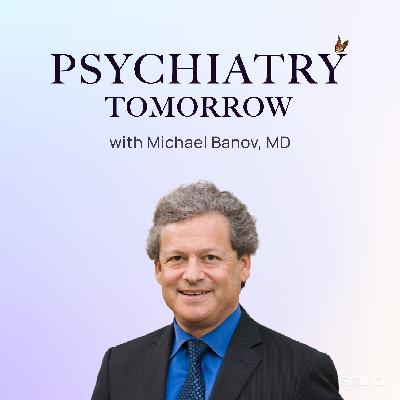
Explore the dynamic landscape of psychiatric clinical trials through the expert lens of Dr. Michael Banov, a renowned figure with a wealth of experience in over 150 trials. This in-depth blog post delves into his groundbreaking journey, starting with the revolutionary Clozapine trial for depression and extending to the recent developments in Vagus Nerve Stimulators (VNS). Gain an unparalleled understanding of the challenges and advancements in clinical trials, including the transition from traditional methods to innovative approaches. Dr. Banov shares his valuable insights on patient recruitment complexities, the importance of real-world scenarios in trials, and the critical role of ethical oversight. Discover the impact of technology on patient engagement and the intricacies of conducting trials in a modern, regulated environment. This comprehensive guide is an essential read for clinicians and professionals interested in the evolving world of psychiatric research and its profound implications for the future of mental health care.Timestamps:[00:00:00] Introduction to the podcast and mention of ketamine treatments and vagus nerve stimulators.[00:01:00] Introduction of Dr. Michael Banov and his background in clinical trials.[00:02:00] Discussion on the challenges of recruiting for psychiatric clinical trials.[00:03:00] Insights into the evolution of clinical trial landscapes and the role of social media in recruitment.[00:04:00] Introduction to the trial of vagal nerve stimulation for depression.[00:05:00] Discussion on the potential of vagal nerve stimulator trials for treatment-resistant depression.[00:06:00] Dr. Banov's career highlights and how to get involved in clinical trials.[00:07:00] Dr. Banov's first clinical trial experience and the use of Clozapine.[00:08:00] The transition from academic research to industry and the ethical considerations.[00:09:00] Challenges faced in starting clinical research and the importance of experience.[00:10:00] The shift in psychiatric treatment approaches and the role of industry professionals.[00:11:00] Insights into the pharmaceutical industry and the development of medications.[00:12:00] The process of recruiting for a Clozapine trial and the challenges involved.[00:13:00] The key role of recruitment in clinical research and the evolution of patient protection.[00:14:00] The increasing challenges in recruiting for clinical trials.[00:15:00] The impact of clinical trials on real-world treatment scenarios.[00:16:00] The unique aspects of running psilocybin clinical trials.[00:17:00] Challenges in placebo control and patient interaction in psilocybin trials.[00:18:00] The necessity of a placebo script in clinical trials.[00:19:00] The regulatory aspects of clinical trials and the importance of consent forms.[00:20:00] Reflections on the changing landscape of psychiatric clinical trials.[00:21:00] The shift towards more regulated clinical trials and the loss of nuanced patient interaction.[00:22:00] The impact of private equity on research organizations and clinical trials.[00:23:00] The role of technology in modern clinical trials.[00:24:00] The challenges introduced by technology in clinical trials.[00:25:00] The use of technology for monitoring patient compliance in trials.[00:26:00] The importance of oversight in clinical trials.[00:27:00] The process of being monitored and audited in clinical trials.[00:28:00] The role of Contract Research Organizations (CROs) in clinical trials.[00:29:00] The process of site initiation and monitoring in clinical trials.[00:30:00] The reasons for FDA audits in clinical trials.[00:31:00] The consequences of FDA audits and the importance of ethical conduct.[00:32:00] The challenges of being a high enroller in clinical trials.[00:33:00] The role of technology in patient recruitment and enrollment.[00:34:00] The challenges of recruiting patients in active clinical practice.[00:35:00] The implementation and mechanism of vagal nerve stimulators.[00:36:00] The contrast between VNS and other treatments like ketamine.[00:37:00] The design of the VNS trial and its benefits.[00:38:00] The steps to become a site researcher in clinical trials.[00:39:00] The importance of experience and connections in starting clinical research.[00:40:00] The necessity of oversight in clinical trials for patient safety.[00:41:00] The role of technology in facilitating patient identification and enrollment.[00:42:00] The challenges of using social media for recruitment in clinical trials.[00:43:00] The practical aspects of running a VNS study in a clinical practice.[00:44:00] The process and placement of the VNS unit.[00:45:00] The sustained response of VNS compared to other treatments.[00:46:00] The sponsor of the VNS study and the cost considerations.[00:47:00] The trial design of VNS and its real-world applicability.[00:48:00] Advice for clinicians interested in becoming involved in clinical trials.[00:49:00] The importance of gaining experience and certifications in clinical research.
Brought to you by: Osmind.org, the #1 All-in-one Billing Solution + EHR for the modern private psychiatry practice
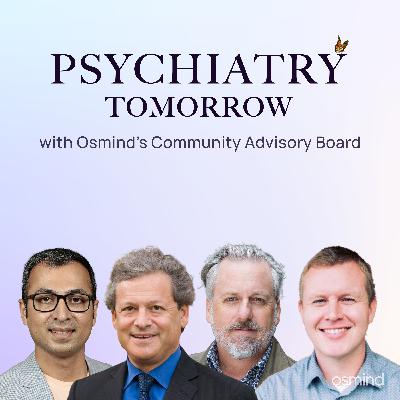
The power of community and networking in private practice psychiatry cannot be overstated.Clinicians often grapple with isolation while staying up-to-date on research, best practices, finding mentors, and collaborative care. Addressing this, a panel of experts from the Osmind Community Advisory Board.The forum, centered on overcoming the challenges of solo practice through community engagement featured insights from:Andrew Penn, MS, PMHNP, Clinical Professor at UC San Francisco, School of NursingDr. Michael Banov, Medical Director at Psych AtlantaDr. Awais Aftab, Clinical Assistant Professor of Psychiatry at Case Western Reserve UniversityDr. Charles Miller, Founder and CMO at Scenic City NeurotherapyModerated by: Dr. Alison McInnes, VP of Scientific Affairs at Osmind, and Dr. Carlene MacMillan, Chief Medical Officer at Osmind.Listen to learn why community is not just a support system, but the very foundation of a successful psychiatry private practice.
Brought to you by: Osmind.org, the #1 All-in-one Billing Solution + EHR for the modern private psychiatry practice
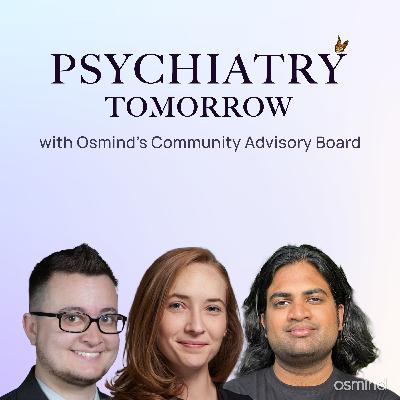
Delve into the complexities of starting and thriving in a private mental health practice. Listen to Dr. Kristin Budde, Dr. Erick Sheftic, and Dr. Raghu Appasani share their experiences and insights on integrating the latest treatments into standard practice, the importance of continuous learning, finding your niche, and the power of interdisciplinary collaboration in overcoming access barriers. They also tackle the crucial issue of professional burnout, offering strategies to carve out a unique niche that resonates with both their values and the needs of their patients. This episode is an invaluable resource for mental health professionals seeking to navigate the ever-evolving landscape of private practice, providing practical advice and inspirational examples from those at the forefront of the field. Tune in to gain a comprehensive understanding of how to build a successful, sustainable, and fulfilling mental health practice in today's dynamic healthcare environment.
Brought to you by: Osmind.org, the #1 All-in-one Billing Solution + EHR for the modern private psychiatry practice
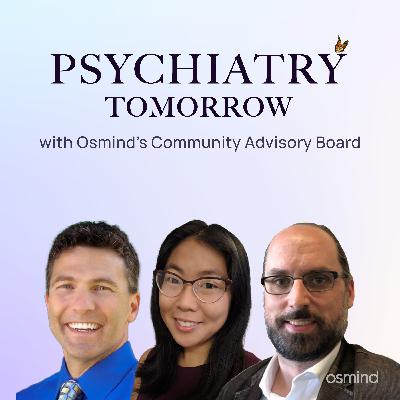
Join a panel of renowned experts from Osmind's Community Advisory Board, including Dr. David Feifel, Dr. Tobias Marton, and Dr. Christy Duan, moderated by Dr. Carlene MacMillan and Dr. Alison McInnes. They unveil the future of psychiatry at the intersection of tradition and cutting-edge innovation. Listen to in-depth discussions on harnessing big data and real-world evidence to revolutionize personalized care, moving beyond conventional treatments to embrace complementary novel therapies such as TMS and psychedelic interventions. Learn why "Interventional Psychiatry" will just be called "Psychiatry" in the future.This episode also examines the delicate balance between patient autonomy and expert-guided care, reflecting on how these changes redefine the psychiatrist-patient relationship. Glimpse into a future where psychiatry not only adapts to but proactively shapes mental health care.
Brought to you by: Osmind.org, the #1 All-in-one Billing Solution + EHR for the modern private psychiatry practice

Comments

Download from Google Play

Download from App Store
 United States