


 Claim Ownership
The Wild Minds Podcast
Subscribed: 63Played: 1,320
Subscribe

© Copyright 2025 The Outdoor Teacher
Description
What if wild, not domesticated, should be our normal instead of factory-farmed lives?
What if you could cultivate fulfilling lives and contribute to a healthy natural world?
The Wild Minds podcast is brought to you by me, Marina Robb, an author, entrepreneur, Forest School and Nature-based Trainer and Consultant, and pioneer in developing Green programmes for the Mental Health service in the UK. I am the founder of Circle of Life Rediscovery CIC and The Outdoor Teacher and creator of practical online Forest School and nature-based training for people working in mental health, education and business.
Tune in for interviews, insights, cutting-edge and actionable approaches to help you to improve your relationship with yourself, others, and the natural world.
Music by Geoff Robb
What if you could cultivate fulfilling lives and contribute to a healthy natural world?
The Wild Minds podcast is brought to you by me, Marina Robb, an author, entrepreneur, Forest School and Nature-based Trainer and Consultant, and pioneer in developing Green programmes for the Mental Health service in the UK. I am the founder of Circle of Life Rediscovery CIC and The Outdoor Teacher and creator of practical online Forest School and nature-based training for people working in mental health, education and business.
Tune in for interviews, insights, cutting-edge and actionable approaches to help you to improve your relationship with yourself, others, and the natural world.
Music by Geoff Robb
82 Episodes
Reverse

As winter gathers and the days shorten, in this final episode of the season, Marina reflects on the Rowan tree, the act of wintering, and the hidden life beneath stillness. Here are some of her reflections: The Rowan as a winter guardian, its bright berries offering sustenance and protection in the dark months.The solstice as a time of descent, when we enter the heart’s cave and tend the inner fire that keeps us alive through uncertainty.How stillness and retreat restore our capacity to listen, dream, and notice what truly matters.The importance of reworking our stories — how memory, identity, and imagination can evolve with the seasons.The denials that shape our modern crisis: of planetary limits, of our entanglement with the living world, and of our own vulnerability.How fear and defensiveness rise in turbulent times, and the invitation to find gentler, more connected ways forward.Shownotes: https://theoutdoorteacher.com/podcasts/episode-80-tending-the-embers Music by Geoff Robb: www.geoffrobb.com Please Rate, Review, & Follow on Apple PodcastsIf you have enjoyed today's episode, please consider rating and reviewing my show! This really helps me to spread the word to more people like you, and to empower more people to take their practice outdoors!Click here, scroll to the bottom, tap to rate with five stars, and select “Write a Review.” Then let me know what you loved most about the episode!Also, if you haven’t done so already, "follow" the podcast, as if you’re not following, there’s a good chance you’ll miss out. Mentioned in this episode:Register for my Free WebinarGo to: https://theoutdoorteacher.com/webinar
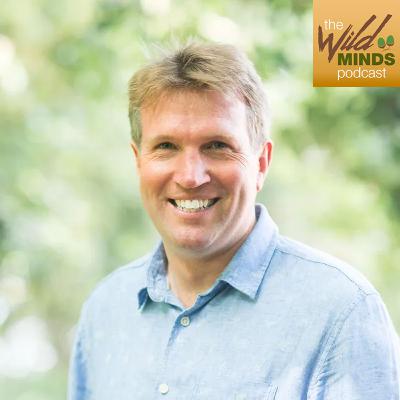
Today I’m speaking with Nick Stoop, founder of Pangea Impact Investments - a company that’s trying to change something most of us rarely think about.Where our pensions are invested, and what that money is actually doing in the world.In this episode we get practical and brave about money — banks, pensions, and the difference between light green labels and deep green impact — so our savings can serve the living world as well as our future selves.What happens to our money inside banks and pensions.Why pensions can outweigh everyday “green” habits in impact.Agency in an opaque system and how to start using it.Light green screening versus deep green positive impact.Ethics, risk, return and the futures we’re funding.The problem with labels and why “ethical” often isn’t.Transparency as reconnection to place and consequence.The role of workplace pensions and scope 3 emissions.Third-party verification, B Corps and better metrics.Moving money without sacrificing performance over time.Imagining local, regenerative investments we can visit.Small first steps that build a values-aligned portfolio.Shownotes:https://theoutdoorteacher.com/podcasts/money-with-a-conscience-with-nick-stoop/Music by Geoff Robb: www.geoffrobb.com Please Rate, Review, & Follow on Apple PodcastsIf you have enjoyed today's episode, please consider rating and reviewing my show! This really helps me to spread the word to more people like you, and to empower more people to take their practice outdoors!Click here, scroll to the bottom, tap to rate with five stars, and select “Write a Review.” Then let me know what you loved most about the episode!Also, if you haven’t done so already, "follow" the podcast, as if you’re not following, there’s a good chance you’ll miss out. Mentioned in this episode:Register for my Free Webinarhttps://theoutdoorteacher.com/webinar
In this solo episode, Marina explores what Linda Buzzell calls “level two ecotherapy” - a shift from using nature as a tool for human wellbeing to recognising our reciprocal relationship with the living world. Moving from “me” to “we,” she reflects on how our practices, systems, and mindsets can evolve toward a more ethical, embodied, and relational way of belonging.Key Ideas ExploredThe move from extraction to relationship — recognising nature as a living partner, not a service.From “me” to “we” — human development as a journey toward community and interconnection.The many meanings of ecotherapy and why values and worldview matter more than labels.The power of shared outdoor activity — fire, craft, and stillness as natural therapy.Reclaiming the roots of eco and therapy — caring for our shared home and one another.Nature-centric models that place humans within the circle of life, not above it.The need to move beyond individual healing to include the health of the Earth.Western culture’s mindset of extraction and the call for reciprocity and re-education.Bringing nature-based practice into health and education systems despite structural barriers.Seeing bullying and domination as symptoms of fear and disconnection from relationship.The importance of moral courage, ethical conduct, and grounded self-worth in our work.Community ecotherapy and deep ecology as ways to restore belonging and collective care.Shownotes:https://theoutdoorteacher.com/podcasts/episode-78-level-2-ecotherapy-from-me-to-we/Music by Geoff Robb: www.geoffrobb.com Please Rate, Review, & Follow on Apple PodcastsIf you have enjoyed today's episode, please consider rating and reviewing my show! This really helps me to spread the word to more people like you, and to empower more people to take their practice outdoors!Click here, scroll to the bottom, tap to rate with five stars, and select “Write a Review.” Then let me know what you loved most about the episode!Also, if you haven’t done so already, "follow" the podcast, as if you’re not following, there’s a good chance you’ll miss out. Mentioned in this episode:Register for my Free WebinarGo to: https://theoutdoorteacher.com/webinar

 1
1This week, I am in conversation with Linda Buzzell who is a psychotherapist, ecotherapist, author, and pioneer in the field of ecopsychology, working at the intersection of psychology, ecology, and culture since the late 1990s. Linda co-edited 'Ecotherapy: Healing with Nature in Mind' with Craig Chalquist and has written widely on the ecological crisis as both a psychological and spiritual challenge.In this episode, we explore what ecotherapy truly means - not as a treatment or technique, but as a way of healing our relationship with the living Earth. We talk about nature as therapist, community as medicine, and what it means to move from a culture of domination to one of partnership and reciprocity.Topics include:Ecotherapy as healing our relationship with our home world.Level one vs level two ecotherapy from personal benefit to reciprocal, culture-shifting practice.Nature as the ultimate therapist practitioner as catalyst, guide, witness.Eco-psychotherapy within clinical practice and the wider, community-facing field of ecotherapy.Zookosis in animals as a mirror for human nature-deficit and why habitats matter for sanity.Evidence beyond exercise research showing green and blue contact improves mood and health.Caution on “nature prescriptions” moving beyond individual fixes to place, community, and systems.Rooting in place bioregionalism, terra psychology, and rebuilding bonds with land.Decolonising therapy learning from Indigenous wisdom without appropriation and with repair.From dominator culture to partnership Riane Eisler’s lens and McGilchrist’s hemispheres.Eco-spirituality reclaiming the sacred through seasons, ceremony, bodies, and relational awe.The path of hope small groups, community ecotherapy, and standing together for the living world.Shownotes: https://theoutdoorteacher.com/podcasts/episode-77-the-deeper-work-of-ecotherapy-with-linda-buzzell/Music by Geoff Robb: www.geoffrobb.com Please Rate, Review, & Follow on Apple PodcastsIf you have enjoyed today's episode, please consider rating and reviewing my show! This really helps me to spread the word to more people like you, and to empower more people to take their practice outdoors!Click here, scroll to the bottom, tap to rate with five stars, and select “Write a Review.” Then let me know what you loved most about the episode!Also, if you haven’t done so already, "follow" the podcast, as if you’re not following, there’s a good chance you’ll miss out. Mentioned in this episode:Register for my Free Webinarhttps://theoutdoorteacher.com/webinar
In this episode, Marina reflects on power, responsibility, and duty of care. As November marks a season of endings and beginnings, she looks beneath the surface of our systems — from education to environment, and asks what happens when we stop paying attention, and what it costs us when we do.This conversation traces the threads between integrity and innocence, corruption and accountability, and how our personal and professional ethics shape the wider ecology we live within.Key ideas exploredThe uneasy link between wealth, power, and moral compromiseNovember as a time for renewalHow concentrated power in health, education, and business leads us to protect ourselves instead of our purposeTeachers and leaders navigating the “topside world” while tending what lies beneath — our own psychology and hidden systemsMoving beyond naïveté without losing hope or careReclaiming duty of care — asking whether our systems live up to the ethics we teachPracticing stewardship: leaving no trace, enhancing biodiversity, and restoring the flow of responsibilityShownotes:https://theoutdoorteacher.com/podcasts/episode-76-the-cost-of-looking-away/Music by Geoff Robb: www.geoffrobb.com Please Rate, Review, & Follow on Apple PodcastsIf you have enjoyed today's episode, please consider rating and reviewing my show! This really helps me to spread the word to more people like you, and to empower more people to take their practice outdoors!Click here, scroll to the bottom, tap to rate with five stars, and select “Write a Review.” Then let me know what you loved most about the episode!Also, if you haven’t done so already, "follow" the podcast, as if you’re not following, there’s a good chance you’ll miss out. Mentioned in this episode:Register for my Free WebinarGo to: https://theoutdoorteacher.com/webinar
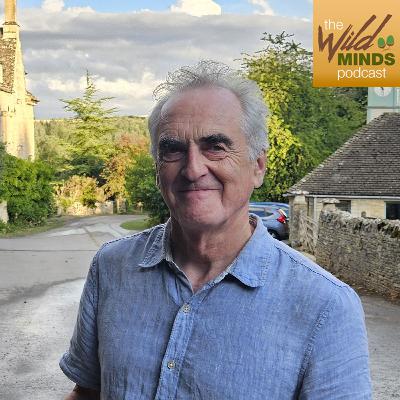
In this episode, I’m speaking with Ash Smith, the founder of Windrush Against Sewage Pollution. A retired Detective Superintendent, former angler and scuba diver, Ash has spent the last eight years investigating the truth about what’s happening in our rivers. His love for the natural world, combined with a deep sense of justice, led him to gather a team of committed people from different disciplines to form one of the most effective groups holding water companies and regulators to account.In our conversation, Ash shares what’s really going on with our rivers, the scale of sewage pollution, and the failures of government and regulatory bodies to protect our waterways. This is a passionate, evidence-based discussion, grounded in data that you can find on the WASP website. The Windrush itself flows for 65 kilometers from Gloucestershire into the Thames - but this story reaches far beyond one river. It speaks to the health of our ecosystems, and to our own health as well.Topics include:A vivid picture of what a living, healthy river once was — and how the “new normal” hides a quiet collapse.How WASP (Windrush Against Sewage Pollution) turns citizen science and data analysis into undeniable proof of illegal pollution.The shocking reality of regulators who no longer investigate — and water companies marking their own homework.What happens when public services are sold off and profit replaces purpose.The money trail — how customers fund dividends while private shareholders drain the system.Why some water companies are now in “special measures” and what real accountability could look likeAsh’s journey from detective superintendent to river defender — following the evidence wherever it leads.The quiet power of ordinary people who refuse to look away.How anger can become fuel for change rather than despair.Practical ways to take action — join with others, use local data, and make enough noise to tip the balanceShownotes: https://theoutdoorteacher.com/podcasts/episode-75-the-river-of-truth-with-ash-smith/ Music by Geoff Robb: www.geoffrobb.com Please Rate, Review, & Follow on Apple PodcastsIf you have enjoyed today's episode, please consider rating and reviewing my show! This really helps me to spread the word to more people like you, and to empower more people to take their practice outdoors!Click here, scroll to the bottom, tap to rate with five stars, and select “Write a Review.” Then let me know what you loved most about the episode!Also, if you haven’t done so already, "follow" the podcast, as if you’re not following, there’s a good chance you’ll miss out. Mentioned in this episode:Register for my Free Webinarhttps://theoutdoorteacher.com/webinar
In this reflective solo episode, Marina explores how the changing seasons, our ancestral roots, and the social history of education help us question what learning really means today. We journey from postwar Britain to the present classroom, asking how we can reimagine education as something alive, relational, and grounded in nature.Topics include:Gratitude for autumn, the changing light, and small comforts that sustain us.Reflection on the natural cycle of endings and beginnings and what it teaches us about renewal.The symbolism of the elder and birch trees as reminders of wisdom, letting go, and new growth.Honouring ancestors and recognising what we’ve inherited through culture and family.The importance of doing inner work that leads to outer change in our communities and classrooms.Revisiting postwar Britain to understand how education emerged as a social contract for fairness and democracy.The 1944 Butler Act and its vision for universal education and rebuilding society after the war.Remembering that education is a system, while learning is an organic, lifelong process that transforms who we are.The tension between authority and shared power in schools and what that means for children’s voices.A call to reimagine education as something rooted in wellbeing, curiosity, and connection to the living world.Shownotes:https://theoutdoorteacher.com/podcasts/episode-74-what-is-education-for-nowMusic by Geoff Robb: www.geoffrobb.com Please Rate, Review, & Follow on Apple PodcastsIf you have enjoyed today's episode, please consider rating and reviewing my show! This really helps me to spread the word to more people like you, and to empower more people to take their practice outdoors!Click here, scroll to the bottom, tap to rate with five stars, and select “Write a Review.” Then let me know what you loved most about the episode!Also, if you haven’t done so already, "follow" the podcast, as if you’re not following, there’s a good chance you’ll miss out. Mentioned in this episode:Register for my Free WebinarGo to: https://theoutdoorteacher.com/webinar
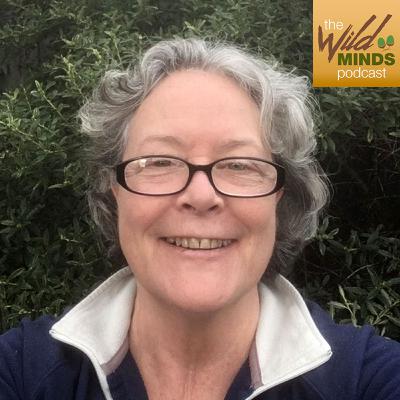
My guest today is Suzanne Welch, Education Partnership Manager at the RSPB, the UK’s largest nature conservation charity with over a million members, and in this episode she explores what it would mean to make nature a right in education and why it’s time to rethink the purpose.Suzanne has spent decades in outdoor learning - from taking inner-city children to the Thames foreshore, where subjects like science, history and geography came alive, to now convening national partnerships and influencing education policy. Her work is driven by a vision that every child should have access to high-quality learning in, with and for nature.In this episode Suzanne Welch...Challenges the outdated knowledge-based model and invites a shift toward enquiry and relational learning. Reflects on her early work taking inner-city children to the River Thames and witnessing their transformation outdoors. Emphasises joy, curiosity and presence as the foundations of meaningful learning.Highlights how outdoor experiences naturally connect subjects like science, history, art and geography.Argues that learning shouldn’t be siloed because our minds don’t operate in compartments.Points to the early years sector as an example of where outdoor and child-led learning already works well.Questions about why these principles fade as children move through the education system.Explains how assessment and measurement culture have narrowed what counts as learning.Calls for systemic rather than incremental change and a national conversation about the true purpose of education.Advocates for a statutory right for every child to learn in with and for nature.Notes that equitable access currently depends on postcode school leadership and teacher enthusiasm.Ends with a simple invitation start with one outdoor lesson listen to young people and let hope lead change.Shownotes: https://theoutdoorteacher.com/podcasts/making-nature-a-right-in-education-suzanne-welch/Music by Geoff Robb: www.geoffrobb.com Please Rate, Review, & Follow on Apple PodcastsIf you have enjoyed today's episode, please consider rating and reviewing my show! This really helps me to spread the word to more people like you, and to empower more people to take their practice outdoors!Click here, scroll to the bottom, tap to rate with five stars, and select “Write a Review.” Then let me know what you loved most about the episode!Also, if you haven’t done so already, "follow" the podcast, as if you’re not following, there’s a good chance you’ll miss out. Mentioned in this episode:Register for my Free Webinarhttps://theoutdoorteacher.com/webinar
In this closing episode of Season 9, I’m exploring something that feels urgent in our times: the difference between education and learning. Education is often about systems, metrics, and tests — but learning is about life itself. It happens in forests, green spaces, kitchens, and communities. It’s experiential, embodied, relational, and remembered because we live it.With the rise of AI, increasing mental health challenges, and the fast pace of our lives, we need to ask: what skills truly matter now, and how can we reimagine learning so every young person leaves not just with knowledge, but with self-worth, connection, and a sense of agency?Topics include:The urgent difference between education and learning, and why it matters now more than ever.Why formal schooling often leaves young people without confidence, agency, or self-worth.The danger of convergent thinking and the value of divergent, creative, and adaptive skills.Experiential learning: Why we remember fire-lighting, foraging, and play more than worksheets.The principles of autism-informed, trauma-informed, and consent-based practice as foundations for real learning.The Outdoor Teacher Approach: Play-based, body-led, and relational rather than hierarchical.The opportunity (and risk) of the UK’s new climate curriculum, and why connection, not just knowledge, is key.The Children’s Fire principle and what it means to educate with future generations — all children, human and more-than-human, at the heart.Shownotes:https://theoutdoorteacher.com/podcasts/episode-72-learning-for-lifeMusic by Geoff Robb: www.geoffrobb.com Please Rate, Review, & Follow on Apple PodcastsIf you have enjoyed today's episode, please consider rating and reviewing my show! This really helps me to spread the word to more people like you, and to empower more people to take their practice outdoors!Click here, scroll to the bottom, tap to rate with five stars, and select “Write a Review.” Then let me know what you loved most about the episode!Also, if you haven’t done so already, "follow" the podcast, as if you’re not following, there’s a good chance you’ll miss out. Mentioned in this episode:Register for my Free WebinarGo to: https://theoutdoorteacher.com/webinar
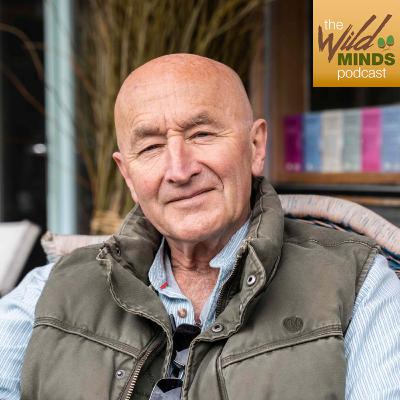
In this episode of the Wild Minds Podcast, I’m in conversation with Mac Macartney, a storyteller, leader, and founder of Embercombe, exploring what it means to live and lead in service to life.In this far-reaching conversation, we explore The Children’s Fire — an ancient principle that no law, decision, or action should harm the young of any species, and how it might transform leadership, education, and our relationship with the natural world.We talk about education rooted in the simple yet radical commitment that no child should leave school without feeling good about who they are, and the power of play as an antidote to a culture that leaves so many children, and adults, masking their pain and feeling worthless beneath the surface.Topics include:Exploring The Children’s Fire — the ancient principle that no decision should harm the young of any species.Reimagining education so no child leaves school without feeling good about themselves.Unpacking the hubris of superiority — how our systems consistently enforce it.The power of play and nature connection as antidotes to hopelessness and masking how we truly feel.Insights from Mac’s leadership company on redefining the purpose of business — beyond profit and growth — and valuing well-rounded human beings.Reflections on indigenous wisdom, community ownership, and leadership rooted in service rather than self-interest.A call to rethink wealth, power, and responsibility so that resources and decisions serve the many, not the few.An invitation to imagine a more joyful, courageous, and humane society.Shownotes:https://theoutdoorteacher.com/podcasts/episode-71-mac-macartney-interviewMusic by Geoff Robb: www.geoffrobb.com Please Rate, Review, & Follow on Apple PodcastsIf you have enjoyed today's episode, please consider rating and reviewing my show! This really helps me to spread the word to more people like you, and to empower more people to take their practice outdoors!Click here, scroll to the bottom, tap to rate with five stars, and select “Write a Review.” Then let me know what you loved most about the episode!Also, if you haven’t done so already, "follow" the podcast, as if you’re not following, there’s a good chance you’ll miss out. Mentioned in this episode:Register for my Free Webinarhttps://theoutdoorteacher.com/webinar
In this episode of Wild Minds, I'm exploring what it’s like to have big questions that don’t always fit into your job title. Whether you’re a teacher, therapist, or just someone who feels things deeply, this conversation is about the risk, and importance, of staying open, curious, and honest in times of change.Topics include:What it feels like to hide parts of yourself in professional spacesThe fear of sounding “too out there” or being seen as unprofessionalWhy curiosity and wonder matter more than ever, especially in helping rolesHow feelings and intuition often get pushed aside—even though they guide so much of our real understandingA look at where our sense of mind and consciousness might actually come fromHow Indigenous wisdom and quantum science both challenge the idea that we’re separate from natureWhat happens in our body when we feel awe or connectionWhy being open-minded isn’t soft or silly—it’s essential for making sense of the worldShow Notes:https://theoutdoorteacher.com/podcasts/episode-70-scientific-enough-to-wonderMusic by Geoff Robb: www.geoffrobb.com Please Rate, Review, & Follow on Apple PodcastsIf you have enjoyed today's episode, please consider rating and reviewing my show! This really helps me to spread the word to more people like you, and to empower more people to take their practice outdoors!Click here, scroll to the bottom, tap to rate with five stars, and select “Write a Review.” Then let me know what you loved most about the episode!Also, if you haven’t done so already, "follow" the podcast, as if you’re not following, there’s a good chance you’ll miss out. Mentioned in this episode:Register for my Free WebinarGo to: https://theoutdoorteacher.com/webinar
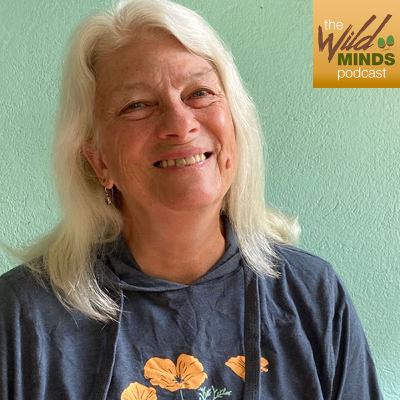
In this powerful and expansive conversation, Pam Montgomery (teacher, author, and plant spirit ally) invites us into a deeper relationship with the natural world. We explore what it means to communicate with plants, how to trust our intuition, and how ancient ways of knowing are being remembered at this time of global rebirth. In this episode....Through personal story, scientific insights, and spiritual practice, Pam helps us reimagine our role in the web of life.Pam’s grandmother introduced her to the idea of talking with plants – a formative influence that shaped her lifelong path.Communication with plants isn’t imaginary; it’s relational, vibrational, and increasingly supported by emerging science.Devices like those from Damanhur allow us to hear plants "sing," revealing their responsiveness to intention and environment.True communication happens through resonance, light, and sound – not just words – with the heart as the central sensing organ.We are vibrational beings too; like plants, we can tune into our environment and one another on subtle energetic levels.Pam describes “first voice” – the intuitive message that arrives before the rational mind interrupts – and how she trains herself to listen to it.Slowing down and entering the present moment opens a “portal” to meaningful encounters with nature.Nettle is explored as a plant ally that wakes us up and demands presence, while yarrow helps with energetic boundaries and healing.Nature responds when we become coherent – as our nervous systems settle, the world around us comes closer.Bonding with nature releases oxytocin, the “love hormone,” which initiates the body’s restorative response.We are already in relationship with plants through our breath – consciously acknowledging this can be a gateway to deeper connection.Pam speaks of a global rebirth and the possibility of a “new earth” rooted in interbeing, where all life can thrive together.Show Notes:https://theoutdoorteacher.com/podcasts/episode-69-plant-communication-with-pam-montgomery/ Music by Geoff Robb: www.geoffrobb.com Please Rate, Review, & Follow on Apple PodcastsIf you have enjoyed today's episode, please consider rating and reviewing my show! This really helps me to spread the word to more people like you, and to empower more people to take their practice outdoors!Click here, scroll to the bottom, tap to rate with five stars, and select “Write a Review.” Then let me know what you loved most about the episode!Also, if you haven’t done so already, "follow" the podcast, as if you’re not following, there’s a good chance you’ll miss out. Mentioned in this episode:Register for my Free Webinarhttps://theoutdoorteacher.com/webinar

In this solo episode, I'm reflecting on the quiet strength it takes to pause, listen, and allow our inner world to guide how we show up - especially in uncertain times.This season is taking an interesting turn as I find myself paying closer attention to my inner life - to sensations, to moment-by-moment shifts, and to the subtle places where I might be reacting. I’m learning to be alongside feelings, not rushing past them, but staying curious.In this episode, Marina explores:Beginning with a moment of feeling off-track, and the choice to stop and listen inwardly.Reflecting on the value of not knowing - and how uncertainty can be fertile ground.How discomfort is offered not as something to fix, but as a doorway to something deeper.An honest look at how ego can subtly shape even well-intentioned work.Inviting us to stay rooted in the body, in the earth, and in our own deep sensingHow grief and disorientation are acknowledged as natural responses to collapsing systems.How there’s reassurance that we don’t need all the answers in order to stay in service.How true leadership may mean staying with the unknown rather than rushing through it.Reflecting on Joseph Cornell’s approach - beginning from a felt state that sets the tone for learning, and how Flow Learning starts from inner alignmentEnding with an invitation to keep listening to the thread of life - and letting it guide the wayShow Notes:https://theoutdoorteacher.com/podcasts/episode-68-leading-with-our-inner-life/Music by Geoff Robb: www.geoffrobb.com Please Rate, Review, & Follow on Apple PodcastsIf you have enjoyed today's episode, please consider rating and reviewing my show! This really helps me to spread the word to more people like you, and to empower more people to take their practice outdoors!Click here, scroll to the bottom, tap to rate with five stars, and select “Write a Review.” Then let me know what you loved most about the episode!Also, if you haven’t done so already, "follow" the podcast, as if you’re not following, there’s a good chance you’ll miss out. Mentioned in this episode:Register for my Free WebinarGo to: https://theoutdoorteacher.com/webinar Free Course in Forest School ActivitiesTry our online training for free: https://theoutdoorteacher.com/free
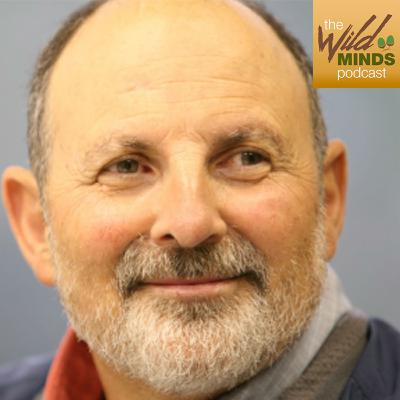
In today's episode I have the deep honour of welcoming Joseph Bharat Cornell - a world-renowned author, educator, naturalist, and pioneer in the field of nature connection. Joseph’s Sharing Nature books have sold over a million copies and been translated into twenty-five languages, sparking what’s been called a worldwide revolution in nature education.Back in the 1970s, Joseph pioneered an experiential, heart-centered approach to learning in nature, now known as Flow Learning™. This transformative model, along with his joyful and accessible activities, has touched the lives of countless children and adults across the world - from inner-city classrooms to remote wilderness trails. His latest work, Deep Nature Play, continues this mission, guiding us into a deeper sense of wholeness, creativity, and connection through immersive play.In this deeply inspiring conversation with Joseph Bharat Cornell, we explore the power of nature connection, experiential learning, and the inner stillness that transforms how we live, teach, and relate to the world. Meditation, yoga philosophy, and other wisdom traditions greatly influenced his work. Joseph has lived in the Ananda Community as a monk and teacher since 1975 and in this episode, we discuss how...Joseph shares how moments of stillness and inner joy led him to a life of nature connectionThe natural world evokes a sense of reverence and belonging when we engage through feeling rather than intellectFlow Learning™ offers a four-stage process that supports deep, meaningful experiences in nature Joyful play helps quiet the ego and allows children and adults to be fully presentIn states of deep play and nature immersion, there is a diminished sense of ego — attention shifts from self to experienceExperiential learning is transformative — people retain the feeling of an experience long after facts are forgottenStudies show that while most information is quickly lost, the emotional tone of an experience is rememberedLasting learning happens when the whole being is involved — body, heart, and mind togetherTrue education begins with experience; understanding follows naturally Facilitators need to cultivate their own inner stillness in order to guide othersActivities like “Build a Tree” and “Camera Game” help participants enter a state of reverenceCalm feeling allows for deeper perception and connection than reactive emotionNature is egoless - being outdoors supports inner clarity and connectionPlay is a universal language that encourages openness across all ages Experiences like “Interview with Nature” use imagination to build empathy and awareness Reflection and storytelling help integrate and deepen nature-based learningMeditation and inner practice are essential parts of Joseph’s work and lifeHope comes from developing inner awareness — our calm presence can subtly influence the world.Show Notes:https://theoutdoorteacher.com/podcasts/joseph-cornell-podcast/Music by Geoff Robb: www.geoffrobb.com Please Rate, Review, & Follow on Apple PodcastsIf you have enjoyed today's episode, please consider rating and reviewing my show! This really helps me to spread the word to more people like you, and to empower more people to take their practice...
In this solo episode, I'm reflecting on how cultural narratives, inner archetypes, and seasonal wisdom shape our understanding of being human - and how returning to embodied presence and natural cycles can guide us toward wholeness.Topics include:Reflecting on adolescence and the vulnerability of youth in today’s worldExploring the dehumanising of men and women by imagining the openness of a baby - full of will, need, emotion and unarmoured presenceQuestioning what our culture teaches us about feeling, strength and identityNoting the impact of the attention economy and the algorithm-driven rise in misogynyHighlighting the link between social media profit, lack of content moderation, and the rise in mental health struggles and suicideAsking what we are really learning, individually and collectively, about being humanTurning to the wheel of the year as a guide for wholeness and natural rhythmHonouring cultures across the world that live in relationship with the cycles of natureEmbracing the vision of wholeness - being in conscious relationship with both light and dark, doing and beingSummer as active, solar, and will-driven - the oak tree as a symbol of discernment, boundaries, and protective strengthAffirming the will to take care of ourselves and others, staying rooted and solid enough to be vulnerableRecognising yin qualities - rest, receptivity, slowness, intuitive presence, and emotional opennessNaming the winter as a time when we lose our yang and descend inward, surrendering active energyAcknowledging the deep burden many men carry in the over-culture of competition, hoarding and disconnectionShow Notes:https://theoutdoorteacher.com/podcasts/episode-66-our-maps-are-not-the-territory/Music by Geoff Robb: www.geoffrobb.com Please Rate, Review, & Follow on Apple PodcastsIf you have enjoyed today's episode, please consider rating and reviewing my show! This really helps me to spread the word to more people like you, and to empower more people to take their practice outdoors!Click here, scroll to the bottom, tap to rate with five stars, and select “Write a Review.” Then let me know what you loved most about the episode!Also, if you haven’t done so already, "follow" the podcast, as if you’re not following, there’s a good chance you’ll miss out. Mentioned in this episode:The Advanced Certificate in Forest School and Outdoor Learninghttps://theoutdoorteacher.com/certificate/Register for my Free WebinarGo to: https://theoutdoorteacher.com/webinar

Welcome to Season 9. Today I’m in conversation with Marianne Siddons Heginworth, who is a therapist, ceremonialist, somatic practitioner, and long-time guide of the imaginal, archetypal, and wild relational landscapes. In this episode, we explore resourcing, emotional intimacy, nature connection, and the inner work of healing - including an inquiry into masculine and feminine qualities - expressed in the following key reflections:Experiencing our first ever in-person recording, which brought a deeper sense of presence and connectionExploring the importance of resourcing before meeting painful or vulnerable parts of ourselvesUnderstanding how resourcing creates safety and capacity without bypassing what’s truly presentGrounding through the body, especially into the pelvis, as a foundation for nervous system regulationUsing imagination to connect with archetypes, elemental allies, or inner protectors as supportive resourcesSeparating parts of the self in order to identify needs and nurture an inner parentBalancing heart and will—learning to root and feel deeply while staying clear, steady and presentReflecting on masculine and feminine energies as dynamic inner forces rather than fixed gender rolesQuestioning cultural stereotypes and affirming emotional depth, power and sensitivity as human qualitiesParenting with honesty and presence, offering emotional language and space for truthNaming the pressures of overculture and the courage it takes to speak and live from the heartWorking with the Celtic tree calendar to align internal experience with the cycles of the yearHonouring trees like Rowan as guides in times of descent, grief, and quiet transformationReturning to the body and the earth as resources that allow us to meet life with intimacy and integrityShow Notes:https://theoutdoorteacher.com/podcasts/episode-65-marianne-heginworth-podcast/Music by Geoff Robb: www.geoffrobb.com Please Rate, Review, & Follow on Apple PodcastsIf you have enjoyed today's episode, please consider rating and reviewing my show! This really helps me to spread the word to more people like you, and to empower more people to take their practice outdoors!Click here, scroll to the bottom, tap to rate with five stars, and select “Write a Review.” Then let me know what you loved most about the episode!Also, if you haven’t done so already, "follow" the podcast, as if you’re not following, there’s a good chance you’ll miss out. Mentioned in this episode:Free Course in Forest School ActivitiesTry our online training for free: https://theoutdoorteacher.com/free Register for my Free Webinarhttps://theoutdoorteacher.com/webinar
As we reach the end of Season 8 of the Wild Minds Podcast, I want to take a moment to reflect on this incredible journey we’ve been on together. It’s been such a privilege to speak with so many inspiring guests, each contributing their knowledge and experience in reshaping our relationship with the natural world. In this final episode, I’m diving into some of the reflections and insights I’ve gathered over the season. I’ll share personal thoughts on trust, fear, the power of silence, and the importance of reconnecting with the Earth. Here’s what’s on my mind as we close this season and look ahead to the next.I reflect on fear, paper tigers, and the importance of letting go, including a reading of The River Cannot Go Back by Kahlil Gibran, which explores trust in transformation and the unknown.Discuss the view of nature as alive and conscious, challenging the tendency to see it as an object rather than a subject.Share Robert McFarlane’s experiences in the Ecuadorian forest, where everything feels electrified and alive, shifting his perception of nature’s vitality.Question how we might experience the world through a different lens and open ourselves to communication with the more-than-human world.Highlight the scientific evidence of life in the soil and the Earth’s positive impact on human well-being, including beneficial bacteria, serotonin, and energy exchange.Emphasize the importance of deep connection to the Earth and to one another for mental and emotional health, drawing on John Young’s teachings.Critique screen-based culture and its effects on children and adults, including disconnection, mental health challenges, and the loss of embodied, social play.Share the value of silence and deep listening, drawing on Sam Lee’s message and the importance of making space to reconnect with ourselves and the Earth.Explore the concept of reconciled ancestors, inherited trauma, and our responsibility to heal and not pass on damaging patterns.Conclude with reflections on the oak tree’s symbolism, the balance of masculine and feminine qualities in nature, and a preview of next season’s focus on personal growth and valuing difference.Show Notes:https://theoutdoorteacher.com/podcasts/episode-64-rivers-oaks-and-silence/Music by Geoff Robb: www.geoffrobb.comPlease Rate, Review, & Follow on Apple PodcastsIf you have enjoyed today's episode, please consider rating and reviewing my show! This really helps me to spread the word to more people like you, and to empower more people to take their practice outdoors!Click here, scroll to the bottom, tap to rate with five stars, and select “Write a Review.” Then let me know what you loved most about the episode!Also, if you haven’t done so already, "follow" the podcast, as if you’re not following, there’s a good chance you’ll miss out. Mentioned in this episode:Register for my Free WebinarGo to: https://theoutdoorteacher.com/webinar
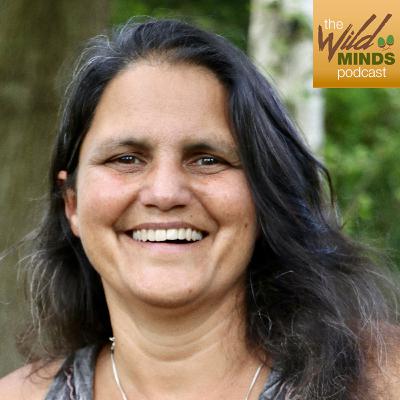
In this week’s episode of the Wild Minds Podcast, I speak with Looby Macnamara about permaculture, cultural emergence, and how small shifts in our habits and decision-making can lead us toward a more sustainable future. We discuss how thinking outside the box and embracing the unexpected can open up new pathways for growth. Here are the key takeaways:Looby explains how permaculture is not just about gardening but about a way of thinking, feeling, and observing that affects all parts of life, including relationships, health, and well-being.The importance of Earth care, People care, and Fair share as foundational principles for creating a more sustainable world, and how cultural emergence can shift societal norms in a regenerative direction.We explore how to make decisions that align with permaculture ethics, moving away from judgment and fostering a “culture of allowance” to support thoughtful choices without alienating others.The idea of “doing the unexpected” and stepping out of traditional pathways, like the conventional education-to-job journey, to embrace the unknown and create new opportunities for ourselves.Reflecting on personal habits, I talk about how we can support teenagers in making healthier choices, such as moving away from fast food culture, in a non-judgmental way that empowers their decisions rather than imposes them.We discuss the power of context in decision-making, like the cultural norms around eating, and the differences between being “caring” (e.g., choosing comfort food like rum and coke) versus “healthy” (e.g., making choices that support well-being and Earth care).Looby highlights the importance of understanding the context when addressing choices, such as in the case of militant veganism or the ethics of eating roadkill deer, showing how context shapes our understanding and decisions.Looby shares how the Design Web can be used in everyday life, from parenting to teaching, to help people make better, more creative decisions and take responsibility for their choices.Emergence is central to Looby’s approach—how when we embrace uncertainty and let go of rigid expectations, we create space for new insights, collaboration, and action.Show Notes:https://theoutdoorteacher.com/podcasts/episode-63-cultural-emergence-and-permaculture-with-looby-macnamara/ Music by Geoff Robb: www.geoffrobb.com Please Rate, Review, & Follow on Apple PodcastsIf you have enjoyed today's episode, please consider rating and reviewing my show! This really helps me to spread the word to more people like you, and to empower more people to take their practice outdoors!Click here, scroll to the bottom, tap to rate with five stars, and select “Write a Review.” Then let me know what you loved most about the episode!Also, if you haven’t done so already, "follow" the podcast, as if you’re not following, there’s a good chance you’ll miss out. Mentioned in this episode:Free Fire WebinarWatch my free mini-webinar on working with fire: https://theoutdoorteacher.com/fire Register for my Free...
In this episode, I reflect on the importance of slowing down and being present in the natural world, while exploring how our perceptions and beliefs shape our reality. I delve into the limitations of scientific objectivity, the influence of our environment on our well-being, and the need for a deeper, more holistic way of understanding ourselves and the world around us. Here are the key takeaways from this episode:The importance of engaging with the more-than-human world for reassurance, as a counter to the messiness of human-made realms (political, economic).The inadequacy of scientific objectivity as a worldview; reality is also shaped by subjective and environmental factors.How we now need to develop critical thinking skills, especially in navigating multiple perspectives and complex truths.Reflection on environmental education, particularly the spiritual dimension and how it is often excluded from mainstream teaching.Indigenous knowledge is a more holistic view of the world, combining heart, head, soul, and spirit, in contrast to the fragmented Western scientific approach.Insights on how modern science and technology (like AI, quantum physics, and systems thinking) challenge traditional mechanistic views of the world.The significance of our environment and its direct influence on our health, with much of our well-being shaped by it rather than clinical care – Salutogenesis. Historical shift around the 1750s during the Industrial Revolution, where human dominance and technological advances led to exponential growth and global impact.Exploration of the Dunning-Kruger effect: people with less knowledge often overestimate their competence.A call to reconnect with nature, slow down, and notice the present moment as a revolutionary act in a fast-paced world.Emphasis on the role of psyche in connecting to something beyond the self-conscious mind, with parallels drawn to the creative processes of great scientists like Newton and Einstein.Show Notes:https://theoutdoorteacher.com/podcasts/episode-62-untamed-knowing/Music by Geoff Robb: www.geoffrobb.comPlease Rate, Review, & Follow on Apple PodcastsIf you have enjoyed today's episode, please consider rating and reviewing my show! This really helps me to spread the word to more people like you, and to empower more people to take their practice outdoors!Click here, scroll to the bottom, tap to rate with five stars, and select “Write a Review.” Then let me know what you loved most about the episode!Also, if you haven’t done so already, "follow" the podcast, as if you’re not following, there’s a good chance you’ll miss out. Mentioned in this episode:Register for my Free WebinarGo to: https://theoutdoorteacher.com/webinar Free Course in Forest School ActivitiesTry our online training for free: https://theoutdoorteacher.com/free
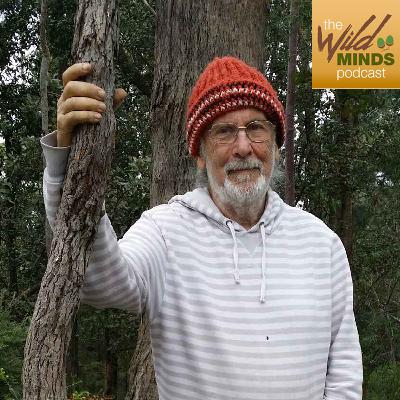
In this episode of Wild Minds, I’m honoured to be in conversation with John Seed — a true elder of the environmental movement and one of the most influential voices in deep ecology. He influenced my own journey into environmental education in the late 1980’s so it was a real privilege of sharing this conversation with him.Show Notes:https://theoutdoorteacher.com/podcasts/episode-61-john-seed-podcast/Music by Geoff Robb: www.geoffrobb.com Please Rate, Review, & Follow on Apple PodcastsIf you have enjoyed today's episode, please consider rating and reviewing my show! This really helps me to spread the word to more people like you, and to empower more people to take their practice outdoors!Click here, scroll to the bottom, tap to rate with five stars, and select “Write a Review.” Then let me know what you loved most about the episode!Also, if you haven’t done so already, "follow" the podcast, as if you’re not following, there’s a good chance you’ll miss out. Mentioned in this episode:Register for my Free Webinarhttps://theoutdoorteacher.com/webinar

Comments

Download from Google Play

Download from App Store
 United States