DiscoverNo One Fights Alone
No One Fights Alone
Claim Ownership

No One Fights Alone

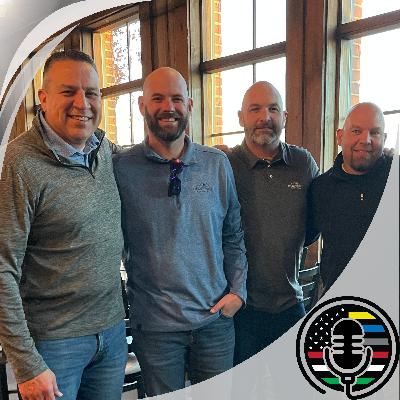
Author: Brad Shepherd & Kevin Thacker

Subscribed: 5Played: 265
Share

Description

The No One Fights Alone Podcast is a first responder mental health and culture podcast created to have the conversations that too often go unspoken in the world of service. Built for law enforcement officers, firefighters, paramedics, dispatchers, military veterans, and other public safety professionals, the show explores the real psychological, emotional, and cultural challenges that come with protecting others—often at the cost of your own well-being.

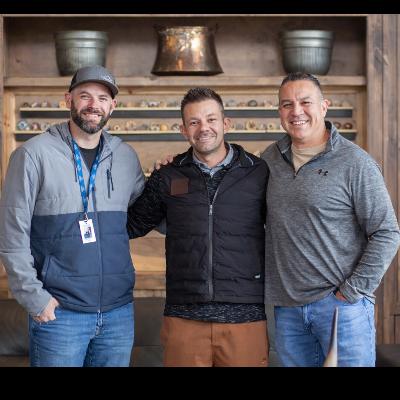
Hosted by Brad Shepherd and Kevin Thacker, the podcast is rooted in lived experience, professional insight, and deep respect for first responder culture. Each episode goes beyond surface-level discussions of stress and burnout to address the realities of trauma exposure, cumulative stress, moral injury, identity loss, leadership pressure, family strain, and the long-term impact of high-stakes careers. These are not abstract conversations—they are grounded in real stories from the job, from recovery, and from the road back to stability and purpose.

First responder mental health is complex. The demands of the job, combined with stigma, confidentiality concerns, departmental culture, and fear of professional consequences, often keep people silent. The No One Fights Alone Podcast exists to challenge those barriers by normalizing honest dialogue around trauma, PTSD, anxiety, depression, substance use, burnout, and the unseen weight carried by those who serve. The goal is not to sensationalize the work, but to humanize the people behind it.

Episodes feature candid conversations with first responders, clinicians, peer support leaders, and professionals working at the intersection of mental health, trauma, leadership, and public safety. The podcast also explores proactive strategies for resilience, peer support, leadership responsibility, and treatment pathways that respect the unique needs of first responders and professionals in high-stress roles. Rather than offering quick fixes or generic advice, the show focuses on education, connection, and practical insight that listeners can apply in real life.

At its core, The No One Fights Alone Podcast is about connection. It’s about reminding listeners that feeling overwhelmed, isolated, or changed by the job does not mean you are weak—it means you are human. The podcast creates a space where difficult experiences can be acknowledged without judgment and where seeking support is framed as strength, not failure.

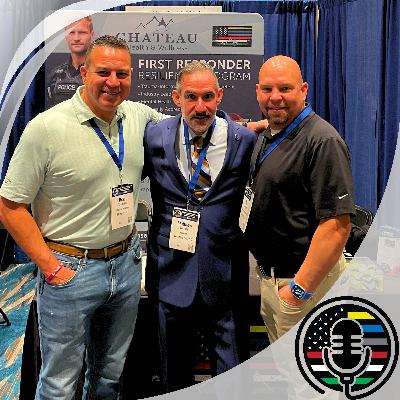
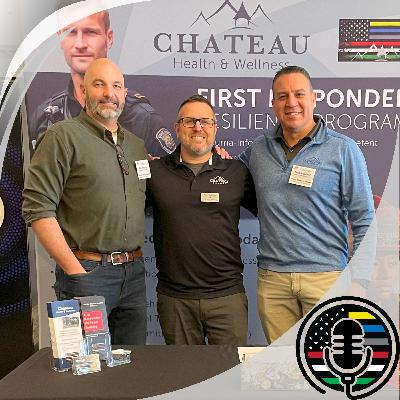
The show is proudly sponsored by Chateau Health & Wellness and First Responder Trauma Counselors, organizations aligned in the mission to improve access to trauma-informed, culturally competent care for first responders and professionals. Sponsorship is not about promotion—it’s about advocacy, education, and contributing to a larger shift in how mental health is understood and addressed within first responder communities.

Whether you are actively serving, retired, supporting a loved one in the field, or working alongside first responders in a clinical or leadership role, The No One Fights Alone Podcast offers a place to listen, reflect, and feel understood.

Because no one should have to carry the weight of this work alone.
148 Episodes
Reverse
Join Brad on a fascinating conversation with Australian born, Erin Nugent, Australian born and former law enforcement investigator who is now married to FireFighter and resides in the Northeast US. Erin is a First Responder Wellness Coach, Radio Show & Podcast Host - "Holding Space with Erin Jane" on The Thin Line Rock Station and "I Will Hold Space For Your Darkness; A First Responder Mental Health Podcast" and previous Crisis Counselor for Suicide Prevention Organization.
In this milestone 150th episode of the No One Fights Alone (NOFA) Podcast, Austin, Kevin, and Brad come together for a reflective and honest conversation about the journey of building a platform dedicated to first responder and veteran mental health.What started as a mission to normalize conversations around trauma, addiction recovery, resilience, and peer support has grown into a powerful community of listeners who understand the weight carried by those in law enforcement, fire service, EMS, military service, corrections, and other high-responsibility professions.This episode is less interview and more real conversation — a chance for Austin, Kevin, and Brad to pause, reflect, and express gratitude for the opportunity to bring meaningful dialogue to the first responder and veteran community. They discuss the joy of offering authentic conversations, the responsibility that comes with speaking into sensitive topics like PTSD and suicide prevention, and what it means to stay grounded in purpose as the show continues to grow.The conversation then shifts into a deeper discussion on integrity — living a life aligned with personal values and avoiding the quiet betrayal that can happen when someone drifts from who they truly are. The hosts explore how careers in high-stress environments can sometimes pull individuals away from their core identity, and why self-awareness, accountability, and connection are critical to long-term mental health.Austin brings insight rooted in recovery and personal growth. Brad shares perspective shaped by a career in law enforcement and leadership. Kevin adds reflections from his work in the behavioral health and trauma treatment space. Together, the three offer wisdom from different vantage points but with a shared mission: helping people live strong, connected, and value-driven lives.Topics discussed include:• First responder and veteran mental health • Trauma, resilience, and long-term recovery • Leadership and integrity under pressure • Identity beyond the badge or uniform • Avoiding value drift and personal burnout • Gratitude, growth, and sustaining purpose • Brotherhood and peer supportThis episode serves as both a celebration and a recommitment — a reminder that meaningful conversations can change lives, and that living with integrity matters just as much off the job as it does on it.Whether you’ve been with NOFA from the beginning or are just joining the community, this 150th episode reflects the heart behind the mission: honest dialogue, real stories, and the belief that no one has to navigate trauma, stress, or recovery alone.About the No One Fights Alone PodcastThe No One Fights Alone (NOFA) Podcast features real conversations about mental health, trauma recovery, addiction, resilience, leadership, and suicide prevention within first responder, military, and high-pressure professional communities. Through lived experience and open dialogue, the show works to reduce stigma, strengthen peer connection, and provide practical insight for those who serve — and the families who support them.Sponsored by Chateau Health & WellnessThis episode is proudly sponsored by Chateau Health & Wellness, a trauma-focused residential treatment program serving first responders, veterans, and professionals navigating PTSD, depression, anxiety, and substance use challenges.Chateau provides clinically sophisticated, relationship-centered care designed specifically for individuals working in high-responsibility roles who need treatment that understands both the demands of the profession and the person behind it.Learn more or connect with their team at: www.chateaurecovery.com
In this episode of the No One Fights Alone (NOFA) Podcast, Brad sits down with Dr. Smith for a thoughtful and practical conversation about the psychological realities of working in public safety.Dr. Smith specializes in police and public safety psychology and has worked extensively with patrol officers, detention and corrections professionals, dispatchers, EMS personnel, full-time and volunteer fire departments, wildland firefighters, and agencies at the city, county, state, and federal levels. Her experience spans the full spectrum of first responder culture, giving her a comprehensive understanding of the operational stress and cumulative trauma that shape these professions.Brad and Dr. Smith bridge both clinical insight and real-world perspective in a conversation designed to be accessible to mental health professionals and first responders alike. They explore the difficult journey that often accompanies a career in law enforcement and emergency services — including identity shifts, hypervigilance, exposure to trauma, burnout, and the long-term impact of chronic stress.What makes this discussion especially unique is Dr. Smith’s personal connection to the first responder world. In addition to her clinical expertise, she is also the spouse of a law enforcement officer. That dual perspective allows her to speak with credibility from both sides of the aisle — as a mental health professional who treats first responders and as someone who lives within the culture at home.Topics discussed include:• Police and public safety psychology • Cumulative trauma and operational stress • Burnout in law enforcement and emergency services • Hypervigilance and identity in first responders • The role of spouses and family systems • Barriers to seeking mental health support • Practical approaches to resilience and sustainable careersBrad and Dr. Smith emphasize the importance of normalizing therapy within first responder communities and creating systems that support emotional health as much as tactical performance. They also discuss how cultural expectations around strength and stoicism can delay help-seeking — and what leaders can do to change that narrative.Whether you serve in law enforcement, fire service, EMS, dispatch, corrections, or support someone who does, this episode offers valuable perspective on how to navigate the profession without losing yourself in the process.About the No One Fights Alone PodcastThe No One Fights Alone (NOFA) Podcast features honest conversations about mental health, trauma recovery, addiction, resilience, and leadership within first responder, military, and high-pressure professional communities. The show aims to reduce stigma, strengthen peer connection, and create dialogue that supports both individual well-being and family stability.Sponsored by Chateau Health & WellnessThis episode is proudly sponsored by Chateau Health & Wellness, a trauma-focused residential treatment program serving first responders, veterans, and professionals navigating PTSD, depression, anxiety, and substance use challenges.Chateau provides clinically sophisticated, relationship-centered care designed specifically for individuals in high-responsibility roles who need treatment that understands both the demands of the job and the person behind the badge.Learn more or connect with their team at: www.chateaurecovery.com
Cinnamon Reiheld

Cinnamon Reiheld

2026-02-2401:28:53

In this episode of the No One Fights Alone (NOFA) Podcast, Brad sits down with therapist and national presenter Cinnamon Reiheld for an in-depth conversation about trauma, childhood experiences, and the unique mental health challenges facing first responders.Cinnamon brings extensive clinical experience working directly with law enforcement officers, firefighters, veterans, and other public safety professionals. Throughout the episode, she shares insight into how unresolved childhood trauma, attachment patterns, and early life experiences shape the way first responders show up on the job — and at home.Brad guides a thoughtful discussion on how the coping strategies that help someone survive childhood or thrive in high-risk professions can later create emotional distance, hyper-independence, anger, or burnout. Cinnamon explains how trauma is not only about major critical incidents, but also about subtle relational dynamics that influence identity, resilience, and vulnerability over time.The conversation explores how early conditioning around strength, self-reliance, and emotional suppression often becomes amplified within first responder culture. Cinnamon offers practical perspective on why so many high-performing professionals struggle with connection, why shame keeps people silent, and how therapy can create space for healthier communication, emotional regulation, and long-term healing.Brad and Cinnamon also discuss:• Childhood trauma and its long-term impact • Attachment styles in first responders • Emotional regulation under chronic stress • Hypervigilance and identity formation • The intersection of early life conditioning and public safety culture • Trauma-informed therapy approaches • Breaking stigma around mental health treatmentCinnamon shares what she has learned as a national presenter teaching on trauma and first responder wellness, and why understanding your own story is one of the most powerful steps toward sustainable resilience.This episode offers both education and practical insight — whether you serve in law enforcement, fire service, EMS, military, corrections, or support someone who does. Understanding how childhood experiences influence adult relationships and leadership can be the key to breaking patterns and building healthier futures.About the No One Fights Alone PodcastThe No One Fights Alone (NOFA) Podcast features honest conversations about mental health, trauma recovery, addiction, and resilience within first responder, military, and high-pressure professional communities. Hosted by leaders and advocates who understand the culture, the show works to reduce stigma, promote peer support, and create space for meaningful dialogue that leads to growth and healing.Sponsored by Chateau Health & WellnessThis episode is proudly sponsored by Chateau Health & Wellness, a trauma-focused residential treatment program serving first responders, veterans, and professionals navigating PTSD, depression, anxiety, and substance use challenges.Chateau provides clinically sophisticated, relationship-centered care designed specifically for individuals working in high-responsibility roles who need treatment that understands both the job and the person behind it.To learn more or connect with their team, visit: www.chateaurecovery.com
In this episode of the No One Fights Alone (NOFA) Podcast, Brad sits down with retired law enforcement officer Brannon Hicks for a powerful and deeply personal conversation about suicide prevention, peer support, and building community for first responders and veterans.After a career in law enforcement, Brannon now serves with Here Tomorrow, a nonprofit organization dedicated to supporting first responders, veterans, and individuals who may be contemplating suicide. His commitment to the mission is not theoretical — it is personal. Brannon shares how suicide has impacted his life directly and how that heartache became fuel for advocacy, awareness, and action.Brad and Brannon discuss the unique mental health challenges faced by law enforcement officers, military members, and public safety professionals. They explore the stigma surrounding suicide ideation, why many first responders struggle in silence, and how cultural expectations around strength and self-reliance can create dangerous isolation.The conversation highlights the importance of early intervention, peer connection, and accessible support systems. Brannon explains how Here Tomorrow works to create proactive community-based support — not just crisis response — and why building trust within first responder communities is critical to suicide prevention efforts.Listeners will gain insight into:• First responder suicide prevention • Law enforcement mental health • Veteran suicide awareness • Peer support and community intervention • Breaking stigma around suicidal ideation • The impact of cumulative trauma and operational stress • Turning personal pain into purposeBrad and Brannon emphasize that asking for help is not weakness — it is leadership. They discuss the importance of normalizing conversations around depression, hopelessness, and emotional exhaustion, especially within high-responsibility professions.This episode is a reminder that suicide prevention starts with connection. Whether you serve in law enforcement, fire service, EMS, corrections, military, or support someone who does, this conversation reinforces that no one has to carry their darkest thoughts alone.To learn more about Here Tomorrow and their mission to support first responders and veterans, visit: heretomorrow.orgAbout the No One Fights Alone PodcastThe No One Fights Alone (NOFA) Podcast features real conversations about mental health, trauma recovery, addiction, resilience, and suicide prevention within first responder, military, and high-pressure professional communities. Hosted by leaders and advocates who understand the culture, the show works to reduce stigma, promote peer support, and create space for honest dialogue that saves lives.Sponsored by Chateau Health & WellnessThis episode is proudly sponsored by Chateau Health & Wellness, a trauma-focused residential treatment program serving first responders, veterans, and professionals navigating PTSD, depression, anxiety, and substance use challenges.Chateau provides clinically sophisticated, relationship-centered care designed specifically for individuals in high-responsibility roles who need treatment that understands both the profession and the person behind it.Learn more or connect with their team at: www.chateaurecovery.com
In this episode of the No One Fights Alone (NOFA) Podcast, Brad and Maren take a deeper look at an often overlooked part of first responder and veteran life — the family at home.While public safety professionals are trained to run toward danger and provide physical protection, the emotional impact of that responsibility doesn’t stay on shift. Brad and Maren explore how trauma exposure, hypervigilance, and operational stress influence relationships with spouses and children, often in ways families struggle to understand or talk about.They discuss what it can feel like for children growing up in a home shaped by unpredictable schedules, emotional shutdown, or heightened alertness. Many families learn to adapt silently, reading moods instead of having conversations, and those survival patterns frequently carry into adulthood.Brad and Maren talk about conflict — not as something to avoid, but as something families must learn to navigate in a healthy way. Avoidance, resentment, anger, and emotional withdrawal are discussed as common coping strategies that unintentionally create distance inside relationships. They emphasize that while first responders provide physical safety, emotional safety inside the home is equally important.The conversation also explores how childhood experiences shape adult behavior, why children often take on responsibility beyond their age in high-stress households, and how shame prevents both parents and kids from asking for help. Therapy and honest dialogue are presented not as signs of weakness, but as tools for rebuilding connection and breaking generational cycles.Listeners will hear practical insight into how families can communicate more openly, repair misunderstandings, and support each other through the realities of high-pressure careers.Topics discussed include:• First responder family dynamics • Children of law enforcement and veterans • Hypervigilance at home and emotional withdrawal • Anger, resentment, and communication styles • Healthy conflict resolution in relationships • Breaking cycles of shame and isolation • Therapy and rebuilding emotional safetyWhether you serve in public safety, are married to someone who does, or grew up in that environment, this episode offers perspective on why these patterns exist — and how families can move toward understanding instead of distance.About the No One Fights Alone PodcastThe No One Fights Alone (NOFA) Podcast features honest conversations about mental health, trauma, recovery, and resilience within first responder, military, and high-stress professional communities. Through real experiences and open dialogue, the show works to reduce stigma, strengthen connection, and provide understanding for both those who serve and the families who stand beside them. Our mission is simple: remind people they never have to carry it alone.Sponsored by Chateau Health & WellnessThis episode is proudly sponsored by Chateau Health & Wellness, a trauma-focused residential treatment program serving first responders, veterans, and professionals in high-pressure careers.Chateau specializes in treating PTSD, depression, anxiety, and substance use challenges through clinically sophisticated and relationship-centered care designed for individuals whose responsibilities make it difficult to step away and seek help.Learn more or connect with their team at: www.chateaurecovery.com
Brad welcomes Kevin Thacker to the NOFA Podcast microphone for his first full conversation as co-host. In this episode, Kevin shares the path that led him into the behavioral health and recovery field, the experiences that shaped his passion for helping others, and why he has chosen to dedicate his work to supporting individuals navigating trauma, mental health challenges, and addiction recovery.The conversation explores Kevin’s background working alongside treatment programs and first responder communities, and how those experiences influence the perspective he brings to the show. Together, Brad and Kevin talk about the importance of connection, the role of peer support, and the reality that many high-performing professionals — especially in public safety careers — often struggle silently while appearing outwardly strong.They also discuss how recovery is not a single event but an ongoing process that involves identity, purpose, relationships, and learning how to move forward after difficult experiences. Listeners will hear why honest conversations matter, why stigma keeps people isolated, and why simply knowing someone understands can change everything.This episode offers a chance to get to know Kevin and what he hopes to contribute to the podcast moving forward — practical insight, open dialogue, and conversations that meet people where they actually are rather than where they think they should be.Topics discussed include:• First responder mental health • Trauma and stress exposure in high-responsibility careers • Addiction recovery and rebuilding life after crisis • Peer support and connection • Breaking stigma around seeking help • Finding purpose after hardshipWhether you work in law enforcement, fire service, EMS, corrections, healthcare, military service, or any demanding profession, this conversation is a reminder that strength and struggle can exist at the same time — and that support is available.About the No One Fights Alone PodcastThe No One Fights Alone (NOFA) Podcast is dedicated to honest conversations surrounding mental health, trauma, recovery, and resilience — especially within first responder and high-stress professional communities. Through real stories and open dialogue, the show works to normalize seeking help, reduce stigma, and provide practical perspective for those carrying heavy responsibility both on and off the job. Our goal is simple: create connection and remind listeners that no one has to navigate these challenges alone.Sponsored by Chateau Health & WellnessThis episode is proudly sponsored by Chateau Health & Wellness, a trauma-focused residential treatment program serving first responders, professionals, and individuals seeking deeper recovery from PTSD, depression, anxiety, and substance use challenges.Chateau provides clinically sophisticated, relationship-driven care designed for people who operate in high-pressure environments and need treatment that understands their experiences and responsibilities.Learn more or connect with their team at: www.chateaurecovery.com
Season 6 Opener

Season 6 Opener

2026-02-1136:48

Austin and Brad officially welcome new co-host Kevin Thacker to the No One Fights Alone (NOFA) Podcast in this powerful season kickoff episode focused on first responder mental health, trauma recovery, and leadership resilience.Kevin joins the show bringing years of experience in behavioral health, trauma-informed care, and working alongside law enforcement, firefighters, military members, and other high-stress professionals. In this episode, the team reflects on some of the most impactful moments from past conversations — stories of recovery, peer support, overcoming addiction, navigating PTSD, and rebuilding identity after trauma.Together, Austin, Brad, and Kevin discuss the evolution of the podcast and their shared vision moving forward. They talk about expanding conversations around first responder wellness, mental health stigma in law enforcement culture, addiction in high-performance careers, and what true brotherhood and support look like when life gets heavy.Brad shares perspective from his 25-year law enforcement career and national wellness training work. Austin brings insight into recovery, accountability, and leadership. Kevin adds a strategic and clinical lens from his background in behavioral health and trauma treatment advocacy. The result is a dynamic conversation about where the show has been — and where it’s headed next.This episode sets the tone for the upcoming season — more honest conversations, more practical insight, and more real stories from those who have walked through trauma and found strength on the other side.If you are a police officer, firefighter, EMT, corrections officer, military member, healthcare professional, or family member of someone serving in a high-stress career, this podcast is for you. No One Fights Alone exists to remind you that connection, recovery, and growth are possible — and that you do not have to navigate trauma, mental health struggles, or addiction in isolation.Thank you for being part of the NOFA community. We are honored to continue this journey with you.Thank You to Our SponsorThis episode of the No One Fights Alone Podcast is proudly sponsored by Chateau Health & Wellness.Chateau Health & Wellness provides trauma-focused residential treatment for first responders, law enforcement professionals, and other high-performing individuals navigating PTSD, depression, anxiety, and substance use challenges. Their clinically sophisticated, relationship-driven approach is designed specifically for professionals who carry significant responsibility and pressure.To learn more about trauma-informed residential treatment or to connect with their team, visit:www.chateaurecovery.com
In this episode of the No One Fights Alone podcast, hosts Brad Shepherd and Max Morgan welcome Stacy Krantz and her son Zach Adolphi. They discuss Zach's journey into firefighting, inspired by a family legacy of service, and Stacy's passion for jewelry design, particularly in creating meaningful pieces for first responders. The conversation highlights the emotional connections behind jewelry, the significance of the Maltese cross, and the impact of their work on the community. They also touch on future aspirations to expand their mission to honor veterans and other first responders. In this conversation, Stacey Krantz and Zach Adolphi share their experiences and insights into the firefighter community, the transformative journey of training, and the emotional impact of their work. They discuss the importance of custom jewelry design as a means of honoring first responders and their families, emphasizing the personal stories behind each piece. The conversation highlights the deep connections formed within the community and the joy of serving those who serve others.Whether you’re a first responder, a family member, or someone who values service and storytelling, this episode speaks to the heart of resilience and connection.🔗 Guest Website: https://www.fivealarmcharm.com/📱 Instagram: https://www.instagram.com/five_alarm_charm/No One Fights Alone is brought to you by Chateau Health & Wellness, a 16-bed residential treatment center in Midway, Utah, specializing in trauma-informed care for first responders, veterans, and military personnel. If you or someone you care about is seeking support for mental health or substance use, visit https://www.chateaurecovery.com/ to learn mor
SummaryIn this episode, Brad Shepherd interviews Chip, a retired SWAT commander, who shares his journey through law enforcement, emphasizing the importance of relationships, leadership, and personal growth. Chip discusses the challenges faced in transforming a troubled SWAT team, the impact of personal struggles on professional relationships, and the critical role of courage and care in effective leadership. He highlights the necessity of investing in people and fostering a culture of compassion within law enforcement to build trust and improve community relations. In this conversation, Chip shares his transformative journey through personal feedback, fatherhood, and the importance of responsibility. He discusses the impact of relationships on mental health, particularly in the context of male depression, and emphasizes the significance of human connection in leadership. The dialogue explores practical steps for personal growth, the philosophy of Arbinger, and the necessity of self-care through reading and reflection. Ultimately, the conversation highlights that every interaction matters and that we are all interconnected in our experiences.Check out The Arbinger InstituteFind Chip on LinkedInChip Huth BioMajor Charles “Chip” Huth has 30-years of law enforcement experience and currently serves as a Commander with the Kansas City, Missouri Police Department. Chip formerly led the Street Crimes Unit Tactical Enforcement Team and has planned, coordinated and executed over 2500 high-risk tactical operations.Chip is a senior consultant for The Arbinger Institute. With offices in 23 countries, Arbinger is a recognized world-leader in improving organizational culture, conflict transformation, and changing mindset. He serves as a consultant for the KCPD’s Office of General Counsel, the Missouri Peace Officers Standards and Training Commission, and the Missouri Attorney General’s Office.Chip is the President and CEO of CDH Consulting L.L.C., serving international law enforcement, military and corporate clients.Chip has 35-years of experience in the martial arts, with a background in competitive judo and kickboxing. He is an accomplished author and co-wrote “Unleashing the Power of Unconditional Respect-Transforming Law Enforcement and Police Training,” a text book used in promotional processes and graduate programs. Chip is a veteran of the United States Army. He resides in Kansas City, Missouri with his wife, Shelly.No One Fights Alone would not be possible without Chateau Health & Wellness. If you or your loved one is seeking help for mental health, substance abuse, or both, reach out to Chateau today. Chateau primarily serves the first responder, military, and veteran communities with trauma-informed modalities and culturally competent staff. Visit the Chateau at https://www.chateaurecovery.com/ to learn more about them.Keywordslaw enforcement, leadership, SWAT, relationships, community, personal growth, courage, family dynamics, transformation, mentorship, personal growth, feedback, fatherhood, responsibility, mental health, male depression, leadership, human connection, self-care, transformation
In this episode, James Montgomery shares his journey from a challenging childhood in an abusive home to a successful military career and his transition into mental health counseling. He discusses the importance of addressing mental health stigma, the holistic approach of his counseling service, and the lessons learned from leadership in the military. James opens up about personal struggles, including the impact of deployment and loss, and how these experiences shaped his understanding of human connection and resilience. He emphasizes the need for community support and healing within families, particularly for first responders and veterans. In this conversation, James Montgomery shares his journey from military service to becoming a counselor focused on mental health and suicide prevention. He discusses the alarming rates of suicide among soldiers and the factors contributing to these tragedies, including finances, relationships, and substance abuse. James emphasizes the importance of communication, especially with children, and offers practical advice for parents on how to connect with their kids. He highlights the significance of emotional support and understanding the needs behind behaviors, advocating for intentional time spent with loved ones to foster healthy relationships.Chapters00:00 Introduction to James Montgomery03:24 Lotus Counseling Services: A Holistic Approach05:02 James's Early Life and Military Journey07:40 Leadership Lessons from the Military12:01 The Impact of Personal Struggles on Leadership20:12 Deployment Experiences and Personal Loss24:33 Turning Point: A Moment of Connection31:35 Navigating Relationships and Self-Destruction38:12 Transitioning to Civilian Life and New Challenges38:41 From Artillery to Leadership: A Journey Begins41:05 Understanding the Roots of Soldier Suicide45:42 Navigating Loss: The Role of Counseling48:38 The Impact of Trauma on First Responders51:36 Communicating with Kids: Bridging the Gap53:10 Messages Kids Wish They Could Share58:50 Investing in Relationships: The 20-Minute Rule01:03:58 Recognizing Red Flags in Children01:12:54 Final Thoughts: Understanding Needs Behind Behaviors
In this episode, Brad Shepherd, Ben Pearson, and Austin discuss the growth and expansion of Chateau, a residential treatment facility for first responders. They delve into the logistics of the new facility, the importance of maintaining a supportive environment, and the critical role of quality staff in providing effective treatment. The conversation also highlights the significance of cultural competency in staff training and how the team plans to maintain the integrity of their program during this growth phase. Overall, the episode emphasizes the commitment to serving the community and the positive impact of the Chateau team on the lives of those they help.Episode TakeawaysChateau is expanding from 16 to 56 beds to meet demand.The new facility aims to maintain a comforting and welcoming environment.Quality staff are essential for effective treatment and support.Cultural competency training is crucial for staff working with first responders.The growth is driven by the need for more resources and space.Maintaining a supportive environment is key to helping clients heal.The team is committed to providing personalized care despite increased capacity.Staff training focuses on trauma-informed care and understanding first responder culture.The growth is seen as an opportunity to enhance the quality of services offered.The Chateau team values the importance of connection and belief in clients' potential. Chapters00:00 Introduction and Setting the Stage05:08 Logistics of the New Facility10:40 Creating a Safe and Calming Environment19:29 The Importance of Growth in Treatment27:16 The Role of Staff in Treatment Success32:16 The Balancing Act of Support and Accountability39:05 Cultural Competency in Mental Health46:40 Understanding Trauma and Its Impact52:10 Growth and Maintaining Quality in Care
Matt Garcia, a retired Connecticut State Police Lieutenant and now Deputy Director of Officer Safety and Wellness at the National Law Enforcement Officers Memorial Fund, joins Brad and Max for an unfiltered conversation about the real struggles behind the badge.Matt opens up about the early traumas that shaped his career, how unchecked burnout nearly cost him everything, and why building strong peer support systems is no longer optional. From high-speed mistakes on midnight shifts to teaching the next generation of officers how to stay alive, Matt’s story is a reminder that resilience is not automatic; it is earned.The discussion also pulls back the curtain on the mission of the National Law Enforcement Officers Memorial Fund, the reality behind preventable line-of-duty deaths, and why honoring fallen officers means changing how we care for the living.If you are in law enforcement, married to someone who is, or want to understand the human cost of the job, this conversation is a must-listen.
In this deeply moving episode of the No One Fights Alone Podcast, Brad and Ben sit down with Jodie Baulkham, author of 'Choosing My Tomorrow: Surviving Murder, Navigating Mental Health, and Harnessing the Power of Choice', to explore her extraordinary story of loss, healing, and growth. Jodie opens up about the devastating loss of her husband, Royal Canadian Mounted Police Officer Chris, the profound journey through grief and trauma, and her powerful transformation into a life coach, speaker, and advocate for mental health and resilience.Together, they cover:Surviving unimaginable loss and navigating life as a young widow and new motherCore chapters from Choosing My TomorrowThe complexity of grief and the myths surrounding how we "should" healThe importance of journaling, emotional vocabulary, and self-reflectionHow vulnerability, courage, and community can change livesLessons in resilience, leadership, and mental wellness from Jodie’s incredible storyThis is an episode about hope, how we find it, how we hold onto it, and how sharing our stories can offer a lifeline to others walking through darkness.Learn more about Jodie’s work and book: Choosing My TomorrowConnect with us at: chateaurecovery.comAbout Jodie Baulkham | Author | Mental Health AdvocateJodie Baulkham is a compassionate and open-minded life enthusiast who happens to also be a licensed teacher, professional life coach, certified grief coach, certified Leader Character practitioner, best-selling author, keynote speaker and cancer survivor. Jodie helps people navigate grief to identify and articulate their needs, redefine their sense of self, and rebuild confidence to find meaning in their new reality of living after the death of a loved one.Jodie’s world was shattered in 2007 at the age of 29 when her husband was killed in the line of duty. Jodie was left alone to raise their 8-month old daughter while navigating traumatic grief and the Canadian justice system. Left to pick up the pieces of her broken life and find a sense of self again.Fast forward a few years, Jodie married another police officer who lives with post traumatic stress disorder (PTSD) and major depressive disorder as a result of his duties. That little baby has grown into a beautiful young woman and fiercely battles obsessive compulsive disorder (OCD).Living with and supporting people with mental health challenges is my everyday. Over the years, Jodie has learned that navigating adversity isn’t about dismissing pain or difficulty. It’s about harnessing the power of choice to recreate yourself, living authentically, and finding joy in unexpected places. Simultaneously, I took time to reflect on my experiences surviving murder, navigating mental health and harnessing the power of choice to progress from anguish to coping, to managing, and to ultimately thriving in my life. This awareness and recognition caused a shift in my life’s path with an intense desire to support others as they work to close the gap from where they are today to where they desire to be.
In this episode of the No One Fights Alone Podcast, Brad and Max share powerful reflections as Police Week and Firefighter Memorial Week approach. They explore the deep meaning behind honoring fallen heroes, the importance of supporting those who are still serving, and how setting boundaries is a crucial part of maintaining mental health.The conversation also touches on personal growth through intentional living, lessons from fasting for resilience, and updates on exciting developments at Chateau Health and Wellness. Through humor, humility, and real-world experience, Brad and Max remind us that healing and strength come from facing hard things with purpose.Topics Covered:The significance of Police Week and Firefighter Memorial WeekReflections on visiting memorials and honoring fallen first respondersPersonal experiences with fasting, discipline, and mental claritySetting intentional boundaries for better self-careUpdates on new programs at Chateau Health and WellnessLearn more at: https://www.chateaurecovery.com Connect with us on Instagram: @noonefightsalonepodcast
In this episode of No One Fights Alone, Ben and Brad dive into what it means to really show up for others and ourselves. Through stories of ride-alongs with law enforcement (not as a criminal, we promise!) and firefighters across the country, Ben, as a licensed clinical social worker (LCSW), reflects on what he’s learned sitting shotgun in squad cars. From awkward intros and suspicion to unexpected connection and trust, this conversation reveals how shared space, when approached with curiosity, can spark understanding, empathy, and even healing. The guys explore why every civilian should experience a ride-along or a 12-step meeting, and how getting outside your own bubble shifts perspective in powerful ways.You’ll also hear:The emotional weight of the job that most never seeThe “human behind the badge” that media often missesWhy slowing down to observe is essential for cultural competencyWhat happens when a clinical director rides along—and what officers think he's really there for
In this deeply resonant episode of the No One Fights Alone Podcast, Brad, Max, and Josh sit down with recently retired Fire Captain Josh Grandinetti—founder of Foundation Fortified—to explore how mindfulness can become a lifeline for first responders.From the invisible toll of trauma and the “responder feedback loop,” to learning how to slow down false mental dispatches, Josh unpacks the science and soul behind building a mindfulness practice. He candidly shares his own journey from anxiety and emotional overload to compassion, clarity, and healing.This conversation dismantles the stigma that mindfulness is “hippie stuff” and reframes it as a skill—one that sharpens attention, softens reactivity, and strengthens relationships both on and off duty.Whether you’re a skeptic or a seasoned practitioner, this episode offers practical insight, humor, and encouragement for anyone navigating the demands of a high-stress profession.
In this powerful episode of No One Fights Alone, Co-Hosts Brad Shepherd & Max Morgan sit down with retired Detective Heidi Chance, who shares the raw, real, and often heartbreaking realities of human trafficking. With over two decades in law enforcement, Heidi opens up about working undercover, the evolution of vice investigations, and how law enforcement adapts to protect victims, especially children. She also shares the story behind her book Talk to Them, empowering parents to have critical conversations with their kids about online safety and trafficking. This is an episode you won't forget.Hedia ChanceDetective | Author | InstructorHeidi Chance is a retired detective with over 27 years of law enforcement experience, including 14 years in the Phoenix PD’s Human Trafficking Unit. She’s the founder of A Chance for Awareness, a motivational speaker, undercover instructor, and author of Talk to Them, a guide for parents to protect kids from online exploitation and trafficking.Find her on LinkedInA Chance for AwarenessBuy her book, Talk to Them, on Amazon
In this heartfelt and deeply honest episode of No One Fights Alone, co-hosts Brad and Ben welcome back therapist, recreational specialist, and longtime friend of the Chateau community, Stacey Stocking. With wisdom, warmth, and a touch of humor, Stacey shares how outdoor adventures, pickleball injuries, and personal transformation intersect in the journey of mental wellness.This episode tackles perfectionism, the importance of self-awareness, radical honesty, and building meaningful relationships, as well as the emotional challenges first responders and beyond face. It also explores what it takes to truly reconnect with yourself and others. The trio also explains that slowing down isn’t a luxury but is essential to staying grounded in a chaotic world.This episode offers insight, laughter, and the reminder that healing begins when we are willing to remove the armor.About Stacey StockingCMHC | Recreational Therapist | Pickel Ball AthleteStacey Stocking is a Clinical Mental Health Counselor with over three decades of experience, known affectionately as “The Wizard” by clients at Chateau, where he’s been a primary therapist since 2017. With credentials in substance use counseling and therapeutic recreation, Stacey brings a unique blend of skills to his workshops, process groups, and outdoor intensives. A passionate guide in mental health and recovery, Stacey’s warmth, wisdom, and hands-on approach make him a standout in the field. When he's not helping others heal, you’ll find him hiking, biking, or playing pickleball in the Utah mountains.
In this heartfelt and deeply human episode of No One Fights Alone, Ben and Brad reflect on recent experiences with aging parents, fatherhood, and what it means to have hard conversations before it’s too late. Through personal stories, laughter, and raw honesty, they explore generational values, emotional expression, and how to break long-standing rules of silence. Whether you're a parent, a child, or somewhere in between, this episode reminds us how powerful vulnerability can be.
loading
Comments 
loading