


 Claim Ownership
The Tech Leader's Playbook
Subscribed: 2Played: 20
Subscribe

© Avetis Antaplyan
Description
Welcome to your weekly playbook for tech leadership - where founders, executives, and innovators share real strategies for scaling smarter and leading stronger. Hosted by Avetis Antaplyan, Founder and CEO of HIRECLOUT, a global leader in technology and go-to-market recruiting and consulting.
126 Episodes
Reverse

For more thoughts, clips, and updates, follow Avetis Antaplyan on Instagram: https://www.instagram.com/avetisantaplyanIn this episode of The Tech Leader's Playbook, Avetis Antaplyan sits down with Dr. Craig Kaplan, an AI pioneer, founder of IQ Company, and a four-decade veteran in artificial intelligence and collective intelligence systems, for a wide-ranging conversation on where AI is actually headed and why most people are still underestimating what is coming. Dr. Kaplan traces the history of AI from its roots in symbolic reasoning and machine learning to today’s agentic systems, explaining why the shift from AI as a tool to AI as a worker is such a major turning point. He shares lessons from building PredictWallStreet, a collective intelligence platform that used signals from millions of retail investors to power a top-ranked hedge fund, and uses that story to argue that communities of agents may become more powerful than any single model. The discussion also dives into jobs, entrepreneurship, AI-driven productivity, superintelligence, and the growing risk of building powerful black-box systems without enough transparency or alignment. Perhaps most compellingly, Dr. Kaplan makes the case that the future of AI safety is not only in the hands of researchers, but in the behavior, values, and data humans feed these systems every day.TakeawaysAI did not appear overnight. Its formal roots go back to the 1956 Dartmouth conference, with major eras including symbolic AI, machine learning, and now agentic AI.The biggest shift now is from AI as a tool to AI as a worker that can use tools and take action on a user’s behalf.In collective systems, even “bad” or inaccurate inputs can become valuable if they are consistent and can be weighted, filtered, or inverted intelligently.Entry-level cognitive work is already under pressure, while top performers and people with rare, non-commoditized knowledge still hold an edge, at least for now.AI safety becomes urgent because today’s systems are often black boxes, making them powerful but hard to predict, govern, or reliably align with human values.Dr. Kaplan believes safer AI will come from more transparent, democratic, collective-intelligence-style architectures rather than monolithic black-box systems.Chapters00:00 Intro and why AI should be thought of as a worker, not just a tool01:29 Dr. Craig Kaplan’s early path into AI and the field’s history03:26 What people miss about the decades of groundwork behind today’s AI boom05:05 The signals that show AI is entering a new phase07:02 Why agentic AI is so powerful for entrepreneurs and small teams08:24 The origin story behind PredictWallStreet and collective intelligence12:42 How crowd wisdom works, and how noise can still produce signal16:09 The long-term trajectory from narrow AI to AGI to superintelligence19:13 Why communities of agents may outperform any single model22:09 Jobs, competition, and what happens to human work as AI improves29:21 Why only exceptional human expertise may remain defensible34:00 Did humanity create the conditions for AI to replace so much labor?40:49 Why trade jobs may be safer in the short term than white-collar roles42:30 AI safety, existential risk, and why black-box systems are dangerous47:13 A safer alternative: transparent, democratic, collective AI systems50:33 What ordinary people and business leaders can do right now54:29 The book and core idea that shaped Dr. Kaplan’s thinking on reason and values57:12 Final message: if AI is our child, we need to teach it well58:50 Closing thoughts and outroCraig Kaplan’s Social Media Link:https://www.linkedin.com/in/craigakaplan/Craig Kaplan’s Website Link:https://www.iqco.com/Resources and Links:https://www.hireclout.comhttps://www.podcast.hireclout.comhttps://www.linkedin.com/in/hirefasthireright

For more thoughts, clips, and updates, follow Avetis Antaplyan on Instagram: https://www.instagram.com/avetisantaplyanIn this episode of The Tech Leader's Playbook, Avetis Antaplyan sits down with Kevin Maney, veteran journalist, bestselling author, and co-author of Play Bigger and The Category Creation Formula, to challenge one of startup culture’s most repeated ideas: product-market fit. Kevin argues that the biggest opportunities do not come from squeezing a product into an existing market, but from identifying what is missing in a changing world and building around that gap.Drawing on nearly four decades covering the tech industry, Kevin shares why founders should think in terms of “market-product fit” instead, and explains how great companies condition the market before they ever win it. He breaks down his framework of context plus missing plus innovation, using examples like Apple’s iPad, Chrysler’s minivan, LinkedIn’s sales transformation, Uber’s early rule-setting, and the rise of AI.The conversation also explores how investors should evaluate startups, why dominant design matters more than first-mover advantage, and how founders can avoid building short-lived AI wrappers that solve no meaningful problem. This episode is a sharp, strategic discussion on innovation, category creation, and how to build something the market actually needs.TakeawaysProduct-market fit is often misunderstood; Kevin argues founders should prioritize market-product fit instead.A strong market matters more than a great product or even a great team.Founders should not fall in love with their solution; they should fall in love with the problem.Steve Jobs introduced the iPad by first explaining the missing space between phones and laptops.Apple’s Vision Pro struggled because it was presented as a product with features, not as a solution to a clearly defined problem.Kevin’s category creation formula is: context plus missing plus innovation equals a new category.The best startup opportunities appear when major context shifts happen, such as AI, supply chain disruption, or changing buyer behavior.Winning a category is not just about being first; it is about becoming the dominant design.Uber succeeded in part because it helped define how ride-hailing should work in people’s minds.AI founders will stand out only if they solve a real, meaningful problem, not if they simply add an AI label to a weak product.Chapters00:00 Intro to Kevin Maney and the case for category creation01:07 Kevin’s background as a journalist and co-author of Play Bigger02:45 Why product-market fit is often misunderstood05:12 What it means to condition the market08:30 What happens when founders build product first and force the market09:27 Apple Vision Pro and the risk of unclear problem-solving10:18 Why founders should love the problem, not the solution15:42 Chrysler and the minivan as a classic category creation story19:19 How founders should analyze context and market signals today23:07 LinkedIn’s “Deep Sales” repositioning and product reinvention26:06 Why spotting what’s missing raises the odds of success30:44 AI, foundational technologies, and possible commoditization32:36 How founders can tell if they are building something real in AI38:07 What investors should actually listen for in startup pitches41:11 How top investors may co-create category-defining companies42:52 How founders should frame their pitch around the problem first47:59 Kevin’s personal aha moment behind category thinking51:02 Final thoughts, book recommendation, and where to find KevinKevin Maney’s Social Media Links:https://www.linkedin.com/in/kevinmaney/https://x.com/kmaneyKevin Maney’s Website Link:https://kevinmaney.com/Resources and Links:https://www.hireclout.comhttps://www.podcast.hireclout.comhttps://www.linkedin.com/in/hirefasthireright

For more thoughts, clips, and updates, follow Avetis Antaplyan on Instagram: https://www.instagram.com/avetisantaplyanIn this episode of The Tech Leader's Playbook, Avetis Antaplyan sits down with Alok Tayi, a Harvard-trained scientist, repeat tech founder, and the founder of Vibe Bio. Alok shares his journey from academia and engineering into entrepreneurship, where he built multiple pharmaceutical software companies collectively worth nearly $1 billion before launching Vibe Bio with a deeply personal mission. After his daughter was born with two rare diseases that had no available treatments, Alok turned his attention to one of biotech’s most overlooked challenges: accelerating innovation for rare disease patients.The conversation explores how AI is changing drug discovery, why rare disease innovation has historically been underfunded, and how new tools, data, and regulatory pathways are creating fresh opportunities for founders and investors alike. Alok explains how Vibe Bio uses proprietary AI to evaluate drug programs, support pharma decision-making, and guide venture investments into high-potential therapeutics. He also shares hard-won lessons on leadership, mission-driven company building, culture, and the importance of staying obsessed with the problem while remaining flexible on tactics. This episode is a thoughtful look at the intersection of science, entrepreneurship, capital, and meaningful impact.TakeawaysIntro to Alok Tayi and the mission behind Vibe BioFrom scientist to serial founder in life sciences softwareHow Alok’s daughter’s diagnosis changed his life and careerLeadership lessons from scaling companies at different stagesWhat Vibe Bio actually does and how its AI worksWhy biotech and pharma are harder than most founders expectBalancing regulation, speed, and commercial realityWhy rare disease communities have been historically overlookedWhy rare disease innovation may become more viable nowWhy non-scientists can still play a major role in biotechCapital efficiency, biotech cycles, and the real funding questionWhy AI is an accelerant for biotech, not a replacementThe rise of parent-led and unconventional biotech foundersVibe Bio’s AI platform versus its venture fundPlatform companies vs. individual therapy companiesHow AI-driven evaluation changes therapeutic investingAlok’s biggest business and culture lessons as a founderBooks that shaped Alok’s thinkingFinal advice on building with both impact and economic successChapters00:00 Intro to Alok Tayi and the mission behind Vibe Bio01:09 From scientist to serial founder in life sciences software03:16 How Alok’s daughter’s diagnosis changed his life and career04:28 Leadership lessons from scaling companies at different stages06:48 What Vibe Bio actually does and how its AI works10:37 Why biotech and pharma are harder than most founders expect13:51 Balancing regulation, speed, and commercial reality15:54 Why rare disease communities have been historically overlooked17:38 Why rare disease innovation may become more viable now19:25 Why non-scientists can still play a major role in biotech22:04 Capital efficiency, biotech cycles, and the real funding question24:33 Why AI is an accelerant for biotech, not a replacement26:57 The rise of parent-led and unconventional biotech founders29:50 Vibe Bio’s AI platform versus its venture fund33:43 Platform companies vs. individual therapy companies37:12 How AI-driven evaluation changes therapeutic investing39:48 Alok’s biggest business and culture lessons as a founder43:15 Books that shaped Alok’s thinking46:22 Final advice on building with both impact and economic success48:29 Where to find Alok and Vibe BioAlok Tayi’s Social Media Links:https://www.linkedin.com/in/aloktayi/https://x.com/aloktayiResources and Links:https://www.hireclout.comhttps://www.podcast.hireclout.comhttps://www.linkedin.com/in/hirefasthireright

For more thoughts, clips, and updates, follow Avetis Antaplyan on Instagram: https://www.instagram.com/avetisantaplyanIn this episode of The Tech Leader's Playbook, Avetis Antaplyan sits down with Pranav Lal, Head of Business Technology at Gusto and former Enterprise Systems Leader at Slack, Eventbrite, Ethos, and OneTrust, to unpack what it really takes to build enterprise-grade systems inside hyper growth companies.Drawing from three pre-IPO to IPO journeys, Pranav shares hard-earned lessons about scaling from 500 to 5,000+ employees, why lead-to-cash is a company’s “financial nervous system,” and how IPO readiness shifts the focus from shiny tools to provable controls and governance.The conversation dives deep into the reality behind AI hype — why AI can 10x velocity but cannot fix broken architecture, why SaaS isn’t dead (but static SaaS is), and why giving AI agents “god mode” access is a dangerous mistake. Pranav also explores the evolving role of middle management, the shift toward outcome-based SaaS pricing, and how leaders must balance speed with architectural integrity.With insights on radical candor, trust-building after failed transformations, and how to protect team energy in high-pressure environments, this episode delivers a masterclass in modern technical leadership — where judgment, clarity, and guardrails matter more than ever.TakeawaysYou cannot outsource thinking. If you do, you inherit the mess.Scaling from 500 to 5,000 employees shifts from speed-driven execution to governance and ownership clarity.Lead-to-cash is the company’s financial nervous system. Errors create revenue leakage and audit risk.IPO readiness is about provable controls, not new tools.Moving from MVP to enterprise-grade means building trust under stress, including uptime, recovery, and auditability.AI increases velocity, but without guardrails it creates chaos.AI cannot repair weak architecture or poor technical fundamentals.SaaS is evolving, not disappearing. Static SaaS is being replaced by dynamic and agent-driven systems.Clear communication is now a critical engineering skill.Middle managers must evolve into hands-on architects and AI orchestrators.Trust is rebuilt through consistency and quick wins.Strong leaders reduce ambiguity, protect team energy, and simplify complexity.Chapters00:00 Intro and Core Thesis01:00 Pranav’s Background and IPO Experience01:28 Scaling from 500 to 5,000 Employees03:14 Why Lead-to-Cash Matters04:31 IPO Readiness and Compliance06:05 MVP Versus Enterprise-Grade Systems08:10 AI Hype Versus Reality12:07 Rebuilding Trust After Failed Transformations13:50 The Risk of Outsourcing Thinking17:44 Technical Skill Is Not Enough20:07 The Shift in Engineering Identity24:17 Is SaaS Dead25:46 The Future of SaaS Pricing26:57 The Danger of AI With Full Access28:34 Advice for Engineers in the AI Era36:06 Balancing Speed With Architecture41:16 Hiring for Ownership and Judgment43:15 Radical Candor and Leadership Growth46:35 The Billboard Advice47:02 Final Leadership PrinciplesPranav Lal’s Social Media Link:https://www.linkedin.com/in/pranavl/Resources and Links:https://www.hireclout.comhttps://www.podcast.hireclout.comhttps://www.linkedin.com/in/hirefasthireright

For more thoughts, clips, and updates, follow Avetis Antaplyan on Instagram: https://www.instagram.com/avetisantaplyanIn this episode of The Tech Leader's Playbook, Avetis Antaplyan and Daria Rudnik discuss the transformative impact of AI on leadership and team dynamics. They explore how AI is reshaping workflows, the importance of building trust and acceptance among team members, and the need for transparency in AI implementation. The conversation dives into the challenges of navigating AI anxiety and resistance, the significance of effective governance, and how leaders can prepare for a future where AI functions as a team member. Daria emphasizes the importance of clarity in communication and the need for ongoing conversations about AI's role in organizations.TakeawaysAI is reshaping how leaders think and define human value.Building self-sufficient teams is crucial in the age of AI.Trust between team members and management is essential for AI acceptance.Transparency about AI's role can alleviate fears.AI should be seen as a collaborator, not a replacement.Ongoing conversations about AI's impact are necessary.Effective governance is key to responsible AI implementation.Leaders must prepare for AI as a team member.Clarity in communication is vital for successful AI integration.AI is not just a tech shift; it's a shift in collaboration.Chapters00:00 The Impact of AI on Leadership and Teams05:06 Understanding AI's Role in Team Dynamics09:56 Building Trust and Acceptance of AI15:04 Navigating AI Anxiety and Resistance19:59 The Importance of Transparency in AI Implementation25:01 Creating Effective AI Governance29:59 Preparing for AI as a Team Member35:05 The Future of Leadership in an AI-Driven WorldDaria Rudnik’s Social Media Link:https://www.linkedin.com/in/dariarudnik/Daria Rudnik’s Website Link:https://dariarudnik.com/Resources and Links:https://www.hireclout.comhttps://www.podcast.hireclout.comhttps://www.linkedin.com/in/hirefasthireright

For more thoughts, clips, and updates, follow Avetis Antaplyan on Instagram: https://www.instagram.com/avetisantaplyanIn this episode of The Tech Leader's Playbook, Avetis Antaplyan delivers a powerful solo deep-dive into one of the most misunderstood concepts in modern leadership: servant leadership. Drawing from personal experience, organizational patterns, and hard-earned lessons, Avetis breaks down why servant leadership is not softness, appeasement, or conflict avoidance. Instead, he argues, real servant leadership demands courage, accountability, and an unwavering commitment to helping people reach excellence even when it requires uncomfortable conversations.Throughout the episode, Avetis contrasts servant leadership with authoritative leadership, clarifying why authority is not about ego or control but about clarity, ownership, and decision-making. He explains how appeasement quietly erodes standards, frustrates high performers, and ultimately harms the very people leaders believe they’re protecting. Using relatable examples from workplace dynamics to parenting to team performance he illustrates how delayed feedback, avoided conflict, and diluted expectations damage careers and undermine culture.Listeners will walk away with a clearer understanding of what true service looks like in leadership, how to course-correct if they’ve fallen into appeasement, and the self-reflective questions every leader should be asking. A must-listen for anyone serious about leading with honesty, courage, and long-term impact.TakeawaysServant leadership is not softness it requires courage, standards, and accountability.Appeasement disguises itself as kindness but ultimately weakens teams and leaders.Great leaders challenge people directly because they care, not despite it.Avoiding tough conversations delays the truth and harms long-term performance.Accountability is a form of respect; letting people off the hook is not.Authority is not about control it equals clarity, ownership, and decisive action.High performers become frustrated when leaders tolerate underperformance in others.Appeasement normalizes mediocrity and lowers the performance bar for the entire team.Early, honest feedback prevents skill gaps from widening into career-limiting issues.Leaders must choose between being liked and being trusted the two are not the same.Resetting a culture requires public acknowledgment, clear standards, and consistent feedback.True servant leadership is uncomfortable, demanding, and essential for building organizations that last.Chapters00:00 Introduction: The Misconceptions of Servant Leadership01:20 Why Softness Isn’t Leadership02:40 Appeasement vs. Accountability04:10 Leadership Confusion in Modern Workplaces05:45 Radical Candor and Challenging with Care07:20 What Servant Leadership Actually Is09:00 Authority: Why It Matters and What It Really Means11:00 The Hidden Dangers of Appeasement13:00 How Underperformance Becomes Normalized14:45 Career Damage Caused by Avoidance16:20 Self-Assessment for Leaders: Tough Questions17:40 How to Reset Standards and Rebuild Culture18:45 Closing Thoughts: Courage, Clarity, and Long-Term LeadershipResources and Links:https://www.hireclout.comhttps://www.podcast.hireclout.comhttps://www.linkedin.com/in/hirefasthireright

For more thoughts, clips, and updates, follow Avetis Antaplyan on Instagram: https://www.instagram.com/avetisantaplyanIn this episode of The Tech Leader's Playbook, Avetis Antaplyan sits down with Kylee Ingram, a decision science expert and co-founder of Wizer, a platform built to help leaders design better decision-making rooms at scale. Kylee’s journey began in sports television and documentary work before pivoting into interactive media and ultimately decision intelligence—a shift inspired by her desire to remove industry gatekeepers and build systems that empower diverse thinking.Kylee unpacks the science behind why good leaders still make bad decisions, revealing how cognitive diversity—not just demographic diversity—is the missing ingredient in most executive teams. She breaks down the three hidden biases that compromise leadership groups (social, information, and capacity bias), why “smart people in the room” isn’t enough, and how decision profiles dramatically change communication, hiring, fundraising, and strategic alignment.Through research from Dr. Juliet Burke and real-world examples from organizations like Enron, Kylee illustrates how teams drift toward sameness as companies scale, quietly erasing the diversity of thought needed for innovation. She also shares practical tactics for CEOs to improve decision quality—without slowing down execution—and how leaders can tailor communication to different decision styles for more buy-in, clarity, and outcomes.This episode is a masterclass on designing better rooms, better conversations, and ultimately, better decisions. TakeawaysCognitive diversity—not demographic diversity alone—is what prevents bad decisions in leadership teams.Most CEOs fall into just two decision-making styles, which creates blind spots and groupthink at scale.The “hippo effect” (highest-paid person’s opinion) strongly influences decisions unless leaders intentionally speak last.Independence is critical in decision design; decisions made before people enter the room create false consensus.Structured diversity in decision profiles can reduce decision error by 30% and increase innovation by 20%.Decision profiles offer a practical way to identify missing perspectives (e.g., risk-focused, analytical, visionary).Leaders should audit each decision by asking: “Who is missing from this room?”Communication should match decision styles; most organizations inadvertently ignore analyzers, achievers, and risk-oriented leaders.Designing rooms—not relying on gut instinct—is the most reliable way to scale high-quality decisions.Chapters00:00 The Hidden Problem in Leadership Decisions01:12 Kylee’s Journey: From TV to Decision Intelligence03:07 Early Wins & The Birth of Wizer04:45 When Gut Instinct Isn’t Enough05:40 The Three Biases Undermining Every Leadership Team09:17 The Hippo Effect & Room Dynamics12:22 Cognitive Overload & Oversimplification14:16 Speed vs. Quality: Avoiding Paralysis by Analysis17:38 Cognitive Skew & The Enron Example19:07 The Seven Decision Profiles22:47 Small Teams & Practical Application25:55 Why Personality Tests Don’t Work30:34 Cognitive Drift in Scaling Companies33:10 Conflict Entrepreneurs & Modern Culture34:08 Why the Wrong People Keep Making the Decisions36:00 Designing Better Interviews & Panels37:29 Messaging & Decision Styles41:27 Tailoring Communication Without Manipulation43:07 One Thing CEOs Should Implement This Week45:15 Mapping Your Organization with Wizer47:30 Kylee’s Aha Moments & Reflections49:06 Closing Thoughts & What’s NextKylee Ingram’s Social Media Link:https://www.linkedin.com/in/kyleeingram/Resources and Links:https://www.hireclout.comhttps://www.podcast.hireclout.comhttps://www.linkedin.com/in/hirefasthireright

For more thoughts, clips, and updates, follow Avetis Antaplyan on Instagram: https://www.instagram.com/avetisantaplyanIn this episode of The Tech Leader's Playbook, Avetis Antaplyan sits down with Alex Shartsis, serial founder, former corporate development lead, and current CEO of Skyp.ai—to unpack the real cost of “growth at all costs.” With scars and exits to back his views, Alex offers a candid breakdown of what founders get wrong about product-market fit, fundraising traps, and the often-misunderstood economics of scaling.Together, they explore why bootstrapping is back in vogue, how over-raising can kill flexibility, and how AI is redefining what it means to be a lean operator. Alex draws from his time at Perfect Price and now Skyp.ai to expose the hidden “footwork” behind successful GTM strategies and why most SaaS founders underprice out of insecurity. The conversation is loaded with tactical advice—from navigating platform creep to testing pricing thresholds—and peppered with war stories from the front lines of both venture-backed and bootstrapped journeys.Whether you're scaling an AI startup or building quietly with customer revenue, this episode challenges conventional wisdom and lays out what durable, customer-obsessed growth looks like in 2026.TakeawaysMany founders mistake a short burst of sales or demand for true product-market fit, leading to premature scaling and churn.Financial acquirers focus on cash flows; strategic acquirers pay for fit. Most founders don’t deeply understand either.Venture capital often creates misaligned incentives. Founders lose control over exits and may be pushed to chase unsustainable valuations.Bootstrapping forces discipline: every dollar must generate near-term return, every decision must align with customer need.Raising too early or too much reduces urgency, increases burn, and often leads to wasteful bets and bloated teams.SaaS buyers increasingly value smaller vendors who prioritize service over scale.Advice is context-dependent: founders must be careful not to blindly copy tactics that worked in a different market or macro.AI tools enable hands-on execution and eliminate layers of communication, especially for lean teams.Founders often “hide their footwork”—the unseen details that actually drive GTM success.Customer proximity and rapid iteration beat slide decks and assumptions every time.Chapters00:00 Growth at All Costs Is Dead01:07 What Acquirers Really Care About02:35 The Mirage of Product-Market Fit05:10 Amazon vs. Realistic Unit Economics06:44 When Losing Money Is Okay—And When It’s Not08:01 The Advice Trap: When Playbooks Expire10:01 The SurveyMonkey Blueprint (And Its Limits)13:06 How Bootstrapping Forces Better Decision-Making17:34 Owning the Downside: Founders vs. VCs20:13 Building a $5M Business Without Needing a Billion-Dollar Exit22:30 Platform Creep and Product Dilution27:53 Customer Success Is the Real Differentiator29:49 Jiu-Jitsu and GTM Footwork36:39 How AI Changes How Work Gets Done44:43 Prototyping, Building, and Speed with AI Tools46:41 Pricing Insecurity and Willingness to Pay51:01 You Are Not Your Customer: Pricing Psychology53:48 Cheap Gym Memberships, Expensive LessonsAlex Shartsis’s Social Media Link:https://www.linkedin.com/in/shartsis/Resources and Links:https://www.hireclout.comhttps://www.podcast.hireclout.comhttps://www.linkedin.com/in/hirefasthireright

For more thoughts, clips, and updates, follow Avetis Antaplyan on Instagram: https://www.instagram.com/avetisantaplyanIn this episode of The Tech Leader's Playbook, Avetis Antaplyan dives headfirst into the trust crisis disrupting hiring across tech and go-to-market roles. Drawing from conversations with both hiring managers and top-tier candidates, Avetis unpacks the growing disconnect: why talented people are being ghosted while keyword-stuffed, AI-generated resumes get through the door—and often, no one shows up.As the founder of HIRECLOUT, Avetis offers a blunt assessment of the current system: hiring isn’t broken because of AI—it’s been broken for years. AI simply exposed how fragile the trust and signal layers already were. In this candid solo episode, he outlines why resumes no longer reflect real value, how signal degradation is warping candidate pools, and what needs to change for hiring to scale with integrity.From the dangers of synthetic candidates to the myth of "clean" resumes, this episode is packed with pattern recognition strategies, hard truths for founders and recruiters, and a blueprint for using AI as a tool—not a replacement—for judgment. If you're building or hiring in tech, this is essential listening.TakeawaysThe hiring process is failing both qualified candidates and frustrated hiring managers.AI didn’t break hiring—it revealed how broken trust and signal layers already were.Top talent is being filtered out by systems that prioritize keywords over capability.Many resumes that look impressive on paper are either exaggerated or AI-generated.Clean, keyword-rich resumes often come from average performers—not real builders.Bulk applications and synthetic candidates are crowding out authentic applicants.Trust—not automation—will be the next real hiring moat.Hiring systems that prioritize volume over intent end up scaling noise, not quality.Companies need to refocus AI to handle speed and prep, while humans manage judgment.Silence from recruiters often reflects broken systems, not a candidate’s lack of value.Founders who can't distinguish real operators from fake ones aren't ready to scale.The solution lies in a hybrid model: real interviews, verified networks, and contextual judgment.Chapters00:00 Intro: Why this solo episode matters now00:53 The hiring paradox: Both sides feel broken01:47 It's not a talent issue—it's a signal and trust breakdown02:27 The candidate opt-out: when frustration becomes exit03:15 Why AI struggles to recognize real tech and GTM careers04:40 The hiring irony: real people get ghosted, fake ones get interviews06:13 When volume replaces intent: how systems reward the wrong behavior07:04 Resume inflation and red flags recruiters often miss08:30 The model that works: AI for speed, humans for judgment09:25 Scaling incompetence: the danger of removing humans too early10:05 Trust as a competitive advantage in hiring11:10 How HIRECLOUT filters for real vs fake candidates12:30 Final thoughts: the future of hiring is human-centricResources and Links:https://www.hireclout.comhttps://www.podcast.hireclout.comhttps://www.linkedin.com/in/hirefasthireright

For more thoughts, clips, and updates, follow Avetis Antaplyan on Instagram: https://www.instagram.com/avetisantaplyanIn this episode of The Tech Leader's Playbook, Avetis Antaplyan sits down with Kurt Uhlir, seasoned CMO, operator, and advisor to private equity-backed growth companies, for a no-BS breakdown of what modern marketing and real leadership look like at scale.Kurt challenges the mainstream playbook with sharp insight into why most CMOs aren’t actually marketers, how obsession with attribution is damaging businesses, and why the real differentiator is trust, not clicks. From dismantling the myth of PPC-fueled growth to showing how brands win by building long-term category authority, Kurt shares hard-won lessons from the trenches of B2B SaaS and services.You’ll hear how he thinks about short-term vs long-term growth horizons, why servant leadership isn’t soft, and what companies miss when they separate marketing from customer success. This is a masterclass for any founder, CMO, or growth leader who wants to scale responsibly, attract vs. chase customers, and build teams that actually own outcomes.If you’ve ever felt like traditional marketing advice didn’t match the reality of scaling a company, this one’s for you.TakeawaysMost CMOs are actually salespeople afraid of making cold calls, not strategic marketers.Companies lose 70% of deals by not being one of the top 3 trusted brands in the buyer’s mind.Short-term tactics (PPC, partnerships) drive revenue from 2–12 months, but trust drives revenue from 12–36+ months.Modern marketing must focus on contribution to outcomes, not just attribution metrics.Search Everywhere Optimization (not just SEO) is now essential, across YouTube, app stores, LLMs, and social.AI is a force multiplier for small teams, if used correctly to repurpose and amplify valuable content.Great marketing starts by mining product usage data, support tickets, and customer success conversations, not keyword tools.Servant leadership isn’t about being soft, it’s about owning outcomes and developing people.The best leaders are also great followers, especially when serving a strong brand-driven CEO.The cost of authoritative leadership is silent disengagement and missed opportunities for feedback.If every team member can’t explain how their role connects to company outcomes, leadership has failed.The most honest marketing feedback comes from calling customers who canceled, and listening without selling.Chapters00:00 Intro & Kurt’s Opening Shot at Modern Marketing02:00 Attribution vs. Contribution05:00 The 70% Rule: Brand Trust and B2B Decision-Making08:00 Should You Aim to Be a Top 3 Brand?10:00 The Three Horizons of Marketing ROI13:00 Search Everywhere Optimization and the New SEO Reality16:30 AI + Content Workflows: From Reels to Repurposing18:30 Content Strategy Starts with Customer Support Data20:00 Servant Leadership vs. Authoritative Leadership24:00 Following When It Matters: The Power of Deference26:00 Communication at Scale: Berkman Assessments and Team Alignment28:00 The Silent Cost of Authoritative Leadership30:00 Attribution Is Easy, But Contribution Builds Companies34:00 Why Marketing Should Own Customer Success Insights36:30 Managing Expectation Risk in Sales vs. Service38:30 Creating a Single View of the Customer40:00 Amplifying Referrals Without Getting in the Way42:00 The Ground Truth Lives With Canceled Customers43:30 Atomic Habits, Sticker Charts, and Showing Up44:30 The Billboard Test for Great Leadership Kurt Uhlir’s Social Media Link:https://www.linkedin.com/in/kurtuhlir/Kurt Uhlir’s Website Link:https://kurtuhlir.com/Resources and Links:https://www.hireclout.comhttps://www.podcast.hireclout.comhttps://www.linkedin.com/in/hirefasthireright

For more thoughts, clips, and updates, follow Avetis Antaplyan on Instagram: https://www.instagram.com/avetisantaplyanIn this episode of The Tech Leader's Playbook, Avetis Antaplyan sits down with Marcus East—Tech Executive and Author of Working with Dinosaurs—for a candid and thought-provoking conversation on the realities of digital transformation. With a career spanning leadership roles at Apple, Google, National Geographic, and more, Marcus brings a rare dual perspective from both Big Tech and legacy enterprises.They unpack why most digital transformation efforts fail despite heavy investment, what separates successful tech leaders from those who merely talk innovation, and how culture—not just code—can make or break your future. Marcus shares powerful real-world stories: from National Geographic’s transformation into a digital juggernaut, to the organizational inertia that derails billion-dollar initiatives. He outlines the “three dinosaurs” that stall progress—legacy systems, outdated operating models, and people unwilling to change—and offers sharp insights into why customer obsession beats tech obsession every time.Whether you lead a startup or a Fortune 500, this episode will challenge your assumptions, sharpen your thinking, and equip you with frameworks to lead meaningful change in an AI-driven world.TakeawaysLegacy companies don’t fail because of age—they fail when they refuse to update thinking while technology advances.Successful transformations require both visionary leadership and operational discipline across the org.Billions in digital investment are wasted when the right people aren’t empowered to drive change.Embedding innovation into the core business beats isolating it in innovation labs.Flexible technology is a must—but without true cross-functional collaboration, it's not enough.Only about 5% of AI investments currently show ROI, largely due to legacy systems and poor org alignment.Top-performing organizations operate with tight accountability and a focus on measurable outcomes.Customer experience—not tech stack—should guide transformation priorities.Large “grand projects” that last years often fail to deliver value or ROI.Elite talent gravitates toward environments with high standards, fast iteration, and meaningful impact.Companies that can’t attract top talent must either lead with a compelling mission or lean into strategic partnerships.People are the hardest "dinosaur" to evolve—fixing culture and mindset is harder than replacing tech.Chapters00:00 Intro & Guest Introduction01:30 Why Some Legacy Companies Transform & Others Fail03:45 The Real Problem: People & Culture06:20 The Innovation Lab Trap08:15 The First Domino: Flexible Tech & Cross-Team Collaboration10:25 Build vs. Buy in the Age of Cloud12:30 AI Hype vs. ROI Reality14:20 Leadership’s Role in Driving Transformation17:55 Customer-First Thinking Over Tech Fetishism21:30 The Dangers of Tech-First Transformation23:45 Why Accountability is the Missing Link29:45 Why Elite Tech Talent Clusters (and Leaves)34:00 Rest & Vest vs. Impact-Driven Professionals41:45 What If You Can’t Attract Top Talent?47:00 The Three Dinosaurs: People, Tech, Models53:30 Why Outdated Processes Are More Dangerous Than Tech57:00 Extreme Accountability as a Performance Driver59:15 Books, Billboards & Final ThoughtsMarcus East’s Social Media Link:https://www.linkedin.com/in/marcuseast/Resources and Links:https://www.hireclout.comhttps://www.podcast.hireclout.comhttps://www.linkedin.com/in/hirefasthireright

For more thoughts, clips, and updates, follow Avetis Antaplyan on Instagram: https://www.instagram.com/avetisantaplyanIn this compilation episode of the Tech Leaders Playbook, Avetis Antaplyan brings together three powerhouse voices from the world of elite sports and leadership: Rex Kalamian, assistant coach in the NBA and head coach of the Armenian National Basketball Team; Dr. Jen Welter, the first female NFL coach and a pioneer in sports psychology; and Dick Vermeil, Super Bowl-winning NFL coach and Hall of Famer.Through their stories and reflections, these leaders offer raw, actionable insights on team building, ego management, mental resilience, and human-centered leadership. Rex shares how he galvanized a culturally fragmented team into national champions. Jen dives into the emotional intelligence required to coach high-performers and handle personal struggles as a leader. Dick gives hard-won lessons on delegation, trust, and building deep team culture through consistency and care.The episode blends sports and business in a way that reveals timeless truths about leadership, identity, and performance under pressure. Whether you're a founder, executive, or aspiring leader, this is a masterclass in cultivating winning teams without losing your humanity. TakeawaysEffective leadership requires upfront emotional investment—build trust before you ever coach performance.Winning cultures start with clarity: build, enhance, then sustain.Ego management is critical. A coach’s first job is to neutralize ego—both theirs and the player’s.Killer instinct can’t be taught; it must be identified early and nurtured over time.Great leaders don’t motivate the unmotivated—they hire self-starters and avoid demotivating them.Being human and apologizing authentically creates deeper relational capital and loyalty.Female leaders face invisible barriers—intentional mentorship and allyship are critical to systemic change.Tough love works when it’s consistent, fair, and rooted in seeing people’s full potential.Delegation is not a weakness—it’s a multiplier. Trust and systems are prerequisites to scale.Great leadership requires learning to listen more than you speak—and never assuming you're the smartest person in the room.Long-term success comes from defining a plan, surrounding yourself with good people, and showing them you care.Chapters00:00 Intro: Mastermind Compilation of Leadership Wisdom00:42 Rex Kalamian: Building Armenia’s National Basketball Team03:54 Uniting Diverse Talent and Building Belief06:15 Leading with Sacrifice and Mission-Driven Mindset07:23 Coaching Superstar Egos with Relationship-First Approach09:07 Can Killer Instinct Be Taught or Is It Innate?12:22 Translating Lessons from Sports into Business13:46 Jen Welter: Performance Dips & Empathetic Leadership15:27 “Do You Need a Minute?” — Spotting the Signs of Mental Strain17:59 Balancing Leadership While Being Human21:50 Lessons for Women Breaking Barriers in Leadership24:55 The Power of Mentorship and Intentional Advocacy25:19 Dick Vermeil: Tough Love and Consistent Standards27:00 When Talent Isn’t Matched by Work Ethic28:26 Bringing People Into Your Home to Build Culture30:35 Delegation, Obsession, and Why He Walked Away in ’8233:14 How to Evaluate Talent Beyond Interviews35:08 Can Leadership Be Taught or Is It Born?36:33 Coach Vermeil’s Playbook: 7 Core Principles of Winning38:52 Final Thoughts and Outro by AvetisResources and Links:https://www.hireclout.comhttps://www.podcast.hireclout.comhttps://www.linkedin.com/in/hirefasthireright

For more thoughts, clips, and updates, follow Avetis Antaplyan on Instagram: https://www.instagram.com/avetisantaplyanIn this episode of The Tech Leader's Playbook, Avetis Antaplyan sits down with Drew Sechrist, an early Salesforce leader who helped scale the company from its earliest days into a multi-billion-dollar enterprise, and the founder of Connect The Dots. Drew brings listeners inside the chaos of Salesforce’s zero-to-one phase, sharing firsthand stories from a time when cloud software was unproven, customer trust was fragile, and evangelism mattered more than polished playbooks.The conversation explores what it really takes to scale a company from nothing, why the jump from zero to one is far harder than later stages, and how leadership decisions around hiring, pace, and conviction shaped Salesforce’s trajectory through the dot-com crash. Drew offers rare insights into working alongside Marc Benioff, including lessons on relentless execution speed, founder conviction, and organizational alignment through frameworks like V2MOM.A major theme of the episode is the enduring power of relationships. Drew explains how warm introductions, internal champions, and relationship capital closed deals worth millions and why, in an AI-saturated world, human networks are becoming the true long-term moat. The episode culminates in the origin story of Connect The Dots and why mapping real relationships is becoming a competitive advantage for modern teams.TakeawaysSalesforce succeeded early by evangelizing an unproven cloud model, not by selling features.Trust and customer success mattered before those functions even had names.Timing was critical; launching in 1999 gave Salesforce a window competitors missed.Distribution, not product, became the primary constraint once product-market fit was proven.Hiring leaders who had “seen the movie before” helped Salesforce scale deliberately.V2MOM created alignment and surfaced bottlenecks before they became existential problems.Marc Benioff’s pace of execution was a competitive weapon in enterprise sales.Slow communication is a leading indicator of poor performance in startups.Warm introductions and internal champions unlocked deals that cold outreach never could.AI is amplifying noise, making trusted relationships more valuable, not less.Relationship capital is emerging as the real moat in an AI-heavy world.Chapters00:00 Introduction and why relationships matter more than ever02:00 Drew’s background and joining Salesforce before it was Salesforce05:00 Evangelizing cloud software in a skeptical market07:30 Why zero-to-one is the hardest phase of growth11:00 Product-market fit, distribution, and the dot-com crash15:30 Leadership changes and Marc Benioff stepping in as CEO18:30 Scaling teams and hiring leaders who’ve done it before20:00 V2MOM and how Salesforce stayed aligned while growing26:00 Pace, conviction, and what Drew learned from Marc Benioff31:30 The power of warm introductions and internal champions36:00 Why AI is increasing noise and weakening cold outreach38:30 The origin story of Connect The Dots44:00 Why LinkedIn fails at representing real relationships50:00 Relationships as the long-term moat in an AI-driven futureDrew Sechrist’s Social Media Link:https://www.linkedin.com/in/drewsechrist/Resources and Links: https://www.hireclout.comhttps://www.podcast.hireclout.comhttps://www.linkedin.com/in/hirefasthireright

For more thoughts, clips, and updates, follow Avetis Antaplyan on Instagram: https://www.instagram.com/avetisantaplyanIn this episode of The Tech Leader's Playbook, Avetis Antaplyan sits down with Isabelle Tashima, a growth equity investor at Volition Capital, to cut through the AI hype and unpack what truly drives breakout success in internet and consumer technology companies. Isabelle brings a unique perspective shaped by her experience across Goldman Sachs, Wells Fargo, KKR, and now Volition, where she focuses on backing capital-efficient founders who have achieved product-market fit with strong fundamentals.The conversation explores Volition’s contrarian investment philosophy, why bootstrapped or lightly funded companies often outperform, and how growth equity differs from venture capital and private equity in both risk and partnership style. Isabelle shares insights on why community, creators, and affiliate-driven distribution have become durable moats in consumer tech, often outperforming traditional paid acquisition channels.They also dive into how AI is reshaping the landscape, not as a replacement for teams, but as a force multiplier for efficiency, unit economics, and speed. From evaluating founder-investor alignment to understanding when to prioritize partnership over valuation, this episode offers a grounded, thoughtful look at scaling modern tech businesses in an increasingly noisy market.TakeawaysCompanies without AI risk being displaced by competitors who use it effectively.Volition prioritizes capital-efficient founders who achieved traction without heavy dilution.Growth equity focuses on protecting downside (1x) while targeting meaningful upside (5x+).Community and brand can serve as powerful, defensible moats.Creator-led and affiliate-driven go-to-market strategies are reshaping distribution.Micro and nano creators often outperform large influencers in engagement and conversion.AI does not need to be customer-facing to add value; backend efficiency matters.Not all fast-growing AI companies have durable, long-term revenue.Founders should align with investors on time horizon, risk tolerance, and definition of success.Choosing the right partner often matters more than achieving the highest valuation.Chapters00:00 Cutting Through the AI Hype02:30 Volition Capital’s Investment Philosophy05:00 Growth Equity vs. VC and Private Equity07:30 Contrarian Investing in Overlooked Markets10:30 The Shift in Go-To-Market Strategies13:30 Micro Creators and Democratized Distribution16:00 Evaluating AI in Non–AI-Native Companies18:30 Common Scaling Mistakes in Consumer Tech21:00 Fast Exits vs. Long-Term Value Creation25:30 Isabelle’s Career Path and Investment Lens29:00 Choosing the Right Capital Partner38:00 Final Advice for FoundersIsabelle Tashima’s Social Media Link:https://www.linkedin.com/in/isabelle-tashima-780065135/Isabelle Tashima’s Website Link:https://www.volitioncapital.com/team/isabelle-tashima/Resources and Links:https://www.hireclout.comhttps://www.podcast.hireclout.comhttps://www.linkedin.com/in/hirefasthireright

For more thoughts, clips, and updates, follow Avetis Antaplyan on Instagram: https://www.instagram.com/avetisantaplyanIn this episode of The Tech Leader's Playbook, Avetis Antaplyan sits down with Vijay Rajendran, investor and venture builder at gAI Ventures, UC Berkeley instructor, and author of the bestselling book The Funding Framework. Vijay brings a deeply grounded perspective on how the next generation of AI companies will actually be built, not through hype or speed alone, but through domain expertise, thoughtful leadership, and disciplined execution.The conversation explores why domain experts now have a growing advantage over pure technologists, how venture studios are evolving in an AI-first world, and what truly separates fundable AI startups from products that will be replaced by the next model release. Vijay shares insights from working with hundreds of founders, including why verticalized AI, workflow integration, and right-sized markets matter more than ever.They also dive into leadership transitions founders must make, common early-stage execution mistakes, and why fundraising is far more about listening than pitching. Drawing from his own journey as a founder and investor, Vijay emphasizes customer empathy, coachability, and falling in love with the problem rather than the solution. This episode is a must-listen for founders, operators, and tech leaders building durable companies in the age of AI.TakeawaysFounders are often poor predictors of which startups will succeed, even within their own cohorts.Exceptional companies start with a “secret” insight about how an industry truly works.Domain expertise is becoming more valuable than pure technical skill as AI commoditizes development.The strongest AI startups are verticalized and embedded directly into existing workflows.Markets should be big enough to matter, but small enough that Big Tech won’t prioritize them.AI creates leverage by removing tedious work and amplifying human judgment and relationships.“Rip and replace” products face long sales cycles; bolt-on tools win faster adoption.Early traction can be misleading. Durable demand matters more than initial excitement.Founders must shift from doing everything to enabling others as the company grows.Fundraising success comes from dialogue and listening, not perfect pitch decks.Coachability and customer empathy are long-term founder advantages.The best founders fall in love with the problem, not their first solution.Chapters00:00 The Future of AI Startups02:00 What Predicts Founder Success04:30 Domain Experts vs. Technologists07:00 Where AI Is Creating Real Value10:30 Using AI to Free Humans13:00 What Makes an AI Idea Defensible17:00 How Modern Venture Studios Operate22:00 Choosing the Right Technical Partner27:30 Founder Mindset Shifts29:30 Common Early-Stage Mistakes33:00 Rethinking Fundraising41:00 Underrated AI Opportunities45:00 One Message for FoundersVijay Rajendran’s Social Media Links:https://www.linkedin.com/in/vijayarajendran/The Funding Framework: Secure Startup Funding With Confidencehttps://a.co/d/jlwaiNvResources and Links:https://www.hireclout.comhttps://www.podcast.hireclout.comhttps://www.linkedin.com/in/hirefasthireright

For more thoughts, clips, and updates, follow Avetis Antaplyan on Instagram: https://www.instagram.com/avetisantaplyanIn this episode of The Tech Leader's Playbook, Avetis Antaplyan sits down with Allison Shapira, a Harvard faculty member, global keynote speaker, former opera singer turned communication expert, and author of AI for the Authentic Leader. Together, they explore what it truly means to lead with authenticity, clarity, and energy in an era shaped by artificial intelligence and constant uncertainty.Allison shares her journey from the world of opera to advising executives, founders, and government leaders under intense pressure. She breaks down why perfection is the enemy of progress, how clarity now matters more than certainty, and why leaders must shift from having all the answers to guiding through uncertainty with confidence.The conversation dives deep into the role AI plays in leadership communication. Rather than replacing authenticity, Allison argues AI can actually strengthen it when used in alignment with personal values. She also issues a powerful warning about the rise of “superhuman persuasion” and why transparency and ethical boundaries are essential.From creating psychological safety in high-stakes environments to navigating vulnerability at the executive level, this episode delivers a masterclass in modern leadership communication. It is an essential listen for tech leaders, founders, and executives navigating the future of work.TakeawaysThe future of leadership will reward clarity over certainty as change accelerates.Perfection blocks connection; authentic imperfection builds trust.Leaders must move beyond rehearsed talking points and speak from genuine belief.Asking “Why you?” unlocks deeper purpose and more powerful communication.Public speaking is any moment with one or more people, not just stages.Psychological safety starts when leaders model vulnerability first.AI can either outsource your voice or amplify your best self depending on how it is used.True authenticity means acting in alignment with your values, not avoiding tools.Sending AI tools into meetings may create a “Big Brother” effect that limits openness.AI is becoming more persuasive than humans, which raises ethical risks.The ACE Model (Authenticity, Clarity, Energy) is the foundation of effective leadership communication.Pausing between meetings and resetting emotional energy is a leadership skill, not a luxury.Chapters00:00 The Future of Leadership, AI, and Authenticity02:00 From Opera Singer to Leadership Communication Expert04:30 Why Perfection Holds Leaders Back06:50 The “Why You” Framework for Powerful Messaging08:30 Communication Breakdowns in High-Pressure Environments10:20 Clarity Over Certainty in Modern Leadership14:10 Creating Psychological Safety at the Top18:30 Career Epiphany and Walking Away from Prestige24:00 Can AI Make Leaders More Authentic?30:00 Should Leaders Send AI to Meetings?35:00 Why AI Won’t Actually Give You More Free Time38:40 The Rise of Superhuman Persuasion44:00 The ACE Model: Authenticity, Clarity, Energy48:00 Energy, Introverts, and Speaking With Intention51:20 Books, Podcasts, and Where to Find Allison’s Work52:40 Final Thoughts and Closing Remarks Allison Shapira’s Social Media Links:https://www.linkedin.com/in/allisonshapirahttps://www.youtube.com/@AllisonShapiraResources and Links:https://www.hireclout.comhttps://www.podcast.hireclout.comhttps://www.linkedin.com/in/hirefasthireright
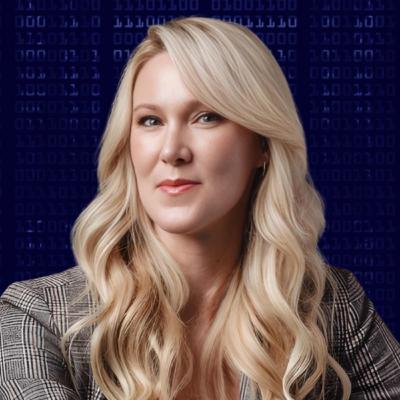
For more thoughts, clips, and updates, follow Avetis Antaplyan on Instagram: https://www.instagram.com/avetisantaplyanIn this episode of The Tech Leader's Playbook, Avetis Antaplyan sits down with Tamara Laine, investigative journalist turned two-time tech founder and the CEO and co-founder of MPWR. Tamara brings a rare blend of storytelling, emotional intelligence, and problem-spotting instincts into the world of AI and financial innovation — and in this conversation, she unpacks how those experiences shape the products she builds today.Tamara shares how her investigative background sharpened her ability to dig into root problems, challenge assumptions, and uncover overlooked patterns — skills she now uses to design user-centric, AI-powered solutions for financial inclusion. She opens up about the realities of being a gig worker, the challenges Gen Z faces in accessing credit, and how the traditional banking world is struggling to adapt to a rapidly changing workforce.The episode dives deep into EQ-driven leadership, ethical AI, community as a modern moat, and the rise of low-code tools that are simultaneously empowering founders while making markets noisier than ever. Tamara’s insights on responsible innovation, founder resilience, and building tech that actually solves human problems make this a powerful, thought-provoking conversation for today’s leaders.TakeawaysInvestigative journalism taught Tamara to identify real problems, ask better questions, and challenge assumptions — essential skills for founders.Curiosity is becoming a competitive advantage in tech, not just a personality trait.Emotional intelligence is now a top leadership skill, especially as AI automates more of our operational workload.Storytelling begins with user journeys — not marketing — and should guide product design from day one.Founders must actively seek blunt feedback and treat it as a gift, not a threat.Market gaps aren’t always opportunities — sometimes human behavior simply won’t change.AI can create incredible value, but without ethical leadership and diverse teams, it can also reinforce harmful biases.Financial systems haven’t evolved fast enough for gig workers and Gen Z borrowers — creating a massive unmet need.Empower was built as an end-to-end solution bridging lenders and borrowers through AI-driven financial fluency and credit modeling.The funding landscape now demands MVPs and traction early, making deep-tech innovation harder but still deeply needed.Chapters00:00 Welcome & Introduction01:20 From Investigative Journalism to Tech03:00 Curiosity as a Founder Superpower05:30 Market Fit, Behavior Change & Category Creation07:40 Storytelling as the Foundation of Product Design10:15 User Journeys, “Falling in Love with the Problem”12:20 The Power of Blunt Feedback in Early-Stage Building15:00 Parenting, Curiosity & Emotional Intelligence17:45 Why EQ Matters More Than Ever in the Age of AI20:20 Ethical AI, Bias, and Leadership Responsibility24:00 Financial Access, Gig Workers & the Modern Workforce27:10 How Gen Z Borrows Differently30:00 The Lender Perspective & Market Validation31:55 Fundraising Realities: Money vs. Strategic Money34:20 Noise in the AI Era & The Challenge of Differentiation36:00 Moats, LLMs & Building What Can’t Be Easily Copied37:10 Community as a Strategic Advantage38:40 Founder Fears: Funding Markets & Deep Tech41:30 Biggest Founder Aha Moments42:20 Book Recommendation: Outcomes Over Output43:00 Connect with Tamara & Closing ThoughtsTamara Laine’s Social Media Link:https://www.linkedin.com/in/tamaralaine/Resources and Links:https://www.hireclout.comhttps://www.podcast.hireclout.comhttps://www.linkedin.com/in/hirefasthireright

For more thoughts, clips, and updates, follow Avetis Antaplyan on Instagram: https://www.instagram.com/avetisantaplyanIn this episode of The Tech Leader's Playbook, Avetis Antaplyan sits down with Melanie Nabar, Vice President at Volition Capital, to uncover what truly makes a company fundable—and what silently kills deals. With a background in growth-stage investing, Melanie brings sharp insight into founder dynamics, product-market fit, and the capital efficiency required to scale in today’s AI-driven market.They dive deep into the evolving expectations of Series A investors, the dangers of inflated valuations, and why product obsession without go-to-market focus can quietly drain a startup’s future. Melanie breaks down how founders should assess investor psychology, decode fund structures, and strategically use secondary offerings to de-risk personal financials without sacrificing long-term upside.This episode is packed with insights on revenue quality, building moats in the AI age, and how bootstrapped founders can shift their mindset to deploy capital more effectively. Whether you're preparing to raise capital or already navigating the growth phase, Melanie delivers actionable advice with clarity and candor.TakeawaysFounders often focus too much on historical data when investors are more interested in future growth and market potential.Series A investors prioritize product-market fit, retention, and scalable go-to-market motion—not just ARR.High valuations without the fundamentals to back them can kill deals and erode trust.Revenue quality (repeatability, margin, and retention) plays a bigger role in valuation than founders often realize.Many founders burn too much capital on product without clear customer validation or ROI.Bootstrapped companies often hesitate to spend even when it’s time to scale; this can stall growth.Churn and gross margin are key indicators for distinguishing real AI products from hype.Companies integrated into user workflows and habits are harder to replace and more defensible.Founders should evaluate VC fund structure, vintage, and portfolio psychology—not just the check size.Taking secondary in a raise can de-risk founders personally and improve long-term decision-making.Pattern recognition and experience on the board matter more than niche industry knowledge post-seed.The best outcomes don’t always require billion-dollar exits; responsible growth can still yield generational wealth.Chapters00:00 – The biggest mistake founders make when fundraising01:15 – What makes a company fundable at Series A04:45 – Why overhyping numbers kills trust and credibility09:15 – Understanding revenue quality and valuation11:30 – How 2021 broke capital efficiency—and what’s changed since16:00 – Deal-killers and how unrealistic expectations derail good companies20:00 – Smart capital deployment: where investors want to see money go24:00 – Why founder secondaries are on the rise—and when they make sense27:45 – How bootstrapped founders can shift from hoarding to strategic investment33:10 – AI moats: what’s truly defensible and what’s hype39:20 – Questions founders must ask before taking VC money45:30 – How fund size and check size impact founder support50:40 – The difference between VC, growth equity, and PE—and why it matters Melanie Nabar’s Social Media Link:https://www.linkedin.com/in/melaniejordannabar/Melanie Nabar’s Website Link:https://www.volitioncapital.com/team/melanie-nabar/Resources and Links:https://www.hireclout.comhttps://www.podcast.hireclout.comhttps://www.linkedin.com/in/hirefasthireright

For more thoughts, clips, and updates, follow Avetis Antaplyan on Instagram: https://www.instagram.com/avetisantaplyanIn this episode of The Tech Leader's Playbook, Avetis Antaplyan welcomes back bestselling author and communication expert Chris Fenning, whose latest book Effective Meetings offers leaders a refreshingly simple framework to cut meeting time by 30% or more. Chris unpacks the hidden cost of poorly-run meetings—billions in wasted dollars, lost morale, and decision fatigue—and explains why the real issue is a lack of training, not bad intentions. Together, Avetis and Chris break down the deceptively powerful TPO method (Topic, Purpose, Output), showing leaders how to transform recurring time drains into high-impact, action-oriented conversations.From the pitfalls of daily stand-ups to the myth of the “must-attend” calendar invite, Chris shares real-world stories, practical examples, and organizational case studies (like Shopify’s Chaos Monkey) that show how eliminating unnecessary meetings isn’t just possible—it’s urgent. Whether you’re a startup founder drowning in back-to-back Zooms or a Fortune 30 exec looking to sharpen your team’s focus, this episode is packed with actionable advice you can apply today.TakeawaysTPO (Topic, Purpose, Output) is the foundational framework for running effective meetings.A meeting invite with no context is like a court summons—rude and unproductive.The #1 reason meetings fail? Lack of a clear purpose—not missing agendas.“No agenda, no attendance" is a viable policy to filter out low-value invites.Recurring meetings often lose relevance over time—reevaluate them regularly.Many meetings should be emails—ask if the meeting requires real-time, multi-person input.Decision-making meetings must include actual decision-makers or become planning sessions.Multitasking in meetings is usually a sign people shouldn’t be there or are disengaged.The “Inverse Time Rule”: if a topic only affects a few people, it should take minimal time.Leaders should experiment: cut one-hour weeklies to bi-weeklies and watch productivity rise.Post-meeting follow-ups are faster and clearer when the output is clearly defined.Clarity is leadership—clear asks beat backstories and long-winded explanations.Chapters00:00 – Intro: The Meeting Problem01:30 – Why Most Meetings Fail03:15 – Topic, Purpose, Output (TPO) Framework06:00 – Writing Better Meeting Invites08:00 – The Power of Saying No to Bad Meetings10:00 – Recurring Meetings: Fix or Kill Them11:45 – When a Meeting Shouldn’t Be a Meeting17:00 – How to Restructure Recurring Meetings21:00 – Real Case Study: Cutting Meetings at Scale25:00 – The Truth About Daily Stand-Ups27:00 – TPO in Action: Before, During, and After31:00 – AI’s Role in Meeting Efficiency33:00 – Why Clarity is the Cornerstone of Leadership35:00 – Helping Others Get to the Point Faster42:00 – Goal, Problem, Solution: The Efficient Ask45:00 – Why Experts Often Over-Explain48:00 – What’s Changed Since Chris’s First Book49:30 – Favorite Book Recommendation: The Culture Map51:00 – Final Thoughts & Call to ActionChris Fenning’s Social Media Link:https://www.linkedin.com/in/chris-fenning/Chris Fenning’s Website Link:https://chrisfenning.com/Resources and Links:https://www.hireclout.comhttps://www.podcast.hireclout.comhttps://www.linkedin.com/in/hirefasthireright

For more thoughts, clips, and updates, follow Avetis Antaplyan on Instagram: https://www.instagram.com/avetisantaplyanIn this episode of The Tech Leader's Playbook, Avetis Antaplyan sits down with Valerie Jackson — Harvard College and Georgetown Law alum, former securities lawyer turned C-suite people leader — to explore what it really takes to scale companies without breaking leaders or culture. Valerie traces her journey from advising public companies and serving at the U.S. Public Company Accounting Oversight Board to building one of the first law-firm diversity departments and leading people operations across VC-backed rockets, public SaaS, and PE-owned businesses. Together they unpack human-centered leadership, the mechanics of burnout (as recognized by the WHO), and why self-work is often the hardest part of scaling. Valerie shares practical tools — from 360s, “powerful partnerships,” and time audits to managing brain chemistry — and makes a compelling case that AI should elevate people, not erase them, because nothing can replace a leader’s “energetic signature.” The conversation closes with hard-won lessons on IPO vs. going private, PE vs. VC risk appetites, and Valerie’s mantra: “Know your ripple.”TakeawaysGreat leadership starts with self-awareness. Learn yourself to lead others.Build “powerful partnerships”: pair visionary thinkers with linear operators.Align culture: what we say (cognitive) with how we behave (emotional).Use 360 feedback to surface blind spots with curiosity and humility.Burnout = exhaustion + inefficacy + cynicism. Address all three to recover.Run time audits to find your “golden ratio” of energizing vs draining work.Support brain chemistry intentionally: dopamine, serotonin, oxytocin, endorphins.Keep AI human-centric. Technology should amplify people, not replace them.Design for tool obsolescence and misuse while protecting the humans.IPOs bring capital and scrutiny; going private can restore flexibility.PE and VC differ on time horizons, risk, and control expectations.Leader’s billboard: “Know your ripple.” Be intentional about your impact.Chapters00:00 Intro and why human-centered leadership matters01:28 Meet Valerie Jackson: law to people leadership across stages03:25 Early diversity work and career inflection points05:10 Patterns across org models: partnership, VC, public, PE06:59 Visionary vs linear strengths and “powerful partnerships”08:51 Self-work as a prerequisite to leading others12:20 Culture alignment: words, behaviors, and trust17:29 Feedback that works: curiosity, humility, and 360s25:00 Burnout explained: exhaustion, inefficacy, cynicism32:31 Time audits and defining your “golden ratio”34:23 Brain chemistry levers for sustainable performance37:03 Delegate to elevate: designing roles around energy40:04 Keeping people at the center of AI43:11 The “energetic signature”: what AI cannot replace52:49 IPO tradeoffs and why some companies go private56:13 PE vs VC: incentives, timelines, and control1:03:09 Tools and books leaders actually use1:05:22 10X vs 2X: optimization vs transformation1:08:52 Billboard for leaders: “Know your ripple”1:11:19 Closing and take-home actionsValerie Jackson’s Social Media Link:https://www.linkedin.com/in/vadjackson/Resources and Links:https://www.hireclout.comhttps://www.podcast.hireclout.comhttps://www.linkedin.com/in/hirefasthireright

Comments

Download from Google Play

Download from App Store
 United States