


 Claim Ownership
Business of Sport
Subscribed: 166Played: 4,846
Subscribe

© Charlie and Harry Stebbings
Description
The show that takes you behind the scenes with the industry's biggest owners, operators and athletes. It's the game you don't see!
122 Episodes
Reverse
It’s the turn of Chelsea to take the footballing spotlight today, as we take a deeper look at the implications of UEFA’s report showing a loss of £355m this year. How has this happened and what does it mean for the future?Follow that up with a look at the very exciting Prem Rugby franchising move and the start of the F1 season (with a particular focus on the Aston Martin chaos that seems to be unfolding), and we have ourselves a Breakdown.Disclaimer:The views and opinions expressed on this podcast are for informational and entertainment purposes only. All financial analysis, commentary, and forecasts are based on publicly available information and/or permitted confidential sources. These represent our personal opinions, not professional financial, legal, or investment advice. We make no representations as to the accuracy or completeness of any information discussed. Nothing said should be taken as a statement of fact about any individual, club, or organisation's financial position or future prospects. We are not responsible for any actions taken based on our commentary.
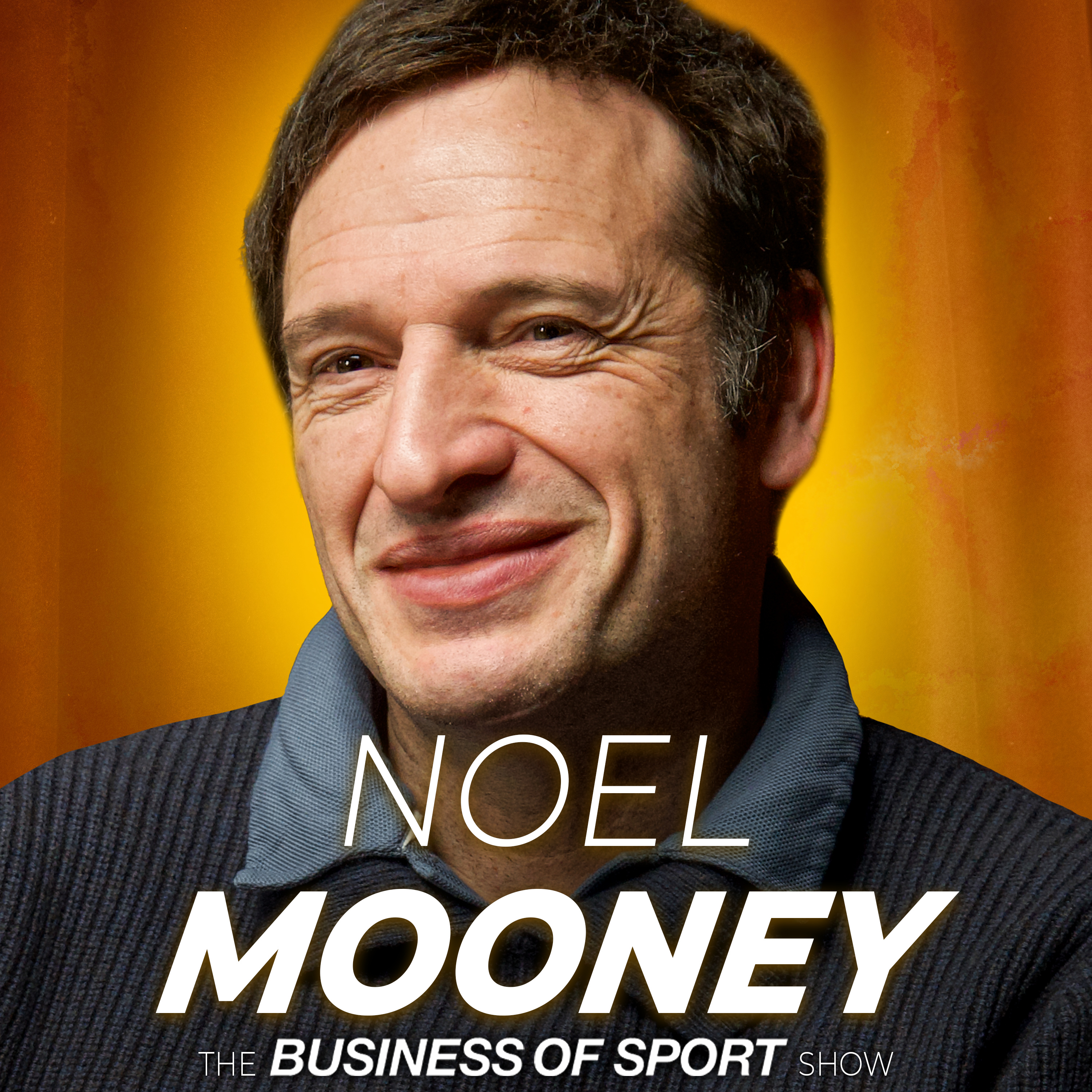
Noel Mooney is the CEO of the Welsh FA. So, what does it take to run an international football organisation? It’s a question I’ve wanted to ask from day one, and today we get to. It has been a great few years for Welsh football. Multiple tournament appearances including an iconic 2016 Euro semi final, superstar players like Gareth Bale, a team which at the moment looks like one of the most together units in the international game, and now a big World Cup play off coming up at the end of the month. Noel Mooney is the man behind the scenes in charge of leading both the international team and overseeing domestic football in Wales. It’s no small job. How do you get the professional end firing while making sure grassroots and participation is building for future success? A fresh take with a truly fantastic leader. We’re delighted to welcome Noel to the Business of Sport.In Today's Show We Discuss:Building Modern Welsh FootballHow qualifying for Qatar 2022 unlocked £40–50m in grassroots investmentWhy the FAW deliberately runs a “non-qualification” budget modelTurning World Cup prize money into long-term infrastructureWhy Wales doesn’t own a national stadium and why that might be an advantageCentralised TV rights, sponsorship strategy and government fundingGrowing the Welsh League & Attracting InvestorsWhy investing £4m into the domestic league is a calculated riskThe Wrexham effect and why Wales is “ripe for investment”Whether the league could eventually sit outside the FAW structurePolitics, Performance & Global TournamentsManaging Qatar 2022 and the One Love armband controversyExpanding World Cups to 48 teams and what that means for smaller nationsWhy Craig Bellamy is “world class” and destined for the very topA huge thank you to our amazing partners on the show: Gemini SportsWe empower the most confident sports organisations on Earth https://geminisports.ai/SlateThe complete content creation platform for social teams https://slateteams.com/
Some huge football topics in the last few weeks and an amazing response to both the Spurs and Leicester situations which unfortunately for both do not look like they’re improving. However it’s the turn of Eileen Gu to stand tall this week, and after more gleeful messages than I can relay, an inevitable review of the rumoured boycotting of Pakistan players by Indian owned Hundred franchises. Add to that a look at the impact of referees losing confidence in VAR and we have ourselves a Breakdown.
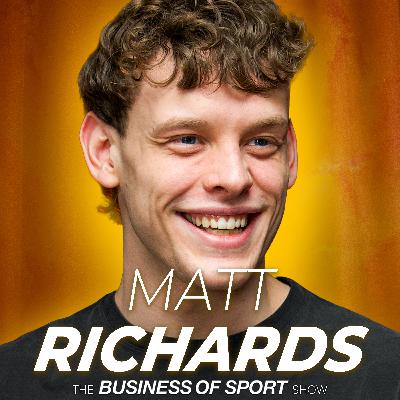
Matt Richards is a double Olympic Champion and silver medallist in the pool, winning a historic back to back relay title and falling agonisingly short of individual gold in the 200m freestyle (2 hundredths of a second to be precise). And that won’t be the end of it; LA28 is firmly in his sights.At the age of 23, he has achieved more than most will in their whole career. You would think as an Olympic gold medallist, the world opens up to, and in some ways it does. But as he describes, these are athletes surviving on tiny salaries, reliant on sponsorship and external funding, all competing for the same dollars. So Matt decided to do something about it. He’s now not only an elite swimmer, but also a business owner looking to empower more athletes with the control over their revenue generating opportunities. I have put a link below to check out the platform. A special guy with a huge amount still to come. We loved this and I hope you do too. We’re delighted to welcome Matt to the Business of Sport.Olympic Gold & The Reality Behind It:Winning gold in Tokyo at 18 and why it did not feel how he expected.The brutal 0.02 second Olympic silver in Paris and how he reset overnight.What actually changes after you become Olympic champion and how fast the buzz fades.The Money Behind Olympic Sport:£28,000 lottery funding and what swimmers really earn.Why most Team GB athletes make nothing outside sponsorship.The three month Olympic window to monetize success without harming performance.Building a Business While Chasing Gold:Launching Sponsor while competing at the highest level.Why athletes must see themselves as marketing assets.Balancing brand building, training, and the risk of distraction.Pressure, Process & The LA 2028 Target:Calling himself Olympic champion at eight years old.The Olympic Village chaos, illness, and racing through adversity.Turning silver into fuel as he targets individual gold in LA.A huge thank you to our amazing partners on the show: Gemini SportsWe empower the most confident sports organisations on Earth https://geminisports.ai/SlateThe complete content creation platform for social teams https://slateteams.com/Seat UniqueDiscover your next premium experience https://wgl.io/s10it7AND check out Sponza, Matt’s business to revolutionise sponsorship for athletes & brands https://sponza.co.uk/
This week it’s a balance of fact and hypothetical. The deep dive into Leicester’s concerning situation last week received an amazing response, and with it many requests to look at what would happen if the ever shortening odds of Spurs inconceivably going down paid out. So that’s what we’ll do! It was Charlie’s turn to suffer from the sniffles so bare with him; he’s still his usual self don’t worry. Add to this a look at how much money it takes to win an Olympic gold and the concerning events surrounding Vinicius Jr and alleged racist abuse he received during this week’s Champions League tie against Benfica, and we have ourselves a Breakdown.
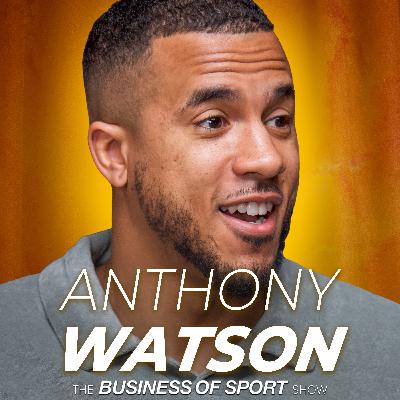
After numerous shows with players from Wales, New Zealand, South Africa, France, we have ourselves an England international. And what a way to kick off the red rose association.Anthony Watson is one of the game’s biggest names over the last decade. He broke onto the scene young, played over 50 times for England, a double British & Irish Lion, and retired by 30. Injury prevented him from achieving even more, but as you will hear it also opened up other opportunities for him. From losing his way when first dealing with life in the spotlight, to university and masters degrees with a big future to look forward to, this is an incredible insight into how the world of elite sport can deliver big success both on and off the pitch. We’re delighted to welcome Anthony to Business of Sport.Retirement, Injury & Identity:Why long injury spells prepared Anthony for the reality of retirement.The shock of going from England international to silence overnight.The unhealthy obsession with recovery and performance that followed.Building purpose beyond rugby through media, business and new ventures.Eddie Jones, England & Elite Standards:Why Eddie Jones was a better man manager than people realise.The detail and intensity required to succeed in the England environment.What really went wrong at the 2015 Rugby World Cup.The Business of Rugby & Innovation:Why the Premiership needs radical innovation beyond the pitch.The reality of salary caps, squad depth and financial sustainability.R360, disruption and why rugby cannot afford to stand still.Player Welfare, Superstars & Growth:Why growing the game cannot come at the expense of player health.The tension between protecting athletes and building global appeal.Whether rugby relies too heavily on its biggest names.A huge thank you to our amazing partners on the show: Gemini SportsWe empower the most confident sports organisations on Earth https://geminisports.ai/SlateThe complete content creation platform for social teams https://slateteams.com/Seat UniqueDiscover your next premium experience https://wgl.io/s10it7
What a show we have for you this week. Leicester’s points deduction for breaching financial regulations is a big problem, but is there something far worse going on? In short, Charlie expertly takes us through how a football club goes bankrupt. Add to that the Glazer’s IPL ambitions and some excellent conversation on whether NBA Europe will get off the ground (which includes some excellent statements for those of you out there who love a good comms strategy as much as we do) and we have ourselves a Breakdown. Oh, and don’t worry, the most requested topic of the week featuring some questionable antics of male ski jumpers looking to gain more lift to travel further is covered in detail too. If you don’t know what I’m talking about, that will soon change.
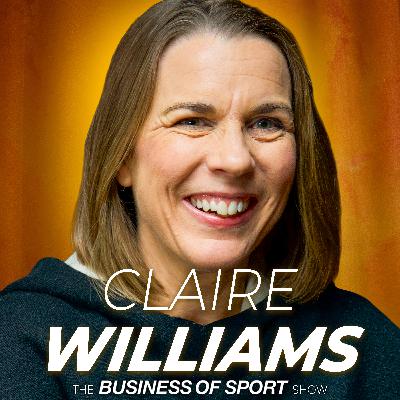
It’s a return to the chair for one of our greatest guests, and what a time to do it. When Claire Williams came to see you in 2024 she delivered an account of Williams and the recent sale that few had heard. Today, we look forward. As the new season approaches, teams have had to deal with some of the biggest regulatory changes in the sport’s history. Are we about to see F1 flipped on its head? Without the pressure of having to be across every detail expected when Team Principal, Claire can take a breath and look at the sport from a different lens. Today, we, and hopefully you, are the benefiters of that. From how to prepare a car from scratch to why she thinks George Russell would be great in a McLaren (incredibly juicy we know), the educated eye once again casts a view of what could be the most dramatic F1 season on record. We’re delighted to welcome Claire to the Business of Sport.On today's show we discuss:Regulation Changes, Cost Caps and Competitive Balance:How sweeping technical regulation changes can reset the grid overnight.Why interpretation of rules and strength of engineering teams matter more than budget alone.How the cost cap has fundamentally changed the survival prospects of smaller teams.Drivers, Risk and the Harsh Reality of Performance:Why being a second driver at certain teams can be the hardest job in the sport.Making brutal decisions on drivers and why timing matters more than patience.How pressure, risk and scrutiny have intensified in the modern F1 era.Growth, New Teams and Protecting the Sport:Why Formula One is cautious about expansion despite having the money to support more teams.The balance between growth, dilution and protecting long term value.What adding new teams really means for competitive integrity.Stepping Away and Looking Back:Why leaving Williams was not a choice and how perspective changes with time.Missing the sport while recognising the toll it takes on life outside racing.Why Formula One will always be part of who she is, even from the outside.A huge thank you to our amazing partners on the show: Gemini SportsWe empower the most confident sports organisations on Earth https://geminisports.ai/SlateThe complete content creation platform for social teams https://slateteams.com/Seat Unique Discover your next premium experience businessofsport.seatunique.com
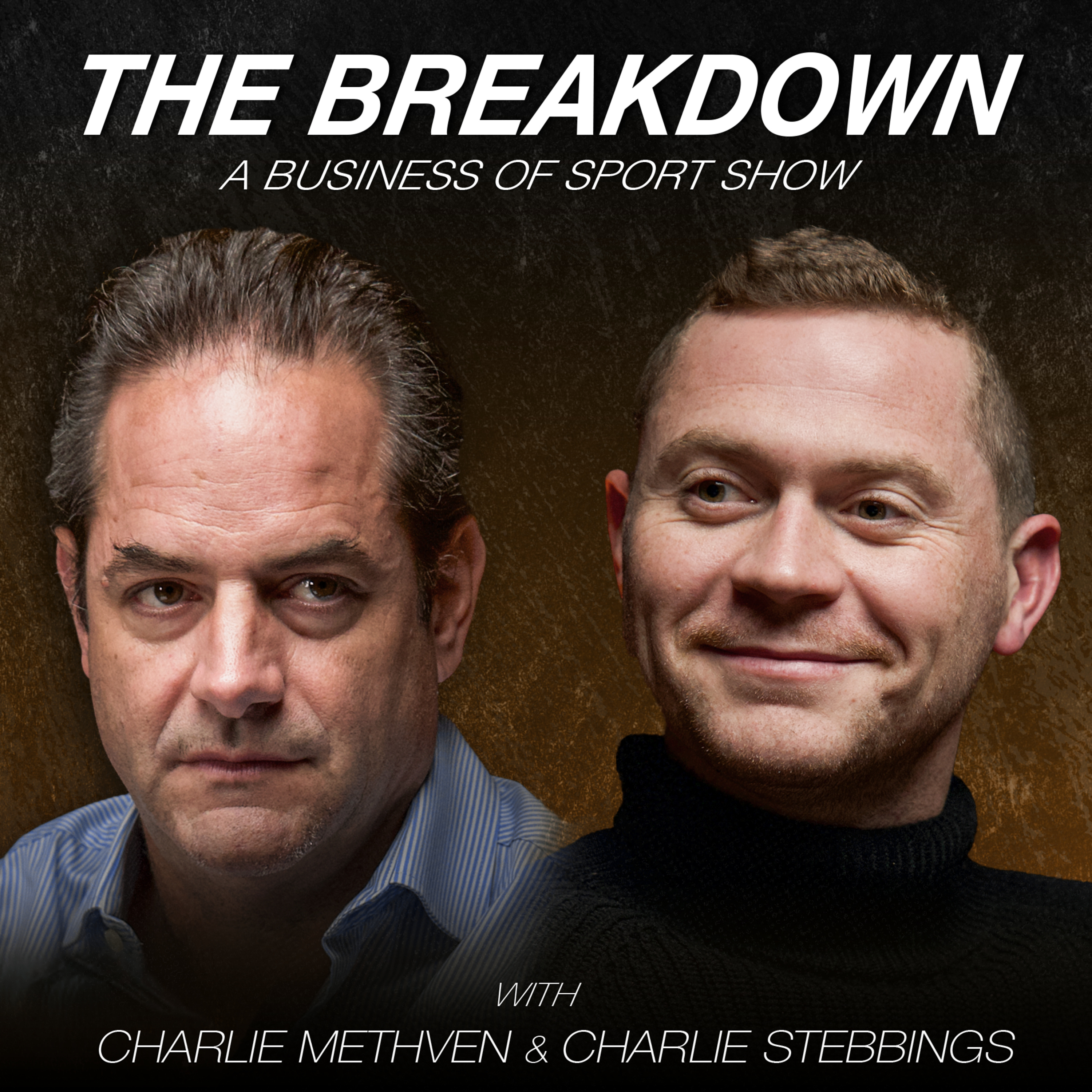
We break new ground this week. A couple of English guys taking a look at what makes the NFL so powerful on Super Bowl week. Add that to a review of challenger football leagues after Baller League paused their tournament in Germany and a look ahead to the Winter Olympics, and we have ourselves a breakdown!
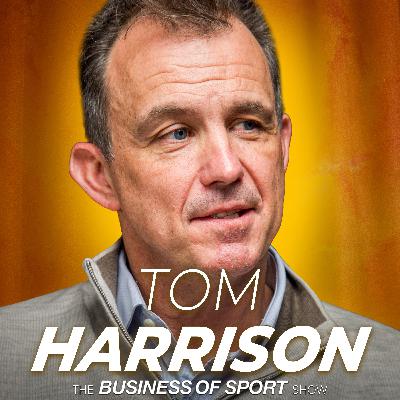
The Six Nations is upon us. With the tournament kicking off this Thursday in Paris, CEO Tom Harrison stopped by to give us a rare insight into how the tournament operates behind the scenes. As the former CEO of the ECB, Tom has a lot of experience when it comes to operating in top sporting organisations. The key focus here was how rugby continues to disrupt, adapt and protect its heritage while existing in the most competitive sports environment there’s been. This was one of the first interviews Tom’s given in the position. It doesn’t disappoint. We’re delighted to welcome Tom to the Business of Sport.On today’s show we discuss: Running the Six Nations as a Global Business:Why the Six Nations is a rights and media business, not a governing body.How the role of CEO has evolved into year-round commercial and content responsibility.Balancing heritage with the need to modernise one of sport’s most traditional properties.The Nations Championship and Calendar Reform:Why a globally aligned calendar is critical for player welfare, fans and broadcasters.How the Nations Championship brings together North and South without breaking the game.The political and structural difficulty of getting unions, clubs and players aligned.Broadcast, Private Equity and Commercial Strategy:The real impact of CVC investment and why COVID accelerated outside capital.Why free to air reach still matters more than short-term rights fees.How partnerships like Guinness are built on authenticity and long-term value.Innovation, Fans and the Future of Rugby:Using data and storytelling to make rugby easier to understand and more engaging.Why rugby must embrace players, personality and always-on content.The challenge of evolving without losing what makes the Six Nations special.A huge thank you to our amazing partners on the show: Gemini SportsWe empower the most confident sports organisations on Earth https://geminisports.ai/SlateThe complete content creation platform for social teams https://slateteams.com/Seat UniqueDiscover your next premium experience https://wgl.io/s10it7
There are some big stories to look at this week: politically, commercially and socially charged. Coming up? The uncompromising behavior of Indian cricket and the chaos that has surrounded Bangladesh’s removal from the T20 World Cup asks some serious questions of the other major cricketing nations. Are English football clubs falling behind their biggest European rivals off the pitch? What does a head coach endorsing the use of TikTok amongst his players tell us about the shifting approach to how athletes as brands can still work for the performance of a team? We really got stuck into this, not much fence sitting as always. So let’s get to it. Welcome to the Breakdown.

It had to be done. It was the greatest upset in FA Cup history when Macclesfield beat holders Crystal Palace a couple of weeks ago. 117 places between the two teams in the football pyramid. But there is much more to the story than that result. A club that went out of business six years ago. An owner who was in the depths of addiction when he bought the club, now delivering one of the great football stories. Can they do it again against Brentford in a couple of weeks? You wouldn’t bet against them. But in the meantime let’s take a look at how this magic has been made possible. We’re delighted to welcome Rob Smethurst to the Business of Sport.On today’s show we discuss: The FA Cup Run That’s Changed Everything:What it meant for a sixth-tier club to beat Crystal Palace, the FA Cup holders.The financial impact of a single cup run, from gate receipts to TV money and global attention.Why moments like this can fund an entire season and transform a club’s trajectory overnight.Running a Sustainable Non-League Football Club:How you build a squad from scratch with part-time players earning a few hundred pounds a week.Why promotion often makes clubs poorer, not richer, at non-league level.How Macclesfield built a seven-day-a-week business around the club through gyms, bars, pitches and education.Turning football into part of the business, not the whole business, to survive and grow.Buying a Football Club on Rightmove:The unbelievable story of buying Macclesfield FC while in the depths of addiction and not remembering the purchase.Taking control of a club that had been stripped bare by receivers and rebuilding it from nothing.Why owning the club gave Rob purpose at the lowest point of his life and ultimately helped save it.Investment, Ambition & the Road Ahead:What it really costs to climb the football pyramid and why outside investment is unavoidable.How infrastructure underwrites club value as you move up the leagues.Why Macclesfield now has belief, momentum and a clear plan to go further.A huge thank you to our amazing partners on the show: Gemini SportsWe empower the most confident sports organisations on Earth https://geminisports.ai/SlateThe complete content creation platform for social teams https://slateteams.com/
It’s a big show this week. So much to cover, a fight as always to keep it to the point. Managers are back on the menu as we take a look at the ongoing discussion on whether power of selection should like with the head coach or the medical department. That inevitably feeds into a quick look at the chaos unleashed by Oliver Glasner in the media last weekend. It’s then the turn of tennis to celebrate the start of the Australian Open and a look at whether the Grand Slams should give a higher percentage of revenue to the players, before wrapping up with a look at F1 on the week the liveries for the 2026 season are revealed; how important is how the car looks to the brands spending tens of millions to sponsor them? Let’s get straight to it. Welcome to The Breakdown!
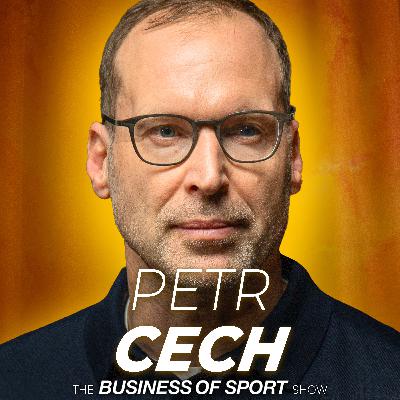
Elite athletes who have achieved everything in their sport while building a career alongside; it’s the ambition many sports stars have today. But how do you do it effectively? Petr Cech is a footballing legend, and I don’t use that term lightly. Four Premier League titles, a Champions League, record for the most Premier League clean sheets, and hugely respected as one of the most dedicated and attentive professionals the game has seen. He also has an MBA, is studying for a PhD, runs multiple businesses, and I need two hands to count the number of languages he speaks. The philosophy that has driven this? Win, that’s what it’s all about. If not then what’s the point. As you’ve just heard this is a theme that runs throughout. It also poses the question we wrestle most with on the show which is how to do that consistently and run a great business. I’ll get the apology in early, yes this was very exciting for me (and Harry too). Sitting across the table from someone who has given you some of your greatest memories as a fan is pretty cool, not many other ways I can say it. Just breeze through it.But what I can say is we’ve met few people are impressive or generous with their time who leave you genuinely in awe of but their successes and the processes they’ve adopted to achieve it. I promise you don’t just need to be a Chelsea fan to enjoy this. We’re delighted to welcome Petr to the Business of Sport.On today’s show we discuss: Elite Mentality, Preparation & Winning:Why preparation beats talent under pressure and how Petr approached the biggest moments of his career.What truly separates elite performers when everything is on the line.Why winning is a mindset before it’s a tactic.Leadership, Standards & Team Culture:How winning environments are built and sustained over time.The role of managers, players and dressing-room standards in elite teams.Why culture collapses when accountability disappears.Setbacks, Injury & Perspective:How a life-threatening head injury changed the way Petr approached football and life.Why fear never disappeared, but how he learned to perform alongside it.The difference between confidence and control at the highest level.From Pitch to Boardroom:Transitioning from player to executive and seeing football from the inside.Why football performance must always come before commercial priorities.How decision-making, incentives and governance shape success off the pitch.A huge thank you to our amazing partners on the show: Gemini SportsWe empower the most confident sports organisations on Earth https://geminisports.ai/SlateThe complete content creation platform for social teams https://slateteams.com/EMWA pleasure to work with leading sports & entertainment agency EMW on this showhttps://emw-global.com/
 1
1Another huge week to dissect today with a quick look back at how one of the stories in particular has developed from last week. Today it’s the turn of the chaotic world of media rights after DAZN pulled out of another league deal in Belgium, the rise of darts (at your request) and how the sport has transformed to get to where it is today, and rugby; in the wake of the challenger league R360 delaying its launch, is there even demand for a non-international rugby competition? It’s been amazing seeing the response to the show last week so a huge thank you to that. Keep commenting, keep suggesting topics, and we’ll keep tailoring it to match what you want to hear. Let’s get on with the show.
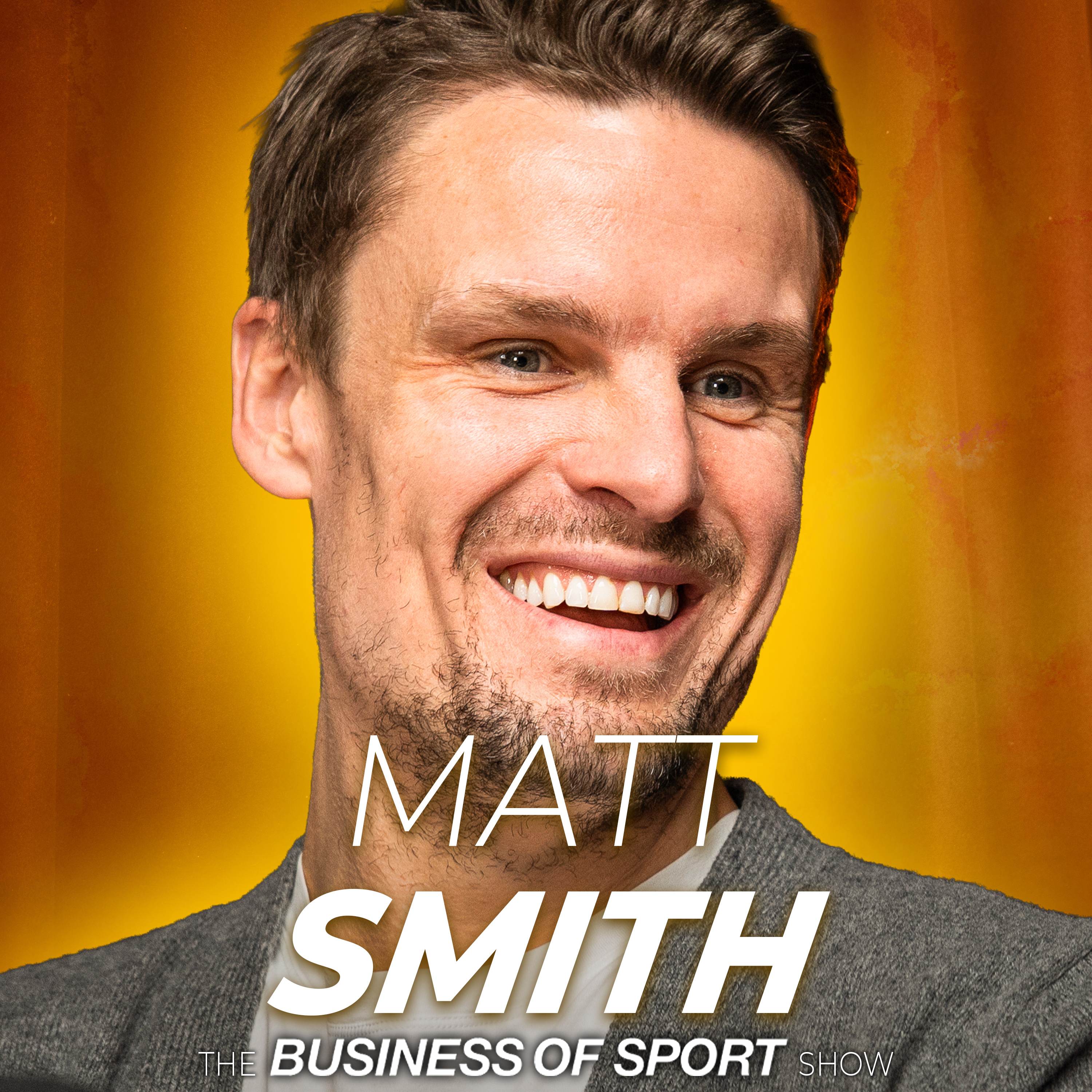
We think we know what the financial world of a footballer looks like. But the reality is very different. There is much more to understand than the salaries that media outlets publish like football scores. And if we’re honest, it’s never done to encourage a positive response. So what is the financial reality that faces some of sports most influential stars? Matt Smith played over 500 games in the Football League, for some big clubs: Leeds, Fulham, QPR, Millwall. But Matt had always had a different path to many players. He went to university, he’s done an MBA, and now has co-founded a venture capital business specifically geared towards opening up investment opportunities to athletes, but most importantly, with their best interests at heart. The fact I even need to say that is an indicator of where some of the big problems lie.This conversation was special for a number of reasons. Firstly and personally, because a conversation we had with Matt years ago was one of the first moments that triggered this show becoming a thing. Secondly, because this is a space that us, the fan and casual commentator, need to know more about. Not to mention the value this brings to any of you who are athletes facing these same situations. It’s financial reality with some quite extraordinary club stories to enjoy. On today’s show we discuss: Footballers, Money & Responsibility:Why modern players outsource too much decision-making and how that leaves them financially exposed.The illusion of wealth in football, short careers, and the pressure of lifestyle inflation.Why earning more money actually increases the need for better judgment.Agents, Advice & a Broken System:How misaligned incentives in representation quietly cost players millions.Why removing regulation turned football advice into a “wild west.”What players should demand from agents, advisors, and intermediaries.Business, Investing & Thinking Long-Term:When it makes sense for athletes to invest and when it really doesn’t.Why venture capital is a game of patience, not quick wins.Lessons from early investing successes and distorted perceptions of risk.Leadership, Transition & Life After Football:How ownership, leadership, and culture shape careers on the pitch.Why preparing for retirement matters as much as preparing for matchday.The role of curiosity, structure, and purpose in building a second career.A huge thank you to our amazing partners on the show: Gemini SportsWe empower the most confident sports organisations on Earth https://geminisports.ai/
Hello and welcome to our brand new show, The Breakdown. I’m Charlie Stebbings, and joining me on this ride is legendary sports executive Charlie Methven. With his boundless energy and unfiltered opinions, and my carefully constructed guiding influence, we’ll bring you the rundown on the week’s biggest sporting business stories. For the first show, we’re extending the timeframe slightly to cover what has happened over the holiday period, including the departures of Amorim and Maresca, Brooks Koepka’s abandonment of the once promising LIV Golf project, and of course, the conclusion of the most disappointing Ashes Tour in memory… well for me at least.This is Business of Sport: The Breakdown----------------------------------------------------Timestamps:00:00 Intro02:45 The Managerial Merry-Go-Round30:26 Saudi Investment In Elite Sport43:37 Saudi’s Attention On Golf44:44 The European Tour01:03:09 Predictions On Test Match Cricket01:05:27 Harry Brooks01:09:09 The Physical Responsibility In Cricket
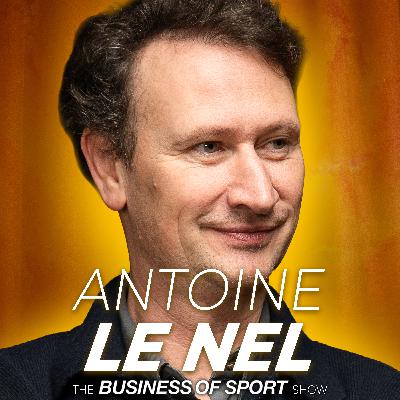
What does it cost for the biggest brands to sponsor the biggest sports? Why do they do it? How do they choose what to put their name to?The money behind sport is a primary feature of the show, but it’s normally from the perspective of the sports property. How big a sponsorship can Liverpool attract and what does it do to the bottom line. So to kick off the new year, we thought we’d change that. Antoine Le Nel is the Chief Marketing Officer of Revolut, the global challenger bank now investing millions into multiple sports properties, most notably as Audi’s new title sponsor for their debut F1 season. The reasoning behind this move, a look at how brands recognise value, how they justify spend; this was all part of a fascinating insight into the inflows of sport business. And it’s not just F1: women’s football, rugby, NFL, they’re all part of the growing portfolio Revolut are leveraging to develop the business in multiple markets. Antoine’s key explanation here is telling us why sport is such a powerful way for them and other top brands to do this.On today’s show we discuss: Why Revolut Went Big in Sport:How the Audi Revolut F1 partnership came together and why F1 is a “go big or go home” sponsorship environment.How Revolut’s growth strategy shifted five years ago from pure performance marketing to building a global brand.Why sport became a critical upper-funnel lever to build credibility, open new segments, and compete with traditional banks.The NBA partnership as the proof point that sport could deliver real ROI, not just awareness.Global vs Local Sponsorship Strategy:Why Revolut splits its sports portfolio into two layers: global IPs to differentiate at scale, and local teams to drive cultural relevance.How operating in 39 markets gives Revolut a structural advantage when sponsoring truly global sports like Formula One.Why most competitors simply cannot afford global sponsorships and how Revolut “divides the cost by 20” internally.The Future of Sports Sponsorship:Why teams must evaluate partners beyond cash, focusing on long-term IP growth and innovation.How tech brands like Revolut and Spotify are reshaping how clubs think about sponsorship.Why modern sponsorship is about partnership, product and shared growth, not logos and cheques.A huge thank you to our amazing partners on the show: Gemini SportsWe empower the most confident sports organisations on Earth https://geminisports.ai/
Over the past year, we’ve gone inside football’s boardrooms, dressing rooms and balance sheets. This episode brings the most revealing moments together in one place.Welcome to The Business of Sport: Football Review.Across this compilation, we bring together the best moments from our recent football conversations to explore how money really shapes the game. From transfer fees and player contracts to ownership structures and decision-making power, this episode looks at the forces operating behind the pitch.Featuring club executives and leaders from across the football pyramid, we dig into why wages inflate faster than revenues, how promotion and relegation transform balance sheets overnight, and why running a football club is as much about survival as success.----------------------------------------------------Timestamps:00:00 Intro00:34 Peter Kenyon - Fmr CEO of Man Utd & Chelsea08:09 Liam Dooley - Shrewsbury Town CEO14:22 Rick Parry - EFL Chair24:25 Pablo Longoria - Marseille President30:09 Ryan Sparks - Bradford City CEO35:18 Ryan Bertrand - Fmr Premier League Player39:30 Spencer Owen - Hashtag Utd Owner
Today, we’re doing something a little different. Welcome to the Business of Sport: F1 Review.Over the past year, we’ve sat down with some of the most influential figures in Formula One. Team principals, world champions, and senior leaders shaping the sport behind the scenes. For this episode, we’ve handpicked the best moments from those conversations and brought them together into one definitive F1 compilation to enjoy over the festive period.Across the episode, we dive into what actually separates winning teams from the rest of the grid. From culture and leadership, to marginal gains, long-term strategy, and the human pressures that define life at the very top of motorsport.You’ll hear from voices including Nico Rosberg, Guenther Steiner, Claire Williams, James Vowles, and Zak Brown.----------------------------------------------------Timestamps:00:00 Intro00:42 James Vowles15:07 Guenther Steiner23:08 Zak Brown27:03 Claire Williams34:27 Nico Rosberg

Comments

Download from Google Play

Download from App Store
 United States