


 Claim Ownership
Future of Film Podcast
Subscribed: 57Played: 478
Subscribe

© All rights reserved
Description
Film is changing. Business models, audience behaviour and technology are all rapidly evolving - transforming the way stories are told, sold and consumed.
In focused and inspiring interviews, senior film executive, Alex Stolz talks to leaders making these changes happen - to bring you essential ideas, techniques and strategies from the cutting edge.
Whether you are a storyteller, an established industry professional or simply interested in how film is changing, FUTURE OF FILM will give you the insights, inspiration and competitive edge to thrive in the new landscape.
More on film's future can be found at www.futureoffilm.live
In focused and inspiring interviews, senior film executive, Alex Stolz talks to leaders making these changes happen - to bring you essential ideas, techniques and strategies from the cutting edge.
Whether you are a storyteller, an established industry professional or simply interested in how film is changing, FUTURE OF FILM will give you the insights, inspiration and competitive edge to thrive in the new landscape.
More on film's future can be found at www.futureoffilm.live
99 Episodes
Reverse
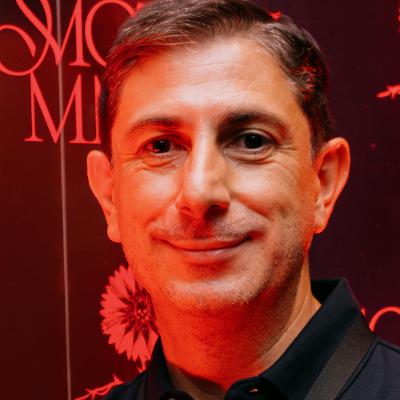
How do you actually build IP as an independent creator?
In this episode, Alex Stolz is joined by Nuno Bernardo, IP creator, producer and founder of beActive, whose work has explored how stories can move across platforms, formats and audiences long before it became widely discussed.
Drawing on more than two decades of experience, Nuno shares how his approach to IP developed, from early experiments in multi-platform storytelling to building projects that have travelled globally, been adapted across multiple territories, and sustained audiences over time.
The conversation explores why IP isn’t defined by scale, but by audience connection, and why it’s ultimately the audience that determines whether something becomes IP.
They also dive into practical ways creators can approach their work differently, from designing stories with expansion in mind, to testing ideas through smaller formats, building early traction, and using those signals to guide what comes next.
Along the way, Nuno shares lessons from both successes and failures, including what happens when projects are over-planned without real audience engagement, and how independent creators can think more strategically about long-term value.
A clear and practical conversation for anyone looking to move beyond one-off projects and build work that can grow, connect and endure.
About Nuno Bernardo
Nuno Bernardo is an Emmy-nominated transmedia architect and the founding of beActive Entertainment, a globally recognized IP studio. A true multidisciplinary creator, Nuno has spent over two decades pioneering the transition from digital-first content to international television formats, most notably with Sofia’s Diary - a groundbreaking cross-media phenomenon that grew from a Portuguese blog into a global property distributed by Sony Pictures Television across 30 countries, reaching over 500 million viewers, and sustaining a diverse revenue ecosystem of books, radio, and licensed products for over 20 years.
Nuno’s expertise lies in the strategic construction of worlds that bridge the gap between Film, Television, Video Games, and Publishing. His track record includes the sci-fi franchise Collider, which integrated digital comics and mobile gaming into a feature film and TV series, and the Kids Emmy-nominated Beat Girl, which scaled from a Pinterest visual concept to a global series on Hulu. As a creator who successfully pivoted from project-based production to a sustainable IP ownership model, Nuno provides the blueprint for modern professionals to maintain creative control and build long-term asset value in a crowded global market.
STORY FOUNDERS
We’ve opened applications for a new programme from Future of Film.
Story Founders is an 8-week accelerator designed to help storytellers build projects - and creative practices - that can endure.
Applications are now open:
👉 https://futureoffilm.live/storyfounders/
If you’re working on a screen project - or know someone who is - we’d encourage you to take a look.

Community has become one of the most talked-about ideas in the creative industries. But what does it actually mean in practice for storytellers and filmmakers?
In this episode, Alex Stolz is joined by community strategist Carol Trang, whose work spans platforms and brands shaping modern creator culture including Unity, TikTok and LEGO.
Together they explore how communities form, why creators should think beyond traditional audience engagement, and what storytellers can learn from gaming, fandom and platform culture.
Carol shares insights from her work across global creative ecosystems — from the power of rituals and remix culture to the role of authenticity, niche audiences and creator identity in building lasting communities.
The conversation also looks at how filmmakers can practically begin building communities around their work today — starting with existing spaces like Reddit, Twitch and live events.
For creators navigating an increasingly fragmented media landscape, this episode offers a powerful reframing:
Stories don’t just attract audiences anymore, they create worlds people want to live in.
About Carol Trang
Carol Trang is a community strategist working at the intersection of games, entertainment, and digital platforms. She’s spent her career building creator-first communities at Unity Technologies, TikTok, and The LEGO Group, exploring how fandom, creators, and players shape culture together.
We’ve just opened applications for a new programme from Future of Film.
Story Founders is an 8-week accelerator designed to help storytellers build projects - and creative practices - that can endure.
Applications are now open:
👉 https://futureoffilm.live/storyfounders/
If you’re working on a screen project - or know someone who is - we’d encourage you to take a look.

In this episode, Alex is joined by Emmy and Peabody Award–winning producer, and analyst, Evan Shapiro.
Known widely as the Media Cartographer, Evan has spent years mapping how power, attention, and money move across media. But now he’s gone beyond analysis and into practice with SKIT, a $65,000 feature film shot in eight days and released globally via Tubi and Filmhub.
Evan calls SKIT a case study in the “Affinity Economy”: a new model for independent filmmaking that is creator-led, audience-aligned, and designed for sustainability rather than old industry models of gatekeepers and 'lottery-ticket' thinking.
Evan and Alex explore why the traditional indie film system no longer works, how festivals and streamers have narrowed opportunity, and why creators must now think in terms of communities, engagement, and ownership.
They dive into the making of SKIT, the economics of free ad-supported streaming, the collapse of monoculture media, and what it really takes to build a sustainable creative career in 2026 and beyond.
This episode is essential listening for filmmakers, creators, and anyone navigating the future of screen storytelling.
About Evan Shapiro
Since he created his Media Universe Map, Evan Shapiro has become known as the Media Cartographer. Using his very specific voice and point of view, Shapiro charts Media's future through his essays on the Media War & Peace Newsletter – which is now one of the most read entertainment business publications on Substack. He also co-hosts The Media Odyssey podcast, which has become an industry touchstone. Shapiro has been a featured speaker at the world’s most important media events. His maps, infographics, and ruminations are now widely quoted and used by businesses, executives, analysts, and colleges around the world.
Shapiro is also an Emmy and Peabody Award winning producer of TV, films and podcasts, including Portlandia, This Film Is Not Yet Rated, Please Like Me, Comedy Bang Bang, Brick City, and Harmonquest. He also served 18 years as a professor at New York University’s Stern School of Business.
Find our more about Evan at https://eshap.substack.com/
More abut Future of Film: www.futureoffilm.live
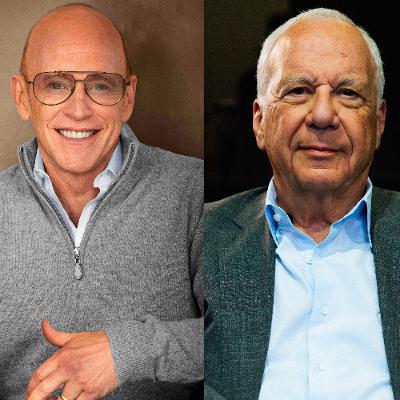
This episode is about decision-making; and how filmmakers, producers, and executives can make more effective, more impactful creative choices under uncertainty.
Kevin Goetz and Bob Levin argue that most films don’t fail because they lack quality or ambition, but because key decisions around budget, positioning, and audience fit are made without enough clarity. Drawing on decades of experience in audience insight and testing, they unpack how better greenlight decisions come from understanding what a film is, who it is for, and the scale at which it can genuinely succeed.
Rather than treating testing as a verdict on creativity, the conversation reframes it as a decision-support capability: a way to reduce blind spots, align stakeholders, and give filmmakers the confidence to make braver, more grounded creative choices. Used well, insight doesn’t dilute vision, it strengthens it.
As Kevin puts it:
“Every movie, if made and marketed for the right price, should make money.”
For anyone involved in development, financing, or creative leadership, this episode explores how better decisions earlier in the process can dramatically change outcomes later on.
About Kevin Goetz
Kevin Goetz is the founder and CEO of Screen Engine, a global leader in entertainment research and strategy serving all the major film studios, television networks, and streaming services. Throughout his career, he has been at the forefront of Hollywood, having personally tested over 5,000 film titles, where his work significantly impacts how movies are made, marketed, and released. In 2024, Kevin received American Cinematheque's prestigious Power of Cinema Award for his contributions to the film industry. He is the author of two books: the bestselling Audience•ology: How Moviegoers Shape the Films We Love (Simon & Schuster, 2021), offering an inside look at the power of audience pre-release movie test screenings, and How to Score in Hollywood (Simon & Schuster, November 2025), exploring the secrets to success in the movie business. Kevin brings his expertise to life as the host of the popular podcast, Don’t Kill the Messenger (Apple Top 100), and continues educating the filmmaking community through keynote speeches and global presentations. He has produced twelve TV movies, including the Emmy-winning Wild Iris, and the 2026 documentary Children in the Fire. A member of the Academy of Motion Picture Arts and Sciences, the Television Academy, and the Producers Guild of America, Kevin also serves on the boards of six nonprofit organizations. He currently resides in Beverly Hills with his husband, Neil, a producer and former creative advertising executive, and their labradoodle, Kasha.
About Bob Levin
Bob Levin is a legendary movie marketing executive, having for over two decades holding the position of president, worldwide marketing at first Disney, then Sony and MGM. As well as being a key member of each studio’s greenlight committee, he led the advertising, publicity, promotion, and research programs that helped launch hundreds of films, breaking numerous box office records throughout his career. Bob came out of semi-retirement when Kevin Goetz invited him to join Screen Engine/ASI as president and chief operating officer, where he has played a pivotal role in the company’s continued success. His first book, How to Score in Hollywood, cowritten with Kevin, reveals the secrets to a movie’s success and profitability, exploring how smart, data-driven decisions—from development to release—help filmmakers minimize risks and maximize returns. Bob lives in Los Angeles with his wife, Hilda Wynn.
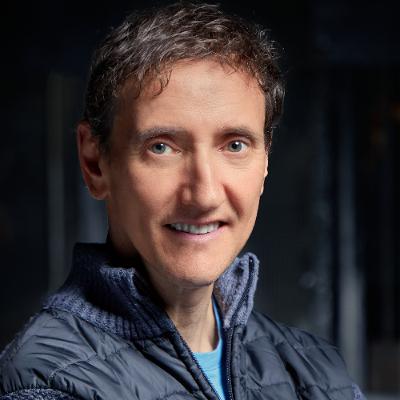
What happens when a BAFTA winning VFX veteran walks away from the studio system to help reinvent the film pipeline with AI?
In this episode, Alex is joined by Ben Lock, a producer with over 20 years in animation, VFX and virtual production, with credits including Star Wars: The Force Awakens, Rogue One and Ready Player One. After decades at Aardman, Lucasfilm and ILM, Ben is now Director of Production Strategy at Asteria Film and Moon Valley, where he is working on a new generation of ethical, AI driven workflows for film and animation.
Ben shares why he believes the future of filmmaking lies in visual intelligence rather than prompt driven tools, and how rapid visualisation can transform pre production, VFX and animation. He explains how AI can reduce friction, keep artists closer to performance and story, and even help make high quality animated features in under a year.
The conversation explores:
- How AI is reshaping the production pipeline without replacing artists
- Why Moon Valley is built around visual intelligence, not just language models
- What a faster, more iterative animation and VFX workflow looks like in practice
- How generative tools can support virtual production and independent visions
- What the VFX industry needs to do now to adapt and thrive
Sharing insights from across his career working on tentpole studio projects as well as independent filmmaking, Ben conveys his vision for how AI might just help the film industry become more creative, more sustainable and more responsive to new stories and audiences.
About Ben Lock
Ben Lock - A BAFTA-winning producer with over 20 years of experience in animation, VFX, and virtual production. He has produced award-winning content for studios in Europe, Asia and the US including Aardman, Lucasfilm, and ILM, with credits on global franchises such as Star Wars: The Force Awakens, Rogue One, and Ready Player One. As Director of Production Strategy at Asteria Film, he helps develop scalable, ethical AI workflows for film and animation. Ben is the Chair of the VES Education Committee, member of BAFTA, PGA, ATAS and a UK National Film and Television School alumni.
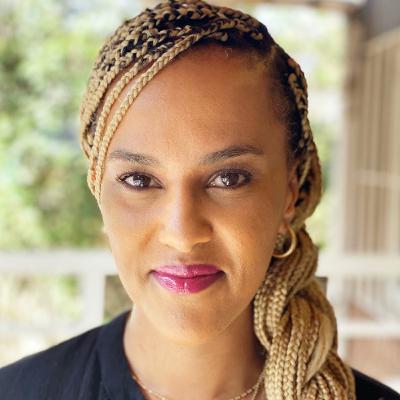
How do you build an entire creative ecosystem? And what does it take to empower storytellers at scale?
In this episode, Alex speaks with Emmy-nominated producer, writer, doctor and serial entrepreneur Mehret Mandefro, a visionary voice at the intersection of storytelling, healing and creative innovation. As co-founder and MD of Realness Institute, Mehret has spent years strengthening Africa’s media landscape through training, mentorship and systemic infrastructure-building.
She shares her remarkable journey from medicine to media, the origins of her “audiovisual medicine” artistic practice, and the powerful lessons learned from pioneering television in Ethiopia and developing talent across the continent.
In a wide ranging conversation, Mehret also dives into:
• Why creative infrastructure is the missing piece in global storytelling
• How Realness Institute nurtures and de-risks new creative voices
• The urgent need for producers to think like entrepreneurs
• The role of technology and AI in elevating human stories
• Why Africa is central to the future of film
This is a conversation about creativity, systems change and the responsibility we all share in shaping the future of screen storytelling.
About Mehret Mandefro
Mehret Mandefro is an Emmy-nominated producer, writer, and entrepreneur working at the intersection of culture, commerce, and social impact. A former physician turned storyteller, she has dedicated her career to transforming how stories are made—and who gets to tell them. Born in Ethiopia and raised in America, Mehret is a transnational force in global media who has built several groundbreaking enterprises, including Truth Aid Media in New York, Kana TV in Addis Ababa, and the Realness Institute in Cape Town, a nonprofit dedicated to training and mentoring writers, producers, and directors across Africa and the diaspora. Her award-winning film and television work bridges documentary and fiction, revealing hidden truths across the human experience. Her credits include How It Feels to Be Free (American Masters), Sweetness in the Belly (Amazon), Difret (Netflix), The Cost of Inheritance (PBS), Little White Lie (PBS), and Ethiopia’s first teen drama, Yegna. Recognized on Variety’s list of the most impactful women in global entertainment, Mehret is a member of the Academy of Motion Picture Arts and Sciences and is currently building the African Film and Media Arts Collective with artist Julie Mehretu with the support of BMW. Mehret has a BA in Anthropology from Harvard University, an MD from Harvard Medical School, a MSc in Public Health from the London School of Hygiene and Tropical Medicine as a Fulbright Scholar, and a PhD in Cultural Anthropology from Temple University.
www.futureoffilm.live

What happens when a documentary storyteller steps into the heart of creative tech? In this episode, Alex talks with Meagan Keane, Director of Product Marketing at Adobe Pro Video, about the tools, trends, and tectonic shifts shaping the future of screen storytelling. From AI and generative workflows to the rise of mobile editing and creative AI agents, Meagan shares Adobe’s vision for empowering a new generation of creators, while protecting the values of authenticity and artistry. In a conversation that explores the intersection of storytelling and technology in the fast changing media landscape, Meagan shares how her journey in film shapes her work today and shares powerful advice for anyone creating today.
About Meagan Keane
Meagan Keane is Director of Product Marketing for Adobe Professional Film & Video. She joined the Adobe Premiere Pro Management team in 2012 and has led business strategy across the Adobe video portfolio since 2019. While Meagan’s leadership has guided Adobe video strategies for over a decade, her beginnings were in documentary film. She was a producer across numerous documentary features including High School 911 (2016), Defining Beauty (2011), We Live in Public (Sundance Grand Jury Winner, 2009) and Join Us (2007). Meagan is a thought leader in the film and video industry, recently speaking on behalf of Adobe at the IBC in Amsterdam, the ITVS independent filmmakers summit in San Francisco, “AI on the Lot” conference in Los Angeles, hosting numerous panels at the 2025 Sundance Film Festival. Keane has also recently been quoted in Variety, Hollywood Reporter and Forbes Magazine regarding the future of filmmaking, as well as the growing impact of AI in Hollywood. Meagan sits on the Board of Governors of the Advanced Imaging Society and was named one of PR Daily’s Top Women in Marketing in 2023. She loves remaining connected to the film industry, while influencing future innovation in her field. Meagan lives with her family in Marin County, CA and has an MFA in film production from USC’s School of Cinematic Arts.

In this episode of Future of Film, Alex talks with David Neumann, CEO of Newmation, a talent management and production company working with some of the world’s leading writers, directors and TV creators in both animation and live action.
David shares his journey from ICM and CAA to founding Newmation, and why he bet early on global and independent animation. He discusses how to balance creativity with business, what makes a project stand out, and why IP ownership matters more than ever.
The conversation explores:
- How international co-productions and new funding models are reshaping animation
- Why African and global voices are essential for the next generation of stories
- The impact of technology — from Flow’s Blender breakthrough to AI disruption
- How creators can pitch, package and protect their dream projects
It’s an inspiring, candid look at where the animation industry is heading — and how new storytellers can succeed within it.
About David Neumann
David Neumann is a Producer, Talent Manager and CEO of NEWMATION. Newmation represents Academy award winning animation writers, directors and TV creators, spanning 5 continents and produces animated and live action films & series. He previously was an agent at Hollywood mega-agency, CAA, growing global animation in New York. Between his agent career at CAA and ICM, he's represented Oscar winning filmmakers such as David Yates (Harry Potter), Tom Hooper (Les Miserables, The King's Speech), Sir Stephen Frears (The Queen, Philomena) Arlene Klasky (Rugrats), Todd Komarnicki (Sully), and Anthony McCarten (Bohemian Rhapsody) to name a few. In 2020, Neumann launched his own company and was honored on Observer's Entertainment Power 50 List, alongside Dwayne Johnson, Will Smith, JJ Abrams, Margot Robbie, and more.

In this episode of Future of Film, Alex Stolz speaks with worldbuilding pioneer Kurt McClung, a narrative designer whose “world-first” methodology has helped build over 100 fictional universes across AAA games, film, TV, animation, and transmedia. From major gmaing franchises such as Ghost Recon and Beyond Good & Evil 2 to original IPs in development for the screen, Kurt has worked at the intersection of storytelling, design, and audience engagement for over two decades.
Kurt shares why the traditional focus on characters and plot is no longer enough and how starting with a flawed world, defined by a central metaphor or societal question, can unlock new creative possibilities and commercial longevity. But more than that, Kurt explores how powerful worlds don’t just contain stories they create space for audience participation, debate, and community-building.
With real world and practical examples, Kurt explains how worldbuilding is not just a storytelling tool, it’s a strategic engine that can align creative teams, connect with real-world conversations and give audiences something they want to explore, contribute to, and advocate for. Whether you're developing a game, a TV series, or an immersive transmedia experience, this conversation offers essential insights into designing IP that’s both creatively bold and culturally resonant.
In this episode, you’ll learn:
- Why starting with a flawed world — not a character — leads to stronger stories
- How to frame your world as a metaphor for a meaningful societal question
- The three essential elements of a compelling narrative bible
- How world-first storytelling creates alignment across large creative teams
- Why audiences gather around problems, not plots and how to build a community around your story
-Practical strategies for involving marketing and distribution early through theme-based outreach
- How to design IP with built-in potential for audience expansion and participation
About Kurt McClung
Kurt McClung is a transmedia storyteller with a passion for epic inspirational experiences. He started his career writing graphic novels and interactive children’s books, and then blossomed into videogames and recently television and cinema. He has worked on over on one hundred fictional worlds for more than forty studios as a Creator, Writer, Lead Writer, Script Doctor, Content Director, Narrative Designer and World Designer. A specialist of IP creation, narrative structure and world logic with an industrial engineering education, he builds fictional journeys like one would plan the construction of a work of architecture. He has developed his own set of creative vision tools, and has shared his passion teaching transmedia strategy, interactive script writing, world design and 360 narrative design in several universities and for master class circuits. He serves as narrative Content Director on several boards of game studios he helped found. Kurt is an excellent team builder and creative alignment lead, whether on small scale projects or those of AAA scale. He strives to give audiences a novel point of view, an “extra life”.

In this episode, Alex Stolz talks with Doug Shapiro, media strategist, former Turner executive and author of The Mediator, about the disruptive force of generative AI and what it truly means for filmmakers and creators.
Doug draws a striking parallel: just as the internet drove the cost of moving bits (distribution) toward zero and reshaped the media landscape, generative AI is now driving the cost of making bits (content creation) toward zero. But what does that mean for the value of original storytelling? For jobs, budgets, and creativity? And how can creators and studios adapt to a world of “infinite content,” where audiences’ definitions of quality are shifting, and discovery becomes the real battle?
Across the conversation, Doug explores the opportunities (democratization, bold creative choices, lower barriers for new voices) and the challenges (market saturation, changing consumer standards, legal and ethical uncertainty) that AI brings. Drawing on his experience of seeing streaming disrupt TV from the inside, he shares lessons for both incumbents and emerging studios and why, despite the disruption, he believes AI can empower a new generation of creators rather than replace them.
About Doug Shapiro
Doug has spent nearly 30 years in and around the media industry, as an analyst, strategist, advisor and operator. He is currently an independent advisor and consultant, speaker, and senior advisor for Boston Consulting Group. He also writes The Mediator, which is widely read and circulated in the industry. Doug is frequently asked to present his views about the evolution of the media business at corporate offsites, institutional investor conferences, industry events, and
academic institutions. He is also writing Infinite Content: AI, the Next Great Disruption of Media, and How to Navigate What’s Coming, due to be published by The MIT Press in 2026.
Prior to his current role, Doug was the Chief Financial Officer and a Managing Member of Pugilist Capital LLC, an investment firm formed with the purpose of acquiring media and media-adjacent technology businesses. Before that, he was EVP and Chief Strategy Officer at Turner, a division of WarnerMedia, and member of the Executive Committee, where he headed the Corporate and Data Strategy functions. Prior to that position, Shapiro was the SVP of International and Corporate Strategy at Time Warner Inc. He previously headed the Time Warner Investor Relations group, overseeing the development and execution of the company’s investor relations initiatives, formulating investor messaging and serving as the primary contact for Time Warner with the investment community. Before joining Time Warner, Shapiro was a senior equity analyst at Banc of America Securities and Deutsche Banc Securities, where he covered the Cable and Satellite TV and Media Conglomerate sectors. He was ranked as one of the top Cable and Satellite analysts by Institutional Investor magazine each year from 1997 to 2006.

In this episode, Alex Stolz speaks with Guy Gadney, CEO and founder of Charismatic.ai, about how generative AI is being used not just to assist, but to co-create stories in bold new ways. Charismatic — a spin-out from a major UK R&D consortium with Channel 4 and Aardman — has developed a platform that enables creators to develop structured, consistent narratives from the seed of an idea, with real-time iteration and animated playthroughs. The result? A system that’s making storytelling more accessible, scalable, and personalized than ever before.
We explore how this technology could unlock new opportunities for storytellers globally, from neurodiverse creators to grassroots communities, and what the rise of microdramas — short, serialized, mobile-native stories — means for audience engagement, monetization, and the next wave of creator-owned IP. Guy also shares his candid views on AI, authenticity, and why creators must act now to ensure the future of content is not just automated — but equitable.
About Guy Gadney
Guy is CEO and Founder of Charismatic.ai which is at the forefront of Creative AI. He has run three start-ups as well as working for international media and telco organisations.
With Charismatic.ai, Guy is transforming the use of AI in film, television and video games, focusing on the power of good storytelling and bridging the gap between the creative and technology industries.
He has produced Emmy and BAFTA-nominated digital productions, and interactive narratives for Warner Bros, Dreamworks, Sky and the BBC, as well as the award-winning AI game adaptation of John Wyndham’s The Kraken Wakes.
Guy is on Innovate UK’s BridgeAI Advisory Board, a Trustee of Sheffield Doc Fest, on the Board of Oxford’s Story Museum, and a co-founder of The Collaborative AI Consortium in 2019, researching the impact of Artificial Intelligence on the Creative Industries.
You can find out more about Charasmatic AI at www.charasmatic.ai.
www.futureoffilm.live 2025

"Data and AI can increase risk taking" Tobias Queisser
In this episode, Tobias Queisser, co-founder and CEO of Cinelytic, discusses how AI and machine learning can not only de-risk decision making in the greenlight and the overall filmmaking process - but also empower greater apparent risk taking too.
Tobias addresses common misconceptions about AI, arguing that it can encourage greater creative risk-taking in filmmaking. With host Alex Stolz, they explore the origins of Cinelytic, the challenges in film production, and the role of data in enhancing film success. They also examine the evolving landscape of film distribution, the impact of streaming services, and the importance of understanding audience behavior through data analytics. Additionally, they discuss the potential of AI to boost creativity and economic viability in the industry, and anticipate future innovations in film technology.
This episode was originally published on the Marketing and Distribution Podcast.
Key Takeaways:
- **AI Encourages Creative Risk-Taking:** Tobias explains how AI can reduce uncertainty, enabling filmmakers to pursue more innovative projects.
- **Data-Driven Decision Making:** Utilizing data analytics can enhance understanding of audience preferences, leading to more successful films.
- **Evolution of Film Distribution:** The rise of streaming services has transformed distribution strategies, emphasizing the need for data-informed approaches.
AI as a Creative Tool:** Rather than replacing creativity, AI can support filmmakers by providing insights that inform and enhance the creative process.
About Tobias Queisser
Tobias Queisser is the co-founder and CEO of Cinelytic, bringing a background in finance, entertainment, and technology ventures. Prior to Cinelytic, he spent a decade in investment banking and co-founded a global investment fund in London. In 2013, Tobias established Arctic Pictures Limited, an international film production company. He holds an MSc in Accounting & Finance from CASS.
For more episodes and information, visit Future of Film Podcast (https://futureoffilm.live/podcast/).
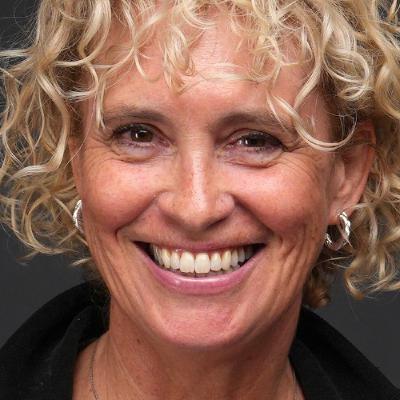
In this episode of Future of Film Podcast, we’re joined by Fiona Gillies and Mahesh Ramachandra, co-founders of SMASH — the innovative platform that’s transforming how creators connect with industry decision-makers.
SMASH is rethinking the pitching process from the ground up—offering creators a structured, accessible space to build and share their projects, while helping commissioners and buyers discover the stories they’re truly looking for.
In this conversation, Fiona and Mahesh share the origin story of Smash, explore how AI and smart data are shaping the future of development, and offer practical advice for filmmakers looking to sharpen their pitches and navigate the industry with confidence.
We also discuss the art (and pain) of writing a great logline, how to stand out in a crowded marketplace, and why the future of pitching is all about transparency, connection, and creator empowerment.
This episode was recorded as part of Future of Film Africa 2024 in partnership with Sèmè City of the Republic of Benin.
About Fiona Gillies - Indie Producer & SMASH co-founder
Fiona has produced award winning features and shorts. The Beat Beneath my Feet was in competition in the Berlinale, and her debut feature City Slacker was nominated for a BIFA.
She began her career with director Roger Michell at the RSC and has worked extensively both in front and behind the camera. She co-founded SMASH, the Rights and IP Marketplace, with fellow producer Christine Hartland and digital pioneer Mahesh Ramachandra to encourage new, diverse talent to engage with decision makers.
About Mahesh Ramachandra – Co-founder / CPO
Mahesh is a digital product expert with 25 years of experience building and operating B2B SaaS and B2C entertainment services around the world. He focuses on early-stage products and companies, specialising in product conceptualisation, building teams, lean development, finding product-market fit, and scaling to success. Mahesh recently led the pre-school mobile app studio at eOne (Hasbro) and was previously Chief Product Officer at KidsKnowBest, Azoomee and Hopster, the award-winning SVOD service for kids. Prior to that, he developed and operated live interactive television programmes globally for almost 10 years, following stints in edtech and running his own interactive media studio.
Mahesh is a regular speaker at industry conferences such as Kidscreen and the Edinburgh Television Festival and has been a judge for the Interactive Emmy Awards. He is a mentor with the BYP (Black Young Professionals) Network and is a team advisor with Antler Incubator.
Mahesh has an MA in Design for Interactive Media from Middlesex University.
My SMASH Media won a Gold Award for Tech Innovation at Cannes NEXT, the
Innovation section of the 2023 Cannes Film Festival.
Check out SMASH at www.mysmash.media

In this episode of the Future of Film podcast, host Alex Stolz speaks with Sarudzayi Marufu, founder of Uras Films, about the challenges and opportunities facing filmmakers today, particularly in the African market. They discuss the importance of understanding audience engagement, innovative approaches to crowdfunding, and the intersection of creativity and business. Sarudzayi emphasises the need for infrastructure and support for African filmmakers, highlighting the potential of the continent's creative resources. The conversation also touches on the importance of building a brand and cultivating a loyal audience. In this conversation, Sarudzayi shares insights on the filmmaking process, emphasizing the importance of leveraging personal privilege, understanding financial realities, and learning from experiences. She discusses the significance of marketing and distribution strategies, particularly in the context of independent films and African cinema - encouraging filmmakers to be audacious, share their ideas, and navigate the challenges of distribution while maintaining ownership and integrity. She highlights the need for an entrepreneurial mindset in filmmaking, advocating for a balance between creativity and business acumen.
About Sarudzayi Marufu
Sarudzayi Marufu is founder and executive producer of the production company Euras Films with a mission to tell bold, unafraid & innovative storytelling & authentic representation. She founded Euras with the mission of increasing representation for underprivileged communities and providing them with the resources to take bold creative risks. Since its inception in 2019, the studio has produced a range of short and feature-length films, the latest of which, All the Wives in Attics, has been selected for several awards at leading film festivals.
Prior to Euras Films, Sarue was executive producer at Beyond the Canon, an organisation that aims to diversify the curricula at globally leading drama schools and theaters. Beyond the Canon taps into forgotten masterpieces by culturally diverse playwrights and brings them to national audiences.
Previously, she founded Exodus Healthcare, a firm that supports patients living independently in their own homes. She applies her business expertise from scaling Exodus to her work in the film industry, helping underprivileged filmmakers navigate the business of producing films.

In this episode, CJ "Fiery" Obasi, the visionary filmmaker behind MAMI WATA, discusses his creative journey, the cultural narratives that shape his work and the commercial and creative path of a storyteller. CJ reflects on his early influences, including a passion for Hammer Horror films and Stephen King novels, and how these elements have informed his unique storytelling approach. He discusses the challenges and triumphs of bringing MAMI WATA to life, a film that intertwines African folklore with contemporary themes, and shares insights into the significance of genre filmmaking within the African cinema landscape. The conversation also explores the business of being a storyteller and entrepreneur, the future of African screen storytelling, and the evolving role of technology and AI in filmmaking.
About C.J. Obasi
C.J. Obasi also known as “Fiery” or “The Fiery One” wrote and directed the feature films OJUJU & O-TOWN, both of which has screened in many festivals, including the Gothenburg Film Festival and Fantasia Film Festival, garnering acclaim from the likes of Screen Anarchy, IndieWire, & The Hollywood Reporter. He has won the African Movie Academy Awards (African Oscars), and the Trailblazer Award at the Africa Magic Viewers Choice Awards AMVCA). OJUJU is listed in IndieWire’s Best Zombie Films Of All Time. His short film “Hello, Rain” premiered in the International Competition of Oberhausen, and in over 30 festivals like Fantasia Film Festival, where it won the Special Mention of the Jury prize, and the BFI London Film Festival where it was nominated for the Short Film Award. In 2016, he formed Surreal16 Collective with filmmakers Abba T. Makama and Michael to challenge the status quo of Nollywood filmmaking and Nigerian Film expectations. Their anthology film, Juju Stories won the Boccalino D’Oro Award for Best Film at Locarno Film Festival, and was aquired globally by Amazon Prime Video.
Obasi’s latest work, MAMI WATA premiered at the Sundance Film Festival 2023, where it won the Jury Award for Cinematography, as well as in FESPACO, where it won the Best Image, Best Décor and the African Critics Prize. MAMI WATA was nominated for an Independent Spirit Award and
for an NAACP Image Award. It was Nigeria's Official entry for the Academy Awards. MAMI WATA was acquired by Mubi, and has since been distributed theatrically, SVOD and Blu-Ray, DVDs in more than 25 territories, including the United States, United Kingdom, Germany, Switzerland, France, Brazil and Australia. Obasi was recently invited by the Rockefeller Foundation to participate as a cohort of the Bellagio Residency at Lake Como, Italy with his feature film project, LA PYRAMIDE: A CELEBRATION OF DARK BODIES. He is a voting member of the Academy of Motion Pictures, Arts and Sciences (Oscars).

In this episode, Ingrid Kopp, co-founder of Electric South, returns to the show to explore the dynamic evolution of immersive storytelling. With a particular focus on Africa, Ingrid reveals the shifting landscape of virtual reality (VR) and immersive narratives, highlighting both the challenges and opportunities within the XR space. In a discussion that shines a light on Electric South's pioneering work in bringing African stories into the space, Ingrid also examines the influence of AI on storytelling and the importance of process in artistic creation. The conversation also touches on defining immersive storytelling and its future trajectory, the role of artists in shaping forthcoming narratives, monetisation strategies for XR projects (still!), trends in VR and AR, and avenues for aspiring filmmakers in Africa. IN a conversation that was presnted as part of Future of Film Africa 2024, the dialogue highlights the necessity for innovation and investment in Africa's creative industries while addressing the challenges artists face in accessing technology and funding.
More about Ingrid Kopp
Ingrid Kopp is a co-founder and co-director of Electric South in South Africa, a non-profit organisation working with interdisciplinary artists across Africa to develop, produce and distribute immersive work. She also co-founded Immerse, a monthly publication on emerging nonfiction storytelling which ran from 2016 until 2023 in partnership with MIT Open Doc Lab and Dot Connector Studio. She is currently co-chair of the World Economic Forum Global Council on the Future of Metaverse. Previously, Ingrid curated the Tribeca Storyscapes programme for interactive and immersive work at the Tribeca Film Festival and was director of the Interactive Department at the Tribeca Film Institute in NYC. She started her career at Channel 4 Television in the UK.

"Africa and African stories could be the future of storytelling." Hamid Ibrahim
This episode is a deep dive into entrepreneurship, creativity and storytelling with Hamid Ibrahim, the Co-Founder and CEO of Kugali Media. Kugali hit the headlines last year when they became the first company to collaborate with Walt Disney Animation on an African story. IWAJU, the futuristic animated series, was the result of that partnership premiered to acclaim in 2024 on Disney+.
In the conversation, Hamid describes his inspirational career path that took him from working in visual effects on some of Hollywood's biggest titles to beginning his own enterprise, initially with innovative graphic novels and highly effective crowdfunding campaigns. We also explore the scope of African storytelling, the challenges associated with building a business, AR and why AI presents an unprecedented opportunity for original creative entrepreneurs and storytellers.
This episode is presented in part of Future of Film Africa 2024, presented in partnership with Sèmè City, the Republic of Benin.
More about Hamid Ibrahim
Hamid Ibrahim is a multi award winning Artist who focuses on creative
leadership and innovation. He is the Co-Founder and Chief Executive
Officer of Kugali Media, a visual entertainment company that focuses
on authentic African visual storytelling. Hamid has worked in the
highest levels of visual entertainment in Hollywood blockbusters like
Lion King (2019), Dumbo (2019), The Predator (2018), The Darkest
Minds (2018), Dolittle (2020) and most recently a first of its kind
collaboration with Disney Animation Studios, an African created series
called Iwaju. Iwaju marks the first time in Walt Disney’s 100 year
history to collaborate with an outside studio (Kugali) to create an
original animation. Hamid was able to win the Alumnus of the year
Award from University of Hertfordshire in 2021 and made it to the list
of the MIPAD 100 most influential persons of African Descent list in
2024.
www.futureoffilm.live

In this episode we welcome world leading film researcher Stephen Follows to the show for a deep dive into the data behind the horror genre. With insights fresh from Stephen's new exhaustive exploration of the space, The Horror Movie Report 2.0, we explore the significant increase in horror film production and the numbers behind its profitability. In a conversation that covers the importance of theatrical releases for horror films (and why they are so important for cinemas!) and the demographics of horror audiences, we also look at global trends in horror film production, including in Indonesia and Malaysia. Stephen shares how horror reflects cultural fears and societal narratives and why it's specific economic and stylistic characteristics make it such a vital genre for the industry. The conversation explores the multifaceted world of the genre, discussing cultural insights, marketing strategies, and the economics behind horror filmmaking including a focus on Blumhouse and the emergence of so-called 'elevated horror', as well as the future of horror in gaming and VR. In a slight detour, we also catch up on the role of AI in film production and storytelling. Having been an early adopter of generative AI in the space, Stephen highlights both its potential and current limitations and reveals why there aren't, yet at least, too many AI-themed horrors.
More About Stephen Follows
Stephen Follows is a world-leading film industry analyst whose research has been featured in almost every major newspaper and magazine, including The New York Times, The Guardian, and The Times.
He is a consultant for Guinness World Records and the chairman of the Central Film School. Stephen’s expertise is sought by major Hollywood studios, and he has taught producers, filmmakers, and students around the world.

This episode explores the intersection of human creativity and AI technology. Filmmakers Jonathan Keasey and Justin MacGregor who are partnering with Phil Egger of J4 on a slate of films assisted by cutting edge AI technology. Entitled Hum.AI.ne Entertainment, their new initiative is focused on the ethical use of AI in the creative process and reflects Jonathan's journey from 'intentional Luddite' to a champion of the technology and its potential to support human powered creativity.
In this conversation, Jonathan and Justin describe their journey and their vision for using the new tools. Describing what the tools can - and importantly cannot yet - do , they outline how they will be working with it on a slate of commercial animated feature films, starting with the legend of GELART. Meanwhile, Phil Egger describes more about the technology and how the process works in practice.
More About Jonathan, Justin and Phillip
Jonathan Keasey is the founder of Mindriot Entertainment and an acclaimed screenwriter, producer, story hunter and proud member of the Writers Guild of America. He has been hired to write films for studios and streamers from Hollywood to Canada, France to China, Central America to Africa, and now beneath the Oceans. As a descendant of Anne Hutchinson, credited by The Smithsonian as North America’s first Feminist and banished for heresy, to the descendant of a Presidential Speechwriter and whistleblower, to the proud grandson of a woman who set speed-records as a typist for a grocery chain, Jonathan does his best to follow in their footsteps and relay heartfelt stories that will have a positive impact. But most important of all, he just wants to make his family and friends proud before he becomes nutrients for an apple orchard.
Dr. Justin MacGregor is Founder and Head of Transatlantic Content for Mindriot as well as the Head of Film at Trinity College, Dublin. His first feature film, “The Vigil (for Kurt Cobain)” screened at film festivals from Vancouver to Mumbai and was released by Vanguard Int’l and played on television sets worldwide after its theatrical run. His latest documentary, “Is There Anybody Out There? Young Voices from Inside a Pandemic” struck another sonic chord at a pivotal time, and premiered at the Virgin Media Dublin Int’l Film Festival in 2021. In between, MacGregor’s award-winning theatre work includes the anti-war trilogy “The Play That Killed Me,” “God Wept and the Devil Laughed,” and “The Lonely Clouds of Guernica.” With a catalogue of work that’s supported from Trinity to UNESCO.
Phillip Egger is an attorney with over a decade of experience in AI acquisitions and development. He has three decades experience advising closely held businesses and owners of taxable estates. He received his Juris Doctorate degree from Gonzaga University School of Law and his Masters degree in U.S. federal tax law from the University of Florida. Mr Egger has been a visiting Professor at the University of Florida School of Law and has been a guest speaker at the University of Washington School of Law Tax Institute.

In this episode we are joined by the acclaimed visual artist and costume designer, Ane Crabtree. Ane’s substantial body of work includes her iconic, unmistakable designs for THE HANDMAID'S TALE (seasons one and two) as well as WESTWORLD (season one), and Apple TV’s THE CHANGELING.
As such, Ane has built a formidable reputation as a designer of the future and was described as one of Fast Company's 100 Most Creative People in Business in 2018, deemed so "for designing the apocalypse".
Ane is a long standing collaborator with (previous guest of this show) Liam Young, including their most recent project PLANETARY REDESIGN which premiered at Venice Biennale in 2023. Ane also recently collaborated with Darren Aronofsky for POSTCARDS FROM EARTH which was made for The Sphere in Las Vegas.
Her work reflects the rural roots of Kentucky and the rich influence of her Okinawan heritage as the backbone of her visual storytelling.
In this inspiring and wide-ranging conversation, we discuss the theme of worldbuilding tand storytelling through costume design, includiing her work for THE HANDMAID'S TALE. We also explore Ane's creative and collaborative process, her journey from rural Kentucky to the peak of screen storytelling, the influence of her Okinawan heritage in her work and how she came to collaborate with Darren Aronofsky - and much more!
About Ane Crabtree
Ane Crabtree is a visual artist, painter, costume designer, and documentarian whose images conjure the hidden emotions behind the stories of memory, skewed reality, sense of place, and human nature. Her work in movies and television explores the use of deconstruction and dystopia, most notably in her original iconic designs for The Handmaid's Tale, seasons one and two. She is also responsible for The Sopranos pilot, Westworld season one, and Masters of Sex, seasons one and two.
Inspired by the landscapes of reality, alchemy, nature, and direct documentation, Crabtree's approach to her designs explores the transcendence of the real, utilizing emotions as a conduit or emotional decoder for the audience.
In 2018, Crabtree spoke at the United Nations, in support of the METoo movement, at the commemoration of The International Day to End Violence Against Women/Orange the World.
She has been nominated for three Emmy Awards (2017, 2018, 2019)for her work on The Handmaid's Tale and Westworld (2016). She has been nominated for four Costume Guild Awards for PanAm (2012), Masters of Sex (2015), Westworld (2016), and winning for The Handmaid's Tale (2018).
Her first solo exhibition was "Designs for Dystopia" at SCAD Museum of Fashion and Film, featuring her sketches, designs, and wall of inspiration from The Handmaid's Tale (2018). Her work for The Handmaid's Tale has been shown at pop up exhibitions for Vogue Magazine/The Public Hotel (2017), The Paley Center for Media (2017), and is a part of the permanent collection at The National Museum of American History at The Smithsonian Museum (2018). This work was also a part of the group exhibition, Designs for Different Futures at The Philadelphia Museum of Art (2019-2020), The Walker Museum of Art (2020-2021), and The Art Institute of Chicago (2021).
Crabtree's work will soon be featured in a group exhibition, "Mother!" at The Louisiana Museum of Modern Art in Denmark (2021).
Her most recent collaboration, with filmmaker Liam Young, for the National Gallery of Victoria Museum's Triennial (2020-2021), at MAAT in Lisbon (March 2021), and at the Shanghai Biennale (April 2021) features costumes in the short film "Planet City", directed and produced by Liam Young. Planet City is the first "design for utopia" for Crabtree. She served as costume designer, producer, and costume director for seven international artists, including herself. Her costumes for The Handmaid's Tale are now in the permanent collection of The Smithsonian Museum of American History.

Comments

Download from Google Play

Download from App Store
 United States