


 Claim Ownership
Business of Sustainability
Subscribed: 10Played: 23
Subscribe

Description
If you’re passionate about building a more sustainable future and curious about the business models making it possible, you’re in the right place.
Join Alex Smith, CEO of FuturePlus, to dive into the world of sustainable business, talking to founders and industry pioneers who are redefining success with the planet and society in mind.
This isn’t just another business podcast. At FuturePlus, we’re redefining ESG, Environmental, Social, and Governance, by bringing you data-driven insights and future-focused actions that make a real impact.
From breakthrough technologies to bold new policies, FuturePlus explores the strategies, challenges, and innovations driving the global shift toward sustainability.
So, whether you're a business leader, investor, or sustainability enthusiast, join us to stay ahead of the curve.
Find out more about FuturePlus.Connect on Linkedin.
Join Alex Smith, CEO of FuturePlus, to dive into the world of sustainable business, talking to founders and industry pioneers who are redefining success with the planet and society in mind.
This isn’t just another business podcast. At FuturePlus, we’re redefining ESG, Environmental, Social, and Governance, by bringing you data-driven insights and future-focused actions that make a real impact.
From breakthrough technologies to bold new policies, FuturePlus explores the strategies, challenges, and innovations driving the global shift toward sustainability.
So, whether you're a business leader, investor, or sustainability enthusiast, join us to stay ahead of the curve.
Find out more about FuturePlus.Connect on Linkedin.
40 Episodes
Reverse
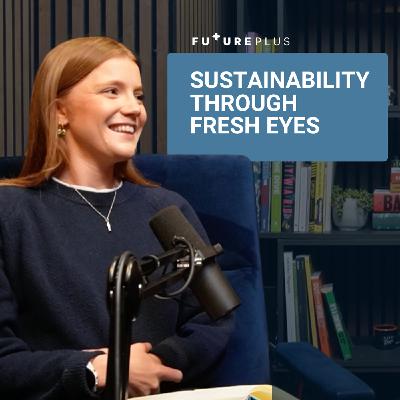
Poppy Clarke spent time in climate tech recruitment, watching other people do the jobs she wanted. So she made the move.In this episode, FuturePlus CEO Alex Smith talks to Poppy, now a Sustainability Executive at FuturePlus, about what the industry looks like when you're new to it, what surprised her, what confused her from the outside, and what she's found most engaging in her first few months.It's a short, honest conversation that covers the real breadth of what sustainability means inside a business, and why treating it as a tick-box exercise means leaving most of the value on the table.🌐 future-plus.co.uk
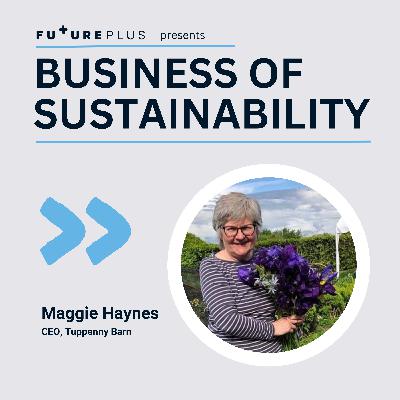
Tuppenny Barn started with a single hectare of land and a simple idea: teach children where their food comes from and grow it organically.Over 21 years later, it has become one of the most quietly impressive sustainability success stories in the South East. In this episode, Alex Smith sits down with Maggie Haynes, founder and outgoing CEO of Tuppenny Barn, an accredited education charity based in Southbourne, near Chichester, to explore how the barn operates, what it has built, and why it works.They cover the barn's three core charitable activities, six green therapy programmes, the Veterans Bloom initiative, and a circular strawbale education centre funded entirely through grants.Maggie also explains how working with FuturePlus through the Chichester District Council Sustainability Accelerator helped the team review and sharpen what they were already doing, from waste and recycling to supplier choices and how they communicate sustainability to beneficiaries.It's a practical, grounded conversation about what running a genuinely sustainable organisation looks like, and what other businesses can learn from it.Find out more about Tuppenny Barn.Discover more about FuturePlus.
Two of the biggest sustainability communication mistakes businesses make sit at opposite ends of the same spectrum. Overclaiming. And saying nothing at all.In this episode, FuturePlus CEO Alex Smith and COO Polly Milne discuss both, why they happen, what the consequences can be, and how businesses can find a more confident, authentic middle ground.Polly shares a practical example of a company that accidentally misrepresented their carbon position with entirely good intentions, explains why the regulatory landscape around green claims is tightening fast, and makes the case for why starting small and talking honestly about progress is far more powerful than waiting until everything is perfect.🌐 www.future-plus.co.uk
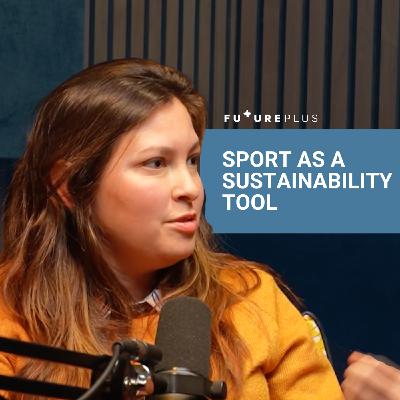
Sport has a reach that almost no other industry can match. In this episode, Sustainability Consultant Ana Biedermann Villagra joins CEO Alex Smith to explore how sporting events and organisations can use that reach for genuine social and environmental impact, and what happens when they don't.Ana brings a perspective shaped by her background in sports sustainability and her passion for women's football. She and Alex discuss the 2025 Women's Euros as a model for embedded sustainability, the governance risks that come with major global events, and why clubs and brands need to align on sustainability well before the spotlight hits.They also discuss some powerful examples of sport driving social change, from fan-led organ donation campaigns to how the industry is beginning to take online abuse and gender-based violence seriously.🌐 www.future-plus.co.uk
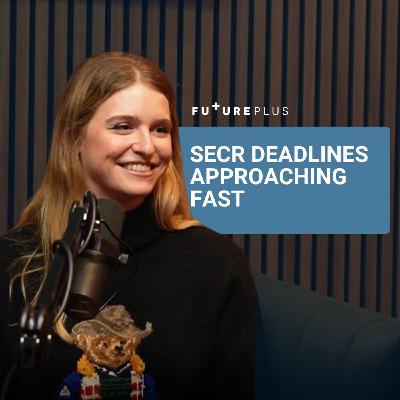
Louisa Hoy, Junior Sustainability Consultant at FuturePlus, returns to explain SECR (Streamlined Energy and Carbon Reporting), the UK regulation requiring businesses above certain thresholds to report energy use and carbon emissions in their annual financial accounts.With reporting deadlines approaching, Louisa breaks down who needs to comply (the three-threshold test), why voluntary reporting makes strategic sense even before you're required to, and how SECR forms the foundation for broader ESG compliance.We discuss why carbon data should be treated with the same importance as financial data, how to improve data quality over time, and what businesses approaching the thresholds should do now to get ahead of compliance requirements.Whether you're already in scope, approaching the thresholds, or simply want to understand UK carbon reporting obligations, this episode offers a practical guide to SECR and what it means for your business.Learn more about FuturePlus Carbon: future-plus.co.uk
Damien Stork and Jonathan Hook from CHX Performance return to discuss with FuturePlus CEO, Alex Smith, why workplace sickness has increased 60% since pre-COVID levels and what businesses are fundamentally missing about human sustainability.In this conversation, we explore why feelings aren't fluffy; they're biological signals telling us how well resourced we are to meet demands. We discuss the rising culture of fear in UK workplaces, why 9.4 sick days per employee is now the norm, and how poor mental health stems primarily from dysregulated emotions that organisations actively encourage people to mask.Damien and Jonathan explain the five core human needs (certainty, inclusion, autonomy, attachment, equity) that determine whether people thrive or leave, why diversity without understanding feelings will always fail, and the uncomfortable truth that poor wellbeing isn't a pathological response to a great environment, it's a normal response to a pathological environment.We also discuss why capacity, not capability, is the real challenge for high performance, how leadership shadow biologically impacts teams, and what businesses can practically do to create sustainable environments where people actually want to work.This isn't about wellness programs as compensation for harm. It's about fundamentally rethinking how we create workplace environments that allow people to perform.Learn more: CHX Performance: chxperformance.com FuturePlus: future-plus.co.uk
Louisa Hoy, Junior Sustainability Consultant at FuturePlus, works primarily with sustainability professionals who are either a team of one or managing ESG as an add-on to their primary role. It's a growing reality in businesses of all sizes; someone has the job title, but not the team or the capacity to match.In this conversation, Louisa explains why data-led platforms need human guidance to be effective, how advisors provide the confidence and support to help businesses "do sustainability properly," and why having someone outside the organization to talk things through with matters when you're the only person working on it internally.We discuss the complementary nature of data and expertise, the challenges of limited capacity when sustainability isn't your main role, and how shared learnings from working across multiple clients help solve common industry challenges.Whether you're a sustainability professional working solo, a business leader trying to support your team's ESG efforts, or simply curious about how sustainability programs actually work in practice, this episode offers insight into what makes the difference between having a sustainability title and making real progress.Learn more about FuturePlus: future-plus.co.uk
Ellen Hughes, Head of Consultancy at FuturePlus, walks through what sustainability consultancy looks like in practice; from government-funded food redistribution projects to investor presentations and global ESG strategies, often all in one day.In this conversation, Ellen reveals three key trends emerging in the sustainability space: the explosion of materiality-led strategies as businesses navigate legislative and geopolitical challenges, the growing demand for fractional sustainability leadership at C-suite level, and the surprising misalignments that emerge when you engage employees, customers, and boards on sustainability priorities.We discuss why organizations want sustainability governance but can't always commit to full-time hires, how stakeholder engagement reveals different perspectives across a business, and why attention to detail matters as much as strategic thinking in sustainability consultancy.Whether you're considering sustainability support for your business or curious about how ESG strategies are built in the current climate, this episode offers a practical look at the work behind sustainability transformation.Learn more about FuturePlus: future-plus.co.uk
Ever wondered what happens behind the scenes at a sustainability management business?Sam Sweeney, Sustainability Manager at FuturePlus, walks through what a typical day looks like, from delivering waste workshops to client meetings, navigating legislation changes, and helping businesses prepare for supply chain requirements they didn't see coming.We discuss:→ How advisory support works through the FuturePlus platform→ Why supply chain pressure is forcing smaller companies to act faster→ The difference between sustainability advice and accountability→ How the team shares expertise across 30+ sectors and 17 countriesIf you're working in sustainability, managing ESG requirements, or just curious about what actually goes into sustainability management, this is a practical look at the work that helps businesses measure, improve, and report their impact.Learn more about FuturePlus: future-plus.co.uk
Sara French, Head of Scale-Up Programmes at London & Partners, shares insights from supporting over 4,500 businesses through international growth. In this conversation with Alex Smith, Sara reveals why companies that embed sustainability early scale 50% faster, how governance strengthens business foundations, and what VCs really look for in scale-ups today.We discuss the practical realities of international expansion, the unexpected connection between ESG frameworks and business maturity, and why London's ecosystem offers unique advantages for sustainable growth. Sara also shares success stories from companies solving real-world problems and explains how London & Partners' trade missions create opportunities that would otherwise take years to access.Whether you're scaling locally or planning international expansion, this episode offers practical frameworks for building resilient, investment-ready businesses.Click here for the ESG Unfiltered course.Click here for London & Partners.
Welcome to our new bitesize episodes - a new series of shorter conversations (around 10-15 minutes) where members of the FuturePlus team discuss what we're actually seeing in sustainability right now.In this first episode, CEO Alex Smith and COO Polly Milne talk about what 2026 holds.Despite regulatory rollbacks and green claims pressures, there's a clear shift happening: sustainability is moving from performative to action-driven, and businesses are doing it because it genuinely makes them stronger.What we cover:
00:37 - Why 2025 was tough for sustainability teams
01:57 - Sustainability as business resilience, not just marketing
03:28 - Evidence and verification in procurement
04:01 - AI's role in sustainability (and its challenges)
07:04 - The ethics and carbon footprint of AI
07:29 - The future of lean sustainability teams
09:47 - Embedding sustainability across departments
About FuturePlus: FuturePlus is a sustainability intelligence platform helping businesses measure, manage and improve their environmental and social impact. Our platform brings together climate, environment, social, economic and diversity & inclusion data in one accessible framework.🌐 www.future-plus.co.uk
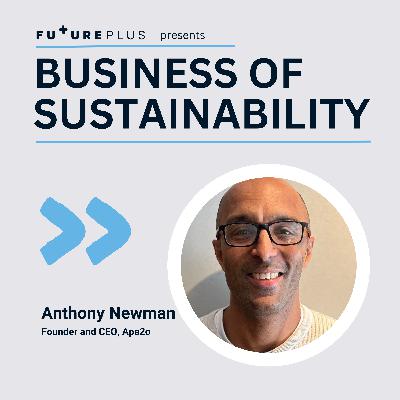
Bottled water is a £2 billion market in the UK, but at what cost?
In this episode, FuturePlus CEO, Alex Smith sits down with Anthony Newman, CEO of Ape2o, who's on a mission to eliminate single-use plastic water bottles through innovation, not shame.
After witnessing the devastating impact of marine plastics on turtles in Australia's Great Barrier Reef, Anthony knew he had to act. The result? High-tech water refill stations that deliver chilled, filtered, and even sparkling water for just 25p, while saving thousands of bottles from landfill.
We explore the economics of disrupting a billion-pound industry, the operational challenges of scaling refill infrastructure, why convenience always trumps good intentions, and how bold buyers are essential for sustainable innovation to succeed.
Key topics covered:
Why water on-the-go costs twice the price of petrol (and what that really means)
The capital-intensive reality of building sustainable infrastructure
How to attract consumers to better choices without shaming them
Why 10% of turnover (not profit) goes to ocean conservation
The role of regulation in driving business behaviour change
Click here to learn more about Ape2o, or here for FuturePlus.
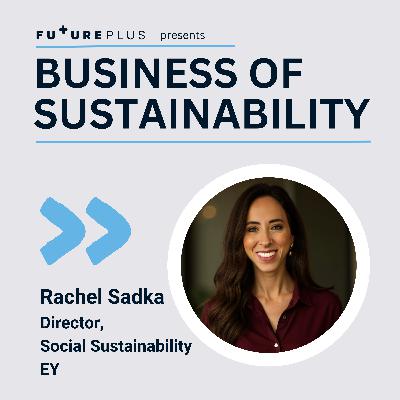
In this episode, FuturePlus CEO and host, Alex Smith sits down with Rachel Sadka, Director of Social Sustainability at EY, to explore how businesses can move beyond compliance to create genuine transformation through social sustainability and DEI initiatives.
Rachel shares insights from her 13+ years at EY, including her work developing the National Equality Standard and Global Equality Standard. The conversation covers navigating DEI backlash, measuring social impact, embedding sustainability across all business functions, and why socioeconomic diversity matters.
Rachel explains how leading organisations link social sustainability to value creation, the role of AI in recruitment and performance management, and why transparency about challenges builds trust.
Click here to learn more about FuturePlus, or here for EY.
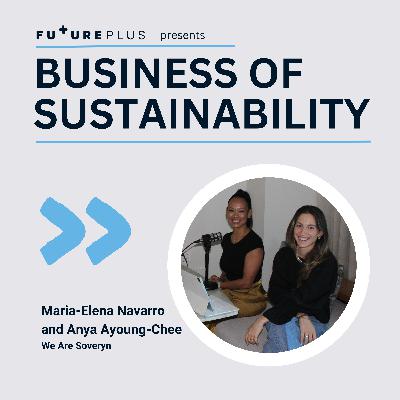
In this special episode recorded on location in Trinidad & Tobago, FuturePlus CEO, Alex Smith sits down with Maria-Elena Navarro and Anya Ayoung-Chee from We Are Soveryn to explore how their partnership is transforming sustainability practices across the Caribbean.
Fresh from exhibiting at the AMCHAM T&T HSSE Conference 2025, the conversation explores the unique challenges and opportunities facing Caribbean businesses as they navigate ESG frameworks, from legacy oil and gas companies future-proofing their operations to innovative SMEs embedding sustainability into their DNA.
This episode demonstrates how sustainability doesn't need to be a compliance burden, when approached with the right tools and local expertise, it becomes an opportunity for Caribbean businesses to showcase their resilience, innovation, and unique strengths on a global stage.
Key topics discussed:
Making ESG accessible for Caribbean businesses of all sizes
The gap between international frameworks and local application
Sustainability in Trinidad & Tobago's energy sector
Moving from box-ticking to strategic sustainability
Harnessing indigenous wisdom in modern sustainable practice
Building regenerative cultures and circular economies in the Caribbean
Click here for more info on We Are Soveryn, and here for FuturePlus.
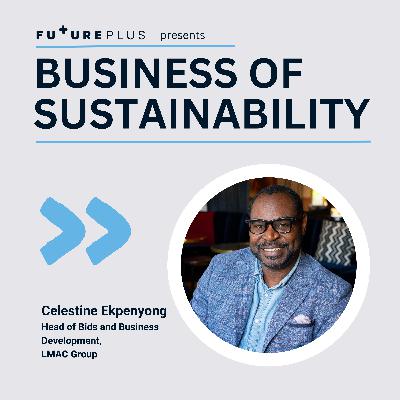
Sustainability criteria now account for up to 20% of tender scores, often the difference between winning and losing contracts.
In this episode, FuturePlus CEO, Alex Smith speaks with Celestine Ekpenyong, Head of Bids and Business Development at LMAC Group, about how procurement is driving business sustainability forward.
With nearly 20 years of experience, Celestine explains why evidence matters more than intentions when responding to tenders.
The conversation covers practical steps for building a sustainability library, competing against larger companies with limited resources, and why authenticity outperforms copying competitors.
Celestine shares how LMAC transitioned 50% of their fleet to electric vehicles, engages their supply chain through quarterly innovation competitions, and approaches tender responses with structured evidence.
Key topics include the gap between tender requirements and business capabilities, why smaller companies can win against corporates, and how to translate sustainability actions into winning bid responses. Celestine also explains why starting small beats waiting for perfection, and how to sell sustainability investment to leadership.
Whether you're preparing your first tender or strengthening existing sustainability credentials, this episode provides clear guidance on turning ESG action into commercial advantage.
Learn more about FuturePlus and LMAC Group.
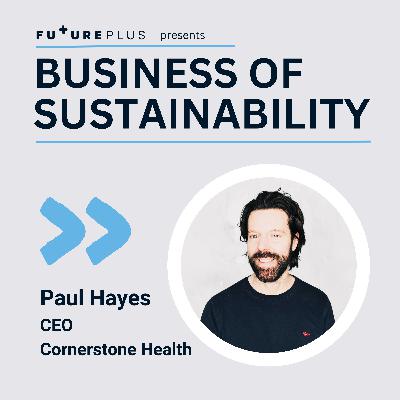
Our host Alex Smith speaks with Paul Hayes, CEO of Cornerstone Health Group, a specialist care provider serving people with complex needs.
Paul Hayes has turned sustainability into a competitive advantage in one of the UK's most challenging sectors. While most care providers struggle with staffing shortages and thin margins, Cornerstone Health Group improved its FuturePlus sustainability score from 289 to 321 in one year, achieved Impact Certified status, and won 'Specialist Care Provider of the Year' twice.
What You'll Learn:
Paul demonstrates how sustainability drives business performance in the care sector. Under his leadership, Cornerstone diverted 90% of waste from landfill, built The Burren—an 80-bed BREEAM 'Excellent' eco care home—and grew to 378 employees while maintaining profitability in a sector under unprecedented pressure.
Key Topics:
Making the business case for sustainability investment when margins are tight
Using environmental credentials to win in competitive talent markets
Operational changes that reduce costs while improving sustainability
Building The Burren: the investment decision and financial returns
How sustainability opens doors with commissioners and funding partners
Converting sustainability commitments into measurable business advantages
Low-cost starting points for healthcare providers new to sustainability
Why environmental responsibility strengthens rather than constrains growth
Paul offers practical advice for leaders in healthcare and service sectors who see sustainability as expensive or risky. His experience shows how sustainable operations improve staff retention, reduce costs, and create genuine competitive differentiation.
About Our Guest:
Paul Hayes is CEO of Cornerstone Health Group, a specialist care provider focused on supporting individuals with complex needs. He has grown the business while embedding sustainability across operations, property development, and service delivery.
Listen now to learn how sustainability can solve your biggest business challenges.
FuturePlus helps businesses of all sizes understand, measure, evidence, improve and report on their sustainability impact and goals. Click here to find out more.
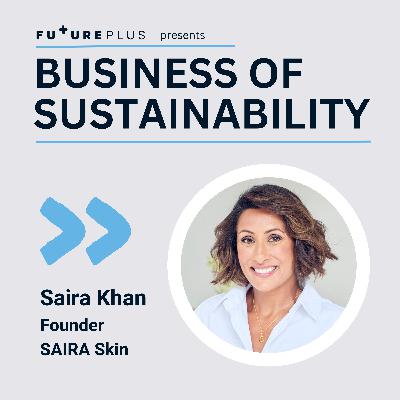
Our host Alex Smith speaks with Saira Khan, founder of SAIRA Skin, a Certified Organic skincare brand focused on ethical beauty practices.
What You'll Learn:
Saira Khan has built a successful skincare business by putting sustainability first. Drawing on business lessons learned early in her career (including her appearance on The Apprentice), she created SAIRA Skin as a Soil Association certified brand that removes harmful ingredients while honouring traditional Himalayan beauty practices.
Key Topics:
How effective communication drives business success
The decision to eliminate microplastics from skincare formulations
Building a profitable business with strong ethical foundations
Creating customer trust through transparent practices
Practical steps for integrating sustainability into any business
Balancing commercial goals with environmental responsibility
Saira offers straightforward advice for entrepreneurs who want to build businesses that make money and create positive impact. Her approach shows how sustainable practices can strengthen rather than limit business growth.
About Our Guest: Saira Khan is a broadcaster, speaker, and founder of SAIRA Skin - a certified organic skincare brand inspired by Himalayan beauty rituals. She focuses on building businesses through clear communication and ethical practices.
Perfect for: Business owners, entrepreneurs, sustainability professionals, and anyone interested in building profitable companies with strong values.
Listen now to learn practical strategies for creating a business that succeeds while doing good.
FuturePlus helps business of all sizes, understand, measure, evidence, improve and report on their sustainability impact and goals. Click here to find out more.
In this episode of The Business of Sustainability, we speak to Phil Hails‑Smith Managing Partner at Joelson, a forward-thinking law firm helping businesses grow with purpose.
We explore how sustainability is being redefined in sectors not traditionally seen as green, why environmental and social factors are now a key part of mergers and acquisitions, and how internal culture can be a company’s strongest impact tool.
Phil also shares lessons from building a values-led legal team, the challenges of embedding inclusion, and why long-term thinking, not just compliance, is the future of professional services.
Click here to learn more about FuturePlus, or here for more on Joelson.
In this episode of The Business of Sustainability, hosts Alex Smith and Mike Penrose sit down with Alexandra Berry, Executive Assistant and Head of Sustainability at Strand Palace, and Jordan Hughes, Hotel Manager at the iconic Cliveden House.
Together, they explore how two very different hotels, one nestled in the luxury of the English countryside and the other in the heart of London, are embedding sustainability at the core of their operations.
From employee engagement initiatives like Green Ducks and Sustainability Committees to guest education and avoiding greenwashing, this episode dives into the practical and strategic actions redefining sustainability in the hospitality industry.
Plus, hear how both hotels earned IMPACT CERTIFIED status with FuturePlus, and why collaboration across the sector could be the key to long-term change.
Whether you're a hotelier, sustainability leader, or conscious traveller, this is a conversation not to miss.
Subscribe and listen now to learn how the future of hospitality is being shaped, one sustainable decision at a time.
Click here to learn more about how FuturePlus can help your business make a positive impact.
Click here to learn more about Strand Palace's sustainability strategies, or here for Cliveden House's.
Strand Palace and Cliveden House are both part of L+R Hotels’ portfolio, one of Europe’s largest privately-owned global investment firms and home to some of the finest hotels and resorts in the world.
Clivden House is also part of Iconic Luxury Hotels, a collection of six uniquely luxurious award winning hotels located in highly desirable locations through Britain and overseas.
In this episode of the Business of Sustainability by FuturePlus, Alex Smith and Mike Penrose are joined by Mark Rushmore, co-founder and COO of SURI, the electric toothbrush brand that’s giving a traditional industry a fresh, sustainability makeover.
They discuss and explore SURI’s origins, the innovations behind its sustainable design, and what it takes to challenge legacy industries.
From bristles made of castor bean oil to an aluminium body built to last, SURI’s toothbrush is more than just smart design, it’s a blueprint for the future of consumer products with sustainability embedded at its core.
Hear how SURI is turning everyday routines into opportunities for real sustainable impact, and how data, design, and determination can reshape entire markets.
Click here to learn more about how FuturePlus can help your business' impact.
Or here to discover more about SURI.

Comments

Download from Google Play

Download from App Store
 United States