


 Claim Ownership
Quillette Cetera
Subscribed: 93Played: 1,973
Subscribe

Description
Quillette's Zoe Booth, sits down with a guest to discuss some of the best Quillette articles from the week + more. Common themes include gender issues, feminism, free speech, evolutionary psychology, philosophy, politics, science and more.
62 Episodes
Reverse
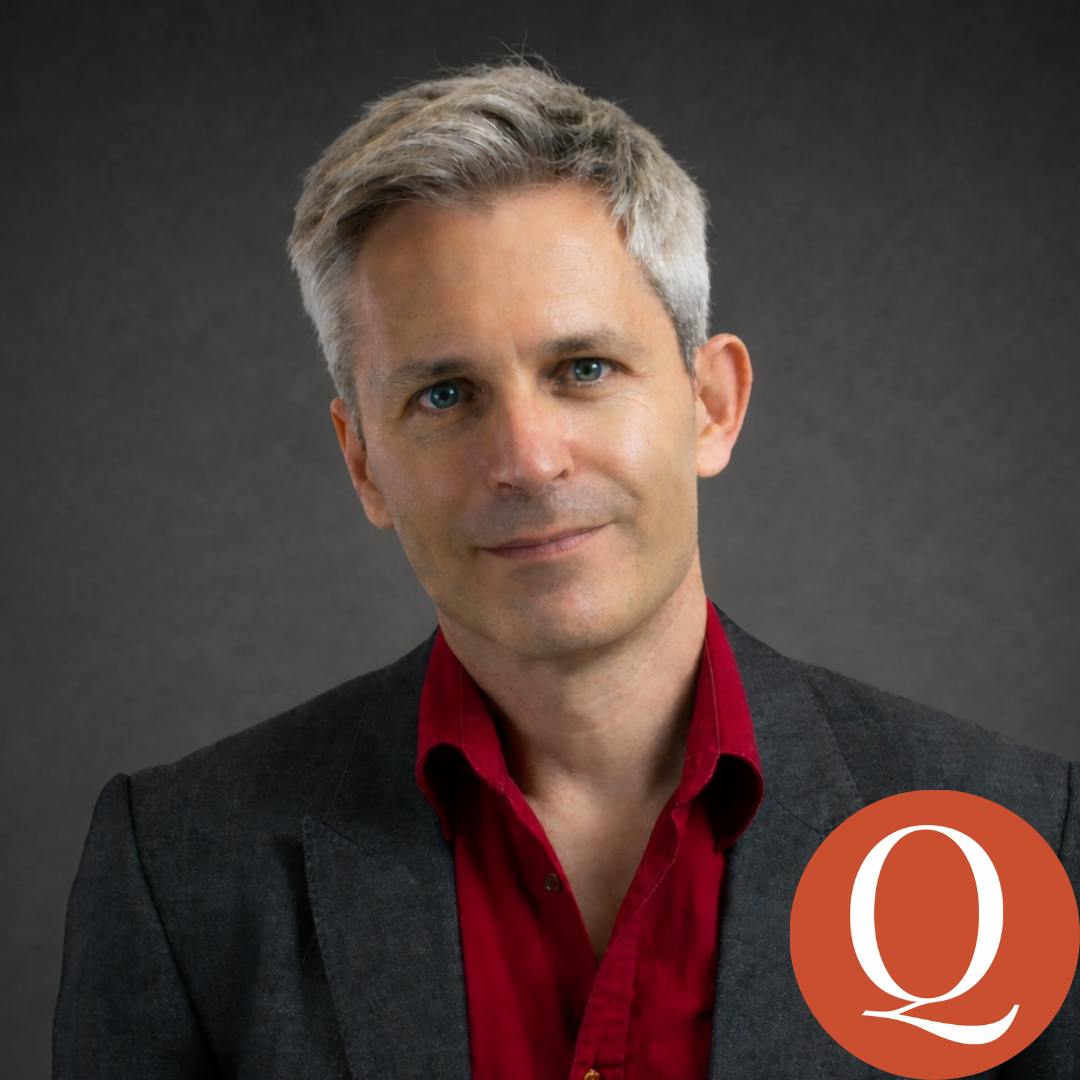
In this conversation, Zoe Booth and Shany Mor discuss the complex interplay between Australia's reputation in relation to Israel, the impact of anti-Israel activism, and the cultural and intellectual anxieties that contribute to anti-Semitism. They explore the role of guilt in Western society, the challenges of identity and belonging in multicultural contexts, and the evolution of political discourse. The discussion also touches on the dynamics of radicalization, the nature of prejudice, and the future of democracy, particularly in the context of Israeli society and global fertility rates.
Chapters
00:00 Australia's Protests and Israel's Perception
05:47 Understanding Anti-Israel Sentiment
07:58 The Role of Intellectualism in Anti-Semitism
10:27 Cultural Anxiety and Scapegoating
12:53 Oikophobia and Western Guilt
15:35 Moral Accounting and Identity Politics
18:04 The Impact of 9/11 on Western Discourse
20:27 Feminism and Cultural Symbols
23:01 The Transformation of Western Society
25:39 Radicalization and Immigrant Perspectives
28:14 The Role of Western Elites in Anti-Semitism
30:46 Media Narratives and Perceptions of Violence
30:54 Understanding Jewish Identity and Community Challenges
33:14 The Impact of Anti-Zionism on Academia
35:22 Cultural Myths and Their Influence on Society
36:59 Exploring Fertility Rates and Societal Values
42:08 Democracy in Crisis: The Referendum on Truth
47:56 The Legacy of the Post-War Order and Its Challenges
Learn more about your ad choices. Visit megaphone.fm/adchoices
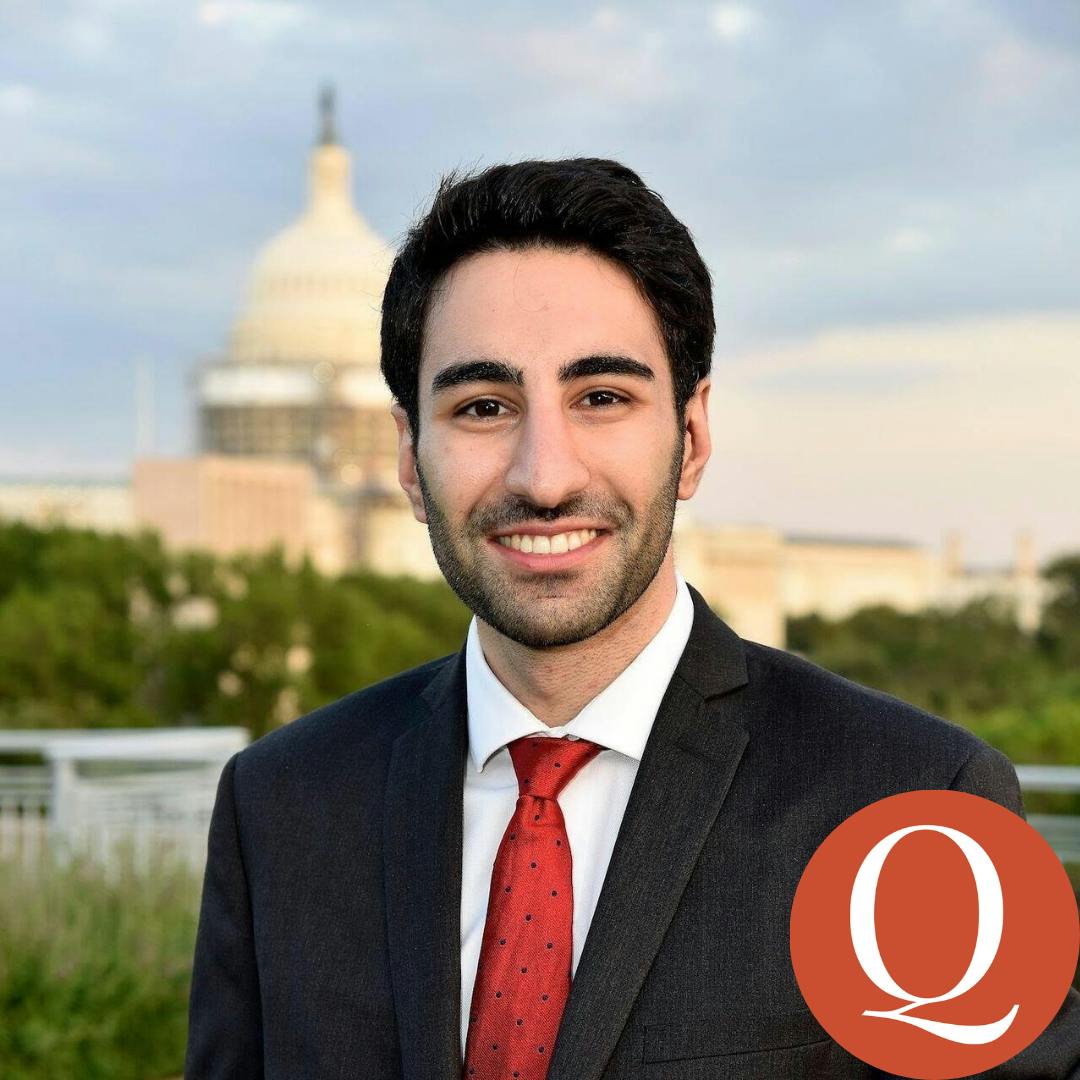
Shay Khatiri is one of the most clear-eyed analysts of Iran’s regime and its role in global geopolitics. Raised in the Islamic Republic before escaping to the U.S., he now serves as Vice President and Senior Fellow at the Yorktown Institute and writes The Russia–Iran File, a Substack dissecting the domestic and foreign policy strategies of both regimes. His work has appeared in The Wall Street Journal, National Review, The Bulwark, Providence, and Quillette.
In this episode, he joins Zoe to unpack the roots of Iran’s latest deadly protests, including the regime’s use of pellet guns and hospital raids to suppress dissent. He explains why so many Iranians are calling for foreign military intervention, what a post-regime Iran might look like, and why he believes a constitutional monarchy—led by Reza Pahlavi—offers the best hope for stability. They also discuss the role of the diaspora, the rise of underground Christianity, and why the West’s inaction may extinguish Iran’s last chance at revolution.
Learn more about your ad choices. Visit megaphone.fm/adchoices
 1
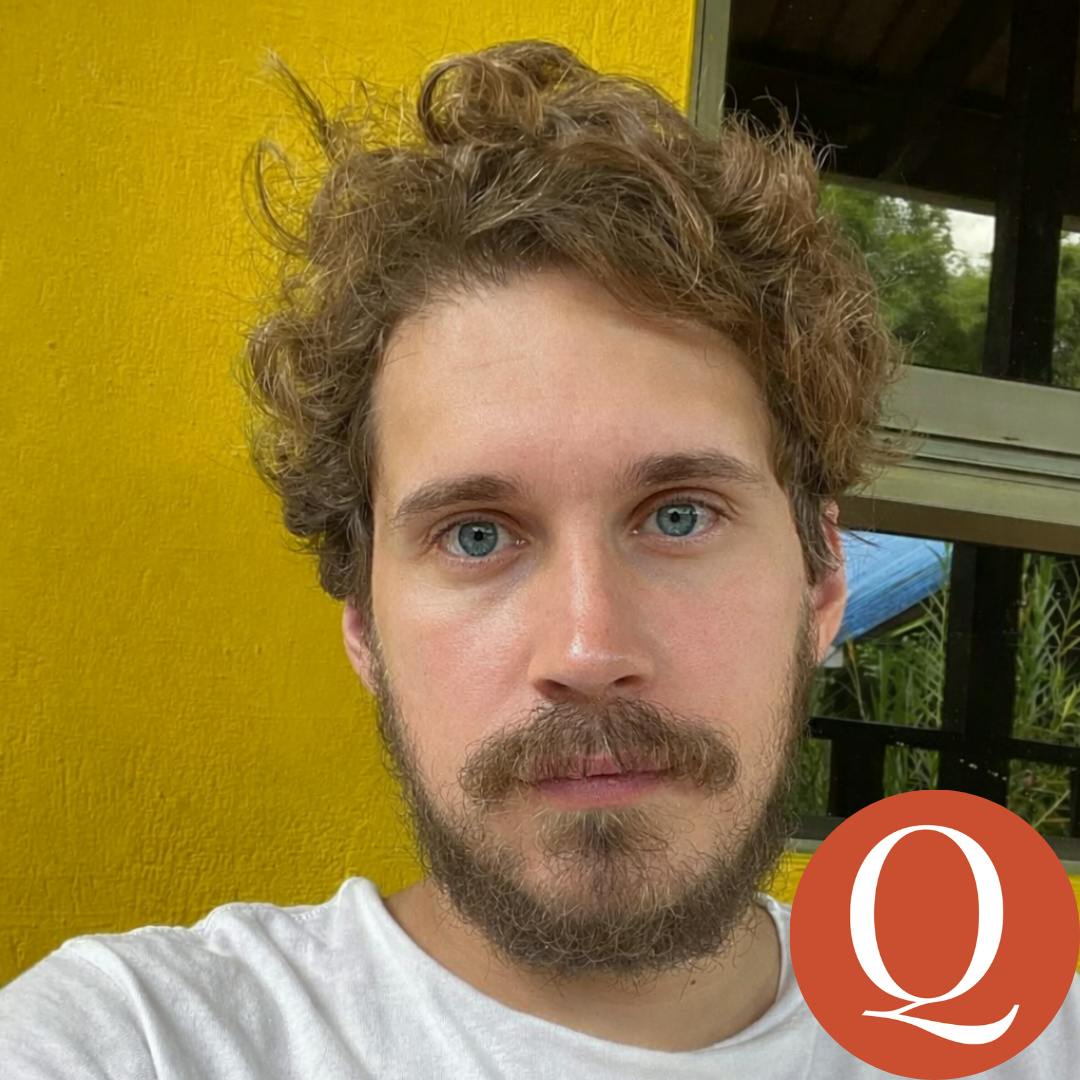
1In this conversation, Zoe Booth and Adam Louis-Klein delve into the complexities of antizionism, exploring its ideological roots, the language used to propagate it, and its normalisation in contemporary society. They discuss the formation of the Movement Against Antizionism (MAAZ) and the importance of recognising antizionism as a distinct form of bigotry. The dialogue also addresses the historical context of antizionism, its evolution in academia, and the psychological warfare embedded in its rhetoric. Throughout, practical strategies are offered for countering antizionist claims—emphasising the need for clarity, courage, and a comprehensive understanding of the issue.
Adam Louis-Klein is an anthropologist and PhD candidate at McGill University. His research focuses on Indigenous cosmologies in the Colombian Amazon and comparative forms of peoplehood. He is the founder of the Movement Against Antizionism (MAAZ), which challenges antizionist ideology as a distinct form of anti-Jewish hatred. His writing and advocacy explore the intersection of academic discourse, identity, and political propaganda.
Timestamps
00:00 Introduction to Adam Louis-Klein and MAAZ
04:00 Interview begins: The Birth of MAAZ and Antizionism
09:10 Language and the Inversion of Reality
11:28 The Evolution of Antizionism
14:08 The Role of Academia in Antizionism
16:55 The Historical Context of Antizionism
19:21 Modern Antizionism and Its Global Impact
21:43 Government Responses to Antizionism
24:33 Understanding Antizionism vs. Antisemitism
27:18 The Psychological Mechanisms Behind Antizionism
29:50 The Australian Context of Antizionism
31:56 Personal Reflections on Antizionism and Academia
38:37 Indigeneity and Cultural Identity
42:22 The Complexity of Genocide Narratives
48:13 Understanding Whiteness and Cultural Concerns
52:47 Historical Atrocities and Political Violence
55:45 The Organisation of Antizionist Movements
01:04:58 The Movement Against Antizionism
Learn more about your ad choices. Visit megaphone.fm/adchoices

From algorithmic incentives to progressive posturing, this episode explores how anti-Semitism has become a feature—not a bug—of influencer culture. Zoe Booth speaks with Corey Walker, a Washington, D.C.-based reporter focusing on the Middle East and global terror groups, about audience capture, the anti-Western project of the modern Left, and why Israel represents values worth conserving.
Learn more about your ad choices. Visit megaphone.fm/adchoices
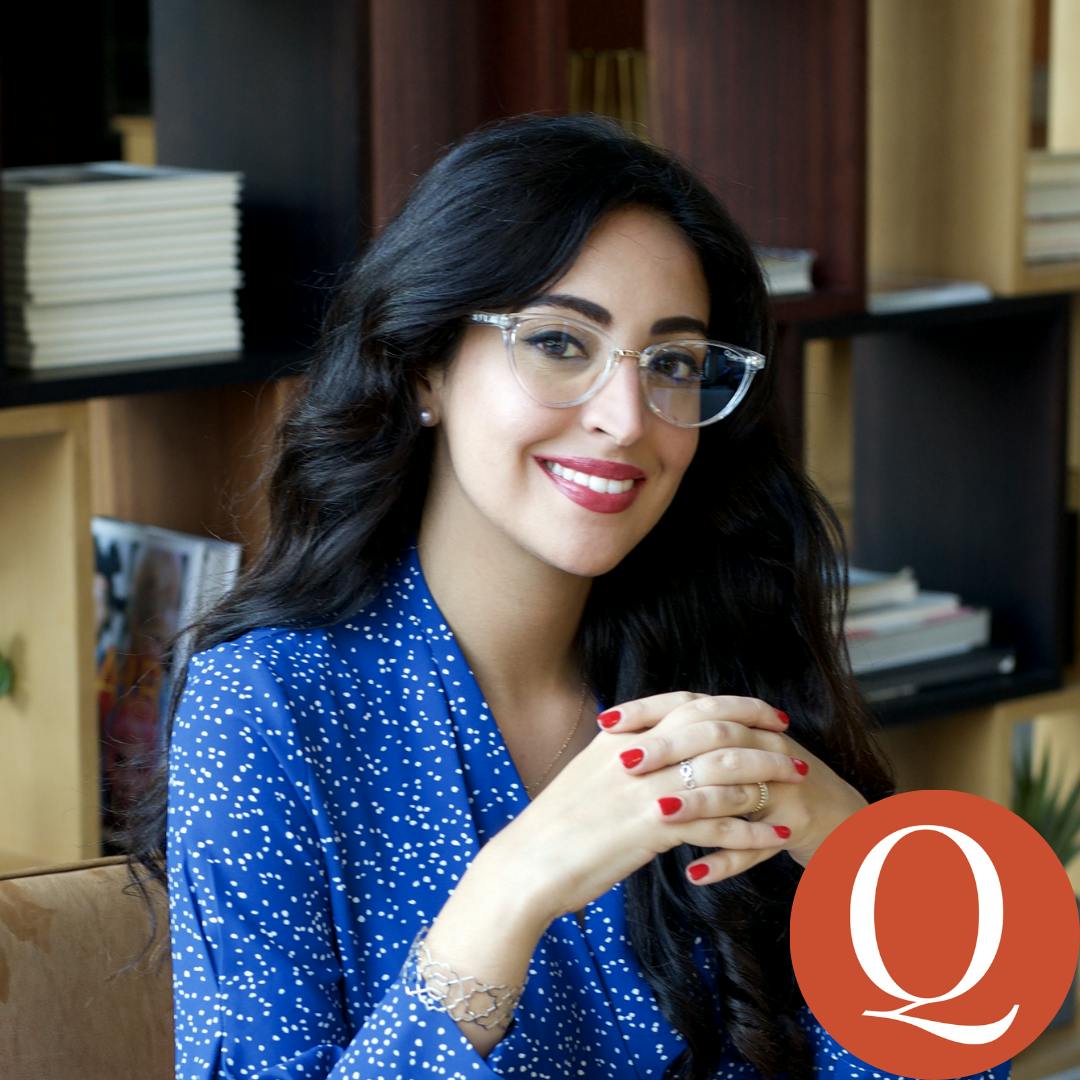
Chama Mechtaly is a Moroccan-American artist, activist, and policy advisor whose work sits at the intersection of cultural preservation, deradicalisation, and Middle Eastern diplomacy.
Born in Casablanca in 1992 to a Muslim mother and a Jewish father of Amazigh heritage, she draws on her complex identity to promote dialogue and coexistence between Muslim and Jewish communities throughout North Africa and the Gulf.
She recently organised the first-ever Abraham Accords Deradicalisation Summit, where she contributed to shaping cultural frameworks for regional integration in the wake of normalisation agreements.
In today’s conversation, we discuss her recent Quillette essay examining Qatar’s ideological reach into Western institutions, the suppression of critical voices, and the broader ambitions of Islamist movements on the global stage.
Drawing from her lived experience across Morocco, the Gulf, and the United States, Chama reflects on how Islamist actors have appropriated the language of democracy to undermine liberal values from within. What emerges is a sobering analysis of the soft power networks quietly reshaping our political and cultural institutions—and the steep cost of looking the other way.
We also explore how culture is weaponised, how the West has failed to confront these forces, and what a path toward genuine peace and pluralism in the Middle East might look like.
Learn more about your ad choices. Visit megaphone.fm/adchoices
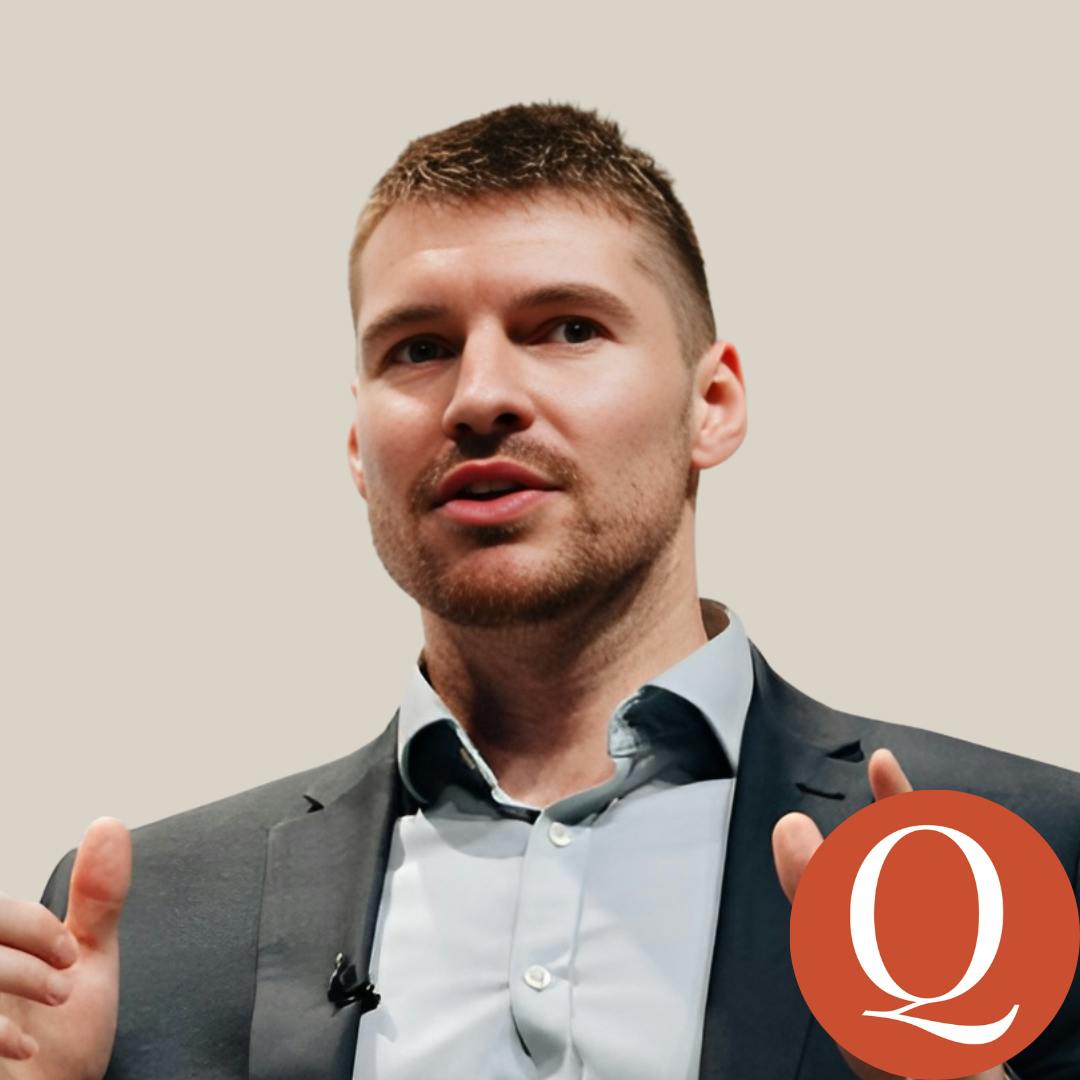
Zoe Booth speaks with Gerard Holland, CEO of the Page Research Centre and a founding member of the Alliance for Responsible Citizenship. Together they explore how foreign funding is shaping Australia’s energy policy, what’s driving the rising cost of living, and why ideological commitments to renewables may be undermining the country’s economic and strategic resilience.
Holland argues that Australia’s transition to green energy has been distorted by international interests, bad economics, and an aversion to politically unpopular technologies like nuclear power. Drawing on original research submitted to a federal Senate inquiry, he makes the case for a return to energy realism—and warns that unless we regain control of our policy decisions, Australia’s prosperity and security may be at risk.
Learn more about your ad choices. Visit megaphone.fm/adchoices
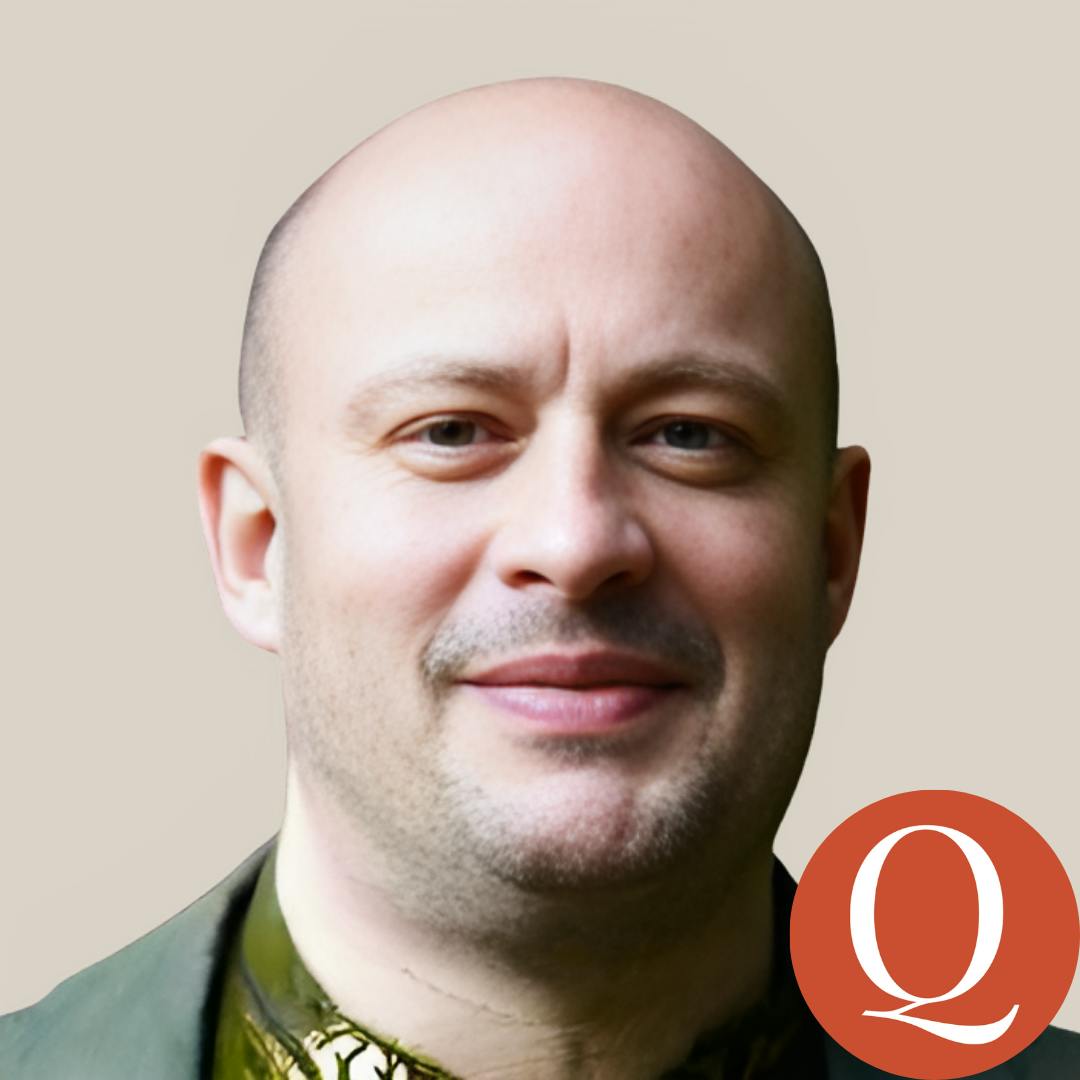
Zoe Booth speaks with Robert King, a psychology lecturer and researcher at University College Cork, whose work explores human sexual behaviour through the lens of evolutionary psychology and behavioural ecology.
Their conversation centres on the evolution of female orgasm—its potential adaptive significance, its neglect within scientific literature, and the cultural forces that continue to shape women's sexual experiences. King discusses the use of animal models in studying human sexuality, the neurobiological mechanisms behind pleasure, and why evolutionary frameworks are still resisted in mainstream discourse.
The discussion ranges widely, touching on female–female competition, the contested status of female ejaculation in both science and society, and the moral panic that often greets biological explanations for sex differences. Throughout, King makes the case for a more honest, curiosity-driven approach to understanding female behaviour—one that neither denies biology nor reduces it to determinism.
His latest book Naturally Selective: Evolution, Orgasm, and Female Choice is available in paperback, hardcover or Kindle.
Learn more about your ad choices. Visit megaphone.fm/adchoices
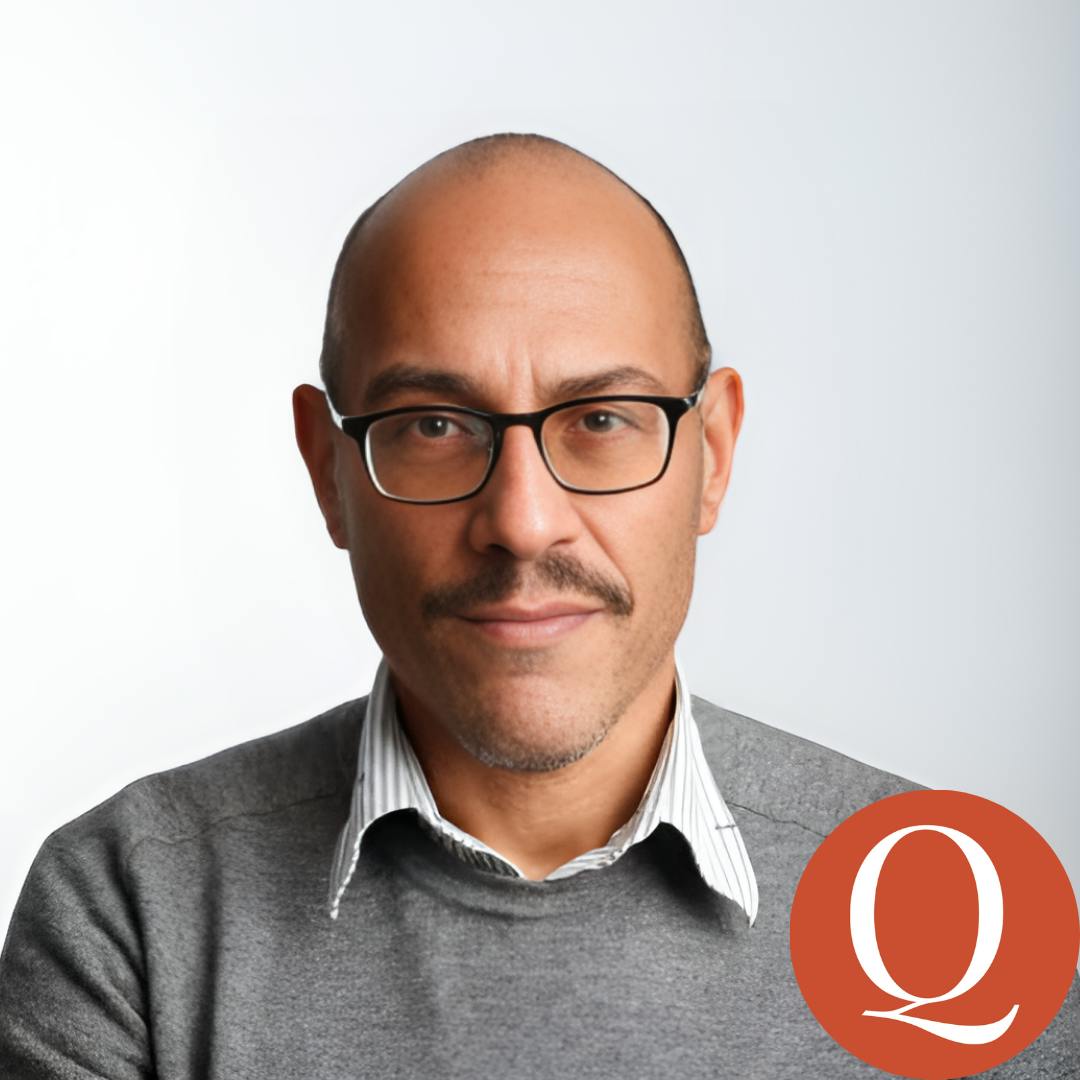
Journalist and former New York Post editor David Kaufman joins Quillette’s Zoe Booth to discuss his viral essay, The Art of Middle Eastern Pillow Talk, in which he recounts an unexpected romantic encounter with a Palestinian man that leads to a frank, civil conversation about Zionism and “genocide” in the aftermath of October 7th.
They also explore the politics of civility and why New York politician Zohran Mamdani has become a symbol of post-October 7th populism. Along the way, Kaufman reflects on fatherhood, race, sexuality, and what it means to speak across ideological lines in an increasingly polarised age.
Learn more about your ad choices. Visit megaphone.fm/adchoices

In this episode of the Quillette Podcast, host Zoe Booth speaks with behavioural scientist Dr Dani Sulikowski about the sociocultural and evolutionary drivers behind collapsing fertility rates in Western societies. Drawing on emerging research and data from her own lab, Dr Sulikowski explores how intersexual competition among women, shifting gender norms, and declining testosterone levels in men may be contributing to a wider pattern of reproductive decline.
Their conversation covers the psychology of modern mating preferences, the unintended consequences of social narratives around motherhood and career, and the cultural implications of pronatalist and antenatalist ideologies. They also discuss contentious issues such as surrogacy, abortion, and assisted dying—all within the context of civilisational health and long-term population sustainability.
This episode offers a thought-provoking examination of the forces shaping human behaviour, fertility, and the future of Western societies.
Learn more about your ad choices. Visit megaphone.fm/adchoices

Sean Welsh is one of Quillette’s most wide-ranging contributors, having written on subjects as varied as artificial intelligence, Middle Eastern politics, and colonial history. Trained in philosophy and employed as a computer programmer, Welsh describes writing as a pursuit of curiosity rather than a career—a way to explore the questions that interest him.
In this conversation, he speaks with Zoe Booth about the breadth of his intellectual interests: from the ethics of robotics and the economic realities of AI, to the contrasting colonial experiences of Australia and New Zealand. Their discussion ranges across history—including the Napoleonic Wars and the rise of British naval power—and into contemporary debates about automation, political institutions, and the contested legacies of indigenous relations. Along the way, Welsh reflects on the dangers of certainty, the value of scepticism, and why he remains an optimist about technology’s role in shaping the future.
Learn more about your ad choices. Visit megaphone.fm/adchoices

In this episode of the Quillette Cetera podcast, host Zoe Booth is joined by Anthony Rispo—a writer, independent researcher, and co-host of The Discourse Lab podcast. Anthony holds a degree in psychology from Columbia University, where he specialised in social cognition and sociopolitical behaviour. His academic research has explored narrative, perspective-taking, and autism, and he founded Columbia’s Heterodox Academy Campus Community to promote open inquiry and viewpoint diversity.
Zoe first discovered Anthony on Instagram, where he shares nuanced, carefully reasoned commentary on culture and politics. His platform offers thoughtful, accessible videos on everything from identity and political behaviour to social psychology and group dynamics.
In this conversation, Zoe and Anthony reflect on their own journeys through highly ideological phases—Anthony as a gay man in activist circles, and Zoe as a self-described vegan Marxist feminist. They discuss how those beliefs affected their personal lives, particularly family relationships, and what it took to step back from those frameworks while still extending empathy to those who remain within them.
Learn more about your ad choices. Visit megaphone.fm/adchoices
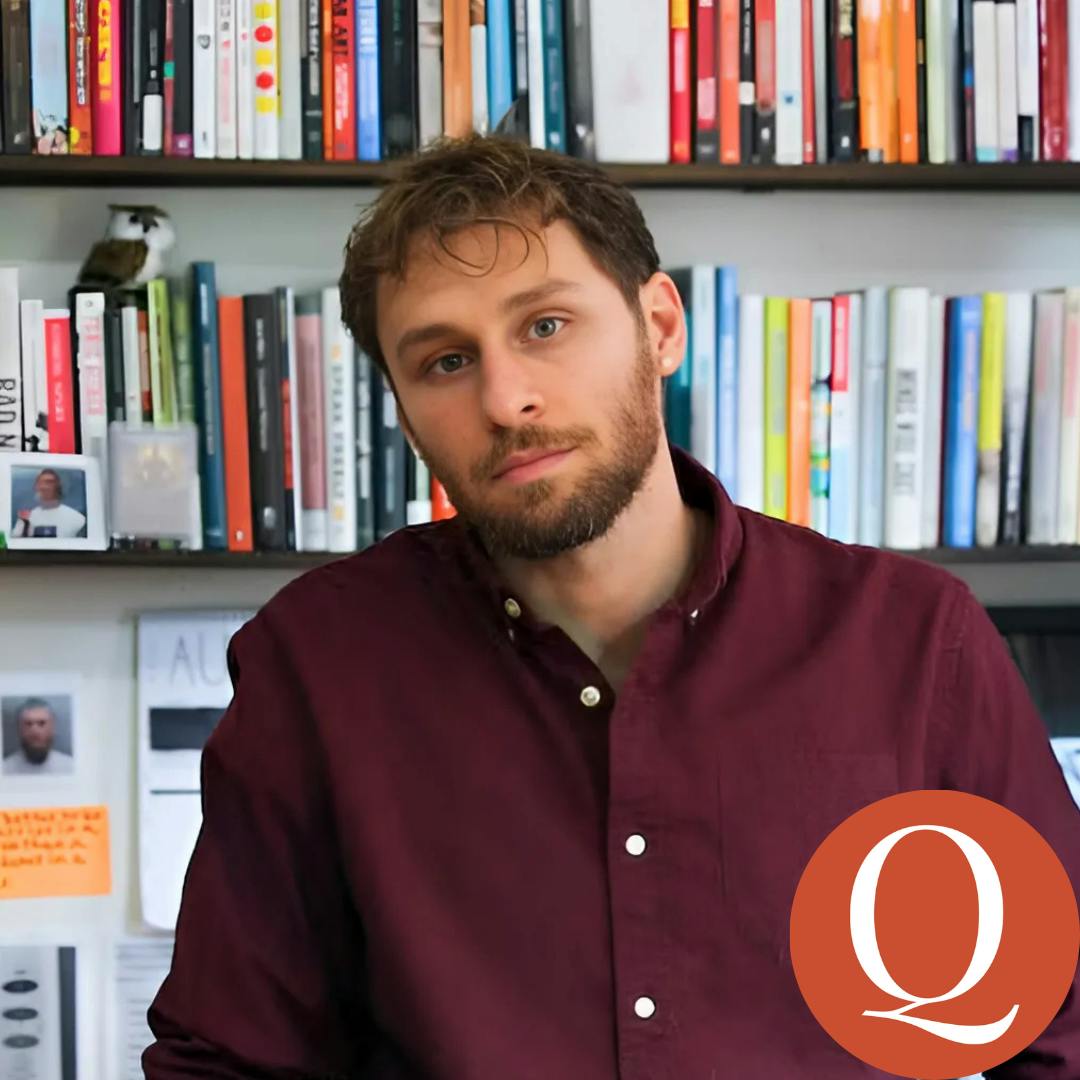
In this episode of Quillette Cetera, Zoe Booth speaks with Harvard fellow and Cornell PhD Adam Szetela—author of new book That Book Is Dangerous: How Moral Panic, Social Media, and the Culture Wars Are Remaking Publishing (MIT Press, 2025).
A working-class kid turned literary insider, Szetela exposes what he calls “the sensitivity era”: a cultural climate in which books are cancelled before they’re published, authors are shamed into grovelling apologies, and sensitivity readers act as ideological enforcers—surveilling fiction for offence.
Drawing on eye-opening examples and experimental research conducted at Cornell’s Social Dynamics Lab, Szetela explains how peer pressure alone can turn readers against even canonical figures like Allen Ginsberg. He also reflects on the publishing industry’s class divide, the fragility of elite institutions, and why pro wrestling and bodybuilding may offer a better education than the Ivy League.
From J.K. Rowling and Goodreads mobs to the politics of soccer and masculinity—this is a frank and timely discussion about literary freedom in an age of moral panic.
Learn more about your ad choices. Visit megaphone.fm/adchoices

In this episode, Dr. Andre Oboler—CEO of the Online Hate Prevention Institute and a global expert on antisemitism, hate speech, and online extremism—joins Zoe Booth to unpack the surge in antisemitic hate speech since October 7, 2023,.
Dr. Oboler discusses recent antisemitic attacks on Australian synagogues, and his role as an expert witness in the landmark Wissam Haddad hate speech case, which tested the limits of Australia’s racial vilification laws. He critiques the failure of major social media platforms to moderate digital hate, and outlines the legal, educational, and community responses needed to address the rise in online antisemitism.
The conversation also tackles a difficult but essential question: How do we protect free speech while holding people accountable for inciting hatred and violence online?
Learn more about your ad choices. Visit megaphone.fm/adchoices

This episode explores how masculinity, identity, and marginalisation can drive young men toward political and religious extremism. Drawing on research with Australian Muslims and broader work on the “Manosphere,” the conversation covers honour cultures, online radicalisation, misogyny, and the emotional undercurrents linking movements from jihadism to the far right. Also discussed: the social impact of economic stagnation, and how healthier models of masculinity might offer a way forward.
Dr Joshua Roose is a political sociologist and Associate Professor at Deakin University, specialising in religion, political violence, and male identity. His work combines ethnographic research with policy insight to examine the forces shaping extremism in contemporary societies.
Note: Unfortunately the last few minutes of this recording were lost due to technical issues.
Learn more about your ad choices. Visit megaphone.fm/adchoices
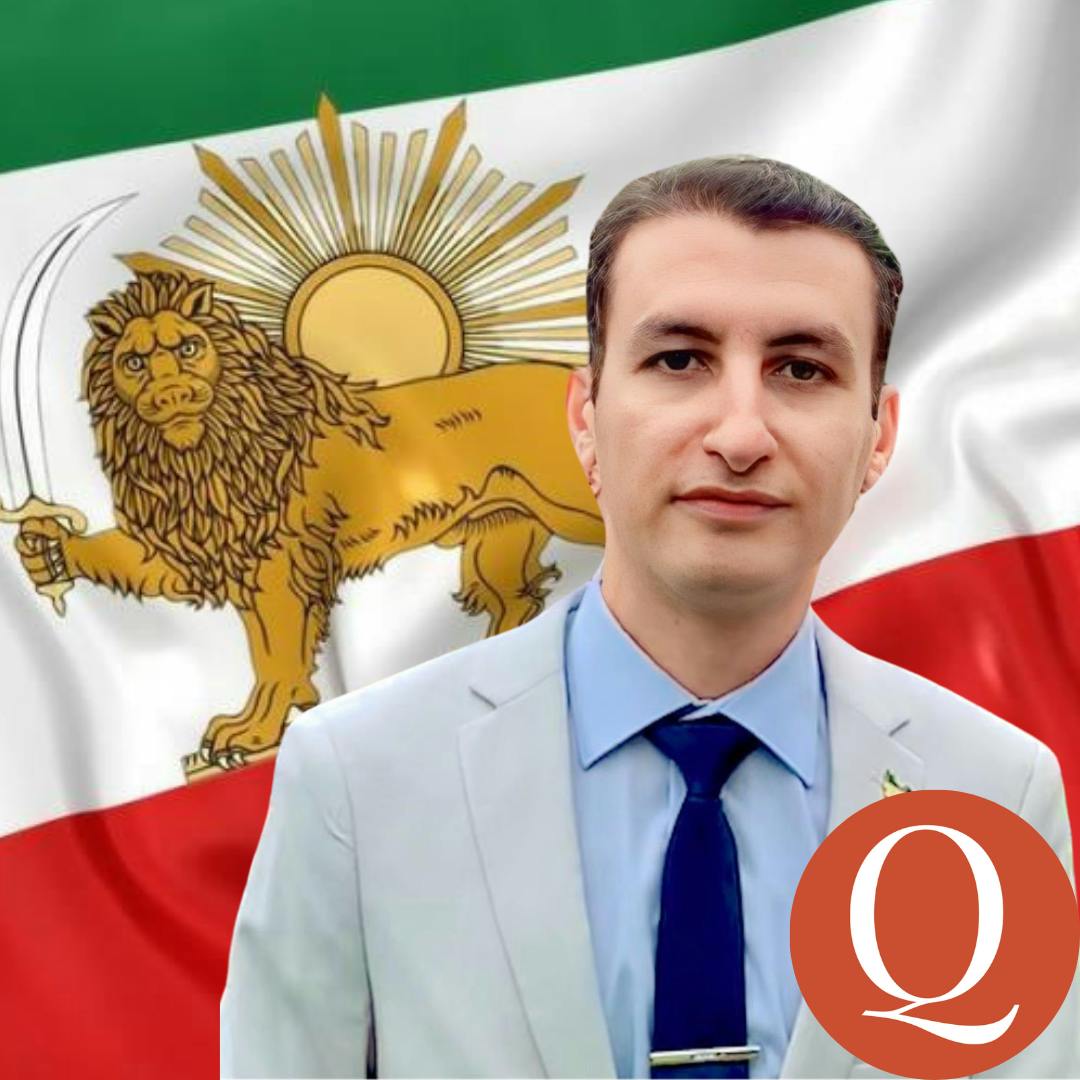
As missiles fly between Tehran and Tel Aviv, I’m joined by Iranian dissident Danial Taghaddos to make sense of a rapidly escalating war—and what it means for the future of Iran, Israel, and the region. Danial moved to Australia in 2018 and became politically active during the 2022 Mahsa Amini protests. A royalist and advocate for a return to constitutional monarchy under the Pahlavi dynasty, he’s emerged as a compelling voice in the Iranian diaspora, challenging both the Islamic Republic and the Western narratives that often obscure the regime’s abuses.In this episode, we talk about Iran’s nuclear ambitions, what the regime actually wants from this war, and how Zoroastrianism and Persian identity shape Iranian views on Israel. We also unpack how the Iranian diaspora organizes abroad, why many Iranians support Israel despite the regime’s propaganda, and how the West continues to misunderstand the Islamic Republic. From public executions to political repression—and threat of Islamism and regime spies operating in the West—this conversation is a sobering look at the human cost of Tehran’s ambitions, and a hopeful one about the people resisting from within and without.
Learn more about your ad choices. Visit megaphone.fm/adchoices
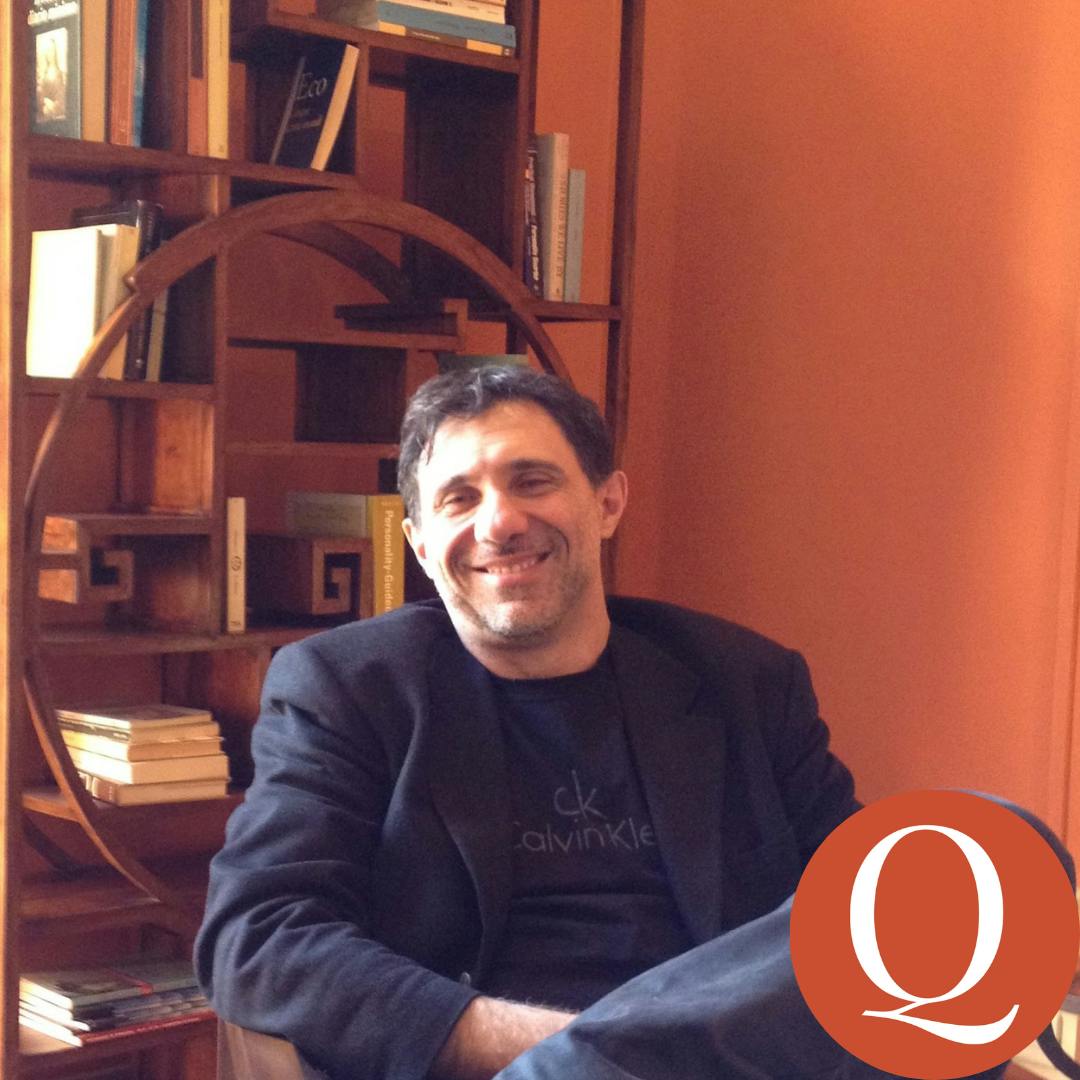
In this episode, Quillette’s Zoe Booth sits down with Dr Giancarlo Dimaggio—an internationally recognised psychiatrist and psychotherapist best known for his work on metacognitive therapy and the treatment of personality disorders. Based in Rome, Dr Dimaggio is the co-founder of the Centre for Metacognitive Interpersonal Therapy and has published extensively on narcissistic, borderline, and avoidant personality disorders. With a Hirsch index of 56, he is one of Italy’s most highly cited psychotherapists. He also serves as Editor-in-Chief of the Journal of Clinical Psychology: In Session and as a Senior Associate Editor of the Journal of Psychotherapy Integration.
Their conversation explores the intricacies of narcissistic personality disorder and the broader challenges of diagnosing and treating personality disorders. They unpack common misconceptions about narcissism, reflect on how early experiences shape personality, and examine what makes therapy effective for patients often deemed "difficult to treat."
Learn more about your ad choices. Visit megaphone.fm/adchoices
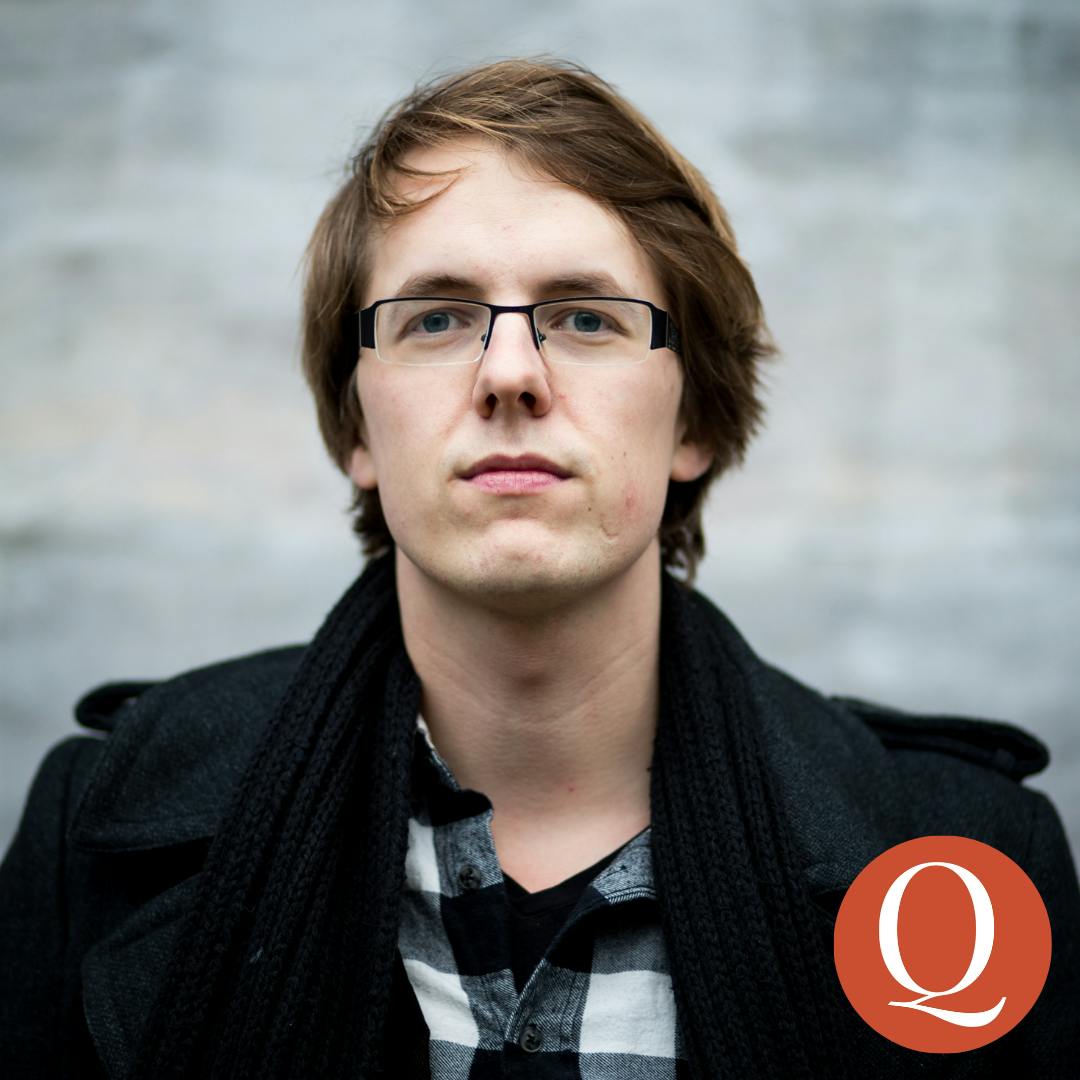
Maarten Boudry is a Belgian philosopher of science and a prominent public intellectual known for his work on pseudoscience, secularism, and ideological bias. He is a research professor at Ghent University and a vocal advocate for free inquiry and Enlightenment values.In this episode, Zoe Booth speaks with Maarten Boudry about the growing discomfort around discussing Israel in academic settings—particularly following the October 7 Hamas attacks. Maarten shares how the backlash to Israel's response prompted him to re-evaluate his own views and take a keener interest in the region.They explore why Israel has become a third-rail topic in universities, the role of antisemitism in shaping public narratives, and the broader challenges of defending liberal values in a climate of ideological conformity. The conversation covers academic boycotts, preference falsification among students, and the leftward shift in higher education. Zoe and Maarten also reflect on Quillette’s role in challenging dogma and protecting open inquiry from ideological capture.
Learn more about your ad choices. Visit megaphone.fm/adchoices
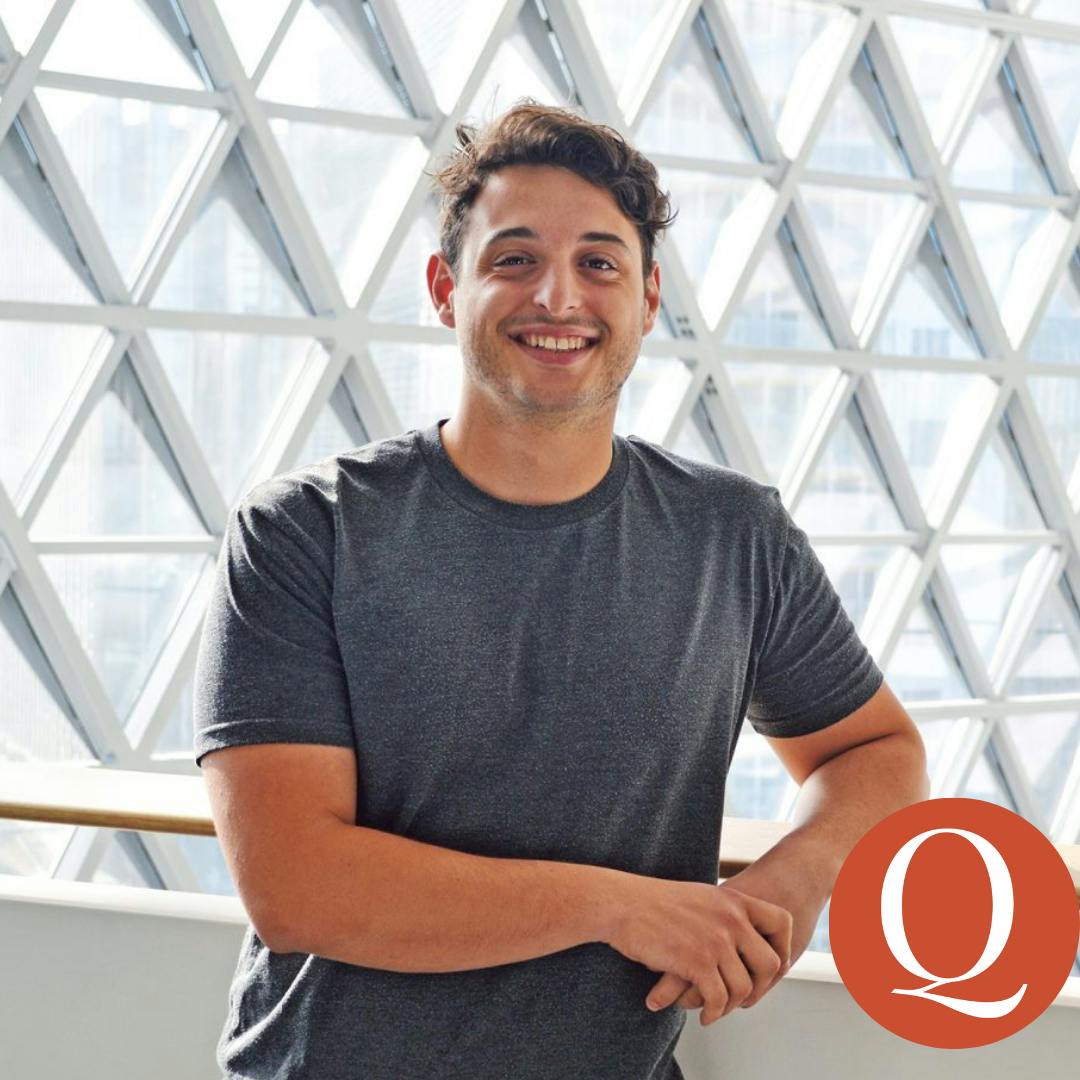
Mental health isn’t just about avoiding illness—it’s about learning how to thrive. In this episode, mental health researcher Dr. Matthew Iasiello explains the “dual-continuum” model: a framework that sees mental illness and well-being as distinct but connected. With insights from his podcast Researching Happy and his work at SAHMRI and Be Well Co, Matt joins Zoe to unpack the idea of languishing, why we need better ways to measure well-being, and how culture shapes our mental health.
Learn more about your ad choices. Visit megaphone.fm/adchoices
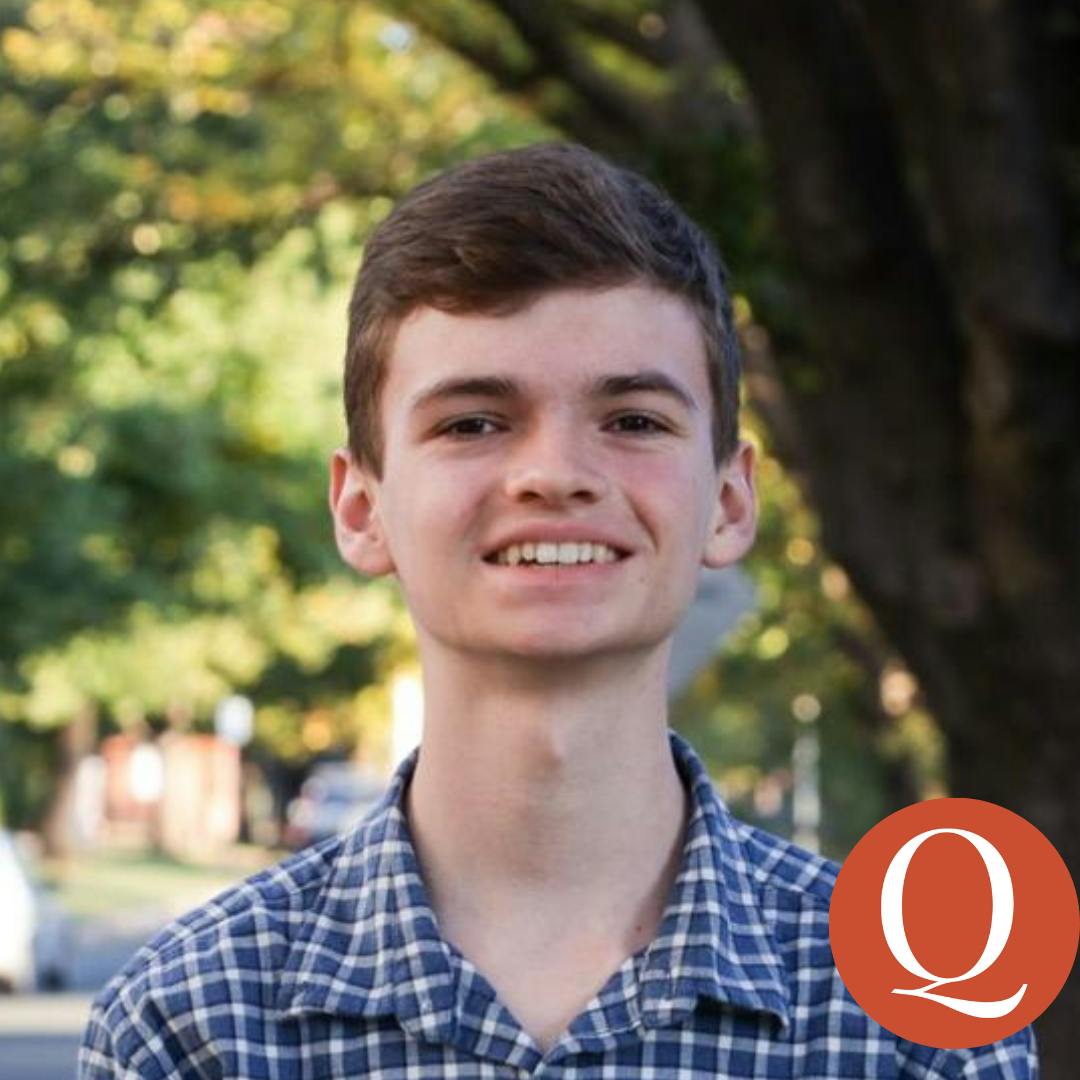
In this conversation, Zoe Booth speaks with Will Shackel, an 18-year-old energy advocate and founder of Nuclear for Australia, a youth-led campaign pushing for the inclusion of nuclear power in the country’s energy mix. They discuss the rising cost of electricity and the structural challenges facing the national grid. Shackel makes the case for nuclear energy—particularly small modular reactors—as a reliable, low-emission solution. Together, they explore the history of Australia’s nuclear ban, the political divisions surrounding the issue, and the need for a science-based, bipartisan approach to energy policy.
Learn more about your ad choices. Visit megaphone.fm/adchoices
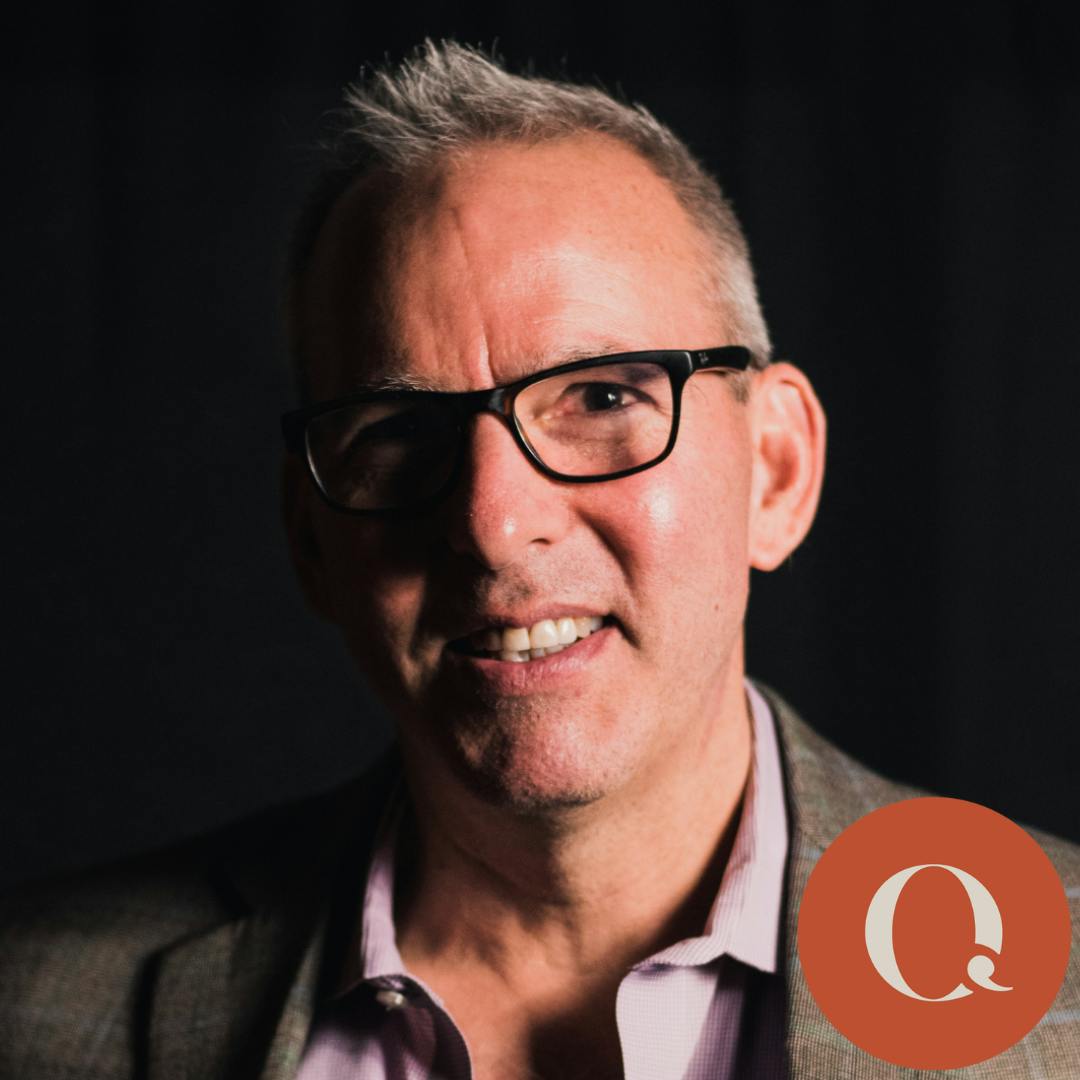
Quillette's Senior Editor, Jonathan Kay reflects on his time ghostwriting Justin Trudeau’s memoir and shares his take on Trudeau’s political trajectory—from golden boy to polariser-in-chief. We get into the highs of his early leadership, his pivot to hardcore social progressivism, the fallout from the truckers’ protest, and the growing anxiety around immigration. Kay also weighs in on the rise of Pierre Poilievre, the new conservative contender shaking up Canada’s political scene.
Learn more about your ad choices. Visit megaphone.fm/adchoices

Comments

Download from Google Play

Download from App Store
 United States