


 Claim Ownership
My Big Safety Challenge
Subscribed: 25Played: 515
Subscribe

© 2025
Description
Safety leadership is more than complying with rules and regulations. It’s about creating solutions that are relational, inspirational, and transformational. BCSP, the gold standard in safety certification, and Dale Carnegie (DC), the premier expert in leadership training, introduce you to safety professionals who have solved unique challenges in innovative ways. Let the lessons they’ve learned help you lead your team. The BCSP+DC partnership builds leaders in the safety, health, and environmental profession through a series of live, interactive online courses. “My Big Safety Challenge” highlights safety leaders applying those principles in real-world scenarios.
54 Episodes
Reverse
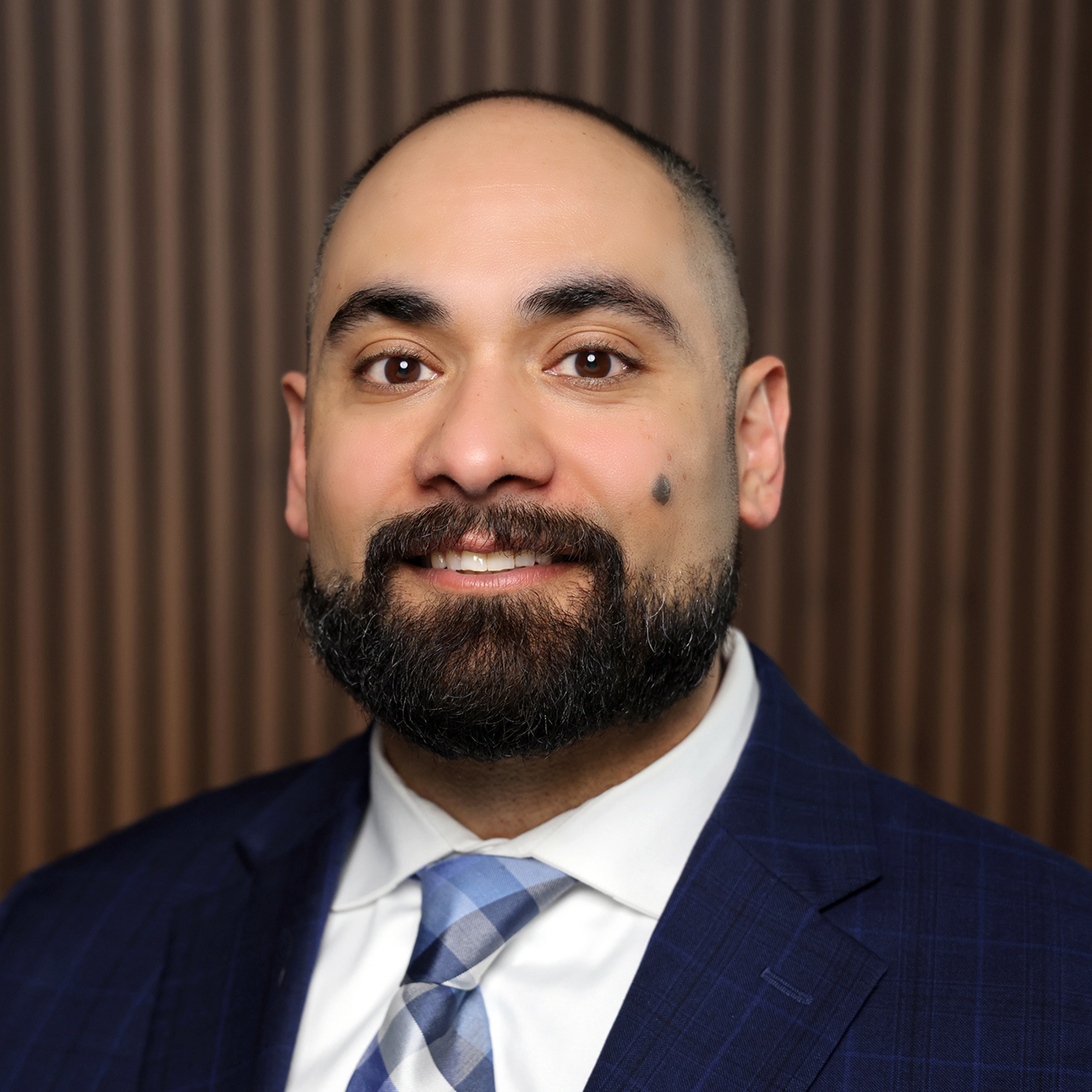
Substance use disorder can affect anyone, including the people we work alongside every day. For Dr. Mohannad Kusti, president and chief medical officer of OSH360, supporting those workers starts with seeing the person behind the problem.As an occupational medicine specialist who began his career at NIOSH working with coal miners and silica exposure, Dr. Kusti now focuses much of his work on substance use disorder and reducing the stigma surrounding it. Through his Fortitude180 framework, he is helping workplaces take a more human approach to treatment by considering the circumstances that contribute to substance use and giving workers the support they need to move forward. In this episode, Dr. Kusti discusses how safety professionals can recognize when someone may need help, respond with empathy, and build solutions that work for the people they are designed to support.

Galen Blanton started at OSHA right out of college as a GS-4 health clerk, thinking a government job might simply get his foot in the door. Instead, the admin work that kept the office running sparked a genuine curiosity about safety and launched a career that would take him “from the basement to the top.”Before retiring, Galen served as regional administrator for OSHA’s Boston region, but his approach to safety was shape by experiences far beyond any office. From his time in Hawaii, where he learned the value of “talking story” and understanding how culture shapes safety, to advocating for people who needed someone in their corner, relationships remained at the heart of his work. In this episode, Galen discusses why OSHA should be viewed as a resource rather than the “big bad wolf,” how leaders shape the way employees experience safety, and why meaningful safety cultures are built through genuine connection.

Scott Johnson, CSP, ASP still considers himself a “construction worker at heart.” But a chance encounter with a safety class in college set his career on a different course.At a time when safety was still an emerging field, Scott saw its potential to make a real difference in workplaces and in peoples’ lives. Today, as vice president of safety and quality for the Americas at Schindler Elevator, he has seen the profession evolve from a focus on compliance to a greater understanding of the people behind the work. In this episode, Scott reflects on the lessons he’s learned along the way, from building genuine relationships with frontline workers to creating safety buy-in and making incremental changes that last.

When Monique Parker was considering whether to step into the role as president of ASSP, one thing gave her pause: she was already busy. But she also knew life wasn’t going to get less busy, and there was an impact she wanted to make. So, she decided to make it.That drive to make a difference has shaped Monique’s career from the beginning. Monique went to school to become a chemical engineer, but engineering wasn’t quite right—she needed to know the people she worked with were safe, and thus a career in EHS began. Today, she is the president of ASSP and chief sustainability officer at Elevra Lithium. In this episode, Monique reflects on the people and experiences that have shaped her as a safety leader, and why making an impact requires a willingness to keep learning, reflect on who you are, and grow along the way.

Eliminating workplace fatalities by 2050 is an ambitious goal. For Kent McElHattan, it’s also a deeply personal one.Safety has been a part of Kent’s life for decades, from helping grow Industrial Scientific into a global leader in gas detection to serving as chairman of the National Safety Council. Along the way, he came to understand that workplace fatalities often aren’t the result of people simply being careless. They happen while workers are trying to get the job done.Now, through the McElhattan Foundation and its Zero2050 initiative, Kent is working to change that. In this episode he discusses what it may take to eliminate workplace fatalities, why near misses deserve greater attention, and how a $1 million prize is helping fuel the search for life-saving safety solutions.

Comments

Download from Google Play

Download from App Store
 United States