


 Claim Ownership
Urology Disease State Awareness Podcast
Subscribed: 4Played: 12
Subscribe

© Lupin, India
Description
Urology disease state awareness podcast is for creating awareness about urological conditions like Benign Prostatic Hyperplasia (BPH), Overactive Bladder (OAB), Urinary Track Infection (UTI), Kidney stones, Erectile Dysfunction (ED), Prostate Cancer and other urological conditions. This talk aims to provide an urology expert perspective with more clarity on urological conditions.
118 Episodes
Reverse
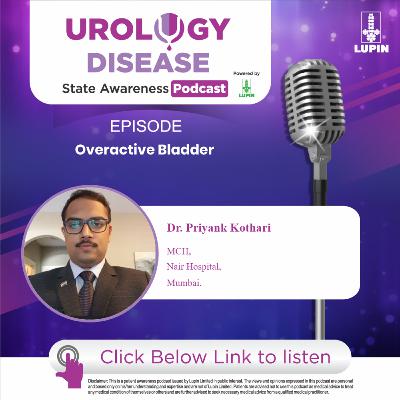
Overactive bladder (OAB) is a condition characterized by a frequent and sudden urge to urinate. It can lead to involuntary urine leakage. Common treatment options include lifestyle modifications, medication, pelvic floor exercises, nerve stimulation, Botox injections, or surgery. Consulting with a healthcare professional is essential for proper diagnosis and personalized management.
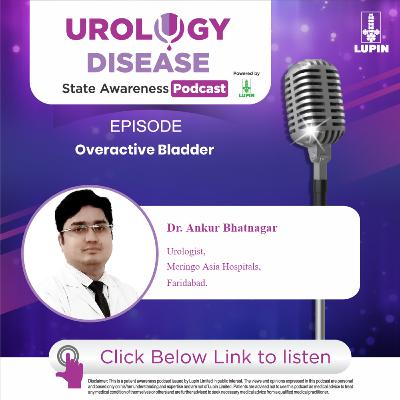
Overactive bladder (OAB) is a condition characterized by a frequent and sudden urge to urinate. It can lead to involuntary urine leakage. Common treatment options include lifestyle modifications, medication, pelvic floor exercises, nerve stimulation, Botox injections, or surgery. Consulting with a healthcare professional is essential for proper diagnosis and personalized management.
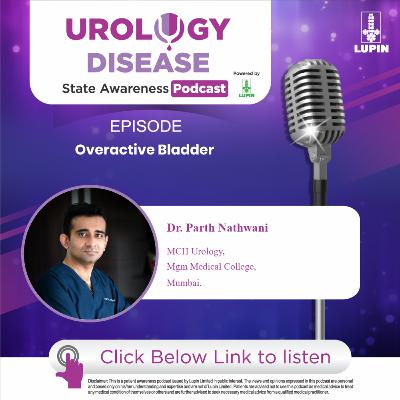
Overactive bladder (OAB) is a condition characterized by a frequent and sudden urge to urinate. It can lead to involuntary urine leakage. Common treatment options include lifestyle modifications, medication, pelvic floor exercises, nerve stimulation, Botox injections, or surgery. Consulting with a healthcare professional is essential for proper diagnosis and personalized management.
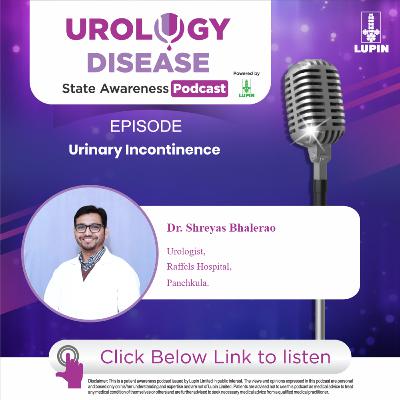
Urinary incontinence is the involuntary loss of urine, making it difficult to control the bladder. It can be caused by various factors and has different types, including stress, urge, overflow, and functional incontinence. Treatment options include lifestyle changes, medication, medical devices, and surgery. Seeking medical advice is crucial for diagnosis and personalized management. Support groups and educational resources can provide additional guidance.
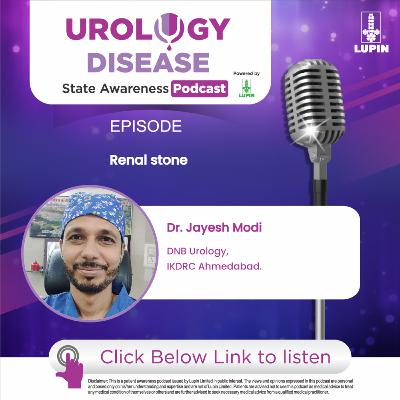
Renal stones, also known as kidney stones, are solid mineral and salt deposits that form within the kidneys. This topic explores the causes, symptoms, diagnosis, and treatment options associated with renal stones. It delves into the different types of kidney stones, such as calcium, uric acid, and struvite stones, and discusses risk factors, including diet, dehydration, and certain medical conditions. Additionally, the topic covers prevention strategies and lifestyle modifications to reduce the occurrence of renal stones and offers insights into the potential complications and long-term management of this condition.
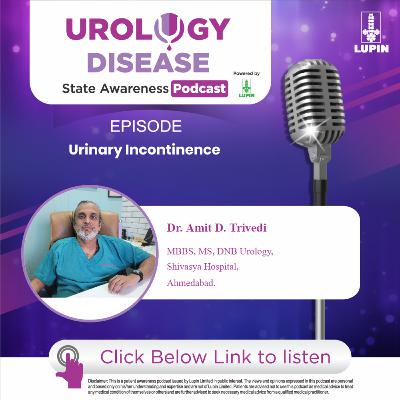
Urinary incontinence is the involuntary loss of urine, making it difficult to control the bladder. It can be caused by various factors and has different types, including stress, urge, overflow, and functional incontinence. Treatment options include lifestyle changes, medication, medical devices, and surgery. Seeking medical advice is crucial for diagnosis and personalized management. Support groups and educational resources can provide additional guidance.
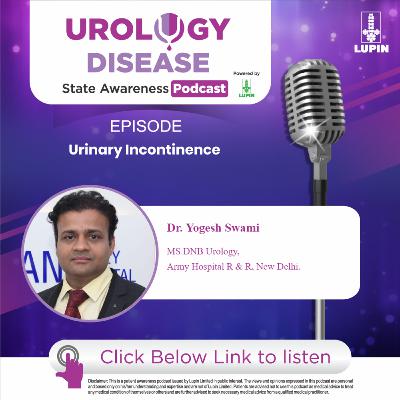
Urinary incontinence is the involuntary loss of urine, making it difficult to control the bladder. It can be caused by various factors and has different types, including stress, urge, overflow, and functional incontinence. Treatment options include lifestyle changes, medication, medical devices, and surgery. Seeking medical advice is crucial for diagnosis and personalized management. Support groups and educational resources can provide additional guidance.
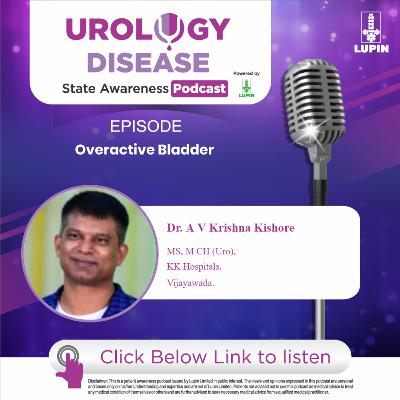
Overactive bladder (OAB) is a condition characterized by a frequent and sudden urge to urinate. It can lead to involuntary urine leakage. Common treatment options include lifestyle modifications, medication, pelvic floor exercises, nerve stimulation, Botox injections, or surgery. Consulting with a healthcare professional is essential for proper diagnosis and personalized management.
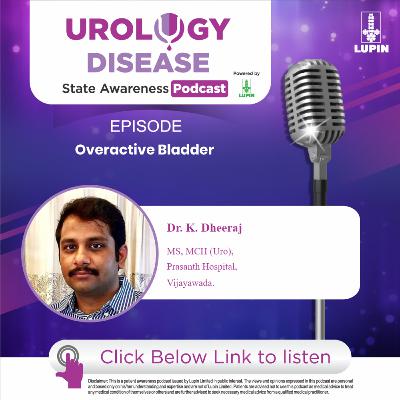
Overactive bladder (OAB) is a condition characterized by a frequent and sudden urge to urinate. It can lead to involuntary urine leakage. Common treatment options include lifestyle modifications, medication, pelvic floor exercises, nerve stimulation, Botox injections, or surgery. Consulting with a healthcare professional is essential for proper diagnosis and personalized management.
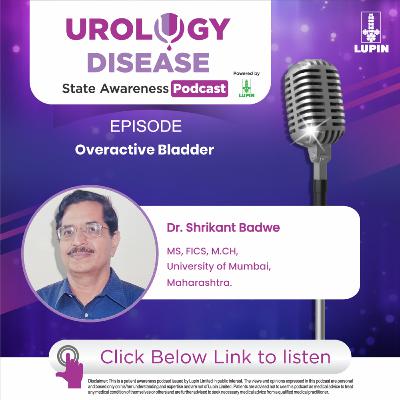
Overactive bladder (OAB) is a condition characterized by a frequent and sudden urge to urinate. It can lead to involuntary urine leakage. Common treatment options include lifestyle modifications, medication, pelvic floor exercises, nerve stimulation, Botox injections, or surgery. Consulting with a healthcare professional is essential for proper diagnosis and personalized management.
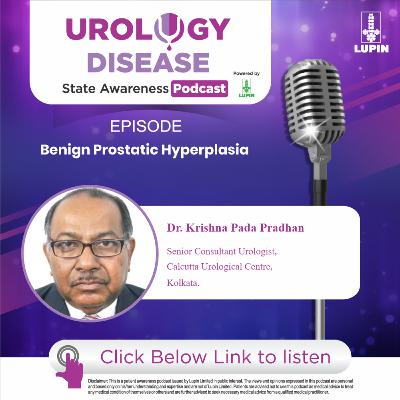
Benign prostatic hyperplasia (BPH) is a non-cancerous enlargement of the prostate gland in men. It can cause urinary symptoms like increased frequency, urgency, weak urine flow, and difficulty emptying the bladder. Treatment options include medications, minimally invasive procedures, or surgery, depending on the severity of symptoms. Consulting with a urologist is important for diagnosis and personalized management
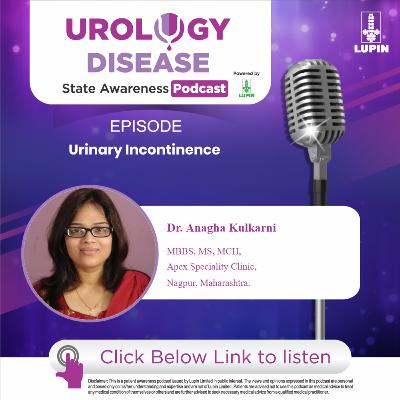
Urinary incontinence is the involuntary loss of urine, making it difficult to control the bladder. It can be caused by various factors and has different types, including stress, urge, overflow, and functional incontinence. Treatment options include lifestyle changes, medication, medical devices, and surgery. Seeking medical advice is crucial for diagnosis and personalized management. Support groups and educational resources can provide additional guidance.
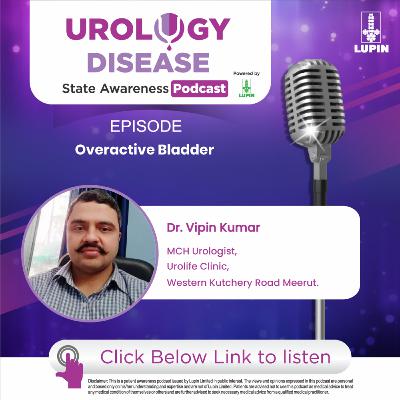
Overactive bladder (OAB) is a condition characterized by a frequent and sudden urge to urinate. It can lead to involuntary urine leakage. Common treatment options include lifestyle modifications, medication, pelvic floor exercises, nerve stimulation, Botox injections, or surgery. Consulting with a healthcare professional is essential for proper diagnosis and personalized management.
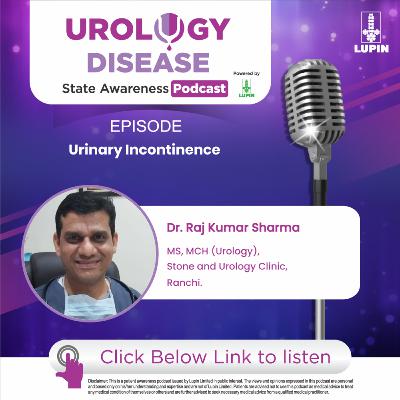
Urinary incontinence is the involuntary loss of urine, making it difficult to control the bladder. It can be caused by various factors and has different types, including stress, urge, overflow, and functional incontinence. Treatment options include lifestyle changes, medication, medical devices, and surgery. Seeking medical advice is crucial for diagnosis and personalized management. Support groups and educational resources can provide additional guidance.
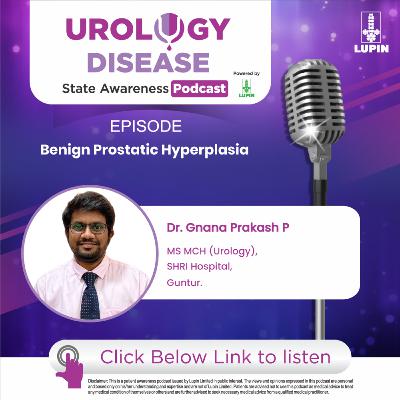
Benign prostatic hyperplasia (BPH) is a non-cancerous enlargement of the prostate gland in men. It can cause urinary symptoms like increased frequency, urgency, weak urine flow, and difficulty emptying the bladder. Treatment options include medications, minimally invasive procedures, or surgery, depending on the severity of symptoms. Consulting with a urologist is important for diagnosis and personalized management
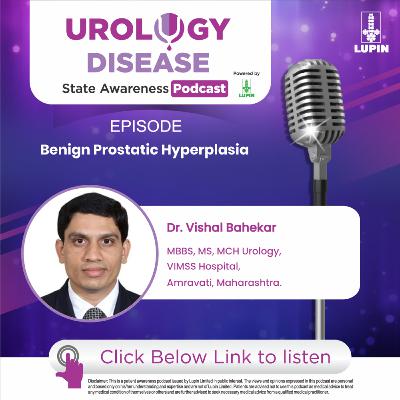
Benign prostatic hyperplasia (BPH) is a non-cancerous enlargement of the prostate gland in men. It can cause urinary symptoms like increased frequency, urgency, weak urine flow, and difficulty emptying the bladder. Treatment options include medications, minimally invasive procedures, or surgery, depending on the severity of symptoms. Consulting with a urologist is important for diagnosis and personalized management.
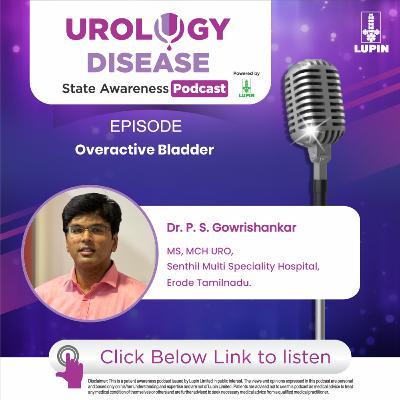
Overactive bladder (OAB) is a condition characterized by a frequent and sudden urge to urinate. It can lead to involuntary urine leakage. Common treatment options include lifestyle modifications, medication, pelvic floor exercises, nerve stimulation, Botox injections, or surgery. Consulting with a healthcare professional is essential for proper diagnosis and personalized management.
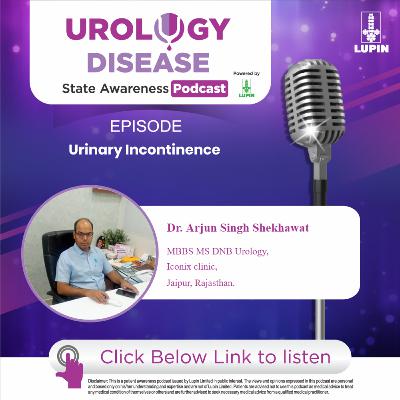
Urinary incontinence is the involuntary loss of urine, making it difficult to control the bladder. It can be caused by various factors and has different types, including stress, urge, overflow, and functional incontinence. Treatment options include lifestyle changes, medication, medical devices, and surgery. Seeking medical advice is crucial for diagnosis and personalized management. Support groups and educational resources can provide additional guidance.
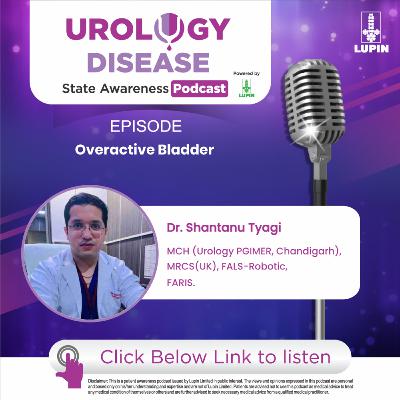
Overactive bladder (OAB) is a condition characterized by a frequent and sudden urge to urinate. It can lead to involuntary urine leakage. Common treatment options include lifestyle modifications, medication, pelvic floor exercises, nerve stimulation, Botox injections, or surgery. Consulting with a healthcare professional is essential for proper diagnosis and personalized management.
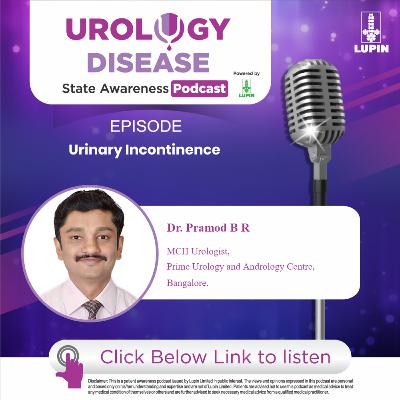
Overactive bladder (OAB) is a condition characterized by a frequent and sudden urge to urinate. It can lead to involuntary urine leakage. Common treatment options include lifestyle modifications, medication, pelvic floor exercises, nerve stimulation, Botox injections, or surgery. Consulting with a healthcare professional is essential for proper diagnosis and personalized management.

Comments

Download from Google Play

Download from App Store
 United States