


 Claim Ownership
There's More to That
Subscribed: 284Played: 3,842
Subscribe

© 2023 - 2025 Smithsonian Magazine
Description
Smithsonian magazine covers history, science and culture in the way only it can — through a lens on the world that is insightful and grounded in richly reported stories. On There's More to That, meet the magazine's journalists and hear how they discover the forces behind the biggest issues of our time. Every two weeks, There’s More to That will give curious listeners a fresh understanding of the world we all inhabit.
Host Ari Daniel is an independent science journalist who has reported across six continents and contributes regularly to National Public Radio among other outlets. In a previous life, he trained grey seal pups and studied wild Norwegian killer whales. In the fifth grade, Ari won the "Most Contagious Smile" award.
58 Episodes
Reverse
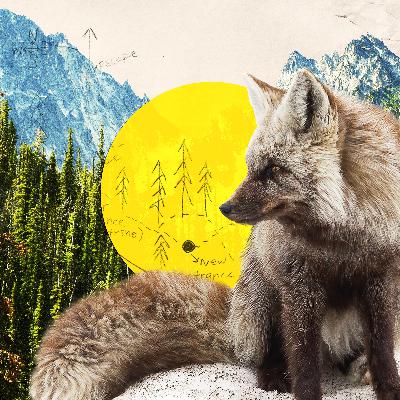
Gretchen Kay Stuart is a wildlife photographer who has cultivated a special relationship with the Cascade red fox. She first spotted the rare animal in 2020 on the slope of Mount Rainier in Washington State. “I instantly fell in love,” she recalls.So Stuart started documenting the foxes wherever she could. Sometimes she’s witnessed tragic endings, but other times, the outcome has been more rewarding. For instance, she received exclusive access to photograph a family of these foxes, and her documentation is helping bring awareness to this subspecies that has only 50-some individuals remaining.In this episode, host Ari Daniel talks to Stuart and Jocelyn Akins of the Cascades Carnivore Project about what makes these foxes special, the threats they’re facing, and what’s being done to keep them from going extinct.A transcript is below. Stuart’s favorite Cascade red fox photograph will be featured in a new exhibition, “The Nature of Hope,” celebrating the life of Jane Goodall. The image is also part of a fundraiser sponsored by the conservation group Vital Impacts to benefit the Jane Goodall Institute.To subscribe to “There’s More to That,” and to listen to past episodes about a prehistoric cave that entombed animals for millennia; the teeming world of migrating birds, bats and bugs above our heads; and the army of experts and citizen scientists devoted to protecting native bees, find us on Apple Podcasts, Spotify, iHeartRadio or wherever you get your podcasts.“There’s More to That” is a production of Smithsonian magazine and PRX Productions. From the magazine, our team is Ari Daniel, Debra Rosenberg and Brian Wolly. From PRX, our team is Ali Budner, Cleo Levin, Genevieve Sponsler, Sandra Lopez-Monsalve and Edwin Ochoa. The executive producer of PRX Productions is Jocelyn Gonzales.Fact-checking by Stephanie Abramson.Episode artwork by Emily Lankiewicz. Images by Gretchen Kay Stuart and public domain.
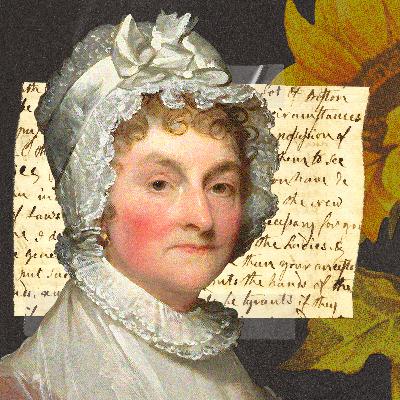
In March of 1776, Abigail Adams — who would go on to become the nation’s second first lady — wrote a letter to her husband, John Adams, as he and the other founders were debating independence. She wrote, "I desire you would remember the ladies and be more generous and favorable to them than your ancestors. Do not put such unlimited power into the hands of the husbands."A common contemporary interpretation is that Abigail Adams was advocating for women’s suffrage and rights more broadly. But most historians offer an alternative understanding. They believe that she was condemning husbands who had unchecked power over their wives.In this episode, host Ari Daniel speaks with historian Cassandra Good about the role of women in revolutionary America, the importance of this letter at the time, and how it has been interpreted since.A transcript is below. To subscribe to “There’s More to That” and to listen to past episodes about Smithsonian magazine’s interactive map to celebrate the 250th birthday of the United States, the discovery of an enslaved man’s narrative about his fight for freedom, and a baseball field resurrected in a World War II-era Japanese internment camp, find us on Apple Podcasts, Spotify, iHeartRadio or wherever you get your podcasts.“There’s More to That” is a production of Smithsonian magazine and PRX Productions. From the magazine, our team is Ari Daniel, Debra Rosenberg and Brian Wolly. From PRX, our team is Ali Budner, Cleo Levin, Genevieve Sponsler, Sandra Lopez-Monsalve and Edwin Ochoa. The executive producer of PRX Productions is Jocelyn Gonzales.Fact-checking by Stephanie Abramson.Episode artwork by Emily Lankiewicz. Images via Massachusetts Historical Society / National Gallery of Art and public domain
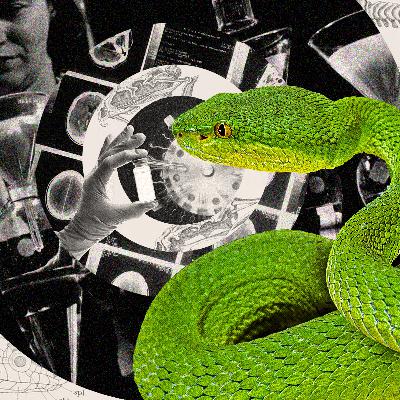
Snakes bite five million people each year, killing some 125,000 and disfiguring or blinding three times as many. Antivenoms aren’t always readily available where the problematic snakes live. They also can be deadly themselves, as they could induce life-threatening allergic reactions.Within the last couple years, however, researchers have made substantial progress toward creating safer antivenoms, reducing the chance of anaphylaxis. Some dream of a universal remedy, but venom is a complex brew, and many of its most dangerous components remain unknown to science.In this episode, host Ari Daniel speaks with journalist Victoria Malloy, who wrote a story for Smithsonian magazine about antivenoms, and researcher Irene Khalek. They discuss the danger of snakebites globally, the history of antivenoms and their traditional manufacture, and the various efforts underway to create safer versions.To subscribe to “There’s More to That,” and to listen to past episodes about the teeming world of migrating birds, bats and bugs above our heads; a prehistoric cave that entombed animals for millennia; and the army of experts and citizen scientists devoted to protecting native bees, find us on Apple Podcasts, Spotify, iHeartRadio or wherever you get your podcasts.“There’s More to That” is a production of Smithsonian magazine and PRX Productions. From the magazine, our team is Ari Daniel, Debra Rosenberg and Brian Wolly. From PRX, our team is Ali Budner, Cleo Levin, Genevieve Sponsler, Sandra Lopez-Monsalve and Edwin Ochoa. The executive producer of PRX Productions is Jocelyn Gonzales.Fact-checking by Stephanie Abramson.Episode artwork by Emily Lankiewicz. Illustration by Emily Lankiewicz / Images from Paul Starosta via Getty Images and public domain.
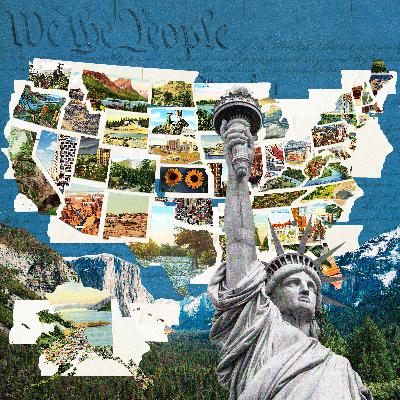
In honor of the United States’ 250th birthday this year, Smithsonian magazine has curated an interactive map, “250 Places to Celebrate America.” The map features 250 of the most dramatic, intriguing, and surprising places to visit across the country, spanning ten categories including food, film and oddball Americana.In this episode, we speak with one of the editors behind the map project. In addition, we interview a preeminent historian and co-host of the podcast “This Day” to discuss the significance of the 250th anniversary, how other national birthdays have been celebrated in the past and the larger context of this moment in American history.To subscribe to “There’s More to That,” and to listen to past episodes about the growing concerns around human-made objects in orbit hurtling back toward Earth, the vast fleet of shipwrecks at the bottoms of the Great Lakes and the L.A. wildfires as viewed through the eyes of two photographers, find us on Apple Podcasts, Spotify, iHeartRadio or wherever you get your podcasts.“There’s More to That” is a production of Smithsonian magazine and PRX Productions. From the magazine, our team is Ari Daniel, Debra Rosenberg and Brian Wolly. From PRX, our team is Ali Budner, Cleo Levin, Genevieve Sponsler, Sandra Lopez-Monsalve and Edwin Ochoa. The executive producer of PRX Productions is Jocelyn Gonzales.Fact-checking by Stephanie Abramson.Episode artwork by Emily Lankiewicz. Illustration by Emily Lankiewicz / Images via public domain.
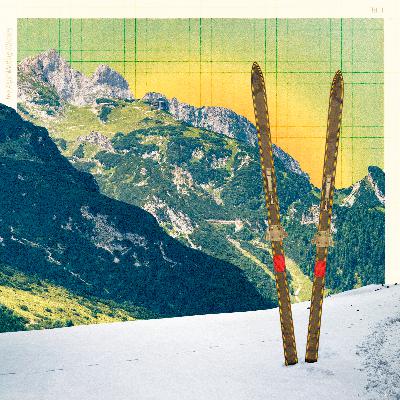
Some 2,500 huts dot the landscape across the Alps. For more than two centuries, hikers and climbers have sought out these refuges as they’ve navigated the snowy, high elevations. But the mountain glaciers that have defined this region are melting, putting these huts, the entire culture of alpine hiking, and nearby towns and communities in danger.Avalanches, rockfalls, mudslides and flooding—brought on by a changing climate—are happening at a time when the Alps are more popular than ever. And the subject of an altered alpine habitat takes on additional importance amid the Winter Olympics in Italy.In this episode, we speak with Smithsonian magazine’s Megan Gambino, who edited a story on this topic, and environmental scientist Markus Stoffel, who studies how climate change is impacting higher elevations. Both are skiing enthusiasts, so the issue is personal to them as well.To subscribe to “There’s More to That,” and to listen to past episodes about the growing concerns around human-made objects in orbit hurtling back toward Earth, the vast fleet of shipwrecks at the bottoms of the Great Lakes and the L.A. wildfires as viewed through the eyes of two photographers, find us on Apple Podcasts, Spotify, iHeartRadio or wherever you get your podcasts.“There’s More to That” is a production of Smithsonian magazine and PRX Productions. From the magazine, our team is Ari Daniel, Debra Rosenberg and Brian Wolly. From PRX, our team is Ali Budner, Cleo Levin, Genevieve Sponsler, Sandra Lopez-Monsalve and Edwin Ochoa. The executive producer of PRX Productions is Jocelyn Gonzales.Fact-checking by Stephanie Abramson.Episode artwork by Emily Lankiewicz. Illustration by Emily Lankiewicz / Images from Martin Bergsma via Adobe Stock and public domain.
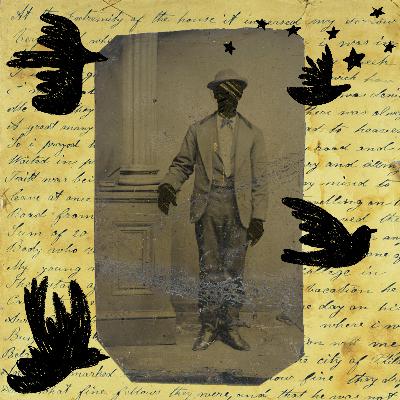
In the mid-1800s, before the Civil War, Thomas White fled his enslavement in Maryland for freedom. It was a risky escape, one that involved a horseback ride under the cover of darkness, abolitionists helping to hide him, and a northward journey through Delaware and Pennsylvania.Ultimately, he arrived—safe and free—in Massachusetts. The details of White’s flight are chronicled on 40-odd sheets of paper and were written most probably by other people who heard his story. Such slave narratives are exceedingly rare, and this one’s length made it especially unique. Smithsonian magazine wrote about the discovery last year.In this episode, we speak with Rachel Fortuna Cabral, the Roger Williams University undergraduate who helped study the manuscript, and scholar Deborah Plant to learn about White’s escape, how the papers were discovered, and what such narratives tell us about slavery and emancipation in the United States.To subscribe to “There’s More to That,” and to listen to past episodes about a recently solved mystery surrounding the burial of JFK, the only battalion during World War II composed entirely of Black women and a baseball field resurrected in a World War II-era Japanese internment camp find us on Apple Podcasts, Spotify, iHeartRadio or wherever you get your podcasts.“There’s More to That” is a production of Smithsonian magazine and PRX Productions. From the magazine, our team is Ari Daniel, Debra Rosenberg and Brian Wolly. From PRX, our team is Ali Budner, Cleo Levin, Genevieve Sponsler, Sandra Lopez-Monsalve and Edwin Ochoa. The executive producer of PRX Productions is Jocelyn Gonzales.Fact-checking by Stephanie Abramson.Episode artwork by Emily Lankiewicz. Illustration by Emily Lankiewicz / Images from Anastasiia Hevko via Adobe Stock / Collection of the Smithsonian National Museum of African American History and Culture / Cindy Elder.
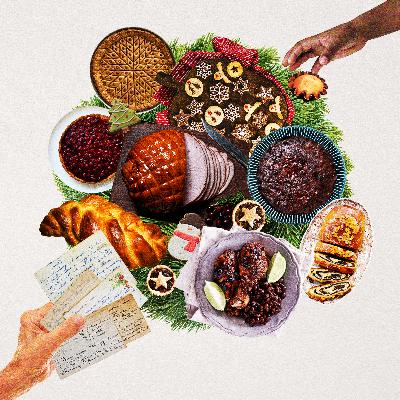
Cherished recipes are often passed down from generation to generation, but how much do we know about the stories that shaped those foods? Whether a tasty cookie, a flavorful side, a resplendent showstopping entree, these dishes have a strong association with the holiday season. To celebrate, we’re honoring the origins of traditional foods lovingly prepared by two of our correspondents.In this episode, host Ari Daniel drops into two homes to explore two holiday traditions. We start with Elisa Hough, an editor at the Smithsonian Center for Folklife and Cultural Heritage, and the Filipino torta recipe that her mother prepared every Christmas. Now during the holidays, Elisa is the one making torta. And it’s the time of the year when she connects most closely to her Filipino heritage.Then we head to Jamaica where we meet Vaughn Stafford Gray, an independent journalist and former chef, who explains the history of jerk and what it means in contemporary Jamaican culture.To subscribe to “There’s More to That,” and to listen to past episodes about those who pursue the divisive durian fruit, an award-winning restaurant in New Orleans that showcases Senegalese cuisine, and using fruit depicted in Renaissance paintings to rescue modern agriculture, find us on Apple Podcasts, Spotify, iHeartRadio or wherever you get your podcasts.“There’s More to That” is a production of Smithsonian magazine and PRX Productions. From the magazine, our team is Ari Daniel, Debra Rosenberg and Brian Wolly. From PRX, our team is Ali Budner, Cleo Levin, Genevieve Sponsler, Sandra Lopez-Monsalve and Edwin Ochoa. The executive producer of PRX Productions is Jocelyn Gonzales.Fact-checking by Stephanie Abramson.Episode artwork by Emily Lankiewicz. Illustration by Emily Lankiewicz / Images by Jane Dulay / Joshua Resnick, anaumenko, annapustynnikova, zoryanchik, Kris Black, cunaplus and Africa Studio via Adobe Stock / public domain.
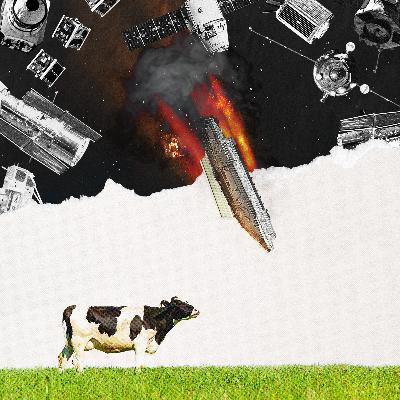
We have launched all manner of satellite and machinery into low-Earth orbit. But what goes up must come down. Most often, these items burn up in the atmosphere upon re-entry, which isn’t good for air quality or the ozone layer.But not everything incinerates — and increasing amounts of debris are hurtling back toward Earth and landing in backyards and farm fields. Falling detritus disrupts air travel and risks collision with infrastructure and people on the ground. There are those who argue that additional regulation is required around the launching and de-orbiting of these materials.In this episode, host Ari Daniel speaks with astronomer Samantha Lawler and Smithsonian contributing writer Dan Falk about space junk and the concern among researchers that it is becoming a growing threat to public safety.To subscribe to “There’s More to That,” and to listen to past episodes about all the shipwrecks hidden beneath the waters of the Great Lakes; the river of birds, bats and bugs fluttering, often invisibly, in the skies above; and the story behind the timelessness of Superman, find us on Apple Podcasts, Spotify, iHeartRadio or wherever you get your podcasts.“There’s More to That” is a production of Smithsonian magazine and PRX Productions. From the magazine, our team is Ari Daniel, Debra Rosenberg and Brian Wolly. From PRX, our team is Ali Budner, Cleo Levin, Genevieve Sponsler, Sandra Lopez-Monsalve and Edwin Ochoa. The executive producer of PRX Productions is Jocelyn Gonzales.Fact-checking by Stephanie Abramson.Episode artwork by Emily Lankiewicz. Illustration by Emily Lankiewicz / Images by Samantha Lawler / NASA / smspsy via Adobe Stock and public domain.
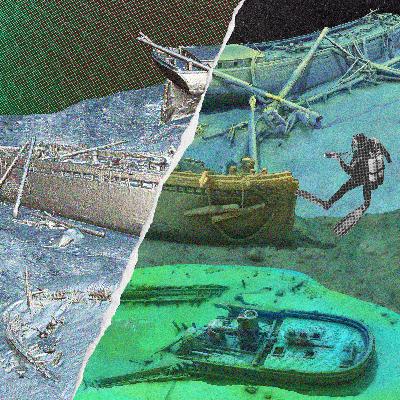
Beneath the waters of the Great Lakes, thousands of shipwrecks, hulking carcasses of a bygone era, have been hiding for generations, just waiting to be revealed. Once someone stumbles upon one of these sunken treasures in Lake Michigan or Lake Superior, Tamara Thomsen gets a call.Thomsen is a maritime archaeologist with the Wisconsin Historical Society’s Maritime Preservation and Archaeology program. Her job is to investigate and survey shipwreck sites. Over the years, Thomsen has added some of these ships to the National Register of Historic Places. And she and her colleagues have also unearthed dugout canoes that were fashioned thousands of years old by the Indigenous people who lived on this land.In this episode, host Ari Daniel speaks with Thomsen about how she took up this profession, why she views shipwrecks as time capsules, why so many vessels met their watery grave on the Great Lakes, and how one stays warm at depth when diving for these wrecks for hours at a time.To subscribe to “There’s More to That,” and to listen to past episodes about the S.S. Edmund Fitzgerald, the return of a set of important belongings to the Lakota community and a baseball field resurrected in a World War II-era Japanese internment camp, find us on Apple Podcasts, Spotify, iHeartRadio or wherever you get your podcasts. “There’s More to That” is a production of Smithsonian magazine and PRX Productions. From the magazine, our team is Ari Daniel, Debra Rosenberg and Brian Wolly. From PRX, our team is Ali Budner, Cleo Levin, Genevieve Sponsler, Sandra Lopez-Monsalve and Edwin Ochoa. The executive producer of PRX Productions is Jocelyn Gonzales.Fact-checking by Stephanie Abramson.Episode artwork by Emily Lankiewicz. Illustration by Emily Lankiewicz / Images by Zach Whitrock / Wisconsin Historical Society and public domain.
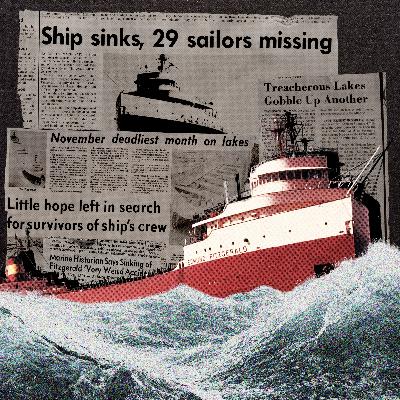
Half a century ago, on an unseasonably warm fall day, the freighter SS Edmund Fitzgerald set off from the western edge of Lake Superior with a cargo full of iron ore. Within hours, a ferocious storm gathered in strength, ultimately producing 50-foot waves and sinking the prized vessel. There were no survivors. The exact cause of its demise remains unknown.Over the decades, many ships have faced a similar fate on the Great Lakes, a part of the world that some say is more dangerous than the open ocean. But the tragedy of the Edmund Fitzgerald looms the largest in our collective national memory — and it led to changes in the maritime industry that dramatically improved the safety of shipping.In this episode, host Ari Daniel speaks with author John U. Bacon about what made the Edmund Fitzgerald famous even before it sank, what we know and don’t know about the crew’s final moments, and the ship’s lasting legacy.Read more coverage of the sinking of the Fitzgerald here.To subscribe to “There’s More to That,” and to listen to past episodes about the return of a set of important belongings to the Lakota community, the search for the remains of three fallen World War II airmen, and the role that enslaved Africans and Southern colonists played in launching the American Revolution, find us on Apple Podcasts, Spotify, iHeartRadio or wherever you get your podcasts.“There’s More to That” is a production of Smithsonian magazine and PRX Productions. From the magazine, our team is Ari Daniel, Debra Rosenberg and Brian Wolly. From PRX, our team is Ali Budner, Cleo Levin, Genevieve Sponsler, Sandra Lopez Monsalve and Edwin Ochoa. The executive producer of PRX Productions is Jocelyn Gonzales.Fact-checking by Stephanie Abramson.Episode artwork by Emily Lankiewicz. Illustration by Emily Lankiewicz / Photo by Lake Superior Maritime Collection at the University of Wisconsin-Superior Special Collections and Archives, Bob Campbell / Images by mdnahidkha23 via Adobe Stock, Newspapers.com and public domain

The skies above us are filled with legions of migrating birds, bats, bugs and microbes. And yet we know little about their movements and intentions, mostly because this ethereal world has largely been inaccessible for research. But new technologies are providing a window into how animals use their aerial habitat to travel and hunt.The burgeoning field is called “aeroecology,” and researchers are revealing just how substantially humans are altering the world overhead—with deadly consequences for flying animals. The new insights are giving us ways to make the air safer for these creatures.In this episode, host Ari Daniel speaks with Dustin Partridge of the New York City Bird Alliance as he directs the intermittent shutdown of the iconic Tribute in Light to protect disoriented birds during 9/11 this year. And we hear from Smithsonian contributing writer Jim Robbins about what aeroecology is telling us about the ecosystem above.To subscribe to “There’s More to That,” and to listen to past episodes about the army of people devoted to saving native bees, the prehistoric cave that entombed animals for millennia and the sex lives of dinosaurs, find us on Apple Podcasts, Spotify, iHeartRadio or wherever you get your podcasts.“There’s More to That” is a production of Smithsonian magazine and PRX Productions. From the magazine, our team is Ari Daniel, Debra Rosenberg and Brian Wolly. From PRX, our team is Jessica Miller, Genevieve Sponsler, Adriana Rosas Rivera, Cleo Levin, Sandra Lopez Monsalve and Edwin Ochoa. The executive producer of PRX Productions is Jocelyn Gonzales.Fact-checking by Stephanie Abramson. Our music is from APM Music.Episode artwork by Emily Lankiewicz. Illustration by Emily Lankiewicz / Photos by malik / Jim via Adobe Stock / Dina Litovsky and public domain.
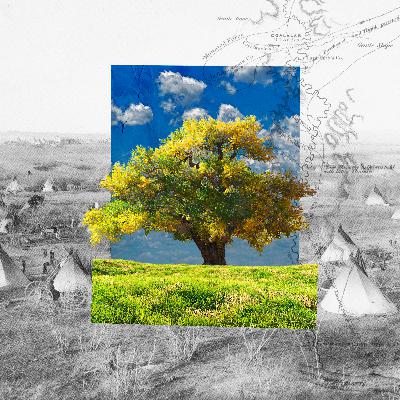
This fall, 69 belongings made their way home to the Rosebud Reservation in South Dakota from the Smithsonian’s National Museum of Natural History in Washington, D.C. These items, which included buffalo robes, blankets, moccasins and a doll, had been taken from the Lakota community after the Blue Water Massacre in 1855, the first major ambush on a Native American community by the U.S. Army. It would become the start of a decades-long campaign against the Plains tribes that would end with the death and displacement of numerous Native Americans.The return of the belongings offers a modicum of closure, but the pain of the massacre lives on among those on the reservation today. In this episode of Smithsonian magazine’s podcast “There’s More to That,” host Ari Daniel speaks with Ione Quigley and Karen Little Thunder, two members of the Rosebud Sioux tribe, and Smithsonian contributing writer Tim Madigan about the journey of these belongings from their birthplace to a museum and back.To subscribe to “There’s More to That,” and to listen to past episodes about the search for the remains of fallen airmen from World War II, a baseball field resurrected in a Japanese internment camp and a deeper look at lesser known stories of the American Revolution, find us on Apple Podcasts, Spotify, iHeartRadio or wherever you get your podcasts.“There’s More to That” is a production of Smithsonian magazine and PRX Productions. From the magazine, our team is Ari Daniel, Debra Rosenberg and Brian Wolly. From PRX, our team is Jessica Miller, Genevieve Sponsler, Adriana Rosas Rivera, Cleo Levin, Sandra Lopez Monsalve, Pedro Rafael Rosado and Edwin Ochoa. The executive producer of PRX Productions is Jocelyn Gonzales.Fact-checking by Stephanie Abramson. Our music is from APM Music.Episode artwork by Emily Lankiewicz. Photos by Gary Whitton / Nawaphon via Adobe Stock and public domain.
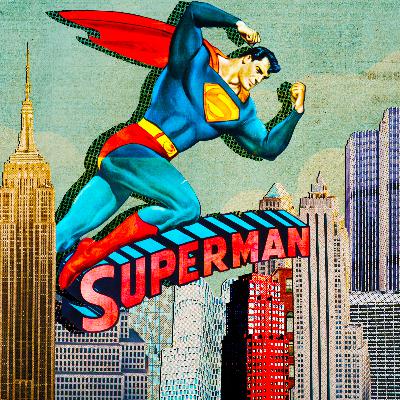
This summer’s big blockbuster, Superman, marks the latest installment of the Man of Steel — a character whose identity has evolved over the decades, connecting with the concerns and ideas of the day. Even the phrase he may be best known for — “Truth, Justice, and the American Way” — has changed to suit new vibes and new markets. Superman’s persona transcends any one classification. He is Kal-El, an alien sent to Earth by parents with hopes of a better life for their child. He is Clark Kent, a good ole boy from Kansas who moves to the big city and works a 9 to 5. Completing the trifecta is his identity as a formidable superhero who battles fictional enemies including Lex Luthor and real-life villains like Hitler and Stalin.Because Superman has alternated between being the mouthpiece of American power and that of the disenfranchised and oppressed, he has often been misunderstood. In this episode, host Ari Daniel speaks with Smithsonian contributing writer Samantha Baskind about what these different “Supermen” have meant throughout history and what it means for his legacy today.To subscribe to “There’s More to That,” and to listen to past episodes about the search for the remains of fallen airmen from World War II, the magic of what lies beneath the city of Rome, and a deeper look at lesser-known stories of the American Revolution, find us on Apple Podcasts, Spotify, iHeartRadio or wherever you get your podcasts.“There’s More to That” is a production of Smithsonian magazine and PRX Productions. From the magazine, our team is Ari Daniel, Debra Rosenberg and Brian Wolly. From PRX, our team is Jessica Miller, Genevieve Sponsler, Adriana Rosas Rivera, Sandra Lopez Monsalve and Edwin Ochoa. The executive producer of PRX Productions is Jocelyn Gonzales.Fact-checking by Stephanie Abramson. Our music is from APM Music.Episode artwork by Emily Lankiewicz. Illustration by Emily Lankiewicz / Photos: Swim Ink 2, LLC / Corbis via Getty Images and public domain.
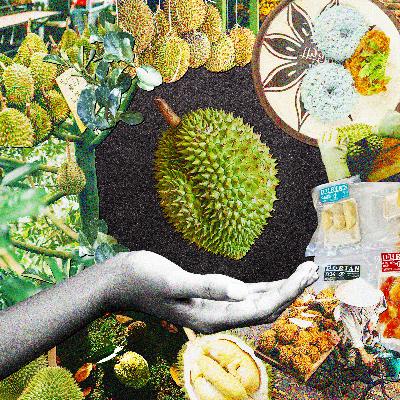
The durian, a spiky fruit that grows across Southeast Asia, has a polarizing reputation for its pungent odor and strong taste. There are the durian haters — people who experience waves of revulsion at the mere thought of consuming one.And then there are the superfans who sing its praises and travel the world to experience the rare and complex bliss it inspires on the palate. Those who relish this fruit say there’s a lot to love. It can be eaten raw (shortly after falling from the tree) or prepared as the hero of both sweet and savory dishes.In this episode, host Ari Daniel travels with his children to a San Francisco restaurant to interview its chef and owner, Azalina Eusope, about her love of durian and the cuisine it inspires. And he speaks with Smithsonian contributing writer Tom Downey about his trip to Malaysia to experience the euphoria of fresh durian firsthand.To subscribe to “There’s More to That,” and to listen to past episodes about using fruit depicted in Renaissance paintings to rescue modern agriculture, an award-winning restaurant in New Orleans that showcases Senegalese cuisine, and a prehistoric pit that entombed animals for millennia, find us on Apple Podcasts, Spotify, iHeartRadio or wherever you get your podcasts.“There’s More to That” is a production of Smithsonian magazine and PRX Productions. From the magazine, our team is Ari Daniel, Debra Rosenberg and Brian Wolly. From PRX, our team is Jessica Miller, Genevieve Sponsler, Adriana Rosas Rivera, Sandra Lopez Monsalve and Edwin Ochoa. The executive producer of PRX Productions is Jocelyn Gonzales.Fact-checking by Stephanie Abramson. Our music is from APM Music.Episode artwork by Emily Lankiewicz. Photos courtesy of Dr. Susumu Tomiya and public domain.
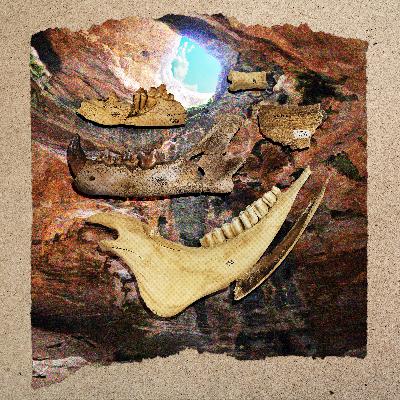
Natural Trap Cave is a pit in northern Wyoming into which countless animals have fallen and met their untimely demise since the Pleistocene. Paleontologists today find the cave a treasure trove — a stunning record of the species that have long roamed the area. The mammalian fossils left behind shed light on the climate, food sources and migration patterns of these species from earlier eras.Careful excavation work over the years that has involved sifting for bones, extracting ancient DNA, and looking for prehistoric pollen has revealed not just the plants and animals that once populated this part of the world, but also the ecosystems and climates that governed it. It also has required some rather advanced rappelling skills.In this episode, host Ari Daniel speaks with vertebrate paleontologist Julie Meachen and Smithsonian contributing writer Michael Ray Taylor about what rappelling into Natural Trap Cave reveals about its contents and what it can tell us about Earth’s past.To subscribe to "There’s More to That," and to listen to past episodes about the sex lives of dinosaurs, the numerous archaeological treasures that await beneath the city of Rome, and the science of roadkill, find us on Apple Podcasts, Spotify, iHeartRadio or wherever you get your podcasts.“There’s More to That” is a production of Smithsonian magazine and PRX Productions. From the magazine, our team is Ari Daniel, Debra Rosenberg and Brian Wolly. From PRX, our team is Jessica Miller, Genevieve Sponsler, Adriana Rosas Rivera, Sandra Lopez Monsalve and Edwin Ochoa. The executive producer of PRX Productions is Jocelyn Gonzales.Fact-checking by Stephanie Abramson. Our music is from APM Music.Episode artwork by Emily Lankiewicz. Photos courtesy of Dr. Susumu Tomiya and public domain.
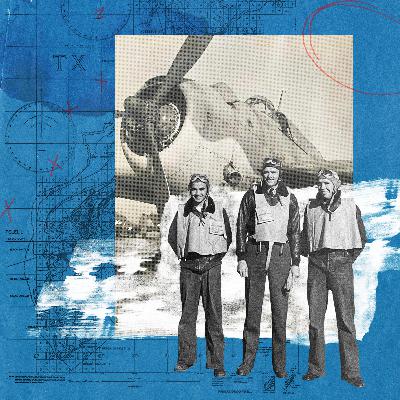
In the fall of 1944, Japanese fighters opened fire on a wave of U.S. planes near Palau, including a bomber carrying pilot Jay Ross Manown Jr., gunner Anthony Di Petta and navigator Wilbur Mitts. Their aircraft crashed into the sea, and the three men were “presumed dead.” They were assigned by the Navy, like so many others, to a purgatorial category—not likely to be alive, but not declared dead, either.Decades later, a group known as Project Recover worked relentlessly to track down the wreckage and then exhume the bones whose DNA could be tested. They ultimately identified the remains of all three crewmembers, allowing them to be laid to rest and giving a sense of closure to their families.Host Ari Daniel speaks with Stephen Mihm, who wrote about this effort for Smithsonian magazine. And he interviews Rebecca Sheets, Manown’s niece, about what her uncle’s recovery meant for her and her family.To subscribe to “There’s More to That,” and to listen to past episodes about the untold stories of the American Revolution, baseball at a Japanese internment camp and a recently solved mystery surrounding the burial of President John F. Kennedy, find us on Apple Podcasts, Spotify, iHeartRadio or wherever you get your podcasts.“There’s More to That” is a production of Smithsonian magazine and PRX Productions. From the magazine, our team is Ari Daniel, Debra Rosenberg and Brian Wolly. From PRX, our team is Jessica Miller, Genevieve Sponsler, Adriana Rosas Rivera, Sandra Lopez Monsalve and Edwin Ochoa. The executive producer of PRX Productions is Jocelyn Gonzales.Fact-checking by Stephanie Abramson. Our music is from APM Music.Episode artwork by Emily Lankiewicz. Photo courtesy of the Mitts and Di Petta Families. Images via Ike Skelton Combined Arms Research Library and public domain.
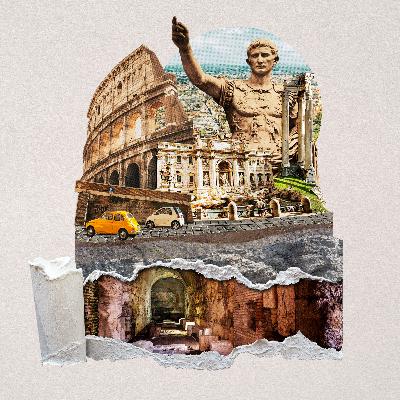
Tourism is surging in many places around the world—swarmed national parks, throngs of visitors amassing in churches and museums, and sidewalk cafes overburdened with diners. In this episode, we’d like to offer a less crowded way to be a tourist: consider going underground. This summer is a Jubilee Year in Rome, so the city will be more packed than ever. But below the traffic jams and bustle of pedestrians in the streets of Rome lie its subterranean sites, which include ancient aqueducts, pagan shrines and even apartment complexes built centuries ago. While tourists pound the pavement visiting the iconic landmarks aboveground, explorers can search beneath the streets of the Eternal City for a different perspective on ancient—and modern—Roman life. Host Ari Daniel speaks with Smithsonian contributing writer Tony Perrottet, who wrote recently about Rome’s underworld—the city lurking beneath the city. And he offers numerous tips to listeners who want to explore these fascinating and tranquil sites for themselves.To subscribe to “There’s More to That,” and to listen to past episodes about the use of Italian Renaissance paintings to improve the farming of tomorrow, a special baseball field at a Japanese internment camp and the use of artificial intelligence to make ancient scrolls readable again, find us on Apple Podcasts, Spotify, iHeartRadio or wherever you get your podcasts.“There’s More to That” is a production of Smithsonian magazine and PRX Productions. From the magazine, our team is Ari Daniel, Debra Rosenberg and Brian Wolly. From PRX, our team is Jessica Miller, Genevieve Sponsler, Adriana Rosas Rivera, Sandra Lopez Monsalve and Edwin Ochoa. The executive producer of PRX Productions is Jocelyn Gonzales.Fact-checking by Stephanie Abramson. Our music is from APM Music.Episode artwork by Emily Lankiewicz. Photos by Tim Bieber via Getty Images and public domain.
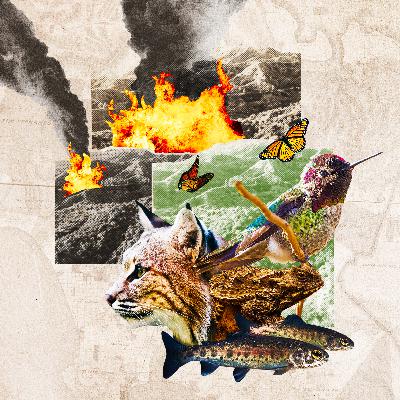
After multiple wildfires ripped through greater Los Angeles earlier this year, Californians were left to rebuild communities and grapple with the loss of life, nature and property. Thousands of homes were destroyed, and as many as 180,000 residents were under evacuation orders until the flames could be controlled. Unfortunately, this seems to be the new order in California; officials are already working to prepare for the next fire season.In this episode, host Ari Daniel speaks with photographer Ivan Kashinsky, who witnessed and documented the devastation of the Palisades Fire up close, even as he tried to rescue his cats and valuables from his family home in Topanga Canyon. And we hear from writer and wildlife biologist Anton Sorokin, who chronicled the animals that escaped, fled and perished due to the fiery forces that are increasingly shaping our world.To subscribe to “There’s More to That,” and to listen to past episodes about a group of people dedicated to saving native bees, the sex lives of dinosaurs and the story of Pablo Escobar’s hippos, find us on Apple Podcasts, Spotify, iHeartRadio or wherever you get your podcasts.“There’s More to That” is a production of Smithsonian magazine and PRX Productions. From the magazine, our team is Ari Daniel, Debra Rosenberg and Brian Wolly. From PRX, our team is Jessica Miller, Genevieve Sponsler, Adriana Rosas Rivera, Sandra Lopez Monsalve and Edwin Ochoa. The executive producer of PRX Productions is Jocelyn Gonzales.Fact-checking by Stephanie Abramson. Our music is from APM Music.Episode artwork by Emily Lankiewicz. Photos by Anton Sorokin and public domain.
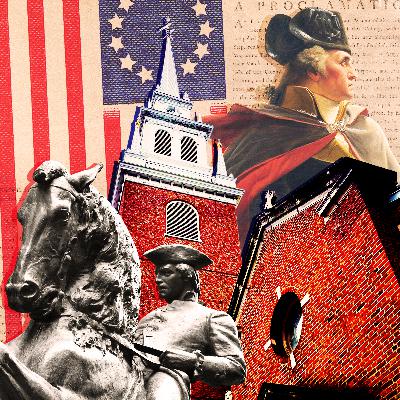
Two hundred and fifty years ago this month, silversmith Paul Revere took to his horse on a midnight ride to warn American rebels that British troops were approaching. The famous ride and an ensuing battle at Lexington and Concord touched off the American Revolution.But there are other stories involving the role that enslaved Africans and Southern colonists played in launching and sustaining the rebellion that led to the founding of the United States of America. Host Ari Daniel speaks with Nikki Stewart of Old North Illuminated and Smithsonian writer Andrew Lawler about these lesser-known histories.Read the original Smithsonian article here.To subscribe to “There’s More to That,” and to listen to past episodes about a baseball field resurrected in a World War II-era Japanese internment camp, a recently solved mystery surrounding the burial of John F. Kennedy and how artificial intelligence is making ancient scrolls readable again, find us on Apple Podcasts, Spotify, iHeartRadio or wherever you get your podcasts.“There’s More to That” is a production of Smithsonian magazine and PRX Productions. From the magazine, our team is Ari Daniel, Debra Rosenberg and Brian Wolly. From PRX, our team is Jessica Miller, Genevieve Sponsler, Adriana Rosas Rivera, Sandra Lopez Monsalve and Edwin Ochoa. The executive producer of PRX Productions is Jocelyn Gonzales.Fact-checking by Stephanie Abramson. Our music is from APM Music.Episode artwork by Emily Lankiewicz. Photos by Ari Daniel, gregobagel via Getty Images and the Metropolitan Museum of Art under public domain.
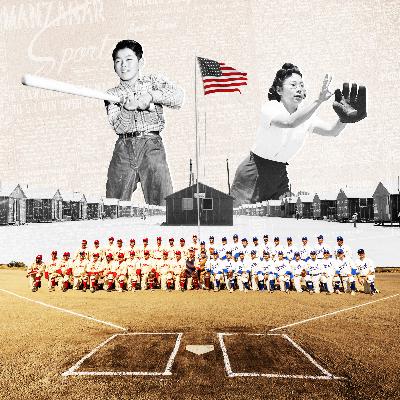
Baseball was a way of life in the camps that incarcerated Japanese Americans during World War II. The United States government stripped the Americans who lived in these camps of their liberties, but for those communities, having played the game for generations, baseball brought them closer to each other and, paradoxically, to their country. At Manzanar, one such site at the foot of the Sierra Nevada in California, dozens of baseball and softball teams played regularly.Decades after the camps closed, and after Japanese Americans had returned to their homes on the West Coast, Manzanar was established as a historic site. Replicas of camp buildings were erected to memorialize what had happened there, but the baseball field was in complete disrepair. Artist and baseball enthusiast Dan Kwong led the herculean restoration effort. Host Ari Daniel talks with Kwong and Smithsonian writer Rachel Ng, who reported on the endeavor. Read the original Smithsonian article here.To subscribe to “There’s More to That,” and to listen to past episodes on a recently solved mystery surrounding the burial of John F. Kennedy, the only battalion during World War II composed entirely of Black women, and everything you wanted to know about sweating and sports, find us on Apple Podcasts, Spotify, iHeartRadio or wherever you get your podcasts. “There’s More to That” is a production of Smithsonian magazine and PRX Productions. From the magazine, our team is Ari Daniel, Debra Rosenberg and Brian Wolly. From PRX, our team is Jessica Miller, Genevieve Sponsler, Adriana Rosas Rivera, Sandra Lopez Monsalve and Edwin Ochoa. The executive producer of PRX Productions is Jocelyn Gonzales.Fact-checking by Stephanie Abramson. Our music is from APM Music.Episode artwork by Emily Lankiewicz. Photos by Aaron Rapoport and the National Archives under public domain.

Comments

Download from Google Play

Download from App Store
 United States