


 Claim Ownership
The Church History Project
Subscribed: 17Played: 255
Subscribe

© Jared Luttjeboer
Description
Guided by Dr. Nick Needham's book series, "2000 Years of Christ's Power," join Jared Luttjeboer on an epic journey through time. Accompanied by sweeping cinematic music, narrative storytelling, and practical application, explore the historical wonders of the Christian faith and discover how Christ has been faithful to His Church for millennia.
TCHP is a labor of love from a full-time working dad who squeezes this podcast into the small spaces of life. If it’s meaningful to you, consider helping it stay sustainable by "buying a coffee" or two: buymeacoffee.com/thechurchhistoryproject
TCHP is a labor of love from a full-time working dad who squeezes this podcast into the small spaces of life. If it’s meaningful to you, consider helping it stay sustainable by "buying a coffee" or two: buymeacoffee.com/thechurchhistoryproject
27 Episodes
Reverse

For nearly two millennia, Christianity's oldest instruction manual lay hidden in a dusty monastery until its explosive rediscovery in 1873 shocked the scholarly world. Written when some believers may have personally known the apostles, this lost text reveals how the earliest Christians prayed, worshiped, baptized, and protected their communities from infiltrators. What surprising practices did they observe that challenge our modern assumptions? And what urgent warning about Christ's return did they leave for us? Discover the ancient handbook that bridges the gap between the New Testament and the church we know today in this episode on The Didache. Connect & Go DeeperJoin the ConversationHead over to our private Facebook community, where listeners discuss episodes, grapple with historical questions, and share insights on how these ancient stories shape our faith today. It's a place for genuine conversation with fellow church history enthusiasts, from seasoned scholars to curious newcomers.Get Episodes & More in Your InboxSubscribe to the free Substack and receive each podcast episode delivered directly to your email every week, complete with full transcripts. During off-weeks, you'll also receive a devotional blog post exploring spiritual themes connected to recent episodes—perfect for personal reflection or small group discussion.Unlock Premium ContentBecome a paid Substack subscriber to access devotional/historical study guides for each episode. Your subscription directly supports the creation of more episodes and helps keep church history accessible to everyone.Buy Me a CoffeeWant to support the podcast with a one-time gift or ongoing contribution? Head to Buy Me a Coffee, where you can encourage this work in whatever way makes sense for you. Every contribution helps cover production costs and makes future episodes possible.For any other questions or comments, please feel free to reach out to Jared at thechurchhistoryproject@gmail.com.
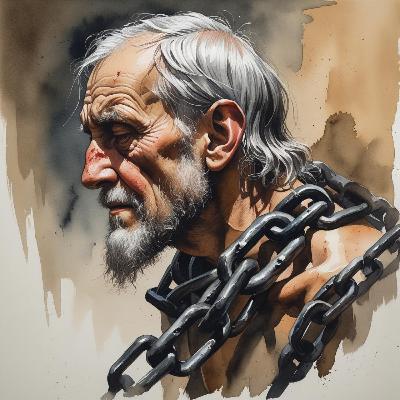
What kind of pastor, arrested and chained for execution, spends his final journey not begging for mercy but writing letters to churches—urging them not to save him? Ignatius of Antioch embraced martyrdom with a strength that both inspires and challenges us today. In this episode, we follow his harrowing journey from arrest to the Roman Colosseum and explore the seven powerful letters he penned along the way. His story raises an uncomfortable question: what are we truly willing to sacrifice for Christ?Connect & Go DeeperJoin the ConversationHead over to our private Facebook community, where listeners discuss episodes, grapple with historical questions, and share insights on how these ancient stories shape our faith today. It's a place for genuine conversation with fellow church history enthusiasts, from seasoned scholars to curious newcomers.Get Episodes & More in Your InboxSubscribe to the free Substack and receive each podcast episode delivered directly to your email every week, complete with full transcripts. During off-weeks, you'll also receive a devotional blog post exploring spiritual themes connected to recent episodes—perfect for personal reflection or small group discussion.Unlock Premium ContentBecome a paid Substack subscriber to access devotional/historical study guides for each episode. Your subscription directly supports the creation of more episodes and helps keep church history accessible to everyone.Buy Me a CoffeeWant to support the podcast with a one-time gift or ongoing contribution? Head to Buy Me a Coffee, where you can encourage this work in whatever way makes sense for you. Every contribution helps cover production costs and makes future episodes possible.For any other questions or comments, please feel free to reach out to Jared at thechurchhistoryproject@gmail.com.

We're excited to announce the first episode of Season 3! Stay tuned in the months ahead as the remainder of the season (Lord willing) rolls out.In this episode, Jared explores the life and legacy of Clement of Rome, one of the influential Apostolic Fathers who bridged the gap between the apostolic age and the expanding church of the second century. Discover how Clement's letter to the Corinthians—written to address division and restore unity—continues to offer timeless wisdom for Christians facing similar challenges today.Join The Church History Project Facebook group to dive deeper into discussions about the episodes and explore intriguing stories from church history. Visit the group here. If you'd like to support the show, you can do so through Buy Me a Coffee. I truly appreciate your support! If you're on X, follow me there as well. For other questions and comments, feel free to reach out to Jared at thechurchhistoryproject@gmail.com. For more content, visit the podcast website or wherever you find your podcasts.

In this season finale, explore the turbulent reign of Emperor Domitian, his ruthless ambition, and the oppressive persecution he unleashed upon early Christians. This episode looks into the history, paranoia, and imperial cult surrounding Domitian and highlights how faithful believers, including the Apostle John, stood firm against his tyranny. ,Join The Church History Project Facebook group to dive deeper into discussions about our episodes and explore intriguing stories from church history. Visit the group here. If you'd like to support the show, you can do so through Buy Me a Coffee. We truly appreciate your support!For other questions and comments, feel free to reach out to Jared at thechurchhistoryproject@gmail.com. For more content, visit the podcast website or wherever you find your podcasts.Episode OverviewIntroduction to Domitian: Background on his rise to power and contrasts with his father, Vespasian, and brother, Titus.Domitian’s Reign: His centralization of power, paranoia, and the establishment of emperor worship as a divine ruler.Persecution of Christians: Key incidents, including the exile of John to Patmos and the defiance of Flavia Domitilla.Revelation’s Imagery: How Domitian’s reign played a role in the apocalyptic visions in the Book of Revelation.Domitian’s Death and Legacy: His assassination and the Christian hope that flourished in the aftermath of his reign.Discussion Questions for Small GroupsFaith vs. Authority: How do Domitian’s demands for worship as “Lord and God” challenge our understanding of allegiance to Christ over worldly powers?Modern Parallels: In what ways does today’s culture tempt us to compromise our faith? How can we stand firm as early Christians did?Spiritual Resilience: The Apostle John remained faithful during exile. How can his example inspire us to maintain hope and faith during personal trials?Allegiance to Christ: How can we practically declare, “Jesus is Lord,” in a society that often demands our loyalty to other “idols” like success, comfort, or approval?
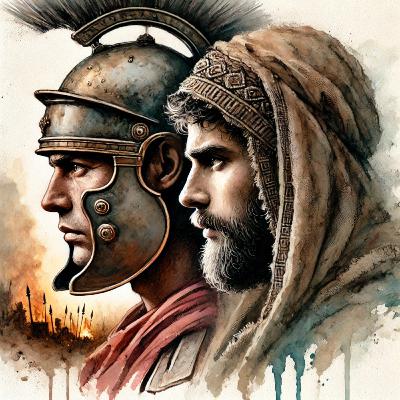
To join The Church History Project Facebook group and engage in more discussion about released episodes and other fascinating nuggets of church history, you can visit the page here. Support the show at buymeacoffee.com/thechurchhistoryprojectIn this episode, we dive into the turbulent era of the Jewish War (66-73 AD) and explore its seismic impact on both Jewish and early Christian communities. Host Jared Luttjeboer walks us through the causes of the conflict, the brutal Roman siege of Jerusalem, and the destruction of the Second Temple in 70 AD. We’ll discuss how this pivotal event fulfilled Jesus’ prophecy, shifted theological perspectives, and reshaped the early Church.Episode OverviewThe episode provides a comprehensive look at the Jewish War, beginning with the political, economic, and religious tensions that fueled the rebellion. Key topics include: Causes of the Jewish War: Economic oppression, political corruption, and religious desecration by Roman authorities, which led to widespread unrest and the rise of revolutionary groups. Key Battles: Early Jewish victories, such as at Beth Horon, and significant Roman sieges, including the fall of Jotapata and Jerusalem. Theological Impact: Jesus’ prophecy about the Temple’s destruction and its perceived fulfillment, strengthening early Christian identity and the theological shift away from the Temple. Jewish and Christian Transformations: The episode examines the rise of Rabbinic Judaism and early Christianity’s new mission focus, setting the stage for future global evangelism.Discussion Questions for Small Groups: Jesus prophesied the fall of Jerusalem, which was fulfilled in 70 AD. How does this demonstrate Christ’s authority over history, and how should this impact our faith in His promises today? What does the fall of Jerusalem teach us about the seriousness of sin and the consequences of rejecting God’s call? Are there areas in our own lives where we might be resisting Him? With the destruction of the Temple, early Christians saw Jesus as the ultimate sacrifice, ending the old covenant. How can this understanding deepen our appreciation for Christ’s sacrifice?For other questions and comments, feel free to reach out to Jared at thechurchhistoryproject@gmail.com. For more content, visit the podcast website or wherever you find your podcasts.
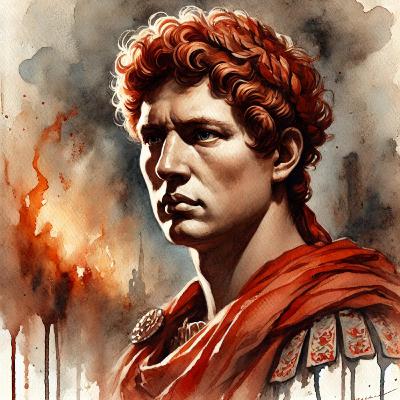
To join The Church History Project Facebook group and engage in more discussion about released episodes and other fascinating nuggets of church history, you can visit the page here. In this episode, explore the infamous reign of Emperor Nero and the first official Roman persecution of Christians, and how the Great Fire of Rome in 64 AD became a catalyst for violence against early believers.Episode Overview Nero's rise to power and initial "Five Good Years" The Great Fire of Rome in 64 AD and its devastating impact Nero's response to the fire and ambitious reconstruction efforts Scapegoating of Christians and the ensuing persecution Methods of execution and torture used against Christians Notable martyrs, including Peter and PaulDiscussion Questions How does the early Christians' response to persecution challenge or inspire your faith today? In what ways might we face "persecution" for our beliefs in modern society? How can we prepare ourselves to stand firm in our faith? Discuss the statement: "The blood of the martyrs is the seed of the Church." How did persecution ultimately strengthen the early Christian movement? How can we balance being good citizens while remaining true to our Christian convictions, especially when they conflict with societal norms or government policies? What can we learn from the example of Peter and Paul in facing death for their faith? How can we cultivate that level of commitment in our own lives?For other questions and comments, feel free to reach out to Jared at thechurchhistoryproject@gmail.com. For more content, visit the podcast website or wherever you find your podcasts.
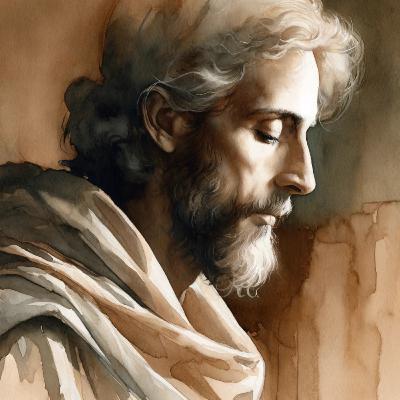
In this episode, we explore the life and martyrdom of James the Just, brother of Jesus and a key figure in the early Christian church. Learn about his role in the Jerusalem Council, his reputation for piety, and his death as a witness to his faith.Episode Overview Introduction to the various James figures in the New Testament James' early life and initial skepticism towards Jesus' ministry James' conversion after witnessing the resurrected Christ His role as a "pillar" of the early church and reputation for piety The Jerusalem Council and James' role in resolving disputes over Gentile converts Detailed account of James' martyrdom in 62 AD Parallels between James' death and Jesus' crucifixionDiscussion Questions How does James' journey from skeptic to church leader inspire your own faith journey? What can we learn from James' balance of adhering to Jewish traditions while embracing Christian beliefs? How can we apply the wisdom demonstrated at the Jerusalem Council to modern church conflicts? In what ways can we emulate James' forgiveness towards his persecutors in our own lives? How does James' martyrdom challenge us to stand firm in our faith, even in the face of opposition?For other questions and comments, feel free to reach out to Jared at thechurchhistoryproject@gmail.com. For more content, visit the podcast website or wherever you find your podcasts.To join The Church History Project Facebook group to engage in more discussion about released episodes and other fascinating nuggets of church history, you can visit the page here.
Explore the life and legacy of the Apostle Paul in this episode of The Church History Project. From zealous persecutor to tireless evangelist, we'll see how Paul's conversion and mission work shaped early Christianity and continues to influence believers today.Episode Overview Paul's conversion on the road to Damascus Paul's transition from persecutor to evangelist The first Christian mission from Antioch Paul's role in spreading Christianity beyond its Jewish roots Paul's theological contributions through his letters The enduring influence of Paul's writings on Church historyDiscussion Questions How does Paul's dramatic conversion story inspire you in your own faith journey? In what ways can we emulate Paul's passion for sharing the gospel in our daily lives? How do Paul's teachings on faith and grace alone challenge or affirm your understanding of salvation? How can we apply Paul's perseverance through trials and persecution to our own challenges as Christians today?For other questions and comments, feel free to reach out to Jared at thechurchhistoryproject@gmail.com. For more content, visit the podcast website or wherever you find your podcasts.To join The Church History Project Facebook group to engage in more discussion about released episodes and other fascinating nuggets of church history, you can visit the page here.
Explore the origins of the term "Christian" and the early days of the Jesus Movement in this episode of The Church History Project. From Stephen's martyrdom to the establishment of the church in Antioch, discover how persecution led to the spread of the gospel beyond Jerusalem.Episode Overview The formation of the early church in Jerusalem Stephen's martyrdom and its impact The scattering of believers due to persecution Philip's ministry in Samaria and Cornelius' conversion The establishment of the church in Antioch The first use of the term "Christian" and its adoption by believersDiscussion Questions How can we draw inspiration from the early believers' courage in the face of persecution? In what ways can we, like the early Christians, transcend cultural and ethnic boundaries to share the gospel? How might our response to opposition or mockery of our faith reflect Stephen's example of forgiveness? How can we live up to our identity of being a "Christian" in our daily lives? How can we apply the lessons from the early church's growth to our own efforts in spreading the gospel today?For other questions and comments, feel free to reach out to Jared at thechurchhistoryproject@gmail.com. For more content, visit the podcast website or wherever you find your podcasts.To join The Church History Project Facebook group and engage in more discussion about released episodes and other fascinating nuggets of church history, you can visit the page here.
In this season finale, explore God's providential plan in scattering the Jewish people prior to the time of Christ, setting the context for the rapid spread of the gospel message across the Roman world. We'll also preview the coming destruction of Jerusalem in 70 AD and the explosive launch of the Christian movement in Season 2.Episode Overview The scattering of the Jewish people (the Diaspora) established vibrant communities primed to receive the gospel Some Hellenized Jews like Philo attempted to bridge Judaism with Greek philosophy Sincere "God-fearers" embraced Jewish ethics and worship while avoiding full conversion Simmering Jewish resentment against Roman rule foreshadowed Jerusalem's coming demise The stage was uniquely set for the gospel to quickly traverse the Roman worldDiscussion Questions Why do you think God allowed the scattering of His people centuries before Christ? What purpose might this have served? How did diaspora Jews attempt to maintain their cultural identity? What challenges did this pose? In what ways were the God-fearing Gentiles an important precursor to the spread of Christianity? How do you see God's sovereignty displayed even through rising tensions and coming catastrophes? As we anticipate season 2, what most excites you about the origin stories of our faith? How might this better equip us to live out our calling today?For other questions and comments, feel free to reach out to Jared at thechurchhistoryproject@gmail.com. For more content, visit the podcast website or wherever you find your podcasts.To join The Church History Project Facebook group to engage in more discussion about released episodes and other fascinating nuggets of church history, you can visit the page here.
This episode explores the Essenes, a mysterious Jewish sect that emerged in Judea during the Second Temple period. These ascetic communities pursued spiritual purity by withdrawing into the wilderness, embracing ritual washing, celibacy, and fervent expectation of the coming Messiah.Episode OverviewThe episode covers the origins of the Essenes, their connections to the Dead Sea Scrolls found at Qumran, their practices of communal living, ritual purification, celibacy, and avoidance of oaths, as well as their apocalyptic beliefs about one or more Messiah figures who would usher in a new age. It concludes by touching on the meaning and application for Christians today.Discussion Questions Why do you think the Essenes felt compelled to separate themselves and pursue an extreme lifestyle? What were they seeking? Do you see any similarities between the Essenes' ritual washings and Christian baptism? What is the significance of water in both cases? The Essenes fervently awaited the coming Messiah. How might this challenge or inspire us in our own walk with Christ? What lessons can Christians today learn from the radical devotion and spiritual passion displayed by the Essenes? In what ways did they have misguided beliefs? How might this episode give us a glimpse into the diversity of Jewish belief and practice in Jesus' day? For other questions and comments, feel free to reach out to Jared at thechurchhistoryproject@gmail.com. For more content, visit the podcast website or wherever you find your podcasts.To join The Church History Project Facebook group to engage in more discussion about released episodes and other fascinating nuggets of church history, you can visit the page here.
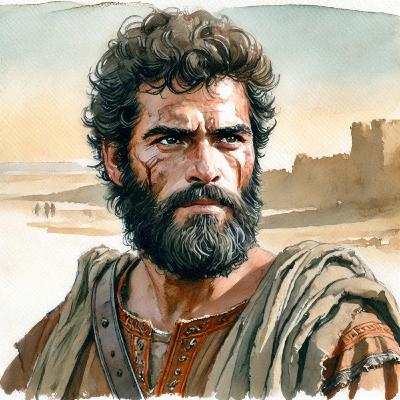
This episode explores the rise of the Zealots, a militant Jewish faction who fiercely resisted Roman occupation in the 1st century AD. We examine their origins, beliefs, anticipation of the Messiah to deliver them, and how their vision ultimately collided with Jesus'. Episode OverviewThe Zealots emerged in Judea when it was under Roman rule. They fiercely defended the Torah and Jewish customs, violently opposing any perceived threat. They eagerly awaited a militaristic Messiah who would lead them into battle against the Romans. The episode analyzes their ideology and methods, including their turn to extreme violence. It also reflects on what lessons Christians can draw regarding the dangers of fusing divine purposes with violence and how Jesus confounded expectations by absorbing hatred rather than reacting violently toward his enemies.Discussion Questions Do you see any similarities between the Zealots' views and certain religious movements today? What warnings does this group from history provide? How did Jesus confound Jewish expectations of the Messiah as a military liberator? What does His path of radical, upside-down love teach us? When is civil disobedience justified? How should followers of Christ stand up to injustice while still loving enemies and avoiding violence? How can Christians maintain holy "zeal" for God while avoiding self-righteousness or hostility to those who disagree with our beliefs? What lessons can the church today learn from how early Jewish Christians like Simon the Zealot channeled their passion from rebellion to spreading the Gospel?For other questions and comments, feel free to reach out to Jared at thechurchhistoryproject@gmail.com. For more content, visit the podcast website or wherever you find your podcasts.To join The Church History Project Facebook group to engage in more discussion about released episodes and other fascinating nuggets of church history, you can visit the page here.

This episode explores the Pharisees, a devout group within Judaism known for strictly adhering to religious laws and traditions. We'll examine their origins, beliefs, and their interactions with Jesus and the early Church. Episode Overview The Pharisees emerged from scribes and scholars who upheld Jewish faith and identity during Babylonian exile They zealously followed both biblical laws and "oral tradition" of interpretations that had developed over centuries The Pharisees believed perfect obedience to God's laws was key to Israel's sovereignty They came into conflict with Jesus over legalism versus compassion towards sinners Early Christians also clashed with Pharisees over the divinity/messiahship of Jesus Lessons for Christians today about avoiding legalism and modeling Christ's graceDiscussion Questions Why is it easy for Christians to focus more on rules and rituals than having a compassionate heart? How can we strike a biblical balance between truth/doctrine and grace/love? What lessons can we learn from the Pharisees about avoiding spiritual pride or legalism? How should Jesus' critiques of the Pharisees inform how we share our faith with nonbelievers? What stood out to you most about the Pharisees from this episode? How might it shape your walk with Christ?For other questions and comments, feel free to reach out to Jared at thechurchhistoryproject@gmail.com. For more content, visit the podcast website or wherever you find your podcasts.To join The Church History Project Facebook group to engage in more discussion about released episodes and other fascinating nuggets of church history, you can visit the page here.

This episode provides background on the Sadducees, an elite group of priests and aristocrats who wielded power in Judea during Jesus' time. It covers their role in society, theological beliefs, political cooperation with Rome, and involvement in Jesus' trial.Episode Overview The Sadducees were a small but influential faction that controlled the Jerusalem Temple rituals and the Jewish high court. They rejected the Oral Torah and the afterlife, sparking conflict with the Pharisees. As wealthy elites, they partnered with Roman rulers to retain local power. They condemned Jesus to crucifixion to eliminate a threat to their authority.Discussion Questions Why is it important to understand the historical context Jesus lived in? What insights does it provide? What modern parallels do you see to the Sadducees' use of religion to secure power and status? How should followers of Jesus respond? How can prestige blind us from recognizing truth today? What practices help keep us focused on Christ above all else?For other questions and comments, feel free to reach out to Jared at thechurchhistoryproject@gmail.com. For more content, visit the podcast website or wherever you find your podcasts.To join The Church History Project Facebook group to engage in more discussion about released episodes and other fascinating nuggets of church history, you can visit the page here.
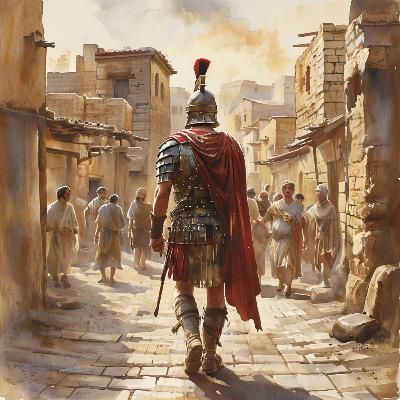
This episode provides critical background on the complex political history between Rome and Judea that set the stage for Jesus' ministry and the dawn of Christianity around 30 AD. Episode Overview The episode begins by tracing the origins of Roman-Jewish relations to a small treaty between the Roman Republic and Jewish Maccabees in 161 BC. This pact would foreshadow future Roman interference in Judea. A request for Roman arbitration in a later Jewish civil war opened the door for conquest under Pompey in 63 BC. Judea lost independence and became a Roman client state under figurehead leaders like the ethnarch Hyrcanus. Eventually, Herod the Great, a ruthless Roman puppet king, rose to power. After his death, Judea came under direct Roman governance. Unrest led Emperor Augustus to install procurators like Pontius Pilate to oversee the territories. Jesus emerged from this matrix of Jewish culture and identity shaped by centuries of foreign domination. The political climate set the stage for the dawn of Christianity.Discussion Questions How might the loss of self-rule in Judea shaped Jewish hopes for a messiah who would liberate them? In what ways did Roman toleration of Jewish customs create space for early Christianity to spread? How did God use the tense relationship between the Roman Empire and Judea to prepare the way for Jesus? What lessons can the political turmoil of first-century Judea teach us about finding hope in chaotic times today? How might remembering the Jewish roots of our faith help modern Christians gain insight into the biblical context?For other questions and comments, feel free to reach out to Jared at thechurchhistoryproject@gmail.com. For more content, visit the podcast website or wherever you find your podcasts.To join The Church History Project Facebook group to engage in more discussion about released episodes and other fascinating nuggets of church history, you can visit the page here.
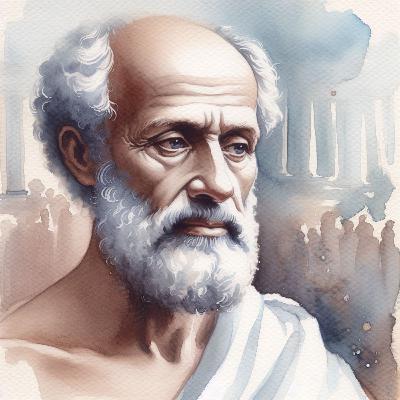
In this episode, we explore the ancient philosophy of Stoicism that was popular during the early church. The Stoics sought inner peace through rigorous self-control, virtue, and detachment from emotions. We'll see how Stoic ethics aligned with Christianity in some ways yet differed significantly in its worldview. Episode Overview Stoicism founded by Zeno of Citium in ancient Athens Virtue and self-mastery seen as the supreme good Calmness cultivated by controlling passions and accepting circumstances Aligned with Christian ethics in valuing justice and service Yet fundamentally different worldview than Christianity Paul encountered Stoic philosophy in AthensDiscussion Questions What Stoic practices or virtues may be worth emulating for Christians? How so? How can Christians process emotions in a healthy, biblical way compared to the Stoic suppression of feelings? Where do you see elements of Stoic thought in our culture today? How should Christians engage these ideas? How can we thoughtfully dialogue with non-Christian philosophies as Paul did in Athens to point to the truth? What stood out to you most from this episode and discussion of Stoicism? How does it impact your worldview and walk with Christ?For other questions and comments, feel free to reach out to Jared at thechurchhistoryproject@gmail.com. For more content, visit the podcast website or wherever you find your podcasts.To join The Church History Project Facebook group to engage in more discussion about released episodes and other fascinating nuggets of church history, you can visit the page here.

This episode provides an overview of the ancient Greek philosophy of Epicureanism, including its views on ethics, pleasure, friendship, death, and the gods. We explore how Epicurus sought freedom from disturbance and fear through limiting desires, cultivating virtues, and surrounding oneself with friends. We'll also highlight Epicurus' atomic theory of the universe and contrast his views with Christian beliefs about purpose, providence, and the afterlife.Episode Overview Origin of Epicureanism and its founder, Epicurus, in 4th century BC Athens Central goals: freedom from fear (ataraxia), absence of pain (aponia) Path to happiness through limiting desires, seeking simple pleasures Importance of friendship, prudent living, gratitude Withdrawal from politics and public affairs Atomistic theory of matter and metaphysical worldview Views on the gods and lack of an afterlife Life well lived by enjoying earthly delights in the presentDiscussion Questions How can Christians appreciate Epicurean insights while rejecting its worldview? What critique does Epicureanism offer regarding superstitions and irrational fears? How does the hope we have in Christ differ from the Epicurean view of death? In what ways can an individualistic pursuit of pleasure prove spiritually empty? How can Christians balance earthly joys and sufferings in light of eternity?For other questions and comments, feel free to reach out to Jared at thechurchhistoryproject@gmail.com. For more content, visit the podcast website or wherever you find your podcasts.To join The Church History Project Facebook group to engage in more discussion about released episodes and other fascinating nuggets of church history, you can visit the page here.

This episode provides an overview of Middle Platonism, a revival of Plato's philosophy that emerged in the 1st century BC. We explore key Platonist beliefs like the existence of a Supreme Being and divine Ideas. The episode also discusses Platonism's influence on early Christian thinkers.Episode Overview Platonism declined after Plato's death but revived in the 1st century BC as Middle Platonism Middle Platonists believed in a Supreme Being and divine Ideas that were the source of reality They saw the material world as inferior to the spiritual realm of Ideas This philosophy was seen as a journey of the soul toward union with the divine Platonism influenced early Christian thinkers on issues like Christ's divinity and the body/soul distinctionDiscussion Questions How can we make sure philosophy does not lead us astray from God's truth revealed in Scripture? What does it mean to have Christ as the beginning and end of our philosophy? How does Christ embody divine truth and grace differently than the Platonists' concept of divine Ideas? What are some ways Platonism's negative view of the material world still influences Christians today? How can we have a biblical view of the material world? Why must Christ alone reign supreme in all our reasoning and thinking? What are practical ways we can ensure this?For other questions and comments, feel free to reach out to Jared at thechurchhistoryproject@gmail.com. For more content, visit the podcast website or wherever you find your podcasts.To join The Church History Project Facebook group to engage in more discussion about released episodes and other fascinating nuggets of church history, you can visit the page here.
In this episode, we explore the ancient mystery cults that flourished in the Roman Empire from the 1st to 4th centuries AD. These secretive religions, like the cults of Cybele, Isis, Mithras, and others, offered initiation, community, and promises of salvation. We'll learn about their beliefs and practices and see how they contrast with the truth and light found in Christ.Episode Overview The mystery cults appealed to people seeking meaning and belonging in the impersonal Roman society They had secret initiation rites and claimed special knowledge of the divine Examples include the cults of Cybele, Isis and Serapis, and Mithras The taurobolium was a bloody purification ritual in the cult of Cybele Christ offers what the cults could only falsely mimic - true revelation, redemption, identity, and belongingDiscussion Questions Why do you think mystery cults appealed to people in the ancient Roman Empire? What longings or needs were they trying to meet? How did the secrecy, initiation rituals, and promise of special knowledge attract followers to these groups? What are some key differences between the mystery cults and the Christian faith? What makes Christianity unique? Have you ever felt drawn to a group that offered exclusive belonging or hidden knowledge? Why is our identity and adoption in Christ so much greater? How can we shine the light of Christ to those caught in the darkness and falsity of new age or secretive cultic groups today?For other questions and comments, feel free to reach out to Jared at thechurchhistoryproject@gmail.com. For more content, visit the podcast website or wherever you find your podcasts.To join The Church History Project Facebook group to engage in more discussion about released episodes and other fascinating nuggets of church history, you can visit the page here.
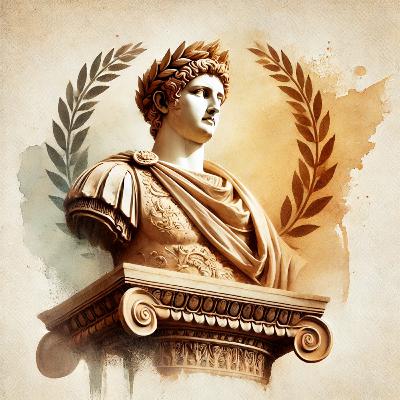
In this episode, we explore the history and impact of emperor worship in the Roman Empire. We discuss how emperors came to be seen as gods, the differences between practices in the Eastern and Western provinces, and famous deified leaders like Augustus. Episode Overview The influence of Greek and Asian culture in spreading the concept of divine kingship The development of the imperial cult first in the Eastern provinces The more subtle practices of the West focused on the "genius" of the emperor The posthumous deification of beloved emperors like AugustusDiscussion Questions How should Christians relate to earthly authorities today? What principles guide our participation in government and honor of leaders? Idolatry takes subtle forms. What are some modern "emperors" that compete for our worship and allegiance? How can we identify and reject them? As citizens of God's kingdom, we obey Him above all earthly powers. How does our primary citizenship and allegiance to Christ shape the way we engage in culture and politics? In what ways can we faithfully influence society for Christ while still respecting governing authorities that are opposed to the faith? Persecution of believers continues globally today. How can we prepare to stand firm if faced with pressure to compromise our beliefs? How do we support persecuted Christians?For other questions and comments, feel free to reach out to Jared at thechurchhistoryproject@gmail.com. For more content, visit the podcast website or wherever you find your podcasts.To join The Church History Project Facebook group to engage in more discussion about released episodes and other fascinating nuggets of church history, you can visit the page here.

Comments

Download from Google Play

Download from App Store
 United States