


Creating New Spaces: Interviews with artists redefining spaces through technology
Subscribed: 6Played: 34
Subscribe

© Robin Petterd
Description
Explore the practice of creating media art installations with the Creating New Spaces podcast. In each episode, the host Robin Petterd brings you interviews with artists who are pushing the boundaries of art and technology. The podcast focuses on the intricacies of media installation and art, revealing the creative and technical processes behind the scenes. Perfect for artists, students, educators, and anyone interested in experimental art practice. Listen to hear conversations that illuminate the processes and challenges of new ways of working.
31 Episodes
Reverse
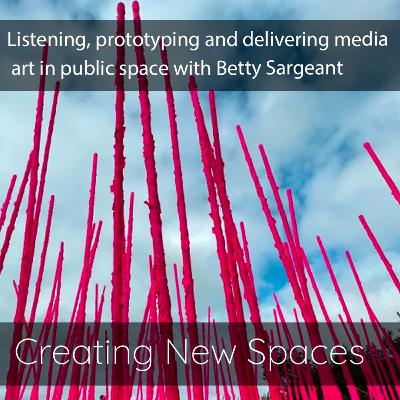
In this conversation, we hear how Betty Sargeant develops site-led installations through listening, prototyping, and stakeholder collaboration. We also discuss why delivery skills matter as much as ideas when working in public space. This interview is part of our series that focuses on media artworks in public space.Betty shares the creative process behind The Fauxrest and what it takes to make media art that can survive real-world conditions, including weather, public interpretation, and the layered expectations of councils, communities, and collaborators.AI sits in the background of this conversation as a conceptual provocation. Betty explains her “AI robot” persona, and how the claim of an “AI-created” installation sparked rumour, backlash, and debate. Those reactions provide a way into bigger questions about trust, authorship, and agency in public space.Listen to this podcast to learn about:How listening builds trust and reduces friction in public space projectsPrototyping site-led work through fast sketches, rough models, and material testsWhy visual mock-ups are essential for keeping stakeholders aligned over timeHow participation shifts when audiences have not opted inWhat it takes to take a public artwork from idea to install, and why project management protects your agencyChapter(00:00:00) Finding the site first(00:00:29) Podcast intro and acknowledgement(00:01:02) Meet Dr. Betty Sargeant(00:01:52) Inside the Fauxrest artwork(00:02:38) Why public art matters(00:04:19) The AI robot provocation(00:06:04) Public reactions and town halls(00:09:38) Fauxrest and Satire(00:10:33) Performing Betty Sargeant AI(00:12:22) Backlash and misunderstandings(00:16:52) Collaboration and stakeholders(00:20:33) Prototyping and models(00:26:11) Visual communication for projects(00:27:24) Three career essentials(00:28:23) Why project management matters(00:29:51) Wrap up and thanksAbout Betty SargeantBetty Sargeant is a Melbourne-based media artist and researcher and co-creative director of the art-technology duo PluginHUMAN with Justin Dwyer. Her practice spans public art and immersive installation, using light, moving image, sound, and sculptural form to place audiences inside multi-sensory experiences. She has received Good Design Awards in 2018 and 2020, and a Victorian Premier’s Design Award in 2017. Her recent project, Betty Sargeant AI, uses satire and performance to question authorship, agency, and the stories we tell about automation.Links from the podcast with Betty SargeantVisit Betty Sargeant’s website Follow Betty Sargeant on InstagramLearn more about The Fauxrest Learn more about Betty Sargeant AILearn more about PluginHUMAN
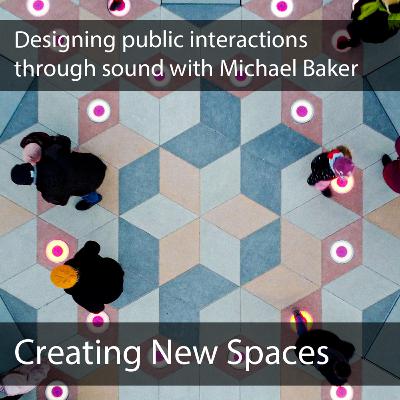
In this podcast you will learn how sound-led public artworks can turn everyday places into shared, playable environments. In this interview Michael Baker is the Sound Director at Daily tous les jours we explore some of the thinking behind Daily Tous Les Jours’ public artworks. Daily tous les jours is known for large-scale participatory works such as Musical Swings, as well as their book Strangers Need Strange Moments Together, which reflects on designing interaction in public space. This interview is the first in a series that focuses on media art works in public space. Listen to this podcast to learn about:Why music acts as “social glue” in public space and how it supports relationalityHow the Musical Swings series of works map movement and synchrony into musical structureDesigning interactions that are legible without instructionsLow-tech prototyping methods (before code) that test the real experienceThe differences between touring works and permanent outdoor installationsCommon failure points in public work: weather, wear, and mechanical/electronic overlapWhy the “artwork” is ultimately the people using the piece, togetherChapters(00:00:00) Finding the hidden rhythm: sound between chaos & musical order(00:00:24) Welcome + acknowledgement of country(00:00:48) Series kickoff: Media art in public spaces (meet Daily tous les jours)(00:01:40) Michael Baker’s role: Why audio is the perfect public-space interface(00:02:44) “Make sure it makes music”: Music as social glue & pre‑verbal play(00:05:24) Accidental encounters: The magic of unexpected public art(00:06:22) Case study: Musical swings—wonder, all ages, all walks of life(00:07:38) Sync & sway: How the swings create emergent harmony (tech + behavior)(00:09:56) From mirror neurons to intimacy: Why we copy each other(00:10:41) Interactive pavement: Grid rhythms, emergent rules & dancing together(00:11:48) No instructions needed: Designing clear, simple gestures(00:13:45) Prototyping at scale: Iteration, tape-on-the-ground tests & deadlines(00:16:13) Tweak vs deliver: Working with clients, museums & touring constraints(00:17:51) Testing with fresh eyes: First-time users as the real benchmark(00:19:25) Temporary vs permanent: Durability, public “hacks,” and extreme weather(00:21:41) Platforms & toolchains: MAX/MSP, TouchDesigner, and choosing what fits(00:23:50) What public media art really is: The artwork is the people(00:25:29) Wrap-up, thanks, and share the showAbout Daily tous les joursDaily tous les jours is a Montreal-based art and design studio that creates interactive installations in public spaces. Founded in 2010 by Mouna Andraos and Melissa Mongiat, the studio is known for large-scale participatory works such as Musical Swings. Their projects use technology, music and movement to bring strangers together and transform everyday urban spaces into sites of collective experience.About Michael BakerMichael Baker is the Sound Director at Daily tous les jours, where he oversees the sonic landscape of the studio’s interactive installations. In his role, he develops sound palettes, generative compositional systems, and integrated audio environments that respond to movement and collective behaviour in public space.Michael holds a Bachelor of Fine Arts in electroacoustics from Concordia University. An accomplished electroacoustic composer, his work has been presented at international festivals including the 60x60 Festival (Canada/US), the Livewire Festival (Maryland), and the Canadian Electroacoustic Community Symposium (Montreal). Links from the podcast:Learn more about Daily Tous Les JoursLearn more about 21 Balançoires (musical swings)Read Strangers Need Strange Moments Together
In this podcast you will learn how media artists stay with uncertainty, make deliberate choices with technology, and build work through collaboration—with people, place, ecology, and time.This is a 2025 compilation episode, bringing together the advice I ask for at the end of every conversation on Creating New Spaces. Across the year, artists returned to a few shared concerns: how to keep going when meaning arrives slowly, how to test and refine work without being led by the tools, and how installation practice is shaped by teams, trust, and the systems around us.Listen to this podcast to learn about:How to stay with the work when it’s unclear, slow, or shiftingHow to make with machines through testing, revision, and refinementHow media work becomes shared — through collaboration, community, and ecologyGuests featured Johan F Karlsson, Ariana Gerstein, Monteith Mccollum, Matt Warren, Rita Eperjesi, Georgie Friedman, Matthew Ragan, Troy Merritt, Darryl Rogers, Alex Moss, Maggie Jeffries, and Keith Armstrong Chapters(00:00:00) Intro: staying, making, connecting(00:00:52) Staying with the work: pace, patience, resilience (Johan, Ariana, Matt, Rita)(00:05:51) Making with machines: testing, tools, refinement (Georgie Friedman, Matthew, Troy)(00:09:34) Making with others: teams, shared practice, impact (Darryl Rogers, Alex and Maggie, Keith)(00:14:17) ClosingLinks from the podcastGuestsJohan F Karlsson— websiteAriana Gerstein — websiteMatt Warren— websiteRita Eperjesi — websiteGeorgie Friedman — websiteMatthew Ragan — websiteTroy Merritt / Soma Lumia — websiteDarryl Rogers — websiteAlex Moss — websiteMaggie Jeffries — websiteKeith Armstrong — websiteProjects and organisations mentionedThe Weather at Midnight Moonah Arts CentreDissolution Lacuna
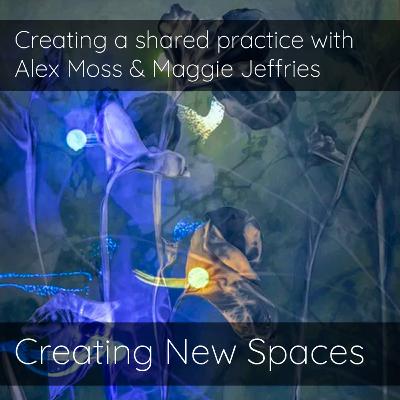
In this podcast you will learn how artists Alex Moss and Maggie May Jeffries developed a shared creative process that bridges traditional painting and interactive media.In this interview, Alex Moss and Maggie Jeffries discuss the creative process behind The Weather at midnight. The exhibition combines painting, projection, and real-time interaction to create a shifting environment of light and movement. Through subtle digital overlays and live painting, static canvases become dynamic, evolving works that change with audience presence. The exhibition was presented at Moonah Arts Centre.Alex Moss is a Lutruwita/Tasmanian-based media artist whose work transforms spaces through projected light, sound design, and interactive elements. Maggie May Jeffries is a painter from Lutruwita/Tasmania whose practice explores memory, environment, and sensory experience through layered, detailed compositions. Listen to this podcast to learn about:The role of experimentation, trust, and structure in cross-disciplinary collaboration, and how shared workshops shaped Alex and Maggie’s evolving process.How data, audience presence, and live performance intertwined during the exhibition. What “slow noticing” reveals about time, attention, and the perception of creative work.Chapters (00:00:00) Introduction to artist collaboration(00:01:18) Meet Maggie and Alex(00:01:52) The weather at midnight project(00:04:17) Audience experience and interaction(00:05:51) Inspiration and process(00:09:11) Live painting and performance(00:18:06) Workshops and collaboration(00:23:26) Future directions and advice(00:25:13) Conclusion and farewellAbout Alex MossAlex Moss is a media artist based in Lutruwita/Tasmania and a member of Second Echo Ensemble. With over ten years of experience, his work spans projection, sound design, and interactive installation, transforming spaces through light and sensory engagement. He has created work for the University of Tasmania, Hobart City Council, the Tasmanian Museum and Art Gallery, and the Huon Valley Mid-Winter Festival. Alex received the 2023 Best Sound Design Professional Theatre Award for Outside Boy with Second Echo Ensemble.About Maggie JeffriesMaggie May Jeffries is a painter based in Lutruwita/Tasmania and a member of Second Echo Ensemble. Her practice explores memory, place, and the natural environment through layered paintings that merge observation with imagination. She graduated with First Class Honours in Fine Art and Psychology from the University of Tasmania in 2022. Represented by Despard Gallery, she received the NEXT Award in 2018 and was a finalist in the 2024 Women’s Art Prize Tasmania.Links from this podcast with Alex Moss and Maggie JeffriesThe weather at midnightVisit Moonah Arts CentreExplore Moonah Arts Centre’s exhibition page for The weather at midnightVisit Alex Moss’ websiteFollow Alex Moss on InstagramLearn more about Maggie May Jeffries at Despard GalleryFollow Maggie May Jeffries on Instagram
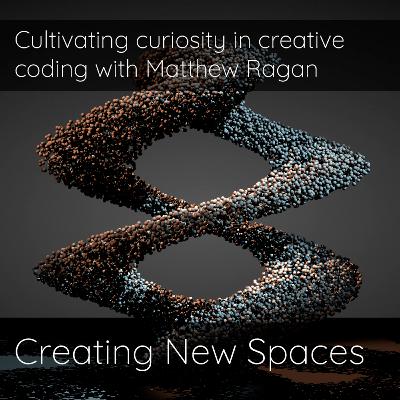
In this podcast you will learn why curiosity matters more than technical skill. In this interview, Matthew Ragan explores coding as a practice of sculpting and rehearsal, showing how collaboration with technology leads to more fluid and sustainable creative outcomes.Matthew Ragan is a California-based creative technologist, educator, and co-founder of SudoMagic. He has an MFA in interdisciplinary digital media and performance. His TouchDesigner tutorials are used by creatives worldwide.Listen to this podcast to learn about:Why curiosity and patience matter more than technical skill in creative codingWhat Matthew Ragan’s circus training revealed about working with technology as a collaborator rather than an obstacle.Why “slow coding” offers a sustainable counterbalance to the culture of instant results.Chapters(00:00:00) Introduction and host's acknowledgment(00:00:48) Guest introduction: Matthew Ragan(00:01:15) The importance of curiosity in creative coding(00:02:31) Exploring noise algorithms and sculpting(00:05:08) Lessons from circus performance to coding(00:07:17) Balancing creative and commercial projects(00:09:15) Matthew's journey into coding(00:22:03) Choosing the right tools and languages(00:24:03) Advice for newcomers and final thoughts(00:30:55) Conclusion and call to actionAbout Matthew RaganMatthew Ragan is a California-based creative technologist, educator, and artist whose work bridges performance and technology. With a background in acting, dance, and circus arts, he brings embodied lessons of rehearsal and collaboration into his creative coding practice. He has shaped a generation of artists through his widely used TouchDesigner tutorials, and professionally he has led large-scale projects at Obscura Digital and the Madison Square Garden Company, including Art on theMart and the MSG Sphere. He is the co-founder of SudoMagic, a boutique software and design studio.Links from the podcast with Matthew RaganVisit Matthew Ragan’s websiteExplore Matthew Ragan’s teaching resourcesVisit SudoMagic, the studio he co-foundedFollow Matthew Ragan on InstagramSee Matthew Ragan’s GitHub projectsDiscover TouchDesigner, the platform central to his teaching and creative coding practiceLearn more about Python, a core scripting language in his workWatch Matthew’s masterclass for Interactive & Immersive HQ: How to approach building a real project on YouTube
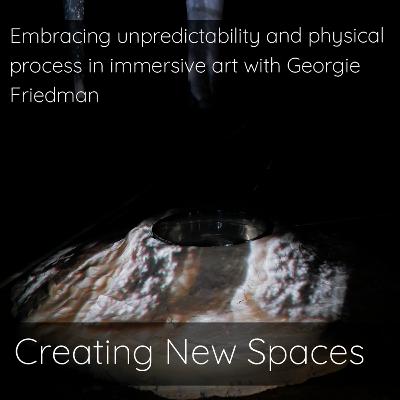
In this podcast, discover how physical prototyping, water systems, and shifting sound and light bring Georgie Friedman’s installations to life.In this interview, Georgie Friedman explores the creative process behind Dissolution, an immersive installation blending spatial sound, projection-mapped video and dripping water to evoke a dark, cave-like stillness. The work was installed at Gallery A2, part of Artisans Asylum, a collaborative makerspace in Boston.Georgie is a Boston-based interdisciplinary media artist and educator. Her background in film, sculpture and digital media informs a practice rooted in physical experimentation, environmental phenomena and spatial design.Listen to this podcast to learn about:Why physical prototyping is essential for immersive media workCreating installations that incorporate live waterHow projection mapping changes when your surfaces sway, drip and shiftChapters(00:00:00) Introduction to the Dissolution(00:00:33) Podcast introduction and acknowledgements(00:01:14) Interview with Georgie Friedman begins (00:01:35) Exploring the installation Dissolution(00:03:06) Concept and inspiration behind the piece (00:05:46) Technical aspects and challenges (00:09:42) Projection mapping and unexpected outcomes (00:16:24) Reflections and future projects (00:17:42) Advice for aspiring artists and conclusionAbout Georgie FriedmanGeorgie Friedman is a Boston-based interdisciplinary media artist whose immersive installations explore psychological and societal relationships to natural phenomena. Her work integrates large-scale video projection, sculptural forms, spatial sound and physical elements like water to create contemplative, sensory-rich environments. Drawing on site-based research and footage, she reflects on themes of climate, transformation and human fragility. Georgie holds an MFA from the School of the Museum of Fine Arts at Tufts University, where she currently teaches. Her projects have been exhibited internationally and commissioned for public spaces.Links from the podcast with Georgie FriedmanVisit Georgie Friedman’s websiteFollow Georgie on InstagramLearn more about DissolutionVisit Gallery A2
In this podcast, you’ll learn how Johan F. Karlsson uses observation, intuition, and the concept of ma to shape site-specific installations that reveal subtle changes in space and time.In this interview, Johan F. Karlsson talks about the creative process behind Against the day and The space that remains. The installations are part of the exhibition Forever is nothing, developed during Johan’s residency at Space Department, a Japanese residency program that supports architecture and spatial-based art practices.Johan F. Karlsson is a Swedish artist whose work investigates time, space, and ephemeral processes. His practice spans video, performance, photography, and sculpture. He holds an MA in Photography from Aalto University and a BA in Culture and Arts from Novia University of Applied Sciences.Listen to this podcast to learn about: How the concept of ma guided a process of waiting, noticing, and responding How intuition and site-specific observation replace fixed planning in creative workflows How time becomes both material and subject in durational video installationChapters(00:00:00) Introduction and acknowledgements(00:00:38) Exploring the concept of 'ma'(00:01:21) Artistic process and residency experience(00:02:43) Creating 'Against the day'(00:04:37) Creating 'The space that remains'(00:07:53) Reflections on artistic practice(00:15:07) Advice for aspiring artists(00:16:15) Conclusion and farewellAbout Johan F. KarlssonJohan F. Karlsson is a Malmö-based artist whose work spans photography, video, performance, and sculptural installations using natural materials. With an MA in Photography from Aalto University and a BA in Culture and Arts from Novia University, his practice explores time, space, and perception through slow, ephemeral processes. Drawing on site-specific phenomena and the transience of materials, Johan's work invites viewers into a deeper connection with the rhythms of nature and the passage of time. His installations often examine how change and duration shape human experience.Links from the podcast with Johan F. KarlssonVisit Johan F. Karlsson’s websiteVisit the Space Department websiteRead Robin’s reflection on exhibiting at Space Department – House shows: Reflections on space and interactionLearn more about Against the Day Learn more about The Space That Remains
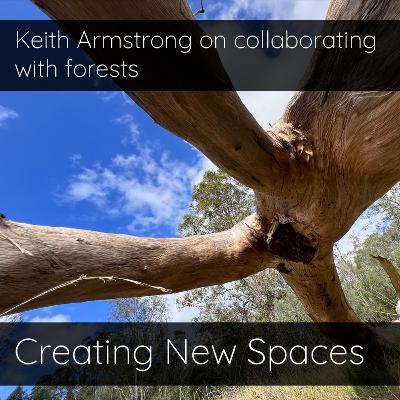
What does it mean to make art for a forest—not just about it? Keith Armstrong explores this question through his long-term project Forest Art Intelligence, which blends ecological recovery with creative experimentation.Forest Art Intelligence is a project that regenerates a cleared block of land into a native forest. Developed in partnership with the Samford Ecological Research Facility (SERF) and the Terrestrial Ecosystem Research Network (TERN), the project will be supported in 2024 through an ANAT Synapse Residency.Keith’s work challenges how we engage with ecological systems—inviting participation, reflection, and action.Listen to this podcast to learn about:Creating artworks that support environmental recovery by providing habitat and enhancing ecological systems.Using analogue materials—like logs, soil, and fungi—together with digital tools such as LIDAR and acoustic sensors to interact with a living site.Why long-term, site-specific engagement matters—and how repeated visits shape an artist’s way of observing and responding to place.Chapters (00:00:00) Introduction and acknowledgements(00:00:56) Welcome and project overview(00:02:09) Forest art intelligence explained(00:03:27) Art intelligence and environmental regeneration(00:07:35) Scientific collaboration and data collection(00:08:21) Gardening vs. regeneration(00:20:51) Collaborating with nature(00:26:46) Advice for creatives(00:28:31) Conclusion and wrap-upAbout Keith Armstrong Keith Armstrong is an artist whose practice is grounded in ecological and social inquiry. He creates participatory, site-specific and technologically embedded works that ask how art can become a tool for rethinking our relationship with the environment and systems. He has led and created more than sixty major art and research-based projects. His work has been supported by fellowships from Creative Australia, the Australian Network for Art and Technology (ANAT), and the Synapse Art-Science Residency program.Links from the podcast with Keith Armstrong:Visit Keith Armstrong’s websiteFollow Keith Armstrong on InstagramLearn more about Forest Art IntelligenceLearn more about Analog Intelligence at ISEA 2024Visit the Samford Ecological Research Facility (SERF) website and the Terrestrial Ecosystem Research Network (TERN) website Learn more about Australian Network for Art and Technology (ANAT)
In this podcast, you will learn how Lacunae, an interactive installation by Tasmanian artist collective Soma Lumia, has evolved through multiple iterations. Lacunae is an interactive installation that enables people to dance with others in different locations through projected silhouettes and sound.In this conversation, Darryl Rogers and Troy Merritt from Soma Lumia share the journey of Lacunae. The project was born during COVID-19 to rethink how technology shapes human connection. It was originally designed for the Mona Foma festival as events began to re-open after the COVID-19 lockdowns. Since then, it has evolved, layering live and recorded interactions—where dancers move not just across space, but across time. Lacunae has become an ongoing experiment for Soma Lumia.Listen to this episode to learn about:The iterative process behind Lacunae and why each version is a new creative experiment.The role of collaboration in how Soma Lumia works.The transition from Kinect sensors to webcams and how this offered different creative possibilities.Chapters(00:00:00) Introduction and acknowledgements(00:01:32) Meet the artists: Darryl and Troy(00:02:56) Exploring the concept of Lacunae(00:04:01) Development and evolution of Lacunae(00:09:12) Audience interaction and feedback(00:10:33) Technical challenges and solutions(00:18:11) Collaborative process and team dynamics(00:21:24) Reflections and advice for artists(00:25:59) Conclusion and final thoughtsAbout Soma LumiaSoma Lumia is a tech-art collective based in Launceston, Tasmania, founded in 2015. Their work explores the boundary between physical and digital, movement and technology, real and virtual. The collective has presented projects at Illuminate Adelaide, Botanica, Beaker Street, the South Australia Museum, the University of Houston, and Mona Foma.Their practice is deeply rooted in experimentation and collaboration, bringing in new voices—technologists, dancers, musicians, and designers—to expand each project’s scope. Lacunae is a prime example of how their work evolves over time, rather than existing as a single fixed installation. The core members are Darryl Rogers, James Riggall, and Troy Merritt.Darryl Rogers is a media artist working with video, installation, and immersive platforms to explore perception and spatial transformation.Troy Merritt is a creative technologist with over two decades of experience in media systems, interactivity, and augmented environments.James Riggall is an entrepreneur and educator working at the intersection of immersive technology, storytelling, and digital experience design.Links from the podcast:Learn more about Lacunae on Soma Lumia’s websiteLearn more about Mona FomaFollow Soma Lumia on Instagram
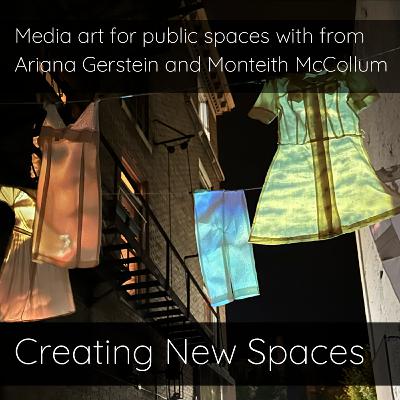
What happens when an artwork is shaped by the unpredictability of public space? In this interview Ariana Gerstein and Monteith McCollum discuss What We Bring, an outdoor installation that extends Ariana’s larger documentary project exploring migration, personal history, and overlooked traces of the past. While filming in Athens, Greece, she was drawn to a clothesline hanging in an old neighborhood—a simple yet powerful marker of everyday life. The street, surrounded by century-old markets and remnants of war, embodied layers of history intertwined with personal and familial narratives. This imagery became the foundation of What We Bring, where projected visuals interact with moving fabrics to evoke memory, presence, and impermanence. Ariana is an experimental filmmaker whose projection installations and non-traditional cinematic works explore themes of memory, time, and personal narratives. Monteith McCollum is an inter-media artist working with film, sound, and sculpture. Listen to this podcast to learn about: Adapting media art for outdoor and public space Overcoming challenges of weather when working outdoors Bridging documentary storytelling with the emotional power of installation artChapters(00:00:00) Introduction and acknowledgements(00:00:52) Meet the artists: Ariana Gerstein and Monteith McCollum(00:01:19) The concept and inspiration behind "What We Bring"(00:01:52) Challenges and dynamics of outdoor installations(00:04:27) Exploring the technical aspects(00:10:25) Sound design and audience interaction(00:21:17) Collaboration and creative process(00:24:00) Lessons learned and advice for media artists(00:30:32) Conclusion and final thoughts About Ariana GersteinAriana Gerstein is an experimental filmmaker and media artist who creates innovative projection installations and cinematic works. A Guggenheim Fellow and a Professor at Binghamton University’s Department of Cinema, her practice explores memory, time, and personal narratives through non-traditional filmmaking techniques. Her work has been screened at venues like the Museum of Modern Art and the European Media Arts Festival and has received awards such as the Gus Van Sant Award for Best Experimental Film. Supported by the Rockefeller Media Arts Fellowship and the National Endowment for the Arts, Ariana’s art challenges conventional storytelling and engages audiences in unique visual experiences.About Monteith McCollumMonteith McCollum’s acclaimed films have screened at venues such as the Museum of Modern Art, the Hirshhorn Museum, and festivals including SXSW, Hot Docs, and the European Media Arts Festival. A recipient of the IFP Truer Than Fiction Spirit Award, Monteith’s work has also been supported by the Rockefeller Foundation, the National Endowment for the Arts, and the New York Foundation for the Arts. In addition to filmmaking, he creates innovative sound compositions for films and performances, merging his expertise in storytelling and audio to deliver engaging, multi-sensory experiences.Links from this interview with Ariana Gerstein and Monteith Mccollum: Learn more about What we bring Visit Ariana Gerstein’s website Follow Ariana Gerstein on Instagram Visit Monteith Mccollum’s website Learn more about Isadora Read Robin’s reflection on this conversation – Feeling vs thinking: How art and documentary shape experiences differently
In this podcast, you will learn how Rita Eperjesi is rethinking the way creative coding is taught with her project, DECODE: A Friendly Introduction to Creative Coding through Analog Techniques. Rita Eperjesi is a Berlin-based Hungarian artist and creative technologist dedicated to merging art and technology through innovative projects, international exhibitions, and educational initiatives. During the conversation, Rita Eperjesi shares her innovative approach to creative coding, emphasising the use of analog techniques like drawing and note-taking to make learning more accessible.
Her work aims to demystify coding for beginners by addressing common pain points such as error messages, isolation, and the challenges of abstract thinking.
Rita reimagines how coding can be taught by prioritising algorithmic thinking, encouraging learners to read code before writing it, and using hands-on tools like paper and pencil.
Listen to this podcast to learn about:
How analog tools can enhance memory and engagement in coding education.
The importance of algorithmic thinking before diving into syntax
Overcoming common challenges in learning to code, including error messages and isolation.
Chapters
(00:00:00) Introduction to language learning and coding
(00:00:35) Acknowledging traditional owners
(00:00:59) Meet Rita Eperjesi: artist and technologist
(00:01:59) Challenges in learning creative coding
(00:04:51) Rita's approach: decode project
(00:07:35) Principles of learning coding
(00:09:53) Analog techniques in coding
(00:12:21) The role of community in learning
(00:17:50) Conclusion and final thoughts
About Rita Eperjesi
Rita Eperjesi is a Berlin-based Hungarian artist and creative technologist who bridges the gap between art and technology through her innovative projects and education initiatives. With an MSc in Creative Technologies from Film university Babelsberg Konrad Wolf and a background in architecture, Rita has earned accolades such as the Gold Prize at New Stars in Busan and a Cannes Young Lions award. Her work has been exhibited internationally, including “Life in Plastic” in Berlin and “Real-time War Rug” in Madrid. As the founder of Creative Code Budapest and co-founder of VJ Open Lab, Rita fosters creative communities and facilitates workshops in creative coding, projection mapping, and virtual reality.
Links from this Interview with Rita Eperjesi
Visit Rita Eperjesi website
Follow Rita Eperjesi on Instagram
Learn more about Rita’s approach to learning creative coding with DECODE: A Friendly Introduction to Creative Coding through Analog Techniques
Join Rita Eperjesi in one of her courses at the School of Machines, Making & Make-Believe, where she teaches using her DECODE method.
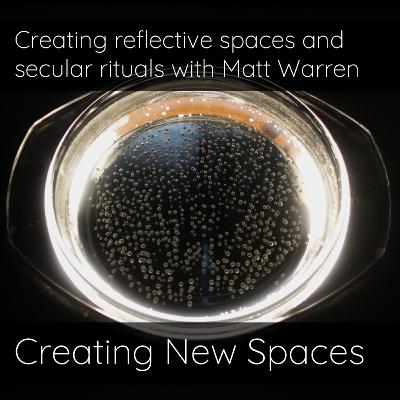
In this interview, learn how to create immersive atmospheres that evoke self-reflection and emotional engagement in audiences.This conversation features Matt Warren, an artist, musician, and educator based in Nipaluna/Hobart, whose work has been exhibited internationally in Canada, Germany, New Zealand, the USA, and across Australia. Matt shares insights into the creative and conceptual processes behind Secular Ritual (selfie), his recent installation at Sawtooth Gallery in Launceston.Drawing from ancient practices of using reflective surfaces and water for introspection, Matt’s work reimagines these rituals in a contemporary context. Incorporating everyday objects like selfie rings, mirrors, and fizzy water, he creates meditative spaces where participants can pause, reflect, and explore fluid identities. We also explore how flexible spaces like ARIs (Artist-Run Initiatives) enable experimentation, the role of soundscapes and lighting in shaping immersive experiences, and the lessons Matt has learned from creating open-ended works that encourage personal interpretation.Listen to this episode to learn about: How Matt reimagines ancient rituals using modern tools to craft reflective installations. The impact of soundscapes and mood on immersive art experiences. The benefits of using flexible spaces like ARIs to refine and experiment with new ideas.Chapters(00:00:00) Introduction(00:03:40) Exploring secular rituals through art and selfie rings(00:08:31) Exploring sound as a catalyst for visual art creation(00:11:12) Exploring the concept of Stimmung in German expressionism(00:11:32) Creating authentic art spaces through flexible installation(00:15:07) Creating spaces for personal reflectionMatt WarrenMatt Warren is a Nipaluna/Hobart-based electronic media artist, musician, and educator who creates installations, sound art, and single-channel video. His practice explores themes of memory, transcendence, and fluid identities, drawing on influences like psychedelia, hauntology, and digital abstraction to craft evocative, thought-provoking experiences.As a musician, Matt performs and records electro-acoustic and drone music both as a solo artist and in collaborative projects. His work has been exhibited internationally, including in Canada, Germany, New Zealand, the USA, and across Australia.Matt teaches sculpture, time-based media, and creative lab units at the University of Tasmania. His contributions extend to public art projects and festivals such as MONA FOMA, Dark MOFO, and The Unconformity. Links from the podcast Visit Matt Warren’s website Follow Matt on Instagram Visit Sawtooth AIR website Follow Sawtooth on Instagram Read Robin’s reflection on this conversation – Rethinking artist’s statements as journeys
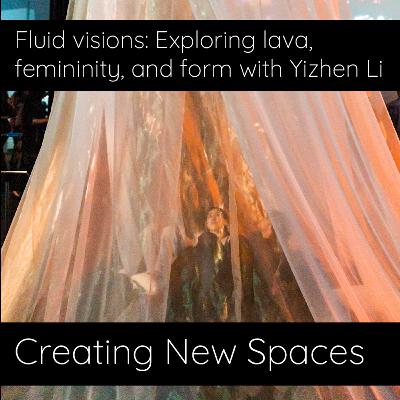
In this interview, new media artist Yizhen Li shares the creative process behind Lava’s Lament, an immersive installation exhibited at Gray Area in San Francisco in early 2024 as part of Gray Area’s Cultural Incubator. Yizhen’s work blends soft materials, light, and projections to create a space that explores themes of femininity, memory, and the natural cycles that connect us to the environment.Originally from Sichuan, China, Yizhen draws from traditional cultural elements and combines them with contemporary digital practices to create dynamic, multisensory experiences. Lava’s Lament reflects this approach, using a cone-shaped fabric structure as a vessel for projection and soundscapes inspired by volcanic imagery.Listen to this episode to learn about:How Yizhen uses an iterative process to test and refine materials for these immersive installations.The challenges of blending digital projections with physical elements to evoke fluidity and wholeness.Yizhen’s insights into creating art that connects natural themes with personal and cultural narrativesChapters(00:00:00) Exploring femininity and nature through immersive art installations(00:03:19) Volcanic imagery, ecofeminism, and philosophy (00:05:00) Femininity and nature in immersive art (00:06:07) Prototyping immersive volcanic visuals (00:10:29) Materiality to immersive fluidity (00:14:20) Challenges with fabric projections (00:16:11) Materiality and living systems in media art (00:18:45) Flexibility and adaptation in audiovisual work About Yizhen LiYizhen Li is a new media artist and designer whose work encompasses audio-visual installations, generative art, and experience design. Her practice is distinguished by the innovative use of soft materials, light, and projections, blending traditional cultural elements with cutting-edge digital techniques to create immersive, fluid experiences.Originally from Sichuan, China, Yizhen integrates materials like rice paper and textiles with ephemeral light to explore themes of femininity, memory, and environmental cycles. With a background in studio arts, stage design, and human interaction design, her dynamic approach pushes the boundaries of immersive media, continuously evolving to connect audiences with deeper cultural and natural narratives.Read Robin’s reflection on this conversation - Rethinking media art processes: from digital tools to physical prototypingLinks from the podcast Follow Yizhen Li on InstagramExplore Gray Area Gray AreaVisit Southeast of Rain’s website
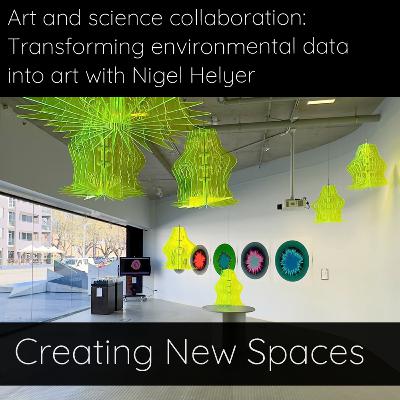
In this interview, artist Nigel Helyer shares the creative and technical processes behind BioSphere | DataSphere, a series of works based on environmental data from the Tasman Fracture Marine Park. The project is a collaborative research effort involving the Institute for Marine and Antarctic Studies, the Australian Antarctic Division, and CSIRO. Based in Australia, Nigel is an internationally renowned sculptor and sound artist known for creating large-scale sound sculptures, environmental public artworks, and media installations that explore the intersection of poetics and technics.
Working closely with scientists, Nigel transformed complex datasets—like sea temperatures, underwater sounds, and DNA sequences—into physical and auditory forms that reveal the hidden rhythms of the marine world.
Listen to this episode to learn about:
How Nigel translated scientific data into a range of sensory art forms, from 3D-printed sculptures to soundscapes.
The unique challenges and insights of working in art-science collaboration.
The role of art in making scientific data accessible and helping audiences engage emotionally with environmental issues.
Highlights
(00:06:00) Art and Science collaboration in marine environmental projects
(00:02:45) Transforming scientific data into art through 3D printing
(00:09:15) Art and Science: finding utility and philosophical connection
(00:10:51) Navigating collaboration
(00:15:55) Art and Science: a respectful division of creativity
(00:21:23) Learning code to transform data into musical art
(00:26:26) Building successful art-science collaborations through personal connections
About Nigel Helyer
Nigel Helyer is an internationally acclaimed sculptor and sound artist based in Australia, known for creating immersive sound sculptures, environmental public artworks, and interactive media installations that connect art, science, and technology. His practice is deeply interdisciplinary, frequently collaborating with scientific institutions on projects that use bio-logging, GIS techniques, and acoustic mapping to transform complex data into sensory experiences.
With a career spanning groundbreaking works like GeneMusiK and Host, Nigel has served as Artistic Director for large-scale projects such as The LifeBoat Project and has collaborated with leading institutions like the Paul Scherrer Institut in Switzerland and the Tropical Marine Research Labs in Singapore. As a visiting professor at institutions worldwide, he contributes to the art-science field with a focus on innovative research and audience engagement
Links from this interview with Nigel Helyer
Visit Nigel Helyer’s website
Discover more about BioSphere|DataSphere
Learn more about the Tasman Fracture Marine Park Research Project
Read about the Institute for Marine and Antarctic Studies (IMAS) in Hobart
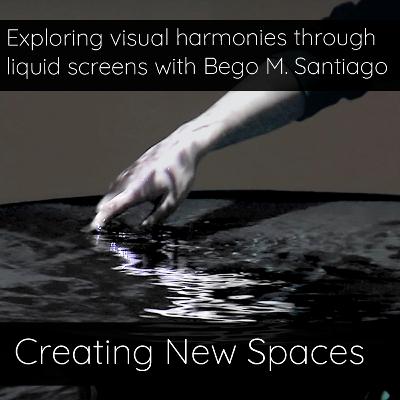
In this interview, artist Bego M. Santiago discusses the creative process behind her series Cosmos: All That is Ordered. Cosmos: All That is Ordered is a series of installations that blends sacred geometry, science, and spirituality, creating hypnotic and introspective experiences.
Listen to this podcast to learn about:
The conceptual development of Cosmos: All That is Ordered and its use of sacred geometry to blend science with spirituality.
The influence of Pythagorean cosmology in Bego's work and how she uses it to explore the harmony between chaos and order.
Why Bego decided to develop her work as an ongoing series of installations.
How Bego approaches the challenges of working with liquid screens and achieving a holographic effect.
Chapters
(00:00:00) Feedback - it’s harmonious, it’s hypnotic, it’s beautiful
(00:00:50) Introducing Bego M. Santiago
(00:01:54) Exploring the COSMOS series
(00:03:45) Science, spirituality, and sacred geometry
(00:06:42) Viewer reactions: meditative or unsettling?
(00:10:53) Working in a series
(00:14:37) Overcoming technical challenges
(00:25:08) Art as knowledge
About Bego M. Santiago
Bego M. Santiago is a visual artist born in Santiago de Compostela, working between Europe and the United States. Her practice spans various disciplines, from photography to scenography, with a focus on new media art and immersive installations
Bego's work investigates the boundaries between reality and representation, often through the use of light and holographic effects.
Links from the podcast
Visit Bego M. Santiago's website
Follow Bego M. Santiago on Instagram
Watch COSMOS: All That is Ordered
Explore FOLLOW THE PATH
Learn more about MATHEMATICS OF GOD
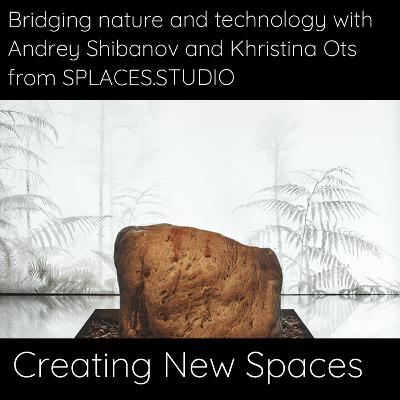
In this interview, Andrey Shibanov and Khristina Ots from SPLACES.STUDIO talk about the creative and technical processes behind the interactive sculpture "Megalith", which transforms a stone into an immersive, responsive soundscape.
SPLACES.STUDIO brings together artists, engineers, and scientists to collaborate on projects that combine light, sound, and natural elements, aiming to create sustainable, nature-inspired solutions. With a focus on innovation and environmental responsibility, their interdisciplinary approach leads to artworks that challenge traditional boundaries and encourage viewers to rethink their relationship with the natural world.
Megalith invites participants to engage with a large stone through tactile interaction, using a network of sensors and neural networks that trigger sounds recorded in a forest. The sculpture blurs the line between the organic and the technological, evoking a deeper connection to nature by allowing viewers to "hear" the stone's environment.
Listen to this podcast to learn about:
The intricate artistic and technical development of Megalith, from harnessing piezoelectric microphones to using neural networks
How SPLACES.STUDIO merges the digital and physical realms, using tactile interaction to create a deeper sensory connection with nature
SPLACES.STUDIO's interdisciplinary approach, where artists, engineers, and scientists collaborate to create nature-inspired installations
Highlights
(02:23) Bridging nature and technology
(14:37) Transforming stones into interactive sound art with neural networks
(21:59) SPLACES.STUDIO: Integrating science and technology for real change
(28:50) Advice on interactivity
About Khristina Ots
Khristina Ots is an art and science curator, researcher, and educator at SPLACES.STUDIO. She leads the curatorial department at the Art & Science Center of ITMO University, focusing on nature-driven technologies and interdisciplinary collaborations. A co-founder of the ASTA Award, Khristina has curated over 15 exhibitions and produced more than 20 projects. Her work has been featured at events like Ars Electronica and the Wrong Biennale. Khristina's curatorial approach emphasises the intersection of art, technology, and environmental philosophy, fostering a deeper connection to the natural world.
About Andrey Shibanov
Andrey Shibanov is the co-founder and creative producer of SPLACES.STUDIO and the founder and executive producer of COOLDOWN.PRO. He is an expert in modern editing and colour correction for cinema and advertising. Andrey has worked on commercials and music videos that have collectively garnered 560 million organic views. His work has earned recognition at international festivals, including Cannes Short Film Festival, Cannes Lions, and Manchester Film Festival. He has won numerous awards across both advertising and film industries.
Links from the podcast
Learn more about the Megalith
Visit the SPLACES.STUDIO’s website
Follow SPLACES.STUDIO on Instagram
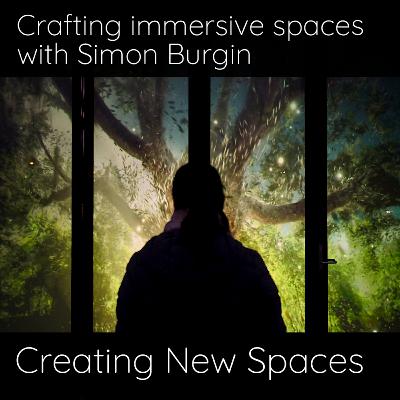
Explore the intricate process of crafting immersive digital spaces with Simon Burgin. Simon Burgin creates immersive artworks and interactive installations featured in prominent venues such as The Lume in Melbourne and the National Museum of Australia. In this episode, Simon shares insights into his project, “Natures Store", an immersive moving image piece created using AI-aided photogrammetry to reimagine natural environments. "Natures Store" was featured as part of Immerse 2024, an event that breaks away from the traditional art gallery setting to share art in unexpected places across Knox, Melbourne, and Australia.
Listen to this podcast to learn about how:
Simon combines AI-aided photogrammetry with tools like Unreal Engine and TouchDesigner to create detailed, immersive environments.
Iterative development plays a crucial role in Simon's artistic process.
The concept of immersion goes beyond scale, focusing on how art engages and transports the audience.
Chapters
(0:00:08) Exploring immersive art through digital and natural environments
(0:04:58) Balancing art and design: iterative development and client needs
(0:09:31) Exploring AI tools in art and commercial work
(0:13:56) The challenges of knowing when to stop in creative work
(0:16:41) Creating immersive art by prioritising audience experience
About Simon Burgin
Simon Burgin is a New Zealand-born digital artist and creative technologist. With 18 years of experience, he explores themes like environment and duality through contemporary media. Simon has developed immersive artworks for venues such as The Lume in Melbourne and WNDR Museum in Boston. His work includes interactive installations for public spaces like Stocklands 'Aura' and museum exhibits for the National Museum of Australia. Simon's projects also extend to brand activations for Nissan and BMW, as well as live A/V performances at events like Dark Mofo and Melbourne Music Week.
Links from the podcast
Visit Simon Burgin’s website
Follow Simon Burgin on Instagram
Learn about Luma Dream Machine the AI-aided photogrammetry app Simon uses
Learn more about the space Simon created for The Lume Emergent Melbourne
Learn more about The Lume
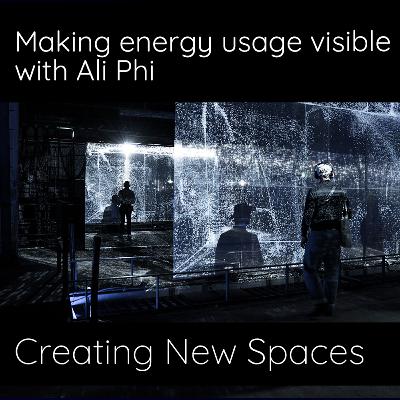
Ever wondered about the environmental impact of your digital footprint? In this interview, Ali Phi discusses the creative process behind 'TWh (terawatt hours)'. 'TWh' is an installation that blends web technologies to explore the environmental impact of digital technologies. The installation was commissioned by the New Now Festival and exhibited at the Mixing Plant in Zollverein, an industrial coal mine complex and UNESCO heritage site in Essen, Germany.
Listen to this podcast to learn about how:
How Ali uses installations to visualise energy and highlight the ecological footprint of digital technology
How installation and performance have distinct possibilities and problems.
How Ali designs immersive experiences with multiple layers of audience interaction.
Chapters
(00:00:04) Exploring digital footprints through interactive art installations
(00:04:16) The environmental impact of data storage and digital technologies
(00:08:48) Art, technology, and social impact in Decompositions for computers
(00:15:56) AI-driven interactive art and its environmental impact
(00:17:13) Exploring AI and technology as tools for creative artworks
(00:19:49) Creating 3D models and prototyping
(00:24:12) Layers of audience experience in interactive art installations
About Ali Phi
Ali Phi, originally from Tehran and now based in Toronto, is a new media artist and creative technologist. His work intersects art, science, and technology through installations, autonomous machines, and performances. Focusing on the interplay between physical perception and cognitive exploration, Ali uses computer programming and generative algorithms to create interactive media that blend geometry, light, and poetry.
As the artistic director of TADAEX, he has been a jury member, mentor, and lecturer. His work has been exhibited at Ars Electronica, Mutek (Montreal, Santiago, Buenos Aires), the Ontario Science Centre, Patchlab Digital Art Festival (Poland), and Asia Now: Paris Asian Art Fair. He has earned awards from the Canada Council for the Arts, Ontario Arts Council, and Toronto Arts Council.
Links from the podcast
Learn more about the TWh
Visit Ali Phil’s website
Follow Ali Phil on Instagram
Find out more about the Machine with Oil - Arthur Ganson
Learn more about the New Now Festival
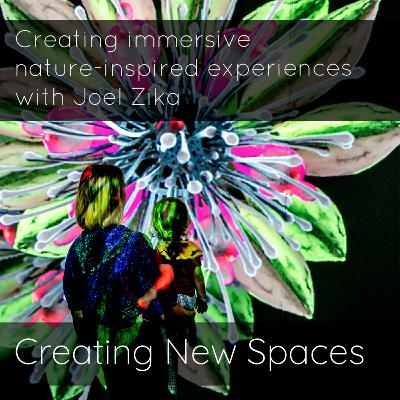
In this interview Joel Zika talks about the creative process behind “Valley of a Thousand Plants”. “Valley of a Thousand Plants" is an immersive installation that surrounds audiences with hyper-real animated plant forms that react to visitors' proximity. The installation is hosted at the Cube at the Multi-Arts Pavilion in Lake Macquarie, NSW, a 360-degree immersive digital projection space.
Joel Zika is a multimedia artist and educator currently teaching at Kent State University. He has a background in VR projects, documentaries, interactive animations, and public installations. During the interview Joel briefly discusses his PhD research on dark rides in amusement parks, exploring how the history of indoor ride design can inform contemporary media production.
Highlights
(6:01) The social dynamics of amusement parks and digital experiences
(8:55) Interactive art installations with sensor-activated plant animations
(19:28) Creating interactive spaces with simple tech
(29:08) Collaborative creativity
About Joel Zika
Dr. Joel Zika is an immersive media expert with a Ph.D. from Swinburne University in Melbourne He is currently teaching at Kent State University, where he continues to inspire the next generation of media artists. With over 15 years of experience, his work spans virtual reality films, documentaries, and public installations, showcased globally at venues like the Moss Arts Center and Dark Mofo. An educator at institutions such as Deakin and RMIT Universities, Zika also speaks at global events like South By Southwest. A key aspect of his research is the application of game engines for the location-based entertainment sector and virtual production.
Links from the interview with Joel Zika
Learn more about the Valley of a 1000 plants
Visit the Multi-Arts Pavilion, mima website
Learn more about Collide Public Art
Visit the Joel Zika website
Follow Joel Zika on Instagram
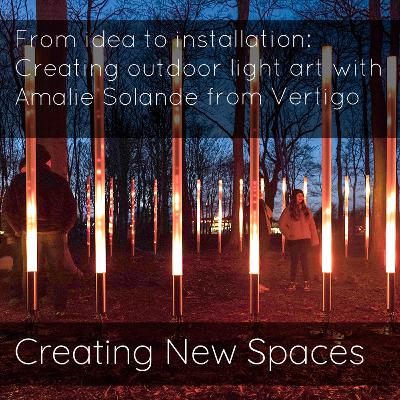
Amalie Solande from Vertigo, a Copenhagen-based audiovisual artist collective, discusses their outdoor light installation, Siro, in this episode. The installation features a circle of large light tubes that change colour when approached by the audience, creating a magical and immersive experience. Amalie also shares insights into the collaborative process at Vertigo and the challenges they faced in creating the installation. Tune in to learn more about their unique approach to blending nature and technology in their art.
Highlights
(1:28) Interactive light installation transforms with audience proximity
(4:09) Unveiling the magic of fairy rings in nature
(5:01) Merging technology with nature
(7:43) Crafting magical light installations for a winter festival
(9:50) Integrating Sketchup and Touchdesigner for visual simulations
(13:16) Diverse skill sets in a creative team
(14:02) Collaborative dynamics in the team
(16:46) Overcoming weather challenges in outdoor light installations
(17:19) Risk assessment
(19:21) Illuminating the wave: a transformative light and sound journey
(20:36) Embracing fun in the challenges of light art
About Vertigo
Established in 2011, Vertigo is a Copenhagen-based audiovisual artist collective known for its inventive light installations, scenographies, and immersive experiences. Vertigo’s work often incorporates elements of nature and technology, creating a magical and contrasting experience for audiences. Vertigo's portfolio includes exhibitions at Copenhagen Contemporary, SNFCC in Athens, Centre Point in London, and many highly prestigious venues. The collective's success can be attributed to its members' unwavering dedication to their craft and shared vision.
Collaborations with the Copenhagen Philharmonics, Den Sorte Skole, Who Killed Bambi, DR Symphonic Orchestra, Lil Lacy, and Hotel Pro Forma have expanded Vertigo's creative horizons. In 2023, the collective earned a Reumert Prize nomination for their work on Sky66en.
Links from the podcast
- Learn more about SHIRO
- Visit the Vertigo website
- Follow Vertigo on Instagram
- Follow Amalie Solande on Instagram

Comments

Download from Google Play

Download from App Store
 United States