


 Claim Ownership
The Feed Science Podcast Show
Subscribed: 9Played: 173
Subscribe

© All rights reserved.
Description
Do you want to be in the top 1% of the feed industry?
-----------------------------------------------------
Then learn how to improve feed production with high-impact strategies and through a modern podcast especially conceived and designed by and for the brightest minds of the global feed industry. Perfect for staying up to date with the latest research, trends and hot topics of the industry in a light and interesting way, while saving your time.
-----------------------------------------------------
Then learn how to improve feed production with high-impact strategies and through a modern podcast especially conceived and designed by and for the brightest minds of the global feed industry. Perfect for staying up to date with the latest research, trends and hot topics of the industry in a light and interesting way, while saving your time.
146 Episodes
Reverse
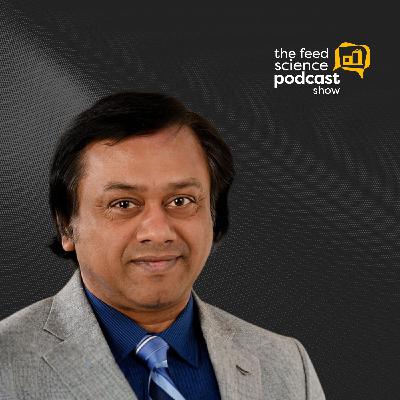
In this episode of The Feed Science Podcast Show, Dr. Michael Joseph, Assistant Professor and Extension Specialist at NC State University, explains how extrusion processing enhances digestibility, feed safety, and shelf life across animal nutrition sectors. He compares extrusion and pelleting, addresses protein denaturation, alternative proteins, and probiotic application strategies. Listen now on all major platforms!
“In extrusion, we have the complete cooking of the process, so that helps with the digestibility of the product.”
Meet the guest: Dr. Michael Joseph https://www.linkedin.com/in/michael-joseph-ph-d-54631530/ is an Assistant Professor and Extension Specialist in the Prestage Department of Poultry Science at NC State University. With over 12 years of experience in food and feed extrusion, his work focuses on byproduct utilization, processing optimization, and sustainable feed solutions. His research advances upcycling strategies that improve nutritional value and reduce environmental impact.
Liked this one? Don’t stop now — Here’s what we think you’ll love:
https://www.wisenetix.com/blog?tag=the+feed+science+podcast
What will you learn:
(00:00) Highlight
(01:05) Introduction
(04:45) Extrusion versus pelleting
(08:44) Heat moisture shear
(12:48) Feed safety benefits
(15:54) Protein denaturation
(17:18) Alternative proteins
(22:34) Final Questions
The Feed Science Podcast Show is trusted and supported by innovative companies like:
* DietForge (https://dietforge.ai/)
* Evonik (https://animal-nutrition.evonik.com/)
* Kemin (https://www.kemin.com/na/en-us/markets/animal)
* BinSentry (https://www.binsentry.com/)
- VAL-CO (https://www.val-co.com/optient-gradient-lighting/)
𝗟𝗶𝘀𝘁𝗲𝗻 𝗼𝗻 𝗔𝗽𝗽𝗹𝗲 𝗣𝗼𝗱𝗰𝗮𝘀𝘁𝘀, 𝗦𝗽𝗼𝘁𝗶𝗳𝘆 𝗼𝗿 𝗮𝗻𝘆 𝗺𝗮𝗷𝗼𝗿 𝗽𝗹𝗮𝘁𝗳𝗼𝗿𝗺.
Website: https://www.wisenetix.com/feedsciencepodcast
Instagram: https://www.instagram.com/feedsciencepodcast/
LinkedIn: https://www.linkedin.com/showcase/93232275
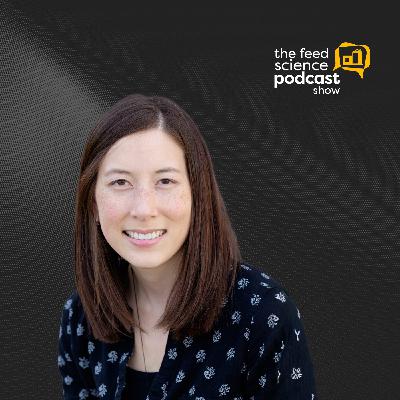
In this episode of The Feed Science Podcast Show, Elizabeth Willard, Director of Product at BinSentry, explains how real-time feed bin monitoring and artificial intelligence help prevent out-of-feed events in poultry and swine operations. She discusses slide management issues, predictive notifications, and measurable improvements in feed conversion ratio. Learn how better feed visibility improves operational efficiency and animal performance. Listen now on all major platforms!
“Modern poultry and swine genetics are optimized for rapid growth and feed efficiency under consistent feeding conditions, making interruptions more disruptive than many operations realize.”
Meet the guest: Elizabeth Willard https://www.linkedin.com/in/elizabethwillard/ holds a B.A.Sc in Systems Design Engineering from the University of Waterloo and an MBA from Wilfrid Laurier University. As Director of Product at BinSentry, she leads development of feed inventory monitoring solutions that improve efficiency, reduce feed interruptions, and strengthen supply chain visibility for animal production systems.
Liked this one? Don’t stop now — Here’s what we think you’ll love:
https://www.wisenetix.com/blog?tag=the+feed+science+podcast
What will you learn:
(00:00) Highlight
(00:48) Introduction
(06:11) Out of feed risks
(10:51) Slide management issues
(17:07) AI feed monitoring
(19:19) Predictive refill alerts
(24:13) Feed conversion impact
(26:56) Final Questions
The Feed Science Podcast Show is trusted and supported by innovative companies like:
* BinSentry (https://www.binsentry.com/)
* DietForge (https://dietforge.ai/)
* Evonik (https://animal-nutrition.evonik.com/)
* Kemin (https://www.kemin.com/na/en-us/markets/animal)
- VAL-CO (https://www.val-co.com/optient-gradient-lighting/)
𝗟𝗶𝘀𝘁𝗲𝗻 𝗼𝗻 𝗔𝗽𝗽𝗹𝗲 𝗣𝗼𝗱𝗰𝗮𝘀𝘁𝘀, 𝗦𝗽𝗼𝘁𝗶𝗳𝘆 𝗼𝗿 𝗮𝗻𝘆 𝗺𝗮𝗷𝗼𝗿 𝗽𝗹𝗮𝘁𝗳𝗼𝗿𝗺.
Website: https://www.wisenetix.com/feedsciencepodcast
Instagram: https://www.instagram.com/feedsciencepodcast/
LinkedIn: https://www.linkedin.com/showcase/93232275
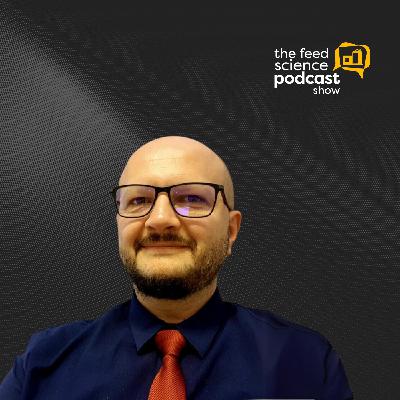
In this episode of The Feed Science Podcast Show, Dr. Dejan Miladinovic, Associate Professor and Head of the Centre for Feed Technology at the Norwegian University of Life Sciences, explains why physical feed quality matters as much as nutritional formulation. He discusses pellet durability, particle size, water stability, and their impact on the performance of poultry, swine, and aquaculture. Dr. Miladinovic highlights the economic and environmental consequences of poor feed quality and practical ways to improve outcomes. Listen now on all major platforms!
“The way the feed is produced, the texture of the feed, the particle size, durability, and stability can make or break animal performance.”
Meet the guest: Dr. Dejan Miladinovic https://www.linkedin.com/in/phd-dejan-miladinovic-1343bab/ is an Associate Professor and Head of the Centre for Feed Technology at the Norwegian University of Life Sciences. His work focuses on feed processing, pellet quality, extrusion, and physical feed characteristics affecting animal performance. With extensive experience in feed technology and quality control, his research supports more efficient and sustainable feed production.
Liked this one? Don’t stop now — Here’s what we think you’ll love:
https://www.wisenetix.com/blog?tag=the+feed+science+podcast
What will you learn:
(00:00) Highlight
(00:25) Introduction
(01:30) Feed quality basics
(04:23) Physical quality
(06:43) Durability testing
(10:33) Poultry impact
(14:47) Aquatic feeds
(19:52) Final Questions
The Feed Science Podcast Show is trusted and supported by innovative companies like:
* BinSentry (https://www.binsentry.com/)
* DietForge (https://dietforge.ai/)
* Kemin (https://www.kemin.com/na/en-us/markets/animal)
* Evonik (https://animal-nutrition.evonik.com/)
- VAL-CO (https://www.val-co.com/optient-gradient-lighting/)
𝗟𝗶𝘀𝘁𝗲𝗻 𝗼𝗻 𝗔𝗽𝗽𝗹𝗲 𝗣𝗼𝗱𝗰𝗮𝘀𝘁𝘀, 𝗦𝗽𝗼𝘁𝗶𝗳𝘆 𝗼𝗿 𝗮𝗻𝘆 𝗺𝗮𝗷𝗼𝗿 𝗽𝗹𝗮𝘁𝗳𝗼𝗿𝗺.
Website: https://www.wisenetix.com/feedsciencepodcast
Instagram: https://www.instagram.com/feedsciencepodcast/
LinkedIn: https://www.linkedin.com/showcase/93232275
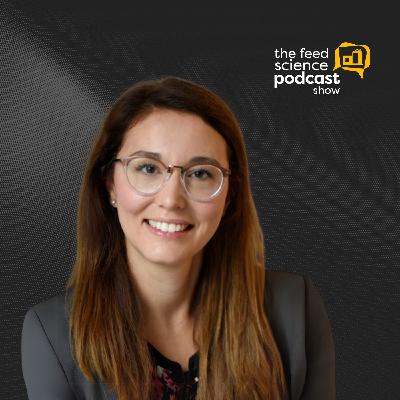
In this special re-run episode of The Feed Science Podcast Show, we bring back our conversation with Dr. Virginie Lachapelle from the University of Montreal, who breaks down the challenges of risk assessment in the feed industry. She covers everything from facility risk classification to the importance of industry collaboration and effective data collection, sharing a Canadian perspective on today’s regulatory practices. Discover actionable insights for improving feed safety and balancing compliance with real-world risk management. Tune in now on your favorite podcast platforms!
"The Canadian Food Inspection Agency collaborated with academia, government, and industry experts to ensure risk assessment tools are relevant to the Canadian context."
Meet the guest: Dr. Virginie Lachapelle https://www.linkedin.com/in/virginie-lachapelle-4a005b12b/?originalSubdomain=ca earned her DVM and PhD in Veterinary Sciences in Microbiology from the Université de Montréal. She serves as a veterinary science specialist at the Canadian Food Inspection Agency, developing risk assessment models for feed establishments. As an associate professor, her work focuses on feed safety, regulatory science, and risk-based inspection frameworks.
Liked this one? Don’t stop now — Here’s what we think you’ll love:
https://www.wisenetix.com/blog?tag=the+feed+science+podcast
What will you learn:
(00:00) Highlight
(00:28) Introduction
(02:54) Risk assessment
(07:03) Mitigation practices
(10:48) Data collection
(14:13) Compliance & inspection
(26:35) Establishing trust
(33:27) Final Questions
The Feed Science Podcast Show is trusted and supported by innovative companies like:
* Evonik (https://animal-nutrition.evonik.com/)
* BinSentry (https://www.binsentry.com/)
* DietForge (https://dietforge.ai/)
* Kemin (https://www.kemin.com/na/en-us/markets/animal)
- VAL-CO (https://www.val-co.com/optient-gradient-lighting/)
𝗟𝗶𝘀𝘁𝗲𝗻 𝗼𝗻 𝗔𝗽𝗽𝗹𝗲 𝗣𝗼𝗱𝗰𝗮𝘀𝘁𝘀, 𝗦𝗽𝗼𝘁𝗶𝗳𝘆 𝗼𝗿 𝗮𝗻𝘆 𝗺𝗮𝗷𝗼𝗿 𝗽𝗹𝗮𝘁𝗳𝗼𝗿𝗺.
Website: https://www.wisenetix.com/feedsciencepodcast
Instagram: https://www.instagram.com/feedsciencepodcast/
LinkedIn: https://www.linkedin.com/showcase/93232275
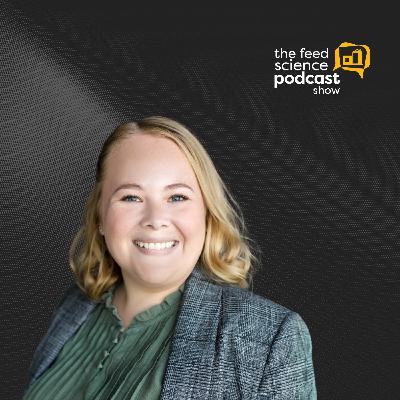
In this episode of The Feed Science Podcast Show, Olivia Harrison, Technical Sales Manager at Kemin Industries, discusses pathogen control strategies for swine and poultry feed mills. She explains formaldehyde use, regulatory considerations, feed mill disinfection, validation methods, and biosecurity practices to reduce contamination and recontamination risks. Listen now on all major platforms!
“Pathogen control starts with stopping the spread of disease from the initial source of contamination in the feed and protecting it until it reaches the animal.”
Meet the guest: Olivia Harrison https://www.linkedin.com/in/olharrison/ earned her B.S. in Animal Sciences from Kansas State University and completed graduate research focused on food safety, bacterial pathogens, and swine viral contamination in feed. Now a Technical Sales Manager at Kemin Industries, she supports swine and poultry feed mills with science-based pathogen control and biosecurity programs.
Liked this one? Don’t stop now — Here’s what we think you’ll love:
https://www.wisenetix.com/blog?tag=the+feed+science+podcast
What will you learn:
(00:00) Highlight
(00:32) Introduction
(03:37) Pathogen priorities
(05:33) Regulatory pressure
(06:48) Validation challenges
(08:34) Mill disinfection
(13:05) Choosing strategies
(22:38) Final Questions
The Feed Science Podcast Show is trusted and supported by innovative companies like:
* Kemin (https://www.kemin.com/na/en-us/markets/animal)
* Evonik (https://animal-nutrition.evonik.com/)
* BinSentry (https://www.binsentry.com/)
* DietForge (https://dietforge.ai/)
- VAL-CO (https://www.val-co.com/optient-gradient-lighting/)
𝗟𝗶𝘀𝘁𝗲𝗻 𝗼𝗻 𝗔𝗽𝗽𝗹𝗲 𝗣𝗼𝗱𝗰𝗮𝘀𝘁𝘀, 𝗦𝗽𝗼𝘁𝗶𝗳𝘆 𝗼𝗿 𝗮𝗻𝘆 𝗺𝗮𝗷𝗼𝗿 𝗽𝗹𝗮𝘁𝗳𝗼𝗿𝗺.
Website: https://www.wisenetix.com/feedsciencepodcast
Instagram: https://www.instagram.com/feedsciencepodcast/
LinkedIn: https://www.linkedin.com/showcase/93232275
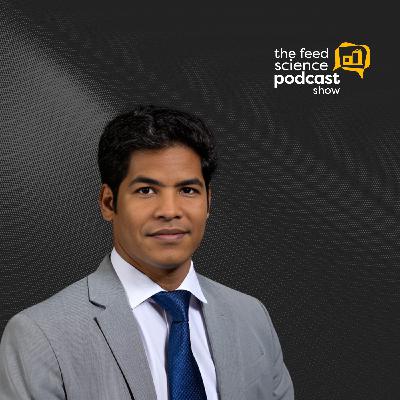
In this episode of The Feed Science Podcast Show, Dr. Elias Uddin, Assistant Professor at the University of Connecticut, explains how life cycle assessment helps evaluate feeds, feed additives, and production systems in dairy nutrition. He discusses carbon footprint, trade-offs across animals, manure, and cropping systems, and why whole farm analysis matters for environmental and economic decisions. Learn practical insight for feed and nutrition professionals focused on sustainability and performance. Listen now on all major platforms!
“At the farm scale, differences seen at the manure level can shrink significantly when all system components are considered.”
Meet the guest: Dr. Elias Uddin is a tenure-track Assistant Professor at the University of Connecticut, specializing in ruminant nutrition and life cycle assessment modeling. His work focuses on improving the productivity, efficiency, and environmental sustainability of dairy production systems through feed evaluation and systems analysis.
Liked this one? Don’t stop now — Here’s what we think you’ll love:
https://www.wisenetix.com/blog?tag=the+feed+science+podcast
What will you learn:
(00:00) Highlight
(00:46) Introduction
(02:35) LCA basics
(07:31) Agricultural applications
(12:45) Feed evaluation
(19:26) Additive impacts
(28:11) Future trends
(36:58) Final Questions
The Feed Science Podcast Show is trusted and supported by innovative companies like:
* DietForge (https://dietforge.ai/)
* Kemin (https://www.kemin.com/na/en-us/markets/animal)
* Evonik (https://animal-nutrition.evonik.com/)
* BinSentry (https://www.binsentry.com/)
- VAL-CO (https://www.val-co.com/optient-gradient-lighting/)
𝗟𝗶𝘀𝘁𝗲𝗻 𝗼𝗻 𝗔𝗽𝗽𝗹𝗲 𝗣𝗼𝗱𝗰𝗮𝘀𝘁𝘀, 𝗦𝗽𝗼𝘁𝗶𝗳𝘆 𝗼𝗿 𝗮𝗻𝘆 𝗺𝗮𝗷𝗼𝗿 𝗽𝗹𝗮𝘁𝗳𝗼𝗿𝗺.
Website: https://www.wisenetix.com/feedsciencepodcast
Instagram: https://www.instagram.com/feedsciencepodcast/
LinkedIn: https://www.linkedin.com/showcase/93232275
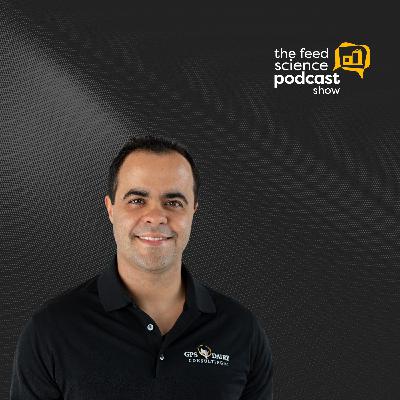
In this episode of The Feed Science Podcast Show, Dr. Andre Pereira, independent nutrition and management consultant, explains how low milk prices are reshaping dairy nutrition and feed manufacturing strategies. He discusses market drivers, cost control without harming performance, fat and protein formulation decisions, and practical actions for feed mills to support producers. Learn strategic insights to protect profitability in challenging margins. Listen now on all major platforms!
“Cutting costs without understanding biological consequences can reduce future milk production and delay recovery when markets improve.”
Meet the guest: Dr. Andre Pereira https://www.linkedin.com/in/andre-pereira-phd-dvm-31341935/ is an independent nutrition and management consultant at GPS Dairy Consulting, working extensively across the Upper Midwest and Europe. A veterinarian with a PhD in Animal Nutrition from the University of New Hampshire, his work focuses on dairy nutrition, feed efficiency, and farm profitability.
Liked this one? Don’t stop now — Here’s what we think you’ll love:
https://www.wisenetix.com/blog?tag=the+feed+science+podcast
What will you learn:
(00:00) Highlight
(00:40) Introduction
(03:39) Milk supply pressure
(08:57) Cost performance balance
(11:01) Ingredient strategies
(13:25) Milk fat biology
(17:56) High oleic soybeans
(28:49) Final Questions
The Feed Science Podcast Show is trusted and supported by innovative companies like:
* Kemin (https://www.kemin.com/na/en-us/markets/animal)
* DietForge (https://dietforge.ai/)
* Evonik (https://animal-nutrition.evonik.com/)
- VAL-CO (https://www.val-co.com/optient-gradient-lighting/)
𝗟𝗶𝘀𝘁𝗲𝗻 𝗼𝗻 𝗔𝗽𝗽𝗹𝗲 𝗣𝗼𝗱𝗰𝗮𝘀𝘁𝘀, 𝗦𝗽𝗼𝘁𝗶𝗳𝘆 𝗼𝗿 𝗮𝗻𝘆 𝗺𝗮𝗷𝗼𝗿 𝗽𝗹𝗮𝘁𝗳𝗼𝗿𝗺.
Website: https://www.wisenetix.com/feedsciencepodcast
Instagram: https://www.instagram.com/feedsciencepodcast/
LinkedIn: https://www.linkedin.com/showcase/93232275
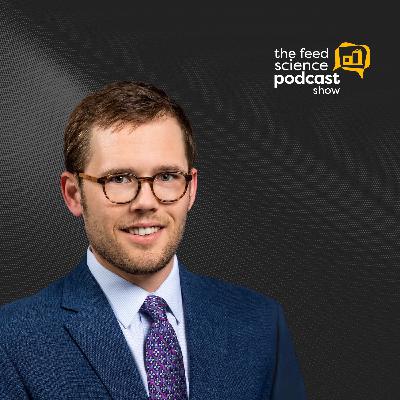
In this episode of The Feed Science Podcast Show, Dr. Zachary Smith, Associate Professor of Feedlot Nutrition and Management at South Dakota State University, explains how kernel processing of corn silage impacts beef cattle performance. He shares applied research comparing growing and finishing cattle, discusses when processing improves feed efficiency, and outlines practical decision-making for producers facing harvest constraints. Gain clear insights into when kernel processing matters and when it does not. Listen now on all major platforms!
"Kernel processing is a roller mill attached to the back of a silage harvester that fractures corn kernels to improve starch availability.”
Meet the guest: Dr. Zachary Smith is an Associate Professor of Feedlot Nutrition and Management at South Dakota State University and Faculty Supervisor of the Ruminant Nutrition Center and Laboratory. His applied research focuses on nutrition and management strategies that improve efficiency from weaning through harvest in beef and dairy-derived beef cattle systems.
Liked this one? Don’t stop now — Here’s what we think you’ll love:
https://www.wisenetix.com/blog?tag=the+feed+science+podcast
What will you learn:
(00:00) Highlight
(00:53) Introduction
(09:19) Kernel processing
(12:24) Dairy application
(13:41) Beef relevance
(15:57) Performance results
(19:11) Feed efficiency
(26:19) Final Questions
The Feed Science Podcast Show is trusted and supported by innovative companies like:
* Evonik (https://animal-nutrition.evonik.com/)
* Kemin (https://www.kemin.com/na/en-us/markets/animal)
* DietForge (https://dietforge.ai/)
- VAL-CO (https://www.val-co.com/optient-gradient-lighting/)
𝗟𝗶𝘀𝘁𝗲𝗻 𝗼𝗻 𝗔𝗽𝗽𝗹𝗲 𝗣𝗼𝗱𝗰𝗮𝘀𝘁𝘀, 𝗦𝗽𝗼𝘁𝗶𝗳𝘆 𝗼𝗿 𝗮𝗻𝘆 𝗺𝗮𝗷𝗼𝗿 𝗽𝗹𝗮𝘁𝗳𝗼𝗿𝗺.
Website: https://www.wisenetix.com/feedsciencepodcast
Instagram: https://www.instagram.com/feedsciencepodcast/
LinkedIn: https://www.linkedin.com/showcase/93232275
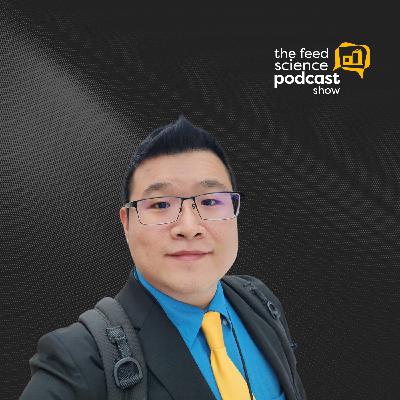
In this episode of The Feed Science Podcast Show, Dr. Liang-en Yu, postdoctoral fellow at Academia Sinica in Taiwan, explains how prenatal nutrition can shape poultry performance from embryonic development onward. He discusses in ovo supplementation, intestinal and muscle development, bioactive compounds, and industry implementation challenges. Learn research-driven insight for poultry nutrition and feed professionals focused on innovation and efficiency. Listen now on all major platforms!
“Organoid models provide representative intestinal cell interactions that improve evaluation of nutrient absorption and barrier function during embryonic development.”
Meet the guest: Dr. Liang-en Yu https://www.linkedin.com/in/liang-en-yu-9486a2192/?originalSubdomain=tw earned a PhD in Animal and Food Science from the University of Delaware and currently serves as a postdoctoral fellow at Academia Sinica in Taiwan. His research focuses on prenatal nutrition, in ovo supplementation, and embryonic intestinal and muscle development in poultry. Dr. Yu received the 2025 Milton L. Sunde Award from the American Society for Nutrition.
Liked this one? Don’t stop now — Here’s what we think you’ll love:
https://www.wisenetix.com/blog?tag=the+feed+science+podcast
What will you learn:
(00:00) Highlight
(01:02) Introduction
(02:02) Prenatal nutrition
(04:17) Organoid models
(07:57) Award recognition
(09:57) Industry application
(12:39) Supplement benefits
(20:11) Final Questions
The Feed Science Podcast Show is trusted and supported by innovative companies like:
* Evonik (https://animal-nutrition.evonik.com/)
* Kemin (https://www.kemin.com/na/en-us/markets/animal)
* DietForge (https://dietforge.ai/)
- VAL-CO (https://www.val-co.com/optient-gradient-lighting/)
𝗟𝗶𝘀𝘁𝗲𝗻 𝗼𝗻 𝗔𝗽𝗽𝗹𝗲 𝗣𝗼𝗱𝗰𝗮𝘀𝘁𝘀, 𝗦𝗽𝗼𝘁𝗶𝗳𝘆 𝗼𝗿 𝗮𝗻𝘆 𝗺𝗮𝗷𝗼𝗿 𝗽𝗹𝗮𝘁𝗳𝗼𝗿𝗺.
Website: https://www.wisenetix.com/feedsciencepodcast
Instagram: https://www.instagram.com/feedsciencepodcast/
LinkedIn: https://www.linkedin.com/showcase/93232275
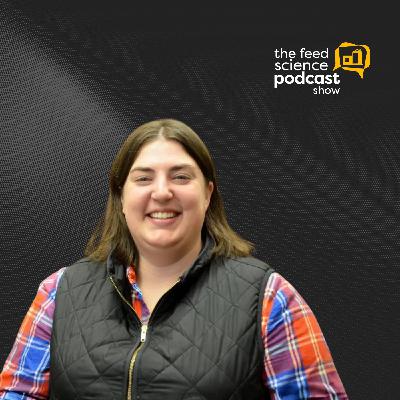
In this episode of The Feed Science Podcast Show, Dr. Megan Van Emon, Extension Beef Cattle Specialist at Montana State University, shares practical insights on winter feeding strategies for beef cattle in cold climates. She explains forage quality evaluation, supplementation decisions, energy needs during late gestation, and managing alternative feed resources. Learn valuable guidance for nutrition and feed professionals focused on efficiency and resilience. Listen now on all major platforms!
“Feed analysis is one of the most cost-effective tools available to improve winter ration accuracy and reduce unnecessary feed expenses.”
Meet the guest: Dr. Megan Van Emon https://www.linkedin.com/in/megan-van-emon-4a633266/ is an Extension Beef Cattle Specialist and Associate Professor at Montana State University, based in Miles City, Montana. Her work focuses on beef cattle nutrition, winter feeding management, forage quality, and practical solutions for producers in cold environments.
Liked this one? Don’t stop now — Here’s what we think you’ll love:
https://www.wisenetix.com/blog?tag=the+feed+science+podcast
What will you learn:
(00:00) Highlight
(00:52) Introduction
(05:11) Feed analysis value
(07:36) Forage maturity effects
(09:05) Protein and energy needs
(11:12) Cold weather demands
(13:30) Forage quality choices
(29:24) Final Questions
The Feed Science Podcast Show is trusted and supported by innovative companies like:
* DietForge (https://dietforge.ai/)
* Kemin (https://www.kemin.com/na/en-us/markets/animal)
* Evonik (https://animal-nutrition.evonik.com/)
- VAL-CO (https://www.val-co.com/optient-gradient-lighting/)
𝗟𝗶𝘀𝘁𝗲𝗻 𝗼𝗻 𝗔𝗽𝗽𝗹𝗲 𝗣𝗼𝗱𝗰𝗮𝘀𝘁𝘀, 𝗦𝗽𝗼𝘁𝗶𝗳𝘆 𝗼𝗿 𝗮𝗻𝘆 𝗺𝗮𝗷𝗼𝗿 𝗽𝗹𝗮𝘁𝗳𝗼𝗿𝗺.
Website: https://www.wisenetix.com/feedsciencepodcast
Instagram: https://www.instagram.com/feedsciencepodcast/
LinkedIn: https://www.linkedin.com/showcase/93232275
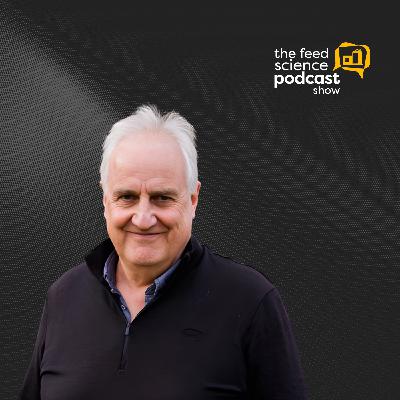
In this episode of The Feed Science Podcast Show, John McEwan, Principal Scientist retired at BSI AgResearch in New Zealand, explains how genetics and genomics are transforming ruminant production. He discusses breeding strategies that reduce methane emissions while improving feed efficiency and productivity in sheep and cattle systems. John highlights genomic selection, difficult-to-measure traits, and practical implementation at industry scale. Learn valuable insight for feed and nutrition professionals focused on sustainability and performance. Listen now on all major platforms!
“Selection lines now show about a twenty percent difference in methane output without compromising overall production performance.”
Meet the guest: John McEwan https://www.linkedin.com/in/john-mcewan-2605591/ is a retired Principal Scientist at BSI AgResearch in New Zealand with more than four decades of experience in quantitative genetics, genomics, and bioinformatics. His work has focused on genomic selection, meat quality, feed efficiency, and breeding ruminants with lower methane emissions.
Liked this one? Don’t stop now — Here’s what we think you’ll love:
https://www.wisenetix.com/blog?tag=the+feed+science+podcast
What will you learn:
(00:00) Highlight
(00:43) Introduction
(02:50) Methane breeding
(07:20) Emission measurement
(10:51) Feed impact
(14:55) Rumen profiling
(17:45) Productivity gains
(22:06) Final Questions
The Feed Science Podcast Show is trusted and supported by innovative companies like:
- VAL-CO (https://www.val-co.com/optient-gradient-lighting/)
* DietForge (https://dietforge.ai/)
* Kemin (https://www.kemin.com/na/en-us/markets/animal)
* Evonik (https://animal-nutrition.evonik.com/)
𝗟𝗶𝘀𝘁𝗲𝗻 𝗼𝗻 𝗔𝗽𝗽𝗹𝗲 𝗣𝗼𝗱𝗰𝗮𝘀𝘁𝘀, 𝗦𝗽𝗼𝘁𝗶𝗳𝘆 𝗼𝗿 𝗮𝗻𝘆 𝗺𝗮𝗷𝗼𝗿 𝗽𝗹𝗮𝘁𝗳𝗼𝗿𝗺.
Website: https://www.wisenetix.com/feedsciencepodcast
Instagram: https://www.instagram.com/feedsciencepodcast/
LinkedIn: https://www.linkedin.com/showcase/93232275
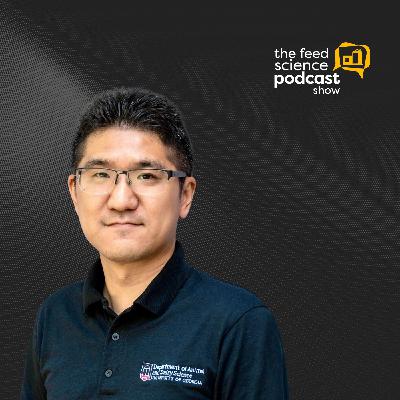
In this special re-run episode of The Feed Science Podcast Show, we bring back our conversation with Dr. Young Dal Jang from the University of Georgia, who talks about the role of medium-chain fatty acids (MCFAs) in nursery pig diets. Dr. Jang covers the nutritional advantages of MCFAs, such as their ability to increase energy and help reduce post-weaning diarrhea. He also shares valuable insights into their antimicrobial effects and the potential cost-saving benefits for swine producers. Tune in now on all major platforms!
"Medium-chain fatty acids are more polar and are absorbed quickly into the portal vein, offering a fast energy source for pigs."
Meet the guest: Dr. Young Dal Jang https://www.linkedin.com/in/young-dal-jang-a864b3a1/ is an Assistant Professor of non-ruminant nutrition at the University of Georgia, with extensive experience in swine nutrition research across nursery, growing, and finishing systems. His work focuses on energy utilization, vitamin and trace mineral nutrition, and feed additive evaluation.
Liked this one? Don’t stop now — Here’s what we think you’ll love:
https://www.wisenetix.com/blog?tag=the+feed+science+podcast
What will you learn:
(00:00) Highlight
(00:59) Introduction
(04:13) Medium-chain fatty acids overview
(07:10) Sources of MCFAs
(09:59) Forms of MCFAs
(12:17) Research on MCFAs
(15:46) Nursery pig diets
(23:16) Final Questions
The Feed Science Podcast Show is trusted and supported by innovative companies like:
* Evonik (https://animal-nutrition.evonik.com/)
* DietForge (https://dietforge.ai/)
* Kemin (https://www.kemin.com/na/en-us/markets/animal)
- VAL-CO (https://www.val-co.com/optient-gradient-lighting/)
𝗟𝗶𝘀𝘁𝗲𝗻 𝗼𝗻 𝗔𝗽𝗽𝗹𝗲 𝗣𝗼𝗱𝗰𝗮𝘀𝘁𝘀, 𝗦𝗽𝗼𝘁𝗶𝗳𝘆 𝗼𝗿 𝗮𝗻𝘆 𝗺𝗮𝗷𝗼𝗿 𝗽𝗹𝗮𝘁𝗳𝗼𝗿𝗺.
Website: https://www.wisenetix.com/feedsciencepodcast
Instagram: https://www.instagram.com/feedsciencepodcast/
LinkedIn: https://www.linkedin.com/showcase/93232275
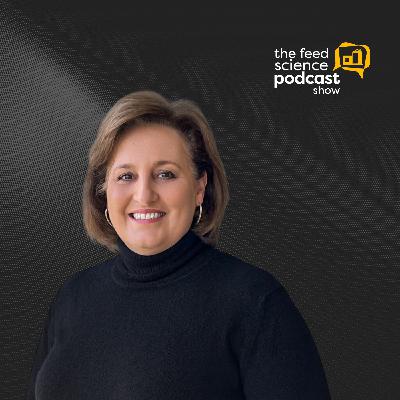
In this episode of The Feed Science Podcast Show, Constance Cullman, president and CEO of the American Feed Industry Association, shares how global trade uncertainty is shaping the U.S. animal feed industry. She explains the role of international markets, regulatory alignment, and supply chain resilience in maintaining competitiveness. Constance highlights sustainability, circular feed systems, and why feed plays a critical role in environmental performance. Learn how policy decisions and global partnerships influence feed manufacturers today. Listen now on all major platforms!
“Uncertainty in global trade makes long-term business planning extremely difficult for animal food manufacturers operating in export-dependent and ingredient-intensive supply chains.”
Meet the guest: Constance Cullman https://www.linkedin.com/in/constance-cullman-6436002/ is the president and CEO of the American Feed Industry Association and president of the Institute for Feed Education and Research. She has held leadership roles across government, academia, and agricultural organizations, with deep experience in trade, regulatory affairs, and global feed policy.
Liked this one? Don’t stop now — Here’s what we think you’ll love:
https://www.wisenetix.com/blog?tag=the+feed+science+podcast
What will you learn:
(00:00) Highlight
(00:34) Introduction
(03:20) Trade uncertainty
(05:44) China's dependence
(09:38) Key markets
(13:00) Vietnam strategy
(20:01) Sustainability role
(28:46) Final Questions
The Feed Science Podcast Show is trusted and supported by innovative companies like:
* Kemin (https://www.kemin.com/na/en-us/markets/animal)
* Evonik (https://animal-nutrition.evonik.com/)
* DietForge (https://dietforge.ai/)
- VAL-CO (https://www.val-co.com/optient-gradient-lighting/)
𝗟𝗶𝘀𝘁𝗲𝗻 𝗼𝗻 𝗔𝗽𝗽𝗹𝗲 𝗣𝗼𝗱𝗰𝗮𝘀𝘁𝘀, 𝗦𝗽𝗼𝘁𝗶𝗳𝘆 𝗼𝗿 𝗮𝗻𝘆 𝗺𝗮𝗷𝗼𝗿 𝗽𝗹𝗮𝘁𝗳𝗼𝗿𝗺.
Website: https://www.wisenetix.com/feedsciencepodcast
Instagram: https://www.instagram.com/feedsciencepodcast/
LinkedIn: https://www.linkedin.com/showcase/93232275
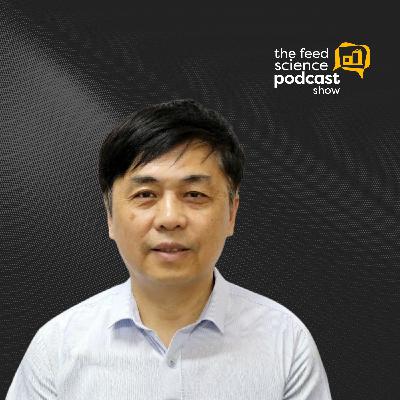
In this episode of The Feed Science Podcast Show, Dr. Hongyuan Cheng, consultant in process engineering and extrusion technology, explains how China’s feed mills are adapting to green manufacturing rules, digital systems, and rising production demands. He outlines challenges in quality control, ingredient variability, and equipment optimization across aquatic feed operations. Get a clear look at how technology is reshaping modern feed production. Listen now on all major platforms!
“Chinese feed mills face difficulty attracting younger workers, making modernization and digital interfaces necessary to sustain stable operation in smaller regional facilities.”
Meet the guest: Dr. Hongyuan Cheng https://www.linkedin.com/in/hongyuan-cheng/ is a process engineering consultant based in Denmark with decades of experience in aquatic feed extrusion, digital production modeling, and feed process optimization. His background spans chemical engineering, academic research, and hands-on industry work across China and Europe. He specializes in improving fish feed quality, troubleshooting production challenges, and developing smarter extrusion systems.
Liked this one? Don’t stop now — Here’s what we think you’ll love:
https://www.wisenetix.com/blog?tag=the+feed+science+podcast
What will you learn:
(00:00) Highlight
(00:36) Introduction
(03:39) Green manufacturing
(06:14) Digital operations
(11:22) Quality control
(15:45) Ingredient shifts
(16:52) Production planning
(28:01) Final Questions
The Feed Science Podcast Show is trusted and supported by innovative companies like:
* DietForge (https://dietforge.ai/)
* Kemin (https://www.kemin.com/na/en-us/markets/animal)
* Evonik (https://animal-nutrition.evonik.com/)
- VAL-CO (https://www.val-co.com/optient-gradient-lighting/)
𝗟𝗶𝘀𝘁𝗲𝗻 𝗼𝗻 𝗔𝗽𝗽𝗹𝗲 𝗣𝗼𝗱𝗰𝗮𝘀𝘁𝘀, 𝗦𝗽𝗼𝘁𝗶𝗳𝘆 𝗼𝗿 𝗮𝗻𝘆 𝗺𝗮𝗷𝗼𝗿 𝗽𝗹𝗮𝘁𝗳𝗼𝗿𝗺.
Website: https://www.wisenetix.com/feedsciencepodcast
Instagram: https://www.instagram.com/feedsciencepodcast/
LinkedIn: https://www.linkedin.com/showcase/93232275
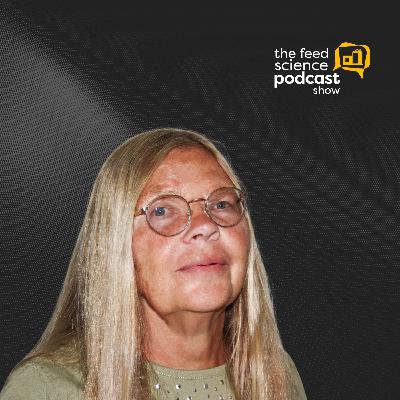
In this episode of The Feed Science Podcast Show, Dr. Essi Evans, owner of E+E Technical Advisory Services, explains how canola meal has evolved into a reliable protein source for dairy cattle. She covers improvements in processing, updated research on bypass protein, and why modern evaluations show stronger-than-expected performance in milk yield and body condition. Get clear insights into why canola meal deserves a closer look in formulation. Listen now on all major platforms.
"Amino acid patterns in canola align closely with those in milk, contributing to improved nitrogen efficiency in dairy systems."
Meet the guest: Dr. Essi Evans https://www.linkedin.com/in/essi-evans-3a5a7a20/?originalSubdomain=ca built her career in Canada after completing her graduate work in ruminant nutrition at the University of Guelph. With decades of experience in mathematical modeling, research design, and dairy formulation strategies, she now leads E+E Technical Advisory Services, supporting organizations seeking advanced feed science solutions.
Liked this one? Don’t stop now — Here’s what we think you’ll love:
https://www.wisenetix.com/blog?tag=the+feed+science+podcast
What will you learn:
(00:00) Highlight
(00:42) Introduction
(02:57) Canola evolution
(07:45) Protein evaluation
(10:00) Bypass insights
(13:35) Amino acids
(15:48) Fatty acids
(24:13) Final Questions
The Feed Science Podcast Show is trusted and supported by innovative companies like:
* Kemin (https://www.kemin.com/na/en-us/markets/animal)
* Evonik (https://animal-nutrition.evonik.com/)
- VAL-CO (https://www.val-co.com/optient-gradient-lighting/)
𝗟𝗶𝘀𝘁𝗲𝗻 𝗼𝗻 𝗔𝗽𝗽𝗹𝗲 𝗣𝗼𝗱𝗰𝗮𝘀𝘁𝘀, 𝗦𝗽𝗼𝘁𝗶𝗳𝘆 𝗼𝗿 𝗮𝗻𝘆 𝗺𝗮𝗷𝗼𝗿 𝗽𝗹𝗮𝘁𝗳𝗼𝗿𝗺.
Website: https://www.wisenetix.com/feedsciencepodcast
Instagram: https://www.instagram.com/feedsciencepodcast/
LinkedIn: https://www.linkedin.com/showcase/93232275
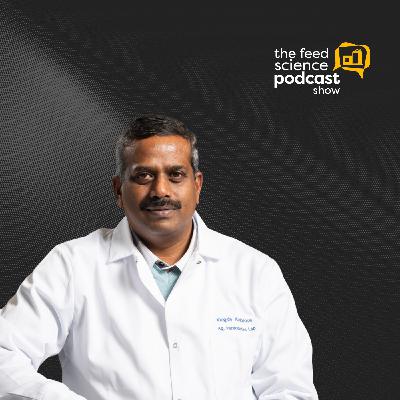
In this episode of The Feed Science Podcast Show, Dr. Kingsly Ambrose, from the Purdue University, explains the science behind grain dust explosions and how modern facilities can prevent them. He discusses key causes, regulatory insights, and effective safety measures through engineering design, housekeeping, and workforce training. Hear how data-driven prevention strategies can keep grain and feed operations safe. Listen now on all major platforms!
“Consistent housekeeping is the foundation of explosion prevention. Dust should never be left to accumulate.”
Meet the guest: Dr. Kingsly Ambrose https://www.linkedin.com/in/arpkingsly/ is a Professor of Agricultural and Biological Engineering and University Faculty Scholar at Purdue University. His research focuses on particle technology, feed processing, and preventing grain dust explosions. Over the years, he has trained more than 1,000 grain industry professionals on explosion prevention and safety practices.
Liked this one? Don’t stop now — Here’s what we think you’ll love:
https://www.wisenetix.com/blog?tag=the+feed+science+podcast
What will you learn:
(00:00) Highlight
(00:47) Introduction
(04:30) Why dust explodes
(08:19) Ignition sources
(10:47) Dust explosion pentagon
(14:52) Housekeeping role
(17:11) Importance of training
(22:57) Final Questions
The Feed Science Podcast Show is trusted and supported by innovative companies like:
* Evonik (https://animal-nutrition.evonik.com/)
* Kemin (https://www.kemin.com/na/en-us/markets/animal)
- VAL-CO (https://www.val-co.com/optient-gradient-lighting/)
𝗟𝗶𝘀𝘁𝗲𝗻 𝗼𝗻 𝗔𝗽𝗽𝗹𝗲 𝗣𝗼𝗱𝗰𝗮𝘀𝘁𝘀, 𝗦𝗽𝗼𝘁𝗶𝗳𝘆 𝗼𝗿 𝗮𝗻𝘆 𝗺𝗮𝗷𝗼𝗿 𝗽𝗹𝗮𝘁𝗳𝗼𝗿𝗺.
Website: https://www.wisenetix.com/feedsciencepodcast
Instagram: https://www.instagram.com/feedsciencepodcast/
LinkedIn: https://www.linkedin.com/showcase/93232275
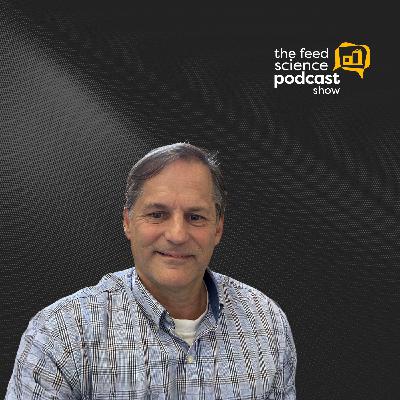
In this episode of The Feed Science Podcast Show, Dr. Richard Kohn from the University of Maryland explains how mathematical modeling shapes diet formulation, nutrient management, and environmental sustainability in livestock systems. He discusses how artificial intelligence could influence feed formulation, the risks of data bias, and the need for critical thinking in animal nutrition. Explore how modeling connects efficiency, profitability, and environmental care. Listen now on all major platforms!
“Feeding remains a micro-level science with macro-level consequences, influencing global trade, environment, and food system resilience.”
Meet the guest: Dr. Richard Kohn https://www.linkedin.com/in/richard-kohn-17a612106/ is a Professor of Animal Science at the University of Maryland, specializing in mathematical modeling of metabolism, diet formulation, and the environmental impact of animal production systems. His research links nutrition, farm management, and sustainability through data-driven approaches.
Liked this one? Don’t stop now — Here’s what we think you’ll love:
https://www.wisenetix.com/blog?tag=the+feed+science+podcast
What will you learn:
(00:00) Highlight
(00:36) Introduction
(03:20) Mathematical modeling
(05:03) Environmental nutrition impact
(06:39) AI in feed formulation
(10:16) Farm data integration
(18:15) Critical thinking in science
(28:51) Final Questions
The Feed Science Podcast Show is trusted and supported by innovative companies like:
* Kemin (https://www.kemin.com/na/en-us/markets/animal)
* Evonik (https://animal-nutrition.evonik.com/)
- VAL-CO (https://www.val-co.com/optient-gradient-lighting/)
𝗟𝗶𝘀𝘁𝗲𝗻 𝗼𝗻 𝗔𝗽𝗽𝗹𝗲 𝗣𝗼𝗱𝗰𝗮𝘀𝘁𝘀, 𝗦𝗽𝗼𝘁𝗶𝗳𝘆 𝗼𝗿 𝗮𝗻𝘆 𝗺𝗮𝗷𝗼𝗿 𝗽𝗹𝗮𝘁𝗳𝗼𝗿𝗺.
Website: https://www.wisenetix.com/feedsciencepodcast
Instagram: https://www.instagram.com/feedsciencepodcast/
LinkedIn: https://www.linkedin.com/showcase/93232275
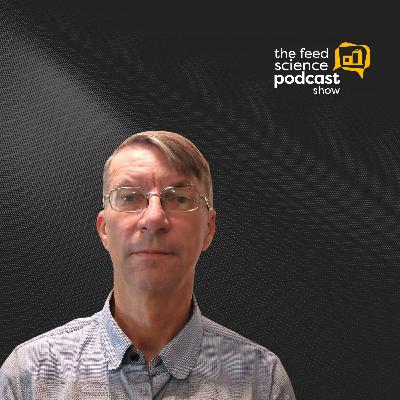
In this episode of The Feed Science Podcast Show, Dr. Thomas Isakeit, Professor and Extension Plant Pathologist at Texas A&M University, shares three decades of experience tackling mold and mycotoxin challenges in major field crops. He explains how environmental conditions, fungal species, and post-harvest practices influence contamination levels, and what producers can do to prevent losses. Learn field and storage strategies that protect both grain quality and feed safety. Listen now on all major platforms!
“Aflatoxin contamination often arises during periods of hot, dry weather, when crop stress allows fungi to penetrate and thrive within kernels.”
Meet the guest: Dr. Thomas Isakeit is a Professor and Extension Plant Pathologist at Texas A&M University with over 30 years of experience in managing aflatoxin and fumonisin contamination in crops. His research has identified new plant diseases across the U.S. and effective fungicide treatments with multi-million-dollar agricultural impact. Dr. Isakeit focuses on disease management for field crops and vegetables, especially corn, cotton, sorghum, and watermelon.
Liked this one? Don’t stop now — Here’s what we think you’ll love:
https://www.wisenetix.com/blog?tag=the+feed+science+podcast
What will you learn:
(00:00) Highlight
(00:28) Introduction
(03:41) Mycotoxin basics
(09:13) Fungal species by region
(14:50) Grain storage practices
(19:54) Fungicides and control
(21:30) Biological control solutions
(27:47) Final Questions
The Feed Science Podcast Show is trusted and supported by innovative companies like:
* Evonik (https://animal-nutrition.evonik.com/)
* Kemin (https://www.kemin.com/na/en-us/markets/animal)
- VAL-CO (https://www.val-co.com/optient-gradient-lighting/)
𝗟𝗶𝘀𝘁𝗲𝗻 𝗼𝗻 𝗔𝗽𝗽𝗹𝗲 𝗣𝗼𝗱𝗰𝗮𝘀𝘁𝘀, 𝗦𝗽𝗼𝘁𝗶𝗳𝘆 𝗼𝗿 𝗮𝗻𝘆 𝗺𝗮𝗷𝗼𝗿 𝗽𝗹𝗮𝘁𝗳𝗼𝗿𝗺.
Website: https://www.wisenetix.com/feedsciencepodcast
Instagram: https://www.instagram.com/feedsciencepodcast/
LinkedIn: https://www.linkedin.com/showcase/93232275
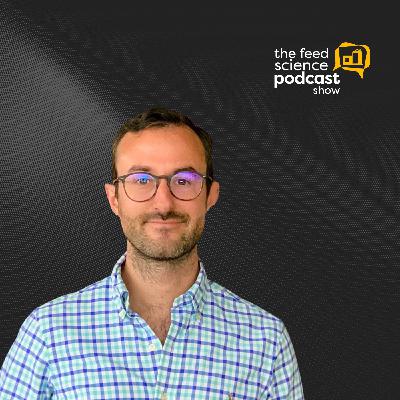
In this episode of The Feed Science Podcast Show, Dr. Lautaro Cangiano, from the University of Wisconsin–Madison, explores how colostrum management and early-life nutrition shape the immune development of dairy calves. He explains how timing, quality, and cleanliness of colostrum feeding directly influence disease resistance, gut health, and long-term productivity. Learn how new research is reshaping early calf care and immunity. Listen now on all major platforms!
“Contamination with bacteria during colostrum handling severely limits immunoglobulin absorption in calves.”
Meet the guest: Dr. Lautaro Cangiano https://www.linkedin.com/in/lautaro-rostoll-cangiano-110352130/ is an Assistant Professor of Bovine Immunology at the University of Wisconsin–Madison. His research investigates how management practices, such as colostrum feeding and early-life interventions, influence immune function and health across a dairy cow’s lifespan. With a focus on practical, science-based strategies, his work helps producers enhance disease resistance and resilience in dairy herds.
Liked this one? Don’t stop now — Here’s what we think you’ll love:
https://www.wisenetix.com/blog?tag=the+feed+science+podcast
What will you learn:
(00:00) Highlight
(00:48) Introduction
(01:53) Colostrum management
(04:18) Passive immunity transfer
(11:45) Gut health benefits
(13:47) Immune system development
(18:17) Future colostrum practices
(24:00) Final Questions
The Feed Science Podcast Show is trusted and supported by innovative companies like:
* Kemin (https://www.kemin.com/na/en-us/markets/animal)
* Evonik (https://animal-nutrition.evonik.com/)
- VAL-CO (https://www.val-co.com/optient-gradient-lighting/)
𝗟𝗶𝘀𝘁𝗲𝗻 𝗼𝗻 𝗔𝗽𝗽𝗹𝗲 𝗣𝗼𝗱𝗰𝗮𝘀𝘁𝘀, 𝗦𝗽𝗼𝘁𝗶𝗳𝘆 𝗼𝗿 𝗮𝗻𝘆 𝗺𝗮𝗷𝗼𝗿 𝗽𝗹𝗮𝘁𝗳𝗼𝗿𝗺.
Website: https://www.wisenetix.com/feedsciencepodcast
Instagram: https://www.instagram.com/feedsciencepodcast/
LinkedIn: https://www.linkedin.com/showcase/93232275
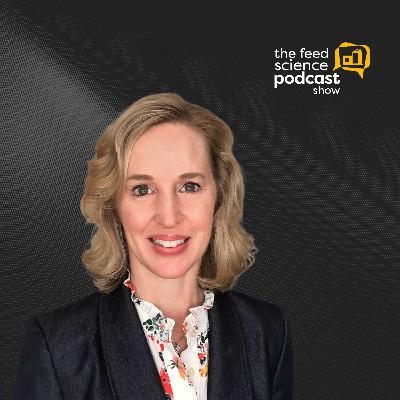
In this episode of The Feed Science Podcast Show, Lara Moody, Executive Director at the IFEEDER, explores the organization’s new report on vitamin and amino acid supply chain vulnerabilities. She explains how global sourcing affects feed formulation, food security, and production efficiency across species. Gain insight into the economic and biological consequences of supply disruptions. Listen now on all major platforms!
“Almost all the vitamin D used in animal diets comes through supplementation rather than from natural feed ingredients.”
Meet the guest: Lara Moody https://www.linkedin.com/in/lara-moody-14294767/ is the Executive Director of the Institute for Feed Education and Research (IFEEDER), where she leads research and educational initiatives to advance trust and understanding in the sustainable feed and pet food supply chain. With a background in agricultural and biosystems engineering, she has worked in both academia and industry, promoting stewardship and sustainability across U.S. agriculture.
Liked this one? Don’t stop now — Here’s what we think you’ll love:
https://www.wisenetix.com/blog?tag=the+feed+science+podcast
What will you learn:
(00:00) Highlight
(00:49) Introduction
(04:16) Supply chain risks
(08:01) Vitamin supplementation
(11:21) Amino acid efficiency
(15:01) Feed cost impact
(18:38) Food security concerns
(26:18) Final Questions
The Feed Science Podcast Show is trusted and supported by innovative companies like:
* Evonik (https://animal-nutrition.evonik.com/)
* Kemin (https://www.kemin.com/na/en-us/markets/animal)
- VAL-CO (https://www.val-co.com/optient-gradient-lighting/)
𝗟𝗶𝘀𝘁𝗲𝗻 𝗼𝗻 𝗔𝗽𝗽𝗹𝗲 𝗣𝗼𝗱𝗰𝗮𝘀𝘁𝘀, 𝗦𝗽𝗼𝘁𝗶𝗳𝘆 𝗼𝗿 𝗮𝗻𝘆 𝗺𝗮𝗷𝗼𝗿 𝗽𝗹𝗮𝘁𝗳𝗼𝗿𝗺.
Website: https://www.wisenetix.com/feedsciencepodcast
Instagram: https://www.instagram.com/feedsciencepodcast/
LinkedIn: https://www.linkedin.com/showcase/93232275

Comments

Download from Google Play

Download from App Store
 United States