


 Claim Ownership
A Functional Approach with Dr. Jim Chialtas
Subscribed: 5Played: 72
Subscribe

© Jim Chialtas, DACM, L.Ac.
Description
In this Podcast we will discuss topics relating to Functional Medicine, Self Improvement, & Wellness.
Dr. Jim Chialtas has been in private practice in San Diego, CA since 2003 with a focus in Acupuncture & Functional Medicine. www.functionalmedicine-sandiego.com He designs and teaches continuing education courses on Functional Blood Chemistry for the online education company, Acupuncture Insights. He also designed and currently teaches a course on Functional Blood Chemistry for the Doctorate of Traditional Chinese Medicine (DTCM) program at Five Branches University.
Dr. Jim Chialtas has been in private practice in San Diego, CA since 2003 with a focus in Acupuncture & Functional Medicine. www.functionalmedicine-sandiego.com He designs and teaches continuing education courses on Functional Blood Chemistry for the online education company, Acupuncture Insights. He also designed and currently teaches a course on Functional Blood Chemistry for the Doctorate of Traditional Chinese Medicine (DTCM) program at Five Branches University.
160 Episodes
Reverse
In this 160th episode, I riff a bit on a book my former Ju-Jitsu Sensei wrote and gifted to me many years back. The concept here is "vision." There is a difference between dreams and vision. And it takes vision to make change happen. I share a story about an elephant from my book, and discuss how the very same principles can be found in our lives. This episode is one of encouragement. Encouragement to make your dreams your reality.
In this 159th episode, I take a clear, evidence-focused look atBreast Implant Illness — what implants are made of, how our bodies can react to them, and why some people develop unexplained systemic symptoms. I walk you through the history—major recalls, FDA actions, and key studies—so you can see how awareness has changed and why recommendations are evolving.I break down the common symptoms I hear about most (fatigue, brain fog, pain, neurological issues), related conditions (autoimmune disease, chronic fatigue, implant-associated cancers), and the biology behind it: siloxane (silicone) leaching, how bacterial biofilms or mold can play a role, and how the fibrous capsule surrounding implants can trap toxins and sometimes become the site of serious cancers.Then I get practical: how to evaluate symptoms, questions toask an explant surgeon, what diagnostics and pathology can reveal, and an evidence-informed approach to recovery—detox pathways, mitochondrial support, addressing infections or mold, and lifestyle steps that help. I emphasize individualized, multidisciplinary care and give actionable next steps for anyone worried about their implants.This episode is for people with implants who are experiencing unexplained symptoms, friends and family supporting someone with suspected breast implant-related concerns, and anyone considering implants who wants balanced, practical information.Explant specialist in San Diego, CA:Mouchammed Agko, M.D.https://www.cityofhope.org/patients/find-a-doctor/mouchammed-agko
In this 158th episode, I follow up on my last episode about my journey into and out of Hell Hole Canyon in the Southern California Anza Borrego desert. You already heard about my journey itself, but I felt it only fitting to explain just what happened to me physiologically. For example.... How can a person get so dehydrated with a stomach full of water?!? And just how might something like a history of gluten sensitivity and some head trauma contribute to the situation? It took me a while to figure that one out for myself. In fact, it took a year of Functional neurology training for me to fully grasp the mechanisms involved. Join me for a deeper dive into this rather peculiar chain of events. These things don't just happen to me... The mechanisms described in this episode are literally EVERYWHERE! For me, it was a backpacking trip. For you, it may be a nice day sailing out on the bay, or a day at an amusement park that sets the stage for something unexpected.
In this 157th episode, I recount a harrowing experience of survival, persistence, calm rational thinking, and realistic goal setting - all in the face of very real danger. My trip into and out of Hell Hole Canyon in Anza Borrego State Park, a literal desert paradise here in Southern California, started out as a lovely solo backpack and quickly turned into something much more important. It was a test of will, a humbling, and an expression of true freedom. Listen in and consider how goals, no matter how big, can be looked at and worked through mindfully. And in so doing... An approach like this can offer success, where failure often lurks around every corner. https://en.wikipedia.org/wiki/Anza-Borrego_Desert_State_Park
In this 156th episode, I share a recent gluten exposure experience. This exposure was one of the largest (accidental) exposures to gluten that I can remember... One whole cracker. Listen in and hear about how something like that can happen to us in the GF community, how I responded to knowing I just poisoned myself, and just how powerful our minds and spirits can be when something like this happens. I did not get off scot-free, but spoiler... No migraine!!
In this 155th episode, we reflect on loss—big and small—and how it shapes our lives. From everyday comforts and relationships to health, habits, and grief, we explorehow attachment can both comfort and weigh us down. Rather than denying painful emotions, the conversation invites you to feel them fully, practice presence, and find the freedom in impermanence. We cover how acceptance, gratitude for the present moment, self‑compassion, and connection with others can help us move through loss and open space for new possibilities.
In this 154th episode, I unpack hypochlorhydria — low stomach acid — exploring what it is, why stomach acid matters for digestion and immune defense, and how reduced acid can cause symptoms that often mimic reflux. We review common causes (long‑term PPI use, H. pylori, autoimmune gastritis, age, etc.), practical evaluation (when to test, which labs to order), and some dangers of living with a low stomach acid condition. This is a very common condition that likely impacts you or someone you know. Yet it is managed incorrectly, most of the time.
In this 153rd episode, I speak with Morgan Smith, CEO of Kalm with Kava, founder of Pu'iwa Hawaiian Farms, and Board member of the International Kava Organization.We discuss concepts about how kava came into his life, and how this herb helped him manage the ever-increasing stresses of work and family.We discuss how this herb, kava, works in the body, where and how it is grown, some cautions of its use, and some traditional ceremonial practices used by indigenous people of the Pacific Islands.If you have never heard of kava before, I encourage you to listen in on this one. Morgan is a wealth of information, and we had a wonderful discussion.My apologies for the audio static in the very beginning of the episode. We got it sorted out quickly, so hang in there!You can find Morgan and his products through his website and social media links here:www.kalmwithkava.comFacebook: https://www.facebook.com/KalmwithKavaInstagram: https://www.instagram.com/explore/search/keyword/?q=Calm%20with%20kavaReddit: https://www.reddit.com/r/kalmwithkava/YouTube: https://www.youtube.com/@Drinkkalm

In this 152nd episode, I speak with Prashanthi Amarnath about how Taoist principles can help reshape our relationship to uncertainty, fear, decision‑making, and our emotional life. We discuss how uncertainty affects physiology and the nervous system. The conversation explores why the mind resists paradox and how cultivating perceptual flexibility — the “non‑fixed mind” Lao Tzu describes — expands relational attunement and emotional plasticity. We discuss the concept of "wu wei" as an inner posture of effortless responsiveness rather than passivity, and discuss how embracing paradox can free decision‑making. We discuss these things and much more! Tune in for a lovely conversation.You can find Prashanthi's book Embracing Paradox through Amazon here: https://a.co/d/cibPyFn
In this 151st episode, we unpack Brain-Derived Neurotrophic Factor (BDNF) — often called “fertilizer for the brain.” We explore what BDNF is, why it matters for learning, memory, and mood, and how low BDNF shows up in conditions like depression, cognitive decline, and neurodegenerative disease. Then we dive into evidence-based strategies to naturally support BDNF through exercise, nutrition, sleep, stress management, and targeted supplements, plus emerging data on acupuncture.Citations: Electroacupuncture at the Baihui acupoint alleviates cognitive impairment and exerts neuroprotective effects by modulating the expression and processing of brain-derived neurotrophic factor in APP/PS1 transgenic micehttps://pubmed.ncbi.nlm.nih.gov/26739187/The neuroprotective role of acupuncture and activation of the BDNF signaling pathwayhttps://pubmed.ncbi.nlm.nih.gov/24566146/Potential Moderators of Physical Activity on Brain Healthhttps://pmc.ncbi.nlm.nih.gov/articles/PMC3523571/Neuroplasticity - exercise-induced response of peripheral brain-derived neurotrophic factor: a systematic review of experimental studies in human subjectshttps://pubmed.ncbi.nlm.nih.gov/20726622/Brain foods: the effects of nutrients on brain functionhttps://pmc.ncbi.nlm.nih.gov/articles/PMC2805706/License to run: exercise impacts functional plasticity in the intact and injured central nervous system by using neurotrophinshttps://pubmed.ncbi.nlm.nih.gov/16263961/Effects of curcumin on brain-derived neurotrophic factor levels and oxidative damage in obesity and diabeteshttps://pubmed.ncbi.nlm.nih.gov/24476477/
In this 150th episode, I take a moment to riff on the importance of letting go of control. Of course, a life without some form of control is chaotic and might lend itself to being controlled by other people or institutions. I am not talking about letting go of complete control. Rather, I am suggesting here that our fixation on being in control could be holding us back or even doing us harm. Take the next 12 or so minutes to listen to this episode and feel into how you might be fixating on control in your own life. And how might fear play into this fixation? When you give this some consideration, you might just find some interesting details about your outlook on life that could be improved. And that is a Functional Approach...
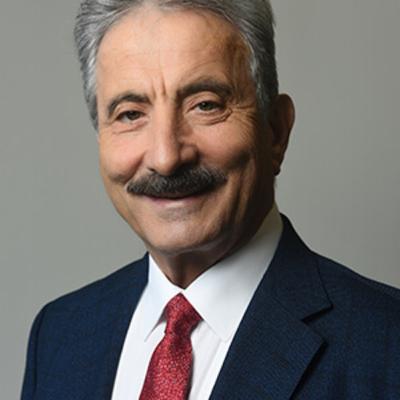
In this 149th episode, I do a deep-dive into autoimmunity, laboratory testing, food sensitivity, chemical sensitivity, and all things immunology. On this day I had the significant honor of sitting down with a giant in the integrative and functional medicine arena, Dr. Aristo Vojdani. I have followed Dr. Vojdani's work since my earliest days of practice back in 2002. The diagnostic approach that he brings to the table through Cyrex Labs was one of the defining concepts in my personal evolution as a clinician. I saw and continue to see a depth of thought and understanding about how the immune system operates that I simply didn't (and still don't) see from other laboratory testing. Dr. Vojdani holds Ph.D.'s in Microbiology & Immunology, is the founder of Immunosciences Laboratories and co-founder of Cyrex Laboratories, has published over 200 articles in highly respected medical journals, holds 17 patents, and has published multiple books. Long story short, Dr. Vojdani is a scientist of merit and one that we are fortunate to have looking out for our health and wellness!You can look further into the work that Dr. Vojdani has offered at the following websites:www.JoinCyrex.comhttps://immunoscienceslab.com/And you can always reach Chase Zittrauer - My Cyrex Labs Rep (who I have had as a guest on my podcast, and who is a wonderful human) at: Chase.Zittrauer@cyrexlabs.com
In this 148th episode we delve into the intricacies of cardiovascular health by shining a light on some often-overlooked cardiovascular risks that could be influencing your heart health: trimethylamine N-oxide (TMAO), oxidized low-density lipoprotein (oxLDL), and homocysteine. These biochemical markers provide crucial insights into our cardiovascular health, yet many people remain unaware of their significance or even their existence. Join us as we explore how these compounds are formed, their implications for heart disease, and how you can take control of your cardiovascular well-being.Citations:Mechanistic Insights into the Oxidized Low-Density Lipoprotein-Induced Atherosclerosishttps://pubmed.ncbi.nlm.nih.gov/33014272/Gut Microbiota in Hypertension and Atherosclerosis: A Reviewhttps://pubmed.ncbi.nlm.nih.gov/33003455/Homocysteine Metabolites, Endothelial Dysfunction, and Cardiovascular Diseasehttps://pubmed.ncbi.nlm.nih.gov/39859460/
In this 147th episode, I discuss the recent California law taking effect on Janurary 1, 2026 enforcing the supplementation of Folic Acid into corn masa (corn flour). This will impact corn tortillas, tamales, corn chips, etc. It just so happens that upwards of 40% of the people this new law is intended to protect have a genetic trait where they cannot process folic acid properly. In this episode we will discuss the reasons why California has made this new law, who it is meant to protect, why it is a terrible idea, and how it is a hidden (though likely an unintended) attack against a specific ethnic group. Citations:Folic acid and vitamin B12 fortification of food for preventing neural tube defects in Europehttps://www.bmj.com/content/361/bmj.k1572/rr-0#:~:text=Folic%20acid%20is%20a%20synthetic,unable%20to%20process%20folic%20acid.Circulating folic acid in plasma: relation to folic acid fortificationhttps://pmc.ncbi.nlm.nih.gov/articles/PMC3763811/Methylenetetrahydrofolate Reductase Deficiencyhttps://www.ncbi.nlm.nih.gov/books/NBK66131/NIH website: Folatehttps://ods.od.nih.gov/factsheets/Folate-HealthProfessional/#:~:text=People%20with%20an%20MTHFR%20polymorphism,defects%20below)%20%5B41%5D.Selenium protects against the likelihood of fetal neural tube defects partly via thearginine metabolic pathwayhttps://pubmed.ncbi.nlm.nih.gov/35263693/
In this 146th (bonus) episode, I riff a bit on the concept of ritual as we turn the page of a new year. The focus and motivation of the episode though is one of gratitude and connection. This podcast has covered a lot of topics, but if there is one concept that I hope comes through strongly it is that we are all in this thing together. My hope is that there is something discussed here on this platform that touches your soul in some way. The fact that so many of you have followed along is so touching to me. I have so much gratitude for you all. Thank you so much for your time and attention. I wish you all a very exciting New Year!
In this 145th episode I discuss concepts around "Transitional Flow." This is a concept I became keenly aware of through my training of Ju-Jitsu, so many years ago. Understanding the principles of transitional flow I can see it everywhere. It is certainly useful on the sidewalks, in the market, during conversations or arguments... It is a skill that lends itself to an easier life experience. Keeping with this concept I discuss various lessons and stories from Zen teachers like Alan Watts such as the story of a Zen Master and a Geisha girl. However, the larger point of this episode focuses upon how to live a life in such a way that death becomes something of ease and grace. Are you living a life of struggle? Or are you flowing through life as if in a dance with the cosmos? And how will you face those final moments? With struggle, or with a life of practiced flow?
In this 144th episode I discuss various aspects of pain and suffering. The inspiration for this topic came to me recently as I was laying in bed, suffering from a nasty gluten-induced migraine, feeling sorry for myself, and pondering concepts around how I was processing the pain I was experiencing. I discuss some Traditional Chinese Medical concepts around pain and stagnation, some neurological concepts about how pain is perceived and processed by the brain and nervous system, and riff a little on the philosophy of pain and suffering. By the end of my time there in bed for the second time in a one month period, I came to some conculsions which will help me through my experiences with pain for the rest of my like. There was a phase shift of sorts - A new way of thinking. I would like to share that with you here.And as promised... Here is a link to a previous podcast episode on pain and migraine:"LSD for migraines? Well... Yes, kinda!"https://open.spotify.com/episode/45AjS5DjMkKkBiidHhXjtG?si=zwjGeW-cQc2Sgz4kvMgMlQ
In this 143rd episode I unpack some thoughts about fear. I was inspired about this topic from a recent conversation I heard on the Duncan Trussell Family Hour Podcast between Duncan and Ram Dev. There were many topic discussed but fear came up and it just struck a chord. And so I sat down and wrote out some thoughts...If you are interested to hear the conversation you can check it out here:Duncan Trussell Family Hour #724 - Ram Devhttps://open.spotify.com/episode/5vYIE7nU2zCW6Y8LucFtrx?si=2jnDC_UHTl2vIWVUyykxoQ
In this 142nd episode, we delve into the often-overlooked process of how industrial seed oils are made and why their widespread use may be harmful to our health. From the collection of seeds to the final product, the manufacturing process involves several steps, including high-temperature heating and the use of harmful solvents that raise serious health concerns. We'll uncover the six critical reasons you should be cautious about consuming these oils, touching on issues like their impact on our omega-6 to omega-3 ratios and the potential risks linked to genetically modified ingredients.Additionally, we'll introduce healthier alternatives for cooking oils that can support your well-being without the negative effects associated with industrial seed oils. Join us for an enlightening discussion that could change how you think about the oils you use daily. Don't miss this chance to learn about making better dietary choices for a healthier lifestyle!Literature Citations:Changes in consumption of omega-3 and omega-6 fatty acids in the United States during the 20th centuryhttps://pubmed.ncbi.nlm.nih.gov/21367944/Heated vegetable oils and cardiovascular disease riskfactorshttps://pubmed.ncbi.nlm.nih.gov/24632108/Evaluation of the deleterious health effects of consumptionof repeatedly heated vegetable oilhttps://pmc.ncbi.nlm.nih.gov/articles/PMC5616019/n-3 Polyunsaturated Fatty Acids and Cardiovascular Disease:Principles, Practices, Pitfalls, and Promises – A Contemporary Reviewhttps://pmc.ncbi.nlm.nih.gov/articles/PMC5848472/Dietary lipids and risk of autoimmune diseasehttps://pubmed.ncbi.nlm.nih.gov/8050192/Omega-6 to omega-3 polyunsaturated fatty acid ratio andsubsequent mood disorders in young people with at-risk mental states: a 7-yearlongitudinal studyhttps://www.nature.com/articles/tp2017190Trans Fat Consumption and Aggressionhttps://journals.plos.org/plosone/article?id=10.1371/journal.pone.0032175Dietary linoleic acid elevates endogenous 2-AG andanandamide and induces obesityhttps://pubmed.ncbi.nlm.nih.gov/22334255/Soybean Oil Is More Obesogenic and Diabetogenic than CoconutOil and Fructose in Mouse: Potential Role for the Liverhttps://pubmed.ncbi.nlm.nih.gov/26200659/Omega-6 vegetable oils as a driver of coronary heartdisease: the oxidized linoleic acid hypothesishttps://openheart.bmj.com/content/5/2/e000898A host-microbiome interaction mediates the opposing effectsof omega-6 and omega-3 fatty acids on metabolic endotoxemiahttps://pubmed.ncbi.nlm.nih.gov/26062993/Marked elevations in pro-inflammatory polyunsaturated fattyacid metabolites in females with irritable bowel syndromehttps://pmc.ncbi.nlm.nih.gov/articles/PMC2853445/Home use of vegetable oils, markers of systemicinflammation, and endothelial dysfunction among womenhttps://pubmed.ncbi.nlm.nih.gov/18842776/Relationship of omega-3 and omega-6 fatty acids with semencharacteristics, and anti-oxidant status of seminal plasma: A comparisonbetween fertile and infertile menhttps://www.sciencedirect.com/science/article/abs/pii/S0261561409001587Dietary fat and risk for advanced age-related maculardegenerationhttps://pubmed.ncbi.nlm.nih.gov/11483088/Past Podcast Episode on "Evolutionary Mismatch"Evolutionary Mismatch – A nod to our friends in the Amazonthe Tsimane people in all their wisdomhttps://open.spotify.com/episode/3xTi2oKVXUhpZxWGCl99vn?si=PQdecXMiRbOcQaBmh5b7XQ
In this 141st episode I sit down with Dr. Eric Schulte. Eric is a doctor of physical therapy and runs a private practice called Movement Academy here in San Diego, CA. I got to know Eric recently and have had a few conversations that let me know he was someone I wanted to have on the podcast. You see, there is PT, and then there is that next level PT. I feel that Dr. Eric embodies the latter. In this episode we discuss topics like physical therapy training/education, insurance-based models vs. out-of-pocket approaches to care, how there is often a link between physical injury and deeper underlying concepts around emotions and mental health, how a knee condition might actually be an ankle condition in disguise, the difference between movement and exercise, how improving movement contributes to higher levels of wellness and longevity, and and much more. If you are interested in learning more about what Dr. Eric has to offer you can find him here:Website: mymovementacademy.com IG: movementacademy__Email: dreric@mymovementacademy.com

Comments

Download from Google Play

Download from App Store
 United States