


 Claim Ownership
The Hot Dish
Subscribed: 53Played: 910
Subscribe

© 2026 The One Country Project
Description
Former U.S. Senator Heidi Heitkamp and her brother, KFGO radio talk show host Joel Heitkamp, engage in animated discussions with newsmakers, elected leaders, and policymakers who are creating new opportunities for rural Americans and finding practical solutions to their challenges. Punctuated with entertaining conversations and a healthy dose of sibling rivalry, The Hot Dish, from the One Country Project, is informative, enlightening, and downright fun.
155 Episodes
Reverse
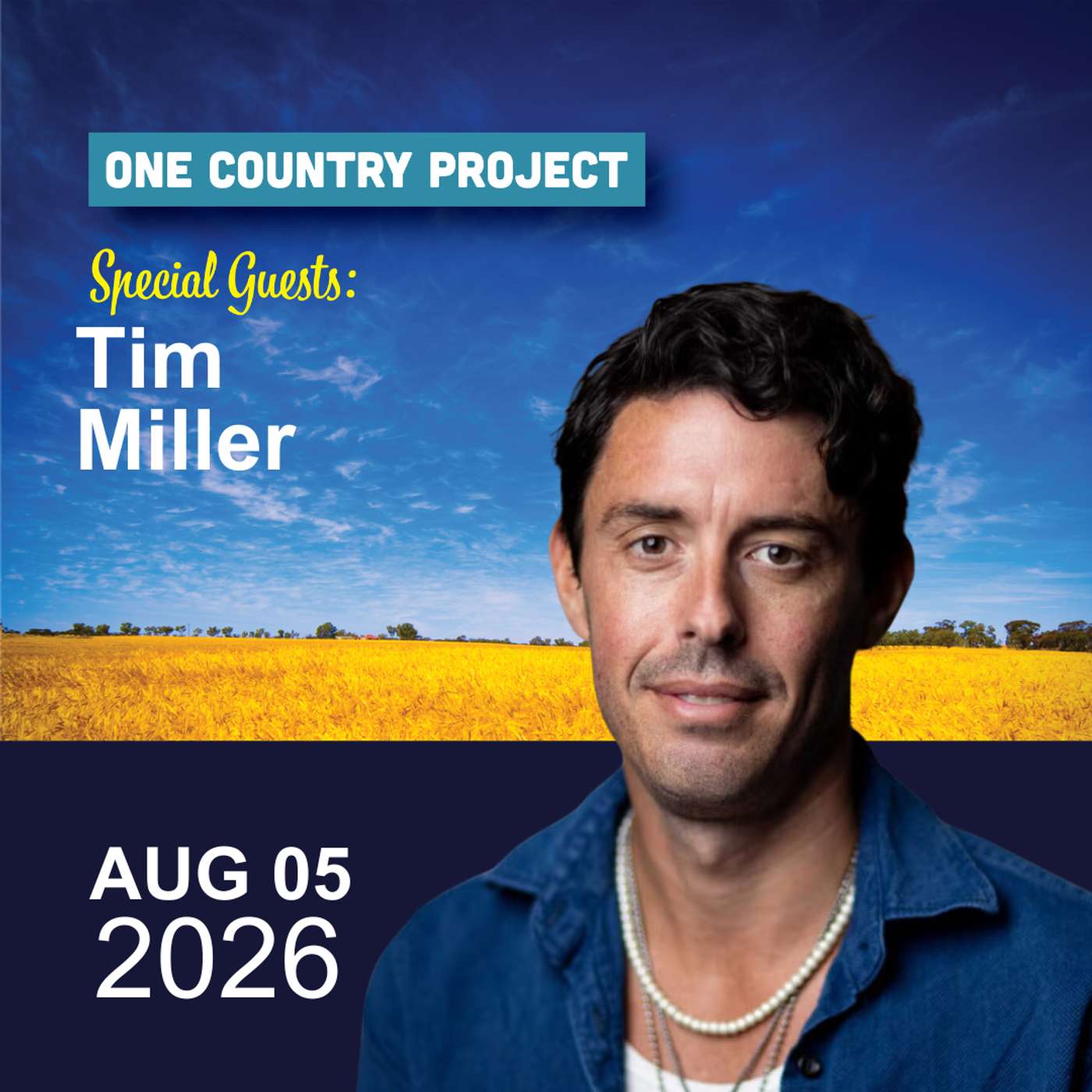
Rural voters keep hearing about scandal in Washington, but most of it never gets past the surface. Tim Miller, host of the Bulwark Podcast, joins Heidi to dig into what's actually driving political corruption right now, from foreign money shaping U.S. policy to the insider trading scandals barely making headlines.Tim traces how political corruption has evolved, from straightforward kickbacks to the foreign money now quietly steering decisions on war and energy. He and Heidi also get into what's happening back home in North Dakota, where data centers are reshaping local economies and testing what rural communities are willing to trade for growth.In this episode:How decades of scandal have made it normal for politicians to profit off their powerHow foreign money, especially from the Gulf states, shapes U.S. decisions on war and energyInsider trading and bribery in how political campaigns get fundedWhat the lawsuits against Trump show about deeper corruptionThe midterm outlook in Iowa and North Dakota, and why low voter enthusiasm could hurt incumbentsHow data centers are changing rural economies and who actually benefitsWhy Democrats keep losing the messaging fight, and what could turn that aroundConnect with Tim MillerBulwark PodcastTwitterCorruption doesn't announce itself. Tim and Heidi tell you where to actually look.The Hot Dish is brought to you by the One Country Project. To learn more, visit OneCountryProject.org, or find us on Substack (Onecountryproject.substack.com), and on YouTube, Bluesky, and Facebook (@onecountryproject).
(00:00) - -- Opening: family updates and life outside politics
(01:52) - -- Corruption in government, from foreign money to insider access
(06:18) - -- Banking litigation and what discovery could reveal
(08:44) - -- Why corruption feels different now
(10:02) - -- Midterm strategy, Iowa, and the rural political map
(13:51) - -- Redistricting, turnout, and the enthusiasm gap
(17:06) - -- Corruption, broken promises, and the forever war
(20:45) - -- Oil profits and Trump's shifting base
(23:36) - -- Data centers and rural backlash
(29:34) - -- Trump's declining visibility in rural America
(31:41) - -- Democrats, socialism messaging, and the real majority
(39:05) - -- How Democrats should respond
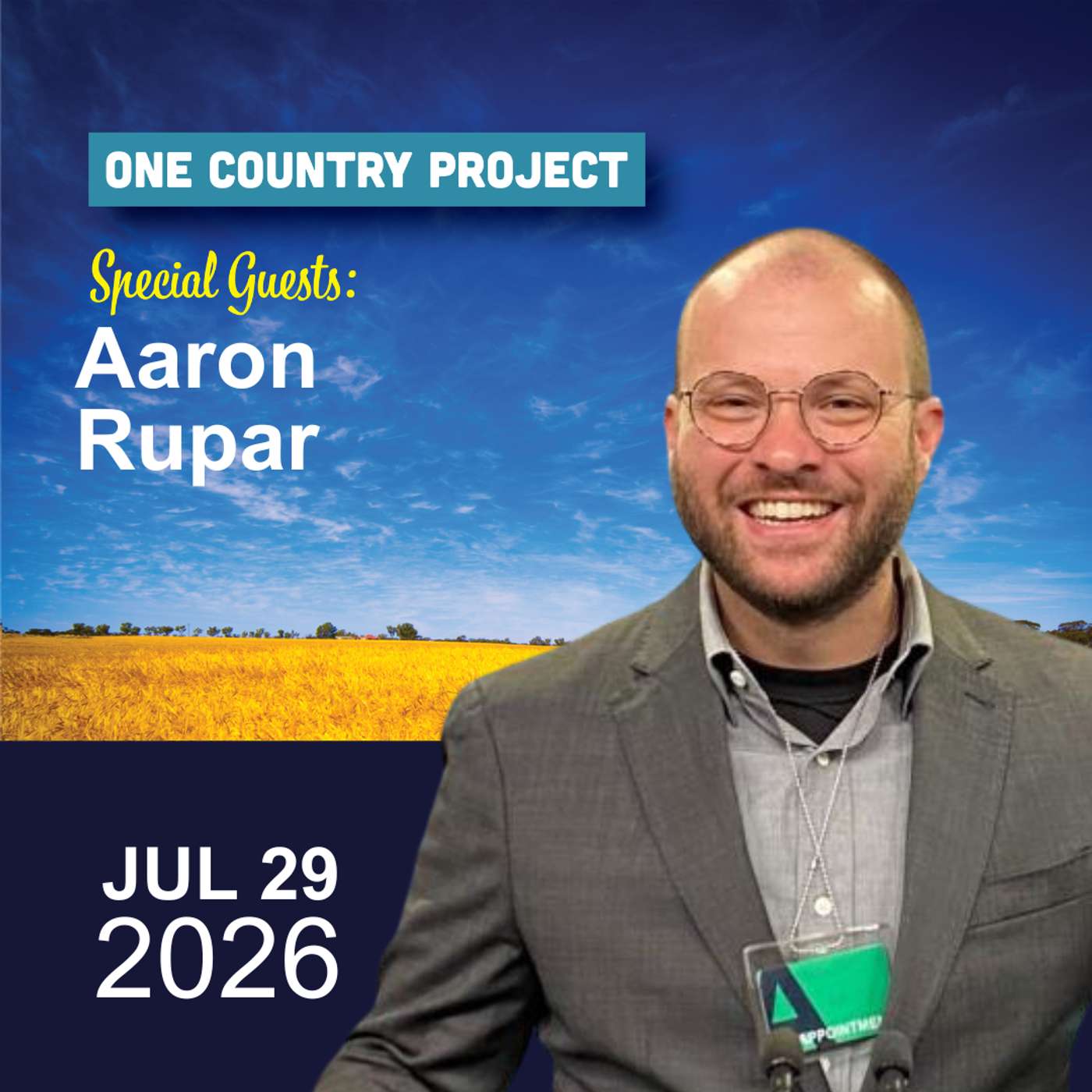
Trump is fighting to control how states run their own elections, and the fallout could shape the midterms before a vote is cast. Aaron Rupar, an independent journalist who's tracked Trump and the media covering him for years, joins Heidi and Joel to break down what's happening and why it matters outside Washington.Aaron explains how he tells what's real from what isn't, in a news cycle built for speed, and why he left Vox to build Public Notice on his own terms. He also gets into how Twitter/X, Bluesky, and Substack have split the audience for political news, and what that means when rural voters end up with different versions of the same story depending on where they look.In this episode:What Trump's push for more control over state elections actually meansHow Aaron fact-checks claims in real time without getting it wrongWhy he left Vox to go independent, and what changedPlatform fragmentation: Twitter/X, Bluesky, Substack, and what it does to political coverageThe enthusiasm gap heading into the midterms, on both sidesConnect with Aaron Rupar:SubstackBlueskyAaron's argument is simple. Watch the elections fight, not the noise around it.The Hot Dish is brought to you by the One Country Project. To learn more, visit OneCountryProject.org, or find us on Substack (Onecountryproject.substack.com), and on YouTube, Bluesky, and Facebook (@onecountryproject).
(00:00) - – Introduction: Aaron Rupar's role tracking political misinformation
(02:09) - – Platform fragmentation and the shift in conservative messaging (Twitter, Bluesky, Substack, Threads, Facebook, Truth Social)
(04:35) - – How platform diversification affects public trust in news
(05:50) - – Fact-checking, legal risk, and misinformation from figures like RFK Jr.
(08:15) - – Washington's press culture: independent journalists, source relationships, and Trump's war on the press
(12:19) - – Media versus power at the correspondents' dinner, and journalism's growing accountability role
(14:02) - – Election outlook: enthusiasm, turnout, and party dynamics
(15:26) - – Trump's strategy and the risk of election interference
(22:12) - – State races, endorsements, and local campaigning
(23:21) - – Voter enthusiasm, fear-based messaging, and eroding democratic safeguards
(31:38) - – Minnesota politics and party resilience
(33:50) - – Local, coalition-based strategy over ideological purity
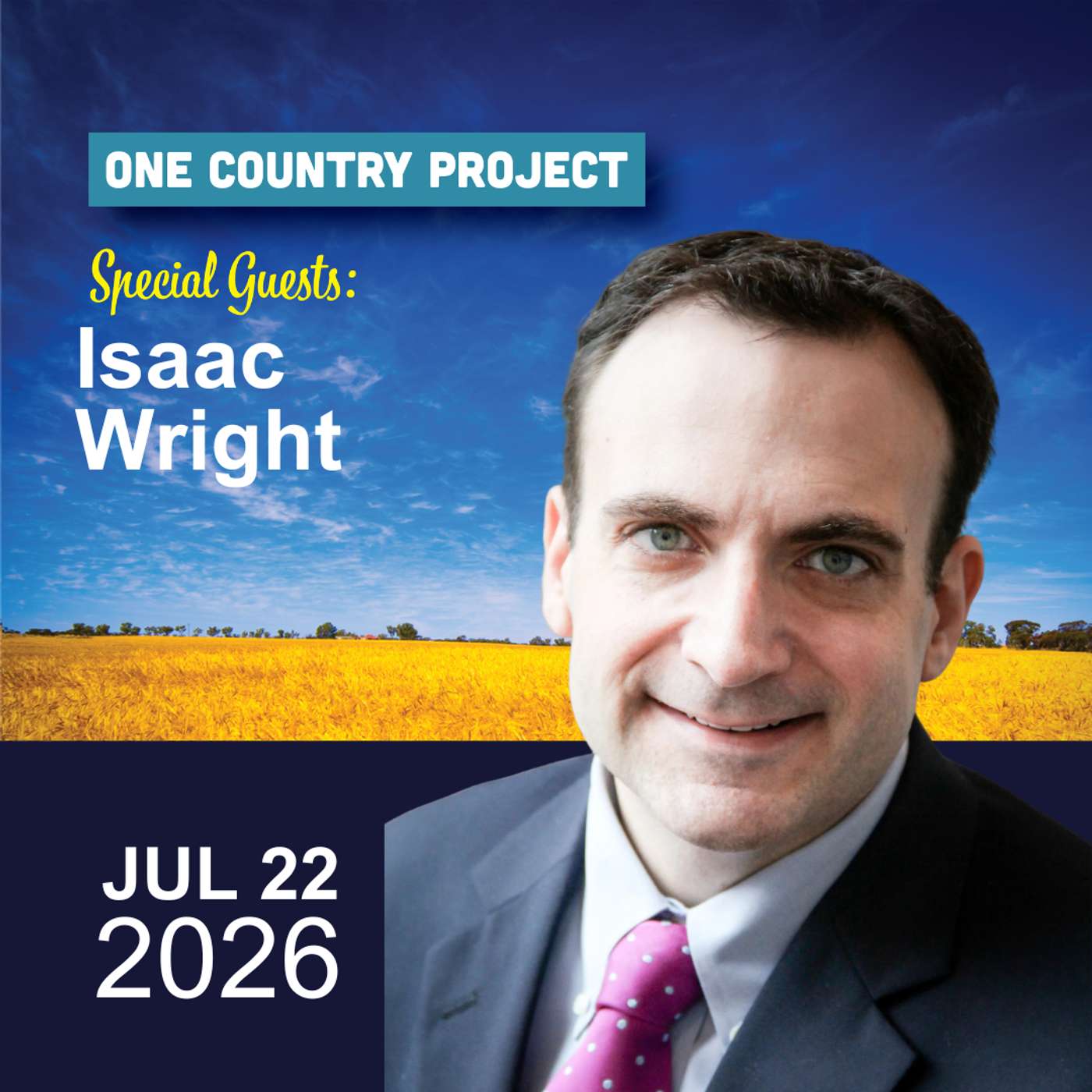
Data centers are showing up in rural counties across the country, and not everyone is happy about it. Isaac Wright, a strategist who's spent two decades working rural campaigns, joins Heidi and Joel to talk about why that is, what tariffs have cost farmers selling to Brazil and China, and why he sees real opportunity for Democrats in Iowa and Ohio in the midterms.Isaac explains why rural voters respond to authenticity and local trust over national talking points, and what Rob Sand's win in Iowa says about how to build that trust. He also gets into AI regulation, and what it would look like for policy to actually reflect the values Democrats say they hold.In this episode:Why Iowa and Ohio look like real opportunities this cycleData centers: local jobs versus strain on water and powerWhat tariffs on Brazil and China have cost farmersBuilding trust and likability in rural racesWhat it actually means to "localize" a campaignConnect with Isaac Wright:LinkedInIsaac makes a clear case for what it takes to win back rural voters, one county at a time.The Hot Dish is brought to you by the One Country Project. To learn more, visit OneCountryProject.org, or find us on Substack (Onecountryproject.substack.com), and on YouTube, Bluesky, and Facebook (@onecountryproject).
(00:00) - - Introduction
(02:14) - - Isaac Wright's background in rural strategy
(04:01) - - Midterm outlook: gains and voter disillusionment
(06:04) - - Key races in Iowa and Ohio
(09:23) - - Values and local issues in rural campaigns
(15:07) - - Trust and likability in rural elections
(18:09) - - Data centers: opportunities and community concerns
(26:39) - - Messaging on tariffs and trade
(34:05) - - Short-term realignment and national politics
(39:16) - - Closing thoughts: the long-term opportunity for Democrats
Farm country has been waiting on a new farm bill for almost two years. Angie Craig, the top Democrat on the House Agriculture Committee and a Minnesota congresswoman now running for the state's open Senate seat, joins Heidi and Joel to talk about what's holding it up, what tariffs have cost rural families, and why farm bankruptcies are becoming as much a security question as an economic one.Angie covers the imbalance that lets large agribusiness thrive while beginning farmers struggle to get a foothold, what immigration enforcement means for rural communities, and where she thinks the next farm bill needs to go if it's going to help anyone outside the biggest operations.In this episode:The status of the farm bill and what it means for small and beginning farmersThe impact of trade tariffs on U.S. agricultureRising farm bankruptcies and farm suicidesRebuilding trust and economic resilience in rural communitiesPolitical dynamics in Congress between Republican and Democratic membersElection timing and Minnesota's primary processICE reform and immigration policy's effect on rural laborResources & Links:Angie Craig Official WebsiteConnect with Angie Craig:InstagramFacebookTwitterCongresswoman Craig makes a solid case for where Washington has failed rural America, and where it goes from here. The Hot Dish is brought to you by the One Country Project. To learn more, visit OneCountryProject.org, or find us on Substack (Onecountryproject.substack.com), and on YouTube, Bluesky, and Facebook (@onecountryproject).
(00:00) - - Introduction: Craig's district and rural policy focus
(00:34) - - Farm bill negotiations with Republicans
(03:25) - - Family farmers and rising bankruptcies
(05:40) - - Structuring a farm bill for small and beginning farmers
(09:43) - - Tariffs, trade wars, and international markets
(14:06) - - Policy decisions and rural mental health
(16:02) - - Immigration enforcement and its effect on communities
(18:22) - - Winning rural voters and rebuilding trust
(24:06) - - Immigration reform: farm labor and DACA recipients
(30:50) - - Bipartisanship and election timing
(35:22) - - Craig's campaign goals and vision for Minnesota
Screw worms nearly disappeared from American ranches sixty years ago. Dr. Eric Deeble, executive director of Americans for the Common Good and former Deputy Under Secretary for Marketing and Regulatory Programs at USDA under the Biden Administration, has watched them find their way back, and he joins Heidi and Joel to explain what this parasitic fly means for livestock, trade, and the food supply.Eric covers the biology behind the outbreak, how fast one infected animal can spread it, and why the fly is finding its way north again. He also gets into a newer technique for breeding sterile flies that could make eradication cheaper this time around.In this episode:Why screw worms target living tissue and what that means for treatmentHow a sterile insect technique wiped out the fly from the U.S. the first timeWhat let the fly move north againThe economic risk ranchers face from one undetected outbreakHow egg sexing could lower the cost of eradicationResources & Links Americans for the Common Good Connect with Eric Deeble on:LinkedInSixty years of eradication work is unraveling. Eric explains what it'll take to fix that.The Hot Dish is brought to you by the One Country Project. To learn more, visit OneCountryProject.org, or find us on Substack (Onecountryproject.substack.com), and on YouTube, Bluesky, and Facebook (@onecountryproject).
(00:00) - - Why screw worm's return matters to agriculture
(02:07) - - The fly's lifecycle and herd vulnerability
(04:21) - - Myths versus reality on severity
(05:43) - - Treatment and quarantine when detected
(07:25) - - The cost of eradication and prevention
(10:11) - - How reduced global cooperation risks a resurgence
(13:22) - - Sterile insect technique: past success, recent setbacks
(16:29) - - Climate and animal movement driving the spread north
(18:38) - - Regional factors in where screw worm spreads
(20:00) - - Funding cuts and the policy fight to maintain control
(22:35) - - Consumer safety myths and real risks
(24:16) - - Why continued investment in biosecurity matters
(27:00) - - Final thoughts: vigilance, cooperation, funding

Comments

Download from Google Play

Download from App Store
 United States