


 Claim Ownership
Product Management Tech Brief By HackerNoon
Subscribed: 16Played: 17
Subscribe

© 2026 HackerNoon
Description
Learn the latest product management updates in the tech world.
139 Episodes
Reverse
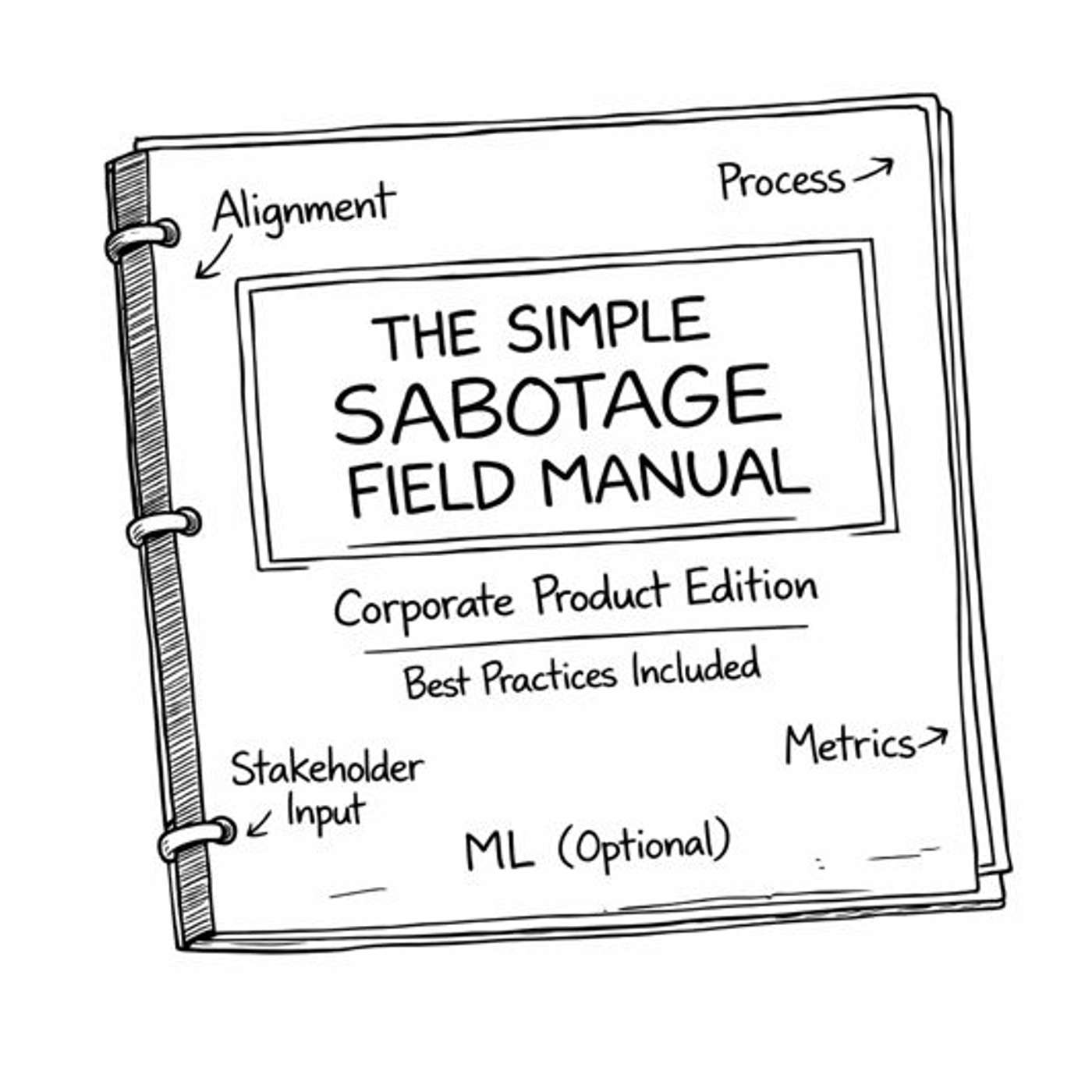
This story was originally published on HackerNoon at: https://hackernoon.com/the-simple-sabotage-field-manual-rewritten-for-corporate-product-life.
A satirical rewrite of the WWII Simple Sabotage Field Manual for modern product teams, showing how meetings, alignment, metrics, and best practices ship nothing
Check more stories related to product-management at: https://hackernoon.com/c/product-management.
You can also check exclusive content about #product-management, #software-development, #engineering-culture, #workplace-culture, #leadership, #simple-sabotage-field-manual, #product-culture, #product-manager-struggles, and more.
This story was written by: @everydaytechbit. Learn more about this writer by checking @everydaytechbit's about page,
and for more stories, please visit hackernoon.com.
In 1944, the OSS published the Simple Sabotage Field Manual to show how small, “reasonable” actions could quietly slow hostile organizations.
Modern product teams don’t need the manual — we’ve reinvented it through best practices.
Meetings, alignment, metrics, edge cases, Jira hygiene, and last-minute ML pivots often combine into a system that looks professional but resists shipping.
No one is sabotaging anything on purpose.
The role is rotational — and sometimes, it’s you.
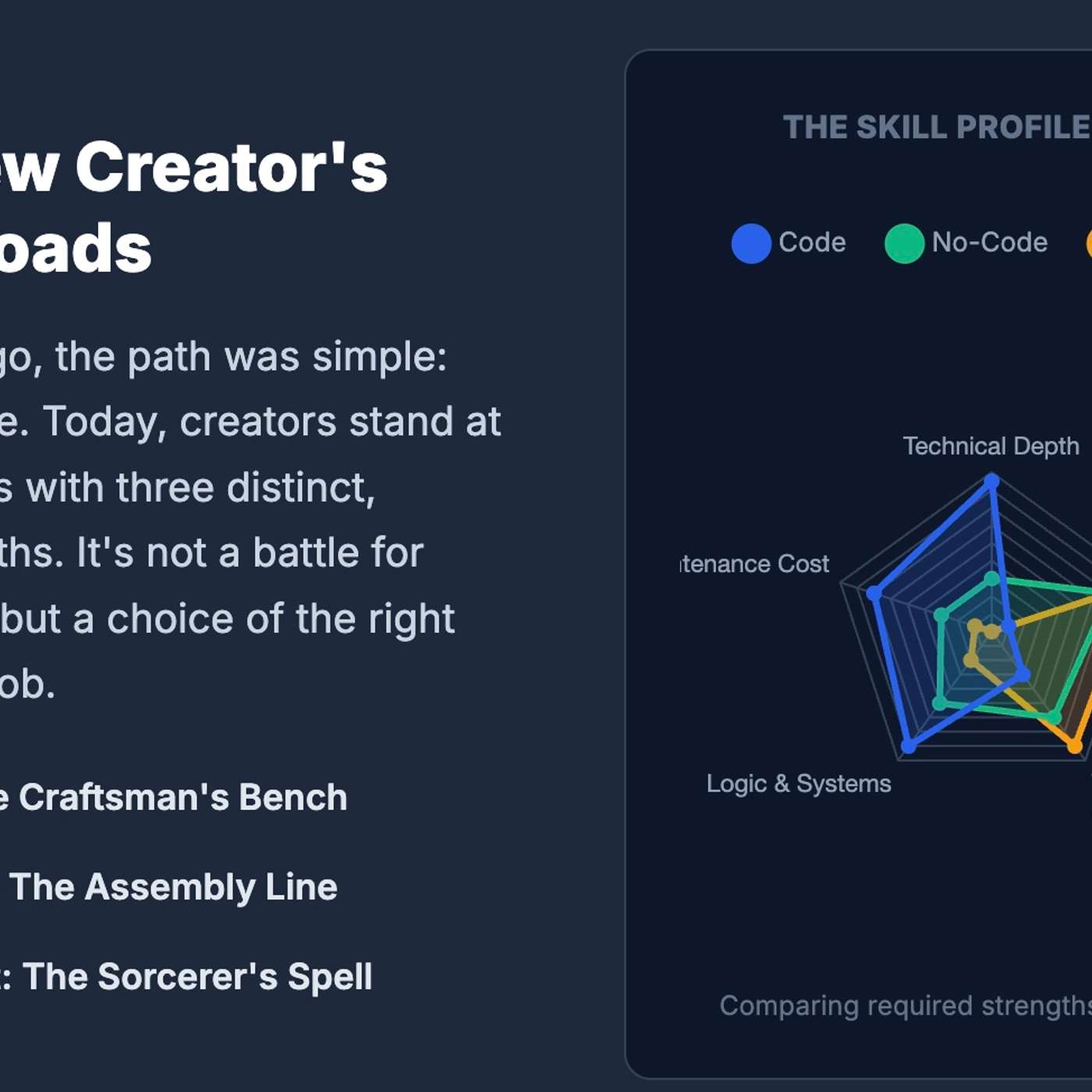
This story was originally published on HackerNoon at: https://hackernoon.com/code-no-code-or-ai-prompt-exploring-the-new-debate.
If I had a nickel for every time a mentee or someone asked me this very question, I'd probably have enough to buy a lifetime subscription to Figma.
Check more stories related to product-management at: https://hackernoon.com/c/product-management.
You can also check exclusive content about #ux-design, #learning-to-code, #ai, #ai-generated-code, #ai-generated-ui, #ai-generated-ux, #adplist, #ironhack, and more.
This story was written by: @pragyauxd. Learn more about this writer by checking @pragyauxd's about page,
and for more stories, please visit hackernoon.com.
Coding is not a prerequisite for a successful career in UX design. Coding can build a sturdier bridge between you and the developers who bring your designs to life. The goal isn't to become a full-time coder, it's to be an indispensable collaborator in the age of AI.
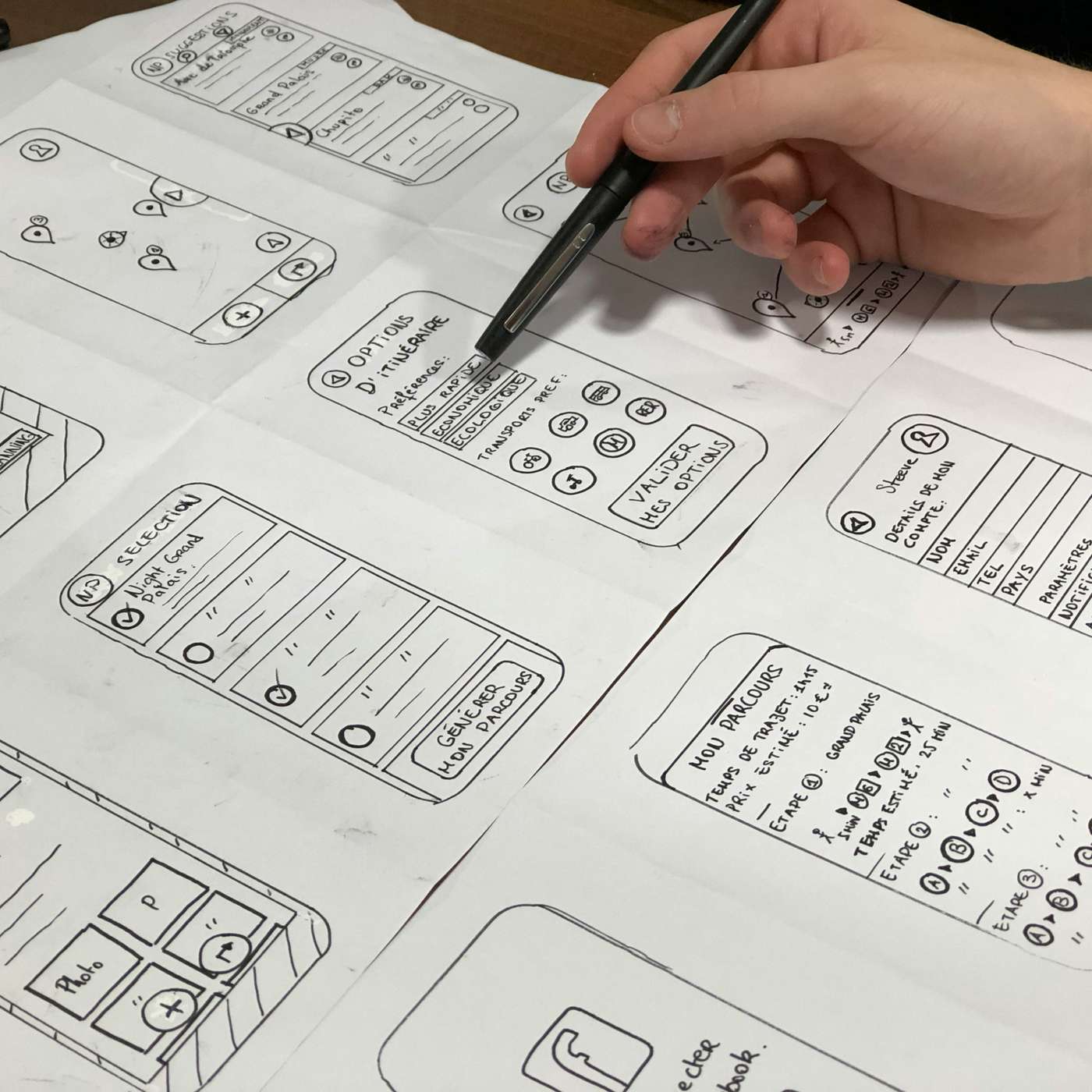
This story was originally published on HackerNoon at: https://hackernoon.com/from-streets-to-screens-how-to-run-high-impact-fieldwork-in-emerging-markets.
A practical framework for fieldwork that helps designers understand users and build better products in emerging markets
Check more stories related to product-management at: https://hackernoon.com/c/product-management.
You can also check exclusive content about #ux-design, #ux-research, #product-design, #customer-experience, #user-experience, #user-stories, #user-feedback, #user-research, and more.
This story was written by: @opapadopoulou. Learn more about this writer by checking @opapadopoulou's about page,
and for more stories, please visit hackernoon.com.
Metrics show patterns but fieldwork reveals reality. By meeting users where they live and work designers uncover real constraints informal workflows and decision logic. This article shares a practical framework for running UX fieldwork in emerging markets and turning insights into product strategy

This story was originally published on HackerNoon at: https://hackernoon.com/the-moscow-method-key-to-agile-product-management.
Learn MoSCoW prioritization in Agile: practical guide to must-have, should-have, could-have features and how to set priorities in software development.
Check more stories related to product-management at: https://hackernoon.com/c/product-management.
You can also check exclusive content about #product-management, #product-development, #project-management, #product-backlog, #agile-software-development, #agile-development, #standardization, #hackernoon-top-story, and more.
This story was written by: @srgfedorov. Learn more about this writer by checking @srgfedorov's about page,
and for more stories, please visit hackernoon.com.
The easiest way to fix the development process is to establish a proven prioritisation approach. This article compares a custom-made method with Dai Clegg’s MoSCoW, and provides examples of using each priority in Agile development.

This story was originally published on HackerNoon at: https://hackernoon.com/12-behavioral-psychology-biases-that-shape-consumer-decisions-across-digital-products.
How 12 cognitive biases shape travel decisions—and how product teams can use them ethically to reduce uncertainty, improve trust, and drive growth.
Check more stories related to product-management at: https://hackernoon.com/c/product-management.
You can also check exclusive content about #product-management, #consumer-behavior, #cognitive-science, #behavioral-psychology-in-ux, #user-behavior-analysis, #behavioral-economics, #product-design-psychology, #ethical-user-persuasion, and more.
This story was written by: @trkaziev. Learn more about this writer by checking @trkaziev's about page,
and for more stories, please visit hackernoon.com.
User decisions aren’t rational, they’re driven by predictable cognitive biases that spike under uncertainty, time pressure, and high stakes. This article maps the most common biases across the travel journey (anchoring, social proof, framing/“free,” probability bias, authority, choice overload, compromise effect, and more), shows how to diagnose them with experiments + research, and explains what they typically move (CTR, CR, AOV/ARPU, cancellations, support load, CSAT/NPS, retention). The core takeaway: you can’t remove biases, but you can use them ethically—reducing anxiety and uncertainty instead of manufacturing urgency—because short-term conversion gains that erode trust become long-term churn

This story was originally published on HackerNoon at: https://hackernoon.com/why-it-works-is-often-the-most-dangerous-phrase-in-product-design.
Why products stagnate after launch—and how usability evolution, not new features, determines whether software stays relevant over time.
Check more stories related to product-management at: https://hackernoon.com/c/product-management.
You can also check exclusive content about #product-design, #design-thinking, #product-development, #ux-best-practices, #feature-optimization, #user-behavior-analysis, #how-to-iterate-your-product, #product-inertia, and more.
This story was written by: @vaishnaviram. Learn more about this writer by checking @vaishnaviram's about page,
and for more stories, please visit hackernoon.com.
Products are invented to solve needs, but they stay relevant only when teams continuously evolve usability—revisiting old features, removing outdated constraints, and refining designs based on real user behavior.

This story was originally published on HackerNoon at: https://hackernoon.com/why-on-time-and-on-budget-is-the-wrong-goal.
If your definition of success begins and ends with “on time and on budget,” you’re not delivering outcomes. You’re delivering closure.
Check more stories related to product-management at: https://hackernoon.com/c/product-management.
You can also check exclusive content about #project-management, #projects, #on-time, #on-budget, #product-development, #digital-platforms, #project-adoption, #project-delays, and more.
This story was written by: @benwebb. Learn more about this writer by checking @benwebb's about page,
and for more stories, please visit hackernoon.com.
If your definition of success begins and ends with “on time and on budget,” you’re not delivering outcomes. You’re delivering closure.
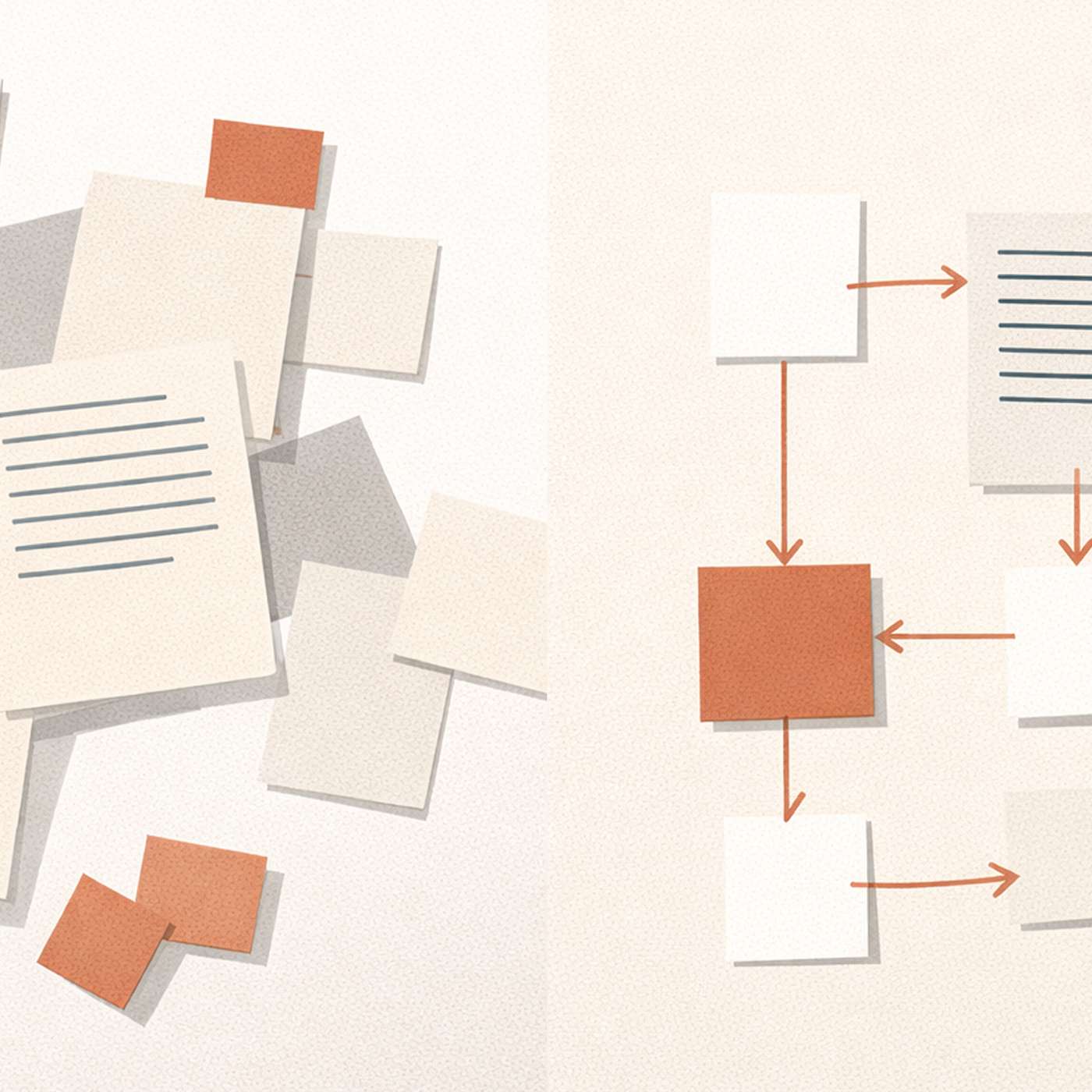
This story was originally published on HackerNoon at: https://hackernoon.com/the-design-documentation-no-one-asks-for-but-everyone-needs.
Specs tell you what to build. Decision records tell you why. How simple documentation prevents teams from rediscovering past mistakes and losing organizational
Check more stories related to product-management at: https://hackernoon.com/c/product-management.
You can also check exclusive content about #product-management, #ux, #design, #documentation, #knowledge-management, #team-collaboration, #engineering-culture, #project-management, and more.
This story was written by: @vaishnaviram. Learn more about this writer by checking @vaishnaviram's about page,
and for more stories, please visit hackernoon.com.
Designers often don't document the decisions they make. This can lead to decisions being made without understanding the real reasons. Good documentation assumes future people are smart and will rightfully question your choices.

This story was originally published on HackerNoon at: https://hackernoon.com/designing-for-regulation-a-fintech-pms-perspective.
A first-person perspective for tech PMs building money, risk, and trust at scale.
Check more stories related to product-management at: https://hackernoon.com/c/product-management.
You can also check exclusive content about #product-management, #regulation, #ai-regulation, #corporate-responsibility, #corporate-regulation, #system-regulation, #delayed-interrogation, #designing-for-regulation, and more.
This story was written by: @shalinimani. Learn more about this writer by checking @shalinimani's about page,
and for more stories, please visit hackernoon.com.
Regulation does not show up as paperwork, it shows up as questions the system would eventually be forced to answer.
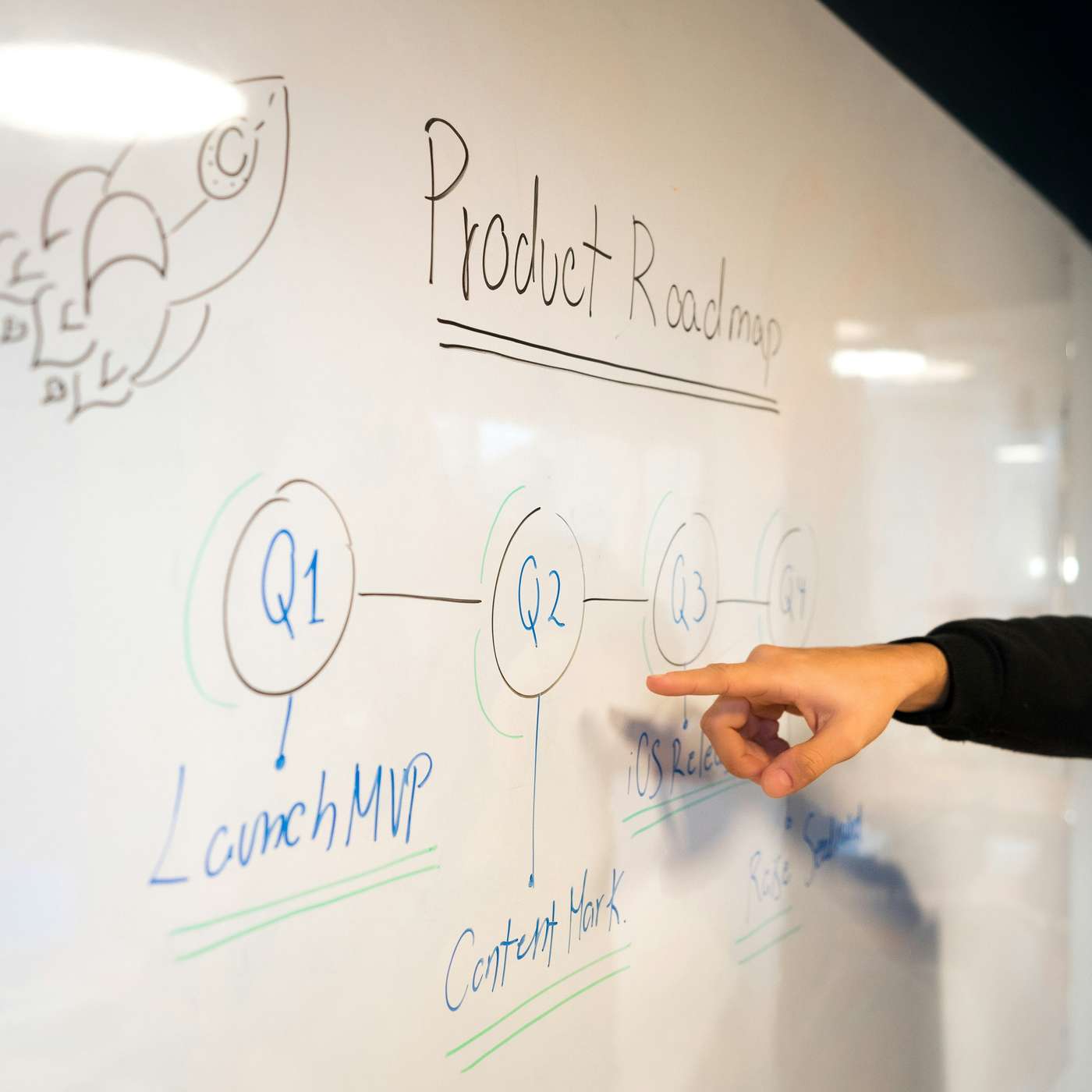
This story was originally published on HackerNoon at: https://hackernoon.com/when-product-managers-become-the-bottleneck-and-how-great-ones-avoid-it.
Many product teams slow down because of how PMs operate. This article explores how great product managers remove friction and design teams for speed.
Check more stories related to product-management at: https://hackernoon.com/c/product-management.
You can also check exclusive content about #product-management, #productivity, #product-design, #team-management, #team-collaboration, #bottleneck-analysis, #product-management-advice, #product-management-tips, and more.
This story was written by: @suhasanpm. Learn more about this writer by checking @suhasanpm's about page,
and for more stories, please visit hackernoon.com.
Product managers are expected to accelerate the speed of product delivery by removing bottlenecks. However, some product managers unintentionally become or create bottlenecks. What great PMs do is that they don’t try to answer every question; they only set the guiding principles. They also replace rigid specs with intent, create ruthless clarity on priorities, enable direct collaboration, and optimize the team for momentum rather than perfection.
This story was originally published on HackerNoon at: https://hackernoon.com/how-better-daily-routines-can-improve-art-production-by-70percent.
Case study: daily routine fixes that unblocked art implementation—raising merges to 8.5 branches/version and cutting bugs to 0.75/branch.
Check more stories related to product-management at: https://hackernoon.com/c/product-management.
You can also check exclusive content about #production-management, #project-management, #game-development, #art-pipeline, #qa, #workflow-optimization, #cross-department-interaction, #hackernoon-top-story, and more.
This story was written by: @tolstykhzhe. Learn more about this writer by checking @tolstykhzhe's about page,
and for more stories, please visit hackernoon.com.
After optimizing our art pipeline, we still hit major delays at implementation and testing — where art first meets other departments. We ran a “live-like” version with balanced scope and found only 10% of near-final skins reached master after three sprints. By improving daily routines and cross-team interaction, we reached ~8.5 merged branches per version, reduced bugs to 0.75 per branch over six months, and kept average test time at ~1.1 weeks.

This story was originally published on HackerNoon at: https://hackernoon.com/why-quitting-is-a-ux-problem.
Many habit trackers fail because they make quitting frictionless.
Check more stories related to product-management at: https://hackernoon.com/c/product-management.
You can also check exclusive content about #product-design, #ux, #behavioral-science, #productivity, #quitting-habits, #quitting-ux, #ux-and-quitting, #product-management, and more.
This story was written by: @hacker8787604. Learn more about this writer by checking @hacker8787604's about page,
and for more stories, please visit hackernoon.com.
Many habit trackers fail because they make quitting frictionless. This article explains why relying on motivation instead of UX and system design leads to poor follow-through, and how accountability and commitment constraints improve consistency.

This story was originally published on HackerNoon at: https://hackernoon.com/aeo-answer-engine-optimization-the-new-entry-point-of-the-ecommerce-buying-funnel.
See why answer engines are becoming the new funnel entry in eCommerce.
Check more stories related to product-management at: https://hackernoon.com/c/product-management.
You can also check exclusive content about #product-management, #aeo, #aeo-tips, #ecommerce-business, #ecommerce-marketing, #geo, #aeo-and-ecommerce, #chatgpt-ecommerce, and more.
This story was written by: @suhasanpm. Learn more about this writer by checking @suhasanpm's about page,
and for more stories, please visit hackernoon.com.
See why answer engines are becoming the new funnel entry in eCommerce.

This story was originally published on HackerNoon at: https://hackernoon.com/why-your-product-is-scaling-faster-than-your-story-can-handle.
When product scale outpaces narrative clarity, teams accumulate narrative debt. A systems view of why growth quietly breaks alignment first.
Check more stories related to product-management at: https://hackernoon.com/c/product-management.
You can also check exclusive content about #product-management, #startups, #software-engineering, #founders, #engineering-leadership, #techstrategy, #leadership, #scaling, and more.
This story was written by: @normbond. Learn more about this writer by checking @normbond's about page,
and for more stories, please visit hackernoon.com.
When a company scales, the product's narrative (its purpose, story and meaning) often lags behind its technical growth, creating narrative debt. This debt, like technical debt, compounds silently, leading to misalignment, inefficiency and increased friction across teams. The story becomes fragmented, causing onboarding bloat, unclear messaging and costly decision-making. To scale effectively, treat the narrative as critical infrastructure. A coordination layer that aligns people and teams. Diagnose narrative debt by testing if new hires, departments, and roadmaps align with the core story. Fix it by proactively tightening narrative architecture, ensuring the story scales alongside the product to maintain organizational momentum and meaning.
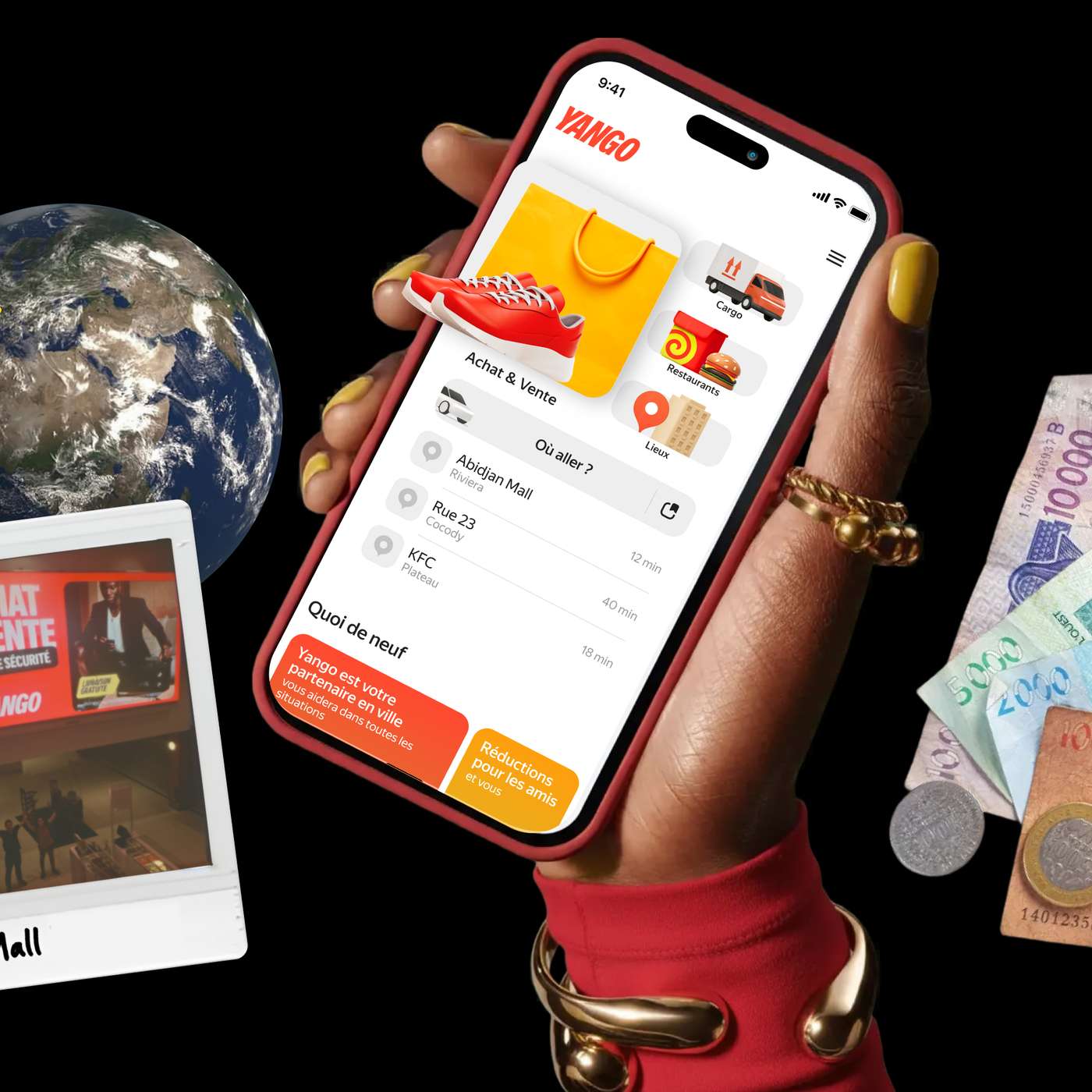
This story was originally published on HackerNoon at: https://hackernoon.com/case-study-how-a-payment-link-doubled-orders-for-an-e-commerce-product-in-an-emerging-market.
How an escrowed payment link turned Instagram and WhatsApp sales into trusted orders in an emerging market
Check more stories related to product-management at: https://hackernoon.com/c/product-management.
You can also check exclusive content about #product-design, #product-management, #emerging-markets-ux-design, #whatsapp-buying-behavior, #high-context-culture-ux, #mobile-first-user-behavior, #low-digital-trust-design, #escrow-checkout-flow, and more.
This story was written by: @opapadopoulou. Learn more about this writer by checking @opapadopoulou's about page,
and for more stories, please visit hackernoon.com.
This piece distills hands-on design lessons from building for markets where cash dominates, buying starts in WhatsApp, POIs replace addresses, and digital trust is fragile. It outlines how designers can map real user behavior, close trust gaps with secure checkout flows, and create interfaces that match the communication patterns of high-context cultures.

This story was originally published on HackerNoon at: https://hackernoon.com/ideaops-why-every-request-is-a-company-asset-in-product-development.
IdeaOps is a framework for turning product ideas and requests into assets that fuel business growth. Learn how to classify and process them effectively.
Check more stories related to product-management at: https://hackernoon.com/c/product-management.
You can also check exclusive content about #product-management, #product-development, #idea-validation, #business-growth, #business-analysis, #product-roadmap, #product-ideas, #hackernoon-top-story, and more.
This story was written by: @srgfedorov. Learn more about this writer by checking @srgfedorov's about page,
and for more stories, please visit hackernoon.com.
Requests and ideas about company products are highly important for business. Every suggestion should be classified, meticulously processed and have a detailed decision. Later, it may help you to grow the business or save time processing further requests. This article describes a framework for proper request processing.

This story was originally published on HackerNoon at: https://hackernoon.com/think-like-an-ai-pm.
This article demystifies how AI‑first product development differs from traditional PM practices.
Check more stories related to product-management at: https://hackernoon.com/c/product-management.
You can also check exclusive content about #product-leadership, #ai-product-manager, #product-management, #ethical-ai, #data-driven-decision-making, #product-development, #tech-strategy, #product-management-tips, and more.
This story was written by: @suryakalipattapu. Learn more about this writer by checking @suryakalipattapu's about page,
and for more stories, please visit hackernoon.com.
AI Product Management is reshaping how products are built, demanding a new mindset from traditional product leaders. Unlike deterministic software development, AI products thrive on data, experimentation, and probabilistic outcomes, requiring PMs to collaborate closely with ML teams, manage stakeholder expectations, and continuously refine models post launch. Success isn’t just shipping features, it’s navigating uncertainty, defining nuanced success metrics, and ensuring ethical, user centric outcomes. This guide unpacks the key differences, skills, and pitfalls to help product leaders thrive in the AI first era.

This story was originally published on HackerNoon at: https://hackernoon.com/building-at-production-speed-how-multi-tenant-systems-are-shaping-software-delivery.
Santosh Praneeth Banda explains how multi-tenant, production-first platforms are transforming software delivery by combining speed, safety, and scalability.
Check more stories related to product-management at: https://hackernoon.com/c/product-management.
You can also check exclusive content about #multi-tenant-architecture, #production-first-development, #software-delivery-acceleration, #santosh-praneeth-banda, #kubernetes-orchestration, #real-time-observability, #developer-platforms, #good-company, and more.
This story was written by: @jonstojanjournalist. Learn more about this writer by checking @jonstojanjournalist's about page,
and for more stories, please visit hackernoon.com.
Senior engineering leader Santosh Praneeth Banda shares how multi-tenant, production-first systems enable developers to safely test in real environments. By using Kubernetes, data isolation, and real-time observability, teams achieve 10× faster feedback and safer deployments—redefining how modern software ships at scale.

This story was originally published on HackerNoon at: https://hackernoon.com/zero-downtime-cloud-migration-how-tirth-patel-saved-a-global-retail-giant-$30m-annually.
Tirth Chaitanyakumar Patel led a zero-downtime migration of 150+ microservices and 30TB of data—saving a global retailer over $30M annually.
Check more stories related to product-management at: https://hackernoon.com/c/product-management.
You can also check exclusive content about #enterprise-cloud-migration, #tirth-chaitanyakumar-patel, #zero-downtime-migration, #microservices-transformation, #cloud-cost-optimization, #devops-strategy, #retail-digital-transformation, #good-company, and more.
This story was written by: @sanya_kapoor. Learn more about this writer by checking @sanya_kapoor's about page,
and for more stories, please visit hackernoon.com.
Tirth Chaitanyakumar Patel led an eight-week, zero-downtime migration of 150+ microservices and 30TB of data for a Fortune 500 retailer. His cloud strategy, built on blue-green deployments and real-time traffic mirroring, cut costs by $2.7M monthly while boosting agility—setting new benchmarks for enterprise cloud transformation.

This story was originally published on HackerNoon at: https://hackernoon.com/the-seven-step-hostage-situation-you-call-onboarding.
Users clicking Next so fast the cursor blurred. One opened the console to force-skip. What I learned about interfaces that teach themselves.
Check more stories related to product-management at: https://hackernoon.com/c/product-management.
You can also check exclusive content about #onboarding, #saas, #product-design, #ux-design, #design, #ui-design, #ui-ux, #hackernoon-top-story, and more.
This story was written by: @hackercm8riv27c00002e6mhctmxnpn. Learn more about this writer by checking @hackercm8riv27c00002e6mhctmxnpn's about page,
and for more stories, please visit hackernoon.com.
I watched a user open the browser console and type commands to force-skip my onboarding flow. That's when I knew I'd built a hostage situation, not help.

Comments

Download from Google Play

Download from App Store
 United States