


 Claim Ownership
Journey With Purpose
Subscribed: 3Played: 12
Subscribe

© Copyright 2025 Journey With Purpose
Description
A conversation about cities, architecture, history, and why these affect us today. Hosted by Randy Plemel and a weekly cast of characters.
36 Episodes
Reverse

How do you redesign one of the most beloved streets in television history—without losing its soul? Scenic designer David Gallo takes us behind the scenes of his work refreshing Sesame Street, balancing history with modern storytelling.
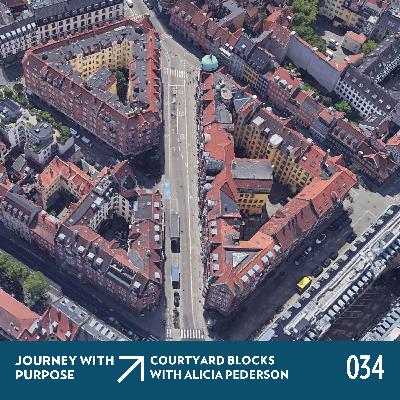
Imagine a city where kids play safely in lush courtyards, neighbors bond over shared spaces, and errands are just a step away. Courtyard urbanist Alicia Pederson shares how this European housing model could transform American cities for families.

Imagine a world where your job, school, coffee shop, and parks are all within a 15-minute walk. Writer Addison Del Mastro joins us to discuss his passion for the 15-Minute City, while seeking more straightforward and accessible ways to define it for the public, policymakers, and urban designers.
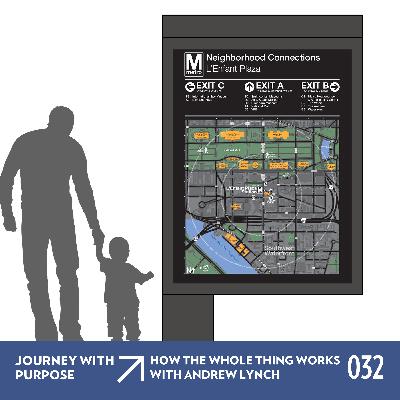
Maps are more than tools—they’re stories. In this episode, Andrew Lynch takes us on a journey through the subway systems of New York and Washington, revealing the secrets of abandoned lines, unrealized designs, and the choices that shape how we move through cities.

 1
1Garrett Corcoran shows us how design can be a bridge between the past and the future. Taking on the challenge of extending wayfinding to digital screens for the Washington Metro, Garrett shares what it’s like working with historical design legacies and figuring out how to make screens feel as natural as those mid-century hexagon tiles.
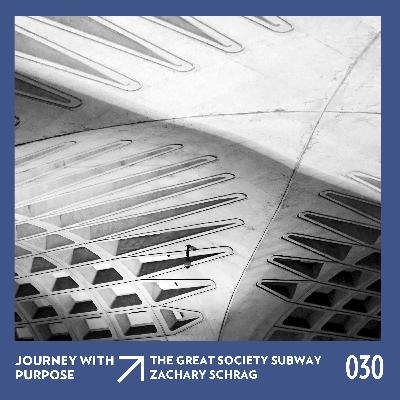
The Washington Metro is more than just a transit system; it’s a statement about government’s role in public life. We chat with Professor Zachary Schrag about the Washington Metro’s history, its stunning brutalist design, and the larger ideals it represents.

NYC's subway map isn't an accident, but a century of contentious argument about more than just wayfinding.

Architectural history meets family road trips! Amy Talkington recalls her mother’s mission to protect historic neighborhoods and the creation of the iconic A Field Guide to American Houses.

Discover how cities can become more affordable, diverse, and walkable. In this episode, urban planner David White breaks down the impact of middle housing, zoning laws, and car dependency on urban development—and what we can do to create people-friendly neighborhoods.

Are cities failing our kids? Listen to experts discuss how urban design impacts children's mobility and what makes a neighborhood truly child-friendly.

Can EV charging fit in crowded city streets? Nathan King of It’s Electric explains how they’re making it happen...with lot's of. tradeoffs.

Imagine speeding along the interstate, catching a fleeting glimpse of a quaint village green where a baseball game is being played under the summer sun. Nestled in Columbus, Ohio, this isn't just any village—it's Ohio Village, a meticulously constructed historical town where the past comes to life.
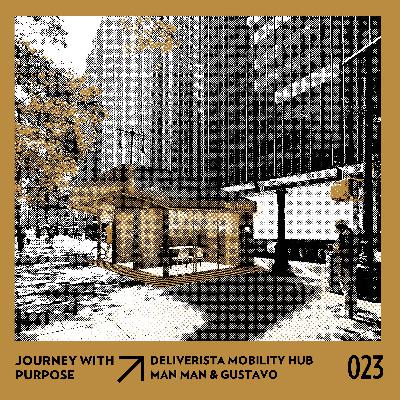
We take a deep dive into the future of urban mobility, focusing on a groundbreaking initiative to support e-bike delivery workers and the public in New York City through a new Mobility Hub next to City Hall, with battery recharging, repair, and rest areas.

Explore how New York City is tackling its dire housing shortage through a citywide incremental approach. We breakdown what's in the City of Yes proposal, and listen to some critiques.

Alexa Gonzalez shifts urban design from placemaking to placekeeping, emphasizing community voices and long-term engagement to reshape public spaces in ways that truly reflect and benefit those who use them.

Discover the hidden impact of zoning on your daily life: from the skyscrapers to the suburbs, learn how invisible lines shape our cities.
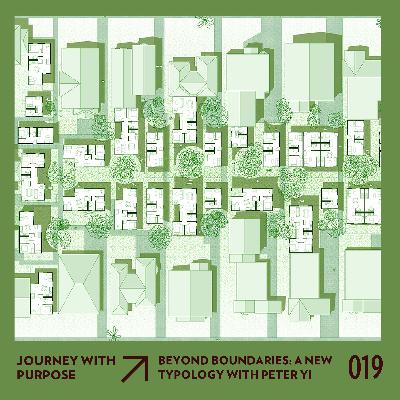
From good fences, to good spaces, architect Peter Yi presents a reimagining of suburban space allowing people to customize their living and recreation space to meet their family's needs.
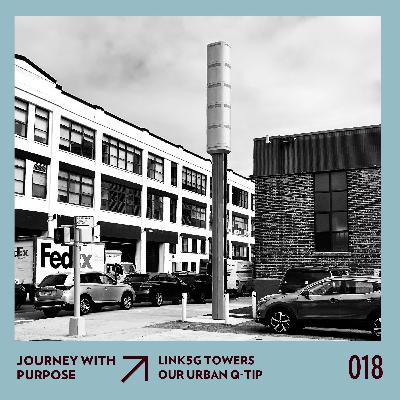
From historic districts to high-speed data: Explore the 5G tower debate that's redefining New York City

Memo Salazar from the Western Queens Community Land Trust discuss the CLT's mission, its role in combating gentrification, and the broader challenges of housing affordability in New York City.

Adam Greenfield discusses Project Farevalue which aimed to solve an everyday problem transit riders face: confirm stored value on your transit card. The team produced a working prototype, but with a hazy patent landscape Greenfield decided to abandon Farevalue and his practice, to focus on showing what he believes the future should look like through teaching and writing.

Comments

Download from Google Play

Download from App Store
 United States