


 Claim Ownership
Slavery Unravelled - Conversations on being slavery free
Subscribed: 2Played: 5
Subscribe

© Fuzz Kitto
Description
We have more slaves in the world now than in any other point of history! How do you get to understand modern slavery and more importantly - what can you do about it. It's a shared responsibility and everybody has a role. Get to understand what it is and what your role could be.
30 Episodes
Reverse
In this episode, guest hosts Leisl and Katie sit down with Sam Mawutor — a Ghanaian environmental advocate, researcher, and current PhD candidate at Oregon State University — to unpack the complex relationship between cocoa farming and deforestation in Ghana.They explore what cocoa farming looks - the scale, location, expenses, and how cocoa growing works.
Modern slavery comes in many forms. This is a new and unique one in many ways but the story gives an insight into the fears and smart thinking of a 30 year old professional.
View the video clip at www.beslaveryfree.com/oxana
This is the start of a new series of Slavery Unravelled with investigative journalist Matt who has been covering modern slavery for over a decade and produced a series of stories for Be Slavery Free.
The last in this miniseries on prevention of modern slavery looks at what civil society and consumers can do.
Society has 3 key elements civil society, business and government. In this episode we look at the role of governments in preventing modern slavery.
Prevention is better than cure - so what can businesses do to prevent modern slavery?
Can modern slavery be solved or do we have to manage it? A look at approaching modern slavery as a whole.
Companies have said for years that it is impossible to calculate a Living Wage. Now there is an accepted methodology for calculating it regionally. Listen in to why this is so important to Modern Slavery.
In dealing with modern slavery we emphasise the importance of traceability and transparency. Here's an intro to what it's about and why each is crucial to us making a difference.
We have more people in slavery than any point in human history - but why? Why does it happen?

We have more slaved in the world now than any other point in human history. It's called Modern Slavery, but slavery has been around for a long time. The trade is in people but the currency is hope. Stories and history, laws and definition are just the beginning of getting your head around this abusive and destructive reality. This is the first episode in a weekly podcast that not only helps you understand it - but also helps you to do something about it. The only way we are going to stop modern slavery - is together.

Linda Reynolds is a former Australian Senator and Minister who played a pivotal role in introducing the Australian Modern Slavery Act. With a distinguished career in politics and defence, Linda has combined her legislative expertise with a deep commitment to human rights and anti-trafficking advocacy.Her journey began after attending a Commonwealth workshop on modern slavery in London, which inspired her to lead Australia’s first parliamentary inquiry into the issue. Linda later championed the fight against orphanage trafficking, a form of exploitation she discovered during a visit to Cambodia. Today, she continues to advocate for systemic change, raising awareness about slavery in Australia and globally, and calling for stronger protections for vulnerable children and workers.Linda’s unique perspective blends policy leadership with practical action. She believes that ending modern slavery requires collaboration between governments, civil society, and individuals—and that informed choices by everyday Australians can dismantle exploitative systems.To learn more about Linda's work on orphan trafficking: https://www.taskforceonht.org/orphanage-trafficking/
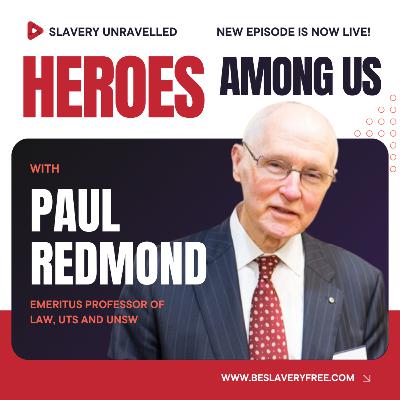
Professor Paul Redmond is a distinguished legal scholar and long-time advocate for embedding human dignity in law and business. As a Professor of Law and expert in business law and human rights, Paul has played a key advisory role in shaping Australia’s Modern Slavery Act and advancing corporate responsibility.His work focuses on legislative reform, ethical governance, and the intersection of law, business, and human rights. Paul believes that laws should reflect society’s values and that businesses have a critical role to play in protecting human rights.Bringing deep legal expertise and a passion for justice, Paul emphasises the importance of collective action and systemic change. His insights help bridge the gap between policy and practice, inspiring leaders to build frameworks that uphold dignity and drive meaningful impact.
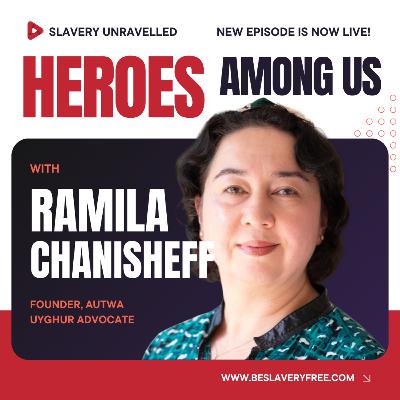
Ramila is a Uyghur-Australian advocate and the president of the Australian Uyghur Tangritagh Women’s Association. She is a passionate campaigner for Uyghur rights and a leading voice against forced labour and human rights abuses in East Turkistan (Xinjiang).Ramila’s work focuses on raising awareness of Uyghur forced labour, advocating for legislative change, and supporting her community both in Australia and globally. She is deeply committed to amplifying the voices of those affected and pushing for accountability from governments and corporations.Her unique perspective comes from lived experience—offering a “view from the ground” as someone directly impacted by modern slavery and genocide. Ramila’s advocacy is rooted in both personal resilience and strategic action, with a strong emphasis on consumer responsibility and legislative reform.
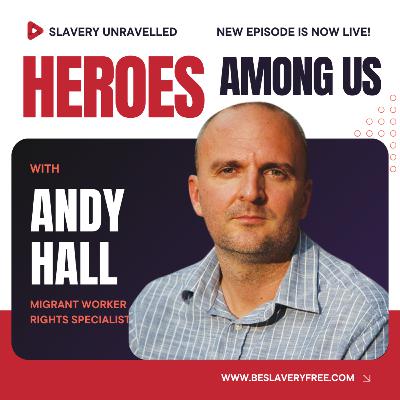
Andy is a British human rights researcher and activist who has spent over two decades working across Southeast Asia, with a focus on Thailand, Malaysia, Myanmar, and Nepal. His work has consistently centered on defending the rights of migrant workers and exposing forced labour and unethical recruitment practices.With a PhD in corporate criminal responsibility, Andy brings academic rigour to his frontline advocacy. He has transitioned from research to direct action, using evidence-based approaches to challenge exploitative systems and hold corporations accountable.Andy’s unique perspective combines deep regional experience with a commitment to justice and transparency. His work bridges the gap between policy and practice, showing how sustained advocacy can lead to meaningful change for vulnerable communities.
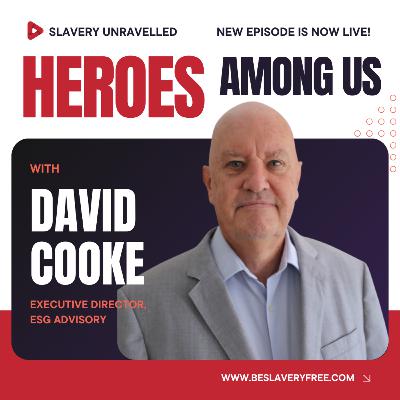
Dr. David Cooke is the former Managing Director of Konica Minolta Australia and a leading voice in ethical business. As the author of Kind Business, David champions a values-driven approach to leadership, where purpose and profit go hand in hand.Throughout his career, David has worked to embed human rights and social responsibility into corporate culture. He has chaired the UN Global Compact Network Australia and served on the advisory committee of the Australian Human Rights Institute, helping shape national conversations around business and human rights.David’s focus is on mobilising the private sector to address modern slavery, build social capital, and lead with integrity. His unique perspective blends executive leadership with a deep commitment to systemic change—proving that kindness and ethics are not just good values, but smart business.
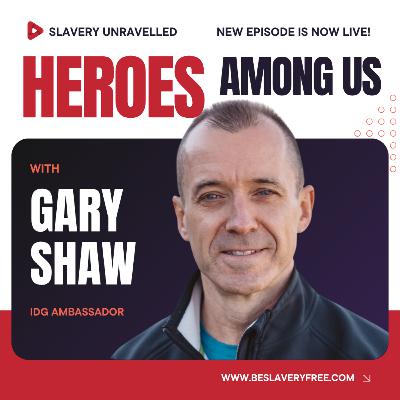
Gary is a former New Zealand police detective who spent years working undercover to rescue victims of human trafficking. His frontline experience as an anti-slavery investigator gave him rare insight into the realities of exploitation and the resilience of those affected.After leaving law enforcement, Gary transitioned into the corporate world, advising businesses on how to identify and address modern slavery risks within their operations and supply chains. His work helps bridge the gap between criminal justice and corporate responsibility.Gary brings a unique perspective shaped by both field investigations and strategic advisory roles. He understands the psychological and systemic challenges faced by NGOs, survivors, and businesses alike—and is committed to building practical, ethical solutions that drive real change.
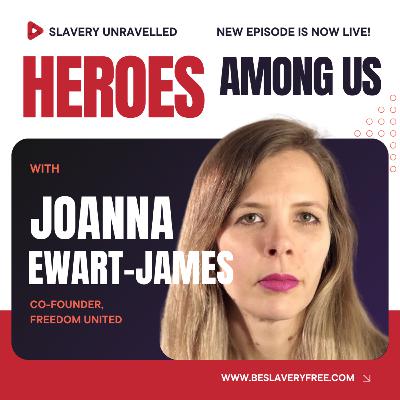
Joanna is a passionate advocate for freedom and the co-founder of Freedom United, a global community working to end modern slavery through collective action. Her work bridges grassroots activism with international policy, mobilising citizens around the world to push for systemic change.Joanna’s focus is on empowering people to take meaningful action—whether by influencing legislation, holding corporations accountable, or amplifying survivor voices. She believes that ending modern slavery requires both top-down reform and bottom-up pressure, and she’s dedicated to building the networks that make that possible.Her unique perspective comes from years of experience in advocacy and movement-building. Joanna combines strategic thinking with a deep commitment to human rights, showing that when people unite around a cause, they can drive real, lasting change.
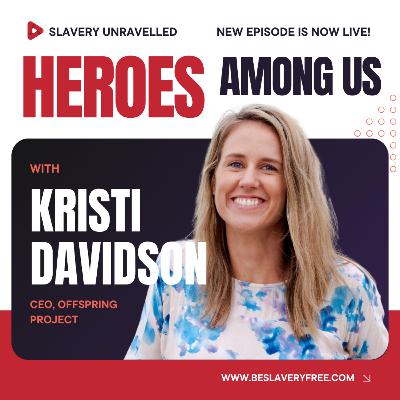
Kristi is the founder of Offspring Project, a grassroots initiative based in Kolkata, India, dedicated to supporting survivors of sex trafficking and girls at risk. With a background as an educator and social entrepreneur, Kristi brings both compassion and innovation to her work on the front lines of prevention and recovery.Her focus lies in empowering survivors through vocational training, trauma-informed aftercare, and education. By creating pathways to independence and dignity, Kristi helps young women reclaim their futures and build sustainable livelihoods.Kristi’s unique perspective comes from years of hands-on work with survivors and at-risk girls, combined with a deep commitment to ethical business and community-driven solutions. She believes that real change happens when we invest in people and create systems that support healing, growth, and long-term freedom.
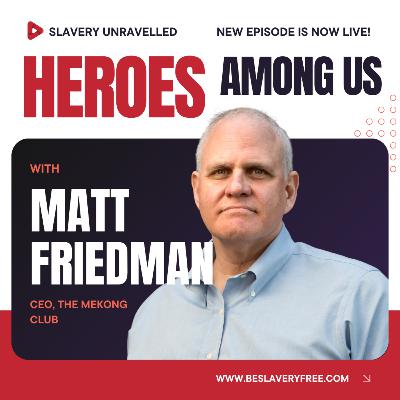
Matt is an international anti-slavery leader and the founder and CEO of the Mekong Club. With over 35 years of experience across Asia—from Nepal to Hong Kong—he has worked with governments, NGOs, and especially the private sector to combat human trafficking and modern slavery. His background includes serving as a UN counter-trafficking expert and a public health officer, giving him a unique blend of field and policy expertise.Matt focuses on tackling modern slavery through business engagement, survivor-centered solutions, and raising public awareness. He is widely known for developing practical tools that help companies identify and address risks in their supply chains, and for his compelling storytelling that brings complex issues to life.What sets Matt apart is his ability to combine deep field experience with a pragmatic, systems-level approach. He believes that everyone—regardless of their role—can be a hero by taking action, no matter how small.

Comments

Download from Google Play

Download from App Store
 United States