


 Claim Ownership
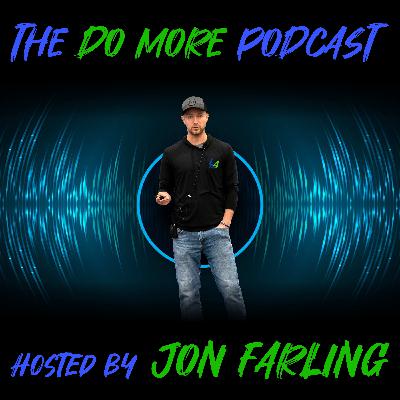
The Do More Podcast
Subscribed: 1Played: 3
Subscribe

© The Do More Podcast
Description
Jon Farling shares tips and insights into what’s helped him become successful in the world of real estate investing during and after quitting his 9-5 job. His self-storage portfolio has grown well into 8 figures because of the insights he and his guests will share. Not only will he share tips on his entrepreneurship journey, but also his personal life.
136 Episodes
Reverse
AI is making waves in our everyday lives, and today Jon dives into how it’s impacting the self-storage industry and the job market as a whole. While he doesn’t claim to be an AI expert, he’s been hearing plenty of discussion about its potential to disrupt jobs — and understandably, that can feel overwhelming.In this conversation, Jon explores what these changes could mean for various professions, especially within the self-storage space, where he believes innovation may actually create new business opportunities. Rather than getting caught up in the fear that often surrounds AI, he encourages us to stay informed and proactive.The key takeaway? Instead of resisting change, we should focus on how to adapt and leverage AI as a powerful tool to enhance what we do — all while preserving the human touch that keeps our businesses strong.
Stop being cheap. That’s the main point Jon is diving into today, and it’s something he learned the hard way in his real estate journey.He kicks things off by sharing his early days with single-family rentals, when he thought doing everything himself would save money. But as he quickly found out, that mindset can actually cost you more in the long run.So many entrepreneurs get stuck pinching pennies instead of investing in their businesses and themselves — and that’s a trap. Jon breaks down the importance of recognizing what your time is truly worth, the value of hiring professionals, and how being frugal in the wrong areas can actually slow your growth.This episode is all about shifting your mindset — moving from being cheap to making smart, strategic investments in your future.
Today, Jon dives into a conversation with Mark Young from Zona Health, where Mark shares insights that deeply resonate with entrepreneurs and business owners. Mark emphasizes the unique mindset of entrepreneurs, describing them as “absolute nut jobs” for the sometimes illogical paths they choose on their journeys. Jon and Mark explore the challenges and triumphs that come with operating in the wild world of business. Mark’s candid perspective serves as a reminder that while the entrepreneurial life can feel chaotic, it is also filled with powerful opportunities for growth and innovation. Join Jon as he uncovers the motivations and mindset that drive successful entrepreneurs like Mark.
Today, Jon is diving into the top three things that helped him scale to 18 self-storage facilities. This isn’t about bragging—it’s about sharing insights that would have been incredibly valuable to him a few years ago when he was just getting started.First, building a strong foundation in real estate was critical. Jon spent years educating himself and gaining hands-on experience before making his first major move.Second, he focused on acquiring properties within his home state of Ohio. Deep familiarity with local markets and strong relationships with sellers played a significant role in his growth.Finally, Jon emphasizes the importance of consistent action and ongoing education. Success isn’t just about acquisitions—it’s about networking, learning, and staying engaged.By applying these principles, others can begin paving their own path in real estate as well.
Key performance indicators (KPIs) are essential for measuring success in self-storage—and really, any business. In this episode, Jon dives into why KPIs matter more than ever. Self-storage is no longer just a hobby; it’s a serious business that requires attention to detail and accountability. Jon breaks down how he approaches KPIs by focusing on the big picture, like money collected and cash flow, while his team tracks more granular metrics to ensure strong performance. Together, these KPIs create a clear snapshot of where the business stands and where there’s room for improvement. Whether you’re in self-storage or another industry, understanding and using KPIs can help guide your business in the right direction and keep everyone aligned.
Rod Khleif joins Jon for an engaging conversation on the power of mindset in achieving success and overcoming adversity. He shares his compelling journey from growing up in a Dutch immigrant family struggling to make ends meet to becoming a multifamily real estate mogul, once owning a portfolio of over 2,000 properties. Rod emphasizes that an astonishing 80–90% of success comes from mindset and psychology—not just the mechanics of business. Throughout the conversation, he reflects on the importance of pushing through challenges, practicing gratitude, and giving back to the community. By the end of the episode, listeners are inspired to tap into their inner drive, set meaningful goals, and embrace growth, no matter the obstacles they face.
Christine Valdez joins Jon to share her extensive experience in both the pharmaceutical industry and real estate investing. With over 30 years as a regional sales director, Christine has built a diverse portfolio that includes single-family homes in California and Texas, along with multifamily investments and digital marketing ventures.We dive deep into the challenges and strategies of navigating real estate—especially in landlord-unfriendly markets like California—and how she balances a demanding career with her passion for investing. Christine emphasizes the importance of focusing on what you know and love in real estate, avoiding the pitfalls of jumping between asset classes without true mastery. She also shares valuable insights on leadership, personal development, and the importance of giving back, offering a wealth of knowledge for anyone looking to thrive both professionally and personally.
Jon dives into six significant changes in the self-storage industry that have emerged since 2021. One of the main points he emphasizes is how the landscape for buying storage facilities has become increasingly challenging; deals that once promised to double in value within a year are now harder to find. He discusses the shift from a focus on rapid value increases to a more cash-flow-oriented approach, highlighting the importance of long-term stability in investments. Jon also reflects on how underwriting now includes a variety of fees that were not considered before, and he stresses the necessity of adapting to current market realities, such as occupancy rates and customer service expectations. Overall, this episode is packed with insights for anyone looking to navigate the evolving world of self-storage investments.
Closing on a property is never as easy as it looks, and in this episode, Jon dives straight into that reality. He shares his firsthand experience navigating a closing that was far from smooth—made even more stressful by the timing right before Christmas. Jon breaks down the hard truths that surfaced along the way, including why closings are rarely clean and just how critical strong relationships with your team can be. He also highlights key lessons learned, like the value of having a dependable attorney and the importance of persistence when obstacles arise. If you’re in the real estate game, this episode offers insights that could save you time, stress, and a few headaches down the road.
Jon dives into the idea of going all in on your goals and staying committed for the long haul. He shares his perspective on New Year’s resolutions, noting how they often lose momentum just weeks into the year. Instead, Jon emphasizes the power of setting long-term goals—thinking one, five, or even ten years ahead. Drawing from his own journey in self-storage and real estate investing, he highlights how focus and commitment to a single niche can create momentum over time. As Jon has experienced through his recent deals, when you fully dedicate yourself, opportunities begin to flow more naturally. This conversation explores what it truly means to be all in and how that mindset can reshape the path to long-term success.
Navigating the self-storage industry can be daunting, but Jon's latest podcast episode sheds light on some exciting developments within the Storage Rebellion community. As the new leader of the Insiders group, Jon discusses his journey and the inspiration behind stepping into this role. Attending a Storage Rebellion insiders event in Nashville reignited his passion for the community and highlighted the importance of collaboration and knowledge-sharing in achieving success. He shares past experiences with the group and how those connections have propelled their growth as an investor.
Learn more about the importance of long-term planning and strategic vision in growing a successful storage business.We’re talking about the world of self-storage with Andrew Freeman, co-founder of KO Storage. Andrew’s journey from e-commerce to self-storage is pretty remarkable, showcasing how he identified an opportunity in a market ripe for innovation and consolidation.We talk about how he turned a struggling 90-unit facility into a thriving operation by rolling up his sleeves and tackling every aspect of the business, which ultimately laid the groundwork for their current success.Andrew also shares insights on the importance of adapting management strategies to different market dynamics and how technology is reshaping the industry. Stick around as we unpack the lessons learned along the way and explore the future of self-storage in an ever-evolving landscape.Takeaways:Andrew shares his journey from e-commerce to self-storage, highlighting the unique opportunities in the industry.The importance of hands-on experience is emphasized, as Andrew details how he personally managed operations during early growth.Andrew discusses the significance of technology in modern self-storage management, noting the shift to automation and remote systems.We highlight the evolving landscape of self-storage and the trend of consolidation among operators in the market.Freeman explains how he transitioned from being directly involved in acquisitions to empowering his team to take over that role.Thanks for following, subscribing and listening to this episode of The Do More podcast hosted by Jon Farling. To learn more or ask questions, go to l4investing.com.https://creativecommons.org/licenses/by-nd/4.0/The Do More Podcast
Ian Noble shares his journey from working in his family's dry cleaning business to becoming a successful entrepreneur and real estate investor. He discusses how he took over the business during a recession and navigated challenges like COVID-19, ultimately leading to a successful exit. Ian emphasizes the importance of hard work and adapting to changing market conditions, highlighting how his experience in dry cleaning laid the groundwork for his venture into real estate. He talks about the dynamics of mobile home parks and syndications, explaining how these investments can be a smart strategy for building wealth and providing affordable housing. Free Passive Investing in Real Estate Cheat Sheet: https://go.runsteadyinvestments.com/do-more-podcastJoin My Passive Investor Mailing List: runsteadyinvestments.com/investor-clubLinkedIn: www.linkedin.com/in/iannoble1/Instagram: @ian_investsTakeaways: Ian Noble shares his journey from a family-run dry cleaning business to real estate investing, emphasizing the importance of hard work and learning every position. He discusses the impact of the 2008 recession on career decisions, illustrating how networking opened doors and shaped his entrepreneurial path. Noble highlights the benefits of mobile home parks as an investment strategy, focusing on their supply cap and stability in affordable housing markets. A significant lesson from his experience is the importance of vetting investment partners thoroughly to ensure alignment of values and objectives. He stresses the emotional challenges entrepreneurs face during transitions, especially after selling a business and finding a new purpose in life. Noble's approach to syndications showcases how he combines personal experience with due diligence to guide others in real estate investments.Thanks for following, subscribing and listening to this episode of The Do More podcast hosted by Jon Farling. To learn more or ask questions, go to l4investing.com.The Do More Podcast https://creativecommons.org/licenses/by-nd/4.0/
Madeleine Raiford-Holland is shaking things up in the world of short-term rentals, and she’s here to share her journey with us. After stepping away from a demanding corporate role as a COO, she went into the short-term rental market. She saw incredible success, quickly scaling to manage 20 properties while spending less than an hour a week on the business. We’ll explore how she leverages automation and smart systems to create a hands-off operation, making it easier for others to step into this lucrative space. Madeleine also discusses the financial and tax advantages of short-term rentals, including the “short-term rental tax loophole” that can significantly benefit high-income earners. Join us as we unpack her insights, strategies, and tips for those looking to break into the short-term rental game.Takeaways: Madeleine Raiford-Holland transitioned from being a COO to managing short term rentals to create a legacy for her family. She emphasizes the importance of automation and processes in running a short term rental business effectively and efficiently. Investing in short term rentals can yield significant cash flow and tax benefits if managed properly. Choosing the right market for short term rentals can lead to higher occupancy rates, even in less popular locations like Athens, Georgia. The short term rental tax loophole allows owners to offset active income, making it a strategic investment for high earners. By focusing on self-management and using technology, hosts can retain more profit and streamline operations in the short term rental space. Links referenced in this episode:L4Investing.commadeleineraifordholland.cominstagram.com/madeleineraifordhollandThe Do More Podcast https://creativecommons.org/licenses/by-nd/4.0/
On the brink of leaving his nine-to-five job, we learn about Mike Perkin's inspiring journey from law enforcement to self-storage entrepreneurship. Mike shares how he transitioned from a stressful career in police work to seeking freedom through business ownership. After years of hard work and persistence, including nearly two years of cold calling before landing his first deal, he’s now managing two self-storage facilities, one in Georgia and another in Missouri. What stands out is Mike's approach to education and action; he emphasizes that taking immediate steps is key to success, as he learned from our previous conversations. We wrap up with a discussion about the importance of maintaining balance in life while pursuing passion, as Mike reflects on his health journey along the way.Takeaways: Mike Perkins shares his journey from law enforcement to the self-storage industry, highlighting the pivotal decision to leave his stressful job for a more balanced life. He explains how he became obsessed with learning about self-storage, dedicating countless hours to education while working a full-time night shift job. The importance of persistence is emphasized, as Mike reveals it took nearly two years of cold calling before he closed his first deal in the self-storage market. Mike discusses the significance of relationships in finding deals, showcasing how networking and communication can open doors in the competitive business landscape. The episode explores the mental challenges faced during the entrepreneurial journey, particularly the importance of maintaining a positive mindset and resilience amid setbacks. Mike highlights the necessity of taking action after education, stating that true learning occurs when one applies knowledge and engages actively in the business. Thanks for following, subscribing and listening to this episode of The Do More podcast hosted by Jon Farling. To learn more or ask questions, go to l4investing.com.The Do More Podcast https://creativecommons.org/licenses/by-nd/4.0/
Michael Redd II joins us to share his journey as the son of NBA Hall of Famer Michael Redd and his passion for aviation. You'll learn how he discovered his path away from basketball and into aircraft brokerage, establishing his own company, Essor Jet Sales.Michael talks about the insights he gained while shadowing industry professionals and how he leveraged those experiences to start his own business at a young age. He emphasizes the importance of asking for opportunities and the power of networking, which helped him connect with key players in the aviation field. As he looks ahead, Michael shares his ambitious vision for growing his brokerage into one of the leading firms in the industry, blending traditional sales strategies with innovative technology.Takeaways: Michael Redd II shares his journey from basketball to aircraft brokerage, emphasizing the importance of following one's passion. Growing up as the son of an NBA Hall of Famer, Michael discusses the unique pressures and expectations placed on him. Michael explains how he decided to step away from basketball to pursue an aviation career, highlighting his love for the industry. He emphasizes the role of networking and mentorship in his career development, showcasing how he reached out to industry professionals for guidance. The conversation touches on the challenges of navigating relationships and expectations in light of his father's fame. Michael expresses confidence in building his own aircraft brokerage, aiming to leverage technology to innovate in the aviation sales space. Thanks for following, subscribing and listening to this episode of The Do More podcast hosted by Jon Farling. To learn more or ask questions, go to l4investing.com.The Do More Podcast
I look at the nuances of obsession, what it means to find your passion, and how it can set you apart from the crowd.Obsession can often get a bad rap, but I'm here to argue that it can actually be a powerful force for good. Being obsessed with the right things—like personal growth, business, or even hobbies—can lead to incredible achievements and satisfaction. I reflect on my experiences as a parent and a business owner, sharing how my own "obsession" with tools like ChatGPT helps me improve not just my work, but my life overall. I explore the difference between mere interest and true obsession, emphasizing how that distinction can be the key to hitting our goals. Takeaways: Obsession can actually be a positive force in our lives if focused on the right things. Being labeled as obsessed by others may simply indicate a deep passion for what we do. The line between interest and obsession is crucial for achieving our goals and dreams. Many people reach out with interest, but only a few are truly obsessed and take action. The Do More Podcast https://creativecommons.org/licenses/by-nd/4.0/
If you’ve ever wondered what goes into making a killer protein bar or starting a business from scratch, this episode is full of tips and stories you’ll definitely want to hear!Today, we’re jumping into the awesome story of James Oliver, the guy behind Atlas Bars—a brand known for its high-protein, low-sugar snack bars made with super clean ingredients. James opens up about launching his business right after college because he wanted more freedom and was passionate about making snacks that actually fit his own diet. He talks honestly about the ups and downs he’s faced, like how crucial it is to keep your mindset in check as an entrepreneur and why learning from all kinds of feedback really matters. We also get into what makes Atlas Bars different from everything else out there—their unique ingredients and their serious focus on quality and health. Takeaways: Starting a business often stems from a personal need, as seen with Atlas Bars. Entrepreneurs must manage their own psychology, balancing freedom with the weight of responsibility. Sourcing high-quality ingredients globally is crucial for maintaining product integrity and taste. Customer retention is driven by consistent quality and addressing feedback effectively to improve products. The landscape of entrepreneurship favors lean operations and technology to maximize efficiency. Understanding the difference between theoretical knowledge and practical experience is vital for entrepreneurs. Links referenced in this episode:atlasbars.comvitacost.comThanks for following, subscribing and listening to this episode of The Do More podcast hosted by Jon Farling. To learn more or ask questions, go to l4investing.com.The Do More Podcast
Let’s break down the pros and cons of cash flow versus equity gains, and help you figure out which route aligns best with your goals.Understanding the type of investor you want to be is crucial, especially when diving into real estate. Today, I’m sharing insights on the two main paths you can take: chasing predictable cash flow or aiming for those big equity pops. Whether you're working a 9-to-5 or already leaning into entrepreneurship, it's vital to know what you're looking for in your investments. We’ll explore how each approach can impact your financial freedom and what that means for your long-term strategy. Takeaways: Understanding what type of investor you want to be is crucial for success in real estate. There are two main paths in real estate investing: focusing on cash flow or aiming for equity pops. Predictable cash flow provides financial stability and allows you to automate your investments more effectively. Investing in properties for cash flow often requires a more conservative approach to ensure long-term success. The Do More Podcast https://creativecommons.org/licenses/by-nd/4.0/
Today, I'm diving into the top social media influencers I follow and why they matter. It's all about getting value from our feeds instead of just mindlessly doomscrolling. I’ve got a list of 15 or so people who consistently provide insights that I find relatable and actionable, whether it's about business, mindset, or just life in general. For me, engaging with their content feels like reading a good book or listening to a podcast—it's all about learning and growing. I’ll share who these influencers are and what makes them stand out, hoping you'll find some new voices to follow that resonate with you too.Takeaways: In the podcast, I discuss how social media should be used to gain valuable information, rather than just scrolling mindlessly. I emphasize the importance of following influencers who provide insights and knowledge in areas like business and mindset. Throughout the episode, I share a list of my top influencers, highlighting their unique contributions to my learning process. I talk about how social media allows us to quickly filter through content, making it easier to find what truly resonates with us. The influencers I mention range from real estate experts to mindset coaches, each offering valuable strategies and perspectives. Lastly, I encourage listeners to reach out with recommendations for AI influencers that can help in our learning journey. Thanks for following, subscribing and listening to this episode of The Do More podcast hosted by Jon Farling. To learn more or ask questions, go to l4investing.com.https://creativecommons.org/licenses/by-nd/4.0/The Do More Podcast

Comments

Download from Google Play

Download from App Store
 United States