



 Claim Ownership
Mendelspod Podcast
Subscribed: 177Played: 5,193
Subscribe

© Theral Timpson
Description
Offering a front row seat to the Century of Biology, veteran podcast host Theral Timpson interviews the who's who in genomics and genomic medicine.
www.mendelspod.com
www.mendelspod.com
534 Episodes
Reverse

This is a free preview of a paid episode. To hear more, visit www.mendelspod.comCareDx is a company on the move. For years, they have been a bellwether in molecular diagnostics. Their early bet on gene expression testing in transplant medicine, their bruising fight over Medicare coverage, and their pivot into cell-free DNA monitoring have all reflected the growing pains of precision medicine itself.Now, under CEO John Hanna, the company looks less like a single-test diagnostics firm and more like a clinical ecosystem.Hanna brings an unusual vantage point. He began his career in health insurance before moving into molecular diagnostics—giving him insight into both innovation and reimbursement. That dual perspective shaped CareDx’s recent evolution: focus tightly on a defined clinical niche—transplantation—while expanding horizontally into the tools, software, and services that surround it.Today, CareDx operates across three segments: lab products (including high-resolution HLA typing kits using PCR, NGS, and nanopore), a growing software and patient solutions business, and its flagship genomics portfolio led by AlloSure, its donor-derived cell-free DNA assay. What distinguishes the company now is its “solution selling” approach—engaging transplant centers not just with a test, but with workflow software, quality reporting tools, specialty pharmacy, and EMR integration.“Our solution selling strategy is working,” he says today.At the scientific core remains the effort to replace invasive biopsies with molecular monitoring. AlloSure’s innovation—detecting donor-derived cell-free DNA without requiring donor genotyping—made routine blood-based rejection monitoring scalable. Yet adoption is not purely technical.“The biggest challenge with our space is building belief that molecular testing can replace tissue biopsy.”Clinician education, clinical trials, and guideline inclusion remain central to shifting standards of care. CareDx has leaned heavily into this, hiring medical leadership specifically to translate data into practice. The company is also layering AI on top of its molecular assays. AlloSure Plus integrates genomic results with EMR-derived clinical variables to generate a rejection risk score. CareDx’s operational mantra has been to put the burden of complexity on the company, not the clinician.

Large-scale genomics is back — and this time, it’s global by design.In this episode of Mendelspod, we return to the kind of ambitious, shared genomics project that helped define the field a decade ago. The Global Parkinson’s Genetics Program (GP2) has now genotyped more than 100,000 participants worldwide, with roughly one third of samples coming from historically underrepresented populations. That scale and diversity are already reshaping how Parkinson’s disease is studied — and how it may eventually be treated.My guests are Andrew Singleton, co-lead of GP2, and Ignacio (Nacho) Mata, a geneticist at Cleveland Clinic and founder of the Latin American Research Consortium on the Genetics of Parkinson’s Disease (LARGE-PD). Together, they describe how globally representative datasets are not a political aspiration, but a scientific necessity — especially in an era of precision medicine.Singleton explains that studying Parkinson’s across populations doesn’t just broaden participation; it increases scientific power. “The more we learn about individual populations, the more we understand about disease as a whole — and the more chances we have to come up with treatments for disease as a whole,” he says. Mata brings a complementary perspective from years of building Parkinson’s genetics infrastructure in Latin America. He emphasizes that without inclusion in genetic and biomarker research, entire populations risk being excluded from the next generation of molecularly targeted therapies. “If we don’t have our patients studied for genetics or biomarkers, then those patients will not have access to the new treatments,” he notes, adding that GP2 is designed to narrow rather than widen existing health disparities.We explores how GP2’s open-science structure has been key to its success and could serve as a model for other global research projects. GP2 has invested heavily in training and infrastructure so that researchers around the world can lead analyses locally, rather than simply contributing samples.As both guests make clear, this is only the beginning. With hundreds of thousands of samples committed and a new generation of globally distributed investigators, GP2 is laying the groundwork for biologically defined subtypes of Parkinson’s and for more precise diagnostics and disease-modifying therapies.When genomics gets big enough — and inclusive enough — scale itself becomes a discovery. This is a public episode. If you'd like to discuss this with other subscribers or get access to bonus episodes, visit www.mendelspod.com/subscribe

What if the hardest part of scaling cell therapy turned out to be a materials problem not a biological one—and the solution looked like a sponge?On today’s show, Theral speaks with Yev Brudno, Associate Professor in the School of Pharmacy and also the Department of Biomedical Engineering at the University of North Carolina at Chapel Hill, about a deceptively simple technology that could dramatically accelerate manufacturing and lower the cost of cell therapies. Brudno’s lab works at the intersection of chemistry, biomaterials, and cell biology, with a focus on removing the manufacturing and scalability barriers that have kept powerful therapies like CAR-T out of reach for most patients.At the center of the conversation is a dry, porous biomaterial sponge—developed initially by accident—that boosts viral transduction efficiency from roughly 10% to as high as 90% by forcing cells and viral vectors into intense, highly efficient contact. The sponge works across multiple delivery systems, including retroviruses, lentiviruses, AAVs, and even lipid nanoparticles, effectively functioning as a low-cost, scalable alternative to complex microfluidic systems. Brudno explains how this discovery reframes genetic modification as a physical- and materials-science problem rather than a purely biological one.The discussion goes beyond mechanism into real-world impact. Brudno describes how these sponges—now commercialized for research use by Takara Bio USA—could compress weeks-long CAR-T manufacturing workflows into hours, enabling bedside or community-hospital cell engineering without the need for $100-million cleanroom facilities. The episode closes with a broader reflection on the future of cell therapy.Once again, some of the most transformative advances might come from curious bench science and happy accidents rather than prediction alone. This is a public episode. If you'd like to discuss this with other subscribers or get access to bonus episodes, visit www.mendelspod.com/subscribe

For today’s show, we return to discussing the exciting new Cellanome platform. Joining Theral are Pier Federico Gherardini, VP of Computational Biology at Cellanome, and Matthew Spitzer, Associate Professor at University of California, San Francisco, whose lab is using Cellanome’s CellCage technology to study immune cells in dynamic, interactive contexts.0:00 From static snapshots to observing cell function in real time4:45 Pairing phenotype with function like we never could before7:30 Can see cell-cell interaction19:40 Early applicationsRather than relying on static single-cell snapshots, the Cellanome platform enables longitudinal observation of live cells—tracking division, interaction, and function over time—before pairing those behaviors with transcriptomic and molecular readouts. As Gherardini explains, “This creates essentially a new data type where you observe cells over time… and then you can pair all of that functional information with the molecular readouts that you get from sequencing.”For Spitzer, that shift fundamentally changes what can be known. Traditional approaches often force scientists to infer function indirectly, correlating phenotype measured in one experiment with behavior measured in another. With CellCage, his lab can finally measure both in the same individual cell. “Now we have measured the function of the cell and the phenotype for the same exact individual cell,” Spitzer says, “and this allows us to really understand how those core characteristics are linked in a much more detailed way.”For Spitzer, a major advance comes from observing cell–cell interactions as they unfold. Where previous methods could show proximity in a tissue section, they could not reveal outcomes. Using Cellanome, Spitzer’s team can now watch whether a T cell activated by a dendritic cell actually proliferates, produces effector molecules, or kills a tumor cell—and then trace those outcomes back to specific molecular programs. This has already revealed surprising heterogeneity within supposedly uniform cell populations, identifying rare but highly potent immune cells that would have been invisible in bulk assays.Looking ahead, both guests see immediate applications in cell therapy development, target discovery, and functional CRISPR screening—areas where measuring what cells actually do matters more than what they merely express. We close with a sense that cell biology is entering a new phase—one where function, interaction, and time are no longer inferred, but directly observed, measured, and modeled. This is a public episode. If you'd like to discuss this with other subscribers or get access to bonus episodes, visit www.mendelspod.com/subscribe

Half of oncologists in the U.S. are now ordering MRD testing, according to Adam ElNaggar, MD of Natera — but the other half, he says, “are still figuring out how to use it, or that it even exists.”In this episode, we talk with ElNaggar about the rapid rise of ctDNA-based monitoring and how it’s changing the very rhythm of cancer care. From Natera’s “tumor-informed” SignateraTM assay to its new “tissue-free” LatitudeTM test, the company is reshaping oncology around the molecular traces that cancer leaves behind.“ctDNA-negative patients have an extremely low likelihood of showing disease on imaging,” he explains. “So rather than scanning every few months, we can tailor follow-up to when it’s actually needed—and spare the anxiety and cost that come with it.”The conversation also covers Natera’s EmpowerTM hereditary cancer panel, which has expanded testing to all patients with ovarian and endometrial cancer, and a new Hereditary Cancer Alert program that nearly doubled testing rates among eligible patients. ElNaggar describes how hereditary and MRD testing now reinforce one another, helping clinicians catch missed cases and close the loop for families.We finish with a look ahead: a future where ctDNA status becomes a staging element, where clinical trials are shortened by molecular endpoints, and where multi-omic assays—combining DNA, methylation, and protein—push oncology toward truly personalized medicine.“We’re reaching the point,” says ElNaggar, “where staging won’t just be about pathology—it’ll be about biology.”Note about trials mentioned:IMvigor010 compared adjuvant atezolizumab to observation (surveillance) in an unselected muscle-invasive bladder cancer (MIBC) populationIMvigor011 prospectively randomized only ctDNA-positive MIBC patients to atezolizumab versus placeboSee all SignateraTM Publications here. This is a public episode. If you'd like to discuss this with other subscribers or get access to bonus episodes, visit www.mendelspod.com/subscribe

Aging may be the last great frontier of precision medicine—not a single disease, but the slow re-patterning of immunity, metabolism, and resilience that determines how well and how long we live.In this wide-ranging and genuinely mind-bending conversation, Alan Landay and Tom Blackwell make a compelling case that aging itself is finally becoming a legitimate—and testable—target of medicine.For Landay, the path into aging biology began decades ago through HIV. Antiretroviral therapy transformed HIV from a fatal disease into a chronic one—but something didn’t add up. Patients were surviving, yet developing cardiovascular disease, neurocognitive decline, and metabolic disorders years earlier than expected. The immune system recovered on paper, but inflammation never fully resolved. That realization led Landay to view HIV as a model of accelerated aging, and to ask whether the same inflammatory processes drive aging in the broader population. As he explains, “we realized that persistent inflammation was the driver—pushing comorbidities forward in time. That’s when HIV stopped being just an infectious disease and became a window into aging itself.”Over the past decade, Landay has brought the full toolkit of systems biology to that question—proteomics, metabolomics, glycomics, microbiome analysis, and epigenetic clocks—to understand why some bodies grow frail while others remain resilient. A central theme is the gut: age-related changes in the microbiome weaken the intestinal barrier, allowing inflammatory signals to leak into circulation and quietly accelerate biological aging.Blackwell approaches the same problem from the clinic. As a geriatrician, he sees that most people ultimately die from one of three conditions—heart disease, cancer, or dementia—and that aging is the common denominator behind them all. His bold question is not whether we can treat these diseases individually, but whether we can slow the biological aging process that gives rise to them. That question underpins his ongoing clinical trial testing tirzepatide, a GLP-1–based therapy, not for weight loss, but for its potential to slow aging itself. ““There is no drug in the world proven to slow aging,” Blackwell says. “We haven’t proven this one either—but we’re finally running the experiment that can give us a real answer.”At the heart of the discussion is a shared fascination—and healthy skepticism—around aging clocks and biomarkers. Both researchers are using advanced epigenetic and proteomic clocks, including the DunedinPACE measure, to track whether interventions truly change the rate at which people age biologically. The clocks are powerful, but not yet definitive. The episode also explores how geroscience has moved from the fringe to the mainstream: NIH-wide initiatives, ARPA-H funding, repurposed drugs, and growing FDA openness to aging as a trial framework. Rather than chasing immortality, both guests emphasize healthspan—more years of mobility, cognition, and social engagement. “Our vision isn’t to live longer in a nursing home. It’s having a lot more 98-year-olds who drive themselves to clinic, go on dates, and still love their lives,” says Blackwell. This is a public episode. If you'd like to discuss this with other subscribers or get access to bonus episodes, visit www.mendelspod.com/subscribe
This is a free preview of a paid episode. To hear more, visit www.mendelspod.comThe RNA revolution didn’t end with COVID. It’s only just beginning.Today Theral is joined by Andrew Geall, co-founder and Chief Development Officer of Replicate Bioscience, to explore why self-replicating RNA may represent the next major leap in vaccines and therapeutics. While first-generation mRNA proved what was possible in a pandemic, Andrew argues …

Perhaps more than in any other field, AI is impacting drug discovery and development. To begin the year we’re joined by two AI software-as-service companies, one on the target discovery side and the other built for new compound identification for those targets.Theral speaks with Aqib Hasnain, Product Lead at Mithrl, and Cheng Hu, co-founder and CEO of Technetium Therapeutics, about how scientists can go from AI generated insights to AI generated assets, from AI-driven fast science, to AI-driven fast drug discovery.Aqib describes Mithrl as a virtual lab partner focused on shrinking the time between experiments by letting scientists interrogate their own data directly. One of the biggest lessons in building Mithrl, he says, was how much transparency matters. Biologists need to understand the methodology through and through, and this translates directly to how Mithrl works.“Scientists need to be able to scrutinize and trace everything—because it’s their responsibility to make the next decision.”Cheng explains Technetium’s vision of an “AI-driven hatchery of novel medicines,” using design-based, physics-guided approaches to move from target discovery to small-molecule hits in weeks rather than years as has been the case screening libraries of millions of compounds. Reflecting on the promise of AI co-scientists, he points to the industry’s biggest unmet need. “There’s a very serious deficit of novel therapeutic targets and also a very serious deficit of novel chemicals.”Together, the conversation explores how these two AI tools for target discovery and hit generation are beginning to reshape drug discovery workflows—and how a new ecosystem of services is developing that is redefining the field. This is a public episode. If you'd like to discuss this with other subscribers or get access to bonus episodes, visit www.mendelspod.com/subscribe

In our most listened to episode this year, Certis Oncology CEO Peter Ellman breaks down how his company is reinventing cancer research by building orthotopic patient-derived tumor models that more faithfully mimic human cancer — and using them to improve both drug development and treatment decisions. What is meant by orthotopic? That’s when patient tumors are placed in the “correct place” inside mice to create more faithful cancer models.Ellman shares the deeply personal origin story behind Certis and explains why their models have changed lives. He discusses the company’s AI-driven predictive platform, now patented, that aims to double drug success rates and usher in truly personalized oncology.Happy New Year 2026! This is a public episode. If you'd like to discuss this with other subscribers or get access to bonus episodes, visit www.mendelspod.com/subscribe
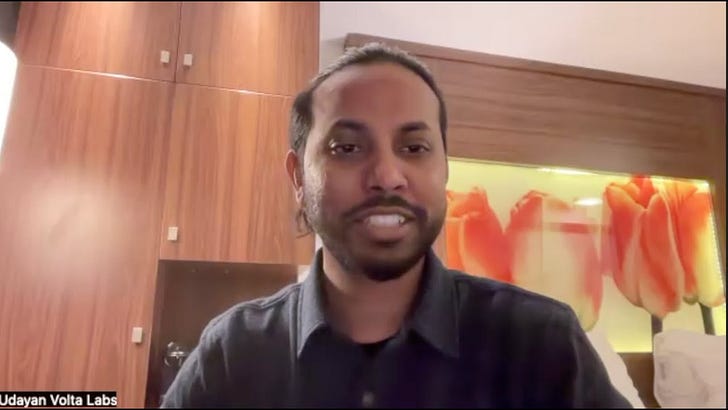
As sequencing continues to become cheaper, more attention is being paid to sample prep. Today we’re following up with the company, Volta Labs, a genomics applications company transforming sample prep for NGS by increasing robustness and precision, and lowering operating costs. CEO Udayan Umapathi reflects on what has been a breakout first commercial year for Callisto, the company’s sequencer-agnostic, digital-fluidics platform for sample prep. When he was last on the show, Callisto had just launched. One year later, it is deployed across North America, Europe, and Asia, with rapid uptake in clinical labs, pediatric oncology centers, and high-throughput sequencing sites.Udayan says the scale of adoption surprised even the team. “We said we wanted to be the front end of every sequencing technology. We’ve actually done that,” he notes, adding that more than ten applications now support short- and long-read sequencing.What’s driving the momentum? Three things keep coming up from customers: true walk-away automation, the ability to run any chemistry on any sequencer, and major improvements in quality and cost. Labs without automation engineers can now “simply buy a kit and run software…without having to learn sample prep,” Udayan explains.A standout story this year has been pediatric oncology, where whole-genome sequencing and hybrid-capture workflows have shown strong performance on Callisto. Customers such as Prinses Máxima Center and UMC Utrecht are using the platform across Illumina, Oxford Nanopore, Ultima, and other chemistries, achieving the sequencer-agnostic vision Volta set out from the start.Looking ahead, Udayan sees sequencing as still early in its evolution and believes sample prep has vast room for innovation. “One platform to do Illumina, one platform to do Oxford Nanopore, one platform to do Ultima… long read, short read—we do it all,” he says. This is a public episode. If you'd like to discuss this with other subscribers or get access to bonus episodes, visit www.mendelspod.com/subscribe

Few startups have launched with such quiet anticipation—or such a remarkable founding pedigree—as Cellanome. Backed by veterans of the genomics revolution, the company aims to do for cell biology what Illumina did for sequencing: make it measurable, dynamic, and multidimensional.In this debut conversation, Cellanome CEO Omead Ostadan traces his path from the early days of Applied Biosystems and Solexa to what he calls “the multi-omics of the cell.” He describes a breakthrough platform capable of observing living cells in real time, combining imaging, molecular analysis, and computation in ways that bring biology closer than ever to its native state.“Our hypothesis,” says Ostadan, “is that you are now creating an environment that most resembles the natural environment in which these cells operate. Anything you’re measuring is much more likely to resemble what you’re going to see in real biology.”Using what the company calls CellCage technology, the Cellanome R3200 system can isolate and sustain thousands of living cells or co-cultures—neurons with microglia, for instance—allowing researchers to track interactions, responses, and phenotypic changes over time. Ostadan believes this kind of structured, longitudinal, multimodal data will be foundational for the next generation of AI-driven biological models.“The next leap in biology,” he says, “requires a fundamentally different mode of data. That has been our focus from the start—to generate data that most closely resembles what’s happening at the foundational basis of biology across all organisms.”Now in full commercialization, Cellanome has multiple units installed in the U.S. and preparing for expansion into Europe and Asia. For Ostadan, who has helped bring multiple life-science platforms to market, this moment feels singular: “I’ve never been as excited about the potential of a technology as I am about what we have at Cellanome,” he says. This is a public episode. If you'd like to discuss this with other subscribers or get access to bonus episodes, visit www.mendelspod.com/subscribe
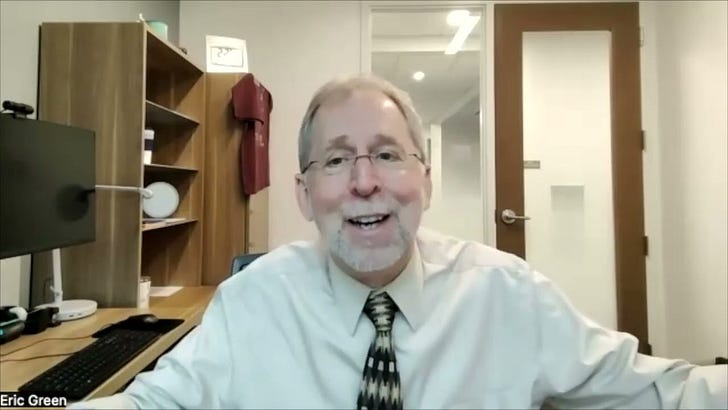
At the end of each year we look for a guest who in many ways defines the year. Today we sit down former NHGRI director Eric Green to reflect on the most turbulent year in his 31-year career at NIH. After leading the National Human Genome Research Institute for more than 15 years, Green’s appointment was abruptly non-renewed—a decision he learned about with “two or three days notice that I was going to have to retire from federal service.” What followed, he says, was a wave of terminations and forced retirements across NIH that left NHGRI “in trauma” as entire communications, education, and policy groups disappeared overnight.Yet alongside this institutional upheaval, Green describes a scientific landscape moving at astonishing speed—from the maturation of genome editing and long-read sequencing to the rise of multi-omics and the accelerating push toward routine healthy newborn genome sequencing. He believes widespread newborn sequencing is no longer a distant vision but “within striking distance,” driven by global studies, new U.S. programs, and rapidly falling costs.The conversation also explores the political pressures shaping genomics today, especially around the collection of heterogeneous genomic data and the cultivation of a diverse workforce. Green argues that scientists must learn to explain their work in human terms—as stories about patients and cures, not grants and budgets. He says it might also be a good idea to not use the “d” word (for example, “assortment” rather than “diversity”) in grants for now, silly as that is.Despite the personal and institutional losses of the past year, Green remains committed to the future of U.S. biomedical science which continues to surge in the headlines each day. In a reference to Dickens, he says it is literally the best and worst of times.Now entering what he calls “version 3.0,” Green sees his role as genomics evangelist, educator, and advocate—helping ensure that the momentum of genomic medicine continues even as the nation’s scientific infrastructure undergoes profound stress.“I am officially on call to help rebuild the NIH… It’s very easy to destroy a place, and very hard to rebuild it.” This is a public episode. If you'd like to discuss this with other subscribers or get access to bonus episodes, visit www.mendelspod.com/subscribe

Note: This show was originally published on September 11, 2025. In light of the recent acquisition of Foresight Diagnostics by Natera, we’re re-publishing the interview with co-founders Jake Chabon and David Kurtz.Catching a cancer relapse before any scan could see it is the ultimate goal for minimal residual disease or MRD testing. And it’s the promise behind Foresight Diagnostics, a Stanford spin-out co-founded by scientist Jake Chabon and oncologist David Kurtz who say they have arrived at “next gen” MRD testing. In this debut interview, Jake and Dave walk us through their journey from academic research to launching one of the most sensitive MRD tests on the market—one that’s already shaped new NCCN guidelines.* 0:00 Origin story* 4:45 What makes this “next gen?”* 10:15 How do you get the leap in sensitivity* 15:45 Already had an impact on NCCN guidelines* 23:00 Launching lymphoma texting next year, then on to solid tumors* 28:00 How will this change standard of care?Jake explains how their novel PhasED-Seq technology, which tracks “phased variants”—usually two or three mutations on the same DNA molecule—enables unprecedented sensitivity, detecting cancer cells at levels as low as one part in 10 million. “It’s extremely unlikely to have two concurrent sequencing errors,” says Jake. “That’s functionally the core insight here.”For Dave, who still treats lymphoma patients, the clinical need is personal. “Our goal is to treat patients until there are no more cancer cells in the body. So having a tool that tells you when there are no more cancer cells left is kind of our holy grail.”Their MRD test, called Foresight CLARITY, launches first for lymphoma next year, with solid tumor applications in development. As their data have already begun to reshape the standard of care, Jake and Dave discuss a future in which MRD testing could come before PET scans—or even replace them.“We want MRD testing to become the standard of care across all cancers treated with curative intent,” says Jake. With Foresight CLARITY already in three prospective trials and in NCCN guidelines, and a clear clinical need, that vision may not be far off. This is a public episode. If you'd like to discuss this with other subscribers or get access to bonus episodes, visit www.mendelspod.com/subscribe

This week on Mendelspod, we speak with Petter Brodin, Professor of Pediatric Immunology at the Karolinska Institutet and Director of Systems Immunology at Imperial College London, about his pioneering work in childhood immune development and his new spatial-proteomics investigations into lupus.Petter shares how a single lecture on natural killer cells pulled him into immunology, and how early twin studies convinced him that “our immune systems are shaped predominantly by non-heritable factors.” That insight drove him to study the earliest stages of immune development—when newborns leave a sterile environment for a microbial world that imprints their immune trajectories for life.A major theme of the conversation is Petter’s insistence that immune responses cannot be understood by looking at cells one by one. As he puts it: “Cells don’t ever work in isolation, but historically we’ve always been studying them in isolation—and I think that’s fundamentally problematic.”This systems view is now being partly enabled by Pixelgen’s spatial interactomics. Using their Proximity Network Assay, Petter’s group is finding that lupus B cells don’t just differ in protein expression—they differ in protein distribution, revealing organization patterns that classical flow cytometry cannot capture.These spatial signatures may point directly to new, more precise therapies. Petter explains: “If there is a difference in protein–protein interaction or protein distribution that characterizes disease, then surely that indicates a dysregulation—and that is something we can target.” Instead of broad immunosuppression or depleting whole cell populations, future treatments could focus on the exact cell states driving autoimmunity.Petter ends on an optimistic note: spatial interactomics won’t just help treat autoimmune disease—it may allow us to intervene earlier, even preventatively, as we learn how early-life immune disturbances set the stage for disease decades later. This is a public episode. If you'd like to discuss this with other subscribers or get access to bonus episodes, visit www.mendelspod.com/subscribe

What if the next leap in human health isn’t hidden in our genes, but in everything that happens to them? In this week’s truly groundbreaking Mendelspod episode, we open a new chapter for the show: our first deep dive into exposomics—the study of all the physical, chemical, biological, and social exposures that shape the human body across a lifetime.To guide us, we welcomed two leaders at the center of this emerging field: Chirag Patel of Harvard and Gary Miller of Columbia University, fresh off organizing Genomics Meets Exposomics, a landmark meeting held at the Mendel Museum in Brno—the birthplace of modern genetics. In the same abbey where Mendel tended pea plants, genomics and exposomics researchers from Europe and the U.S. gathered for the first time to build a shared roadmap for understanding how genes and environment interact to drive disease.In our conversation, Chirag and Gary explain why the genome alone can’t answer the biggest questions in human health. While genomics accounts for roughly 20% of complex disease risk, the remaining 80% lies in our exposures—pollutants, diet, geography, stress, microbes, medications, and more—and the fingerprints these exposures leave on our biology. Exposomics, as Gary notes, is about moving from studying one factor at a time to systematically measuring the thousands of signals that accumulate in our tissues and blood.A major theme of the discussion—and the inspiration for our episode title—is Chirag Patel’s call for exposomics to follow the same playbook that transformed genomics in the early 2000s. Just as genome-wide association studies (GWAS) revolutionized how we identify genetic contributors to disease by moving beyond one-gene-at-a-time thinking, Patel argues that the field now needs exposome-wide association studies (EWAS) to systematically search for environmental drivers. “If we are to do an exposome-wide association study… we can now discover things that were missing,” he explains, shifting from narrow, candidate-factor approaches to broad, data-driven discovery.Both guests describe a field gaining momentum thanks to better measurement technologies, large biobanks, geospatial data, and new analytic frameworks inspired by genome-wide association studies. They also speak frankly about the remaining hurdles. As Chirag puts it, one of the major challenges is not just correlating exposures with disease but determining what these findings mean for people: “There’s a number of questions that come after that…how do you modify it? Is it causal? How do we remove it from the population if it’s adverse?”Gary, who has spent decades studying Parkinson’s and Alzheimer’s, explains how high-resolution mass spectrometry now allows researchers to see exposure signals that were invisible before—sometimes even in decades-old blood samples. And looking ahead, he offers a clear note of optimism about exposomics’ readiness for scale: “We can do this now. It’s a reality.”For long-time Mendelspod listeners, the episode marks an inflection point. After fifteen years covering genomics and the multi-omic revolution, this conversation shines a light on the other half of human biology—the environment—and what may become the next major frontier in disease prevention, drug development, and precision health. This is a public episode. If you'd like to discuss this with other subscribers or get access to bonus episodes, visit www.mendelspod.com/subscribe

After more than a decade of success in research, long-read sequencing is more and more adopted into clinical testing. In today’s show, we speak with Rita Shaknovich, Chief Medical Officer at Agilent Technologies, and Sarah Kingan, Associate Director of DNA Applications at Pacific Biosciences (PacBio), about how their collaboration is speeding up this long-anticipated transition.* 0:00 Long read sequencing changing clinical landscape* 7:00 Long reads replacing older technologies* 13:15 Agilent/PacBio partnership – speeding up adoption* 16:00 Panels designed for short reads can be used for long reads* 24:25 Democratizing accessLong-read sequencing—once prized mainly by researchers for its ability to resolve structural variants, repeat expansions, and complex genomic regions—has reached a point of technical and economic maturity that now makes it viable in the clinical setting. “We can now see regions of the genome that were long considered dark matter,” says Shakhnovich. “That’s leading to improved diagnostic yield and, most importantly, better outcomes for patients.”Agilent brings to this collaboration a long-standing foothold in laboratory testing. Its automated platforms and target enrichment chemistries are already embedded in many diagnostic laboratories worldwide. PacBio, of course, brings the power of HiFi long-read sequencing to the table. Together, the companies are demonstrating that technologies originally designed for short-read sequencing can be seamlessly adapted to long-read workflows. “Panels that were designed for short reads can be used for long reads—essentially right out of the box,” explains Kingan. “It really just opens up a whole world of clinical applications immediately.”By combining Agilent’s infrastructure and expertise with PacBio’s long-read innovation, the partnership is accelerating the integration of comprehensive, single-platform sequencing into patient testing. The result is a streamlined, cost-effective approach that reduces the need for multiple assays while providing richer genomic insight. This is a public episode. If you'd like to discuss this with other subscribers or get access to bonus episodes, visit www.mendelspod.com/subscribe

What used to take months of bioinformatics analysis can now happen in minutes—and with greater biological insight than ever before. In this episode, Theral Timpson sits down with Vivek Adarsh, co-founder and CEO of Mithrl, an “AI science” company that’s bringing the power of vertical AI to the lab bench.Adarsh began his career at Nvidia, long before the company became synonymous with AI. “What I learned there,” he recalls, “was that when you build a team around exceptional talent, deep passion, and empathy—especially empathy for your customers—everything else flows from that.” That lesson guides how Mithrl now builds tools for scientists drowning in data.At the heart of Mithrl is a platform that takes scientists from raw data to biological insight in minutes, complete with automatic data cleaning, literature integration, and a conversational interface. Adarsh describes how one pharma team identified new biomarkers in 15 minutes—a process that would normally take months—and how another user avoided a costly error when Mithrl’s reasoning layer caught an incorrectly labeled sample.Asked about the risk of losing “happy accidents” in a world of faster science, Adarsh pushed back:“AI doesn’t eliminate the happy accident—it multiplies the opportunities for it. You can’t control luck, but you can create the conditions for it to appear more often.”In closing, he offered a glimpse of what drives him:“If we can accelerate the path from raw data to real discovery—from sequencing files to the next therapy—then we’ve done something far bigger than building software. We’ve built a partner for science itself.” This is a public episode. If you'd like to discuss this with other subscribers or get access to bonus episodes, visit www.mendelspod.com/subscribe
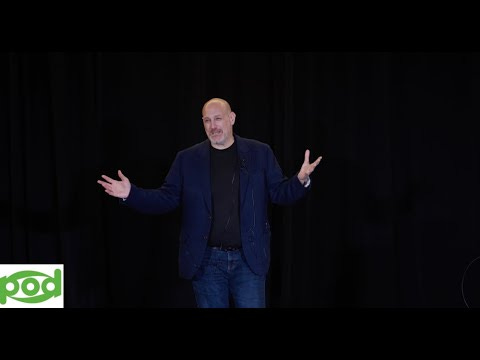
The biggest story in sequencing this year lives up to the hype. Mark Kokoris, head of SBX sequencing at Roche and inventor of the technology, joins Mendelspod to talk about how Sequencing by Expansion (SBX) works and why it may redefine the limits of genomics.* 0:00 A long journey inspired by PCR* 7:20 What is sequencing by expansion?* 14:00 On scale and accuracy* 19:40 Multi-omics vision?* 24:40 What will be the killer app?* 30:00 Biggest challenge for launchKokoris recounts the long path from co-founding Stratos Genomics in 2007 to Roche’s acquisition in 2020, when his team’s “wildly ambitious chemistry” finally found its match in Genia’s high-density nanopore platform. “Our approach to efficiently sequencing DNA,” he explains, “is to not sequence DNA. We rescale the problem—expand the molecule about 50-fold—so we can read it with much higher signal-to-noise.”The result is astonishing speed. Working with the Broad Institute and Boston Children’s Hospital, SBX delivered whole-genome results in under four hours, with the sequencing step itself taking only about 15 minutes. Kokoris attributes the achievement to a confluence of chemistry and compute.SBX’s duplex mode achieves Illumina-level accuracy (F1 > 99.8 %) while maintaining single-molecule simplicity. Its tunable flexibility lets small labs run a handful of samples in hours or large centers run thousands per day. Kokoris describes it as a technology built on impatience and rule-breaking, designed to give scientists options they’ve never had.Looking ahead to the 2026 research-use launch, he’s characteristically bold:“For me, success means SBX becoming the new standard in sequencing. Innovation can’t stop—it has to keep evolving, because biology is complex and we’ve got a lot more to do.” This is a public episode. If you'd like to discuss this with other subscribers or get access to bonus episodes, visit www.mendelspod.com/subscribe

What company began as a sake manufacturer over a century ago and went on to launch the world’s first single-cell kit in 2011? It’s Takara Bio—and their story is far from finished.In this episode, we talk with Dr. Andrew Farmer, Chief Scientific Officer and Head of R&D at Takara Bio USA, about the company’s remarkable evolution from a Japanese enzyme maker to a global innovator in single-cell and spatial biology. Farmer recalls, “We go way, way back to being a sake manufacturer a hundred years ago. And it’s through that business—realizing that sake is basically fermentation—that we could use that to do other interesting things in biology.”* 0:00 Began as a sake manufacturer over 100 years ago* 5:25 First kit for single-cell sequencing* 11:10 Bought Curio Bioscience to bring in spatial omics* 15:00 Returning to the level of the cell* 26:40 The new “T-cell sponge”He describes how Takara Bio introduced the first commercial single-cell reagent kit long before the current explosion of single-cell technologies: “The first single-cell reagent kit on the market was actually from us. That was in 2011, and even the Fluidigm C1 system was driven by our chemistry.”The conversation then moves through Takara’s acquisition of Curio Bioscience, adding the Trekker and Seeker spatial platforms, which—remarkably—require no specialized instruments. Farmer explains how this simplicity could democratize access to spatial data and accelerate multiomic studies in cancer and drug discovery.And for an ending twist, he introduces the “T-cell Sponge,” a porous hydrogel matrix that activates and transduces T cells in a single step—an innovation recently named one of The Scientist’s Top Innovations of 2025. This is a public episode. If you'd like to discuss this with other subscribers or get access to bonus episodes, visit www.mendelspod.com/subscribe

When should a genetic test be ordered—and who decides? It’s a question we are constantly asking on the program. Dr. David Braxton, Chief of Molecular Pathology at Hoag Memorial Hospital in Southern California, has built a system where the answer is simple: the pathologist decides. At Hoag, reflex testing protocols automatically trigger genomic tests when certain cancers appear under the microscope—embedding precision medicine directly into the biopsy workflow.* 0:00 How did you become an advocate for precision medicine?* 5:50 What triggers the ordering of a genetic test?* 12:00 Using national lab vs in-house* 19:03 Which areas show most progress?* 24:32 A fan of early cancer testing?* 29:42 How digitized is your lab?* 42:45 Moonshot? Treat CHIP“We developed standardized operating procedures where if a pathologist sees certain types of cancers in certain states, they automatically order the genomic testing,” Braxton explains. “It’s all very formalized. We call it pathologist-initiated reflex testing—and it gets results into the medical record before the oncologist even sees the patient.”Braxton talks about making genomic profiling routine in a community setting, the barriers that still slow precision medicine—education, reimbursement, regulation—and how digital pathology and AI are reshaping what pathologists can see and do. “The real value of digital pathology and AI,” he says, “isn’t necessarily helping pathologists do their jobs quicker or better—it’s going beyond what the human eye can see.”Braxton offers a pragmatic, hopeful look at how community hospitals can lead the next phase of precision oncology. We discuss the increasingly used MRD testing and get Braxton’s thought’s on early cancer detection tests. In the end, he shares his “moonshot:” using molecular diagnostics to detect clonal hematopoiesis, a precursor state that silently increases risk for leukemia, heart disease, and other inflammatory conditions. “If you want to talk about the role of diagnostics in decreasing chronic conditions like heart attacks and cancer,” he says, “this is the moonshot—catching that silent killer early with molecular techniques.” This is a public episode. If you'd like to discuss this with other subscribers or get access to bonus episodes, visit www.mendelspod.com/subscribe

Comments

Download from Google Play

Download from App Store
 United States