


 Claim Ownership
The Climate Realist
Subscribed: 0Played: 4
Subscribe

© Christoph Bach
Description
The Climate Realist tackles the subject of climate change a little differently. We discuss realistic and achievable things you or your company can do to reduce your carbon footprint, and prepare for a changing climate. We’ll also discuss some big ideas that will allow you personally to make a real difference in the world wide climate. If you are skeptical, please listen anyway. This podcast respects your point of view.
35 Episodes
Reverse
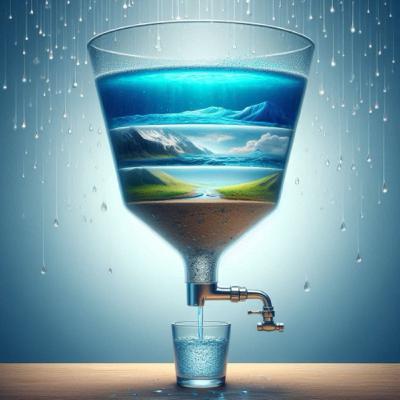
The Earth is covered in water, yet only a tiny fraction of it is fresh water, and even less is fit for human consumption. In this episode, we discuss ways of ensuring we all have plentiful clean domestic water

Small villages in Europe are a model for sustainable, low carbon living. Crowded urban city living is not always the answer. In this episode, we discuss the low carbon lifestyle of an island village in Croatia along with the Canadian equivalent, the Gulf islands of British Columbia.

The people mandating the electrification of our transportation do not seem to be communicating well with the people who regulate the licensing and operation of vehicles. In this episode, we cover several examples of well meaning rules and regulations that make it more difficult to acquire and operate some types of low carbon transportation that are in common use in Europe and other parts of the world.
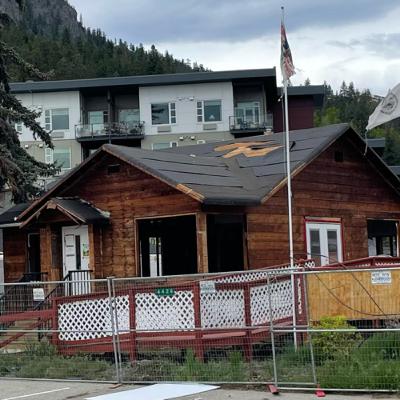
This episode, we’re going to discuss the housing crisis in Canada, and how we could do much better by simply getting out of the way and allowing people to build their own homes from used materials. As with most contemporary problems, the solution often is hidden in the past.

Getting from where you are, to where you want to be. Our transit systems do not need to be huge buses that are either full, or nearly empty. Let’s take a lesson from Uber, and rethink the whole concept of public transit.

Will single family homes soon become a rarity? Condos are not necessarily the lowest carbon alternative. In this episode, we compare the carbon footprint of living in houses, townhouses and condos.
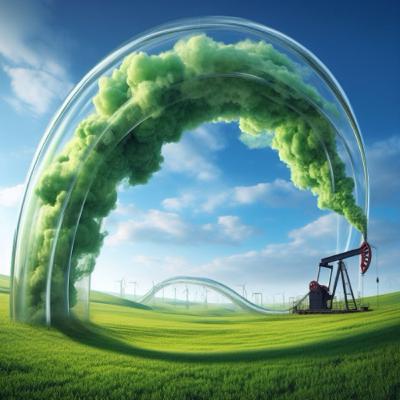
In this episode, we talk about about a carbon capture and storage initiative by the oil sands companies, called “The Pathways Alliance”. A group of companies have banded together to develop carbon capture and storage systems, as part of their march towards net-zero emissions from their operations.
The key word here is ”operations”. They are not attempting to make their fossil fuel products net-zero when they are burned by customers. Burning would seem to be the entire point of fuel.
Some might call this whole project greenwashing, but I take a more balanced point of view. They are certainly putting a lot of money and effort into developing carbon capture and storage systems, and the knowledge and skills acquired will be in big demand in the future, especially if we need to go past net-zero, and be carbon negative
Of course, this is all counter-intuitive, because the least carbon intensive use of any oil or coal is to leave it exactly where it is.
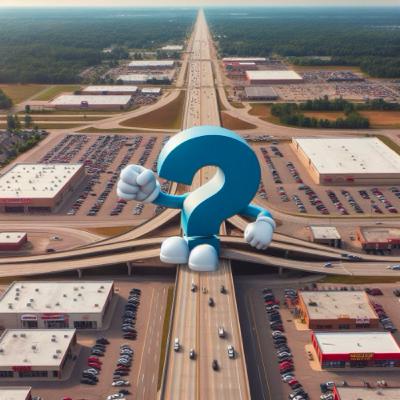
In this episode, we discuss how difficult it is to be a pedestrian in many towns and cities, and what we can do about it. Our towns and cities are built around using vehicles. It doesn’t have to remain this way. We discuss many ways to improve pedestrian access without costing a fortune.

This week, we’re going to discuss the subject of declining fertility rates, and the potential impacts that will have on climate change and society.

Have you noticed that over the last few decades, there are far fewer of these creatures around, and much less variety? In this episode, we’ll go over what I’ve noticed, and discuss why this is happening.
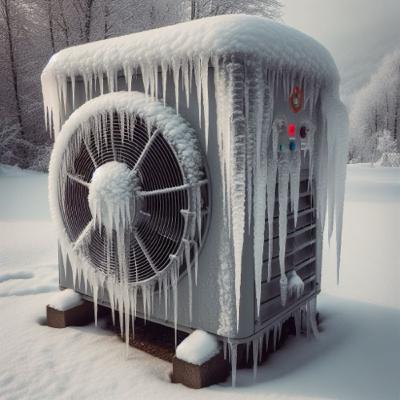
Heat pumps typically only work when the outside temperature is above -25 C or so. Today, we're tackling heat pumps, and how they handle the winter.
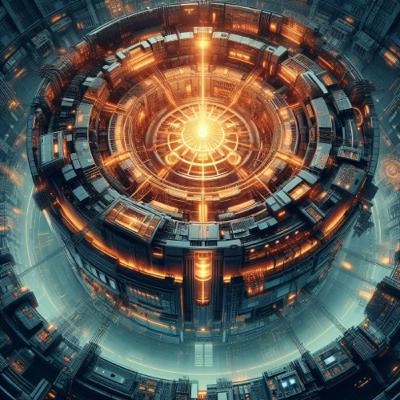
Imagine a world powered by clean, abundant energy. No more fossil fuels, no more dams. This is the promise of nuclear fusion, a technology that harnesses the power of the sun right here on Earth.
In this episode of The Climate Realist, we're diving into the world of fusion. We'll explore how it works, compare it to traditional nuclear fission, and discuss the challenges and opportunities that lie ahead.
This isn't a future fantasy. Scientists are now making significant progress in developing fusion reactors, and it could be the key to solving the climate crisis. But there are still hurdles to overcome.

The food that we all waste turns out to be a major contributor to climate change.
This episode of The Climate Realist podcast goes over how you can personally help, and save money at the same time by reducing your grocery bills.
Some good articles to read on the subject are:
From the UN food and Agriculture Organization (FAO):
Food wastage footprint
From the World Wildlife Fund (WWF):
Fight climate change by preventing food waste
From the US Department of Agriculture (USDA):
Food Waste and its Links to Greenhouse Gases and Climate Change
From the US Environmental Protection Agency (EPA):
From Farm to Kitchen: The Environmental Impacts of U.S. Food Waste
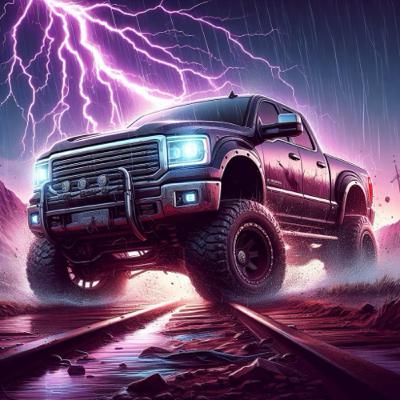
In the next year or two, all of these brands will have electric trucks available for sale in North America.
As you can see around you, we North Americans love our trucks. It’s heartening to see that Electric models are becoming a practical reality.. But, they still have their limitations. Listen in to find out.
We’ll compare and contrast:
Ford’s conservative but practical approach to electrification with their F150 Lightning.
RAM also takes a practical approach, but adds a game changing V6 range extender option for the Ramcharger REx.
GM’s Chevrolet Silverado EV is more daring, and is both a bottom up and top down re-imagining of what a pickup should be.
Rivian has a very interesting product. But the big truck brands are nipping at their heels.
And finally, the Tesla Cybertruck. A radical design. Love it or hate it, they are just hitting the streets now.

Today, December 13, the COP28 climate conference in Dubai wrapped up. We’ll discuss what came of this conference, compared to the 27 conferences before it.
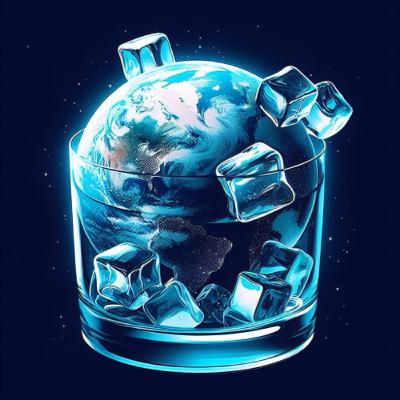
In this episode, we examine what caused the ice ages, glacial/interglacial periods, and previous global warming events. How do we know our current climate change isn’t just a natural cycle?
Natural climate change is affected by a combination of atmospheric chemistry, solar radiation, ocean currents, and most relevant to today’s conversation, something called the Milankovitch effect.
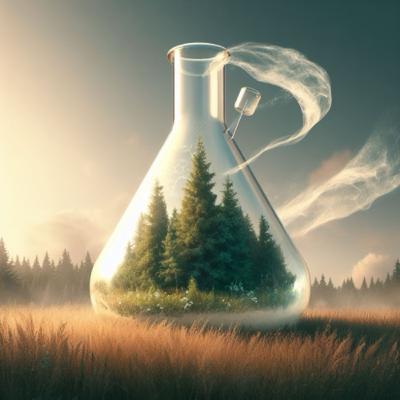
In this episode, we examine the potential of trees and forests to naturally absorb more CO2. We discuss a recent study published in the scientific journal Nature on the subject. It turns out that forests worldwide could absorb about 7 years of worldwide Carbon emissions, if we just got out of the way and let them do it.
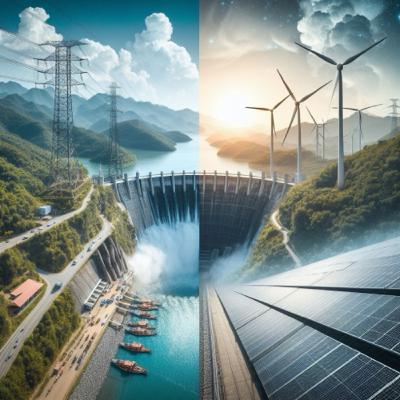
This episode, we’ll talk about how we could use hydro electric dams, and pumped hydro as gigantic storage batteries, enabling all of western Canada to be powered by renewable solar and wind power.
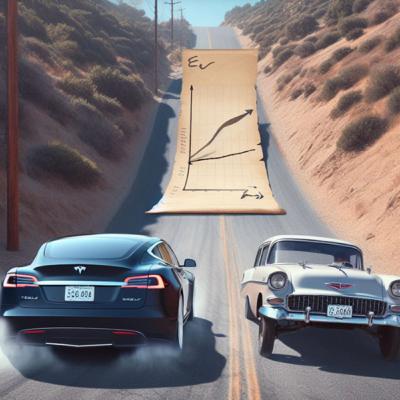
Governments around the western world are setting electric vehicle mandates, where a certain percentage of the new vehicles supplied by each manufacturer need to be zero emission by some arbitrary year. Some governments are setting ambitious goals of 90% of new vehicles by 2030. Is this realistic?
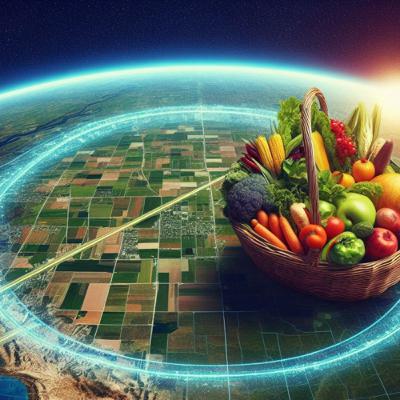
With my AI co-host Sophie, we have a wide ranging discussion of food security in our time of changing climate. We talk about the 100 mile diet and all sorts of related technologies and systems, ranging from local gardens, indoor growing, and commercial scale vertical gardens and storage systems.

Comments

Download from Google Play

Download from App Store
 United States