


 Claim Ownership
Delta: HealthTech Innovators
Subscribed: 3Played: 6
Subscribe

© Delta: HealthTech Innovators
Description
Welcome to 'Delta', a podcast where we delve deep into the world of healthcare transformation. Join us as we speak with Health Tech innovators, leading researchers, forward-thinking engineers, and passionate individuals dedicated to reshaping the healthcare landscape. If you're curious about the future of healthcare and those spearheading positive change, 'Delta' is your essential listen.
58 Episodes
Reverse
OpenEvidence just hit a $12 billion valuation — here's the full story of how it happened. Daniel Nadler sold his first company, Kensho, to S&P Global for $550 million. Then he turned his attention to one of the most broken systems in the world — medical information.Hosts Roupen Odabashian, MD and Osama Hyder break down the full story of OpenEvidence — the AI-powered clinical decision support platform now used by 40% of US physicians, handling 358,000 queries per day.We cover Daniel's origin story from Toronto to Harvard PhD, the Federal Reserve, and the founding of Kensho in 2013. We explore the $550M S&P acquisition, his parallel career as a published poet and MoMA PS1 board member, co-founder Zachary Ziegler's background, the Mayo Clinic partnership, domain-specific AI architecture, the USMLE 100% score debate, and the explosive growth that followed.The second half dives into the funding roadmap (Series A–D), product expansion into AI Scribe and DeepConsult, the direct-to-physician business model, monetization strategy, competitive analysis, network effects, and bear case risks.Whether you're a physician, a health tech founder, or an AI investor — this is the most in-depth breakdown of OpenEvidence you'll find anywhere.Subscribe for weekly deep dives: deltahealth.tech | Sponsored by PMWC 2026 — use code DELTAHEALTH at pmwcintl.comTimestamps: 00:00 - Hook: Who is Daniel Nadler & Why OpenEvidence Matters 01:46 - Welcome & Host Introductions 05:48 - Daniel Nadler's Origin Story 12:10 - Harvard PhD & The Federal Reserve 17:00 - Founding Kensho Technologies (2013) 22:00 - S&P Global Acquires Kensho for $550M 29:38 - Poetry & Art Career (MoMA PS1) 31:29 - The Information Crisis in Medicine 48:25 - The Founding of UpToDate 1:02:26 - ChatGPT Launches (November 2022) 1:15:00 - Zachary Ziegler's Background 1:21:00 - Self-Funding & Founding OpenEvidence 1:27:46 - The Mayo Clinic Partnership 1:34:46 - Technical Architecture: AI, RAG & Citations 1:46:00 - USMLE 100% Score & The Debate 1:53:30 - Growth: 358,000 Queries Per Day 2:08:00 - Funding Roadmap: Series A Through D 2:40:00 - Future of AI & The Physician Relationship 2:45:17 - Product Expansion: AI Scribe & DeepConsult 3:05:00 - Direct-to-Physician Approach 3:17:20 - Business Model & Monetization 3:32:15 - Competitive Analysis & Network Effects 3:47:00 - Bear Case & RisksHosts: Roupen Odabashian: roupen@deltahealth.tech | linkedin.com/in/roupen-odabashian-md-frcpc-fasco-183aaa142 Osama Hyder: osama@deltahealth.tech | linkedin.com/in/sam-hyder
In this episode, we dive deep into the incredible story of Doximity—the "LinkedIn for Doctors" that captured 80% of US physicians and became one of healthcare's most under-the-radar success stories.Thank you for the sponser of today’s episode🎟️ PMWC Conference – Use code DELTAHEALTH at pmwcintl.com for a discount!🔑 What You'll Learn:How founder Jeff Tangney went from Epocrates (the first medical app on iPhone, endorsed by Steve Jobs) to building DoximityWhy Doximity succeeded where competitors like Sermo and Osmosis failedThe brilliant business model that keeps physicians happy while generating billionsHow COVID-19 transformed Doximity's telehealth tools from 1M calls/month to 1M calls/dayStrategic acquisitions: Curative (staffing), Amion (scheduling), and Pathway (AI clinical decision support)The explosive launch of Doximity GPT and the AI scribe warsThe controversial Open Evidence lawsuit shaking up healthcare AI⚠️ Disclaimer: This is not financial advice. Do your own due diligence.Doximity Links🌐 Website: doximity.com📈 Investor Relations: investors.doximity.com💼 Doximity LinkedIn: linkedin.com/company/doximity📱 Doximity App (iOS): apps.apple.com/us/app/doximity/id393714498🏥 Curative (Physician Staffing): curative.com🩺 Pathway Medical: pathway.mdHostsRoupen Odabashian LinkedIn: linkedin.com/in/roupen-odabashian-md-frcpc-fasco-183aaa142/Email: roupen@deltahealth.techSam Hyder LinkedIn: https://linkedin.com/in/sam-hyderEmail: osama@duniya.health🎧 Subscribe for more deep dives into the playbooks of successful healthcare companies!#Doximity #HealthTech #DigitalHealth #Telemedicine #PhysicianNetwork #StartupStory #HealthcareAI #LinkedInForDoctors
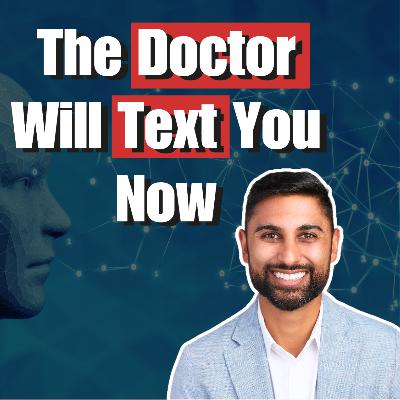
Join us for an insightful conversation with Dr. Rishi Khakhkhar, Chief Medical Officer at Counsel Health, as we explore how this AI-enabled virtual care company is transforming the way patients access healthcare through chat-based, physician-supervised medical AI.In this episode, we dive deep into:- How Counsel Health combines medical AI with real physicians for safe, supervised care- The patient journey: from AI-powered intake to physician consultation- Asynchronous vs. synchronous care and what it means for busy patients- Emergency escalation protocols and patient safety in AI-enabled care- The "clinician cockpit" - AI tools built for physicians by physicians- The future of longitudinal patient-physician relationships in virtual care- Counsel Health's $35M Series A led by Andreessen Horowitz and Google VenturesDr. Khakhkhar shares his journey from ER physician at Mount Sinai during COVID-19 to helping build the next generation of telemedicine, and why he believes AI will help physicians focus on what matters most - the human moments of care.Timestamps00:00 – Introduction01:28 – Dr. Khakhkhar's Background & How He Joined Counsel Health04:48 – The Patient Journey: From AI Chat to Physician09:00 – Longitudinal Care & the Patient-Doctor Relationship12:00 – Asynchronous vs. Near-Synchronous Care15:00 – Emergency Escalation & Patient Safety Protocols19:00 – AI as a Team Member, Not a Replacement22:00 – Dr. Khakhkhar's Journey: COVID-19 & Virtual Care24:22 – Funding: $35M Series A from a16z & Google Ventures27:00 – The Clinician Cockpit: AI Tools for Physicians31:00 – Isolating the Human Moment in MedicineLinkedIn: https://www.linkedin.com/in/rishi-khakhkharAbout Counsel HealthFounded by Dr. Muthu Alagappan (former CMO of Notable Health, Stanford MD), Counsel Health is an AI-enabled virtual care company on a mission to be the primary doctor for the next billion people on earth.Company Website: https://www.counselhealth.comCompany LinkedIn: https://www.linkedin.com/company/counselhealthFounder LinkedIn (Dr. Muthu Alagappan): https://www.linkedin.com/in/muthualagappan Host: Dr. Roupen Odabashian, MD, FRCPC, FASCOHematology-Oncology Physician | Healthcare Innovation EnthusiastConnect with Us:🎙️ Podcast: Delta HealthTech Innovators💼 Host LinkedIn: https://www.linkedin.com/in/roupen-odabashian-md-frcpc-fasco-183aaa142📧 Email: roupen@deltahealth.techListen on:🍎 Apple Podcasts: https://podcasts.apple.com/us/podcast/delta-healthtech-innovators/id1703827145▶️ YouTube: https://www.youtube.com/@RoubenOdabashianMD🎧 Spotify: https://open.spotify.com/show/2vYC26pNkZVIhsqloNcCm9
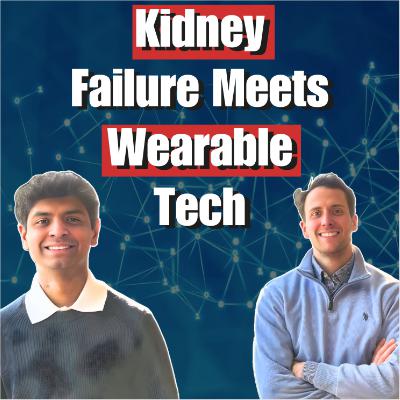
Preventing Dialysis Access Failure: How Auvi Labs is Building a Wearable Ultrasound Device | Rishab Veldur & Kevin VolkemaIn this episode, I sit down with Rishab Veldur (CEO) and Kevin Volkema (COO) from Auvi Labs to discuss how they're tackling a critical problem in dialysis care. 40% of dialysis patients experience fistula or graft failure within their first year—leading to endless hospitalizations and life-threatening situations.Auvi Labs is building "Beacon," a wearable ultrasound patch that patients can use for just 10 minutes a day to detect early signs of access failure. We dive deep into their journey from a university capstone project to launching clinical pilots, the challenges of building a healthcare startup, and their unique approach to networking and building clinical partnerships.Whether you're a healthcare founder, engineer, or just interested in medtech innovation, this episode is packed with actionable insights.Timestamps • 00:00 – Introduction • 01:00 – The Problem: Dialysis Access Failure • 03:15 – From Acoustic Device to Wearable Ultrasound • 10:06 – The 20-Patient Pilot Study • 11:52 – How to Find Clinical Pilots • 17:40 – Networking Playbook for Healthcare Founders • 21:01 – The Power of a Founder Newsletter • 23:45 – Business Model & Value-Based Care • 29:19 – Biggest Risks & Clinical Integration Challenges • 36:04 – Bottlenecks for ScalingKey Takeaways 1 Start with the problem, not the solution – They pivoted from an acoustic device to ultrasound after learning what patients and physicians actually needed 2 Healthcare is relationship-based – Cold outreach has low success; invest in building genuine connections over time 3 Skip the big conferences early on – Niche events and reaching out to researchers on Google Scholar yields better results 4 Use your student email – Everyone wants to help students 5 Send a newsletter – Share highs AND lows to bring people along on your journey 6 Value-based care is the path – Working with kidney contracting entities can bypass traditional CPT code reimbursementGuest Links • 🌐 Website: auvilabs.com • 💼 Rishab Veldur (CEO) LinkedIn: https://www.linkedin.com/in/rishab-veldur/ • 💼 Kevin Volkema (COO) LinkedIn: https://www.linkedin.com/in/kevinvolkema/Host • 💼 Roupen Odabashian LinkedIn: https://www.linkedin.com/in/roupen-odabashian-md-frcpc-fasco-183aaa142/ • 📧 Email: roupen@deltahealth.tech#healthcarestartup #medtech #dialysis #wearables #digitalhealth #medicaldevice #startup #healthcare #founders
Join us for an incredible conversation with Dr. Amit Phull, Chief Physician Experience Officer at Doximity, as we explore how the largest professional medical network in the United States is revolutionizing healthcare with AI-powered tools built by physicians, for physicians.In this episode, we dive deep into:- How Doximity grew to serve over 80% of U.S. physicians- The development of HIPAA-compliant AI tools including Doximity GPT- The importance of clinician input in healthcare technology- Real-world impact: How AI is saving physicians hours and improving patient care- The acquisition of Pathway (Montreal-based company) and integration of clinical decision support- Privacy-focused AI scribe technology generating millions of notes- Lessons learned from product failures and successesDr. Phull shares his unique journey from computer engineering to emergency medicine, and how maintaining both clinical practice and tech expertise positions him to bridge the gap between technology and healthcare delivery.Timestamps[00:00:00] Introduction & Welcome[00:01:24] Dr. Phull's Journey: Computer Engineer to Emergency Physician[00:04:00] Role as Chief Physician Experience Officer[00:06:41] Why Maintaining Clinical Practice Matters[00:11:04] Introduction to Doximity Tools & Platform[00:14:52] The Secret Sauce: Clinician-Driven Development[00:18:44] Doximity GPT Evolution & HIPAA Compliance[00:22:21] Acquiring Pathway AI (Montreal)[00:28:41] AI Scribe: Privacy-First Documentation[00:30:52] Lessons from Product Failures[00:36:18] Success Story: 10% to 90% Prior Auth Approval RateAbout Our GuestDr. Amit Phull, MDChief Physician Experience Officer, DoximityBoard-Certified Emergency Medicine PhysicianAdjunct Lecturer, Northwestern University Feinberg School of MedicineDr. Phull combines deep expertise in medicine, technology, and strategy. He completed his MD at University of Virginia (where he also earned a BS in Computer Science), finished emergency medicine residency at Northwestern, and has been with Doximity since 2014. He continues to practice emergency medicine while leading physician experience strategy for the nation's largest medical professional network.LinkedIn: https://www.linkedin.com/in/amit-phull-09931667/Doximity Website: https://www.doximity.comDoximity LinkedIn: https://www.linkedin.com/company/doximityMy email: roupen@deltahealth.techYouTube: https://youtu.be/ElB-a5Mubm4
Why do 30% of patients take medications differently than what's in their medical records? Dr. Eve Cunningham, Chief Medical Officer at Cadence, reveals the shocking gaps in traditional healthcare—and how remote patient monitoring is revolutionizing chronic disease management for 70,000+ patients across 20 health systems.In this episode, we dive deep into:✅ The hidden cost of episodic vs. continuous care✅ How a practicing OB-GYN broke into healthtech leadership✅ Why 20% of medication changes are actually DOWN-titrations✅ The future of AI-powered clinical decision support✅ Real outcomes: 18% fewer hospitalizations, $183/month savings per patientTimeStamps:Dr. Cunningham spent 20 years leading physician groups at Kaiser Permanente, CommonSpirit, and Providence before joining Cadence—a remote patient monitoring company backed by $141M from General Catalyst and Thrive Capital. She shares candid insights on physician leadership, technology transformation, and why clinicians MUST develop technical competency.🎯 Perfect for healthcare entrepreneurs, medtech founders, physicians exploring innovation, and anyone building the future of digital health.KEY TOPICS COVERED:Remote patient monitoring at scale (70,000+ patients)Clinical AI and machine learning in chronic disease managementBreaking into healthtech from clinical practiceValue-based care and Medicare reimbursement (CPT codes 99453, 99454, 99457, 99458)Medication reconciliation and polypharmacy managementVirtual care infrastructure: telehealth, virtual nursing, hospital-at-homeTechnology adoption in large health systemsThe emerging clinician-engineer hybrid roleDeprescribing and down-titration opportunitiesSocial determinants of health and caregiver engagementPUBLISHED OUTCOMES:📊 New England Journal of Medicine: Catalyst validates Cadence's model: https://catalyst.nejm.org/doi/abs/10.1056/CAT.24.0521CONNECT WITH DR. EVE CUNNINGHAM:LinkedIn: https://www.linkedin.com/in/evecunninghammd/🔗 CONNECT WITH CADENCE:Company LinkedIn: https://www.linkedin.com/company/cadencerpmWebsite: https://www.cadence.care/Published Research: https://www.cadence.care/outcomes-report-2024
MalkeAsaad, plastic surgery resident and founder of Rank RX, shares how he built an AI platform using large language models to revolutionize residency application screening. From med school in war-torn Aleppo to Mayo Clinic and MD Anderson, Malke discusses the unfair filtering system that inspired Rank RX—where Nobel Prize laureates get rejected for missing a cutoff by one point—and how AI can make hiring more objective and efficient.What you'll learn:- Why the current residency application system is broken (Nobel Prize winner rejected for 1-point score gap)- How Rank RX uses AI/LLMs to screen 1,000–2,000 applications (30–80 pages each) in minutes- Building a tech team as a physician entrepreneur without coding background- Customer acquisition strategies for healthcare startups (networking, ads, vendor screening)- Market validation: assessing if your solution solves a real problem people will pay forTimestamps- 0:00 – Unfair residency filtering: Nobel Prize winner rejected for 1-point gap- 1:14 – Malke Assad’s journey: From Aleppo to leading U.S. institutions- 3:45 – Rank RX: How AI/LLMs bring objectivity to application screening- 4:21 – How it works: Custom scoring and program-driven selection criteria- 8:36 – Real-world usage: Positive feedback and automated recommendation letter analysis- 10:32 – Building a tech team without a coding background- 17:35 – Key advice for physician entrepreneurs: Turning ideas into scalable companies- RankRX Website: https://www.rank-rx.com/- Malke Assad LinkedIn: https://www.linkedin.com/in/malke-asaad-43b908177- The Match Guy Website: https://thematchguy.thinkific.com
When Sahil and his brother started Otoset in their mid-20s, they had no idea their FDA-cleared ear cleaning device would generate over 1 billion social media views and force them to completely pivot their business model.In this episode, Sahil shares the unexpected journey from building a B2B medical device company to creating "the front door to ear care", a direct-to-consumer healthcare network serving 40 million Americans with chronic ear wax issues.🔑 KEY TAKEAWAYS:→ How they became some of the youngest founders to get FDA 510(k) clearance→ The unexpected social media virality that changed everything→ Why they pivoted from partner clinics to owning their own locations→ Marketing strategies: organic content, influencers, and patient education→ The critical role of FDA clearance as a competitive differentiator→ Building credibility before scaling consumer marketing→ Finding the right mentors in healthcare entrepreneurship💡 WHO THIS IS FOR:✓ HealthTech & MedTech founders navigating FDA pathways✓ Startups exploring direct-to-consumer healthcare models✓ Entrepreneurs learning to leverage social media for medical products✓ Anyone interested in the consumerization of healthcare📊 BY THE NUMBERS:- 40 million Americans affected by ear wax buildup- 1 billion+ views across social media- $99 cash-pay model (first treatment)- 20-30 patients/day in company-owned clinics- Expanding to 50+ major metrosTimestamps:00:00 - Introduction: The Brother's Ear Wax Problem01:21 - What is Otoset? The First FDA-Cleared Ear Cleaning Device03:22 - Why FDA Clearance Matters & How They Got It06:56 - The Unexpected Social Media Explosion08:55 - The Strategic Pivot: B2B Device to D2C Healthcare Network11:36 - Business Model: $99 Cash-Pay & Building Owned Clinics15:18 - Beyond Ear Care: Hearing Health & Expansion Plans17:15 - Marketing Strategy: Organic, Influencers & Patient Education20:33 - Building Credibility Before Scaling Consumer Marketing22:35 - Biggest Lesson: Find Healthcare Entrepreneur Mentors Early24:33 - Final Thoughts & Key Takeaways📌 Key Resources & Links🔗 Otoset Website: https://otoset.com/🔗 Otoset Linkedin: https://www.linkedin.com/company/visitallears/🏥 Find a Certified Clinic: https://otoset.com/pages/find-clinic💼 Connect with Sahil: https://www.linkedin.com/in/sahildiwan/
Is AI really ready to replace doctors? Stanford PhD researcher Suana reveals shocking truths about medical AI that Big Tech doesn't want you to know. When she tested leading AI models like GPT-4, Claude, and DeepSeek on modified medical questions, their accuracy plummeted by up to 40%!In this eye-opening conversation, we dive deep into:❌ Why 95%+ accuracy on medical exams means nothing in real clinical practice❌ How AI models fail when there's "no right answer" (which happens constantly in medicine)❌ The dangerous gap between flashy headlines and clinical reality✅ How doctors can safely use AI as a co-pilot (not replacement)✅ The future of medical AI evaluation and what needs to changeSuana is a 3rd-year PhD student at Stanford in Biomedical Data Science, pioneering real-world evaluation methods for medical AI. Her research on MedELM and benchmarking is reshaping how we think about AI deployment in healthcare.🔬Key Research Discussed:JAMA Open publication on AI robustness in medical diagnosisMedELM: 35-dataset benchmark suite for real clinical tasksWhy MedQA and USMLE-style tests don't reflect actual patient care⚠️ CRITICAL TAKEAWAY: AI models are trained to always give an answer, even when "none of the above" is correct—a potentially dangerous flaw in medical decision-making.📚 Resources Mentioned:MedELM Leaderboard (public repository available)Research on medical AI evaluation standardsReal-world hospital deployment considerationsTimestamps:0:00 - Introduction: Why Medical AI Evaluation is Broken1:04 - Suana's Journey: From Computer Science to Healthcare AI2:32 - The 3 Critical Problems with Current AI Benchmarks8:28 - The Research: Testing AI with "None of the Above"17:24 - Shocking Results: AI Accuracy Drops 8-40%19:02 - Why AI Can't Say "I Don't Know"23:10 - Take-Home Message: Use AI as Co-Pilot, Not Replacement24:58 - Real Clinical Examples: When AI Actually Helps28:12 - MedELM: The Future of Medical AI Evaluation34:35 - Final Advice for Doctors, Patients & DevelopersWhether you're a physician, healthcare worker, AI developer, or patient curious about medical AI, this conversation will change how you think about artificial intelligence in healthcare.Paper link: https://jamanetwork.com/journals/jamanetworkopen/fullarticle/2837372
Healthcare revenue integrity is broken, and Charlene, CEO of Ember, is fixing it with AI. In this episode, she reveals how hospitals lose millions due to inefficient billing processes and how her platform helps recover 51% of initially denied claims. From her background at Google Health to building a YC-backed startup that's generating over $60,000 per month in additional revenue for clients, Charlene shares the secrets behind focusing on one specific problem and executing flawlessly.Key topics covered: Healthcare revenue cycle management, AI in medical billing, startup focus strategies, building in regulated industries, and the future of healthcare fraud detection. Perfect for healthcare executives, CFOs, startup founders, and anyone interested in healthtech innovation.Timestamps0:00 Introduction & Ember Overview1:05 What is Revenue Integrity in Healthcare?2:31 Ambient Listening & Clinical Documentation4:10 Product Implementation & Integration Process6:02 Real Results: $60K+ Monthly Revenue Recovery8:33 Technical Deep Dive: How Ember Works10:28 Charlene's Background & Healthcare Industry Insights12:53 The $10B Healthcare Fraud Problem16:17 Y Combinator Experience & Startup Focus18:22 Building the Right Team (3-Year Journey)21:44 Future Vision for Ember22:41 Advice for Healthcare Entrepreneurs
Can AI forecast ICU risk from the first 36 hours of EHR data?University of Washington researcher Sihan explains TrajSurv, a survival-prediction model that converts noisy, irregular ICU time series into interpretable latent trajectories using Neural Controlled Differential Equations (NCDEs) and time-aware contrastive learning aligned to SOFA. We cover how trajectories outperform snapshots, handle missingness without heavy imputation, and remain clinically legible via vector-field feature importance and trajectory clustering.Validated on MIMIC-III and eICU with reported C-index ≈0.80 and cross-cohort ≈0.76, TrajSurv points to safer escalation, de-escalation, and bed allocation in the ICU.In this episode: survival prediction basics; limits of Cox/RSF vs deep time-series models; NCDE explained in plain language; first-36h feature set (53 labs/vitals/demographics); metrics (C-index, Brier, dynamic AUC); interpretable clustering linked to outcomes; and what’s next—adding interventions for counterfactual simulation and extending to oncology.Link to the paper: https://arxiv.org/abs/2508.00657Timestamps00:00 Why trajectories beat snapshots in EHR01:00 Guest intro: Sihan, UW Biomedical Informatics01:40 Survival prediction 101 and clinical use03:40 From Cox/RSF to deep learning on time-varying data05:03 What is TrajSurv (pronounced “traj-surf”)?06:16 NCDE explained with the “ship + weather” analogy08:14 Handling irregular sampling and missing data09:14 Time-aware contrastive learning aligned to SOFA10:47 Datasets: MIMIC-III and eICU; first 36h features (labs, vitals, demo)12:40 Results: C-index ≈0.80; cross-cohort ≈0.76; interpretability14:30 Workflow: CDS, monitoring, escalation, de-escalation16:15 Why humans miss multi-variable long-horizon trends18:21 Latent trajectory clustering and survival differences23:18 Next: interventions, counterfactuals, oncology applications25:40 ClosingRoupen Odabashian LinkedIn: https://www.linkedin.com/in/roupen-odabashian-md-frcpc-abim-183aaa142/Sihang Zeng: https://www.linkedin.com/in/zengsh/#HealthcareAI #ClinicalDecisionSupport #EHR #ICU #SurvivalAnalysis #DeepLearning #NCDE #MIMICIII #eICU #SOFA
Medical documentation errors cost U.S. hospitals over $70 billion in denied claims and $55 billion in lawsuits every year. In this episode, we sit down with Dimitri, Founder & CEO of WorkDone Health, a Y Combinator-backed startup that’s building the "Grammarly for medical records."WorkDone Health automates chart review, compliance checks, and billing validation in real-time, preventing errors before they cost hospitals money—or compromise patient safety. We explore:Why CFOs are the first to feel the pain of documentation errorsHow AI-powered compliance and quality checks reduce denialsLessons from Y Combinator and scaling a healthcare startupWhy WorkDone could be the antidote to insurance AI denialsIf you’re a healthcare leader, investor, or builder in healthtech, this episode shows the future of clinical documentation.Timestamps:0:00 – Intro: The cost of documentation errors ($70B in denials, $55B lawsuits)1:00 – Dimitri’s journey: From physics to healthcare AI3:00 – The problem: Reactive vs. proactive documentation review5:15 – Real-world example: Left vs. right shoulder conflict7:00 – Sepsis bundle case study9:00 – How WorkDone Health prevents denials in real time12:00 – Impact on CFO metrics: denials, lawsuits, billing cycle14:30 – The “antidote” to insurance AI claim denials18:00 – How the tool works: real-time vs. batch checks22:00 – Prioritization of alerts: reducing physician burden27:00 – Vision: “Grammarly for medical documentation”29:00 – Lessons from Y Combinator for healthtech startups32:00 – HIPAA compliance and why it matters from Day 137:00 – Future of WorkDone: API integrations with EMRsDimtry Karpov: https://www.linkedin.com/in/dmitrykarpov/WorkDone: https://www.linkedin.com/company/workdonehealth/WorkDone: https://www.wrkdn.com/Roupen Odabashian: https://www.linkedin.com/in/roupen-odabashian-md-frcpc-abim-183aaa142/
In this episode, we sit down with Chuck Feerick, founder and CEO of Latitude Health, a MedTech startup tackling one of the most overlooked — yet critically expensive — problems in healthcare: prior authorization and utilization management.Chuck shares how a personal experience in his early 20s inspired him to transform the way health plans make care decisions, using AI to reduce administrative burdens and accelerate patient access to treatment. With a background spanning health plan operations, venture capital, and startups, Chuck brings a 360° perspective on what it really takes to build a successful health tech company.We dive into:The $1 trillion administrative crisis in U.S. healthcareWhy prior authorization delays hurt patients and providersHow Latitude Health uses AI to empower—not replace—cliniciansThe real challenges of selling to health plansWhat every health tech founder must understand about procurement, ROI, and building painkiller productsThe future of AI in care decision-makingWhether you're a health tech entrepreneur, investor, or healthcare executive, this conversation is full of practical insights on solving big, unsexy problems with massive impact.00:00 – Intro: Can AI Fix Healthcare?01:03 – Meet Chuck Feerick, Founder of Latitude Health02:15 – A Personal Story That Sparked a HealthTech Mission04:10 – The Broken Prior Authorization Process Explained06:32 – Automating Utilization Management with AI08:44 – What Latitude Health Actually Does10:05 – How Patients, Providers & Payers Benefit12:20 – Chuck’s Journey: Operator, Investor, Founder14:15 – Lessons from VC for Startup Fundraising in MedTech16:01 – How to Sell to Payers: Complex Sales in Healthcare18:30 – The Role of AI vs. Human in Clinical Decision Making21:04 – How Latitude Uses LLMs to Structure Medical Data23:19 – Training AI with Clinicians: Nurses, Doctors, CMO Input25:12 – Building a HealthTech Startup the Right Way27:00 – Tackling Long Sales Cycles in Healthcare28:42 – AI is Moving Fast — Building for Flexibility30:18 – The Unsexy Problem That Needed Solving33:07 – Why Utilization Management Is the Key to Controlling Costs35:45 – Administrative Waste: The $1 Trillion Opportunity37:02 – Why Latitude Focuses on High-Impact Painkiller Tools38:49 – Consumers, Behavior, and the ROI of Innovation41:00 – Closing Thoughts: What Founders Must Understand About HealthcareRoupen Odabashian:LinkedIn: https://www.linkedin.com/in/roupen-odabashian-183aaa142/X: https://twitter.com/RoupenMDEmail: roupen@deltahealth.techTigran (Tiko) Bdoyan:LinkedIn: https://www.linkedin.com/in/chuckfeerickWatch Our Podcast at:https://youtu.be/Xj89GFyPpxw#MedicalStartup #Telehealth #SimulatedPatients #Fundraising #MedicalSchoolTools #CME #AIinMedicalEducation #CasperExam
In this episode, we dive deep into the future of MedTech and HealthTech innovation with Tikran Bdoyan, co-founder of SimAI, an AI-driven platform transforming medical education through realistic virtual patients.Learn how SimAI is:Reducing training bottlenecks in healthcareAccelerating student evaluation and feedbackSupporting medical schools, residency programs, and CME globallyHelping international students and telehealth teams scale their trainingWe also explore:SimAI’s journey through Y CombinatorFundraising in hard-to-crack spaces like healthcare and edtechThe growing role of AI in clinical education and patient simulationTimestamps:00:00 – Intro: Why MedTech Needs Disruption01:07 – Meet Tikran Bdoyan, Co-Founder of SimAI02:22 – The Problem in Medical Education Today04:11 – What is SimAI? AI Patients Explained06:03 – From Reddit Post to Startup Breakthrough07:36 – The Global Demand for AI in Clinical Training09:15 – Why Medical Exams Are Outdated11:27 – Real-Life Benefits of SimAI for Students & Professionals13:35 – Getting into Y Combinator: SimAI’s Journey15:40 – The Power of Focus and Realistic Expectations18:01 – Why Healthcare Sales Cycles Are So Slow19:38 – Customizing AI Patients for Schools21:25 – Instructor Tools & Performance Insights23:16 – Use Cases: Residency, CME & Telehealth25:12 – Fundraising in MedTech & EdTech: The Challenges27:06 – Finding Product-Market Fit in Counseling28:55 – SimAI’s Global TAM: US, India, Canada, IMGs31:00 – New Trends: AI-Augmented Practitioners32:54 – The Future of AI in Medical Education (10-Year Outlook)34:51 – Standardizing Bedside Manner Evaluation36:27 – Cost & Limitations of Simulated Patients38:19 – What Tikran Wishes He Knew Before Starting40:00 – Final Advice: Do More, Compete LessRoupen Odabashian:LinkedIn: https://www.linkedin.com/in/roupen-odabashian-183aaa142/X: https://twitter.com/RoupenMDEmail: roupen@deltahealth.techTigran (Tiko) Bdoyan:LinkedIn: https://www.linkedin.com/in/tigran-bdoyan/Watch Our Podcast at https://youtu.be/7rmuSgTqkYw#MedicalStartup #Telehealth #SimulatedPatients #Fundraising #MedicalSchoolTools #CME #AIinMedicalEducation #CasperExam
Unlock proven strategies for HealthTech & MedTech startups to raise capital efficiently—from designing a lean deck and model to implementing AI powered outreach. In this episode, Jeff Fidelman, Harvard trained banker turned venture advisor, reveals why "Fundraising as a Service" is the next game changer in investor relations.Dive into:• Common funding mistakes founders make (like skipping the ask 😳)• Structuring your pitch (deck + model + valuation = 🟢)• Navigating SAFE vs. convertible notes• How AI reduces your MVP time & fundraising cost👉 Ideal for startup founders, HealthTech entrepreneurs, and media tech innovators ready to scale with smart capital strategies.Timestamps:00:00 Why fundraising execution matters01:06 Meet Jeff Fidelman – HealthTech fundraising guru02:03 Jeff’s path: from Morgan Stanley to venture banking05:03 Why founders fail at decks & modeling07:00 What "Fundraising as a Service" really means10:42 Don’t forget to ASK for money13:00 How investors evaluate your ROI14:28 Customer vs. investor psychology19:06 Equity dilution: how much you should give22:18 SAFE vs. Convertible Notes—founder friendly?23:50 The 3 critical slides: Problem, Market, Solution27:43 Use anecdotes to sell your story30:42 Funding sources in 2025: VC, angels, family offices35:27 How AI is accelerating MVPs & fundraising processRoupen Odabashian:LinkedIn: https://www.linkedin.com/in/roupen-odabashian-183aaa142/X: https://twitter.com/RoupenMDEmail: roupen@deltahealth.techJeffrey Fidelman:LinkedIn: https://www.linkedin.com/in/jeffreyfidelman/Watch Our Podcast at YouTube#HealthTech, #MedTech, #StartupFundraising, #VentureCapital, #PitchDeck, #StartupTips, #Founders, #SAFEvsConvertible, #StartupEquity, #StartupDilution, #RaisingCapital, #HealthcareStartups, #FundraisingStrategy, #InvestorRelations, #StartupMVP, #AIForStartups, #SeedFunding, #SeriesA, #StartupMistakes, #JeffFidelman
In this special episode of the Health Tech Podcast, we dive into the future of clinical documentation with Ian Shakil, founder of Augmedix, and Dr. Bill Mitchell, a practicing oncologist and real-world user of Augmedix’s ambient AI scribe.Discover how ambient AI is transforming the way physicians interact with electronic health records, saving hours per day, reducing burnout, and enhancing patient care. Learn about the journey of building Augmedix, the power of human-in-the-loop AI, and what differentiates this platform in a crowded health tech landscape.🔔 Don’t forget to like, subscribe, and hit the bell icon to stay updated on the future of healthcare innovation!🚀 What You’ll Learn:What is Ambient AI in healthcare?How AI scribes work in real clinical settingsTime savings and impact on burnoutBuilding a startup in a tough health tech marketHow Augmedix integrates with EHRsKey strategies for entrepreneurs in health techRoupen Odabashian:LinkedIn: https://www.linkedin.com/in/roupen-odabashian-183aaa142/X: https://twitter.com/RoupenMDEmail: roupen@deltahealth.tech🎙 Featured Guests:Dr. Bill Mitchell – Medical Oncologist, Private Practice, Charlotte, NCIan Shakil – Founder of AugmedixLinkedIn: https://www.linkedin.com/in/ishakil/⏱️ Timestamps:00:00 – Intro: What is Augmedix?00:52 – The founder’s advice: “The obstacle is the way”01:21 – Meet Dr. Bill Mitchell, oncologist & AI scribe user02:14 – What is ambient documentation?03:24 – How the AI captures notes in real time04:20 – From Dragon to AI: The clinical experience05:41 – The impact on patient interaction and documentation quality06:49 – Cutting 40% of clinic time with AI08:11 – Becoming a beta user through Cardinal/Vista09:08 – Legal protection and accuracy through real-time capture10:50 – How Augmedix improves workflow for support staff12:00 – From point solution to AI platform: Augmedix’s evolution14:04 – Differentiation from competitors16:06 – Integration with life sciences and value-based care17:57 – Why most ambient scribe startups will fail19:57 – Ambient’s effect on patient perception21:47 – Peer-to-peer learning through enhanced notes22:59 – Why Ian Shakil founded Augmedix26:43 – Behind-the-scenes: Ambient AI’s real value28:44 – Advice for future health tech founders30:09 – Co-creating with clinician champions31:10 – Closing remarksAugmedix: https://www.augmedix.com/Commure: https://www.commure.com/Watch Our Podcast at YouTube: https://youtu.be/UvRvLbGMkG0#HealthTech #AmbientAI #Augmedix #DigitalHealth #AIscribe #EHR #HealthcareInnovation #MedTech #PhysicianBurnout #OncologyCare #StartupStory #MedicalAI #HealthIT #ClinicalDocumentation
Discover how wearables are transforming healthcare. In this in-depth interview, we explore the inspiring journey of biomedical engineer and entrepreneur Marco, founder and CEO of Rook. Learn how this HealthTech startup integrates data from 300+ wearable devices to give clinicians and developers real-time insights for better patient outcomes. Hear about the challenges of data standardization, the importance of regulatory compliance (HIPAA, GDPR, SOC 2), and how AI is reshaping the future of MedTech. If you’re passionate about healthcare innovation, digital health, or launching a successful startup, this conversation offers valuable lessons on leveraging wearables to enhance patient care.Roupen Odabashian:LinkedIn: https://www.linkedin.com/in/roupen-odabashian-183aaa142/X: https://twitter.com/RoupenMDEmail: roupen@deltahealth.techMarco BenitezLinkedIn: https://www.linkedin.com/in/marcobzg/00:00 – Why Wearables Are the Future of Home Care00:34 – Meet Marco: Athlete Turned HealthTech Founder01:49 – The Birth of Rook: Making Health Data Useful04:25 – Big Pharma Experience & the Value of Clinical Data07:09 – Pivoting from Fitness to HealthTech09:42 – How a Doctor Sparked Rook’s Big Break10:20 – What Rook Does: API for 300+ Wearables12:54 – Challenges of Data Integration & Compliance14:42 – Startup Struggles: Fundraising in Tough Times17:59 – How to Win Over HealthTech Investors21:55 – Future of Wearables + AI in Healthcare24:01 – Personal Story: How Sleep Tracking Changed My Life26:40 – What’s Next: Making Data Truly Actionable27:18 – Advice for Aspiring HealthTech FoundersWatch Our Podcast at YouTube: https://www.youtube.com/watch?v=KkKcFp0j7bI#HealthTech, #MedTech, #Wearables, #DigitalHealth, #HealthcareInnovation, #Startups, #BiomedicalEngineering, #RemotePatientMonitoring, #AIInHealthcare, #StartupStory, #HealthStartup, #MedicalDevice, #HealthAPI, #HealthcareEntrepreneur, #HealthData, #MarcoRook, #TechForGood, #FoundersJourney, #RookHealth, #FutureOfHealthcare
Get ready for an in-depth conversation with Ankit Jain, Founder of Infinitus Systems and former Director of Engineering at Google, as he reveals how voice AI is revolutionizing the healthcare industry. Discover how Infinitus tackles administrative burdens, short-staffed teams, and critical patient interactions through advanced AI-driven solutions. Drawing on Ankit’s diverse background, including roles at SimilarWeb and Qura, this interview dives into the challenges and triumphs of launching a successful Health Tech startup. Whether you’re a physician, hospital executive, or aspiring entrepreneur, learn how AI voice agents are poised to redefine workforce efficiency, patient engagement, and cost savings in healthcare.Roupen Odabashian:LinkedIn: https://www.linkedin.com/in/roupen-odabashian-183aaa142/X: https://twitter.com/RoupenMDEmail: roupen@deltahealth.techAnkit Jain:LinkedIn: https://www.linkedin.com/in/jainankit/00:00 - Introduction00:03 - Welcome to Delta: Driving Healthcare Innovation00:36 - Special Guest: Ankit Jain, Founder of Infinitus Systems01:18 - Ankit’s Background & Journey01:46 - From Google & SimilarWeb to Healthcare AI02:15 - The Idea That Led to Infinitus Systems03:12 - Why Healthcare Needs AI Voice Agents03:40 - The Problem with Phone Calls & Faxes in Healthcare04:10 - How AI Can Solve Workforce Challenges05:15 - Lessons from Big Tech & Startups05:48 - Key Takeaways from Google, Qura, and SimilarWeb06:16 - Learning from Mistakes: The 18-Month Setback07:16 - Overcoming Challenges in Healthcare Innovation07:45 - Why Healthcare Moves Slowly & How to Navigate It08:15 - The Real Cost-Saving Opportunity in Healthcare09:09 - What Hospitals & Clinics Look for in New Tech10:11 - How Infinitus AI Agents Work10:42 - Automating Tedious Tasks for Medical Teams11:15 - Real-Life Example: Saving 35 Minutes Per Call12:13 - AI Helping Patients: Reducing Missed Appointments13:05 - AI’s Future in Healthcare13:40 - How AI Can Improve Preventive Care & Patient Engagement14:15 - The Future of AI Workforce Management15:18 - Advice for Entrepreneurs & Innovators16:20 - Key Lessons from Failures & Career Growth17:30 - Where AI & HealthTech Are Headed Next18:03 - Closing Thoughts18:30 - Final Words & Where to Learn More About InfinitusWatch our podcast at YouTube: https://youtu.be/F5yCWY_5hgs#MedTech, #HealthTech, #Startup, #AI, #VoiceAI, #HealthcareInnovation, #DigitalHealth, #InfinitusSystems, #MedicalTechnology, #ArtificialIntelligence, #HealthcareAI, #HealthTechStartup, #AnkitJain, #HospitalTech, #FutureOfHealthcare, #DoctorEntrepreneur, #MedicalInnovation, #TechTrends, #healthcaretech
In this episode of Delta HealthTech Innovators, we explore the future of healthcare with special guest Caroline Zhang, Founder and CEO of Knowtex. Learn how this cutting-edge startup uses generative AI to streamline medical documentation and billing, so clinicians can focus on what truly matters, patient care. Caroline shares her journey from medical scribe to Stanford AI expert, highlighting the importance of staying user-focused to drive real healthcare innovation.If you’re a MedTech or HealthTech enthusiast or just curious about AI in healthcare this conversation provides key insights into building an AI-driven product, integrating with EHR systems, and ensuring HIPAA compliance. Don’t miss out on the latest developments in digital health, tune in now to discover how Knowtex is revolutionizing patient care!Roupen Odabashian:LinkedIn: https://www.linkedin.com/in/roupen-odabashian-183aaa142/X: https://twitter.com/RoupenMDEmail: roupen@deltahealth.techCaroline Zhang:LinkedIn: https://www.linkedin.com/in/czhang21/00:00 – Intro00:03 – Collaboration in Healthcare00:37 – Guest Introduction01:17 – Caroline’s AI & Healthcare Background01:55 – Knowtex Generative Voice AI02:38 – Founder Journey03:16 – In-Depth on Knowtex03:50 – Personal Scribe Experience05:09 – Challenges: Idea to Product06:22 – Multi-Language Support08:08 – Market Readiness09:24 – Billing Automation11:51 – Plans and Offers14:11 – Direct-to-Physician Model15:51 – Why Healthcare17:11 – Future Potential of AI20:09 – Lessons for Founders23:12 – ROI & Case Studies25:30 – ConclusionWatch Our Podcast at YouTube: https://youtu.be/m1vY404H4YQ?si=xZPjEyikqCaq0VbU#medtech , #HealthTech, #Startup, #GenerativeAI, #MedicalDocumentation, #MedicalBilling, #HealthcareInnovation, #PatientCare, #EHR, #HIPAA, #DigitalHealth, #AIinHealthcare, #Entrepreneurship, #HealthTechPodcast
In this exclusive interview, discover how Artera, a pioneering MedTech startup, is harnessing AI to revolutionize prostate cancer treatment and reshape the future of personalized medicine. Join me, Dr. Roupen—a physician and oncologist passionate about healthcare innovation—as I chat with Artera’s CEO, Dr. Andre Esteva. Learn how their AI-driven tests, validated by rigorous clinical trials and supported by major investors like Marc Benioff, are changing the game for both clinicians and patients.We explore how Artera secured insurance reimbursement, overcame the biggest hurdles in HealthTech, and integrated seamlessly into clinical workflows. Dr. Esteva also shares powerful insights on building cross-functional teams, fostering values-based organizational culture, and scaling efficiently in the ever-challenging startup landscape.If you’re excited about AI in Healthcare, Cancer Therapy, and digital health breakthroughs, this episode is a must-watch. Don’t miss these invaluable lessons on turning cutting-edge research into a market-ready product that truly elevates patient outcomes. Subscribe now for more inspiring conversations with industry leaders who are making a real delta in healthcare!Roupen Odabashian:LinkedIn: / roupen-odabashian-183aaa142X: / roupenmdEmail: roupen@deltahealth.techAndre EstevaLinkedIn: https://www.linkedin.com/in/andre-esteva-phd-ab6b2438/0:00 - Introduction: Collaboration in healthcare innovation0:42 - Guest Introduction: Dr. Andre Esteva, CEO of Artera1:20 - Artera AI Prostate Test: Transforming cancer treatment3:09 - AI’s Early Impact: Detecting melanoma with technology5:06 - Lessons from Salesforce: Values-based company building6:49 - Artera’s Core Values: Patient success and efficiency10:38 - What is Artera?: Revolutionizing personalized medicine13:07 - AI in Oncology: Unlocking hidden insights in cancer care14:38 - Validation and Guidelines: NCCN and clinical trials15:41 - Startup Challenges: Data access and reimbursement hurdles20:00 - Funding Success: Marc Benioff’s support for Artera22:40 - Advice for Innovators: Start with a clear clinical vision27:16 - Closing Thoughts: The future of MedTech innovationWatch Our Podcast at YouTube#MedTech, #HealthTech, #Startup, #AI, #ProstateCancer, #PersonalizedMedicine, #Oncology, #DigitalHealth, #HealthcareInnovation, #AIinHealthcare, #PrecisionMedicine, #HealthcareStartup, #CancerCare, #MedicalAI, #DrRoupen, #Artera, #Innovation, #CancerTherapy, #Entrepreneurship, #techtalk


Download from Google Play

Download from App Store
 United States
great podcast