


 Claim Ownership
Kindergarten Cafe Podcast: Simple Tips for Teaching Kindergarten
Subscribed: 20Played: 781
Subscribe

© Copyright 2026 Zeba McGibbon
Description
Are you an overworked or overwhelmed kindergarten teacher? Or maybe you're just a kindergarten teacher looking for fresh, new ideas. You are in the right place. The Kindergarten Cafe podcast will share weekly tips and tricks to help you save time, work smarter (not harder) and support students with engaging and purposeful lessons. I'm here to help you with everything you need from arrival to dismissal. Let's get started!
130 Episodes
Reverse
If you are applying for a new teaching job, hoping to switch schools, changing grade levels, or trying to land your very first classroom position, this episode is packed with the kind of advice you usually only hear behind closed doors.I am joined by not one, but two elementary principals, Jake and Rob, for an honest conversation about what really matters in the hiring process. From getting the interview to standing out once you’re in the room.They talk through what principals notice right away, what makes a candidate memorable, and how teachers can better prepare for interviews, demo lessons, and even internal grade-level changes. There is also a lot of reassurance here for anyone feeling discouraged by rejections or overwhelmed by the process.In this episode, we discuss:how to talk to your principal if you want to change grade levels within your schoolwhat helps candidates land an interview, including resume details, cover letters, and reaching out directlywhy getting your foot in the door through subbing, paraprofessional work, or long-term positions can make a huge differencewhat principals are really looking for in an interview beyond the buzzwordshow personality, authenticity, preparation, and school culture all factor into hiring decisionsthe kinds of questions candidates should be ready to answer, especially around collaboration, differentiation, and family communicationwhat questions you should ask in an interview to make sure the school is the right fit for youtips for demo lessons, including how to prepare, what administrators are watching for, and why student engagement matters mostThis episode is packed! Jake and Rob also share some of the biggest red flags in interviews, the value of thank-you emails, and why schools are not just hiring a teacher on paper, they are hiring someone to join a team and care for kids every day.If you are job searching right now, or even just thinking about making a change, this episode will help you feel more prepared, more confident, and a lot less in the dark about the process.Work with Zeba 1:1 CoachingSend Zeba a voice messageConnect with Zeba:Instagram - @kindergartencafeFacebook - @kindergartencafeWebsite - www.kindergartencafe.orgTik Tok - @kindergartencafeMentioned in this episode:Monthly Guideshttps://www.kindergartencafe.org/guides/
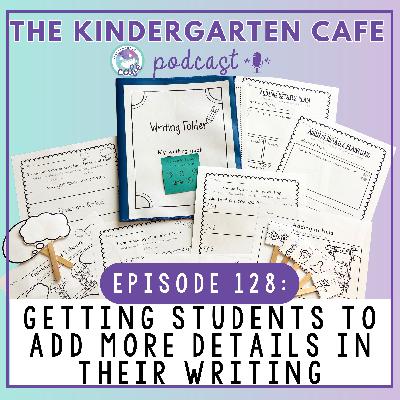
In kindergarten writing, the main goal is helping students write a strong, clear sentence. But once some students are ready to go further, the next step is learning how to add meaningful details that bring their stories to life.In this episode, I share simple strategies for teaching young writers how to expand their stories without overwhelming them. I explain how to break the skill into manageable steps and introduce one type of detail at a time through small groups, conferences, and modeling.Inside this episode, you’ll hear ideas for:teaching students to add thinking and talking through speech and thought bubbleshelping writers include feelings so readers better understand the storyguiding students to use the five senses to make their writing more vividusing small groups, checklists, and sticky-note goals to support individual writerswhy oral storytelling and writing warmups help students generate stronger details before they begin writingWork with Zeba 1:1 CoachingSend Zeba a voice messageRelated Episodes:Using Writing Goals to Empower Young Writers ~ Ep. 24Learn More:Use Kindergarten Writing Prompts and Easy Warm-Ups to Improve Writing!Resources:Writing Adding Details: Writing Small GroupsTeaching Writing in Small Groups Bundle | Differentiated Writing Groups K-2Connect with Zeba:Instagram - @kindergartencafeFacebook - @kindergartencafeWebsite - www.kindergartencafe.orgTik Tok - @kindergartencafeMentioned in this episode:Literacy Support Bundlehttps://www.teacherspayteachers.com/Product/Year-Long-Literacy-Support-for-Small-Group-Instruction-BUNDLE-Reading-Writing-11977457
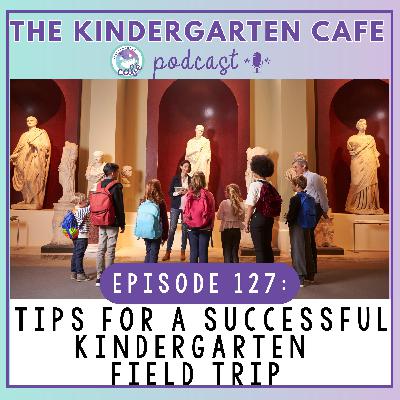
Planning a field trip can feel exciting… and slightly terrifying at the same time. In this episode, I share all the practical tips I’ve learned over the years to make field trips smoother, safer, and far less stressful for teachers. Everything from choosing the right location to organizing groups and managing the day-of logistics. If you’ve ever worried about keeping track of 20+ kids in a crowded public place, this episode is for you.Inside the episode, I share tips like:how to choose a field trip location that’s actually manageable for your classways to organize parent volunteers and small student groups for better supervisionsimple strategies for preparing families and students ahead of timewhat to bring with you on the trip (including a few things you might not think of)how to keep students safe, organized, and still excited about the experienceWork with Zeba 1:1 CoachingSend Zeba a voice messageConnect with Zeba:Instagram - @kindergartencafeFacebook - @kindergartencafeWebsite - www.kindergartencafe.orgTik Tok - @kindergartencafeMentioned in this episode:Monthly Guideshttps://www.kindergartencafe.org/guides/
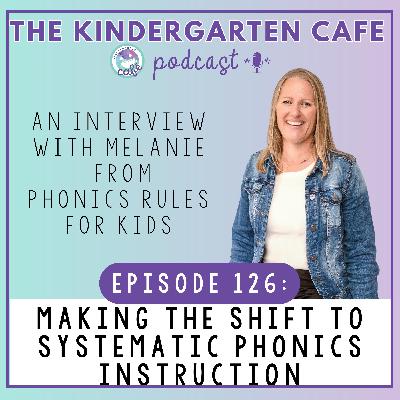
Phonics can feel… well, stressful. For teachers and parents. I invited Melanie Jeffrey, host of the Phonics Rules for Kids podcast and former K–3 classroom teacher turned phonics coach to talk about what actually helps early readers become confident decoders (and what looks like reading but is really just guessing).Melanie shares how her instruction shifted from leveled texts and “cueing” strategies to more systematic phonics, and why it made such a noticeable difference for kids.You’ll hear practical, classroom-friendly ideas like:what to focus on in small groups when a child is stuck at blending/decodingwhy that jump from easy leveled books to harder ones can completely derail kidssimple “must-have” materials for phonics-based small groups (without needing 97 bins)an easy phonics game kids will beg to play again (and that won’t require re-teaching directions weekly)why partner reading often beats silent reading in kindergarten (and why “silent reading” can be a wild expectation anyway)Plus, Melanie shares what inspired her to start helping parents teach phonics at home in short, doable chunks so it doesn’t turn into nightly tears and drama.Connect with Melanie:Podcast - Phonics Rules for KidsWebsite - phonicsrulesforkids.comWork with Zeba 1:1 CoachingSend Zeba a voice messageConnect with Zeba:Instagram - @kindergartencafeFacebook - @kindergartencafeWebsite - www.kindergartencafe.orgTik Tok - @kindergartencafeMentioned in this episode:Literacy Support Bundlehttps://www.teacherspayteachers.com/Product/Year-Long-Literacy-Support-for-Small-Group-Instruction-BUNDLE-Reading-Writing-11977457
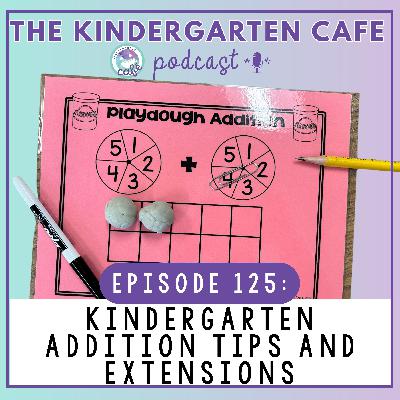
This episode tackles two opposite classroom math challenges: students who don’t get addition, and students who’ve already mastered it. Whether you're trying to build understanding from the ground up or keep your addition knowers engaged, I shares real, classroom-tested strategies that go beyond just “more worksheets.”In this episode I share:Why addition often breaks down when students move too quickly from counting to abstract story problemsHow using concrete tools (counters, 10‑frames, visuals) helps students truly understand “total” and “altogether”The importance of modeling, repetition, and explicitly teaching how to combine groupsWays to deepen learning by having students explain their thinking, create their own problems, and find multiple solutionsHow logic puzzles and open‑ended math tasks build problem‑solving skills without rushing ahead in contentSend Zeba a voice messageResources:Kindergarten Cafe Math ResourcesKenKen PuzzlesTangMath by Greg TangBedtime MathMath Books I recommend (Amazon Affiliate Link)Connect with Zeba:Instagram - @kindergartencafeFacebook - @kindergartencafeWebsite - www.kindergartencafe.orgTik Tok - @kindergartencafeMentioned in this episode:Kindergarten Math for the WHOLE Year BundleGrab the bundle at https://www.kindergartencafe.org/math
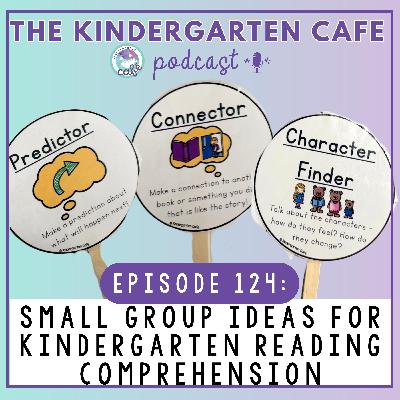
Your students are finally decoding with confidence, so what’s next? In this episode, I share what comprehension-focused small groups can look like once your students are fluent readers. Spoiler: it’s about more than just “did they understand the story?”In this episode I share:Why decoding must come first before comprehension groupsHow comprehension is built through modeling, discussion, and real conversationsA breakdown of skill-based small group topics like: Retelling, Character focus, Predicting, Making connections, Comparing/contrastingTips for keeping it simple with before/during/after comprehension questionsHow to use comprehension jobs, cards, or bookmarks to guide small group rolesWhen to try independent book clubs with higher readers (and how to structure them)Send Zeba a voice messageRelated Episodes:Easy Small Group Ideas for Blending and Decoding Success ~ Ep. 119Resources:Kindergarten Small Group Comprehension PackConnect with Zeba:Instagram - @kindergartencafeFacebook - @kindergartencafeWebsite - www.kindergartencafe.orgTik Tok - @kindergartencafeMentioned in this episode:Kindergarten EssentialsGrab the year-long, mega-bundle kindergarten activities here:
https://www.teacherspayteachers.com/Product/Kindergarten-Teacher-Essentials-Year-Long-Mega-Bundle-Kindergarten-Activities-8356704
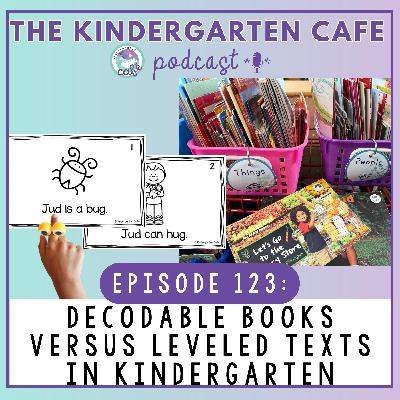
Feeling torn between leveled readers and decodables? There are strong opinions out there, but in this episode, I share the difference between the two and what I use in my classroom (and why). I also share my favorite decodable resources and how I use them during small groups and independent reading time.In this episode I share:The difference between decodable vs. leveled booksWhy I stopped using leveled texts in small groupsHow decodables build student confidence and support phonics instructionWhen it’s okay to mix in leveled textsHow to match decodable texts to students' phonics skillsTips for organizing your classroom library and book bagsWhy it’s okay if you’ve done things differently in the past (you’re learning!)Send Zeba a voice messageRelated Episodes:Science of Reading 101 With Heidi from Droppin’ Knowledge ~ Ep. 81Resources:Decodable ReadersConnect with Zeba:Instagram - @kindergartencafeFacebook - @kindergartencafeWebsite - www.kindergartencafe.orgTik Tok - @kindergartencafeMentioned in this episode:Kindergarten EssentialsGrab the year-long, mega-bundle kindergarten activities here:
https://www.teacherspayteachers.com/Product/Kindergarten-Teacher-Essentials-Year-Long-Mega-Bundle-Kindergarten-Activities-8356704
Grade-level teams can make your year feel supportive… or completely draining. In this episode,I’m joined by Jenna Everetts (aka @ThatStrongTeacher) to talk honestly about navigating team dynamics, communication challenges, and collaboration struggles teachers face at every stage of their career.We unpack what to do when you feel unheard, left out, or pressured to teach in a way that doesn’t align with you, especially as a new teacher or someone new to a grade level. Jenna shares real experiences from her own teaching career and introduces her F.A.N.S. framework for building stronger, healthier team relationships.In this episode Jenna shares:How to communicate needs and concerns using simple, effective languageWhat to do when teams feel cliquey, unbalanced, or hard to break intoHow to advocate for yourself while still being a supportive teammateWhy celebrating small moments and sharing resources matters more than you thinkPractical ways to build trust and connection with colleagues over timeSend Zeba a voice messageConnect with Jenna:Instagram - @thatstrongteacherConnect with Zeba:Instagram - @kindergartencafeFacebook - @kindergartencafeWebsite - www.kindergartencafe.orgTik Tok - @kindergartencafeMentioned in this episode:Social Emotional LessonsDownload the free Social/Emotional Lessons: https://kindergartencafe.org/social-emotional-lessons
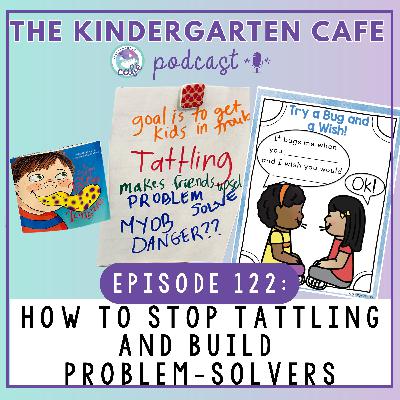
If you feel like you're spending all day listening to “he said/she said” drama, this episode is for you. I share my favorite strategies for reducing tattling and teaching students to manage problems on their own. Plus, learn why teaching kids to “take care of themselves” is a life skill that goes way beyond kindergarten.In this episode I share:How to teach kids to solve conflicts with the “Bug and a Wish” sentence frameThe difference between tattling vs. telling (and how to teach it explicitly)How to help kids understand the size of a problem: small, medium, or bigWhy I am NOT a fan of the “viral tattle” ideas floating around (and what to do instead)Simple responses to redirect tattling in the momentWhat to say when you don’t know who to believeHow to address trust, lying, and repeat offenders gently but firmlyBook recommendations for teaching about tattlingSend Zeba a voice messageRelated Episodes:Teaching Problem-Solving Skills with Young Students ~ Ep. 57Resources:A Bug and a Wish by Karen Scheuer (amazon affiliate link)More SEL Children’s Books for tattling and other expected behaviors (amazon affiliate link)Join the FREE 5-Day Social Emotional Learning ChallengeConnect with Zeba:Instagram - @kindergartencafeFacebook - @kindergartencafeWebsite - www.kindergartencafe.orgTik Tok - @kindergartencafeMentioned in this episode:SEL Bundlehttps://www.teacherspayteachers.com/Product/Social-Emotional-Learning-Year-Long-Kindergarten-Curriculum-Bundle-11-SEL-Units-3904167
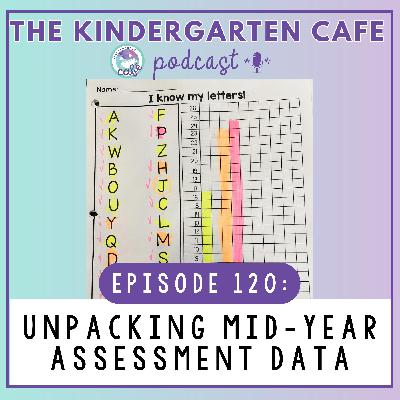
Midyear assessments are in and if you're feeling overwhelmed, or just plain frustrated, this episode is here to help. I’m answering three real teacher questions about assessment results, struggling students, and managing all that data.In this episode I share:What to do when students aren’t showing the progress you expectedHow to turn midyear data into small group plans that actually move the needleWhy consistent, repeated practice (even if it’s boring) worksTips for talking to families without just giving the problem to themWhat to try if students still don’t know letters or soundsThe system I use to organize assessment data (that won’t make your binder explode)Send Zeba a voice messageRelated Episodes:Easy Small Group Ideas for Blending and Decoding Success ~ Ep. 119Kindergarten Small Groups for Teaching Letter Sounds ~ Ep. 106Kindergarten Case Study: Supporting Kindergarteners With No Letter Knowledge ~ Ep. 105Resources:Decodable ReadersCVC Words: Beginning, Middle, End Sounds Phonemic Awareness Games and CentersPD By the Pool Private PodcastBook a Coaching SessionConnect with Zeba:Instagram - @kindergartencafeFacebook - @kindergartencafeWebsite - www.kindergartencafe.orgTik Tok - @kindergartencafeMentioned in this episode:Free Math GuideDownload the free Math Guide: www.kindergartencafe.org/math-guide
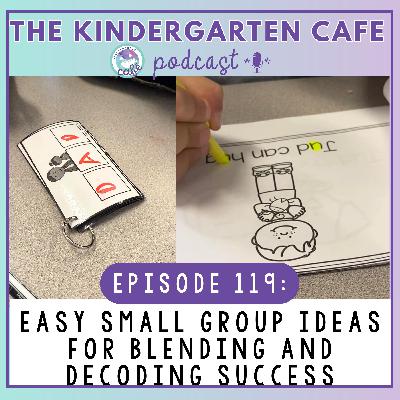
Have students who know their letters and sounds… but freeze when it’s time to blend them into a word? This episode is for you. I’m walking you through exactly how I support early readers in small groups who need extra help with blending and decoding and it’s simpler than you think.In this episode I share:My go-to small group structure for decoding supportWhy a quick sound review still mattersHow nonsense words help build real skillsA simple trick using decodable books for more independenceWhy Elkonin boxes are game changersEasy, hands-on activities to make blending stickSend Zeba a voice messageRelated Episodes:Kindergarten Small Groups for Teaching Letter Sounds ~ Ep. 106Kindergarten Case Study: Supporting Kindergarteners With No Letter Knowledge ~ Ep. 105Resources:Decodable Readers - and general recommendationsCVC Words: Beginning, Middle, End Sounds Phonemic Awareness Games and CentersConnect with Zeba:Instagram - @kindergartencafeFacebook - @kindergartencafeWebsite - www.kindergartencafe.orgTik Tok - @kindergartencafeMentioned in this episode:Kindergarten EssentialsGrab the year-long, mega-bundle kindergarten activities here:
https://www.teacherspayteachers.com/Product/Kindergarten-Teacher-Essentials-Year-Long-Mega-Bundle-Kindergarten-Activities-8356704
If your students are constantly hugging, poking, piling on the rug, or just way too close for comfort…well, it’s not just your classroom. In this episode, I’m answering two teacher questions about handling personal space.In this episode I share:My favorite read-aloud and activity for teaching personal spaceEasy rug-time fixes to cut down on chaosHow to teach kids to ask before hugging or holding handsVisuals that reinforce calm bodies and boundariesCreative ways to support sensory seekers without constant touchingHow to respond when kids push back on “fairness” around fidgetsThe real talk on consistency: why it works (and why it feels like it’s not)Got a classroom challenge you want help with? Submit your question and you might be featured on a future episode!Related Episodes:The Power of Positive Reinforcement in Kindergarten ~ Ep. 73Building Strong Classroom Management ~ Ep. 43Resources:Personal Space Camp by Julia Cook (amazon affiliate link)Join the FREE 5-Day Social Emotional Learning ChallengeSocial Emotional Learning Year-Long Kindergarten Curriculum BundleTrixie the Thoughtful TurtleConnect with Zeba:Instagram - @kindergartencafeFacebook - @kindergartencafeWebsite - www.kindergartencafe.orgTik Tok - @kindergartencafeMentioned in this episode:SEL Bundlehttps://www.teacherspayteachers.com/Product/Social-Emotional-Learning-Year-Long-Kindergarten-Curriculum-Bundle-11-SEL-Units-3904167
One of the most common questions I get from teachers is: "How do I keep the rest of the class under control while I’m teaching small groups?" If you’re trying to pour into a handful of kids at your table, but out of the corner of your eye, you see three students arguing over a marker, two more asking for help, and someone else who’s supposed to be reading… I’m walking you through what actually works to maintain classroom management while you're leading small groups in kindergarten.In this episode I share:Don’t start small groups until routines are solidTeach “Ask 3 before me” earlyPlan predictable, engaging independent workAvoid pairing off-task kids togetherMake it clear you’re not available during groupsKeep groups short - 10 minutes maxDo room checks between groupsTalk about issues afterward, not duringSend Zeba a voice messageRelated Episodes:How to Effectively Manage Kindergarten Math Centers ~ Ep. 71Building Effective Literacy Centers with the Science of Reading ~ Ep. 78Teaching Problem-Solving Skills with Young Students ~ Ep. 57Learn More:Workshop: Literacy, Math, and Centers… Oh My!Resources:Kindergarten Writing Support for Beginning Writers | Small GroupsKindergarten Math for the WHOLE YEARTeaching Kids to Be Independent: A Social Emotional Learning UnitConnect with Zeba:Instagram - @kindergartencafeFacebook - @kindergartencafeWebsite - www.kindergartencafe.orgTik Tok - @kindergartencafeMentioned in this episode:Kindergarten EssentialsGrab the year-long, mega-bundle kindergarten activities here:
https://www.teacherspayteachers.com/Product/Kindergarten-Teacher-Essentials-Year-Long-Mega-Bundle-Kindergarten-Activities-8356704
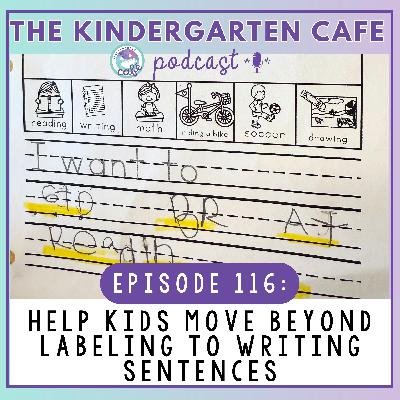
Are your students stuck at labeling their pictures and freezing when it’s time to write sentences? Today we’re tackling this super common writing hurdle with strategies that actually work in a real kindergarten classroom. With simple, supportive ideas to help students go from oral storytelling to complete sentences.In this episode I share:How to move from ideas to full thoughts on paperWhy oral storytelling and drawing are key first stepsThe power of underlining and sentence mappingThe one thing to focus on before adding more sentencesA logical order for teaching spaces, punctuation, and capitalsEasy sentence starters that build confidence and independenceHow to support students in small groups without doing the writing for themSend Zeba a voice messageResources:Writing Warm Up SlidesMonthly Journal Writing in KindergartenTeaching Kindergarten Writing Sentences: Writing Small Group on ConventionsConnect with Zeba:Instagram - @kindergartencafeFacebook - @kindergartencafeWebsite - www.kindergartencafe.orgTik Tok - @kindergartencafeMentioned in this episode:Kindergarten EssentialsGrab the year-long, mega-bundle kindergarten activities here:
https://www.teacherspayteachers.com/Product/Kindergarten-Teacher-Essentials-Year-Long-Mega-Bundle-Kindergarten-Activities-8356704
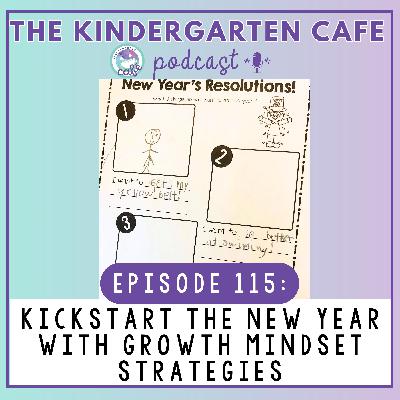
New year, new mindset! In this episode, we're talking all about growth mindset. What it actually looks like in a kindergarten classroom and how you can start teaching it in simple, meaningful ways. Whether you’re heading back after winter break or saving this for later, you’ll walk away with clear ideas you can use right away.In this episode I share:How to explain “persistence” to young learnersA super relatable way to teach the “Goldilocks zone” of challengeWhy praising effort (not just outcomes) builds real resilienceThe magic of the word “yet” and how to help kids use itFavorite books, videos, and activities that reinforce growth mindsetWhy your modeling of mistakes might be the most powerful lesson of allRelated Episodes:Teaching Students to Persevere ~ Ep. 20Learn More:Social Emotional LearningResources:Free 5-day social-emotional challengeNew Year's Classroom PackGrowth Mindset: Social Emotional Read AloudsSesame Street: Power of YetClass Dojo Growth Mindset Video SeriesConnect with Zeba:Instagram - @kindergartencafeFacebook - @kindergartencafeWebsite - www.kindergartencafe.orgTik Tok - @kindergartencafeMentioned in this episode:Caring Critters BooksFelipe the Feeling Frog: https://www.kindergartencafe.org/felipe/
Trixie the Thoughtful Turtle: https://www.kindergartencafe.org/trixie/
Let’s talk about the real kind of kindergarten writing, where every student is on their own unique journey.In this episode, I’m joined by literacy consultant and podcast host Melissa Morrison (of Getting Students to Write) to unpack what it looks like to teach writing in a developmentally appropriate way. We talk about why some students are still scribbling while others are crafting full stories and how to meet all of them where they are.Plus, Melissa shares how teachers can slowly shift their practice to better support young writers, even if your current curriculum doesn’t match developmentally appropriate expectations.Whether you're new to kindergarten or just want to make writing more manageable, this episode will help you see your students (and yourself!) in a whole new light.In this episode I share:What “writing” really means in kindergarten (hint: it’s not all about sentences)Why oral language is the foundation of early writingHow to support kids at every stage - from scribbles to sentencesThe role of labeling, drawing, and invented spelling in writing developmentHow to make writing time more engaging and meaningful (without ditching your curriculum)Resources:Language Composition FrameworkMatt Glover and Kathy CollinsConnect with Melissa:LinkedIn - @melissa-morrisonWebsite - teaching-to-transform.comPodcast - Getting Students to Write Connect with Zeba:Instagram - @kindergartencafeFacebook - @kindergartencafeWebsite - www.kindergartencafe.orgTik Tok - @kindergartencafeMentioned in this episode:Caring Critters BooksFelipe the Feeling Frog: https://www.kindergartencafe.org/felipe/
Trixie the Thoughtful Turtle: https://www.kindergartencafe.org/trixie/
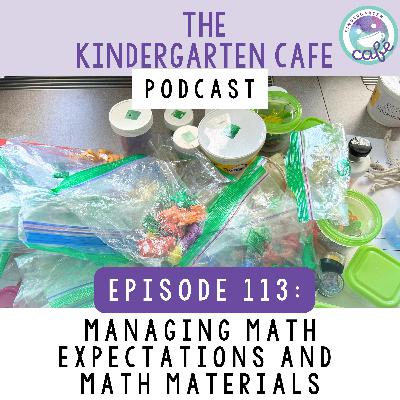
This week, I’m answering two real questions from teachers like you, all about math in kindergarten.If you've been wondering how to organize counting collections without drowning in buttons and cubes… or what students should realistically be able to count and write by December… you're in the right place.In this episode I share:How I organize and rotate counting collections (without spending a fortune)Why I group collections into 0–10, 10–20, and 20–100Tips for choosing the right containers and labeling systems What realistic number writing and counting should look like in December vs. FebruaryWhen to worry about number skills and what’s totally developmentally normalSimple strategies to boost number sense + help kids count and organize objects Resources:What are the Key Components to Teaching Math in Kindergarten?Connect with Zeba:Instagram - @kindergartencafeFacebook - @kindergartencafeWebsite - www.kindergartencafe.orgTik Tok - @kindergartencafeMentioned in this episode:Caring Critters BooksFelipe the Feeling Frog: https://www.kindergartencafe.org/felipe/
Trixie the Thoughtful Turtle: https://www.kindergartencafe.org/trixie/
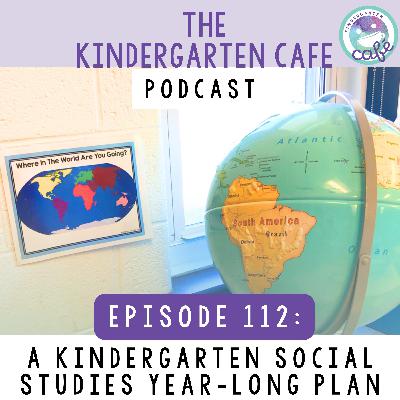
What should kindergarten social studies actually look like across the school year?In this episode, I’m giving you a big-picture breakdown of how I teach social studies in kindergarten, how the family unit fits in, and how I structure my curriculum to help students explore their classroom, local, and global communities.If you’ve ever wondered how to make your social studies lessons more meaningful, inclusive, and connected to the real world … this one’s for you.In this episode I share:How I structure the year around different types of communities (classroom, neighborhood, global)Where identity, belonging, and rules fit into the kindergarten social studies standardsMy favorite way to introduce maps and geography (plus the perfect book to support it)Why I tie lessons to real-time holidays and celebrations even if no one in class celebrates themMy go-to books and videos for teaching traditions, culture, and inclusionHow I help students understand their role in a global communityRelated Episodes:The Magic of Teaching in December with Gingerbread and Winter Holidays – Episode 12Resources:Kindergarten Holiday Activities Year-Long Bundle | Seasonal Literacy and MathSocial Studies Mentor TextsCommunity Helpers Bundle: A Social Studies Unit with Literacy ConnectionsMe on a Map - Social Studies Geography Mapping and Community for KindergartenSeasonal and Holiday Favorite BooksSocial Studies for Kindergarten: Mapping StandardsConnect with Zeba:Instagram - @kindergartencafeFacebook - @kindergartencafeWebsite - www.kindergartencafe.orgTik Tok - @kindergartencafeMentioned in this episode:Caring Critters BooksFelipe the Feeling Frog: https://www.kindergartencafe.org/felipe/
Trixie the Thoughtful Turtle: https://www.kindergartencafe.org/trixie/
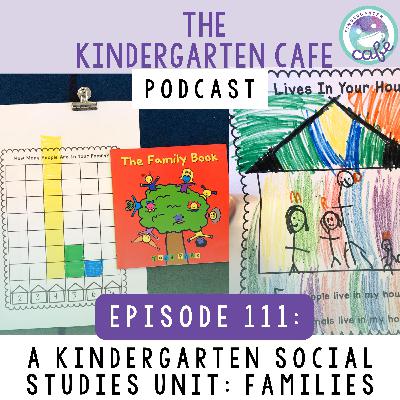
Teaching about families in kindergarten is about so much more than who lives at home. It’s an opportunity to build empathy, celebrate diversity, and create an inclusive classroom community.In this episode, I’m sharing how I approach a social studies unit on families with care, intention, and developmentally appropriate strategies that honor all types of family structures.Whether you're teaching this unit in November, December, or any time of year, this approach will help your students feel seen, respected, and connected while learning about the diversity that makes each classroom beautiful.In this episode I share:Why I start with students’ real-life experiences as a gateway to empathy and understandingMy favorite picture books about families that reflect both windows and mirrorsHow to adapt lessons to be mindful of diverse home situations (e.g., two homes, loss, homelessness)The email I send families before we begin this unit to foster partnership and awarenessActivity ideas that combine literacy, math, and SEL from graphing family sizes to sharing traditionsHow I use inclusive language like “who lives with me” instead of “who lives in your house”Ways to transition into discussions on culture, food, religion, and traditionsResources:Kindergarten Family Unit | Social Studies, Literacy, & Math Activities WorksheetSocial Studies Mentor TextsFamily Traditions PosterConnect with Zeba:Instagram - @kindergartencafeFacebook - @kindergartencafeWebsite - www.kindergartencafe.orgTik Tok - @kindergartencafeMentioned in this episode:Caring Critters BooksFelipe the Feeling Frog: https://www.kindergartencafe.org/felipe/
Trixie the Thoughtful Turtle: https://www.kindergartencafe.org/trixie/
Some years in the classroom just feel harder than others. This one’s for the teachers who’ve cried in the car, vented to their partner, or counted down the minutes until dismissal. You're not alone and there are ways to feel like yourself again.In this deeply personal episode, I’m answering a heartfelt question from a kindergarten teacher who asked: “How do you keep showing up every day when one student’s behavior is draining your energy?”This episode isn’t just about burnout - it’s about what it feels like to be a teacher who cares deeply, even when it’s hard… and what to do when you feel like you’re at your limit.In this episode I share:The emotional weight of wanting to help a student who needs more support than you can giveWhy your brain feels stuck in survival mode and how to shift itThe importance of setting boundaries while still showing up with loveWhat to say to yourself when you feel like quittingHow I “quit the day” (without quitting the job) and reset my energyHow to reconnect with the joy of teaching when one student is taking up all your headspaceWhy focusing on relationships with all students can help you feel grounded againRelated Episodes:De-Escalation Strategies to Stay Calm and In Control During Emotional Outbursts with Sara Yessenow ~ Ep. 64How to Teach Emotional Intelligence in Kindergarten ~ Ep. 108Kindergarten Case Study: Supporting Students With Big Emotions ~ Ep. 109Resources:Join the FREE 5-Day Social Emotional Learning ChallengeCoachingSocial Emotional Learning Year-Long Kindergarten Curriculum Bundle: 11 SEL UnitsConnect with Zeba:Instagram - @kindergartencafeFacebook - @kindergartencafeWebsite - www.kindergartencafe.orgTik Tok - @kindergartencafeMentioned in this episode:SEL ChallengeJoin the FREE 5-Day Social Emotional Learning Challenge: Planting Seeds for Classroom Calm
https://www.kindergartencafe.org/challenge/


Download from Google Play

Download from App Store
 United States
Wonderful! Starting my first year in K this year after 20 years teaching older grades. This podcast has me so excited to start.