


 Claim Ownership
Political Currency
Subscribed: 5,824Played: 290,092
Subscribe

© Persephonica
Description
Ed Balls and George Osborne take us behind closed doors into the rooms where decisions are made. Having battled it out across the despatch box, the former Chancellor and shadow chancellor now meet in the studio to discuss the decisions that affect the nation’s pockets. Our frenemies have the knowledge and experience to explain how good politics follows the economics - and expose how the powerful become powerless when faced with market forces and political currents they can’t control. Join us every Thursday.
Send your messages or voice notes to questions@politicalcurrency.co.uk
Find us on social media @polcurrency
Political Currency is a Persephonica production.
Hosted on Acast. See acast.com/privacy for more information.
268 Episodes
Reverse
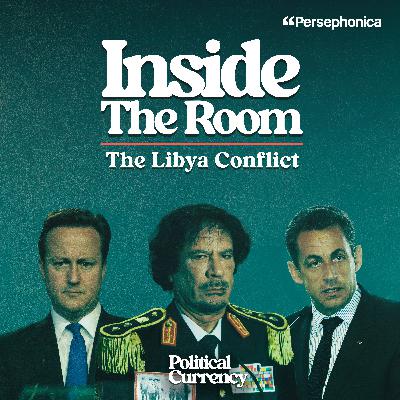
How can it be ensured countries will face a better future after a large-scale military intervention? It’s a question which applies to both politicians dealing with the war in Iran today, and for politicians dealing with the aftermath of Muammar Gaddafi’s killing in 2011.In this third and final part of this series, Ed Balls, George Osborne, and Sir John Sawers reflect on the fallout of the 42-year regime in Libya coming to an end. Who was responsible for post-war failures? Was there a case for putting boots on the ground? And what were the unexpected repercussions for geopolitics?They also discuss their immediate reactions to Gaddafi’s death and the shocking way in which he was killed.Ed and George then press Sir John on what this all could mean for the ongoing situation in Iran, plus what he really thinks of how Keir Starmer has handled it.Thanks for listening. To listen to all three parts of Inside the Room: The Libya Conflict now, join Political Currency Gold or our Kitchen Cabinet. You will also get early and ad-free access to our regular episodes of EMQs. For even more perks, including our exclusive newsletter, join our Kitchen Cabinet today:👉 patreon.com/politicalcurrency👉 Apple PodcastsPlease note: Kitchen Cabinet is only available via Patreon.Credits: Research: Monica Lillis, Ayla Krachai, and Sam BurtonProduction support: Tom JacksonProduction: Caillin McDaid and Nasreen ArainVideo Editor: Avi Asher and Oliver GeraghtyExecutive Producer: Ellie Clifford and Henrietta Harrison Hosted on Acast. See acast.com/privacy for more information.
Planes are in the air and the military intervention in Libya has now begun. But how does the operation progress from here? And what actually happens in a war room?In the second part of this mini series, Ed Balls and George Osborne ask Sir John Sawers about how MI6 gathered intelligence to guide the path forwards. He tells the story of leaving William Hague "aghast" by securing a visa for the Libyan foreign minister, who he then flattered with dinner at one of the service’s secure locations in return for crucial information… The pair also speak to former deputy national security adviser Hugh Powell about why David Cameron always felt that action was better than inaction, and hear from Cathy Ashton about why the fall of Tripoli was a moment of success for the PM and Nicolas Sarkozy.However, with Gaddafi still alive and the UN mandate not accounting for regime change, there was still reason to be apprehensive about the “huge challenge ahead”. Sawers and Powell discuss Gaddafi's skill of staying hidden, why MI6 doesn’t actually have a “license to kill”, and their approaches to negotiations with the dictator in his final weeks – including asking Tony Blair for help.Thanks for listening. In our third episode we take you right behind the scenes of the day Gaddafi was killed, and ask who was responsible for the post-war failures… Can’t wait? Subscribe now to get all three parts of Inside the Room: The Libya Conflict. You will also get access to our debrief episode The Inquiry, as well as early and ad-free access to our regular episodes of EMQs. For even more perks, including our exclusive newsletter, join our Kitchen Cabinet today:👉 patreon.com/politicalcurrency👉 Apple PodcastsPlease note: Kitchen Cabinet is only available via Patreon.Credits: Research: Monica Lillis, Ayla Krachai, and Sam BurtonProduction support: Tom JacksonProduction: Caillin McDaid and Nasreen ArainVideo Editor: Avi Asher and Oliver GeraghtyExecutive Producer: Ellie Clifford and Henrietta Harrison Hosted on Acast. See acast.com/privacy for more information.
As renewed violence erupts across the Middle East, governments have been forced into crisis mode... but when is the right time to intervene, how involved should you get and when, if ever, is it time for 'boots on the ground'?It's these dilemmas and more that are currently facing Keir Starmer and other world leaders, but it's not the first time a UK government has had to find answers for such big questions about international intervention. Fifteen years ago the civil unrest of the Arab Spring spread to Libya. The violent crackdowns against anti-government protestors that followed sparked seven months of NATO military intervention and led to the killing of Muammar Gaddafi, putting an end to his 42-year dictatorship.In this special mini series, Ed Balls and George Osborne are joined by former MI6 Chief Sir John Sawers to discuss the key decisions, missteps, and aftermath of the Libya crisis. We take you inside the war rooms and hear unique insights from John, George and two other officials who saw key decisions being made first-hand: former EU High Representative for Foreign and Security Policy, Cathy Ashton, and deputy national security adviser to the coalition government, Hugh Powell. What can the wars of the past can teach us lessons for the wars of today?In part one, we look at how the UK government reacted to the escalating situation, why David Cameron and then-French President Nicolas Sarkozy pushed for military action, and the steps that led to the first bomb being dropped… and how it managed to surprise Britain.Thanks for listening. In our next episode we take you right behind the scenes of the military action and hear about all of the drama that ensued, including the moment Sir John Sawyers took an informant for a secret dinner… Can’t wait? Subscribe now to get all three parts of Inside the Room: The Libya Conflict. You will also get access to our debrief episode The Inquiry, as well as early and ad-free access to our regular episodes of EMQs. 👉 patreon.com/politicalcurrency👉 Apple PodcastsPlease note: Kitchen Cabinet is only available via Patreon.Credits: Research: Monica Lillis, Ayla Krachai, and Sam BurtonProduction support: Tom JacksonProduction: Caillin McDaid and Nasreen ArainVideo Editor: Avi Asher and Oliver GeraghtyExecutive Producer: Ellie Clifford and Henrietta Harrison Hosted on Acast. See acast.com/privacy for more information.
 1
1Fellow ex-MP and former health minister Steve Brine sends in a question asking Ed Balls and George Osborne how we judge the performance of a health secretary, and in particular Wes Streeting. They lay out the historical challenges of the role, and where Streeting has risen or succumbed to them thus far.A colleague of Ed’s from King’s College then asks how useful it is for benefits to be so conditional, in particular for care leavers. They debate the fairness in having conditional benefits systems, and why people are more sympathetic to care leavers than other disadvantaged groups. They then discuss the perks of pedestrianising Bruton, George’s stomping ground, in a manner similar to Paris. Would George lead the campaign to see this through? Or is it an enticing but unrealistic idea? Finally, a former Tory parliamentary candidate raises his concerns around Nick Timothy’s controversial comments on a Ramadan event in London. They discuss the dangerous direction these comments represent for both the Tories, and British politics more widely. We love hearing from you, so please don’t forget to send all your EMQs to questions@politicalcurrency and make sure to include a voice note of your question.This podcast is sponsored by Chip. Join 400,000 customers building long term wealth. T&Cs apply, you must be a new Chip customer, over 18, a UK tax resident, and it’s app only. Chip is a trading name of Chip Financial Limited. Savings products are provided by Clearbank and are protected up to the FSCS limit. When investing, your capital is at risk.Thanks for listening. To get episodes early and ad- free join Political Currency Gold or our Kitchen Cabinet. If you want even more perks including our exclusive newsletter, join our Kitchen Cabinet today:👉 patreon.com/politicalcurrency👉 Apple PodcastsPlease note: Kitchen Cabinet is only available via Patreon.Credits:Research: Sam BurtonProduction: Caillin McDaid & Henrietta HarrisonVideo Editor: Avi AsherExecutive Producer: Ellie CliffordPolitical Currency is a Persephonica Production and is part of the Acast Creator Network. Hosted on Acast. See acast.com/privacy for more information.

Nearly a month into the war in Iran, and the White House’s objectives are no clearer. Donald Trump is sending conflicting signals - peace overtures in one moment, threats of further escalation in the next. The consequences of this instability is rippling far beyond the Middle East. Ed Balls and George Osborne examine what Trump actually wants, and what his mixed messages might mean for allies like Britain, struggling to keep track. At home, Keir Starmer and Rachel Reeves are on the backfoot. With the local elections just weeks away, and both Reform and the Greens on the rise, is the Prime Minister facing down an electoral battering at the polls? Is this the moment Labour's difficulties harden into something more lasting - could the May elections be a dress rehearsal for the next general election? Oh, and what on earth happened to Morgan McSweeney’s phone?Finally, from political vulnerability, to political victory. Ed and George reflect on the one year anniversary of Mark Carney’s premiership. How has he managed to turn around the fortunes of the Liberal Party in remarkably difficult circumstances - and what lessons Starmer and other leaders facing similar headwinds might take from his playbook. We love hearing from you, so please don’t forget to send all your EMQs to questions@politicalcurrency and make sure to include a voice note of your question.This podcast is sponsored by Chip. Join 400,000 customers building long term wealth. Also Chip have agreed that just for our listeners, for your first £10,000 deposited into Chip before midnight 20 March 2026, they’ll give you a Fortnum & Mason hamper after holding it for 90 days - just head to getchip.uk/politicalcurrency.T&Cs apply, you must be a new Chip customer, over 18, a UK tax resident, and it’s app only. Chip is a trading name of Chip Financial Limited. Savings products are provided by Clearbank and are protected up to the FSCS limit. When investing, your capital is at risk.Thanks for listening. To get episodes early and ad- free join Political Currency Gold or our Kitchen Cabinet. If you want even more perks including our exclusive newsletter, join our Kitchen Cabinet today:👉 patreon.com/politicalcurrency👉 Apple PodcastsPlease note: Kitchen Cabinet is only available via Patreon.Credits:Research: Sam BurtonProduction: Caillin McDaid & Caitlin Caitlin Hanrahan Video Editor: Avi AsherExecutive Producer: Ellie CliffordPolitical Currency is a Persephonica Production and is part of the Acast Creator Network. Hosted on Acast. See acast.com/privacy for more information.
Fresh off regaling us with his tales in a Silicon Valley robotaxi, George Osborne is asked if they’re bound for London and what risks they may pose, in this week’s EMQs. Ed Balls echoes some of our listener’s concerns, but George argues this is no different than other tech evolutions like Uber.The pair are then asked why Britain often appears reactive and not proactive for big economic shocks like the wars in Ukraine or Iran. Is this emblematic of problems within the Treasury? Problems in government? Or, an uncharitable read of tough political circumstances.Finally, an anonymous police officer asks if the Home Office should focus more on retaining experienced officers, rather than recruitments and mergers, to improve services. He also poses a possible solution to this problem - should the police be permitted to take industrial action? Ed and George debate the merits of recruitment drives and what endemic issues need solving to help improve the police. We love hearing from you, so please don’t forget to send all your EMQs to questions@politicalcurrency and make sure to include a voice note of your question.This podcast is sponsored by Chip. Join 400,000 customers building long term wealth. Also Chip have agreed that just for our listeners, for your first £10,000 deposited into Chip before midnight 20 March 2026, they’ll give you a Fortnum & Mason hamper after holding it for 90 days - just head to getchip.uk/politicalcurrency.T&Cs apply, you must be a new Chip customer, over 18, a UK tax resident, and it’s app only. Chip is a trading name of Chip Financial Limited. Savings products are provided by Clearbank and are protected up to the FSCS limit. When investing, your capital is at risk.Thanks for listening. To get episodes early and ad- free join Political Currency Gold or our Kitchen Cabinet. If you want even more perks including our exclusive newsletter, join our Kitchen Cabinet today:👉 patreon.com/politicalcurrency👉 Apple PodcastsPlease note: Kitchen Cabinet is only available via Patreon.Credits:Research: Sam BurtonProduction: Caillin McDaid & Henrietta Harrison Video Editor: Avi AsherExecutive Producer: Ellie CliffordPolitical Currency is a Persephonica Production and is part of the Acast Creator Network. Hosted on Acast. See acast.com/privacy for more information.
The war in the middle east has entered its third week. Tensions rose overnight when Israel hit a natural gas field in Iran, and Iran retaliated by bombing gas facilities in Qatar. The result was oil prices skyrocketing. Ed Balls and George Osborne discuss what appears to be a communication breakdown between Israel and the US, and question whether they are aligned in their respective endgames. Earlier this week the Chancellor Rachel Reeves gave the Mais lecture at the Bayes Business School. She said fiscal devolution, closer relations with Europe, AI and innovation would bring growth in the UK. But was the speech too partisan and lacking economic theory?And, Angela Rayner is back - delivering a speech criticising the government’s proposed immigration reforms. Is she planning to stick the knife in Keir Starmer, à la Michael Heseltine and Margaret Thatcher, and if so - does she have the right qualifications to lead the country? Ed and George look at past transitions mid-government for Labour and more widely, and examine how Rayner’s strengths and weaknesses may impact her chances at No. 10.We love hearing from you, so please don’t forget to send all your EMQs to questions@politicalcurrency and make sure to include a voice note of your question.This podcast is sponsored by Chip. Join 400,000 customers building long term wealth. Also Chip have agreed that just for our listeners, for your first £10,000 deposited into Chip before midnight 20 March 2026, they’ll give you a Fortnum & Mason hamper after holding it for 90 days - just head to getchip.uk/politicalcurrency.T&Cs apply, you must be a new Chip customer, over 18, a UK tax resident, and it’s app only. Chip is a trading name of Chip Financial Limited. Savings products are provided by Clearbank and are protected up to the FSCS limit. When investing, your capital is at risk.Thanks for listening. To get episodes early and ad- free join Political Currency Gold or our Kitchen Cabinet. If you want even more perks including our exclusive newsletter, join our Kitchen Cabinet today:👉 patreon.com/politicalcurrency👉 Apple PodcastsPlease note: Kitchen Cabinet is only available via Patreon.Credits:Research: Sam BurtonProduction: Caillin McDaid & Henrietta Harrison Video Editor: Avi AsherExecutive Producer: Ellie CliffordPolitical Currency is a Persephonica Production and is part of the Acast Creator Network. Hosted on Acast. See acast.com/privacy for more information.
The saga of Gordon the chicken continues this week with Beatrice Gove, Michael’s daughter, sending in a question to tell us more about the incident. Ed Balls and George Osborne then answer her question about polling showing Labour and Reform out in front as the parties most trusted by business. Is this a concern for Keir Starmer? What does it mean when business starts gravitating towards opposition parties? The pair then consider the great cultural exchanges across British history, in light of the Bayeux Tapestry coming to the British Museum this year. The examples range from Beatlemania all the way to K-Pop. Do these moments help strengthen bonds between countries? What impact do shared cultural experiences have on our diplomatic relations around the world?They then debate the fairness of Shaban Mahmood’s proposed changes to indefinite leave to remain, and the potential consequences of being less stringent on high-earning workers as compared to low-earners. Finally, a listener stuck in Dubai enquires about what goes on behind the scenes during crises and whether negative comments from the likes of Ed Davey in response to the ex-pats was misjudged. They cite past examples from Afghanistan to Libya, how governments handled those situations behind the scenes, and when the right time to make large scale interventions like that are necessary. We love hearing from you, so please don’t forget to send all your EMQs to questions@politicalcurrency and make sure to include a voice note of your question.This podcast is sponsored by Chip. Join 400,000 customers building long term wealth. Also Chip have agreed that just for our listeners, for your first £10,000 deposited into Chip before midnight 20 March 2026, they’ll give you a Fortnum & Mason hamper after holding it for 90 days - just head to getchip.uk/politicalcurrency.T&Cs apply, you must be a new Chip customer, over 18, a UK tax resident, and it’s app only. Chip is a trading name of Chip Financial Limited. Savings products are provided by Clearbank and are protected up to the FSCS limit. When investing, your capital is at risk.Thanks for listening. To get episodes early and ad- free join Political Currency Gold or our Kitchen Cabinet. If you want even more perks including our exclusive newsletter, join our Kitchen Cabinet today:👉 patreon.com/politicalcurrency👉 Apple PodcastsPlease note: Kitchen Cabinet is only available via Patreon.Credits:Research: Sam BurtonProduction: Caillin McDaid, Caitlin Hanrahan & Eve Jones Video Editor: Avi AsherExecutive Producer: Ellie CliffordPolitical Currency is a Persephonica Production and is part of the Acast Creator Network. Hosted on Acast. See acast.com/privacy for more information.
After weeks of speculation we finally saw the first release of the files concerning Peter Mandelson’s appointment and sacking as US Ambassador. Ed Balls and George Osborne delve into the revelations within the files, and whether any of the new information damages the government or prime minister. Was there a smoking gun in the files? Is the worst information now out there? Or, are there more damaging revelations to come?Then, they return to the Iran conflict and reassess what Trump’s strategy is. Can he declare victory now and avoid risking his reputation? Or has this war created problems he can’t outrun? They also discuss the emerging energy crisis, and whether central banks should cut, hold, or raise interest rates in light of the conflict. Finally, with Tony Blair saying the government should have followed America into Iran, Gordon Brown weighing in on Mandelson, and Boris Johnson pushing for boots on the ground in Ukraine, we’ve seen an increasing number of interventions by ex-PMs. Is this a new trend? If so, what are these ex-PMs hoping to achieve? How effective are their interventions in shifting government policy?We love hearing from you, so please don’t forget to send all your EMQs to questions@politicalcurrency and make sure to include a voice note of your question.This podcast is sponsored by Chip. Join 400,000 customers building long term wealth. Also Chip have agreed that just for our listeners, for your first £10,000 deposited into Chip before midnight 20 March 2026, they’ll give you a Fortnum & Mason hamper after holding it for 90 days - just head to getchip.uk/politicalcurrency.T&Cs apply, you must be a new Chip customer, over 18, a UK tax resident, and it’s app only. Chip is a trading name of Chip Financial Limited. Savings products are provided by Clearbank and are protected up to the FSCS limit. When investing, your capital is at risk.Thanks for listening. To get episodes early and ad- free join Political Currency Gold or our Kitchen Cabinet. If you want even more perks including our exclusive newsletter, join our Kitchen Cabinet today:👉 patreon.com/politicalcurrency👉 Apple PodcastsPlease note: Kitchen Cabinet is only available via Patreon.Credits:Research: Sam BurtonProduction: Caillin McDaid & Richard Attley Video Editor: Avi AsherExecutive Producer: Ellie CliffordPolitical Currency is a Persephonica Production and is part of the Acast Creator Network. Hosted on Acast. See acast.com/privacy for more information.
Fresh off the absolute victory for the Greens in Gorton and Denton, Ed Balls and George Osborne debate whether the betting markets - which accurately predicted the results - are reliable forecasters in elections in this week’s EMQs. George ponders if, unlike official polling, it might be possible to influence the odds in your favour? Fellow ex-MP Gyles Brandreth asks the brutally honest question: did their careers peak when they were politicians? Despite all their success in podcasting and elsewhere, was being in government the best days of their lives? The pair debate the idea which ends up causing them to reminisce about Michael Gove’s dog and a chicken named Gordon.Finally, Mayor of York and North Yorkshire David Skaith asks the best way a mayor can promote growth in their region, particularly one as rural as his. After offering David some useful ideas, the pair wander down a Wuthering Heights tangent and Ed gifts listeners with his slightly dubious Kate Bush impression. David also asks Ed for some personal advice on being a public figure with a stammer. We love hearing from you, so please don’t forget to send all your EMQs to questions@politicalcurrency and make sure to include a voice note of your question.This podcast is sponsored by Chip. Join 400,000 customers building long term wealth. Also Chip have agreed that just for our listeners, for your first £10,000 deposited into Chip before midnight 20 March 2026, they’ll give you a Fortnum & Mason hamper after holding it for 90 days - just head to getchip.uk/politicalcurrency.T&Cs apply, you must be a new Chip customer, over 18, a UK tax resident, and it’s app only. Chip is a trading name of Chip Financial Limited. Savings products are provided by Clearbank and are protected up to the FSCS limit. When investing, your capital is at risk.Thanks for listening. To get episodes early and ad- free join Political Currency Gold or our Kitchen Cabinet. If you want even more perks including our exclusive newsletter, join our Kitchen Cabinet today:👉 patreon.com/politicalcurrency👉 Apple PodcastsPlease note: Kitchen Cabinet is only available via Patreon.Credits:Research: Sam BurtonProduction: Caillin McDaid, Caitlin Hanrahan & Eve Jones Video Editor: Avi AsherExecutive Producer: Ellie CliffordPolitical Currency is a Persephonica Production and is part of the Acast Creator Network. Hosted on Acast. See acast.com/privacy for more information.
After weeks of warnings from George Osborne and Ed Balls, Donald Trump has rolled the dice and launched Operation Epic Fury and Operation Rising Lion against Iran. The strikes sent shockwaves around the world, with many wondering what Trump’s real motivations were. Why did Trump act now? What is his endgame? And what could the domestic and geopolitical consequences be?Ed and George unpack the strategic calculations behind the decision, from Middle East security to access to oil, and discuss the geopolitical fallout that may follow.The conflict in Iran has also brought about the starkest moment of disagreement between UK and US since the Vietnam war. Keir Starmer refused to follow the US and Israel, but how much was that position based on internal disagreements within Labour and the long political shadow of the Iraq War?Finally, the pair turn to Rachel Reeves’ Spring Statement. Did the Chancellor miss the mark? With defence spending pressures rising and unresolved questions around student loans, they ask if the statement was unusually partisan despite delivering few major policy changes.We love hearing from you, so please don’t forget to send all your EMQs to questions@politicalcurrency and make sure to include a voice note of your question.Thanks for listening. To get episodes early and ad- free join Political Currency Gold or our Kitchen Cabinet. If you want even more perks including our exclusive newsletter, join our Kitchen Cabinet today:👉 patreon.com/politicalcurrency👉 Apple PodcastsPlease note: Kitchen Cabinet is only available via Patreon.Credits:Research: Sam BurtonProduction: Caillin McDaid & Caitlin Caitlin Hanrahan Video Editor: Avi AsherExecutive Producer: Ellie CliffordPolitical Currency is a Persephonica Production and is part of the Acast Creator Network. Hosted on Acast. See acast.com/privacy for more information.
On the heels of the AI Impact Summit, former advisor to Nick Clegg and author Verity Harding asks how Ed Balls and George Osborne’s experiences of the dot com bubble and rise of social media can inform the current government’s approach to AI. They also discuss whether AI is heading for its own Dot Com crash.And, what’s in a Department Name? More than you’d think apparently. The pair get surprisingly passionate about the joys of a government department rebrand - reminiscing on the coalitions unpicking of the Whitehall reorganisation done by New Labour. Ed is still bitterly disappointed at the abandonment of the DCSF.And, turning to the appointment of Antonia Romeo as Cabinet Secretary - and the wave of misogynistic commentary that followed - Ed and George ask, given her obvious qualifications, why didn’t Keir Starmer appoint her sooner? Finally, former civil servant Tamara Finkelstein asks why investment into UK deep tech startups is so lacking, and what can be done to close the gap with the US? Ed and George pose a challenge to the government to address this issue sooner rather than later.We love hearing from you, so please don’t forget to send all your EMQs to questions@politicalcurrency and make sure to include a voice note of your question.Thanks for listening. To get episodes early and ad- free join Political Currency Gold or our Kitchen Cabinet. If you want even more perks including our exclusive newsletter, join our Kitchen Cabinet today:👉 patreon.com/politicalcurrency👉 Apple PodcastsPlease note: Kitchen Cabinet is only available via Patreon.Credits:Research: Sam BurtonProduction: Caillin McDaid, Caitlin Hanrahan & Eve Jones Video Editor: Avi AsherExecutive Producer: Ellie CliffordPolitical Currency is a Persephonica Production and is part of the Acast Creator Network. Hosted on Acast. See acast.com/privacy for more information.
Hosted on Acast. See acast.com/privacy for more information.
Should a government hold a referendum on tax? A civil servant messages in to pose this idea to Ed Balls and George Osborne on this week’s EMQs. The two debate the merits of holding any referendum, reminisce on how easily they become about more than their central question, and ponder whether tax policy is suited to the form of a referendum. Former MP Luke Hall asks the pair about charities funding and tax changes, and George relays the surprising difficulty he found in crafting the appropriate policy for this sector whilst Chancellor. And, is Peter Mandelson leaking information to Jeffrey Epstein a betrayal to the Labour party on the scale of the SDP forming in ‘81 or Ramsay MacDonald’s National government? Or, is it something even greater? Ed explains the ways that the Mandelson scandal is uniquely perfidious.Finally, is the shelf life for a British politician shorter than the rest of the world? Why is it so rare to see someone re-enter the Commons after leaving? Ed and George weigh up the reasons for greater churn in British political life than in other democracies. We love hearing from you, so please don’t forget to send all your EMQs to questions@politicalcurrency and make sure to include a voice note of your question.Thanks for listening. To get episodes early and ad- free join Political Currency Gold or our Kitchen Cabinet. If you want even more perks including our exclusive newsletter, join our Kitchen Cabinet today:👉 patreon.com/politicalcurrency👉 Apple PodcastsPlease note: Kitchen Cabinet is only available via Patreon.Credits:Research: Sam BurtonProduction: Caillin McDaid, Caitlin Hanrahan & Eve Jones Video Editor: Avi AsherExecutive Producer: Ellie CliffordPolitical Currency is a Persephonica Production and is part of the Acast Creator Network. Hosted on Acast. See acast.com/privacy for more information.
We’re one week from the Gorton and Denton by-election, which could prove another brutal blow to Keir Starmer’s already unstable premiership. Could Reform gain another MP or will this be the Green Party’s first by-election victory? And is a Labour hold out of the question? Ed Balls and George Osborne explore the state of play for the parties, including the U-turn on postponing 30 local elections, the Labour Together scandal, and Reform unveiling their ‘shadow cabinet’. Then, following last weekend’s Munich Security Conference, the pair turn their attention to further calls for Europe to increase defence spending. The question for the UK is: can the Treasury afford the proposed 3% defence spending by the end of the parliament? And would the British public accept spending cuts needed to hit that target? Finally, George gives the inside scoop on the AI Impact Summit in India. He explains what opportunities and concerns are being addressed by world leaders, as well as why it represents an achievement for Britain.We love hearing from you, so please don’t forget to send all your EMQs to questions@politicalcurrency and make sure to include a voice note of your question.Thanks for listening. To get episodes early and ad- free join Political Currency Gold or our Kitchen Cabinet. If you want even more perks including our exclusive newsletter, join our Kitchen Cabinet today:👉 patreon.com/politicalcurrency👉 Apple PodcastsPlease note: Kitchen Cabinet is only available via Patreon.Credits:Research: Sam BurtonProduction: Caillin McDaid & Caitlin Caitlin Hanrahan Video Editor: Avi AsherExecutive Producer: Ellie CliffordPolitical Currency is a Persephonica Production and is part of the Acast Creator Network. Hosted on Acast. See acast.com/privacy for more information.
Is it in the best interest of opposition leaders to see weak Prime Ministers resign? In this week’s EMQs Ed and George debate whether it benefits the opposition to depose a vulnerable Prime Minister. What are the consequences if their successor is a better leader? What comes first for the Leader of the Opposition - the country, or the party? And - can just anyone become Prime Minister? Do party leaders need to be MPs or might Britain see its own Mark Carney emerge? The pair discuss historical examples in favour of and against this notion and how it could happen again. They then weigh up an even bigger question: has the podcast turned them into influencers? With so many high profile people in the political world tuning in, are they taking notes on what Ed and George say?Finally, Sky News political reporter Ben Bloch chimes in with a response to our question last week about what would happen in the event a PM was incapacitated. He consulted the Labour Party rule book, and it got him wondering if Britain should adopt a US style line of succession for government. Is it time to codify the unwritten rules?We love hearing from you, so please don’t forget to send all your EMQs to questions@politicalcurrency and make sure to include a voice note of your question.Thanks for listening. To get episodes early and ad- free join Political Currency Gold or our Kitchen Cabinet. If you want even more perks including our exclusive newsletter, join our Kitchen Cabinet today:👉 patreon.com/politicalcurrency👉 Apple PodcastsPlease note: Kitchen Cabinet is only available via Patreon.Credits:Research: Sam BurtonProduction: Caillin McDaid, Caitlin Hanrahan & Eve Jones Video Editor: Avi AsherExecutive Producer: Ellie CliffordPolitical Currency is a Persephonica Production and is part of the Acast Creator Network. Hosted on Acast. See acast.com/privacy for more information.
Keir Starmer’s standing has gone from bad to worse this week, with the Peter Mandelson scandal giving way to a series of resignations in No. 10 and the Scottish Labour leader openly calling for Starmer to go. Ed Balls and George Osborne look at what might be Starmer’s worst week yet, and assess if he can survive or if we’re reliving the final days of Boris Johnson, and Theresa May.Away from Westminster, the Munich Security Conference begins this weekend, which means we’re one year on from JD Vance’s consequential address in which he claimed the greatest threat to the continent came from within. Has that speech set the tone for the Trump administration’s relationship with Europe? What reverberations has that had for the UK? How will European leaders manage in a world without America as a reliable ally? Finally, they tackle one of the great debates in British politics: what do you do about the Palace of Westminster? The British parliament has been crumbling for decades and the dilemma of how to fix a working government building has been a live issue since Ed and George first left the Commons. As the issue is delayed, the costs continue to rise. They ponder the solution to this while reminiscing about crumbling offices, leaks and mice running across their feet. Is it in the British public’s interest to spend billions refurbishing the Palace of Westminster? We love hearing from you, so please don’t forget to send all your EMQs to questions@politicalcurrency and make sure to include a voice note of your question. Thanks for listening. To get episodes early and ad- free join Political Currency Gold or our Kitchen Cabinet. If you want even more perks including our exclusive newsletter, join our Kitchen Cabinet today:👉 patreon.com/politicalcurrency👉 Apple PodcastsPlease note: Kitchen Cabinet is only available via Patreon.Credits:Research: Sam BurtonProduction: Caillin McDaid, Caitlin Caitlin Hanrahan, & Eve JonesVideo Editor: Avi AsherExecutive Producer: Ellie CliffordPolitical Currency is a Persephonica Production and is part of the Acast Creator Network. Hosted on Acast. See acast.com/privacy for more information.
What would happen if Keir Starmer were incapacitated? Who would be acting prime minister - David Lammy, Lucy Powell, or someone else entirely? And how does scandals and replacing cabinet ministers work with no clear line of succession? Ed and George debate the uncertainties of the parliamentary system in this week’s EMQs. They also look at the burgeoning crisis around student loan repayments, reflecting on their own roles in governments that helped get us here, and and on the consequences of successive governments ignoring an issue of such magnitude. A civil servant asks just what MPs mean when they talk about ‘civil service reform’, and the reveal why ministers are always complaining about it. Finally, one of Ed’s former students puts them to the test - why do new MPs not receive training on essential policy areas when they arrive in Westminster. They use the experience of new MP Jake Richards and compare it to their own from 20 years ago.We love hearing from you, so please don’t forget to send all your EMQs to questions@politicalcurrency and make sure to include a voice note of your question.Thanks for listening. To get episodes early and ad- free join Political Currency Gold or our Kitchen Cabinet. If you want even more perks including our exclusive newsletter, join our Kitchen Cabinet today:👉 patreon.com/politicalcurrency👉 Apple PodcastsPlease note: Kitchen Cabinet is only available via Patreon.Credits:Research: Sam BurtonProduction: Caillin McDaid & Caitlin Hanrahan Video Editor: Avi AsherExecutive Producer: Ellie CliffordPolitical Currency is a Persephonica Production and is part of the Acast Creator Network. Hosted on Acast. See acast.com/privacy for more information.
In this episode we discuss details from the Epstein files, with references to sexual exploitation and some strong language.We begin this week with the growing political fallout from the Epstein files, following the release of thousands of emails by the US Department of Justice detailing Peter Mandelson’s relationship with Jeffrey Epstein. The revelations have prompted comparisons with the Profumo affair and raised serious questions about judgment, power, and trust at the heart of British politics. Ed Balls and George Osborne discuss their shock at the extent of the released emails , how it has reignited scrutiny of Keir Starmer’s decision-making, and whether this crisis could bring the Prime Minister down.Epstein’s connections with British elites goes beyond Westminster however. His well documented friendship with the former Prince, Andrew Mountbatten-Windsor, has once again put the Royal Family under pressure. How can King Charles deal with a scandal of this magnitude? And for others implicated in these files, like the Clintons and Donald Trump, what might follow?Overshadowed in the noise of the Epstein files was the long-awaited appointment of Jerome Powell’s successor as chair of the Federal Reserve, and it was announced last week that Kevin Warsh was Trump’s pick. Ed and George reflect on their personal interactions with Warsh. What kind of Central Banker will he be? How will he differ from Powell? And, how might he handle political pressure from Trump’s White House? We love hearing from you, so please don’t forget to send all your EMQs to questions@politicalcurrency and make sure to include a voice note of your question. Thanks for listening. To get episodes early and ad-free join Political Currency Gold or our Kitchen Cabinet. If you want even more perks, including our exclusive newsletter, join our Kitchen Cabinet today:👉 patreon.com/politicalcurrency👉 Apple PodcastsPlease note: Kitchen Cabinet is only available via Patreon.Credits:Research: Sam BurtonProduction: Caillin McDaid & Caitlin Caitlin Hanrahan Video Editor: Avi AsherExecutive Producer: Ellie CliffordPolitical Currency is a Persephonica Production and is part of the Acast Creator Network. Hosted on Acast. See acast.com/privacy for more information.
Are Robert Jenrick and Suella Braverman’s defections a blessing in disguise for Kemi Badenoch? In this week’s EMQs, Ed Balls and George Osborne explain the pros and cons of the Tories losing MPs from the right of the party, and how Badenoch can take advantage of Labour’s unpopularity. Then, the pair consider whether the UK could adopt a US style primary system for candidates and explain how they got selected for their seats in parliament. They also confront the surprising fact that no prime minister has come to power and been ejected through a General Election since the 1970s and answer whether Britain is actually a democracy?They then answer if any British politician is capable of inspiring people the way Mark Carney did at Davos. George and Ed use their past experiences writing and delivering speeches to debate whether Carney's speech was inspiring because of what was written, or how and where it was said.We love hearing from you, so please don’t forget to send all your EMQs to questions@politicalcurrency and make sure to include a voice note of your question. Thanks for listening. To get episodes early and ad- free join Political Currency Gold or our Kitchen Cabinet. If you want even more perks including our exclusive newsletter, join our Kitchen Cabinet today:👉 patreon.com/politicalcurrency👉 Apple PodcastsPlease note: Kitchen Cabinet is only available via Patreon.Credits:Research: Sam BurtonProduction: Caillin McDaid Video Editor: Avi AsherExecutive Producer: Ellie CliffordPolitical Currency is a Persephonica Production and is part of the Acast Creator Network. Hosted on Acast. See acast.com/privacy for more information.


Download from Google Play

Download from App Store
 United States
it's Ed Balls who does all the actual analysis
You guys need to upload more of your episodes to YouTube. You'll get many more hits and subscribers!
Food inflation is still over 8% and that affects the majority of people the most. Why don't you political pundits factor that in to your commentary!