


 Claim Ownership
Untethering Shame
Subscribed: 17Played: 811
Subscribe

© Kyira Wackett
Description
New episodes every Sunday!
Shame is the fear of not being good enough or worthy of connection and belonging. This silent plague keeps us tethered to the performance, focused on external validation and approval versus internal rooting. It can disrupt every relationship, thought, and experience if left unchecked. And it's time we say enough. Join licensed mental health therapist, Kyira Wackett, in the quest to build insight and take meaningful and intentional actions as we untether ourselves from shame.
Shame is the fear of not being good enough or worthy of connection and belonging. This silent plague keeps us tethered to the performance, focused on external validation and approval versus internal rooting. It can disrupt every relationship, thought, and experience if left unchecked. And it's time we say enough. Join licensed mental health therapist, Kyira Wackett, in the quest to build insight and take meaningful and intentional actions as we untether ourselves from shame.
228 Episodes
Reverse

In this episode, Kyira Wackett explores cognitive rehearsal, a powerful mental tool that helps you navigate fear, self-doubt, and tough situations before they happen. By mentally rehearsing conversations and decisions, you can break free from worst-case-scenario thinking, build confidence, and create a plan for success. Tune in to learn how this practice can help you shift from feeling stuck in uncertainty to taking intentional action in your life.Ready to take the next step? Download the FREE handout, "5 Things Shame Resilient People Do Every Day" and start making those daily shifts to break that shame cycle that's keeping you stuck in that negative headspace. Book a free 25-minute discovery call to discuss different program options and find the support best fits your needs.Stay Connected: Subscribe to the podcast on Spotify or Apple Podcasts and be sure to leave a review to let us know your thoughts on this episode. YouTube Website

In this episode, we welcome back Jane Pilger to explore the nervous system, shame, and the internal "parts" that drive our behaviors. While many believe binge eating stems from a lack of discipline, Jane explains that it is actually a nervous system response designed for protection. When we feel unsafe or overwhelmed, our bodies often turn to food as a way to regulate energy and numb difficult feelings.Jane breaks down the concept of the "Safety Paradox," where we seek safety in food even though it ultimately makes us feel unsafe. We also discuss Internal Family Systems (IFS) and how to distinguish between our "protector" parts and our "young" parts. By shifting from judgment to compassionate curiosity, we can begin to understand the protective role these behaviors play and learn to lead our internal parts with the wisdom of a "kindergarten teacher".We covered:The Nervous System & Safety: How the body constantly scans for danger (neuroception) and uses food to regulate excess energy from the "fight or flight" response.The Binge Feedback Loop: Understanding how we bounce between high-energy anxiety and low-energy collapse, using food to manage the transition.Shame as a Driver: How shame fuels the binge cycle by keeping the nervous system in a state of threat, which leads to more eating for relief.Parts Work (IFS): Identifying "Protector" parts that try to shield "Young" parts from pain, rejection, or trauma.The Safety Paradox: Why we turn to food for comfort even when we know it causes distress.Practical Strategies:Asking "How does this make sense?" to replace judgment with understanding.Creating a "Moments that Matter" list to track small victories.Using the "Kindergarten Teacher" analogy to guide internal parts with patience rather than criticism.More about Jane:Jane helps women understand why they binge eat and how to stop. She guides women who have been struggling, often for decades, to find the missing link to go from fighting with their bodies to working with them.Whether someone is a binge eater, doesn't trust themselves with certain foods, or just doesn't understand why they behave the way they do sometimes, she's got them. She teaches her clients how to understand their behavior, how to develop trust with themselves and how to cultivate the safety that they need to navigate life. Her approach is rooted in the science of the brain and body, trauma informed, and filled with compassion.Connect with Jane:Website: www.janepilger.comInstagram and Facebook: @janepilgercoachingSubstack: janepilger.substack.com💬 If this episode spoke to you, drop a comment and share what resonated or shifted for you.Ready to take the next step?Download the FREE handout, “5 Things Shame Resilient People Do Every Day” to begin building safety and trust with yourself.Book a free 25-minute discovery call to explore coaching or program options that support healing beyond survival mode.★ Subscribe to my YouTube channel★ Sign up for my email list: https://adversityrising.com/email-list★ Listen to my Podcast: https://open.spotify.com/show/2AouludJr7EweOkMIN9s42?si=d8cdfcb925ce4c9c Take the Next Step.★ Download the FREE handout, "5 Things Shame Resilient People do Every Day" and start making those daily shifts to break that shame cycle that's keeping you stuck in that negative headspace. www.adversityrising.com/become-shame-resilient ★ Book a free 25-minute discovery call to discuss different program options and find the support best fits your needs. https://calendly.com/adversityrising/discovery-call★ Are you a people pleaser? Ruminator? Over-extender? Sign up for the next round of Liberated Living and implement the radical 3 practice — Radical Acceptance, Radical Responsibility & Radical Authorship: https://adversityrising.com/liberated-living### SHOUT-OUTS:★ All video editing done by my wonderful husband, Jordan Wackett. Check him out at @jordanwackett.
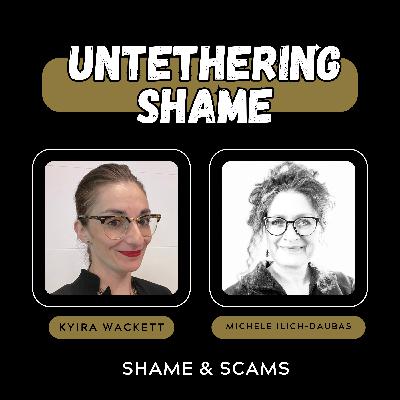
Welcome back to the second half of this crucial conversation.If you haven’t listened to Part 1 yet, I highly recommend hitting pause and going back to listen to that episode first [LINK TO PART 1 HERE]. In that first episode, we laid the foundation—defining what "pig butchering" actually is and exploring the global machinery behind these scams. You really need that context for this episode to hit home.In Part 2, Michele Ilich-Daubas and I move from awareness into application. We are breaking down exactly how people get deceived in real time, what happens in the aftermath, and—most importantly for this podcast—how shame keeps victims silent.We discuss the specific mechanics of deception, like phishing and "smishing," and how scammers rely on our brains’ natural tendency to "fill in the blanks" when we are stressed or fearful. Michele shares some truly eye-opening examples, including how law enforcement impersonation scams are specifically targeting licensed professionals like therapists and doctors. It was a humbling reminder that intelligence and education do not make us immune to fear-based tunnel vision.But we don’t just stay in the problem. We talk about the solution. We explore how to shift our language from "I fell for it" to "I was deceived," why we need to stop judging our aging parents and start empowering them, and how community connection is ultimately our strongest defense.Key TakeawaysThis episode is about compassion. It’s about slowing down. And it’s about remembering that under the right circumstances, anyone can be deceived.Deception works by hijacking fear, not logic Urgency, authority, secrecy, and intimidation shut down our critical thinking and kick our "lizard brain" into overdrive.Phishing and smishing rely on “filling in the blanks” Scams feel believable when they intersect with our real-life stressors, shame stories, or existing fears (like missing a toll, a tax payment, or fearing arrest).Professionals are actively targeted Michele reveals how therapists, doctors, and nurses are frequent targets of sophisticated law enforcement impersonation scams.Scams don’t just steal money — they steal self-trust The emotional aftermath often includes grief, isolation, and a devastating loss of independence that is harder to recover from than the financial loss.Language matters We discuss why shifting from "I fell for it" (which implies stupidity) to "I was deceived" (which acknowledges the crime) is critical for reducing shame.Silence protects scammers Talking openly about scams helps others recognize red flags before harm occurs.Prevention starts with slowing down Hanging up, verifying independently, and simply pausing when fear spikes can interrupt the cycle of deception.Grace is essential Being deceived is not a moral failure — it’s a human response to sophisticated manipulation.About Michele Ilich-DaubasMichele Ilich-Daubas is a fraud fighter, public speaker, and educator dedicated to exposing and preventing sophisticated online scams, including the devastating crime known as pig butchering. A former Meta employee turned advocate, Michele now leads public awareness efforts through her organizations Deception Code and Operation Shamrock, empowering individuals—especially older adults—to recognize, report, and recover from financial and emotional exploitation. Her work blends education, empathy, and advocacy to dismantle the shame that keeps victims silent and to shine a light on how scammers manipulate trust and connection to deceive even the most vigilant among us.Connect with MicheleWebsite: http://www.deceptioncode.com/LinkedIn: https://www.linkedin.com/in/milichdaubas/Organization: http://www.operationshamrock.org/Resources MentionedPart 1 of this Interview: [LINK TO PART 1 HERE]Operation Shamrock: operationshamrock.org – A resource for survivor stories and scam prevention.

In this episode, I respond to a question from an anonymous therapist who writes:“Sometimes it’s hard not to feel like a fraud when you’re helping clients through things you’re still struggling with yourself. How do you reconcile the shame of being seen as the expert when you’re still learning?”We explore the intersection of shame, imposter syndrome, and the myth of the “fully healed helper” — and how this expectation quietly erodes connection in the therapy room. Inside this episode, we’ll talk about:Why struggling doesn’t disqualify you from helping othersHow appropriate self-disclosure can strengthen the therapeutic allianceThe power of saying “I’m still learning” without undermining your roleReframing shame as a signal of integrity, not inadequacyIf you’ve ever felt pressure to perform competence rather than embody presence, this episode will help you reconnect with what actually makes therapy effective: honesty, reflection, and humanity.📝 Want to submit a question for a future episode?Nothing is off-limits (well, almost nothing).Submit your question anonymously or with your name — whatever feels safest for you.👉 https://forms.gle/1uYJ87Y2Vag6KYCeA💬 If this episode spoke to you, drop a comment and share what it stirred up — especially if you’re a therapist navigating your own learning edges.Ready to take the next step?Download the FREE handout, “5 Things Shame Resilient People Do Every Day” to begin building trust with yourself, not just your role.Book a free 25-minute discovery call to explore coaching or program support that honors both your humanity and your profession.Stay Connected:Subscribe on Spotify or Apple PodcastsWatch on YouTubeVisit www.adversityrising.com💬 You don’t have to be finished to be trustworthy.
In Part 1 of this two-part conversation, Kyira sits down with Michele Ilich-Daubas, a former senior legal analyst at Meta and scam-prevention advocate, to unpack the psychology behind modern scams — particularly “pig butchering,” a highly sophisticated form of financial and emotional exploitation.Rather than framing scams as random or obvious, this episode reveals how they are long-term psychological operations built on connection, trust, urgency, and fear. Michele explains how global crime syndicates operate, how trafficked individuals are often forced to carry out these scams, and why COVID-era isolation and digital dependence dramatically increased vulnerability.Together, they challenge a dangerous myth: that scams only happen to the “naive” or “elderly.” Instead, listeners are invited to consider a more honest and protective question: What would it take to deceive you?Key TakeawaysThis episode lays the groundwork for understanding scams through a shame-resilient, human lens — setting the stage for prevention, compassion, and awareness in Part 2.Scams are psychological, not intellectual failures Victims are masterfully deceived using fear, urgency, secrecy, and intimacy.Pig butchering is a long con These scams often unfold over weeks or months through fake friendships or romantic connections (a term derived from the concept of "fattening a pig before the kill").Anyone can be targeted Victims include professionals, therapists, and financially literate individuals — not just older adults.Isolation increases susceptibility COVID, social fragmentation, and loneliness created ideal conditions for exploitation.Your biggest vulnerability is tied to what you value most Children, safety, belonging, money, or being chosen are common entry points.Shame keeps people silent — and silence protects scammers Shifting language from “falling for a scam” to “being deceived” is critical for prevention.Prevention starts with slowing down Pausing, questioning urgency, and verifying through trusted channels can interrupt manipulation.About Michele Ilich-DaubasMichele Ilich-Daubas is a fraud fighter, public speaker, and educator dedicated to exposing and preventing sophisticated online scams, including the devastating crime known as pig butchering. A former Meta employee turned advocate, Michele now leads public awareness efforts through her organizations Deception Code and Operation Shamrock, empowering individuals—especially older adults—to recognize, report, and recover from financial and emotional exploitation. Her work blends education, empathy, and advocacy to dismantle the shame that keeps victims silent and to shine a light on how scammers manipulate trust and connection to deceive even the most vigilant among us.Connect with michelleWebsite: https://www.deceptioncode.com/LinkedIn:https://www.linkedin.com/in/milichdaubas/Organization: https://www.operationshamrock.org/Operation Shamrock: operationshamrock.org – A resource for survivor stories and scam prevention.Get Connected.★ Subscribe to my YouTube channel★ Sign up for my email list: https://adversityrising.com/email-list★ Listen to my Podcast: https://open.spotify.com/show/2AouludJr7EweOkMIN9s42?si=d8cdfcb925ce4c9c Take the Next Step.★ Download the FREE handout, "5 Things Shame Resilient People do Every Day" and start making those daily shifts to break that shame cycle that's keeping you stuck in that negative headspace. www.adversityrising.com/become-shame-resilient ★ Book a free 25-minute discovery call to discuss different program options and find the support best fits your needs. https://calendly.com/adversityrising/discovery-call★ Are you a people pleaser? Ruminator? Over-extender? Sign up for the next round of Liberated Living and implement the radical 3 practice — Radical Acceptance, Radical Responsibility & Radical Authorship: https://adversityrising.com/liberated-living
In this episode, I respond to a question from an anonymous listener who writes:“I always say yes to requests from my friends, family, and coworkers — even when I really don’t want to or don’t have the capacity. Then I end up resentful, tired, or feeling like I’m the bad friend or partner for refusing. How do I actually learn to say no without drowning in guilt?”We explore the tension between compassion and people-pleasing — and why guilt often shows up the moment we try to take care of ourselves. Inside this episode, we’ll talk about:Why guilt doesn’t always mean you’ve done something wrongHow shame and fear of rejection keep you stuck in over-givingWhat it really means to say “no” from self-respect instead of self-protectionHow to start unlearning the belief that saying no makes you a bad personIf you’ve ever felt the weight of guilt after setting a boundary, this episode is your permission slip to honor your limits without apology.📝 Want to submit a question for a future episode?Nothing is off-limits (well, almost nothing).Submit your question anonymously or with your name — whatever feels safest for you.👉 https://forms.gle/1uYJ87Y2Vag6KYCeA💬 If this episode spoke to you, drop a comment and share your biggest takeaway or reflection — I’d love to hear what came up for you.Ready to take the next step?Download the FREE handout, “5 Things Shame Resilient People Do Every Day” to start grounding yourself in boundaries and self-trust.Book a free 25-minute discovery call to explore coaching or program options that meet you where you are.Stay Connected:Subscribe on Spotify or Apple, and leave a review to share your thoughts.YouTubeWebsite💭 Guilt is just a sign that you’re breaking an old pattern — not that you’re doing something wrong.#AskMeAnything #Boundaries #SayingNo #ShameResilience #AdversityRising

In this episode of Untethering Shame, I am joined by Jessica Fern, a therapist, educator, and the internationally recognized author of Polysecure, Polywise, and her newest book, Transforming the Shame Triangle.Together, we explore the Shame Triangle: the internal loop that occurs between the inner critic, the shame part, and the inner escaper. Jessica explains how we internalize the "drama triangle" of persecutor, victim, and rescuer, turning them into internal parts that drive self-criticism and disconnection.We discuss the origins of shame in our early needs for belonging and why our coping strategies often act like "expired milk": methods that were once adaptive and nourishing but have become toxic over time. This conversation offers a framework for moving from the Shame Triangle to the Self-Love Triangle, transforming the inner critic into an inner coach.Key TakeawaysThe Shame Triangle Defined: The internal dynamic consisting of the inner critic (the bully), the shame part (the victim), and the escaper (the rescuer).Escaper Behaviors: How we use over-functioning, perfectionism, under-functioning, or aggression to mute the inner critic.Expired Strategies: Understanding that our protective parts have good intentions but use distorted methods that no longer serve us as adults.From Critic to Coach: The process of the Self-Love Triangle involves updating our internal parts and teaching the inner critic to encourage rather than attack.Navigating Relationships: How healing our internal shame often requires shifting dynamics with parents, partners, or friends who may still be stuck in their own triangles.Radical Acceptance: The goal is not to eliminate shame entirely but to change the story we tell ourselves about it.About Jessica Fern: Jessica Fern holds a Master’s degree in Conflict Resolution, is a Certified Clinical Trauma Professional, a trained Internal Family Systems (IFS) practitioner, and an integrative therapist drawing on 25 years of experience in somatic, narrative, psychotherapeutic, and spiritual healing modalities. She is the author of Polysecure: Attachment, Trauma, and Nonmonogamy, The Polysecure Workbook, and Polywise: A Deeper Dive Into Navigating Open Relationships. Through her international private practice, Jessica works with individuals, couples, and multi-partner relationships to break free from reactive patterns, cultural conditioning, insecure attachment, and past trauma.Website: https://www.jessicafern.comRestorative Relationships: https://www.restorativerelationship.com/Instagram: https://www.instagram.com/jessicafern411/?hl=enGet Connected.Subscribe to my YouTube channelSign up for my email list: https://adversityrising.com/email-listListen to my Podcast: https://open.spotify.com/show/2AouludJr7EweOkMIN9s42?si=d8cdfcb925ce4c9c Take the Next Step.★ Download the FREE handout, "5 Things Shame Resilient People do Every Day" and start making those daily shifts to break that shame cycle that's keeping you stuck in that negative headspace. https:/www.adversityrising.com/become-shame-resilient ★ Book a free 25-minute discovery call to discuss different program options and find the support best fits your needs. https://calendly.com/adversityrising/discovery-call★ Are you a people pleaser? Ruminator? Over-extender? Sign up for the next round of Liberated Living and implement the radical 3 practice — Radical Acceptance, Radical Responsibility & Radical Authorship: https://adversityrising.com/liberated-living
In this episode, I respond to a question from an anonymous listener who writes:“I keep ending up with emotionally unavailable people. I want to believe I’ve learned, but part of me feels like I’ll just make the same mistake again. How do I rebuild trust in myself?”We explore the intersection of shame, self-trust, and growth — and how our fear of repeating mistakes often hides our progress. Inside this episode, we’ll talk about:Why shame turns reflection into self-blameHow hindsight can actually be evidence of healingThe difference between “I can’t trust myself” and “I’m learning to listen to myself”Tangible ways to rebuild trust through self-awareness and aligned actionIf you’ve ever doubted yourself after heartbreak or repeated patterns, this episode will help you understand what self-trust really means — and how to rebuild it through compassion, not perfection.📝 Want to submit a question for a future episode?Nothing is off-limits (well, almost nothing).Submit your question anonymously or with your name — whatever feels safest for you.👉 https://forms.gle/1uYJ87Y2Vag6KYCeA💬 If this episode spoke to you, drop a comment and share your biggest takeaway or reflection — I’d love to hear what came up for you.Ready to take the next step?Download the FREE handout, “5 Things Shame Resilient People Do Every Day” to start building a relationship with yourself rooted in trust, not comparison.Book a free 25-minute discovery call to explore coaching or program options that meet you where you are.Stay Connected:Subscribe on Spotify or Apple, and leave a review to share your thoughts.YouTubeWebsite💬 You are not your content. Your worth exists offline too.#AskMeAnything #SelfTrust #Relationships #ShameResilience #AdversityRising
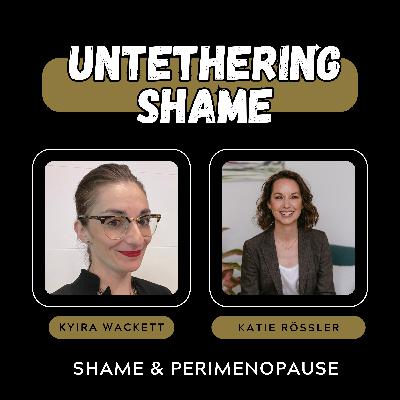
Do you feel a sense of silent shame around aging or the changes happening in your body? In this episode, I sit down with relationship strategist Katie Rössler to discuss the often unspoken shame surrounding perimenopause.We explore how cultural perceptions of aging impact our identity and relationships, and why open communication is so critical during these transitions. We discuss the concept of "decision fatigue" and how it affects intimacy, the importance of maintaining curiosity, and why personal growth is 50% of a successful long-term relationship. This conversation provides tools to help you foster deeper connections and understanding during this significant life phase.Key Takeaways:How Katie helps couples navigate perimenopause and its emotional impacts.Why cultural perceptions of aging have shifted and created shame around growing older.How perimenopause affects identity and relationships.Why communication is essential in long-term relationships, especially during transitions.How curiosity about yourself and your partner can enhance your connection.The societal pressures women face regarding aging and desirability.Why personal growth is essential for maintaining healthy relationships (and how ignoring it can lead to "emotional divorce" or the Four Horsemen).Understanding hormonal changes, such as progesterone shifts, to help manage emotional responses and sleep issues.The importance of having open conversations about desires and needs.More about Katie:Katie Rössler is a relationship strategist, licensed therapist, and creator of the REBUILD method, a transformational relationship alignment program for high-achieving, international couples. She is the author of The Face of Grief and Who Am I Now?, host of the Relationship Reset podcast, and has spoken on stages around the world. With over 15 years of clinical and coaching experience, Katie guides couples from silent resentment to deep reconnection and supports women in perimenopause as they evolve into the powerful, grounded leaders they are becoming.Connect with Katie:Website: katierossler.comInstagram: instagram.com/katie.rosslerFacebook: facebook.com/RelationshipResetwithKatieLinkedIn: linkedin.com/in/katierosslerVision Workbook: www.katierossler.com/vision-workbookReady to take the next step?Download the FREE handout: "5 Things Shame Resilient People Do Every Day" and start making those daily shifts to break that shame cycle that is keeping you stuck in that negative headspace.Work with me: Book a free 25-minute discovery call to discuss different program options and find the support that best fits your needs.Stay Connected:Subscribe to the podcast on Spotify or Apple Podcasts and be sure to leave a review to let us know your thoughts on this episode.YouTube: youtube.com/@adversityrisingWebsite: www.adversityrising.comIn this clip, 5 Ways Shame Is Affecting Your Daily Life, I break down how shame manifests in our everyday actions, which complements today's discussion on the silent shame of aging.
In this episode, I respond to a question from an anonymous listener who writes:“Why do I lose interest as soon as someone actually likes me or treats me well? I say I want a healthy relationship, but every time I find someone good for me, I get bored or start pulling away.”We explore the intersection of shame, safety, and desire — and how the nervous system often mistakes calm for disconnection. Inside this episode, we’ll talk about:Why we confuse intensity with intimacyHow childhood experiences shape our attraction patternsThe role of shame and control in choosing familiar painHow to retrain your brain and body to feel safe in healthy loveIf you’ve ever pulled away from someone kind and wondered why peace feels uncomfortable, this episode will help you understand the psychology behind attraction, release shame, and start building connection from curiosity instead of fear.📝 Want to submit a question for a future episode?Nothing is off-limits (well, almost nothing).Submit your question anonymously or with your name — whatever feels safest for you.👉 https://forms.gle/1uYJ87Y2Vag6KYCeA💬 If this episode spoke to you, drop a comment and share your biggest takeaway or reflection — I’d love to hear what came up for you.Ready to take the next step?Download the FREE handout, “5 Things Shame Resilient People Do Every Day” to start building a relationship with yourself rooted in trust, not comparison.Book a free 25-minute discovery call to explore coaching or program options that meet you where you are.Stay Connected:Subscribe on Spotify or Apple, and leave a review to share your thoughts.YouTubeWebsite💬 You are not your content. Your worth exists offline too.#AskMeAnything #Relationships #Attraction #ShameResilience #AdversityRising
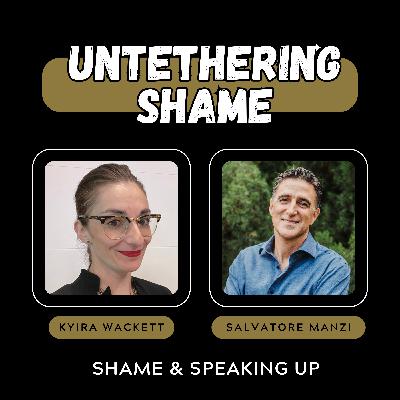
In this conversation with leadership communications coach Salvatore Manzi, we explore why so many of us struggle to use our voice — whether in meetings, relationships, friendships, or moments that matter. Together, we look at how shame, early conditioning, nervous system responses, and social dynamics shape our ability to speak up.Salvatore breaks down the myths around “quiet leaders,” shares how both over-talking and going silent are trauma-driven strategies, and offers a simple three-step communication framework that helps us move from reacting to responding. This episode gives listeners a compassionate look at why staying silent feels safer — and what small steps help us reclaim our voice with clarity and courage.Key TakeawaysWe learn early which voices get rewarded or dismissed, and that conditioning shapes how we use our voice as adults.Silence is often a self-protective strategy, not a personality trait.The “delay bias” punishes slower processors and makes speaking up feel riskier.Many of us fear saying the wrong thing more than saying nothing at all.Over-talking and shutting down are both trauma-driven adaptations to shame.Salvatore’s framework — Clarify → Validate → Respond — helps shift us from reacting to responding.“Does it need to be said by me?” is a powerful filter that disrupts automatic people-pleasing or over-functioning.“Not about me” is a grounding mantra that reframes others’ reactions and reduces shame.Speaking before it feels comfortable builds the muscle of using your voice.Identifying five leaders you admire helps you recognize and grow the traits you want to embody.More about Salvatore:Salvatore Manzi is a leadership communications coach with over 20 years of experience helping executives, entrepreneurs, and leaders amplify their influence and impact. Salvatore has coached leaders presenting at the United Nations, guided investors in raising $100million over their goal, and helped biopharma scientists present their work globally. With emphasis on frameworks, principles, and techniques, Salvatore empowers leaders to connect authentically and navigate high-stakes conversations with confidence. He’s passionate about fostering collaborative team environments through effective communication.Connect with Salvatore:WebsiteLinkedInReady to take the next step?Download the FREE handout, "5 Things Shame Resilient People Do Every Day" and start making those daily shifts to break that shame cycle that's keeping you stuck in that negative headspace.Book a free 25-minute discovery call to discuss different program options and find the support best fits your needs.Stay Connected:Subscribe to the podcast on Spotify or Apple Podcasts and be sure to leave a review to let us know your thoughts on this episode.YouTubeWebsite
In this episode, I respond to a question from an anonymous listener who writes:“I’m trying to be better about setting boundaries in relationships, but sometimes I feel like I’m just being controlling. How do I know the difference?”We explore the intersection of shame, fear, and self-trust — and how the tension between control and boundaries often reveals our deepest fears about being too much or not enough. Inside this episode, we’ll talk about:The difference between boundaries that protect and control that restrictsHow shame can make healthy self-protection feel selfish or wrongWhat to ask yourself when you’re unsure if you’re setting a boundary or managing someone else’s behaviorPractical ways to hold limits with compassion instead of guiltIf you’ve ever second-guessed yourself after setting a boundary — or worried that self-protection might make you unlovable — this episode will help you separate care from control and start building boundaries that honor your needs and your relationships.📝 Want to submit a question for a future episode?Nothing is off-limits (well, almost nothing).Submit your question anonymously or with your name — whatever feels safest for you.👉 https://forms.gle/1uYJ87Y2Vag6KYCeA💬 If this episode spoke to you, drop a comment and share your biggest takeaway or reflection — I’d love to hear what came up for you.Ready to take the next step?Download the FREE handout, “5 Things Shame Resilient People Do Every Day” to start building a relationship with yourself rooted in trust, not comparison.Book a free 25-minute discovery call to explore coaching or program options that meet you where you are.Stay Connected:Subscribe on Spotify or Apple, and leave a review to share your thoughts.YouTubeWebsite💬 You are not your content. Your worth exists offline too.#AskMeAnything #Boundaries #Control #ShameResilience #AdversityRising
In this episode, I respond to a question from an anonymous listener who writes:“I’m always trying to do more on social media — post more, show up more, engage more — because I feel like if I don’t, I’ll lose relevance or connection. But it’s exhausting. And every time I try to take a break, I feel anxious and invisible. How can I build a healthier relationship with social media that doesn’t make my worth depend on how much I do?”We explore the intersection of shame, validation, and visibility — and how social media often mirrors our deepest insecurities about being enough. Inside this episode, we’ll talk about:Why social media can activate shame and scarcity cyclesHow visibility can become a substitute for belongingWhat it means to create and connect from authenticity rather than anxietyPractical ways to untether your self-worth from likes, followers, and feedbackIf you’ve ever felt like your peace depends on your online performance, this episode will help you find freedom from the constant pressure to prove yourself.📝 Want to submit a question for a future episode?Nothing is off-limits (well, almost nothing).Submit your question anonymously or with your name — whatever feels safest for you.👉 https://forms.gle/1uYJ87Y2Vag6KYCeA💬 If this episode spoke to you, drop a comment and share your biggest takeaway or reflection — I’d love to hear what came up for you.Ready to take the next step?Download the FREE handout, “5 Things Shame Resilient People Do Every Day” to start building a relationship with yourself rooted in trust, not comparison.Book a free 25-minute discovery call to explore coaching or program options that meet you where you are.Stay Connected:Subscribe on Spotify or Apple, and leave a review to share your thoughts.YouTubeWebsite💬 You are not your content. Your worth exists offline too.#AskMeAnything #SocialMedia #SelfWorth #ShameResilience #AdversityRising

Money is one of the most common sources of conflict in relationships — and also one of the least understood. What starts as a disagreement about spending, saving, or financial priorities often turns into defensiveness, distance, and unresolved resentment.In this episode of Untethering Shame, I’m joined by Jordan Pendleton, a former financial advisor turned Money Conversation Coach for couples, to unpack what’s really happening underneath money fights — and why these conversations feel so charged, emotional, and hard to navigate.Jordan brings both professional expertise and lived experience into this conversation, helping couples understand how money becomes entangled with shame, fear, control, and emotional safety. Together, we explore how money arguments are rarely about the numbers — and how learning to turn toward each other instead of away can change everything.In this episode, we explore:Why money activates shame, fear, and power dynamics in relationshipsHow recurring money arguments signal deeper emotional needs and unmet safetyThe ways couples unknowingly turn away from each other during financial stressWhat it looks like to rebuild trust and connection around money conversationsHow shifting how you talk about money can reduce conflict and re-ignite intimacyIf you’ve ever felt stuck in the same money arguments… avoided conversations altogether… or wondered why finances feel so emotionally loaded in your relationship, this episode offers clarity, compassion, and a new way forward.💬 About Jordan PendletonJordan Pendleton is a former financial advisor turned Money Conversation Coach for couples. She works with partners who find themselves arguing about money — helping them move out of shame, blame, and silence and into honest, connected conversations.Rooted in her own experiences navigating money and marriage, Jordan is passionate about helping couples stop turning away from one another during conflict and instead learn how to face challenges together. Her work focuses on restoring emotional safety, improving communication, and helping couples reconnect — not just financially, but relationally.Connect with Jordan:WebsiteInstagramReady to take the next step?Download the FREE handout, "5 Things Shame Resilient People Do Every Day" and start making those daily shifts to break that shame cycle that's keeping you stuck in that negative headspace.Book a free 25-minute discovery call to discuss different program options and find the support best fits your needs.Stay Connected:Subscribe to the podcast on Spotify or Apple Podcasts and be sure to leave a review to let us know your thoughts on this episode.YouTubeWebsite

In this episode, I respond to a question from an anonymous listener who writes:“Kyira, I’m struggling with Christmas this year. Money is tight, and I know I won’t be able to give my kids the big gifts that their friends at school will likely get. I want them to feel the magic of Santa without feeling ‘less than’ when they hear what other kids got. How do I keep Christmas joyful and special without unintentionally feeding into comparison or the idea that Santa loves some kids more than others?”We explore the intersection of shame, validation, and visibility — and how Santa culture often mirrors deeper insecurities around worth, access, and belonging. Inside this episode, we’ll talk about:Why “Santa inequality” impacts kids more than we thinkHow to protect the magic without reinforcing comparisonWhat to do when kids notice what other kids receivedHow parents can shift traditions in a grounded, shame-resilient wayIf you’ve ever felt the pressure to create a “perfect Christmas,” worried you’re not doing enough, or wondered how to keep holiday magic alive on a tight budget, this episode will help you re-anchor the season in connection, not comparison—and release the shame that so easily finds its way into parenting this time of year.📝 Want to submit a question for a future episode?Nothing is off-limits (well, almost nothing).Submit your question anonymously or with your name — whatever feels safest:👉 https://forms.gle/1uYJ87Y2Vag6KYCeA💬 If this episode spoke to you, drop a comment and share your biggest takeaway or reflection — I’d love to hear what came up for you.Ready to take the next step?Download the FREE handout:“5 Things Shame Resilient People Do Every Day”http://www.adversityrising.com/become-shame-resilientBook a free 25-minute discovery call to explore coaching or program options:https://calendly.com/adversityrising/discovery-callStay ConnectedSubscribe on Spotify or Apple Podcasts — and leave a review to share your thoughtsYouTube: https://www.youtube.com/@adversityrisingWebsite: https://www.adversityrising.com/💬 You are not your content. Your worth exists offline too.#AskMeAnything #ShameResilience #AdversityRising
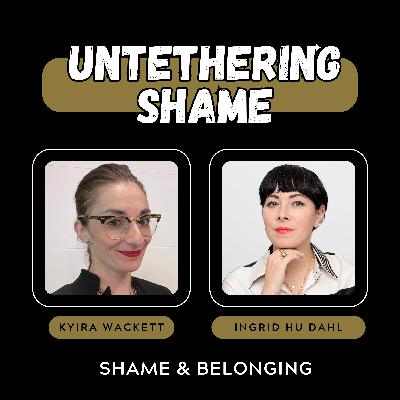
In this conversation, Kyira Wackett and Ingrid Hu Dahl explore themes of identity, resilience, and the complexities of family dynamics. They discuss the importance of community, the journey of self-discovery, and the power of empathy in relationships. Ingrid shares her experiences of growing up mixed-race, navigating societal expectations, and the impact of her mother's influence on her life. The conversation emphasizes the significance of understanding and healing, both personally and collectively, as well as the importance of empowering young voices through shared experiences.TakeawaysNavigating personal challenges can be a privilege.Root systems in trees symbolize resilience and stability.Community plays a crucial role in healing and growth.Experiencing otherness can lead to a deeper understanding of identity.Empowering young voices is essential for future generations.Family dynamics can be complex and require open communication.Resilience is built through creative expression and connection.Empathy is vital for understanding others' experiences.Personal growth often involves challenging societal expectations.Healing is a journey that requires curiosity and openness.More about Ingrid:Ingrid Hu Dahl is an author, speaker, and leadership coach. She is the founder of a coaching and consulting business dedicated to empowering the next generation of leaders. With over two decades of experience in learning and development, she brings her expertise to a wide range of industries, from corporate and media to nonprofit and social justice organizations. A TEDx speaker and a founding member of the Willie Mae Rock Camp in Brooklyn, Ingrid has a lifelong passion for amplifying underrepresented voices. She has written, filmed, and directed two short films exploring identity, representation, and the mixed-race experience. And, she has toured in multiple rock bands, playing bass, guitar, synth, drums and singing.Ingrid is certified by the International Coaching Federation and the Center for Creative Leadership. She is a global lecturer and speaker, and an advisory board member for the Institute for Women’s Leadership at Rutgers University.Connect with Ingrid:WebsiteGet her bookLinkedIn & Instagram Handles: @ingridhudahl and @sunshiningonmorningsnowReady to take the next step?Download the FREE handout, "5 Things Shame Resilient People Do Every Day" and start making those daily shifts to break that shame cycle that's keeping you stuck in that negative headspace.Book a free 25-minute discovery call to discuss different program options and find the support best fits your needs.Stay Connected:Subscribe to the podcast on Spotify or Apple Podcasts and be sure to leave a review to let us know your thoughts on this episode.YouTubeWebsite
In this episode, I respond to a question from an anonymous listener who writes:“I’ve tried setting boundaries with my mom, but it feels like no matter how clear I am, she always finds a way to push them. Whether it’s showing up unannounced, commenting on my parenting, or guilt-tripping me for saying no, I end up feeling frustrated and ashamed for even trying. How do I handle it when someone I love—especially a parent—keeps crossing my boundaries without turning it into a fight or feeling like I’m the bad guy?”We dig into the deep emotional work of setting and maintaining boundaries with loved ones — especially when old family patterns make it hard to stand firm. Inside this episode, we’ll explore:The difference between a boundary and a rule — and why you need bothHow guilt and shame show up when you start protecting your peaceWhy your mom’s reaction isn’t proof that your boundary is wrongHow to shift from frustration to self-respect through consistent follow-throughIf you’ve ever felt guilty for setting limits with someone you love, this episode will help you reclaim your voice and your calm.📝 Want to submit a question for a future episode?Nothing is off-limits (well, almost nothing).Submit your question anonymously or with your name — whatever feels safest for you.👉 https://forms.gle/1uYJ87Y2Vag6KYCeA💬 If this episode spoke to you, drop a comment and share your biggest takeaway or reflection — I’d love to hear what came up for you.Ready to take the next step?Download the FREE handout, “5 Things Shame Resilient People Do Every Day” to start grounding yourself in self-trust and clear communication.Book a free 25-minute discovery call to explore coaching or program options that meet you where you are.Stay Connected:Subscribe on Spotify or Apple, and leave a review to share your thoughts.YouTubeWebsite🪞 Boundaries aren’t about control — they’re about clarity. And clarity is the foundation of peace.#AskMeAnything #Boundaries #FamilyDynamics #ShameResilience #AdversityRising
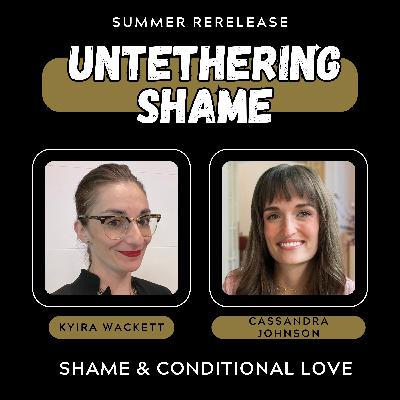
In this deeply honest and emotionally rich conversation, Kyira and returning guest Cassandra Johnson explore the intergenerational patterns that shape how we love, communicate, perform, protect ourselves, and experience shame.Together, they unpack how childhood conditioning — from emotional dismissal to unpredictability to inappropriate responsibility — wires us for compliance, self-blame, perfectionism, and fear of abandonment. Cassandra shares powerful stories from her own life, including formative experiences with parental volatility, childhood silencing, and sexual trauma, and how those shaped her patterns in adulthood — from people-pleasing to relationship dynamics to emotional over-functioning.The episode moves from insight to application, offering listeners a grounded look at what this work actually requires: emotional honesty, habit-level rewiring, rupture and repair, self-reflection, and the courage to let relationships go when they cannot meet you in the work.This is an invitation into clarity, self-trust, sovereignty, and the kind of healing that strengthens both identity and connection.We explore:Why change is never a five-step checklist and why emotional work requires depth, nuance, and timeHow childhood systems of compliance and conditional love show up in adulthood — in relationships, conflict, boundaries, and self-worthThe generational norms that taught us emotions don’t matter and how that creates long-term disconnection from selfCassandra’s powerful personal stories of emotional dismissal, unpredictability, fear conditioning, and trauma — and how those shaped her sense of selfThe dangerous belief that “I’m fine” and why unprocessed experiences always show up in relationships, parenting, and communicationWhy rupture and repair are essential for true safety — and why avoiding conflict keeps us stuckHow perfectionism and self-criticism are rooted in shame, fear, and inadequate models of emotional supportThe work of learning partners’ emotional languages, including the difference between intention and impactWhy some relationships must end for healing to continue — and how space can be an act of repairHow to begin this work: recognition, pattern awareness, honesty, nervous system cues, and small steps of aligned communicationAbout Cassandra JohnsonCassandra is a strategist, storyteller, and founder of CM Brand Studios, where she supports clients in aligning their messaging, identity, and voice with who they truly are. Through a blend of intuition, lived experience, strategic thinking, and emotional insight, she helps people create lives, relationships, and expressions that feel honest, grounded, and deeply aligned with their values.She brings a unique lens to this work — informed by generational trauma, self-reclamation, and the ongoing practice of rewriting her own story with intention and truth.Connect with Cassandra🔗 Website📱 InstagramReady to take the next step?Join the Boundaries & Brave Email ChallengeSubmit a Question for the PodcastDownload the FREE handout, "5 Things Shame Resilient People Do Every Day" and start making those daily shifts to break that shame cycle that's keeping you stuck in that negative headspace.Book a free 25-minute discovery call to discuss different program options and find the support best fits your needs.Stay Connected:Subscribe to the podcast on Spotify or Apple Podcasts and be sure to leave a review to let us know your thoughts on this episode.YouTubeWebsite
In this episode, I respond to a question from an anonymous listener who writes:“Lately I wake up with this constant feeling of anxiety about the world — politics, climate, conflict, everything. I want to stay informed, but it’s getting harder to not spiral or feel hopeless. How can I stay engaged without being consumed by everything that’s happening?”Together, we unpack what it means to stay grounded in a time when the world feels unpredictable and heavy. Inside this episode, we’ll explore:How constant exposure to crisis keeps our nervous system in overdriveThe role shame plays in keeping us over-informed and under-resourcedWhat radical acceptance looks like when we can’t control the outcomeHow to care deeply without burning out completelyIf you’ve been feeling the weight of the world and struggling to find balance between awareness and peace, this episode is for you.📝 Want to submit a question for a future episode?Nothing is off-limits (well, almost nothing).Submit your question anonymously or with your name — whatever feels safest for you.👉 https://forms.gle/1uYJ87Y2Vag6KYCeA💬 If this episode spoke to you, drop a comment and share your biggest takeaway or reflection — I’d love to hear what came up for you.Ready to take the next step?Download the FREE handout, “5 Things Shame Resilient People Do Every Day” to start grounding yourself in self-trust, even when the world feels chaotic.Book a free 25-minute discovery call to explore coaching or program options that meet you where you are.Stay Connected:Subscribe on Spotify or Apple, and leave a review to share your thoughts.YouTubeWebsite🌿 Awareness without rest becomes overwhelm — let groundedness be your quiet form of resistance.#AskMeAnything #ShameResilience #RadicalAcceptance #GroundedLiving #AdversityRising

In this episode, I respond to a question from an anonymous listener who writes:“I feel like I show up in my relationship — I share, I ask, I try to connect — but my partner often doesn’t really see me or respond the way I hope. Over time, I’m left wondering if it’s me. Should I just accept that this is how they are, or how do I stop feeling invisible and start grounding myself in my own worth?”We explore what it means to feel unseen in relationships — and how to find your center again when connection feels one-sided. Inside this episode, we’ll talk about:How shame and attachment patterns fuel the feeling of invisibilityThe difference between being unseen and being unworthyWhat radical acceptance looks like when you can’t change another personHow to stay grounded in your value even when someone doesn’t mirror it backIf you’ve ever felt like you’re disappearing in your relationship, this episode will help you remember that visibility begins with self-connection.📝 Want to submit a question for a future episode?Nothing is off-limits (well, almost nothing).Submit your question anonymously or with your name — whatever feels safest for you.👉 https://forms.gle/1uYJ87Y2Vag6KYCeA💬 If this episode spoke to you, drop a comment and share your biggest takeaway or reflection — I’d love to hear what came up for you.Ready to take the next step?Download the FREE handout, “5 Things Shame Resilient People Do Every Day” to begin reconnecting with your sense of self-worth.Book a free 25-minute discovery call to explore coaching or program options that meet you where you are.Stay Connected:Subscribe on Spotify or Apple, and leave a review to share your thoughts.YouTubeWebsite💭 Being unseen doesn’t mean you’re unworthy — it’s an invitation to start seeing yourself more clearly.#AskMeAnything #Relationships #FeelingUnseen #ShameResilience #AdversityRising

Comments

Download from Google Play

Download from App Store
 United States