


Science Friday
Subscribed: 155,362Played: 4,387,772
Subscribe


© Science Friday
Description
Covering the outer reaches of space to the tiniest microbes in our bodies, Science Friday is the source for entertaining and educational stories about science, technology, and other cool stuff.
1285 Episodes
Reverse
How do we know what we know? That's where science comes in—it gives us a method for testing our ideas and getting trustworthy results. But some researchers have warned that many scientific studies can't be replicated.
To find out how deep the problem goes, the US Defense Advanced Research Projects Agency funded one of the largest analyses of social science, called the SCORE project. They checked the results of thousands of papers across economics, education, and psychology—and found that only half of them could be replicated.
Joining Host Ira Flatow to discuss the findings are Tim Errington, one of the leads on this project, and economist Abel Brodeur, who recently released the results of a separate replication study that found more encouraging results than SCORE did.
Guest:
Dr. Tim Errington is senior director of research at the Center For Open Science in Washington, D.C.
Dr. Abel Brodeur is a professor of economics at the University of Ottawa and founder of the Institute for Replication.
Transcripts for each episode are available within 1-3 days at sciencefriday.com.
Subscribe to this podcast. Plus, to stay updated on all things science, sign up for Science Friday's newsletters.
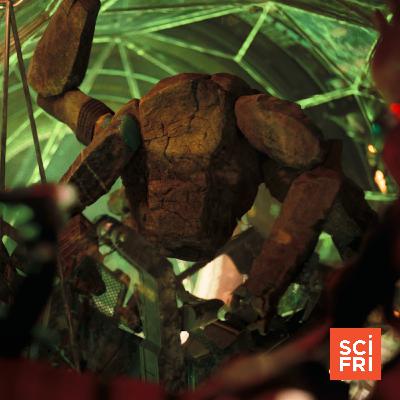
Movies may be a largely visual medium, but sound plays a huge role in setting tone, creating new worlds, and fleshing out characters. Sound designer Erik Aadahl has brought some of Hollywood’s iconic creatures to life with sound, like the Transformers, 2014’s Godzilla, and Rocky the alien from “Project Hail Mary.” He joins Flora to talk about the science of sound design, and how he uses his background in biology to look for sounds in the animal kingdom.
Guest:
Erik Aadahl is a sound designer and editor at E² in Los Angeles, California.
Transcripts for each episode are available within 1-3 days at sciencefriday.com.
Subscribe to this podcast. Plus, to stay updated on all things science, sign up for Science Friday's newsletters.
 1
1GLP-1 drugs like Ozempic, Wegovy, and Zepbound are prescribed for weight loss, diabetes, and blood-sugar management. But as more people use them, patients are reporting a decrease in cravings for drugs and alcohol. Researchers are now investigating whether GLP-1s might be effective for treating alcohol and drug addiction.
How much do we know? What are the risks? And do these drugs tell us anything new about the biology of addiction?
Host Flora Lichtman talks with neuroscientist Joseph Schacht, who is conducting a clinical trial on GLP-1s and alcohol use; and Sarah Carstens, addictions clinical director of Outpatient Services at Penn Medicine’s Princeton House Behavioral Health.
Guests:
Dr. Joseph Schacht is the co-director of the Division of Addiction Science, Prevention, and Treatment at the University of Colorado Anschutz School of Medicine.
Sarah Carstens is the addictions clinical director of Outpatient Services at Penn Medicine’s Princeton House Behavioral Health.
Transcripts for each episode are available within 1-3 days at sciencefriday.com.
Subscribe to this podcast. Plus, to stay updated on all things science, sign up for Science Friday's newsletters.
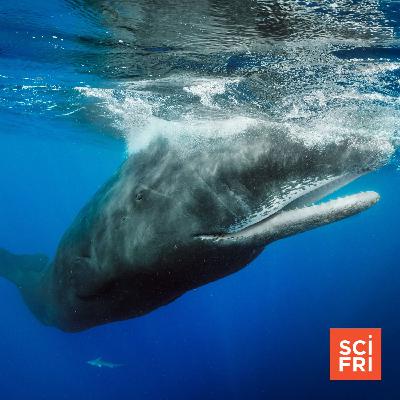
Scientists recently published the first footage of a sperm whale birth, and it was a crowded ordeal. More than 10 other sperm whales were there for the delivery and helped keep the baby whale afloat—and not all of them were related to mom. How much do we actually understand whale culture? And how should we think about altruism in the animal kingdom?
Host Flora Lichtman chats with whale biologist Shane Gero about what it was like to witness this birth and what it tells us about whale culture.
Guest:
Dr. Shane Gero is a whale biologist at Carleton University, founder of The Dominica Sperm Whale Project, and biology lead for Project CETI. He’s based in Ottawa, Canada.
Transcripts for each episode are available within 1-3 days at sciencefriday.com.
Subscribe to this podcast. Plus, to stay updated on all things science, sign up for Science Friday's newsletters.

Last year, Chinese carmaker BYD sold millions of electric vehicles, overtaking Tesla to become the world’s biggest seller of EV cars. And BYD cars weren’t just for the Chinese market. They went to Europe, Asia, and Mexico, and may soon be available in Canada. But thanks to tariffs and regulations, BYDs are not available to U.S. buyers.
China policy expert Kyle Chan joins Host Ira Flatow for a look at the growing EV market worldwide, and how the U.S. seems to be putting the brakes on battery-powered cars.
Guest:
Kyle Chan is an expert on Chinese technology and industrial policy.
Transcripts for each episode are available within 1-3 days at sciencefriday.com.
Subscribe to this podcast. Plus, to stay updated on all things science, sign up for Science Friday's newsletters.
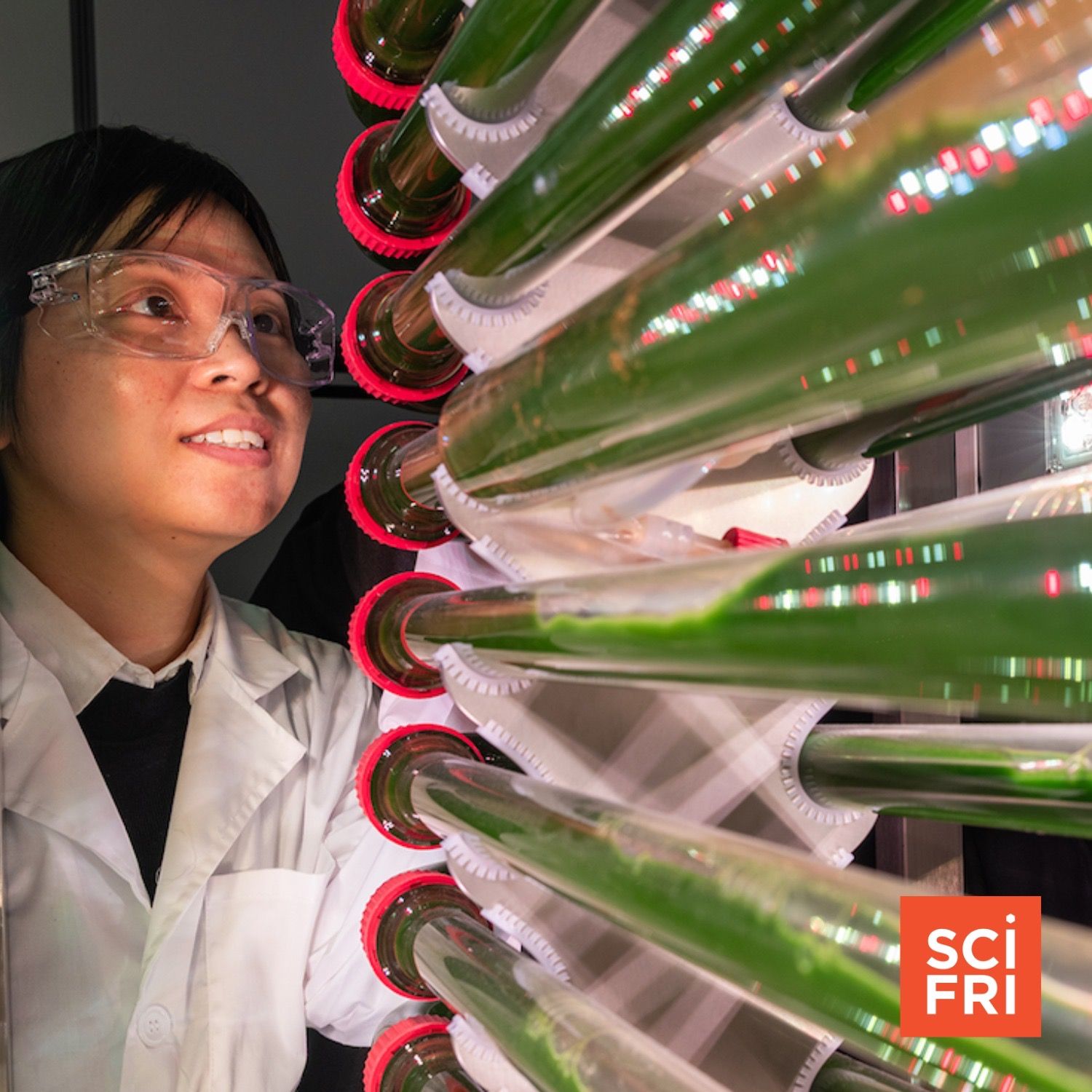
Microplastics and nanoplastics have been found just about everywhere: in our soil, our bodies, and our water. Recent research involving bioengineered algae has had success in capturing and removing microplastics from water.
Environmental reporter Kate Grumke joins Producer Kathleen Davis to talk about the latest approaches to addressing microplastics, and researcher Susie Dai discusses her work using algae to pull them out of wastewater.
Guests:
Dr. Susie Dai is a professor of chemical and environmental engineering at the University of Missouri.
Kate Grumke is a senior environmental reporter for St. Louis Public Radio.
Transcripts for each episode are available within 1-3 days at sciencefriday.com.
Subscribe to this podcast. Plus, to stay updated on all things science, sign up for Science Friday's newsletters.
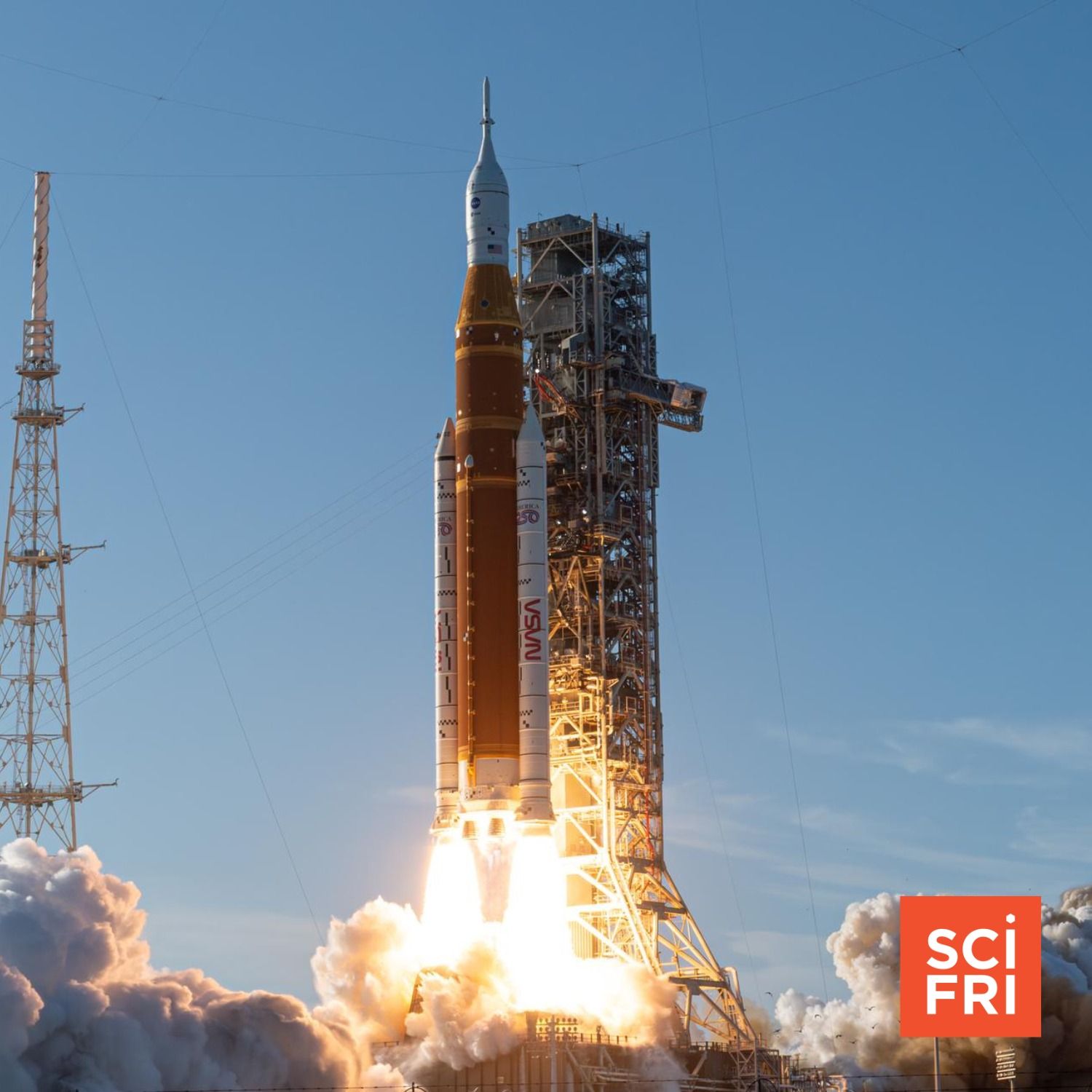
On Wednesday, NASA’s Artemis II mission launched, kicking off on a roughly 10-day trip that will carry four astronauts around the moon and back to Earth. The flight is another test of the Space Launch System rocket and the Orion capsule that are intended to be used for an eventual crewed lunar landing.
Space reporter Brendan Byrne joins Producer Kathleen Davis to share his impressions of the launch and what’s ahead for the Artemis program. Then, moon book author Rebecca Boyle joins the discussion to tackle an important listener question: What if Earth didn’t have a moon?
Guests:
Brendan Byrne is the host of the “Are We There Yet?” podcast, and assistant news director for Central Florida Public Media in Orlando, Florida.
Rebecca Boyle is a science journalist and author of “Our Moon: How Earth's Celestial Companion Transformed The Planet, Guided Evolution, And Made Us Who We Are.”
Transcripts for each episode are available within 1-3 days at sciencefriday.com.
Subscribe to this podcast. Plus, to stay updated on all things science, sign up for Science Friday's newsletters.
In 2006, a vote by the International Astronomical Union determined that Pluto was no longer a planet. The decision sparked a heated public debate, and many planetary scientists disagreed with kicking Pluto out of the planet club.
Twenty years later, Pluto is back in the news: NASA administrator Jared Isaacman said he wants to make Pluto great again by declaring it… a planet again. And he’s urging President Trump to do so by executive order. Why does this Plutonian debate keep rearing its head? And does the president have the power to do that?
To answer those questions and more, Host Ira Flatow talks with planetary scientists and Pluto champions Amanda Bosh and Alan Stern.
Guests:
Dr. Amanda Bosh is the executive director of the Lowell Observatory in Arizona, where Pluto was first discovered.
Dr. Alan Stern is the vice president at the Southwest Research Institute and principal investigator of the New Horizons mission to Pluto.
Transcripts for each episode are available within 1-3 days at sciencefriday.com.
Subscribe to this podcast. Plus, to stay updated on all things science, sign up for Science Friday's newsletters.
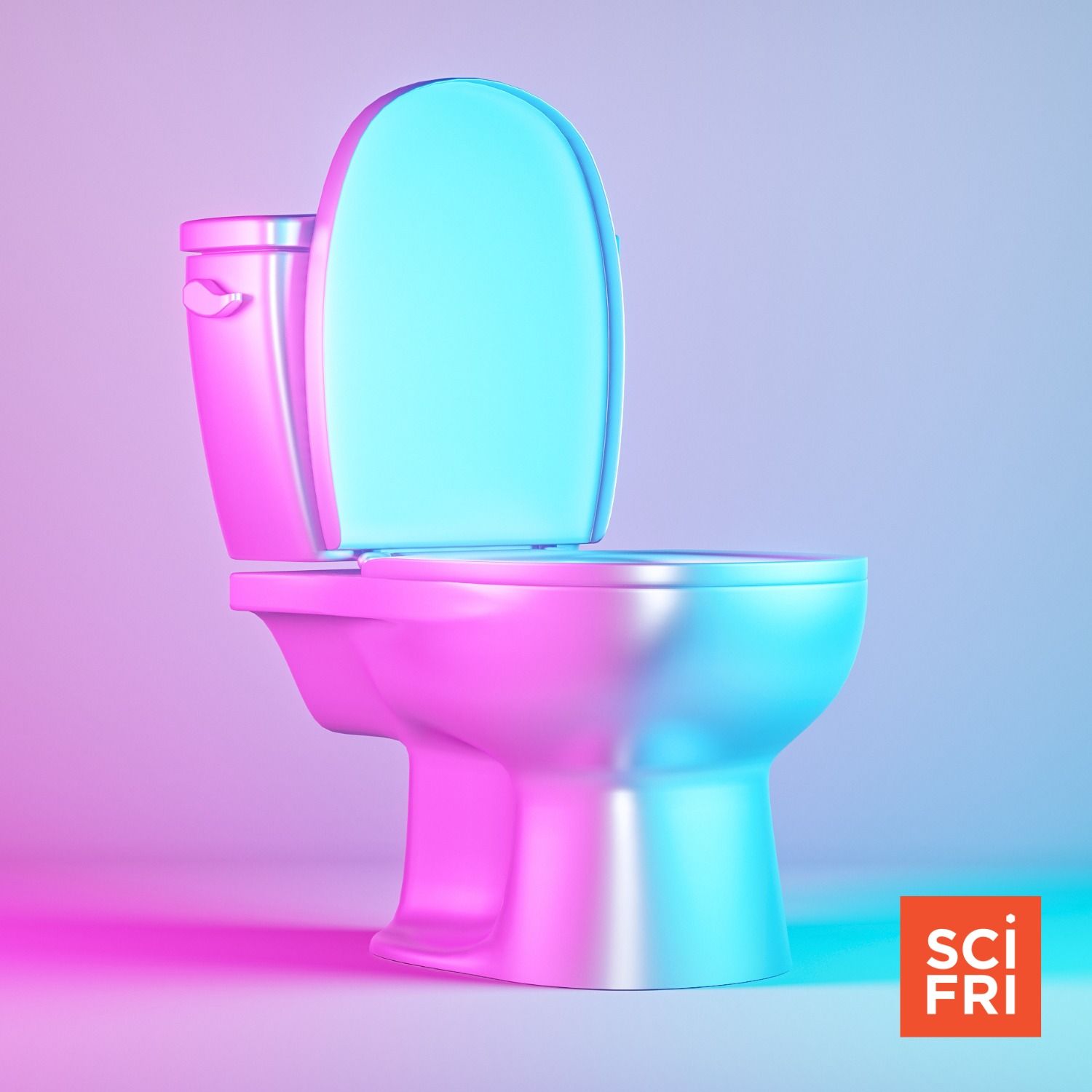
For many of us, what happens in the bathroom stays in the bathroom: According to a recent survey, 1 in 3 Americans are too embarrassed to talk about their poop or gut issues with their doctor. Gastroenterologists like Trisha Pasricha say that’s a problem, and that that stigma is getting in the way of our health and happiness.
She joins Host Flora Lichtman to share some crucial gut knowledge, and talk about her new book, “You’ve Been Pooping All Wrong.”
Read an excerpt from “You’ve Been Pooping All Wrong: How To Make Your Bowel Movements A Joy.”
Guest: Dr. Trisha Pasricha is a physician-scientist at Beth Israel Deaconess Medical Center and assistant professor of medicine at Harvard Medical School in Cambridge, MA.
Transcripts for each episode are available within 1-3 days at sciencefriday.com.
Subscribe to this podcast. Plus, to stay updated on all things science, sign up for Science Friday's newsletters.
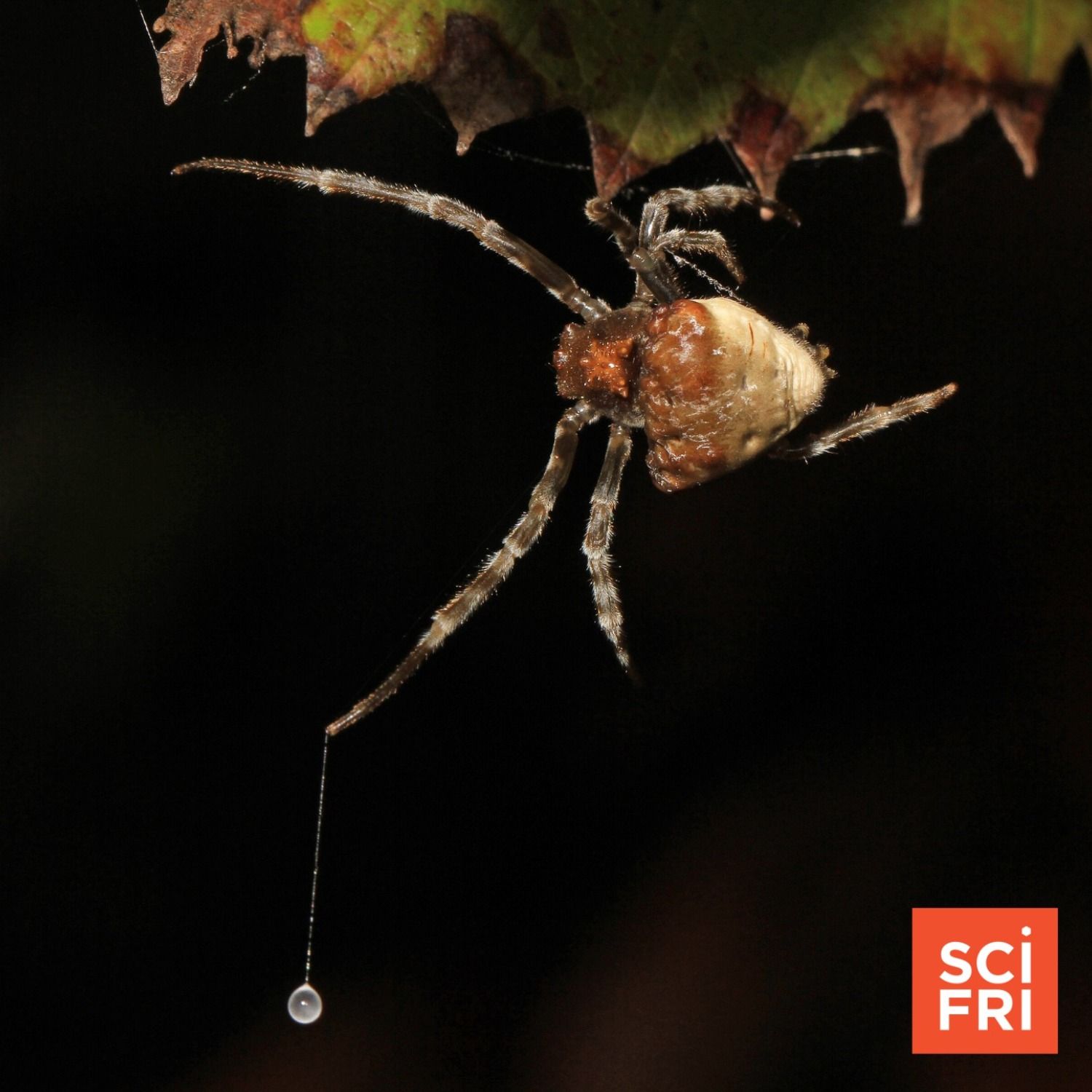
A listener recently called in asking how they might get a pair of functioning web shooters so they could operate as a local Spider-Man. While web shooters (sadly) don’t exist, we can say that the ways real spiders use silk put Peter Parker’s powers to shame. Spiders can use their sticky threads to sail through the air, capture prey larger than them, and even live underwater. And scientists trying to harness those powers.
Host Flora Lichtman chats with spider-silk aficionado Cheryl Hayashi about the wonders of silk, and Fiorenzo Omenetto shares how his engineering lab uses silk in the design of biomedical tools, like vaccines and sensors.
Guests:
Dr. Cheryl Hayashi is the senior vice president and provost of science at the American Museum of Natural History in New York City.
Dr. Fiorenzo Omenetto is a biomedical engineer and director of the Silklab at Tufts University in Massachusetts.
Transcripts for each episode are available within 1-3 days at sciencefriday.com.
Subscribe to this podcast. Plus, to stay updated on all things science, sign up for Science Friday's newsletters.
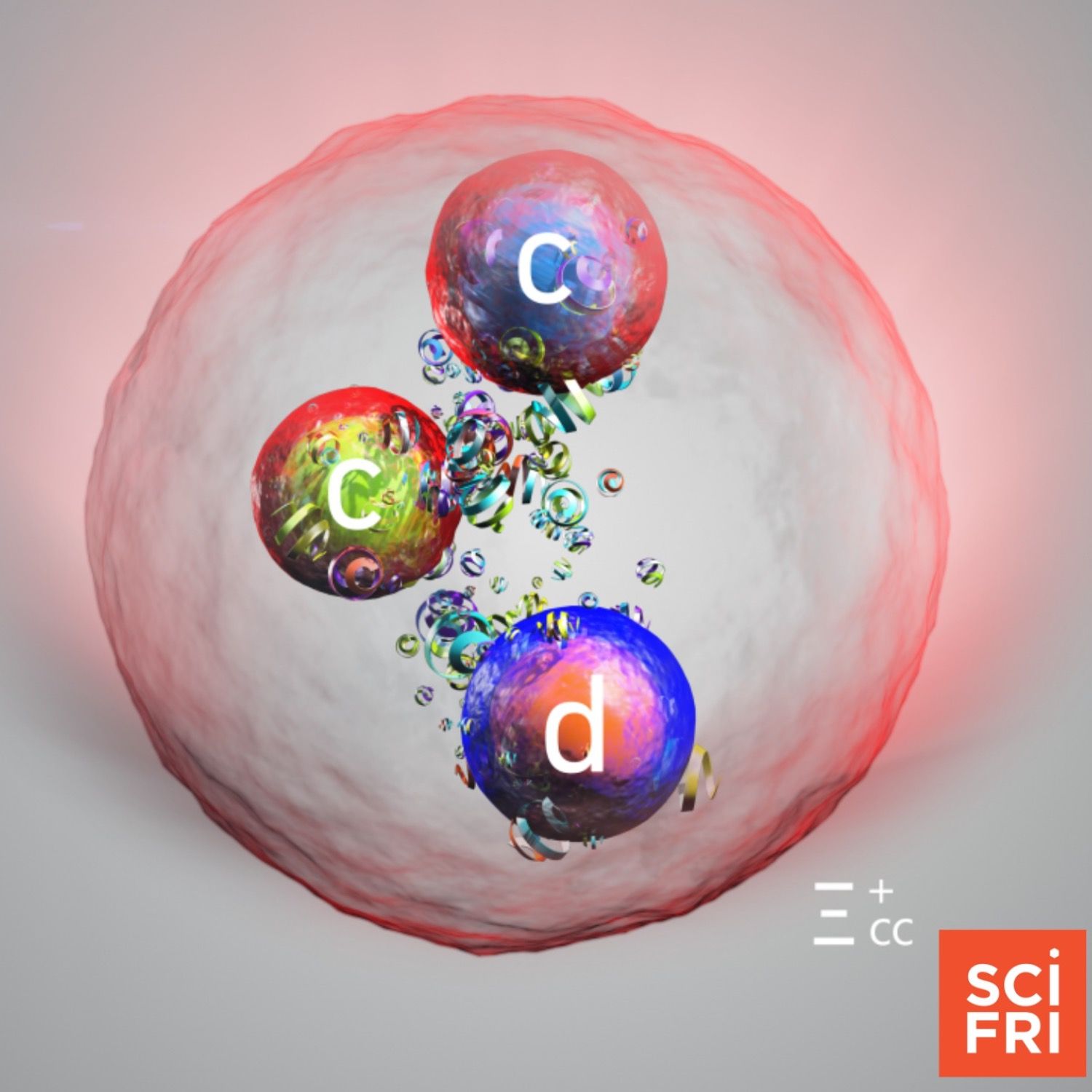
Researchers at the Large Hadron Collider in Switzerland have announced that they discovered a new subatomic particle. Roughly four times more massive than a standard proton, this short-lived piece of matter called Ξcc⁺(Xi-cc-plus) is like an extra-heavy proton, researchers say. Physicist Hassan Jawahery joins Host Flora Lichtman to unpack how the particle was found, and what its discovery means for theoretical physics.
Then, astronomer Eric Bellm describes a new alert system that could flag potentially significant changes in the southern night sky in real time. On its first night of testing at the Rubin Observatory in Chile, the system fired off 800,000 alerts.
Guests:
Dr. Hassan Jawahery is a distinguished university professor at the University of Maryland and a member of the LHCb consortium.
Dr. Eric Bellm is alert product group lead for the Rubin Observatory and a research associate professor at the University of Washington.
Transcripts for each episode are available within 1-3 days at sciencefriday.com.
Subscribe to this podcast. Plus, to stay updated on all things science, sign up for Science Friday's newsletters.

When ChatGPT first came onto the scene, it wowed users with its writing abilities, but drew laughs for generating images of seven-fingered hands and struggling with basic math, where 2+2 didn’t always equal 4. But more recently, things have changed: Google and OpenAI’s models bagged gold medals at the International Mathematical Olympiad last year, and now some experts say AI could pose an existential threat to the field of mathematics itself.
Mathematicians Emily Riehl and Daniel Litt join Host Flora Lichtman to explore how this technology could change the way math discoveries are made—and what could be lost if things go too far.
Guests:
Dr. Emily Riehl is a professor of mathematics at Johns Hopkins University in Baltimore, MD.
Dr. Daniel Litt is an associate professor of mathematics at the University of Toronto.
Transcripts for each episode are available within 1-3 days at sciencefriday.com.
Subscribe to this podcast. Plus, to stay updated on all things science, sign up for Science Friday's newsletters.
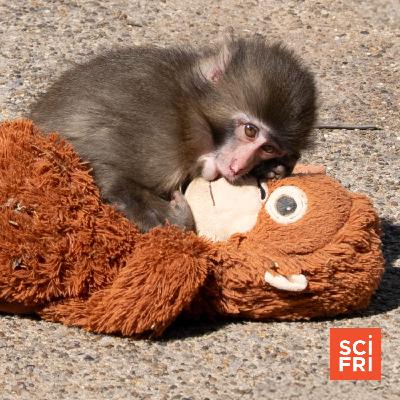
When Punch the monkey was abandoned by his mother, zookeepers gave him a surrogate and unexpected source of comfort: a stuffed animal. Videos of Punch snuggling the stuffie went viral, and, as his stardom rose, millions of us began wondering, “Is Punch OK? Does he have a girlfriend? Is he being bullied by the zoo's other macaques?” Primatologist Christine Webb joins Host Flora Lichtman to talk about the ways humans relate to our closest relatives, and whether we can—and should—map human feelings onto other primates.
Guest:
Christine Webb is an assistant professor of environmental studies at New York University. She is the author of “The Arrogant Ape: The Myth of Human Exceptionalism and Why It Matters.”
Transcripts for each episode are available within 1-3 days at sciencefriday.com.
Subscribe to this podcast. Plus, to stay updated on all things science, sign up for Science Friday's newsletters.
Bird flu has flown off the national news radar, with only scattered, local reports of dead birds in parks and poultry farms. Is it simply no longer a concern, or have cuts to federal science funding disrupted monitoring for this disease? Airborne pathogens expert Seema Lakdawala gives a flyover view on where bird flu stands today, and whether the government’s current monitoring efforts are enough to help prevent another pandemic.
Guest:
Dr. Seema Lakdawala is co-director of the Center for Transmission of Airborne Pathogens and an associate professor at Emory University in Atlanta, Georgia.
Transcripts for each episode are available within 1-3 days at sciencefriday.com.
Subscribe to this podcast. Plus, to stay updated on all things science, sign up for Science Friday's newsletters.
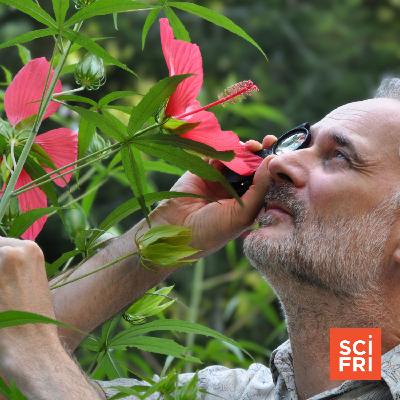
Flowers peeking up through the soil are a welcome sight after a long cold winter—and are one of the first markers of spring. Biologist David George Haskell argues that flowers aren’t just beautiful: They’re also critical to most ecosystems and the diversity of life as we know it. Flowering plants also make up a large part of human diets (rice, maize, and wheat are all flowers). And homing in on orchids, Haskell says, can help us understand the complex relationship between flowers and pollinators.
Guest:
Dr. David George Haskell is a biologist and author of: “How Flowers Made Our World: The Story of Nature’s Revolutionaries”
Transcripts for each episode are available within 1-3 days at sciencefriday.com.
Subscribe to this podcast. Plus, to stay updated on all things science, sign up for Science Friday's newsletters.
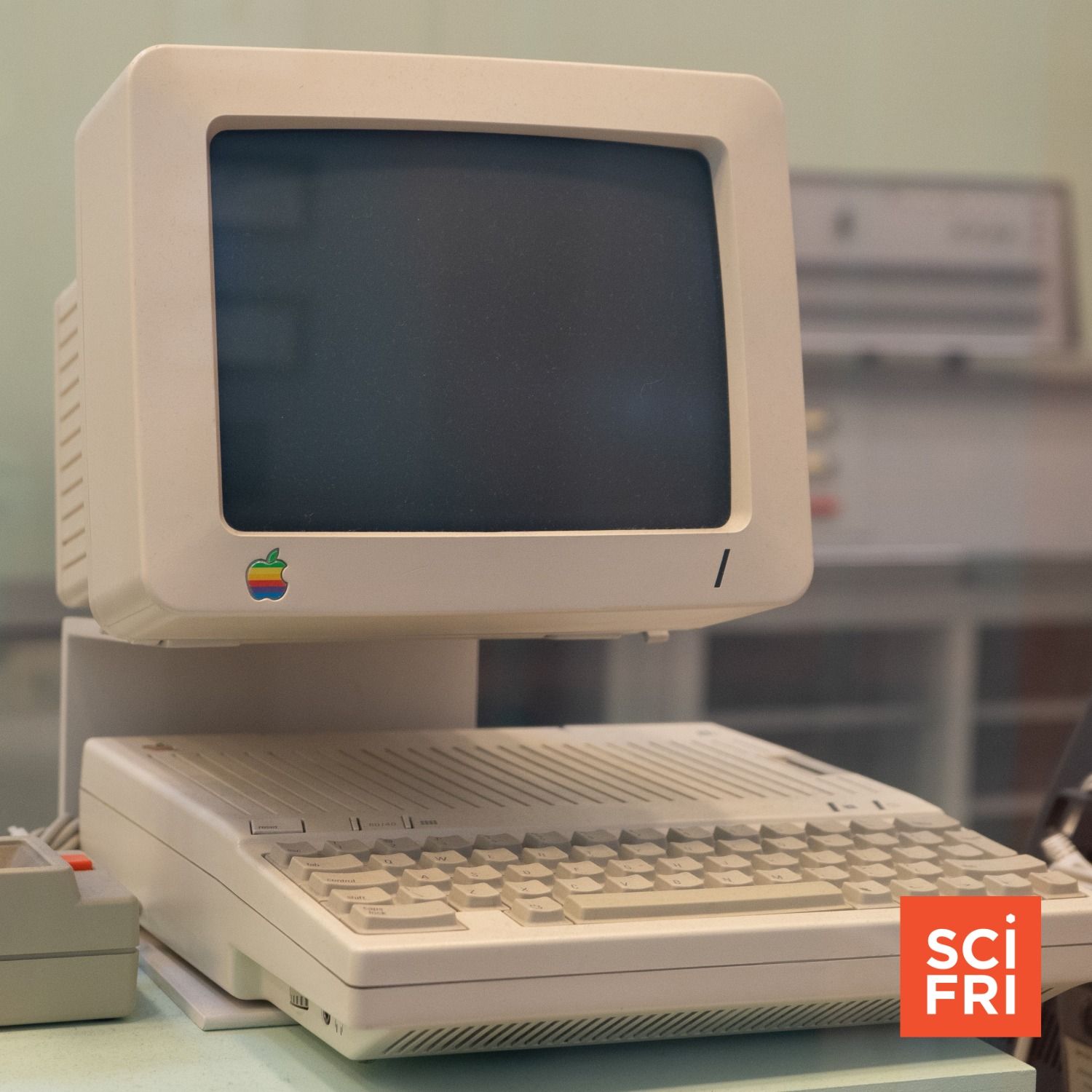
The Apple Computer Company was founded on April 1, 1976, and in the 50 years since, the company has evolved from a handful of Silicon Valley misfits to a global technology and media powerhouse.
Tech journalist David Pogue talks with Ira Flatow about the backstory of the company, and the leadership of the mercurial Steve Jobs. He offers a peek into some lesser known chapters of the company’s history, like the ill-fated Apple Paladin, a prototype Apple-produced fax machine. Pogue chronicles the company’s history in his latest book, “Apple: The First 50 Years.”
Guest:
David Pogue is a tech journalist, CBS Sunday Morning correspondent, and author of the book “Apple: The First 50 Years.”
Transcripts for each episode are available within 1-3 days at sciencefriday.com.
Subscribe to this podcast. Plus, to stay updated on all things science, sign up for Science Friday's newsletters.
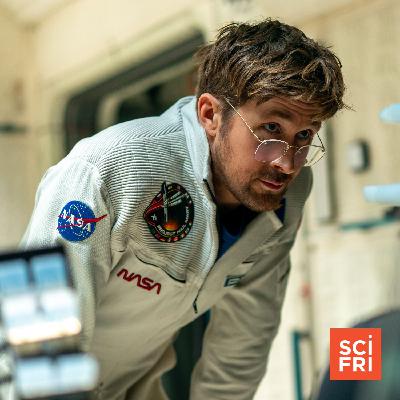
Science fiction nerds, rejoice: the long-awaited adaptation of “Project Hail Mary” is in theaters now. Host Flora Lichtman chats with book author Andy Weir and astrobiologist Mike Wong about the film’s aliens, and how they buck the trend of what extraterrestrials usually look like on screen.
Guest:
Andy Weir is the author of “Project Hail Mary” and “The Martian.”
Dr. Mike Wong is an astrobiologist and planetary scientist at Carnegie Science in Washington, D.C.
Transcripts for each episode are available within 1-3 days at sciencefriday.com.
Subscribe to this podcast. Plus, to stay updated on all things science, sign up for Science Friday's newsletters.
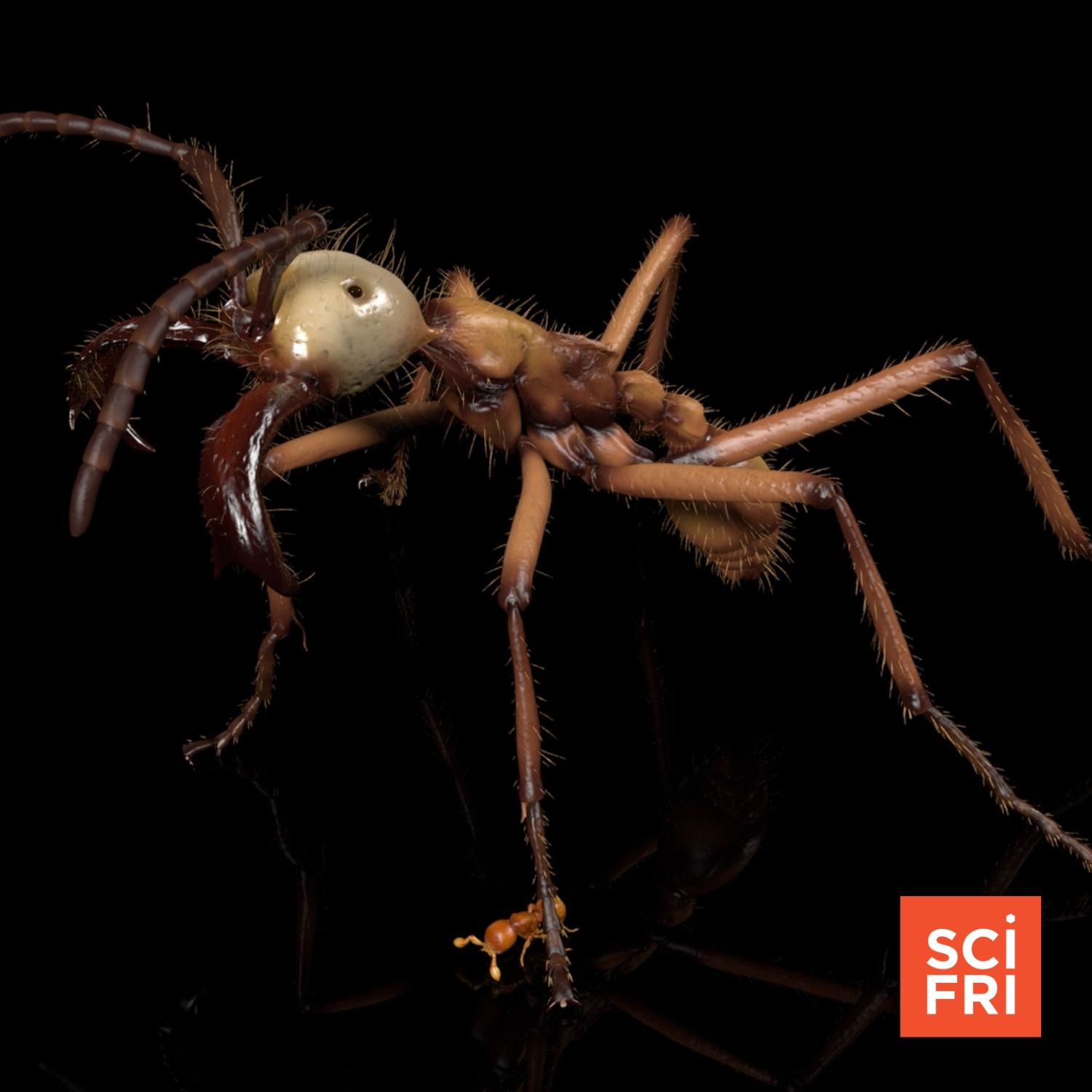
A project called Antscan has generated high resolution images of thousands of ants, representing over 700 species. To make it happen, researchers brought preserved ants from collections around the world to a particle accelerator in Germany. There, a powerful synchrotron X-ray source combined with a vial-swapping robot allowed the researchers to build a collection of 3D ant images, inside and out. Each voxel (like a 3D pixel) has a resolution of 1.22 micrometers—enough to see the tiny hairs on ant bodies, and distinguish individual muscle fibers.
Antscan researcher Julian Katzke joins us to describe the background of the project, and how the images could be used for science and art.
Check out Antscan images at our website.
Guest:
Dr. Julian Katzke is a postdoc at the Smithsonian National Museum of Natural History. He worked on the AntScan project while a PhD student at the Okinawa Institute of Science and Technology.
Transcripts for each episode are available within 1-3 days at sciencefriday.com.
Subscribe to this podcast. Plus, to stay updated on all things science, sign up for Science Friday's newsletters.
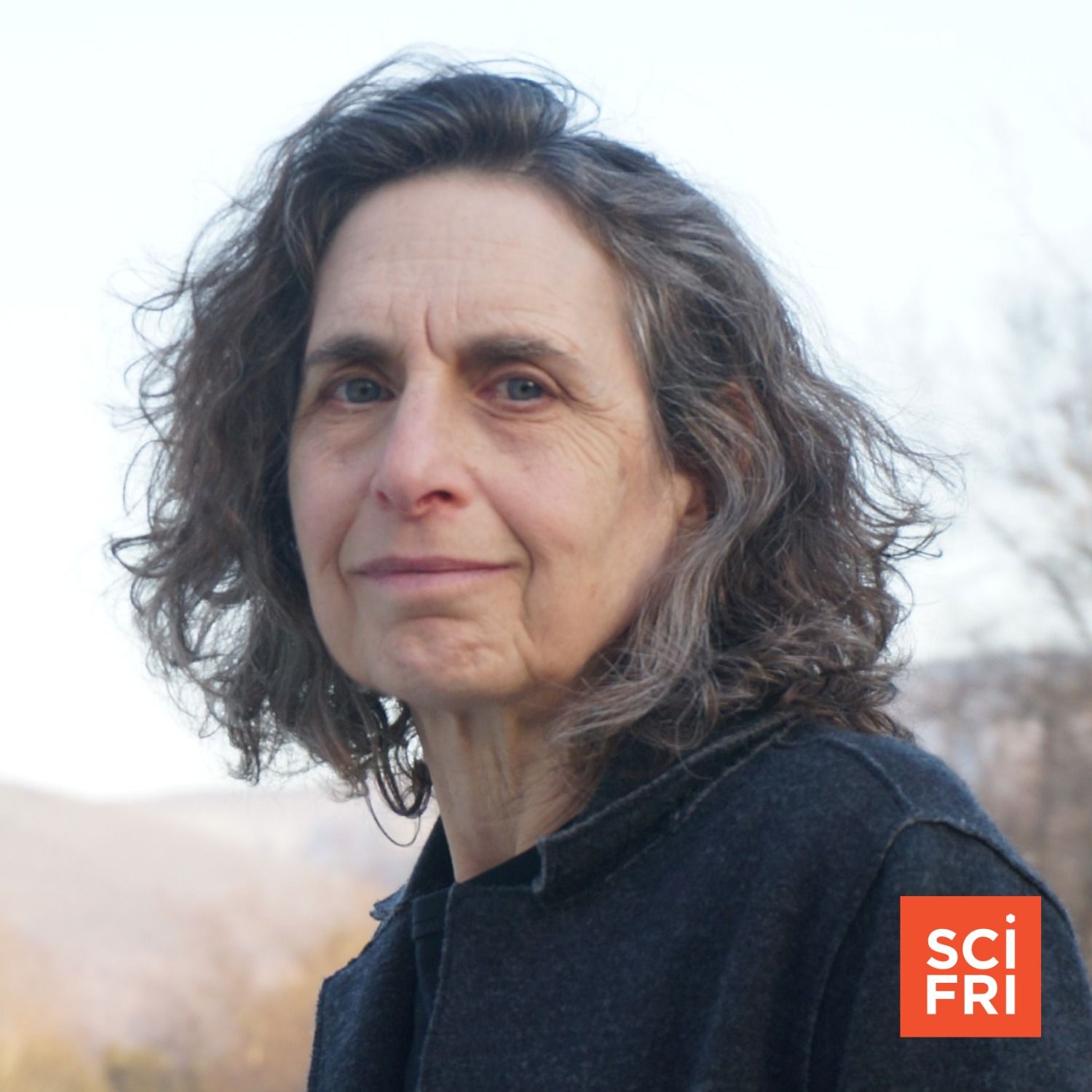
For decades, renowned environmental writer Elizabeth Kolbert has taken readers to remote corners of the planet to understand how all life is connected—and how our planet is changing. She’s covered everything from the collapse of insect populations to the success of one town’s effort to go carbon neutral.
Host Flora Lichtman speaks with Kolbert about the undeniable heaviness of our current climate moment, how the splendor of the Great Barrier Reef “tilted” her worldview, and the messy business of trying to solve environmental problems.
In March and April, the Science Friday Book Club is reading Kolbert’s latest book, “Life on a Little-Known Planet.” It’s a collection of essays she’s written over the years. Check out the Book Club to read along.
Guest:
Elizabeth Kolbert is a staff writer at The New Yorker and the author of several books, including “Life on a Little-Known Planet: Dispatches from a Changing World.”
Transcripts for each episode are available within 1-3 days at sciencefriday.com.
Subscribe to this podcast. Plus, to stay updated on all things science, sign up for Science Friday's newsletters.
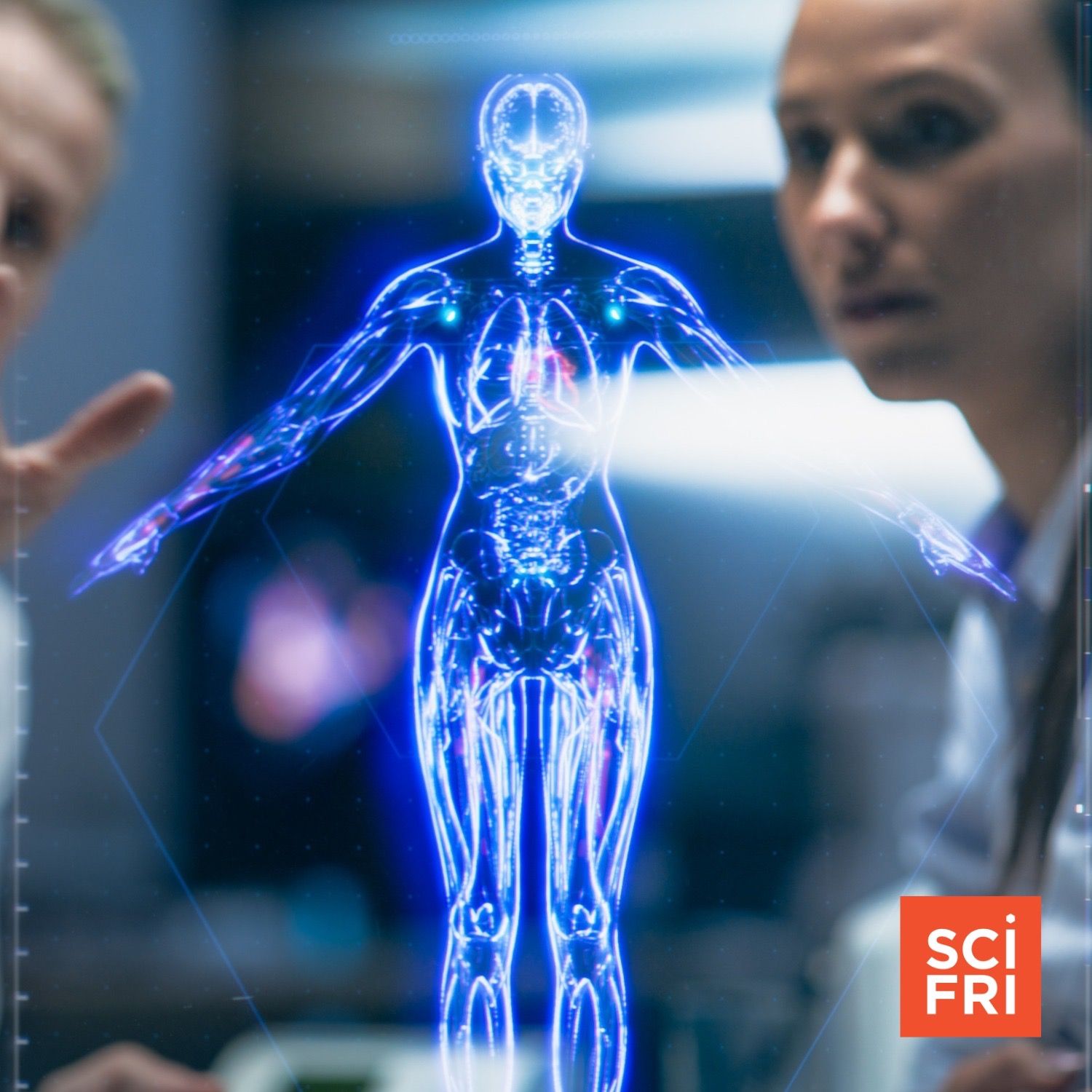
There’s an idea bubbling up in medicine called the “digital twin.” The concept is to take personal health data like genetics, blood test results, tissue samples, MRI scans, and family history, and create a digital model of a patient that can be used to predict how a treatment might work for them. Think personalized medicine supercharged by AI.
For example, cancer researchers are working on models that would create radiation and chemotherapy treatment plans based on the specifics of a patient’s tumor. But these models aren’t ready for the clinic yet, and with so much patient data involved, privacy concerns abound.
Host Flora Lichtman talks with Caroline Chung, a radiation oncologist at the forefront of digital twin research.
Guest:
Dr. Caroline Chung is a radiation oncologist and the co-director of the Institute for Data Science Oncology at UT MD Anderson Cancer Center.
Transcripts for each episode are available within 1-3 days at sciencefriday.com.
Subscribe to this podcast. Plus, to stay updated on all things science, sign up for Science Friday's newsletters.


Download from Google Play

Download from App Store
 United States
so good interview... big thanks for job
uh... some of us grew up in the 80's. what do you mean we don't think about it. do you not know how much we heard about the ozone?? c'mon.... 🙄🙄 we might not be scientific but we know and think about it. indoors and outdoors
what a beautiful poem 💐
🔥🔥🥳🥳 That's amazing
volume zwQarsa
how can I have the transcription?
two people showing closed minds trying to negate another's observations in real life. sheesh, how many times did they say myth. not cool; hard pass listening to them further
why does Flatow drag these discussions down to a simplistic reduction that yields the same trite predetermined formula he wants for publication? why not find out the basis for new information and what makes it more reliable than previous means of measurement? does this recent finding just increase the range of possible values for the Hubble constant? or does it effectively supersede previous calculations?
I've often wondered if they could crispr a tree to grow faster and larger for lumber purposes. what's the genetic difference between giant bamboo and pine trees.
1:41 . . . Pi merits our irrational attention . . . Now that's "Woke Friday" for ya . . .
6:10 . . . The language of colonialism & imperialism has tainted this field of science ? . . . I used to regularly listen to SF back a decade or two ago before it became so woke. Then Ira started making global warming a part of every episode. It got so tiring. Science used to be interesting & educational. Now for the most part shows like SF are just preachy political. And they never self reflect on the decline.
Who is throwing shade on plants prehistoric or not ?
Not a single thing about how differently the movie would have been made today was discussed in this episode 😂
bro why you talk like that!
I think we shouldn't act like we're outside of nature. Humans are natural, albeit in very different ways sometimes. If we mess up and ecosystem we should be invested in repairing it as best were able. We protect endangered species all the time; it's odd that we'd treat these trees any differently.
The name is Türkiye, not Turkey. They changed their name almost 3 years ago.
between this guy's microphone and his accent I didn't get half of what he said especially at the critical moments.
This is said here by this politician is almost fake news!
Biochar can be used in the making of green concrete, too
this podcast encouraged me to learn other languages