


 Claim Ownership
The CELPIP Success Podcast
Subscribed: 217Played: 5,559
Subscribe

© 2025 The Speak English Fearlessly Podcast
Description
Welcome to the podcast that helps newcomers to Canada prepare for the CELPIP exam. You will learn how to develop your listening, speaking, reading and writing skills in English.
And of course, if you listen, you'll learn how to Speak English Fearlessly!
Every Tuesday you'll get a new episode filled with tips, strategies and inspiring stories from other people just like you who are working to speak English fearlessly.
131 Episodes
Reverse

Improving your speaking skills in English can feel like a daunting task, especially when preparing for the CELPIP exam. I’ve spent years sticking to scripted, well planned episodes for this podcast, but I’ve realized that this comfort zone has kept me from growing. I’ve decided to challenge myself by ditching the script and embracing a more spontaneous approach. By using bullet points instead and committing to shorter episodes, I’m aiming to reduce my workload while also modeling a crucial lesson: stepping out of your comfort zone is essential for growth. As I work my way through this new style, I encourage you to reflect on your own habits. If speaking English makes you nervous, you might be avoiding it altogether. Let’s change that together. This month, I invite you to engage in one short, spontaneous conversation in English each day. By practicing these small interactions, you’ll gradually build confidence and improve your skills while also learning to embrace the imperfect nature of real conversations. Remember, confidence in speaking comes from practice, not from textbooks or classes. Let’s take this challenge on together and see how we can grow! Are you in?Takeaways: Improving your English speaking skills, particularly for the CELPIP exam, requires stepping out of your comfort zone. Engaging in spontaneous conversations, even for short durations, builds confidence and fluency in speaking. Avoiding opportunities to speak English due to fear can limit your progress and language learning. Setting achievable goals, like daily 5 minute conversations, can significantly improve your English proficiency over time. Don't be afraid of mistakes while speaking! They will help you develop a confident, natural speaking style.

Life can throw some serious curveballs at us, and sometimes it feels like we’re running on empty. I just had a wild night dealing with car troubles, helping my son jump-start his dead battery, only to find my own vehicle signalling trouble shortly after. It got me thinking about those warning signs we often ignore in our lives—just like I ignored the alarm on my dashboard. I realized that burnout can sneak up on us when we least expect it, and it’s crucial to pay attention to those early indicators before we stall completely. In this episode, I dive into some of the signs of burnout, share personal experiences about a time I burnt out as well as a far more serious example of a colleague who burnt out and could not return to work. Listen to hear some practical ways to recharge and find balance before you reach a breaking point. So, let’s chat about how to keep our emotional batteries charged and avoid those dead ends.Takeaways: It's crucial to pay attention to the warning signs in our lives, much like we would with a car's dashboard indicators. Ignoring them can lead to serious consequences. Experiencing burnout often looks like exhaustion and disengagement from activities we used to enjoy, signalling that something needs to change in our routine. Reducing unnecessary pressures in our lives can be a huge help for your mental health, allowing you to recharge and focus. Finding simple activities that can uplift your spirit, like walking or spending time with loved ones, can be incredibly helpful for combating feelings of burnout and exhaustion. Put these ideas to work! If you are getting some of these warning signals in your life, what are you going to do about them? Ignoring them won't make them go away! I hope you'll find an activity that helps you recharge, and that you're able to reduce the load you are carrying, and if needed: that you find someone you can talk to about this.
Struggling with speaking skills? You’re definitely not alone, and that’s where we kick things off. I dive into the common frustrations we face when trying to express ourselves in English, especially when nerves kick in or when we feel our vocabulary isn’t quite up to par. I share how to shake things up and move beyond those surface-level conversations we often get stuck in, which is what will really help you build your fluency skills in English. Deeper, more engaging conversations challenge us to use (and learn!) new words and phrases which is exactly what you need to have happening often if you want to see your speaking and vocabulary skills improve. Takeaways: Practice your English daily, but ensure that your conversations go beyond surface-level exchanges. Aim for deeper discussions that challenge your vocabulary and fluency. If you're feeling stuck in your English speaking, take a moment to identify the types of practice you engage in every day. Are they meaningful or just routine? Don't let nerves hold you back from speaking. Embrace opportunities to express yourself, even if it feels uncomfortable at first, and push through your comfort zone. Develop a vocabulary journal to track new words and phrases. Write them down and commit to using them in conversation multiple times to reinforce your learning. Challenge yourself to initiate conversations on topics you usually avoid. This pattern interruption can help you break free from predictable dialogue and foster growth in your language skills. Recognize that making mistakes is a part of learning. Every time you struggle to find the right word, you're identifying areas for improvement and growth in your vocabulary.

If you're aiming for a CLB 7 on the CELPIP exam, knowing whether you're ready before stepping into the test room is crucial. We dive into how you can assess your English proficiency and boost your confidence, potentially saving you time, money, and stress. Achieving that coveted score isn't a mystery if you've got a solid intermediate level of English, so we outline what that really means and how to gauge where you stand. We also discuss practical strategies for preparation and what skills to focus on to ensure you're exam-ready. By the end of this episode, you'll have actionable insights that help you navigate your journey toward a successful CELPIP experience.Takeaways: To confidently aim for a CLB 7 on the CELPIP exam, assess your English proficiency realistically before the exam date. Being able to engage in spontaneous conversations with strangers indicates a solid intermediate level of English skills. Understanding and expressing your opinions clearly is crucial for reaching a CLB 7 on the CELPIP exam. Regularly using English in daily situations shows you're likely at an intermediate level, preparing you for the CELPIP exam. Practice handling unexpected phone calls in English to boost your confidence for the CELPIP exam. Set aside one to three months for targeted preparation to familiarize yourself with the CELPIP exam format and expectations.
Feeling like your motivation just up and vanished? Trust me, I get it. I'm struggling with that too! Today, I’m diving into how to keep your motivational fires burning when all you want to do is hide under a blanket and binge-watch your favourite shows. I'm going to be sharing some insightful strategies to tackle those low-energy days, with a focus on the fact that motivation isn’t a magical feeling that just hits you out of nowhere. Instead, it’s about taking action—yep, just getting started is often the key. I’ll also touch on the importance of creating simple routines that pull you into practice, and how breaking down your goals can help you push through the inevitable dips we all face. So, if you've been struggling to stay on track with your English practice or CELPIP prep, listen in to today's episode—I've got some practical tips that you can put into action right away!The struggle of motivation is something we can all relate to. Whether you're preparing for the CELPIP exam or just trying to maintain your English skills, there are moments when picking up that textbook or logging into a practice app feels like an impossible task. I've been there too, and it's a universal challenge. Today, I want to dive deep into understanding where that lack of motivation comes from and, more importantly, how we can actively combat it. A key insight I've discovered is from James Clear, who suggests that motivation often follows action rather than precedes it. This means that instead of waiting for that spark of enthusiasm to hit, we should just get started. Even the smallest action can spark that motivation we thought was lost. Think of it as a snowball effect; once we begin, it’s much easier to keep the momentum going. Another practical takeaway is the importance of establishing a simple pre-game routine. This could be as easy as setting out your study materials or even putting on your headphones to listen to English podcasts. The key is to make this routine effortless so that you can begin your practice without needing to muster up motivation each time. We'll also look into the concept of the dip, that author Seth Godin writes about in a book that goes by the same name, The Dip! The dip refers to those inevitable periods when progress feels stagnant. Understanding that these dips are normal and part of the learning process can help us push through and continue working towards our language goals. In wrapping up, I want to encourage you to embrace the idea that motivation is not a magical feeling we wait for. Instead, it’s something we create through action. So, let’s not wait; let's set those simple routines and begin our practice today! If you have a pre-game routine or plan in mind, I’d love to hear about it. Share your thoughts with me!Takeaways: Motivation isn't some magical spark that appears; it's actually a byproduct of taking action. To overcome the slump or lack of motivation, just getting started can create the momentum needed to keep going. Creating a simple pre-practice routine can help trigger your study sessions and make them easier to start. Don't focus on the end goal alone; break it down into smaller, manageable tasks to keep yourself engaged. Physical movement is crucial; get up, move around, and your mental energy will follow suit during study sessions. Monitor your progress regularly to stay motivated, especially after achieving milestones in your learning journey. Links mentioned in this episode: By James Clear: How To Get Motivated When You Don't Feel Like it. , | Motivation: The scientific guide on how to get and stay motivated. Seth Godin:...

Stuck at an 8 on the CELPIP speaking section? You're not alone, and today we’re diving into how to break through that barrier. We'll explore some ideas to help Kitchenbaby8812, who’s been grappling with the same issue—despite strong scores in other areas, their speaking has plateaued. The key takeaway? It's all about shaking things up in your conversations. We’ll discuss actionable strategies like using pattern interrupt questions to spark deeper conversations, using specific details in your responses, and ensuring your tone reflects genuine emotion. Get ready to level up your speaking skills and connect more meaningfully with others!Stuck at a speaking score of 8? You're not alone. In today's episode, I'll be helping someone over on Reddit - Kitchenbaby8812 - who shared a relatable struggle that many face when preparing for the CELPIP exam, particularly in speaking. It’s frustrating when you feel like you’re putting in the effort—conversing with coworkers, studying diligently—but the results just don’t match. In this discussion, I'll dive into actionable strategies that can help break you free from that 8. I'll explore the power of deeper connections in conversations, emphasizing that surface-level chats often fail to encourage the growth you need to improve speaking skills. I'll encourage you to introduce 'pattern interrupt' questions into your discussions to move conversations from mundane to meaningful, unlocking new vocabulary and expressions in the process. Moreover, we address the importance of detail in responses—encouraging you to move beyond bland answers. When expressing your thoughts, being specific is key; instead of saying “the park is nice in the fall,” try “the bright orange and yellow colours of the leaves in Stanley Park are amazing.” This not only improves your responses but also makes them more engaging for the listener. I stress that practice is essential: make sure you're using your cell phone's voice recorder to hear and check your tone and detail in responses. Additionally, I discuss the role of emotion in speaking. A monotone voice can detract from your message, so make sure you fill your responses with appropriate feeling, adapting your tone to match the content of your speech. This vibrancy can be the difference between a score of 8 and a higher mark. By combining these strategies—asking engaging questions, providing detailed answers, and expressing emotion—you can work toward breaking through that speaking barrier and achieving the scores you desire. Takeaways: To improve your speaking skills, focus on using details! Avoid bland and boring! Incorporate pattern interrupt questions into your conversations to encourage deeper conversations. Make sure you use emotion in your voice. Practice recording your speaking responses to evaluate your tone and detail for improvement. When possible, personalize your answers as if talking to a friend to sound more natural. Links referenced in this episode:Join the premium version of this podcast: celpipsuccess.com/prices
Dealing with clock anxiety and distractions during the CELPIP speaking exam can feel like navigating through a maze, but today I'll dive into practical strategies to conquer these challenges. First up, let's tackle clock anxiety, that nerve-wracking moment when the timer starts and your mind goes blank. I suggest a simple yet effective practice routine: time yourself as you respond to speaking tasks and record your answers. This way, you’ll become familiar with the pressure of the ticking clock, allowing you to keep your cool on test day. Next, I address the common issue of noise interference, where external sounds can disrupt your focus. Incorporating background noise during practice sessions can simulate exam conditions and enhance your ability to concentrate despite distractions. By putting in the reps and practicing these strategies, you’ll walk into your CELPIP exam feeling confident and prepared.A Deeper LookDiving into the world of CELPIP exam preparation, today I discuss two crucial topics that often plague test-takers: clock anxiety and distractions during the speaking exam. Many students experience that moment of panic when the timer starts—their minds go blank, and they struggle to articulate coherent thoughts. To tackle clock anxiety, I emphasize the importance of practicing under timed conditions well in advance. It’s not just about knowing the language; it's about getting comfortable with the pressure of time. I recommend using your smartphone's timer to simulate exam conditions. Set a timer for 30 seconds for brainstorming, followed by 60 or 90 seconds to deliver your response. This practice helps you become accustomed to managing your thoughts while keeping an eye on the clock, thus reducing anxiety significantly. I also suggest wrapping up your responses in the last ten seconds to ensure you make a strong conclusion and finish within the time limit. This method not only calms the nerves but also enhances your overall performance on test day.Shifting gears, I address another common challenge: staying focused amidst distractions. Many candidates report losing concentration when they hear others speaking or environmental noise during the exam. To prepare for this, we recommend practicing your speaking tasks in noisy environments. Instead of avoiding noise, embrace it! Play talk radio or a TV program in the background while you practice. This strategy trains your brain to filter out distractions, allowing you to focus on your speaking task, even when it gets chaotic. The goal is to create a cognitive load that prepares you for the real exam scenario. By continuously working with distractions, you’ll build resilience and improve your ability to concentrate, ensuring you deliver your best performance when it counts.The essence of both strategies lies in repetition; the more you practice, the more natural it becomes to handle the pressure of the exam. It's all about building familiarity with the conditions you’ll face. As you integrate these practices into your study routine, you'll find that what once seemed daunting becomes manageable. Remember, the key to conquering the CELPIP exam lies in preparation and practice. With dedication and these practical tips, you’ll approach test day with confidence and clarity, ready to tackle any challenge that comes your way.Takeaways: Practicing against the clock months before your exam helps reduce clock anxiety effectively. Use your phone's timer app to practice CELPIP speaking tasks in real-time conditions. Incorporate noise into your practice sessions to prepare for distractions during the exam. Focus on keeping your ideas flowing while glancing at the timer to manage your time well. Set aside time to brainstorm before speaking; it's crucial for organizing your thoughts. Utilize background...

 1
1Takeaways: The lesson from the photography experiment emphasizes quantity over perfection when learning English. Frequent practice and making mistakes lead to improved skills in speaking English effectively. Understanding and following task instructions is crucial for achieving high scores on the CELPIP exam. Avoid unnecessary introductions in your responses; get straight to the point to save time. Regularly using English, even imperfectly, will significantly enhance your overall speaking abilities. Focus on the number of times you engage in speaking rather than the duration of each speaking opportunity. The Links I mentioned:My LinkedIn video experiment.Chapters00:00 Welcome to the CELPIP Success Podcast00:49 If you want a habit to improve, practice it frequently! 02:03 The power of frequency vs quality in your practice03:14 Learning from Bad Podcast Experiences04:46 What you can learn from a bad podcast episode?07:32 Make sure you quickly get to the point! 09:13 Embracing Experiments for Personal Growth14:19 The trends I'm noticing

If you're stuck getting sixes or sevens on the CELPIP exam, don’t stress; you're not failing. It’s a clear sign that your English proficiency is at an intermediate level and it’s crucial to acknowledge that. Instead of just grinding away at studying harder or repeatedly taking the exam, we need to shift our focus to improving our overall English skills over time. I share five practical tips to help you break free from that six or seven cycle, starting with immersing yourself in English and actively engaging in conversations. Let’s explore how building connections and practicing in real-life situations can truly elevate your language skills and eventually boost those scores.Takeaways: Getting stuck at a CELPIP score of six or seven doesn't mean failure; it's a signal of your current English proficiency level. To truly improve your CELPIP scores, focus on enhancing your overall English skills over time rather than solely cramming for the exam. Surrounding yourself with English speakers and actively engaging in conversations is crucial to breaking out of your first language bubble. Joining clubs or groups related to your interests provides a fun way to practice English and build social connections in your new community. Links referenced in this episode: Track These Numbers To Improve Your CELPIP Scores I also share about why studying harder for the CELPIP likely won't bump up your score. But this is what will! celpipsuccess.com/premiumpodcast Join the premium podcast! It's free in September.
Building a new habit can feel like a monumental challenge, even when it comes to things we know are good for us, like exercise or improving our English skills. In this episode, I dive into my own struggles with two very different habits: stretching, which is crucial for my chronic back pain, and writing, something I’m passionate about but have trouble committing to. I’ve recently discovered a simple but effective method that’s really helped me stick to my daily stretching routine: setting a reminder on my phone and tracking my progress. This approach can easily be adapted for anyone looking to make time for CELPIP prep or any other practice. So, if you’ve been finding it tough to incorporate those important habits into your life, stick around and listen to today's episode—I'm sharing practical strategies that can help you take real steps forward!Takeaways: Building a new habit can feel overwhelmingly hard, even when it's something you want to do. Setting a daily reminder can effectively help you stay consistent with your practice. Start small with your practice; even dedicating just two minutes can lead to significant progress. Tracking your habits can keep you motivated and help you see your improvement over time. Don't be discouraged by setbacks; simply pick up your habit where you left off and keep going. Finding a way to make your practice enjoyable or meaningful can boost your commitment to it.
Struggling with repetition in your speech? You're not alone, and today we're diving deep into how to tackle this common issue. We’ll explore practical strategies to help you break free from overusing certain words and phrases, especially when it comes to speaking tasks in the CELPIP exam. One standout technique we discuss is "pre thinking," a method that encourages you to anticipate situations you might need to talk about and rehearse your responses in advance. This way, you’ll not only expand your vocabulary but also boost your confidence in expressing your ideas more fluidly. So, if you're ready to minimize repetition and maximize your speaking effectiveness, tune in for some actionable insights that might just change the way you communicate!Takeaways: Repetition in language use can be a comfort zone trap; breaking free requires conscious effort. Utilizing pre-thinking strategies helps prepare for spontaneous speaking tasks and reduces repetition. Practicing vocabulary in everyday situations can increase fluency and minimize the urge to repeat phrases. Engaging in real-world conversations forces you to adapt and expand your language skills effectively. Identifying gaps in your vocabulary is essential for improving fluency and avoiding repetitive language use. Stepping out of your comfort zone is crucial for language development; take risks with your English regularly. Links referenced in this episode:Gretchen McCulloch's post mentioning "Pre-Thinking." - 12 Ways to stop freezing up when you try to speak a second languagePrevious Podcast Episode: How To Stop Overusing Words and Phrases in English To Get A Higher CELPIP ScoreMy LinkedIn video post where I take a giant risk and post my first video.
In this episode I'm breaking down some key takeaways from a CELPIP webinar I watched recently about Speaking Task 4: Making Predictions. One of the key takeaways is that it's totally acceptable to rely on "going to" and "will" when making predictions about what’s happening in the picture. I also emphasize the importance of providing clear location details to help the test rater and your listeners in general, visualize the scene better. Additionally, I'll explore how short, natural conclusions are perfectly fine, as they can add a nice touch to your responses. Lastly, I will discuss the value of connecting elements together in the image you are describing, illustrating how one action can lead to another, creating a more engaging narrative in your description. Takeaways: Using 'going to' and 'will' frequently is perfectly acceptable for making predictions in speaking task four. Specifying the location of subjects in your description helps the listener understand your context better. Short conclusions are valid as long as they feel natural and not rushed in the speaking task. Connecting elements in the picture can create a narrative, showing how actions impact each other. It's crucial to be aware that learning French for immigration requires substantial time and effort, not a quick fix. Maximizing your English proficiency before considering French is essential for a successful immigration strategy. Links mentioned in this episode: Speaking Task 4 Webinar (From the official CELPIP YouTube channel.) Rattandeep Singh, RCIC post about French as your immigration pathway. Dr. Veronica Sepher's commentHow long it takes to learn French: AllianceFrancaise and Create Career College.
Stepping out of your comfort zone is what you need to be doing to improve your English and CELPIP. In this episode, I talk about why pushing past that familiar bubble of safety is crucial for your growth. After 17 years of teaching, I've seen time and again that the folks who dare to engage in conversations—mistakes and all—are the ones who progress the fastest. I’m also sharing my own journey of stepping out of my comfort zone, from changing the name of this podcast to trying new formats and interview styles. So, if you’re ready to challenge yourself and see real improvement, let’s get into it and explore how taking risks can lead to significant strides in your English journey!Takeaways: Stepping out of your comfort zone is crucial for improving your English skills. Making mistakes in conversation is a sign of progress and should be embraced. Engaging with English speakers is scary, but it can significantly transform your English skills. Why I changed the name of this podcast. (Stepping out of MY comfort zone.) Why I'm trying an experiment: Publishing episodes bi-weekly. Taking breaks is vital; it helps you recharge and improves your ability to use your English.Links referenced in this episode:Take my 3 question survey and share your feedback with me.My previous episode: first interview in over a year with Ana Canseco

Immigration can be a humbling experience, as Ana Canseco shares in our episode today. She reflects on her journey of moving to Canada, where despite having a law degree from Mexico, she found herself navigating unexpected challenges, from working as a telemarketer to realizing that she needed to go back to school. This episode dives deep into the emotional and practical readiness required for immigration, emphasizing that it’s not just about paperwork but also about preparing for the reality of starting over in a new country. Ana stresses the importance of community and connection, as well as the necessity of letting go of preconceived notions about how things should be. You will gain insights on overcoming the loneliness that often accompanies this journey and learn how to strategically approach your immigration goals, ensuring you stay informed and adaptable in the face of change.Takeaways: Immigration often humbles you, requiring emotional and practical resilience. Underestimating the need to adapt professionally can lead to significant delays in achieving your career goals. Building a support network is crucial when navigating the challenges of a new country, especially for immigrants. Letting go of preconceived notions about success can open doors to unexpected opportunities in life and work. Links referenced in this episode:Read Ana's post on LinkedIn: Emotional vs Practical Readiness to immigrateCheck out Ana's website and book a consultation! Follow Ana on LinkedIn

If you've ever found yourself racing against the clock during the reading section of the CELPIP exam, you're definitely not alone. Today, we dive into the essential skill of scanning, which can be a game-changer for your test performance. Instead of getting bogged down by every word, we’ll explore how to effectively hunt for key details like names, dates, and statistics that the questions specifically ask about. Scanning isn't just a skill; it's a mindset shift that will help you save precious time and enhance your score. So, grab a comfy seat and get ready for some practical strategies that will help you tackle the reading section with confidence!Takeaways: Many candidates struggle with managing their time during the CELPIP reading section, leading to unfinished questions. Reading every word in the CELPIP reading section may actually hinder your ability to complete the exam. Scanning is a crucial skill that allows you to quickly find key information in texts without reading everything. To improve your scanning skills, focus on identifying keywords from the questions to streamline your reading process. Links referenced in this episode:Join the CELPIP Success School - 70% off deal: celpipsuccess.com/listener Butte College A skimming and scanning tip sheet. Podcast Episode on Skimming and Scanning CELPIP Success School

Stop stressing about that CELPIP score! Focusing solely on chasing a specific number can lead to frustration and disappointment. Instead, you should be concentrating on building your English skills through real-life use and conversation. By tracking how often you engage in English each day, you can see real progress that will ultimately reflect in your test scores. Stop aiming for a perfect score on the CELPIP! Instead of fixating on the elusive numbers like 9s and 10s, you should be focusing your energy on something much more impactful: your everyday English usage. The CELPIP exam is designed to measure your current level of English, and no amount of cramming will magically elevate your score if your skills aren’t up to par. It’s not about how hard you study; it’s about how effectively you use English in real-life situations. A practical takeaway? Start tracking the number of times you engage in conversations in English daily. When you shift your focus from worrying about test scores to actively using our language skills, you will also be, over time, improving your scores on the CELPIP too. Takeaways: Chasing a specific score on the CELPIP exam can lead to frustration; focus on improving your English skills instead. To increase your CELPIP score, prioritize using English in daily conversations rather than just studying harder. Track the number of times you use English each day; this metric is crucial for improvement. Adding details, examples, and personal stories to your conversations will enhance your responses on the exam. Pay attention to your tone of voice while speaking; conveying emotion is essential during the CELPIP exam. Break away from relying on crutch words; using varied expressions will make your speaking more dynamic. Chapters00:00 Chasing the Wrong Metrics02:55 Building English Skills for Success04:25 The Metrics You SHOULD be tracking05:58 Practical Strategies for Everyday English Use08:30 Expressing Emotion and Tone in English10:56 Avoiding Crutch Words for Better Communication14:00 The Importance of Consistent Practice
If you're on the hunt for the best way to improve your speaking skills for the CELPIP, this episode is just what you need. Ready for a surprise? The answer is not more study time! The real secret to stronger speaking skills that will give you stronger CELPIP test results come from more time connecting with others in real conversations! Today I also tackle a FAQ from a reader about how long you should dedicate to studying for the CELPIP exam to see real progress. Spoiler alert: cramming for the CELPIP won't help you. Listen to find out what will! Takeaways: Improving speaking skills involves real interactions, not just studying from notes or books. Consistency in daily practice for two to three months is key for CELPIP preparation. A CELPIP prep course prepares you for exam format but won't drastically improve your English level. Stepping outside your comfort zone is essential for growth in language proficiency. Learn how to notice and celebrate your small achievements as you are using your English. Join the CELPIP Success School, and we'll work together to get you ready for your exam.
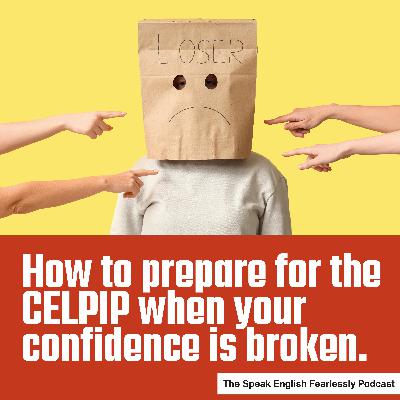
This episode tackles the deep connection between our self-confidence and your ability to speak English fluently. We'll explore how negative experiences—like embarrassing mistakes or awkward moments—can really knock us down and make us hesitate to use our English again. I share some personal stories, drawing from my own struggles, to emphasize that you're not alone in feeling this way. We’ll also discuss two actionable strategies to help you recover from those tough moments: expressing what you feel and a zero pressure strategy that will ease you back into speaking English in no time - no matter how bad an experience you've just had. Takeaways: Building self-confidence in speaking English is a gradual process! It takes time and persistence. Negative speaking experiences can deeply affect your confidence, but they don’t define you. It's crucial to express feelings of embarrassment or shame related to speaking mistakes. Don't bottle them up! Engaging passively in conversations is a helpful step to rebuild confidence after a big failure. Talking about negative experiences can provide perspective, helping you to move on. Having a supportive buddy can make it easier to join conversations and regain your confidence. Links referenced in this episode:Join the CELPIP Success School - and let's work on your CELPIP prep together! celpipsuccess.com/listenerQuote:Social confidence can be developed by practicing in social settings. Individuals can observe the structure and flow of any conversation before jumping in, and they can prepare questions or topics to discuss ahead of time. - Psychology Today
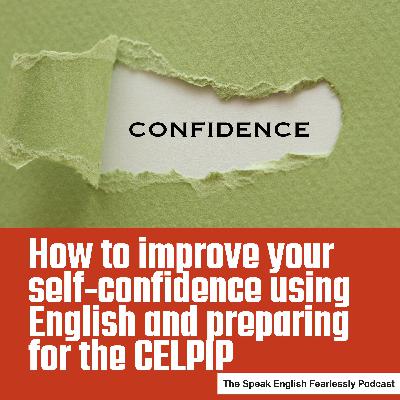
Building self-confidence is crucial for improving your fluency skills and achieving better CELPIP scores. In this episode, we dive deep into how a lack of confidence can hold you back from using your English effectively, ultimately stalling your progress. Research indicates that a staggering 70% of students often struggle with self-confidence when it comes to their English skills. Today, we're exploring practical strategies to boost your confidence, emphasizing the importance of surrounding yourself with supportive people who encourage you. As we'll discuss, taking action and practicing your English consistently creates a kind of positive feedback loop, where increased use leads to improved confidence, and vice versa. Takeaways: Building confidence is essential for improving your fluency skills and achieving higher CELPIP scores. A significant majority of learners struggle with self-confidence in their English skills, which hinders progress. Positive influences from supportive people can dramatically boost your confidence and willingness to practice English. Taking action and using your English skills regularly is key to building confidence and fluency in the language. Links mentioned in this episode: Psychology Today: Confidence. Where Does Self-Confidence Come From? Dr. Glass. That New Yorker quote from Liza Donnelly School of Podcasting The epic 289 university student study! If you need help with your CELPIP skills, and need some more positive support in your life as you do it, then look no further. Join me in the CELPIP Success School.
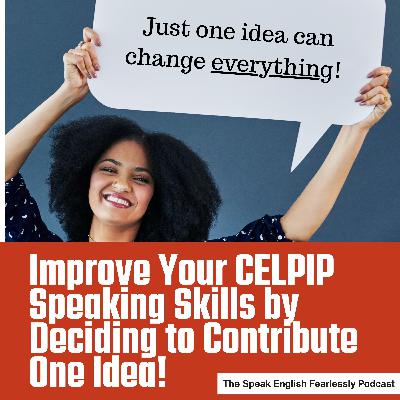
Mindset plays a crucial role in how we engage in conversations, especially when it comes to using our English skills. I’ve been reflecting on my own experiences as an introvert learning Spanish, and I’ve noticed that without making a conscious decision to participate, I often find myself lingering on the outskirts of discussions. This tendency of not participating in conversations happening around us can hinder our progress and limit our opportunities for practice. By setting a simple intention before each interaction—like sharing at least one idea or opinion—we can break down those barriers and start building momentum. It’s all about taking that first step, which can lead to greater confidence and more meaningful interactions in English.Takeaways: Your mindset significantly influences how you engage in conversations, especially in a second language. Choosing to contribute even once in a conversation can boost your confidence immensely. Introversion doesn't have to hinder your language learning journey; it can even offer unique advantages. Taking the initiative to speak, even just once, helps to create momentum for future interactions. Focusing on sharing one idea or opinion opens the door to more meaningful conversations. Every small step taken in using your language skills counts as progress, no matter how minor it seems. Would you like to get even more tips and strategies for your CELPIP prep? Sign up for my free weekly newsletter, and I'll send them directly to your inbox! (It's free!)

Comments

Download from Google Play

Download from App Store
 United States