


 Claim Ownership
Learn Polish with Erni School
Subscribed: 30Played: 415
Subscribe

© Copyright 2023 All rights reserved.
Description
🎙️ Learn Polish with our Erni School of Polish Podcast.
Master Conversational Polish for everyday.
Are you eager to learn Polish language?
Welcome to the ”Learn Polish with Erni School” podcast, your start to master conversational Polish.
Enhance your speaking and listening skills.
Whether you’re a complete beginner or looking to refine your language abilities, our podcast is tailor-made to cater to your learning journey.
🗣️ Why Choose Our Podcast?
Our podcast is designed with one primary goal in mind: to help you become a confident and skilled speaker of Polish.
In each episode we invite you to start our Polish conversations that mirror real-life situations.
🕖 Live Lessons and Speaking Group
Join us every Monday at 7 PM for an interactive live lesson, where our Polish tutors guide you through the beauty of Polish language.
But the learning doesn’t stop there! After the lesson, you’re invited to participate in our speaking group.
Put your newfound skills to the test in a supportive environment, connecting with other students of Polish.
🌐 What to Expect
🎧 Engaging Conversations: Dive into authentic dialogues that simulate real-life scenarios.
🗣️ Pronunciation Perfected: Our expert instructors break down pronunciation challenges, ensuring you sound like a native speaker of Polish.
📚 Practical Polish Vocabulary. Learn phrases that are immediately applicable in everyday conversations.
🧑🤝🧑 Community Support: Connect with a community of fellow learners, practice speaking, and gain confidence together.
Whether you’re planning a trip to Poland, connecting with Polish-speaking friends and family our podcast will help you gain more confidence in speaking Polish.
🔗 Tune In and Connect
Subscribe to ”Learn Polish with Erni School” on your favorite podcast platform and start exciting journey to fluency.
Remember, fluency starts with a single conversation.
Let’s start yours every Monday at 7 PM during our live lessons. Join our speaking group and surround yourself with a great community.
Master Conversational Polish for everyday.
Are you eager to learn Polish language?
Welcome to the ”Learn Polish with Erni School” podcast, your start to master conversational Polish.
Enhance your speaking and listening skills.
Whether you’re a complete beginner or looking to refine your language abilities, our podcast is tailor-made to cater to your learning journey.
🗣️ Why Choose Our Podcast?
Our podcast is designed with one primary goal in mind: to help you become a confident and skilled speaker of Polish.
In each episode we invite you to start our Polish conversations that mirror real-life situations.
🕖 Live Lessons and Speaking Group
Join us every Monday at 7 PM for an interactive live lesson, where our Polish tutors guide you through the beauty of Polish language.
But the learning doesn’t stop there! After the lesson, you’re invited to participate in our speaking group.
Put your newfound skills to the test in a supportive environment, connecting with other students of Polish.
🌐 What to Expect
🎧 Engaging Conversations: Dive into authentic dialogues that simulate real-life scenarios.
🗣️ Pronunciation Perfected: Our expert instructors break down pronunciation challenges, ensuring you sound like a native speaker of Polish.
📚 Practical Polish Vocabulary. Learn phrases that are immediately applicable in everyday conversations.
🧑🤝🧑 Community Support: Connect with a community of fellow learners, practice speaking, and gain confidence together.
Whether you’re planning a trip to Poland, connecting with Polish-speaking friends and family our podcast will help you gain more confidence in speaking Polish.
🔗 Tune In and Connect
Subscribe to ”Learn Polish with Erni School” on your favorite podcast platform and start exciting journey to fluency.
Remember, fluency starts with a single conversation.
Let’s start yours every Monday at 7 PM during our live lessons. Join our speaking group and surround yourself with a great community.
124 Episodes
Reverse
Flashcards https://app.learn-polish.pl/videos/726H3YvFiYenqVt0zIFb
Join live lessons https://app.learn-polish.pl/live-lessons
One week intensive Polish course in Poland https://www.learn-polish.pl/
Mini lesson "I love you" in Polish https://app.learn-polish.pl/mini-lessons/7tnDkRHVh0Jkp9hMjSDL
Mini lesson "Let's go for coffee" https://app.learn-polish.pl/mini-lessons/4kAIwMgQkkyeyf89Fu6R
Polish Lesson – Alergia, koty, kawa i „dasz radę”
Small Talk – Beginning of the lesson
Dzień dobry.
Good morning.
Czy mnie widać? Czy mnie słychać?
Can you see me? Can you hear me?
Czy wszystko jest okej?
Is everything OK?
Tak, wszystko jest okej.
Yes, everything is OK.
Topic of the lesson – Allergy
Dzisiaj rozmawiamy o alergii.
Today we talk about allergies.
Mam alergię.
I have an allergy.
Mam alergię na koty.
I am allergic to cats.
Mam alergię na kurz.
I am allergic to dust.
Mam alergię na ogórki.
I am allergic to cucumbers.
A psik! Kicham.
Achoo! I sneeze.
Co się stało?
What happened?
Mam alergię.
I have an allergy.
Very important expression
Dasz radę / Dam radę
Dasz radę?
Will you manage?
Dam radę.
I will manage.
Nie dam rady.
I won’t manage.
Będzie dobrze. Dam radę.
It will be fine. I will manage.
To tylko mała alergia. Dam radę.
It’s only a small allergy. I will manage.
Animals and „ani… ani…”
Masz kota?
Do you have a cat?
Masz psa?
Do you have a dog?
Nie mam ani psa, ani kota.
I have neither a dog nor a cat.
Lubię koty.
I like cats.
Lubię psy.
I like dogs.
Lubię zwierzęta.
I like animals.
Coffee conversation
Chcesz kawę?
Do you want coffee?
Tak, poproszę.
Yes, please.
Czarna, bez cukru.
Black, without sugar.
Piję czarną kawę.
I drink black coffee.
Piję za dużo kawy.
I drink too much coffee.
Restaurant dialogue – cucumber allergy
Lubisz ogórki?
Do you like cucumbers?
Tak, bardzo lubię ogórki.
Yes, I really like cucumbers.
Ale masz alergię na ogórki.
But you are allergic to cucumbers.
Tak, chyba mam alergię.
Yes, I think I have an allergy.
Poważnie?
Seriously?
Tak, ale dam radę.
Yes, but I will manage.
Może będzie tylko mała wysypka.
Maybe there will be only a small rash.
To może sałatka bez ogórka?
Maybe a salad without cucumber?
Nie, lubię ogórki. Dam radę.
No, I like cucumbers. I will manage.
Bakery dialogue – bread
Chleb cały czy krojony?
Whole bread or sliced?
Cały, poproszę.
Whole, please.
Dlaczego cały?
Why whole?
Mam alergię na chleb krojony.
I am allergic to sliced bread.
Dog and walking
Masz psa?
Do you have a dog?
Tak, mam psa.
Yes, I have a dog.
Idziemy na spacer?
Shall we go for a walk?
Nie wiem… chyba nie dam rady.
I don’t know… I don’t think I will manage.
Dasz radę!
You will manage!
No dobra, dam radę.
Okay, I will manage.
Ale mam alergię na spacery.
But I am allergic to walks.
Very useful phrases from this lesson
Mam alergię.
Mam alergię na koty.
A psik!
Co się stało?
Dasz radę?
Dam radę.
Nie dam rady.
Będzie dobrze.
Chcesz kawę?
Cały czy krojony?
Nie mam ani psa, ani kota.
Learn Polish with us!
If you want to learn Polish like this — through conversations, funny dialogues, real-life situations and speaking practice — you can join our VIP Polish course.
Every week we have a new topic, live lessons, and speaking practice sessions where you can talk and practice Polish in a relaxed atmosphere.
You can join our lessons here:
https://www.learn-polish.pl/
I hope to see you in our next lesson.
Dasz radę. Damy radę. Do zobaczenia!
In today’s episode, we learn one of the most important Polish verbs: “mam”, which means “I have” or “I’ve got.”
We practice very simple and useful sentences that you can use in everyday life in Poland:
Mam samochód.
Mam kawę.
Mam herbatę.
Mam bilet.
Mam paszport.
Mam wizę.
Mam rezerwację.
This is beginner Polish and perfect if you are starting to learn Polish or if you want to practice simple sentences.
Remember:
Ja mam = I have / I’ve got
Very simple, very useful, very important Polish.

Join VIP course https://app.learn-polish.pl/
Or Learn Polish in Poland https://www.learn-polish.pl/
Polish live lessons https://app.learn-polish.pl/live-lessons
German A2 conversation Tuesday 8 pm course with Kathrin https://app.german.dog/
French
Learn Polish in Poland or online https://www.learn-polish.pl/
VIP members see Flashcards https://app.learn-polish.pl/flashcards/wrV6LizpbKe6He9TjqV0
Flashcards https://app.learn-polish.pl/flashcards/JTPjWwF2DbsQ6iVAYEUH
Live lesson for VIP members https://app.learn-polish.pl/live-lessons
Flashcards for VIP members https://app.learn-polish.pl/flashcards/wrV6LizpbKe6He9TjqV0
Recorded live lesson https://app.learn-polish.pl/videos/wrV6LizpbKe6He9TjqV0
Mini lesson verb "to drive" in Polish https://app.learn-polish.pl/mini-lessons/0LJvL1S2oK1VOoFuikX5
Learn Polish online or in Poland https://www.learn-polish.pl/
New Mini lesson for VIP members https://app.learn-polish.pl/mini-lessons/o0mkzj9gRaDTMISmz9KE
Mini lesson about bread https://app.learn-polish.pl/mini-lessons/meD74J2aYc80Z7h2nRmq
Mini lesson about breakfast (śniadanie) https://app.learn-polish.pl/mini-lessons/45v4tbI09gxR7xdvE8t5
Mini lesson "Where are you from?" https://app.learn-polish.pl/mini-lessons/WKd0O2FJsbYLF4nVmyn9
Here is the same lesson with emojis and clean chunks for students.
Mini Polish Lesson – ZOBACZ 👀🇵🇱
Dzisiaj ćwiczymy słowo „zobacz”. 📚
Today we practice the word “zobacz”.
Zobacz = Look / See 👀
Zobacz, zobacz.
Look, look.
Biuro 🏢
Zobacz, to jest moje biuro.
Look, this is my office.
Duże biuro.
Big office.
Dzisiaj jest sobota. Pracujesz?
Today is Saturday. Do you work?
Nie. Dzisiaj nie pracuję. 😎
No. I don’t work today.
To dobrze. 👍
That’s good.
Bar 🍺🍕
Idziemy do baru?
Are we going to the bar?
Tak. Idziemy do baru Smętek.
Yes. We are going to Smętek bar.
Bardzo lubię ten bar. ❤️
I really like this bar.
Dobra, idziemy do baru Smętek.
Alright, we go to Smętek bar.
Pizza 🍕🔥
Zobacz, pizza pepperoni. Numer osiem.
Look, pepperoni pizza. Number eight.
Zobacz, jaka dobra cena. Super cena. 💰
Look, what a good price. Great price.
Tak, to jest bardzo dobra pizza i bardzo dobra cena.
Yes, this is very good pizza and a very good price.
Dla mnie pizza pepperoni.
Pepperoni pizza for me.
Dla mnie też.
For me too.
I poproszę dwa piwa. 🍺🍺
And two beers please.
Piwo 🍺
Piwo Warka?
Warka beer?
Tak, piwo Warka. To jest bardzo dobre piwo. 😄
Yes, Warka beer. This is very good beer.
Policja 🚓
Idziemy do domu?
Are we going home?
Tak, idziemy do domu. 🏠
Yes, we are going home.
O! Zobacz, policja. 🚓
Oh! Look, police.
Spokojnie, spokojnie. Będzie dobrze.
Relax, relax. It will be fine.
To mój kumpel. Będzie dobrze. 😄
That’s my friend. It will be fine.
Words we practiced 📚
Zobacz – look 👀
Idziemy – we go 🚶♂️
Dobra cena – good price 💰
Dzisiaj nie pracuję – I don’t work today 😎
Idziemy do domu – we go home 🏠
Będzie dobrze – it will be fine 👍
Learn Polish with us 🚀🇵🇱
See you in our VIP course or in our small language school in the north of Poland.
Dziękuję bardzo i miłego weekendu. ☀️
Na razie. Pa. Cześć. 👋
VIP Polish course https://app.learn-polish.pl/
VIP members https://app.learn-polish.pl/videos/T5OUG7WcjLnSOBNAKYDu
See the recorded lesson and flashcards https://app.learn-polish.pl/videos/J0ZHsOHMs5pYWoTsjE2k
Mini lesson https://app.learn-polish.pl/mini-lessons/meD74J2aYc80Z7h2nRmq
7-day free trial, new Total beginners course on Tuesday at 8.15 pm https://app.learn-polish.pl/subscriptions

 1
1Summary https://www.learn-polish.pl/online-lessons/march-17th-2026
Easy Polish for Total Beginners 🇵🇱 | First Lesson (Hello & Introductions)
Start learning Polish from zero — simple, practical, and stress-free.
In this episode, you will learn:
how to say hello (cześć)
how to say “I am” (jestem)
how to ask “Where are you from?” (skąd jesteś?)
how to answer with real examples
This lesson is perfect for:
total beginners (A0–A1)
expats living in Poland
anyone who wants to start speaking Polish step by step
No grammar. No confusion. Just useful Polish you can use today.
👉 Join our live beginner class every Tuesday at 8:15 pm (Zoom)
👉 Continue later with VIP lessons (Mon–Wed) to improve listening and speaking
Start your Polish journey today https://app.learn-polish.pl/live-lessons

Flashcards https://app.learn-polish.pl/flashcards/ga0JrtmdiT05HToLzkMx
Live lesson https://app.learn-polish.pl/videos/ga0JrtmdiT05HToLzkMx
🎯 Learn Polish with Real Conversations! 🎯
Welcome to this lesson where we talk about wypad – a super useful Polish word for trips and quick getaways. You’ll hear natural Polish, real-life examples, and simple phrases you can actually use. This is perfect if you are learning Polish for beginners or you want to improve your Polish listening skills.
👉 Wypad za miasto – a trip out of town
👉 Weekendowy wypad – a weekend trip
👉 Wypad nad morze – a trip to the seaside
👉 Wypad w góry – a trip to the mountains
👉 Rozrywkowy wypad – a fun trip
✅ Takeaways from this lesson:
You will learn how to talk about your trips in Polish. You will practice listening, understand new Polish phrases, and get confident in speaking Polish about everyday life.
🔥 Do you want to speak Polish with us? Join our VIP Live Lessons! 🔥
✅ Monday: VIP Polish Live Lesson
✅ Tuesday: VIP Speaking Practice (Polish)
✅ Wednesday: VIP Polish Live Lesson
🎤 Speaking practice is super important when you are learning Polish. The best way to learn Polish is to listen, repeat, and speak! Polish for beginners can be fun and easy if you practice with us every week.
💬 Join our VIP community and learn how to speak Polish with real people.
💬 Learn Polish with us and practice Polish listening skills.
💬 Polish for beginners? No problem! We make learning Polish simple.
📢 Join now and start speaking Polish with us!
Thank you so much for learning Polish with me today! See you in the next lesson!
Learn Polish www.learn-polish.pl
VIP members https://app.learn-polish.pl/mini-lessons/meD74J2aYc80Z7h2nRmq
👋 Cześć, cześć!
This is a short introduction to our next VIP topic.
🥐 Next week we will talk about the bakery in Polish.
You will also learn what drożdżówka is.
🧁 Drożdżówka – a sweet bun.
😋 Bardzo lubię drożdżówki.
I really like sweet buns.
In this lesson you will learn basic phrases used in a bakery.
🏪 Wyobraź sobie, że jesteś w piekarni.
Imagine you are in a bakery.
🍞 Chleb – bread.
Poproszę chleb.
I would like bread.
🥖 Poproszę dwie bułki.
I would like two bread rolls.
Bułka – bread roll.
Dwie bułki – two bread rolls.
😋 A może masz ochotę na drożdżówkę?
🧁 Drożdżówka – sweet bun.
Poproszę drożdżówkę.
I would like a sweet bun.
🤔 Coś jeszcze?
Anything else?
🍩 Tak. Może pączek?
Pączek – Polish donut.
😋 Bardzo lubię pączki.
I really like donuts.
Coś jeszcze?
Anything else?
🍰 Tak, poproszę sernik.
Yes, I would like cheesecake.
Sernik – cheesecake.
😋 Bardzo lubię sernik.
Czy to wszystko?
Is that all?
✅ Tak, to wszystko.
Yes, that’s all.
🙏 Dziękuję.
Thank you.
🙏 Thank you very much for learning Polish with us.
📚 You can also learn basic Polish on Saturdays.
We have extra lessons for total beginners.
Or you can come for a
🇵🇱 one-week intensive Polish course
in our small town in northern Poland.
🙏 Dziękuję bardzo.
🌞 Miłego weekendu!
Do zobaczenia w poniedziałek.
Do zobaczenia we wtorek.
Albo do zobaczenia w środę.
🕖 See you at 7 p.m.
⭐ VIP members, remember to check the
mini lesson https://app.learn-polish.pl/mini-lessons/meD74J2aYc80Z7h2nRmq
🙏 Dziękuję bardzo.
👋 Na razie.
👋 Cześć.
👋 Pa.
LEarn Polish in Poland or online https://www.learn-polish.pl/
Mini lesson about Sweden for VIP members https://app.learn-polish.pl/mini-lessons/IYvyTrbsClG8xKa9nBBO
Learn Polish in Poland or online https://www.learn-polish.pl/
🌡️ Wiosna i temperatura
🌡️ Spring and temperature
Jest dziesięć stopni.
It is ten degrees.
Teraz jest aż dziesięć stopni.
Now it is already ten degrees.
Jest ciepło.
It is warm.
Jutro będzie piętnaście stopni.
Tomorrow it will be fifteen degrees.
Ma być cieplej.
It is going to be warmer.
🗣️ Krótki dialog
🗣️ Short dialogue
Cześć! Byłeś już na zewnątrz?
Hi! Have you been outside yet?
Tak! Jest piętnaście stopni.
Yes! It is fifteen degrees.
Naprawdę?
Really?
☀️ Wiosną jest idealnie
☀️ Spring is ideal
Wiosną jest idealnie, żeby jeść na zewnątrz.
Spring is ideal for eating outside.
Latem czasami jest za gorąco.
In summer it is sometimes too hot.
Lubię jeść na zewnątrz, kiedy jest ciepło i świeci słońce.
I like eating outside when it is warm and the sun is shining.
🌊 Woda jest zimna
🌊 The water is cold
Tak, jest wiosna. Ale woda jest zimna.
Yes, it is spring. But the water is cold.
Morsowanie to pływanie w zimnej wodzie.
Winter swimming means swimming in cold water.
Podobno morsowanie jest zdrowe.
Apparently winter swimming is healthy.
Ja nigdy nie morsowałem.
I have never done winter swimming.
☀️ Nie tylko temperatura ma znaczenie
☀️ Temperature is not the only thing that matters
Jest dwanaście stopni.
It is twelve degrees.
Tak, ale świeci słońce.
Yes, but the sun is shining.
Jeśli wieje wiatr, to nie jest ciepło.
If the wind is blowing, it does not feel warm.
🚴 Wiosna i rower
🚴 Spring and cycling
Jest piętnaście stopni i świeci słońce.
It is fifteen degrees and the sun is shining.
Idziemy na rower?
Shall we go cycling?
Jutro będzie cieplej.
Tomorrow it will be warmer.
W weekend też będzie ciepło.
It will also be warm at the weekend.
❤️ Lubić czy kochać?
❤️ Like or love?
Ja lubię wiosnę.
I like spring.
Ty lubisz wiosnę.
You like spring.
Kenny kocha wiosnę.
Kenny loves spring.
My lubimy wiosnę.
We like spring.
Good, simple distinction:
lubię = I like
kocham = I love
🎵 Ciekawostka kulturowa
🎵 Cultural note
Jest znana polska piosenka o wiośnie.
There is a famous Polish song about spring.
To piosenka Marka Grechuty.
It is a song by Marek Grechuta.
Możecie jej posłuchać.
You can listen to it.
✅ Main takeaways
Wiosna w końcu przyszła.
Spring has finally arrived.
📚 Learn Polish in Poland or online. Exam preparation.
Chcesz przygotować się do egzaminu z języka polskiego?
Do you want to prepare for a Polish language exam?
Możemy pomóc ci przygotować się do poziomu A1, A2, B1 albo B2.
We can help you prepare for A1, A2, B1, or B2.
Jeśli chcesz poprawić swój polski, dołącz do naszych zajęć online.
If you want to improve your Polish, join our online lessons.
Możesz też przyjechać do naszej szkoły na tydzień albo dwa tygodnie intensywnej nauki.
You can also come to our school for one week or two weeks of intensive learning.
To świetny sposób, żeby mówić więcej, szybciej i pewniej.
It’s a great way to speak more, faster, and with more confidence.
Next week we are talking about Sweden – Szwecja 🇸🇪
In the VIP Polish course we meet:
Monday – 7:00 pm
Tuesday – 7:00 pm
Wednesday – 7:00 pm
In the lesson, we will talk about Sweden and travel.
🇸🇪 Example Sentences
Jadę do Szwecji.
I’m going to Sweden.
Szwecja jest piękna.
Sweden is beautiful.
Płyniemy promem do Szwecji.
We are going to Sweden by ferry.
Lecimy do Szwecji.
We are flying to Sweden.
Jedziemy do Sztokholmu.
We are going to Stockholm.
Sztokholm jest piękny.
Stockholm is beautiful.
A potem może pojedziemy do Kiruny.
And then maybe we will go to Kiruna.
Bardzo lubię Szwecję.
I really like Sweden.
In the lesson we will practice useful phrases and simple sentences about Sweden.
The live lesson is on Monday, Tuesday, and Wednesday.
After the lesson you can also join speaking practice on Zoom at 7:30 pm.
🗣️ Extra Speaking Practice
On Saturday we also have extra speaking practice for beginners.
If you want, you can try the VIP course for 7 days.
🌊 Polish in Poland
And of course, if you want, you can also visit our small language school in northern Poland, near the sea.
You can come here for one or two weeks, study Polish, enjoy the sea, and explore the region.
And after that… maybe go to Sweden by ferry.
Why not?
Learn Polish in Poland or online https://www.learn-polish.pl/
Join VIP Polish course https://app.learn-polish.pl/
VIP members see the mini lesson about Sweden https://app.learn-polish.pl/mini-lessons/IYvyTrbsClG8xKa9nBBO
Polish live lessons Mon, Tue, Wed 7 pm Polish time https://app.learn-polish.pl/live-lessons
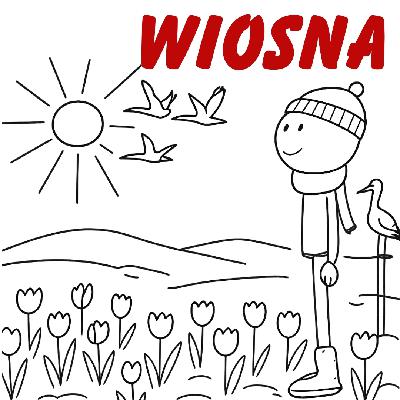
This week we talk about spring — wiosna 🌷
We practice simple phrases about warm weather, temperatures, and everyday conversations. It’s getting warmer, the days are longer, and it’s the perfect time to refresh your Polish.
If you’d like to practice with us live, join our online course every Monday, Tuesday, and Wednesday at 7:00 p.m. (Polish time).
Prefer learning in person?
You’re welcome to join us for a weekend intensive Polish course or a one-week immersion program and enjoy the atmosphere of a small, welcoming city near the sea.
Spring is a great time to start.
Learn Polish in Poland or online https://www.learn-polish.pl/
🇩🇪 Lubisz Niemcy?
Czy lubisz Niemcy?
Ja lubię Niemcy.
Lubię Berlin.
Lubię Hamburg.
Lubię Monachium.
Niemcy są fajne.
🗣 Weekend – Small Talk
Co robisz w weekend?
Co robiłeś w weekend?
Mój weekend był super.
Byłem u mamy.
Byłem na kawie.
🌍 Skąd jesteś?
Skąd jesteś?
Jestem z Anglii.
Jestem z Leicester.
Jestem ze Sztokholmu.
Jestem z Cottbus.
Cottbus to miasto w Niemczech.
Cottbus jest blisko Berlina.
Blisko czy daleko?
Berlin jest blisko Cottbus.
Sztokholm jest daleko.
Blisko = near.
Daleko = far.
🏊 W mieście
Czy tu jest basen?
Czy tu jest teatr?
Czy tu jest muzeum?
Czy są tu jakieś zabytki?
Zabytek to stary budynek.
Na przykład kościół albo zamek.
🏔 Chcę zobaczyć…
Chcę zobaczyć jezioro Bajkał.
Chcę zobaczyć Mount Everest.
Chcę zobaczyć piramidy w Egipcie.
Chcę zobaczyć Stonehenge.
Chcę zobaczyć całą Polskę.
Chcę zobaczyć = I want to see.
🏙 Stolica
Stolica Polski to Warszawa.
Stolica Szwecji to Sztokholm.
Stolica Anglii to Londyn.
Stolica Zimbabwe to Harare.
Stolica = capital city.
🎯 Najważniejsze zwroty z lekcji
✔️ Skąd jesteś?
✔️ Co robisz w weekend?
✔️ Blisko / daleko
✔️ Czy tu jest…?
✔️ Chcę zobaczyć…
✔️ Stolica
🚀Join VIP Polish course
🇵🇱 Prefer something more intensive?
Join our Weekend Intensive Course or a 1-Week Full Immersion Course at our language school.
🗣 Practice real conversations.
Build confidence.
Start speaking Polish.
Learn Polish https://www.learn-polish.pl/

Learn Polish online or in our small langauge school https://www.learn-polish.pl/
🌷 Key Takeaways
1️⃣ Spring Vocabulary
Wiosna – Spring
Ciepło – Warm
Bardzo ciepło – Very warm
2️⃣ Talking About Temperature
Jest 10 stopni.
It’s 10 degrees.
Jest 11 stopni.
It’s 11 degrees.
Jest 12 stopni.
It’s 12 degrees.
Jest 13 stopni.
It’s 13 degrees.
Jest 14 stopni.
It’s 14 degrees.
Jest 15 stopni.
It’s 15 degrees.
3️⃣ Talking About the Future
Będzie ciepło.
It will be warm.
Będzie fajnie.
It will be nice.
Będzie 10 stopni.
It will be 10 degrees.
4️⃣ Simple Question Practice
Lubisz wiosnę?
Do you like spring?
Join VIP Polish course https://app.learn-polish.pl/

More examples with "piękna" https://www.learn-polish.pl/online-lessons/what-is-beautiful-in-polish
Summary of the lesson.
Thank you for learning Polish with us.
🏙️ Warszawa jest piękna.
Warsaw is beautiful.
✨ Warszawa jest bardzo piękna.
Warsaw is very beautiful.
👑 Kraków jest piękny.
Kraków is beautiful.
🏰 Kraków jest duży, ale piękny.
Kraków is big, but beautiful.
🌿 Lębork jest mały, ale piękny.
Lębork is small, but beautiful.
⚓ Gdańsk jest bardzo piękny.
Gdańsk is very beautiful.
🏖️ Plaża jest piękna.
The beach is beautiful.
🌊 Plaża w Łebie jest bardzo piękna.
The beach in Łeba is very beautiful.
🌅 Morze Bałtyckie jest piękne.
The Baltic Sea is beautiful.
🚇 Metro w Warszawie jest piękne.
The metro in Warsaw is beautiful.
❤️ Moja żona jest piękna.
My wife is beautiful.
🌹 Twoja żona jest piękna.
Your wife is beautiful.
🍅 Moje pomidory są piękne.
My tomatoes are beautiful.
🎓 Oxford jest piękny.
Oxford is beautiful.
🏔️ Szkocja jest piękna.
Scotland is beautiful.
🌎 Kolumbia jest piękna.
Colombia is beautiful.
🍀 Irlandia jest piękna.
Ireland is beautiful.
🇵🇱 Myślę, że Polska jest piękna.
I think Poland is beautiful.
🇵🇱 Ready to finally speak Polish?
Join us online or come to our language school near the Baltic Sea 🌊
Choose what fits you:
→ 1-week intensive Polish course
→ 2-week intensive course
→ Weekend immersion course
Real lessons. Real speaking. Real progress.
See you in class — online or by the sea. https://www.learn-polish.pl/
What's your plan for the weekend https://www.learn-polish.pl/online-lessons/easy-polish-dialogues-about-travel
1️⃣ Compliments in Polish (revision)
Jesteś piękna.
You are beautiful.
Lubię twój styl.
I like your style.
Warszawa jest piękna nocą.
Warsaw is beautiful at night.
✅ Key Takeaway:
piękna = beautiful (for feminine noun or woman)
Use “Jesteś piękna” as a daily compliment. Simple. Powerful.
2️⃣ Asking About Weekend Plans
Co robisz w weekend?
What are you doing this weekend?
Jadę do Berlina.
I’m going to Berlin.
W weekend uczę się polskiego.
On the weekend I study Polish.
✅ Key Takeaway:
Co robisz…? = What are you doing…?
Very useful for small talk.
3️⃣ Asking About Summer Plans
Masz plan na lato?
Do you have a plan for the summer?
Jadę nad Bajkał.
I’m going to Lake Baikal.
Chcę zobaczyć jezioro.
I want to see the lake.
✅ Key Takeaway:
Masz plan…? = Do you have a plan…?
Chcę + verb = I want to…
4️⃣ Asking Where Someone Is From
Skąd jesteś?
Where are you from?
Jestem z Cottbus.
I’m from Cottbus.
Jestem ze Sztokholmu.
I’m from Stockholm.
✅ Key Takeaway:
Jestem z + city
Sometimes it changes:
z Cottbus
ze Sztokholmu
5️⃣ Talking About Where You Live & Work
Gdzie mieszkasz w Anglii?
Where do you live in England?
W Leicester.
In Leicester.
Studiuję i pracuję w kawiarni.
I study and work in a café.
✅ Key Takeaway:
Gdzie mieszkasz? = Where do you live?
Studiuję / pracuję = I study / I work
6️⃣ VIP Course Invitation (Clear & Simple)
Live lessons: Monday, Tuesday, Wednesday at 7 p.m.
First part: lesson
Second part: speaking practice
7-day free trial
119 zł per month
Cancel anytime
Join VIP Polish course ✅ https://app.learn-polish.pl/
🌸 Want to use “piękny” and “piękna” correctly?
Join our live lesson today at 7:00 pm and practice Polish compliments with us! 🇵🇱✨ https://app.learn-polish.pl/
💪 Piękny. (rodzaj męski)
Beautiful. (masculine)
🌸 Piękna. (rodzaj żeński)
Beautiful. (feminine)
💖 Jesteś piękna.
You are beautiful. (to a woman)
🔥 Jesteś piękny.
You are handsome / beautiful. (to a man)
🌊 Gdańsk jest piękny.
Gdańsk is beautiful.
🏙️ Warszawa jest piękna.
Warsaw is beautiful.
🌅 Morze Bałtyckie jest piękne.
The Baltic Sea is beautiful.
🇵🇱 Polska jest piękna.
Poland is beautiful.
❤️ Moja żona jest bardzo piękna.
My wife is very beautiful.
Full immersion Polish course in a small town in Poland or Polish online https://www.learn-polish.pl/

Learn Polish in Poland or online https://www.learn-polish.pl
In this lesson, students practiced five essential Polish verbs: pracować (to work), jeść (to eat), pić (to drink), spać (to sleep), and gotować (to cook). The group had fun, interactive conversations about their daily routines, including where they work, how much they sleep, what they eat and drink, and their favorite foods like eggs, soups, and coffee. They discussed personal habits and preferences while asking and answering questions in Polish. There was also some cultural humor about workaholics, Polish food like barszcz (beet soup), and social drinking. The session encouraged natural speaking practice in a relaxed, friendly environment, with an invitation to join future speaking sessions online or in person in Lębork.

In this episode, we practice real beginner Polish through a fun, semi-live conversation about Wrocław — where you’ve been, what you like, what the weather is like, and what to do when plans change (yes… there’s a blackout in the restaurant 😄).
You’ll hear lots of repetition and natural questions you can steal for real life.
✅ Key Takeaways (what you’ll learn)
Talking about travel plans
Dokąd jedziemy? — Where are we going?
Jedziemy do Wrocławia. — We’re going to Wrocław.
“Have you been…?” + male/female forms
Byłeś we Wrocławiu? — Have you been to Wrocław? (to a man)
Byłaś we Wrocławiu? — Have you been to Wrocław? (to a woman)
Weather + plans
Ale zimno. Wieje wiatr. — It’s so cold. It’s windy.
Idziemy do restauracji. — Let’s go to a restaurant.
Restaurant + surprise situation
Co pijemy? — What are we drinking?
Nie ma prądu. Jest ciemno. — There’s no electricity. It’s dark.
Spokojnie. Będzie dobrze. — Relax. It’ll be fine.
Learn Polish in Poland or online 👉 https://www.learn-polish.pl/
Want to learn Polish faster and actually start speaking?
Join our Polish lessons online, or come in person to our school near Gdańsk (easy to reach — about 5 hours by train from Warsaw).
We run VIP lessons and 1-week intensive courses focused on real conversation, real situations, and clear progress.
7 day free trial of VIP course https://app.learn-polish.pl/

Comments

Download from Google Play

Download from App Store
 United States