


 Claim Ownership
The CFO Show
Subscribed: 11,462Played: 35,996
Subscribe

© 2025
Description
With today's increasingly challenging business conditions, finance leaders are taking on more responsibilities and facing more change than ever.
Join Vena’s CFO Melissa Howatson for The CFO Show, a monthly podcast featuring interviews with forward-thinking finance and business leaders.
Get timely commentary on today’s biggest issues in business, hear from finance leaders on how their work is transforming their organizations and get practical advice for ushering your finance team into the future.
The CFO Show isn’t just a podcast; it’s your forecast for the future of finance.
thecfoshowpodcast.com
Join Vena’s CFO Melissa Howatson for The CFO Show, a monthly podcast featuring interviews with forward-thinking finance and business leaders.
Get timely commentary on today’s biggest issues in business, hear from finance leaders on how their work is transforming their organizations and get practical advice for ushering your finance team into the future.
The CFO Show isn’t just a podcast; it’s your forecast for the future of finance.
thecfoshowpodcast.com
91 Episodes
Reverse
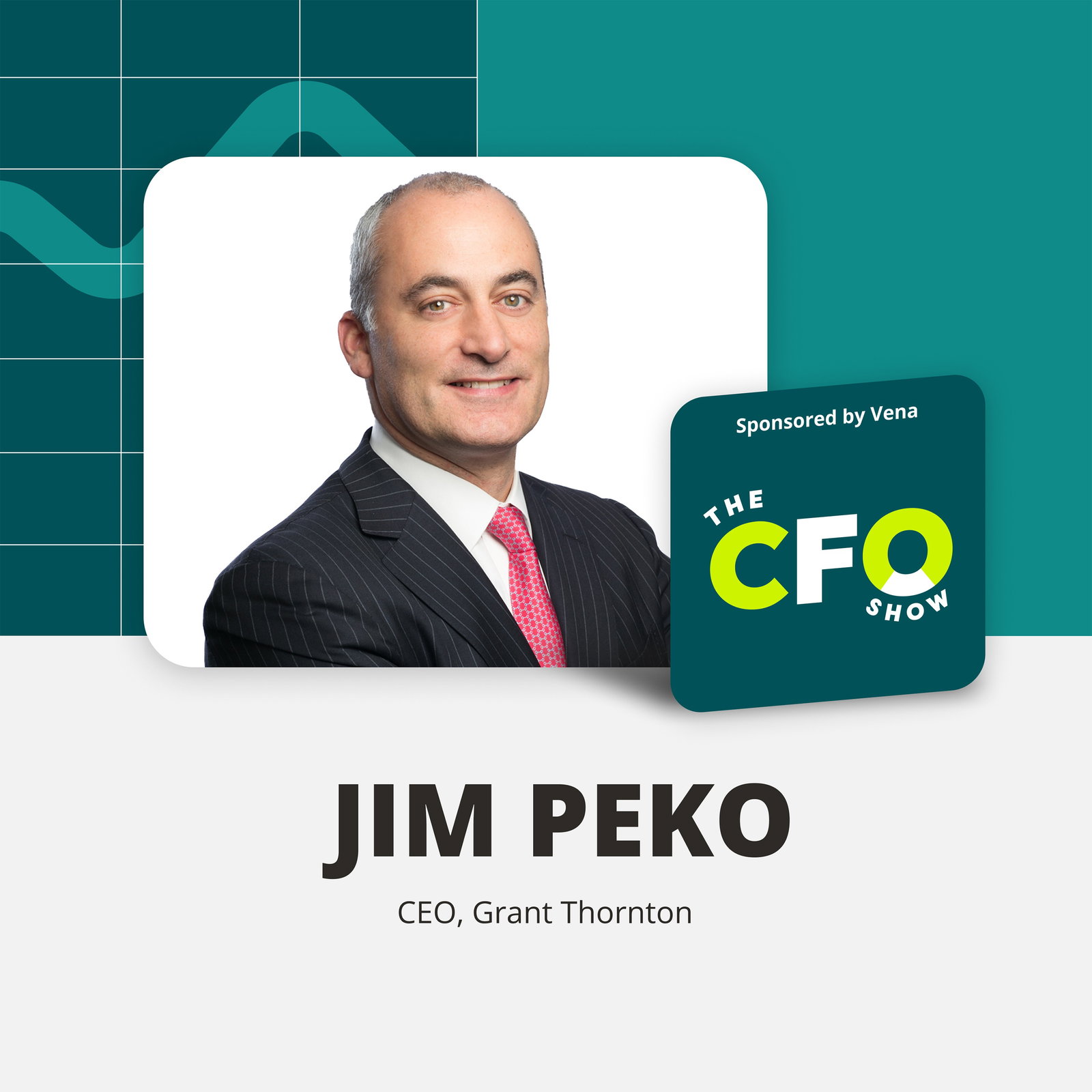
Growth often looks impressive from the outside. New markets, new capabilities and new headlines. But as organizations scale, leaders quickly discover that growth is the visible part. Integration is the real work.In this episode of The CFO Show, Melissa Howatson sits down with Jim Peko, CEO of Grant Thornton Advisors LLC, to discuss one of the most significant transformations in the firm’s 100-year history. As Grant Thornton evolves from a traditional partnership model into a unified multinational platform bringing together nearly 20 firms and 25,000 professionals, Jim shares lessons on governance, leadership, culture and long-term value creation.Together, they explore:Why true transformation requires more than incremental changeHow governance structures can accelerate or hinder growthThe difference between acquisition and integration, and why integration creates valueHow leaders can balance global consistency with local autonomyWhy transparency and communication matter during periods of changeHow AI and technology investments support quality, scalability and client outcomesLeadership lessons from transforming a 100-year-old organizationWhether leading a major acquisition, scaling internationally or modernizing a legacy business, this conversation offers practical insights for CFOs and enterprise leaders navigating transformation at scale.
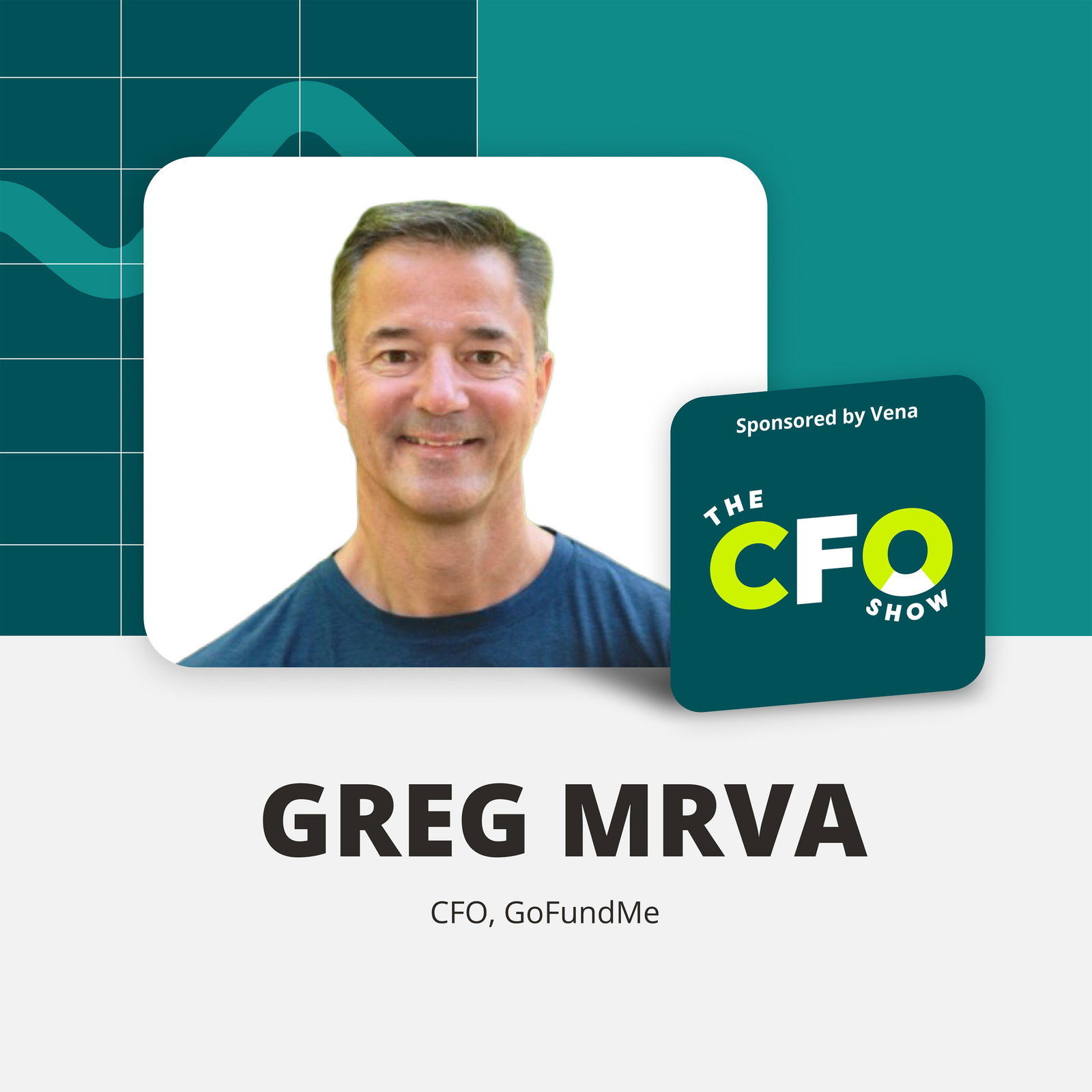
The path to becoming a CFO is rarely linear. In today’s environment of constant change, finance leaders are expected to move between strategy, operations, and capital markets while developing the judgment needed to navigate uncertainty and drive growth.In this episode of The CFO Show, Melissa Howatson speaks with Greg Mrva, Chief Financial Officer of GoFundMe, about how varied career experiences shape stronger finance leaders. Drawing on decades of experience across investment banking, public company leadership, and high-growth technology businesses, Greg shares how moving between roles builds pattern recognition, resilience, and better decision-making. His journey from investment banking to CFO offers a practical lens on how finance leaders can expand their capabilities over time.Together, they explore:Why non-linear career paths create stronger CFOsHow experience in banking and operating roles builds strategic insightLessons from integrating acquisitions and building unified teamsHow GoFundMe is scaling a platform at the intersection of money, trust and technologyThe role of AI in accelerating finance workflows and decision-makingHow to develop “range of motion” across strategy, operations and analyticsThe critical skills CFOs need to lead in environments defined by ambiguity and changeWhether building a finance career, leading transformation, or preparing for the next generation of CFO leadership, this conversation offers practical insights on adaptability, growth, and long-term success.
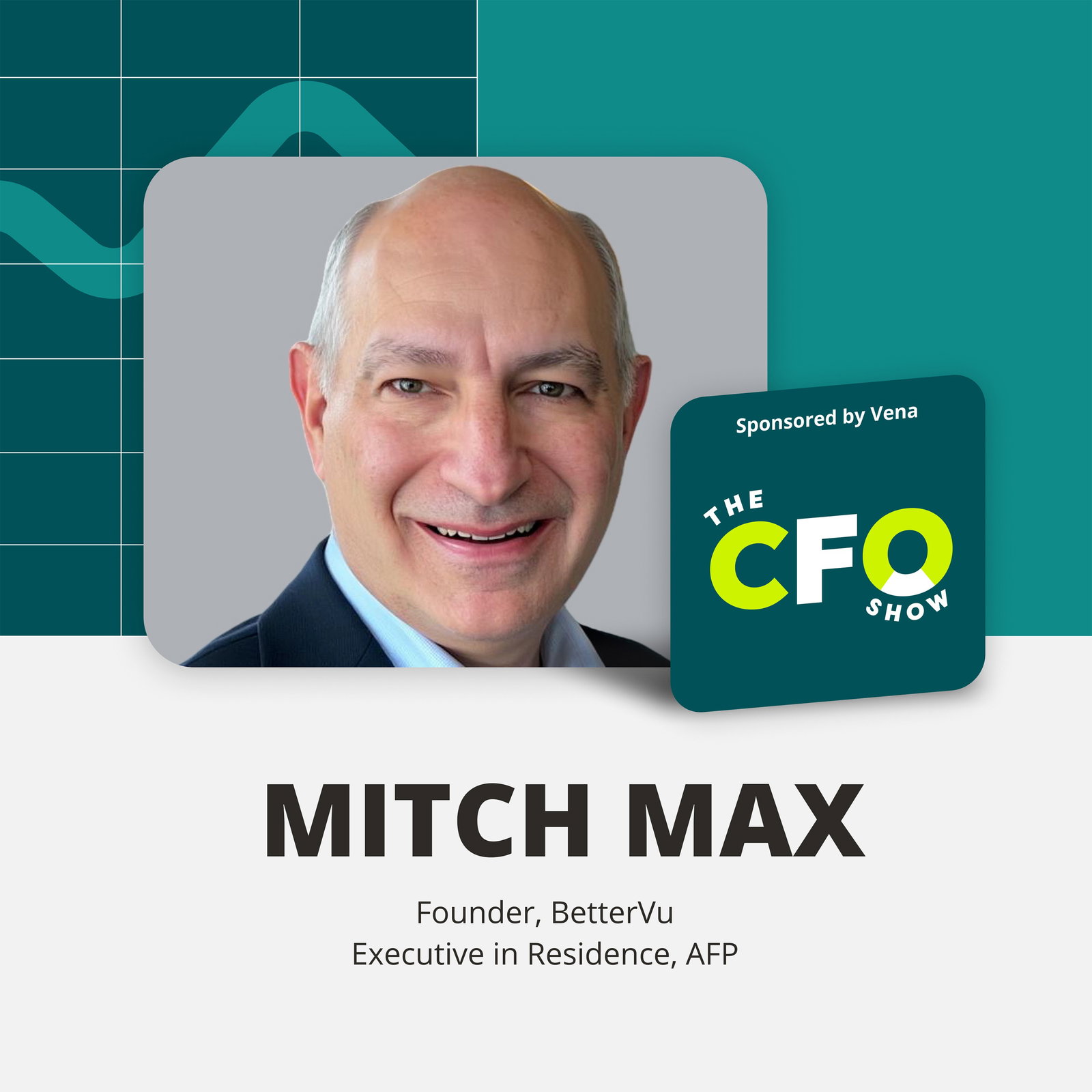
Business agility has become a defining capability for organizations operating in today’s environment of volatility, uncertainty, complexity, and ambiguity (VUCA). But while many companies focus on operational flexibility or technology investments, fewer understand the critical role finance plays in enabling true agility across the business.In this episode of The CFO Show, Melissa Howatson speaks with Mitch Max, founder of BetterVu and Executive in Residence for the Association of Financial Professionals, about what separates organizations that survive from those that thrive during disruption. Drawing on research and decades of experience in enterprise performance management, Mitch shares how agility is less about tools and more about culture, decision-making, and embedded finance leadership.Together, they explore:The difference between finance agility and true business agilityWhy only a small percentage of companies outperform during volatilityThe “sense, decide, act” model for faster, more effective decision-makingHow finance teams act as early warning systems and strategic partnersThe role of EPM systems in enabling real-time planning and collaborationHow to manage data overload and focus on actionable insightsWhere AI is delivering value today, from automation to advanced analyticsWhether navigating economic uncertainty, implementing new planning systems, or redefining the role of finance, this conversation offers practical guidance for CFOs and finance leaders looking to build more agile, resilient organizations.
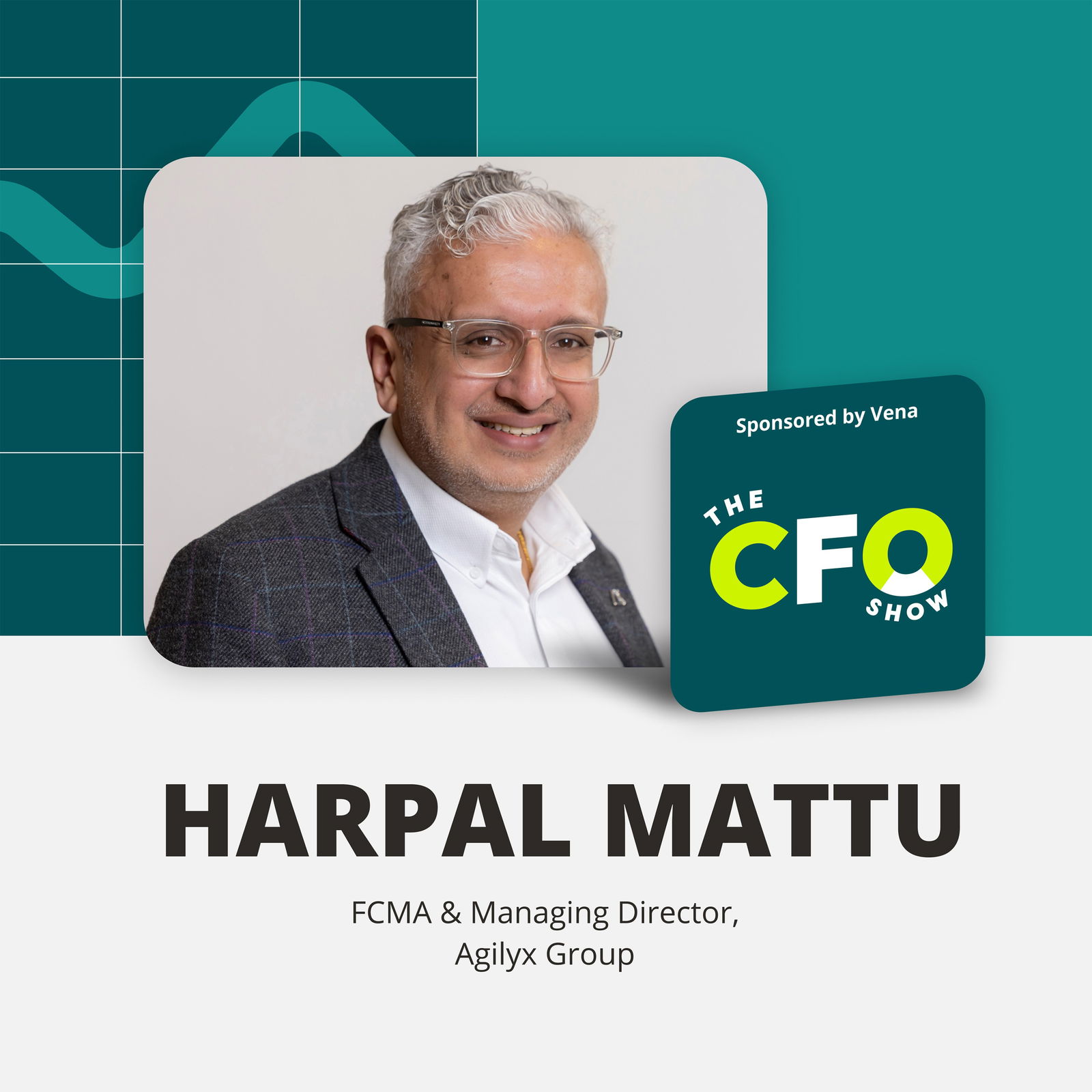
One of the most consequential decisions a CFO will make is selecting and implementing an enterprise resource planning (ERP) platform. Yet beyond vendor comparisons and licensing costs lie hidden risks—customization overruns, stalled implementations, legacy system constraints, and organizational change fatigue.In this episode of The CFO Show, Melissa Howatson speaks with Harpal Mattu, FCMA, Managing Director at Agilyx Group, about what truly determines ERP success or failure. Drawing on decades of experience guiding global ERP transformations, Harpal shares practical lessons from both high-performing implementations and recovery projects where things went wrong.Together, they discuss:The true total cost of ERP ownership beyond implementation feesWhy excessive customization creates “Frankenstack” environmentsWhen to adapt your processes versus customizing the systemHow to structure ERP programs to reduce risk and avoid burnoutPhasing vs. “big bang” go-lives—and what CFOs must protectWhy change management must begin before system selectionThe evolution of ERP from system of record to system of reasoningWhether you’re modernizing a legacy ERP, evaluating new platforms, or leading a finance transformation initiative, this conversation offers a strategic lens for navigating ERP decisions with confidence and discipline.
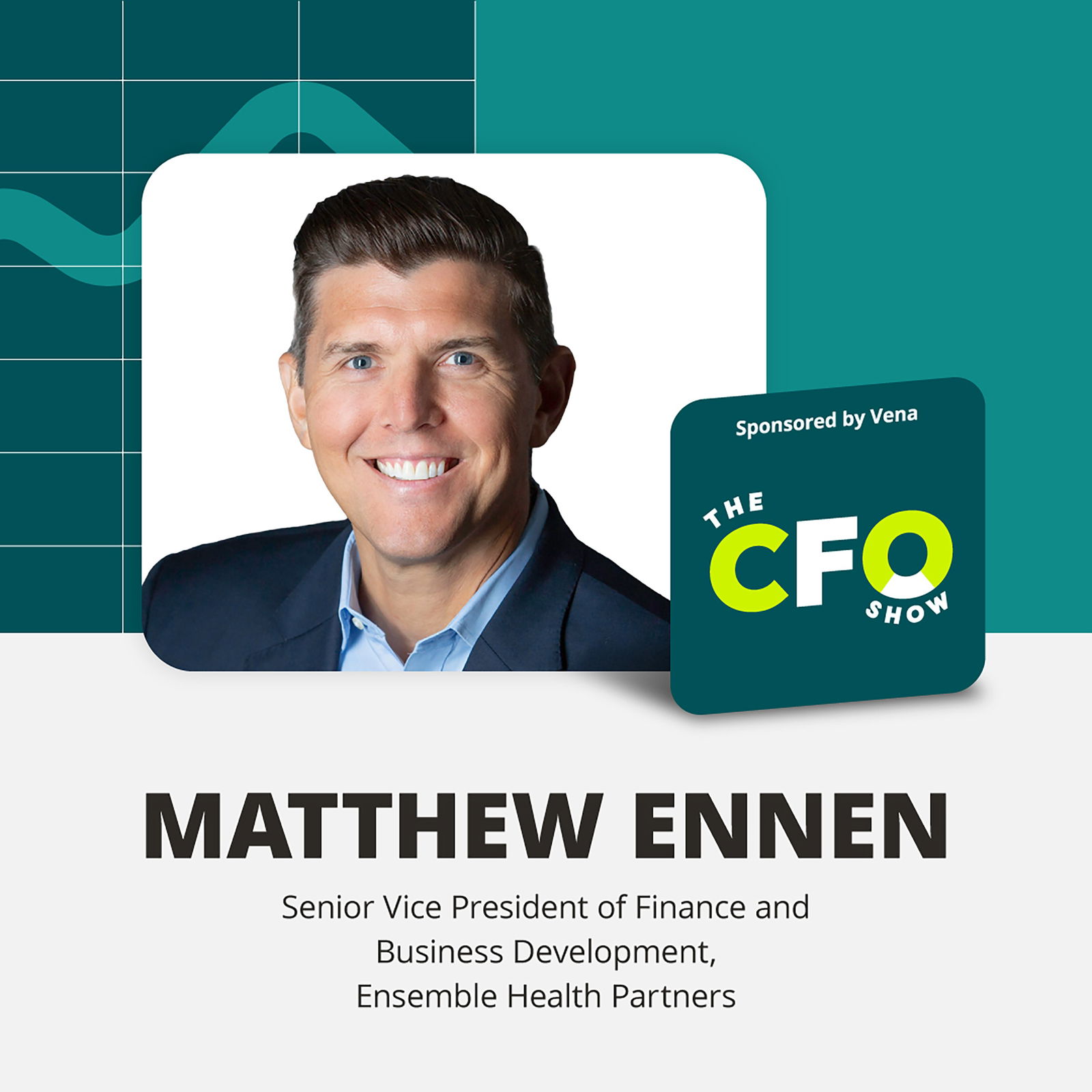
Healthcare finance leaders are operating under unprecedented pressure. Rising costs, staffing shortages, payer complexity, and constant uncertainty. Matthew Ennen, Senior Vice President of Finance and Business Development at Ensemble Health Partners, shares how finance leaders can navigate volatility while staying anchored to their mission, their people and long-term resilience. Drawing on more than 20 years of experience across healthcare and consumer industries, Matthew explains why finance skills are highly transferable, how analytics and scenario planning enable proactive decision-making, and why transparency, empathy and communication are now essential leadership requirements. From balancing cost containment with innovation to keeping teams motivated through periods of transformation, Matthew offers practical insights for finance leaders in any industry facing rapid change. Discussed in This Episode: Leading finance teams through uncertainty and transformation Why finance skills transfer across industries Balancing cost control with innovation in mission-driven organizations Using analytics to move from reactive to proactive decision-making The role of transparency, empathy and communication in leadershipFor CFO insights, episode show notes and exclusive blog content, visit thecfoshowpodcast.com.

Comments

Download from Google Play

Download from App Store
 United States