


 Claim Ownership
St. Michael and All Angels Episcopal Church Albuquerque
Subscribed: 1Played: 4
Subscribe

© All rights reserved.
Description
St. Michael and All Angels Episcopal Church is a socially diverse and theologically progressive community of faith, inviting all people to seek a life of spiritual growth grounded in worship, prayer, study, service, and fellowship.
Through creative worship and strong personal commitments, we seek to be transformed by the love of God in Christ so that we may be sent out to serve the poor and all those in need
153 Episodes
Reverse
We celebrate Easter this year in a world at war, a world tired, anxious, and hungry for good news that does not deny reality. This reflection asks what Christians really mean by victory when suffering, fear, and injustice persist. Easter is not about pretending everything is fine, but about refusing to let despair win.
On Good Friday, Angel Nalubega preaches a powerful homily about the cross. Leaning on the theology of James Cone, she says that we cannot understand the cross without the lynching tree. Christ the Victor is the suffering servant, the poor man.
The Rev. Simone Drinkwater explores the significance of the cross and passion narrative, emphasizing its central role in early Christianity. She challenges the modern focus on resurrection, urging believers to embody self-giving love and hope, transforming present suffering into a vision of the world to come.
This sermon reflects on Jesus’ raising of Lazarus as the culmination of his life‑giving ministry and a witness to God’s desire for human beings to be fully alive. It challenges Christians to confront the death‑dealing powers of our world that deny abundant life to so many. It ends by returning to the honest questions of a child, grounding hope in the conviction that no one is abandoned to the tomb.
We live in a world that trains us to scroll past complexity and look away from suffering. This sermon invites us to resist that pressure and to see again with the clarity, nuance, and courage Lent demands. From encounters with unhoused neighbors to rising antisemitism, and from disability justice to digital distraction, we’ll ask what God longs for us to see. And where the Spirit is already helping us take a second look.
In this session of our newcomers class at St. Michael and All Angels in Albuquerque, we explore how Christians — especially in the Episcopal tradition — understand the Bible as a library of texts written across many centuries.Together we look at the structure of the Hebrew Bible (the TaNaK), the origins of the New Testament, how the canon came to be, and why different Christian communities treat biblical books differently.We also talk about interpretation: literalism, inspiration, and how Episcopalians read scripture in community. Rather than treating the Bible as a rulebook, we look for the larger direction it points us toward — freedom, life, and the possibility of becoming fully alive in God.This class is part of our “Newcomers Class” a series for newcomers and the curious. If you're wondering how Episcopalians approach scripture — historically, theologically, and spiritually — this video is a great place to start.Join us Sunday for discussion, questions, and some hands-on engagement with the text.🙏 Thanks for watching, and God bless.00:00 – Welcome & Overview 00:19 – What Is the Bible? A Library of Books 01:41 – Hebrew Bible and New Testament 05:00 – The Torah and the Foundations of Scripture 12:04 – The Gospels and Early Christian Writings 17:19 – Understanding Revelation 21:56 – Inspiration, Literalism, and Interpretation 28:40 – How Episcopalians Read Scripture 31:25 – The Bible as Direction, Not Directions 32:31 – Closing Blessing
The Rev. Simone Drinkwater reflects on the encounter between Jesus and the Samaritan woman in John’s Gospel as a story shaped by cultural tension, religious estrangement, and unexpected openness. She notes how the conversation crosses boundaries of gender, ethnicity, and faith, even as it reveals the awkwardness and pain carried by John’s community of outcasts. Drawing on her own perspective as a trans woman with Samaritan ancestry, she names both the dignity and the difficulties within the story. In a world marked by conflict and misuse of power, she calls the church to engage in similarly uncomfortable but necessary conversations, trusting the Holy Spirit to work through them and make us instruments of peace.
In this newcomers class at St. Michael and All Angels Episcopal Church, we look at two core questions: Why Christianity? and Why the Episcopal branch of the Jesus Movement?The class follows four main movements:1. Christianity and resistanceWe begin with the world Jesus lived in: a world shaped by empire. Drawing on Howard Thurman and liberation theologians like Orlando Espín, we explore how Christianity began as a way for ordinary people to endure and resist systems of domination. We also name the hard truth that the church has often blessed empire—and how many Christians today are returning to the movement’s earliest roots in compassion and justice.2. Christianity as inheritanceChristianity gives us stories that have shaped our culture and our moral imagination. Many of us inherit prayers, practices, and community through family or through returning to faith after time away. We talk about what it means to receive these stories honestly and interpret them for our own lives.3. The centrality of JesusWe turn to Jesus himself: his boundary-crossing compassion, his preaching about the Reign of God, and his ability to make people more fully alive. Jesus remains the deepest reason many of us stay Christian.4. Why the Episcopal ChurchWe consider how the Episcopal tradition holds ancient faith and real openness together. We talk about the Anglican approach to questions, the role of the creeds in worship, and the central place of the Eucharistic table.The video ends with two icons of the Trinity—Rublev’s traditional image and Kelly Latimore’s contemporary reimagining—both reminding us that there is room at the table for every person, including those the church has excluded.
In this sermon, the Rev. Mike Angell reflects on Jesus’ nighttime conversation with Nicodemus and what it means to be “born from the source” in a moment of global fear. Drawing on Archbishop Hosam Naoum’s plea for peacemakers in the midst of new conflict involving Iran, Mike challenges Christians to reject religious division and reclaim a faith rooted in connection, courage, and the cosmic love of God. This sermon calls us back to the Source that binds all people together and points us toward the kingdom where peace, not fear, has the final word.
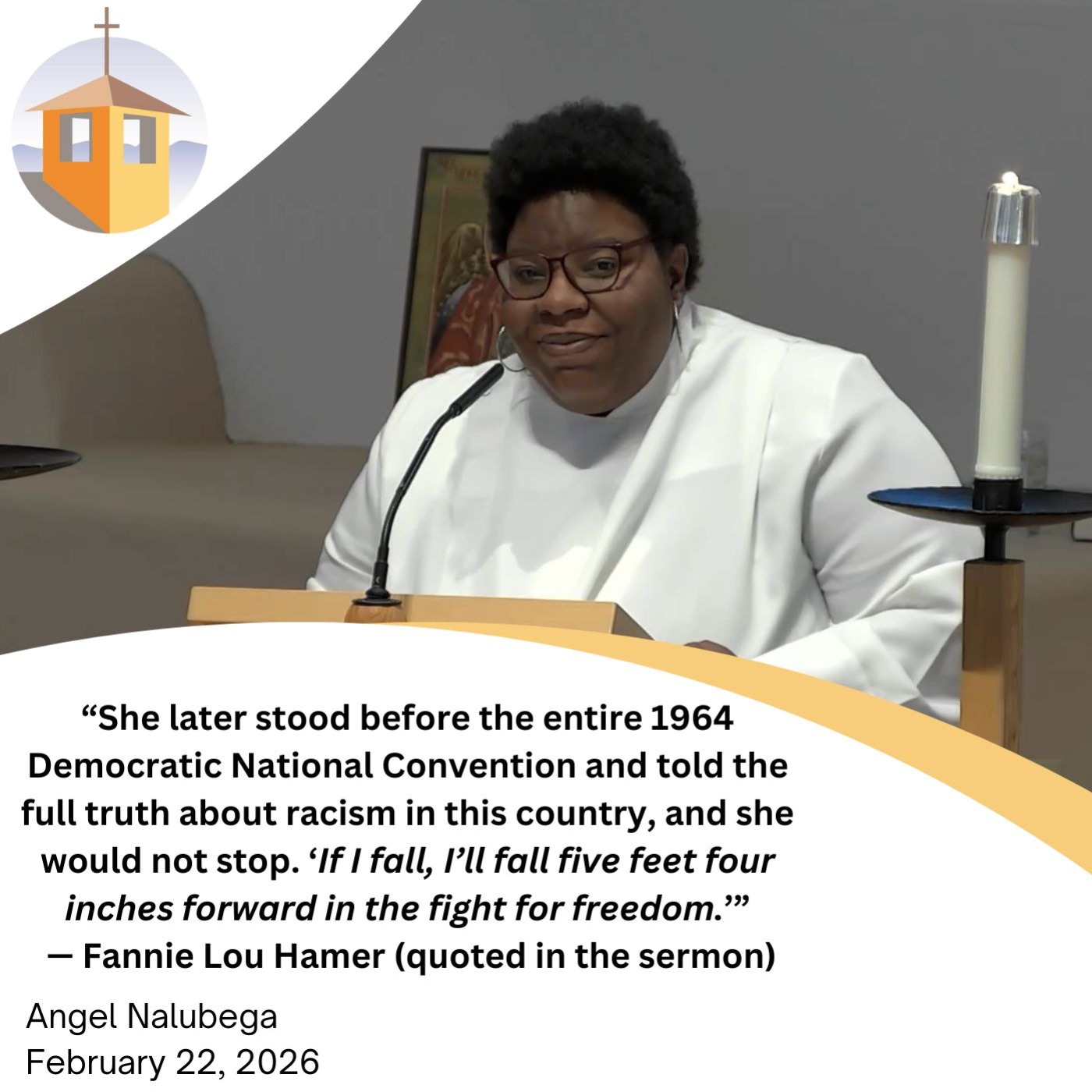
Join us this Second Sunday of Lent as our Director of Youth & Outreach, Angel Nalubega, brings a powerful and challenging sermon. Together, we will reflect on the “Empires” in our lives that demand our ultimate allegiance.Angel’s sermon draws striking parallels between the steadfastness of Palestinian Christians and the faith‑driven defiance of Ida B. Wells and Fannie Lou Hamer. Through these stories, Angel invites us to examine the illusion that we can transform systems we have already bowed to.This is a candid call to use these 40 days to strip away the world’s “glittering” distractions and reclaim a faith that is not for sale.Join us as we explore why saying “No” to the mountain’s offer is the first step toward true, costly liberation.
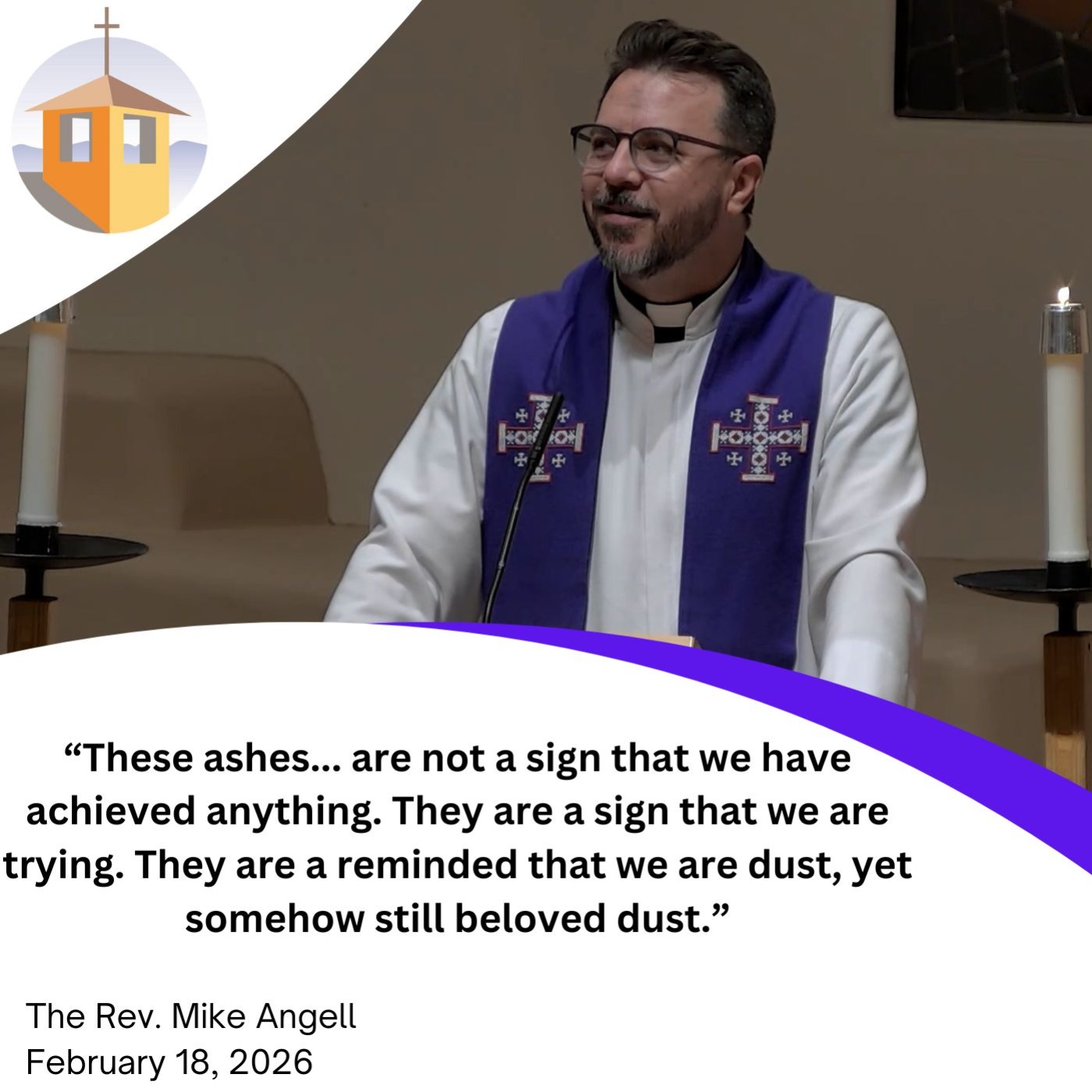
Join us on this Ash Wednesday as we lean into the beautiful messiness of faith, treating it not as a goal of perfection but as a practice. This sermon is a gentle invitation to stop pretending and start being honest. Join us as we remember that while we are indeed but dust, we are more importantly Beloved.
We sing our last Alleluias before Lent. We leave behind the long green seasons after Pentecost and Epiphany—“ordinary time”—and reflect on why that ordinariness feels so appealing in days that are anything but ordinary.This sermon explores how people of faith respond to disorderly times: through mystery, courage, and refusal to accept cruelty as normal. From biblical mountaintops wrapped in cloud to a modern story of a priest “outed” as a Christian, we see how encountering God makes us a little odd—and more alive.We recall the struggle for immigrant justice in New Mexico, a reminder that sometimes the world must finally see injustice before change becomes possible.As we turn toward Lent, we reflect on faith as consciousness, resistance, and trust in the dazzling darkness of God’s love. We may never return to ordinary time—and maybe that’s grace.
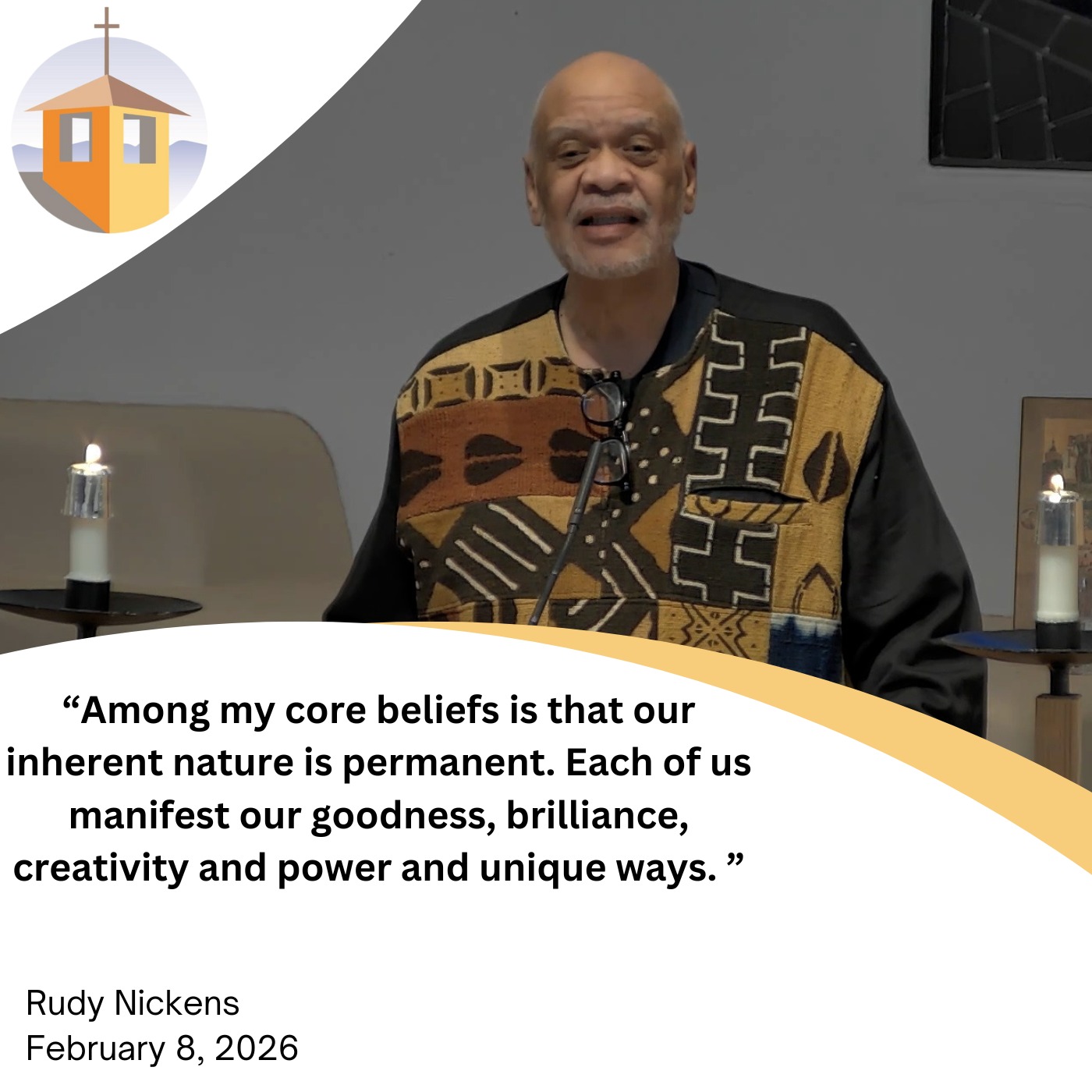
Rudy Nickens—renowned facilitator, equity leader, and storyteller—delivers a sharp, soulful call to confront injustice. Drawing on Niemöller’s warning and George Clinton’s liberating wisdom, he urges us to reject silence, free our minds, and continue the essential work of justice.
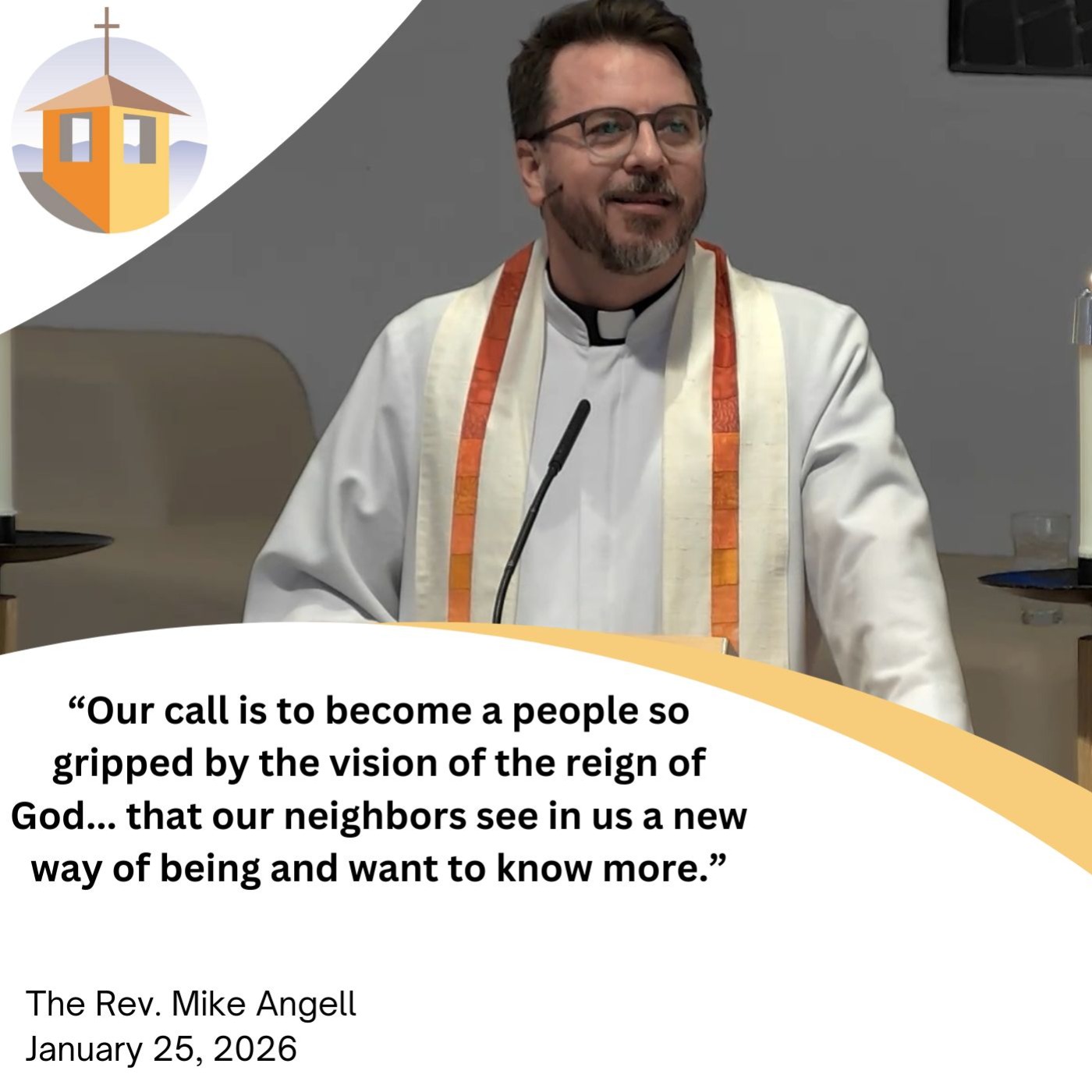
On this Fourth Sunday after Epiphany, the Rev. Mike Angell preaches and invites us to reflect on the heaviness so many of us are carrying. The heaviness of these days, when everyday choices feel overwhelming and the world feels loud, anxious, and divided.The sermon reminds us that God’s blessing rests not on power or perfection, but on compassion, courage, and care for the vulnerable. It invites us to see the world through the lens of Jesus’ upside‑down wisdom, to become helpers and peacemakers, and to walk humbly, faithfully, and persistently even when the way forward is unclear. This sermon offers hope: you are blessed, you are not alone, and love is still the way.
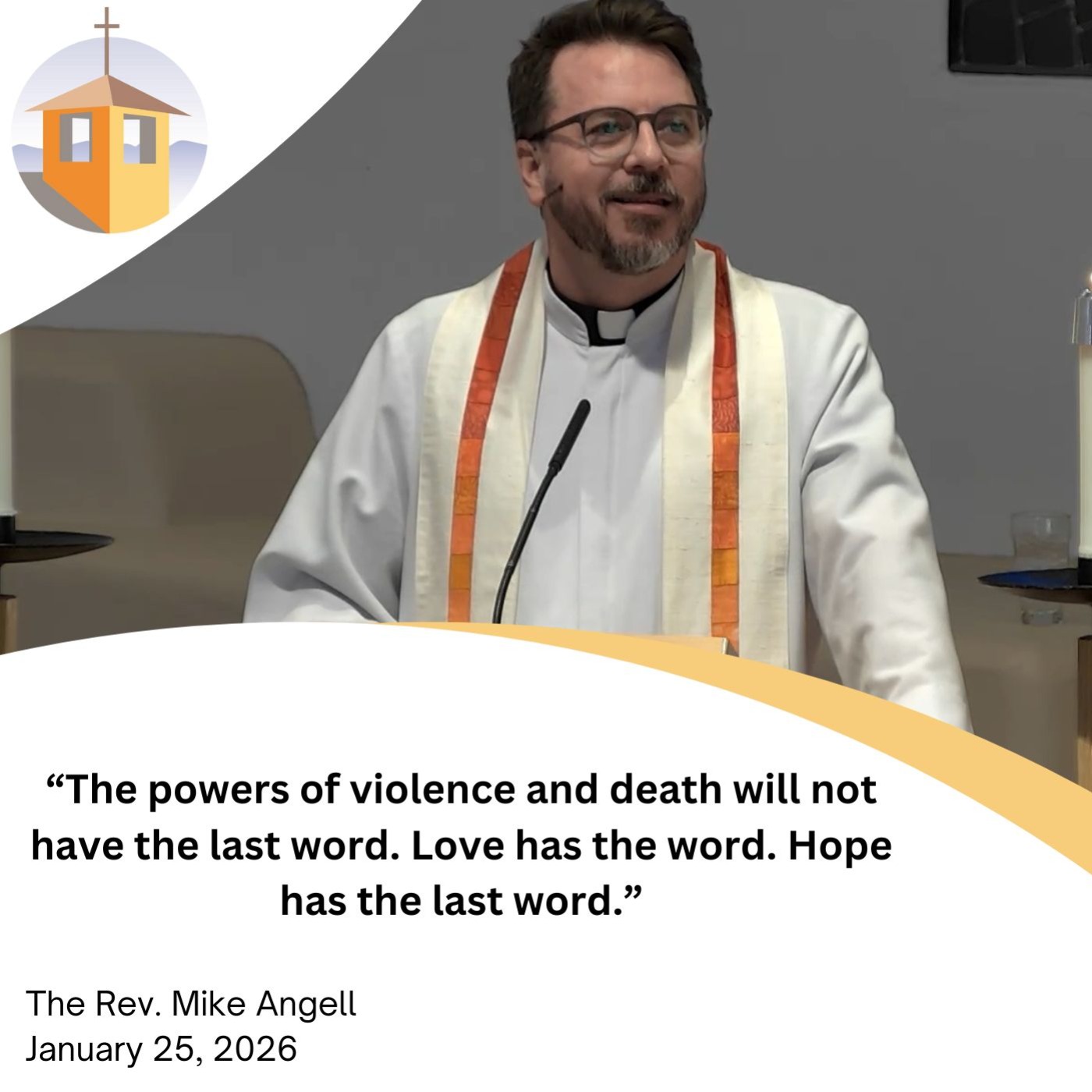
On this Sunday The Rev. Mike Angell explores a radical redefinition of "repentance" as a mindset shift toward justice rather than a weight of personal guilt. We dive into the life of St. Michael's Parish as they navigate the challenges of 2026, from supporting immigrant neighbors to becoming a literal antidote to despair. Join us for a candid look at how faith moves beyond the pews and into the streets to prove that Love, not violence, has the last word.
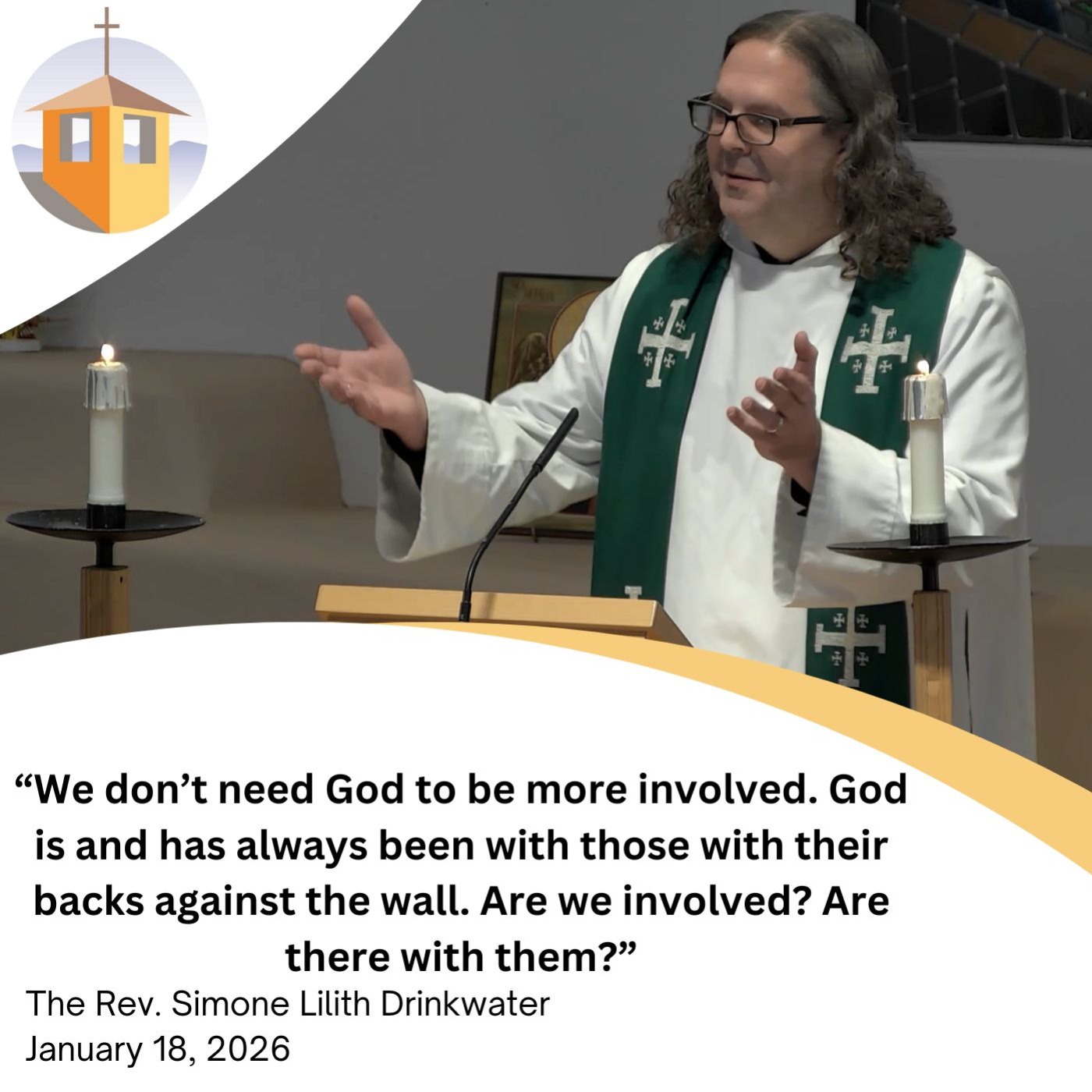
On this third Sunday after Epiphany, the Rev. Simone Lilith Drinkwater preaches and poses a powerful question: “What are you looking for?” Simone reflects on the reality of modern systemic injustice and suggests that instead of waiting for God to “fix” the world, we must recognize our own calling to be God’s hands and feet in the midst of suffering. By shifting from passive seekers to active participants, she challenges the congregation to transform the ordinary into the holy through acts of service.So—"what are you looking for?"Perhaps we are called to look for reconciliation and to build our lives on a foundation of active, courageous love.
The methodically explores the nuanced and curious interpretation of Elaine Pagels' new book, delving into the polarized times, unexpected organization of the book, the crucifixion and anti-Jewishness in the Gospels, the resurrection and canonical texts, and the discussion around how Jesus became God and the Creed. The conversation encourages a thoughtful and open-minded approach to theological exploration.
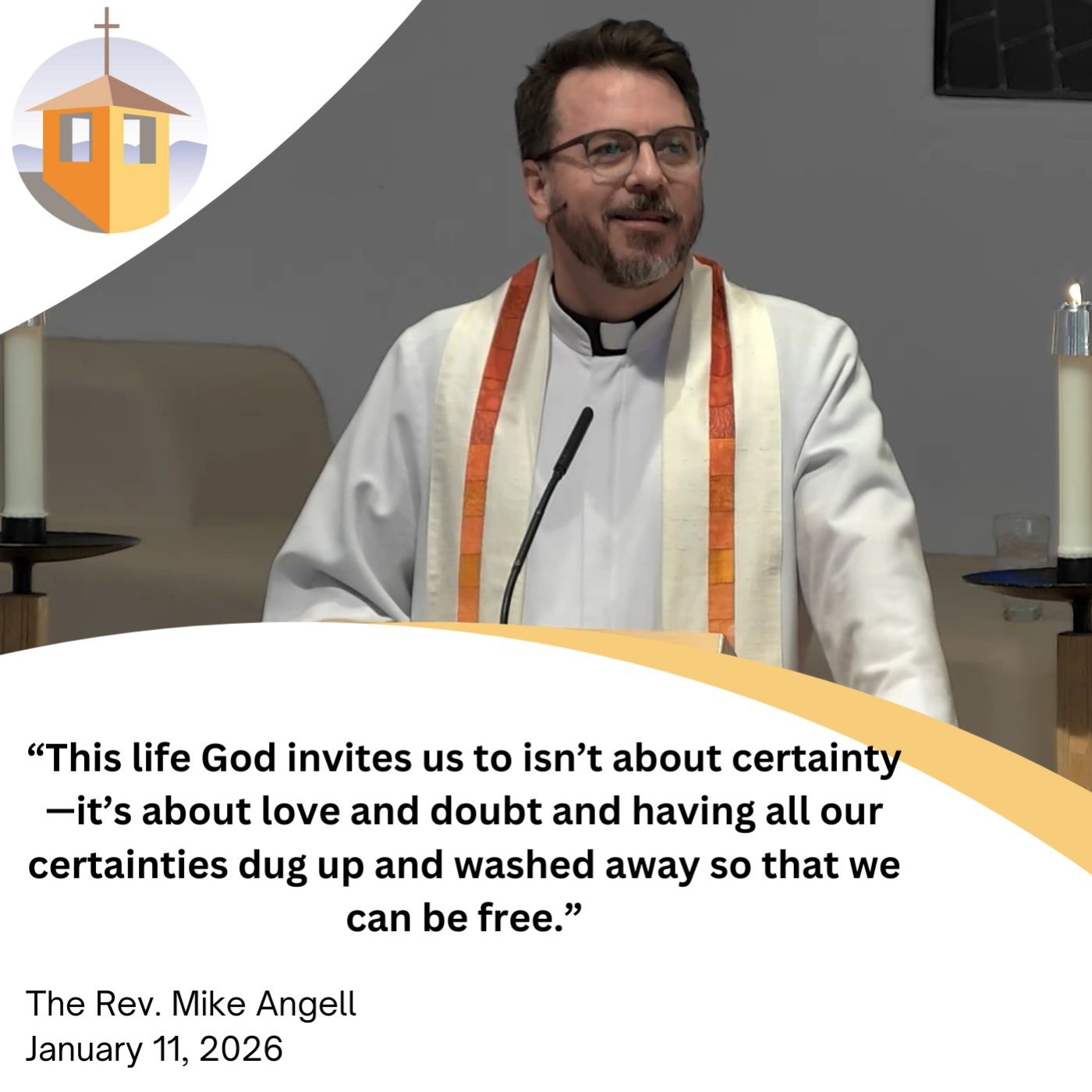
Join us this first Sunday after Epiphany as The Rev. Mike Angell reflects on the baptism of Jesus. He connects this ancient story to the struggles of our modern world, calling us to stand in solidarity with those who are hurting or afraid. Rather than focusing on exaltation, he highlights Jesus’ vulnerability and humility as he wades into the risky, muddy waters of the Jordan. This message invites us to let go of our certainties and embrace a life shaped by openness, compassion, and love.
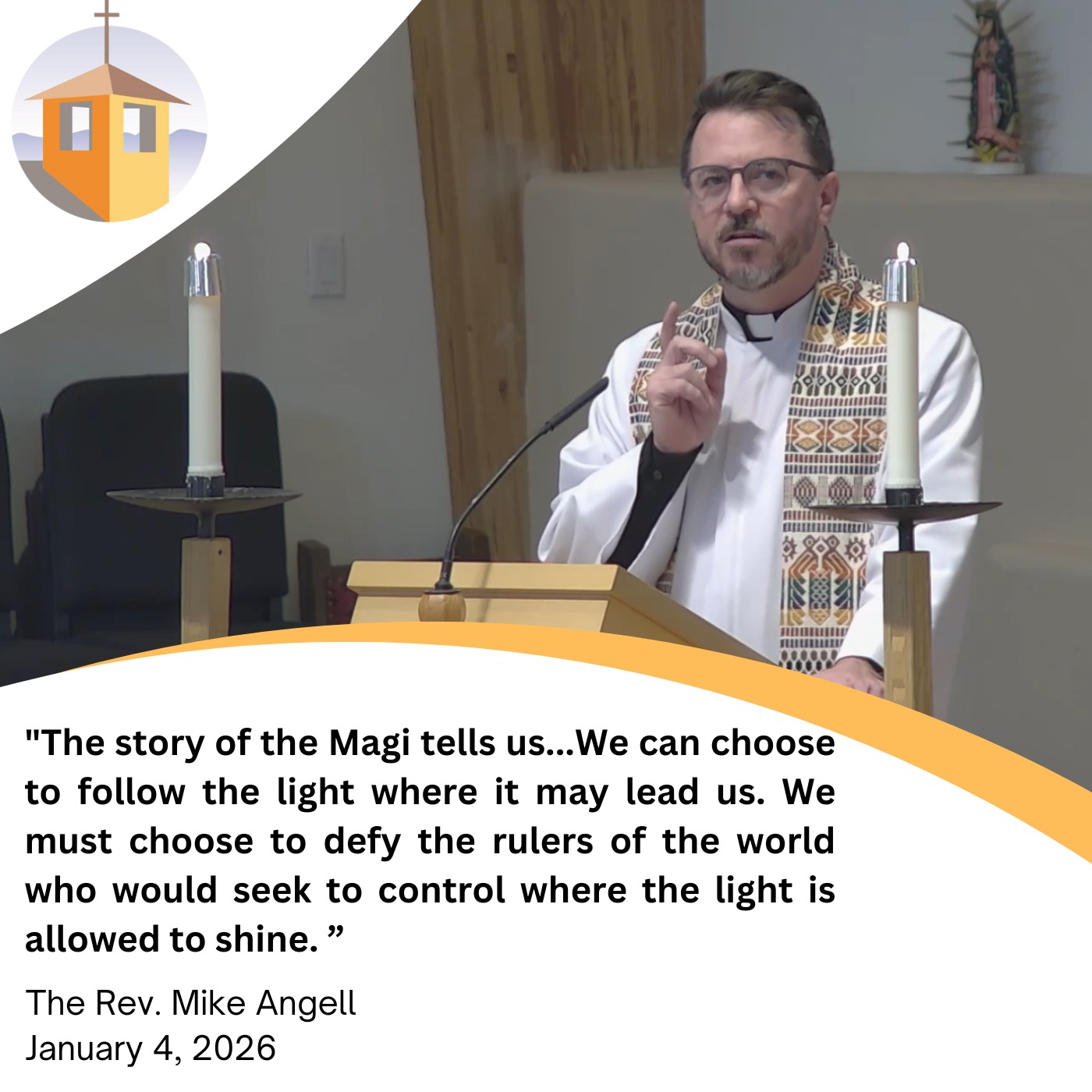
The Rev. Mike Angell explores the story of the Magi from the Gospel of Matthew, delving into themes of mystery, defiance against tyranny, the journey of migration, and the freedom to choose one's faith. He emphasizes the importance of hospitality to strangers and the hope that drives migration, while also discussing the broader implications of faith beyond traditional boundaries.
The Sunday after Christmas, director of Youth and Outreach Angel Nalubega preaches about the Word made flesh.

Comments

Download from Google Play

Download from App Store
 United States