DiscoverLINNC INR Podcasts
LINNC INR Podcasts
Claim Ownership

LINNC INR Podcasts

Author: LINNC online

Subscribed: 6Played: 5
Share

Description

Welcome to LINNC INR Podcasts, your favorite destination for expert interviews in interventional neuroradiology, neurology, and neurosurgery.

Explore our two engaging podcasts:


🎙️ "INR STORIES: THE UNCENSORED INTERVIEWS"

Dr. Nanthiya Sujijantarat invites worldwide experts in neurointervention to discuss the difficulties they face, the complications they have had to manage, and to openly address little-discussed, sometimes controversial, or still taboo subjects.


🎙️ "MENDING MINDS"

Mending Minds is a series where cutting-edge technologies and the future of medical treatments come together, hosted by Dr. Nanthiya Sujijantarat.


🎙️ "MY FIRST, MY LAST, MY EVERYTHING..."

Let yourself be carried away through the personal journey of world leaders and pioneers in the fields of interventional neuroradiology, neurology, and endovascular neurosurgery.


Among other experiences and confidences, we will bring you through the 3 cases that have marked their professional career: from the very first to the very last case, passing by the most enriching and challenging. Find out how these cases have influenced their entire career.


Hosted on Acast. See acast.com/privacy for more information.
35 Episodes
Reverse
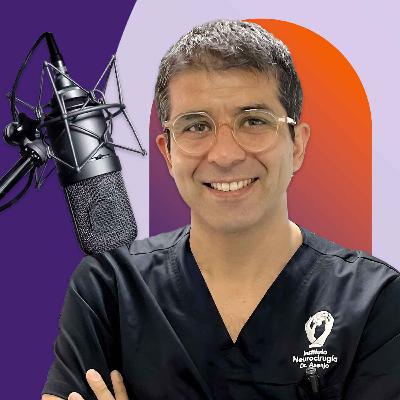
In this episode of INR Stories, Nanthiya Sujijantarat welcomes Rodrigo Rivera, chief of diagnostic and interventional neuroradiology at the Instituto de Neurocirugía Dr. Asenjo in Santiago, Chile and LINNC online editor. He reflects on his transition from neurosurgery to interventional neuroradiology, his formative training in Paris, the challenges of establishing stroke networks in South America, and his innovative work in 3D printing for vascular simulations.Key topics discussedThe transition from open neurosurgery to neurointerventionEstablishing one of Chile's first mechanical thrombectomy programs and navigating public health fundingThe technical landscape of neurointervention in Chile and the advantages of the public hospital networkDeveloping 3D-printed AVM models and AI algorithms to better understand and train for complex nidus architecturesFuture frontiers: the integration of robotics, AI, BCI, and endovascular oncological treatments  Hosted on Acast. See acast.com/privacy for more information.
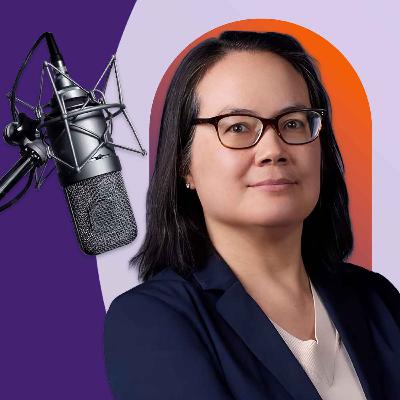
In this episode of INR Stories, Nanthiya Sujijantarat welcomes Johanna Fifi, professor of neurosurgery, neurology, and radiology at Mount Sinai and director of the Pediatric Neuroendovascular Program. She reflects on her journey from Trinidad to the U.S., the mentors who shaped her path, her growing focus on pediatric vascular malformations, and her experiences as president of SNIS.Key topics discussedLessons learned from major trials such as SELECT2 or other stroke systems-of-care studiesThe emerging science behind pediatric vascular malformations and the importance of multidisciplinary centersCommon misconceptions about vein of Galen malformations and why most cases today can achieve good outcomesGender representation in neurointervention and the role of mentorship in building confidenceHow the field may evolve: subspecialization, neuromodulation via endovascular routes, venous access innovations, and robotics Hosted on Acast. See acast.com/privacy for more information.
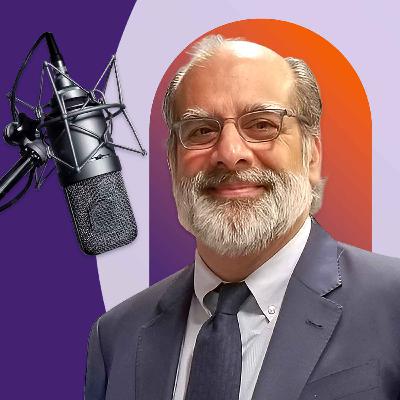
In this episode of INR Stories, Nanthiya Sujijantarat welcomes Ajay Wakhloo. He reflects on his journey from early experimental work in Europe to becoming one of the pioneers of flow diversion for brain aneurysms. Ajay Wakhloo shares his vision for the future of neurointervention, from regenerative aneurysm healing and laser-based technologies to endocisternal approaches.Key topics discussedThe origins of flow diversion and how experimental observations led to a paradigm shift in aneurysm treatmentInnovation at the intersection of medicine, engineering, and fluid mechanicsRegenerative approaches to aneurysm healing and the role of laser-induced vascular repairEmerging technologies, including endocisternal access, neuromodulation, and direct carotid puncture for stroke careAdvice for young physicians on creativity, perseverance, and building an innovation mindset Hosted on Acast. See acast.com/privacy for more information.

In this episode of INR Stories, Nanthiya Sujijantarat welcomes Jan Gralla, Head and Director of the Institute of Diagnostic and Interventional Neuroradiology at the Inselspital of Bern University Hospital. He reflects on his transition from neurosurgery to endovascular neuroradiology and on how evidence-based trials transformed the field. He also shares his perspective on emerging areas such as distal thrombectomy, chronic occlusions, intracranial stenosis, and dural AV fistulas.Key topics discussed:Building and organizing regional and national stroke networks, with insights from the Swiss stroke systemLessons learned from major stroke trials and the impact of trial design on clinical practiceFuture directions in neurointervention, including cyclic aspiration and new approaches to chronic total occlusions and intracranial stenosisWhy dural AV fistulas and CSF venous fistulas remain among the most intellectually rewarding and underdiagnosed conditions Hosted on Acast. See acast.com/privacy for more information.
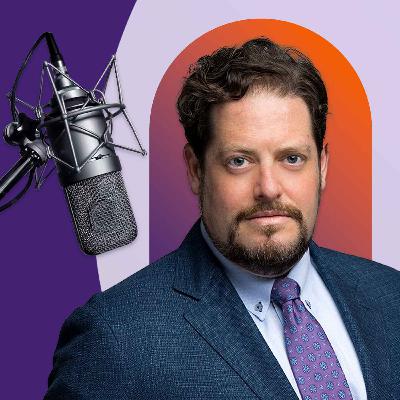
In this episode of INR Stories, Nanthiya Sujijantarat welcomes Adam Arthur, Chair of Neurosurgery at the University of Tennessee Health Science Center. They discuss the evolving landscape of neurointervention, exploring emerging treatments, ethical dilemmas in clinical trials, and the importance of mentorship. Adam Arthur shares candid insights on the future of the field and the challenges of balancing innovation with patient care.Key topics discussed:The shifting focus in neurointervention, from aneurysms and large vessel occlusions to chronic subdural hematomas and migraine-related pain.Investigating vascular links to chronic pain, with potential neurosurgical approaches to treating migraines.Ethical complexities in clinical trials and research integrity, with reflections on the ESCAPE-MeVO and DISTAL studies.The importance of interdisciplinary collaboration, highlighting teamwork between interventional and non-interventional neurosurgeons, neurologists, and radiologists to improve patient outcomes.The evolving role of mentorship in medicine, and how listening and honest communication shape successful mentor-mentee relationships. Hosted on Acast. See acast.com/privacy for more information.

In this new episode of INR Stories hosted by Nanthiya Sujijantarat, Alejandro Berenstein reflects on his pioneering career in neurointervention, from building his own catheters in the 1970s to shaping the treatment of vein of Galen malformations and advancing true endovascular surgery. He recounts formative moments, personal losses, and major breakthroughs, while sharing his philosophy of intellectual honesty, teamwork, and curiosity as the spark that guided his innovations.Topics discussed in this episode:Early motivations for medicine and improvising catheter technology in the absence of modern toolsThe development of variable stiffness catheters and the vision for articulating technology enabling “true endovascular surgery”Becoming a global reference for vein of Galen malformations through teamwork and collaboration with Pierre LasjauniasLessons learned from patient complications, including the need for honesty and humility in medicineThe role of mentorship in his professional life and his advice for traineesFuture perspectives on robotics, articulating catheters, radiosurgery, genetic therapy, and epilepsy treatment Hosted on Acast. See acast.com/privacy for more information.
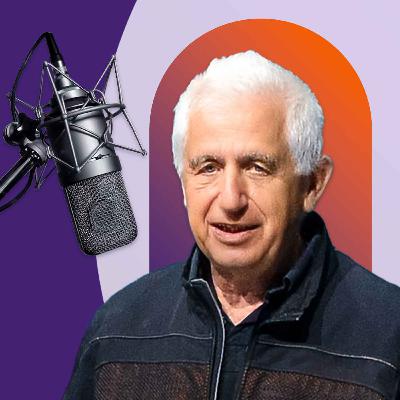
In this episode of INR Stories hosted by Nanthiya Sujijantarat, Edoardo Boccardi reflects on four decades in neurointervention, from practising neurology before the CT scan to helping shape the field of endovascular treatment. He shares personal stories from the early balloon era, the rise of coiling, and the arrival of thrombectomy, all while highlighting the importance of complication meetings, intellectual honesty, and the human side of medicine.Topics discussed in this episode:Entering neurology before the CT era and transitioning to neuroradiology with the rise of imagingLearning catheter techniques during the balloon era and witnessing the game-changing impact of coilsThe thrill and setbacks of early thrombectomy, and the transformation following 2015 trial resultsMentorship in France, and the value of honest, peer-level learning environmentsAdvocating for meaningful complication meetings and the role of transparency in medical progressReflections on leadership, humility, and building respectful team dynamicsConcerns about over-reliance on devices, and the need to refocus on patient-centered careA call for future generations to embrace philosophy, literature, and broad perspectives beyond medicineDr. Boccardi closes with a poignant message: keep your feet on the ground, your mind open, and never lose sight of what it means to be human in medicine. Hosted on Acast. See acast.com/privacy for more information.
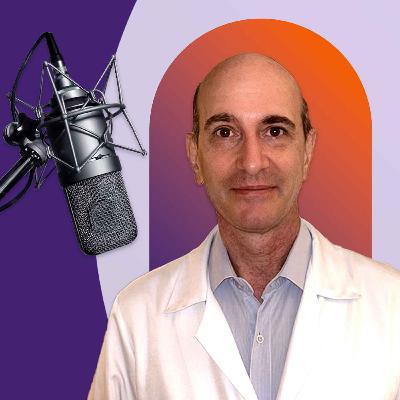
In this episode of INR Stories hosted by Nanthiya Sujijantarat, Michel Frudit reflects on over 30 years in neurointervention—from his early training in France under Prof. Moret and Prof. Lasjaunias to becoming a pioneer in Brazil. He discusses the challenges of implementing mechanical thrombectomy in a system with vast disparities, the lessons learned from the RESILIENT trial, and the importance of adapting treatment protocols to local realities.Topics discussed in this episode:Transitioning from neurosurgery to neurointervention and early exposure to AVM treatmentEstablishing a career and reputation in Brazil with limited resourcesThe slow integration of stroke thrombectomy into Brazil’s public health system and the impact of the RESILIENT trialRegional inequalities in access to care and the need for localized treatment strategiesReflections on device evolution, simulation training, and making procedures more accessible and reproducibleMentorship, building national training networks, and inspiring future interventionalistsA call for global inclusion in trials and collaboration beyond Europe and the U.S.The potential of a motivated new generation to transform care in emerging regions. Hosted on Acast. See acast.com/privacy for more information.
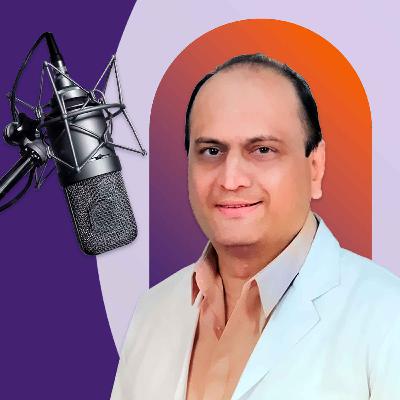
In this compelling episode of INR Stories hosted by Nanthiya Sujijantarat, Prof. Uday Limaye reflects on three decades of experience in neurointervention—from his early days in public hospitals to shaping the current landscape in India. He shares candid insights on building a training ecosystem, navigating funding challenges, and adapting global innovations to local realities.Topics discussed in this episode:A pioneering journey: From falling into neurointervention by chance to becoming a key figure in India's development of the specialty.Training the next generation: The evolution of fellowships, the importance of hands-on mentorship, and why structured, long-term training remains crucial.Infrastructure and access: How charitable support and public-private collaboration have made advanced procedures possible in resource-limited settings.India-specific challenges and strengths: High prevalence of venous stroke and ICAD, and the country’s growing experience in managing these complex cases.Future vision: A call for more inclusive training, a greater role for Indian centres in global research, and optimism about minimally invasive technologies and the evolving role of neurointervention in brain modulation. Hosted on Acast. See acast.com/privacy for more information.
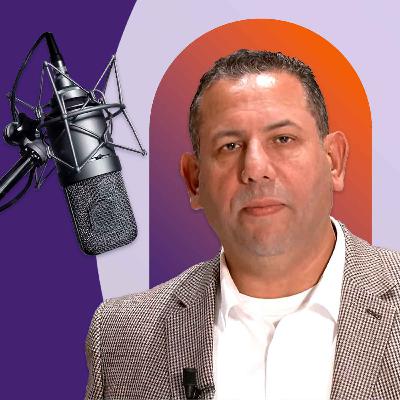
Interviewed by Nanthiya Sujijantarat, Saleh Lamin shares his journey into neurointervention, his early involvement in groundbreaking trials, and his vision for the future of the field.Topics discussed in this episode:A journey from Libya to the UK: Saleh Lamin recounts his path from medical training in Tripoli to becoming an interventional neuroradiologist in Birmingham, overcoming challenges along the way.Early adoption of pipeline flow diversion: His role in pioneering the use of flow diverters in Europe and participating in key clinical trials.The evolution of hemorrhagic stroke treatment: Advances in flow diversion and intrasaccular devices, the importance of proper sizing, and the future of coated stents.The future of neurointervention: How robotic technology, patient-specific devices, and improved treatment strategies could shape the field in the next 20 years.Training the next generation: The need for hands-on experience, mentorship, and increasing diversity in neurointervention. Hosted on Acast. See acast.com/privacy for more information.
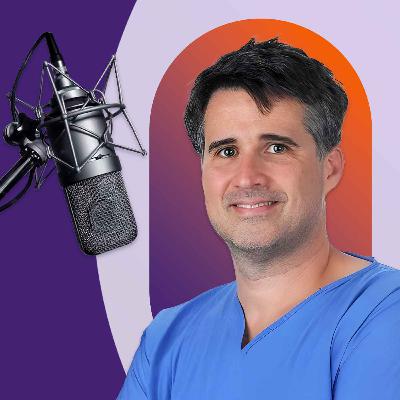
Join us for the latest "INR Stories: the Uncensored Interviews" episode featuring Dr. Marc Ribo.Interviewed by Nanthiya Sujijantarat, Marc Ribo shares his journey in neurointervention, from pioneering stroke networks to reshaping acute stroke treatment.Topics discussed in this episode:Building stroke networks in Spain: The evolution from isolated centres to a coordinated system improving patient outcomes.Challenges in training and specialization: Overcoming barriers as a non-radiologist neurointerventionist and the future of subspecialization.The impact of clinical trials: Insights from major studies and their impact on streamlining workflows and reducing treatment delays.The future of neurointervention: The role of thrombectomy expansion, neuroprotective strategies, and specialized stroke intervention teams.Tune in now!Discover more expert insights in neurology, neuroradiology, and neurosurgery by subscribing to LINNC INR Podcasts! Hosted on Acast. See acast.com/privacy for more information.
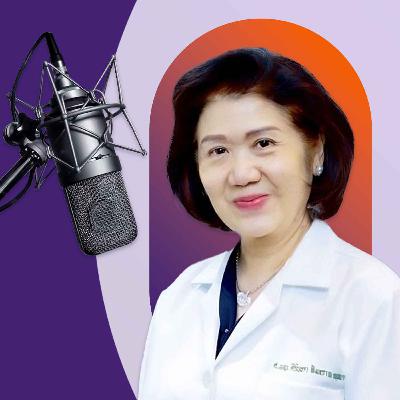
Join us for the latest "INR Stories: the Uncensored Interviews" episode featuring Prof. Sirintara Pongpech.Interviewed by Nanthiya Sujijantarat, Sirintara Pongpech opens up about pioneering neurointerventional radiology in Southeast Asia and the challenges of advancing the field.Topics discussed in this episode are:Trailblazing neurointervention in Thailand: Prof. Pongpech shares her journey from training under Prof. Pierre Lasjaunias (BicĂŞtre Hospital) to establishing neurointerventional radiology as a specialty in her country.Challenges in education and training: Insights into creating fellowship programs, addressing gender disparities, and preparing diverse medical professionals.Healthcare barriers in Southeast Asia: The hurdles of inadequate resources, staffing shortages, and systemic inefficiencies in public hospitals.Opportunities for regional research and innovation: The need for clinical trials and devices tailored to Asian populations.Future outlook on neurointervention: Emerging technologies, interdisciplinary approaches, and fostering gender equity in the field.Tune in now!Discover more expert insights in neurology, neuroradiology, and neurosurgery by subscribing to LINNC INR Podcasts! Hosted on Acast. See acast.com/privacy for more information.

In this third episode of “INR Stories: the uncensored interviews”, Nanthiya Sujijantarat welcomes Laurent Pierot.What to expect in this episode : An overview of French-style administrative battles: the lengthy process of acquiring additional devices and beds, and the challenge of persuading authorities of the legitimacy of these requests.A discussion on clinical evaluations of devices, the certification process, and access to innovation.Laurent Pierot's insights on complementary training for new INR physicians, particularly on non-scientific related topics.And much more! Listen now!  To delve deeper and discover more expert testimonies in neurology, neuroradiology, neurosurgery, subscribe to LINNC INR Podcasts! Hosted on Acast. See acast.com/privacy for more information.
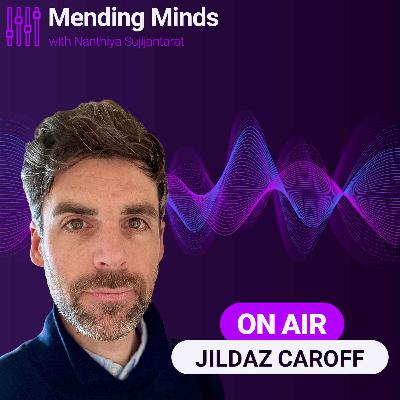
In this new episode of the Mending Minds podcast series, Dr. Nanthiya Sujijantarat and her guest, Dr. Jildaz Caroff, explore breakthrough techniques and practices shaping the future of medical treatments. Dr. Jildaz Caroff, Le Kremlin-Bicêtre, Paris, shares his expertise on dual antiplatelet therapy (DAPT) following flow-diverter (FD) treatment of intracranial aneurysms. In this new episode, you will learn:DAPT: Current practices after FD treatments for intracranial aneurysms.Surface modifications & shield technology: Impact of coatings on treatment safety and efficacy.The INSPIRE registry: Real-life data on FD treatments using shield technology.DAPT protocol variations: Ongoing challenges of developing precise guidelines across different institutions.Optimal DAPT duration: Reducing the treatment time from 6 months, and patient-specific strategies.And much more.Listen now! To delve deeper and discover more expert testimonies in neurology, neuroradiology, neurosurgery, subscribe to LINNC INR Podcasts! Hosted on Acast. See acast.com/privacy for more information.
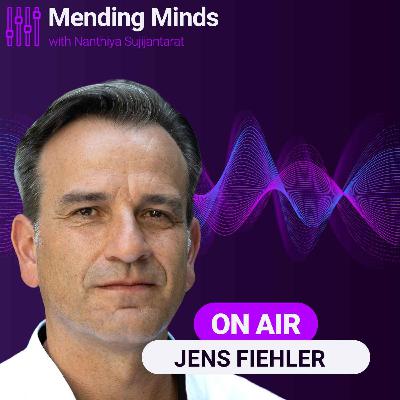
Join us for the second episode of "Mending Minds" where Dr. Nanthiya Sujijantarat welcomes Prof. Jens Fiehler.What to expect in this episode:Insights from recent trials showing the superiority of liquid embolics in treating CSH.Therapy response: Understanding which types of hematomas respond best to embolization.Future research avenues: What’s next in the study of CSH and the impact of liquid embolic penetration.Healthcare pathways: Improving patient outcomes and reducing recurrence rates with education.And much more!Tune in now!For further exploration and to uncover more expert insights in neurology, neuroradiology, and neurosurgery, subscribe to LINNC INR Podcasts! Hosted on Acast. See acast.com/privacy for more information.
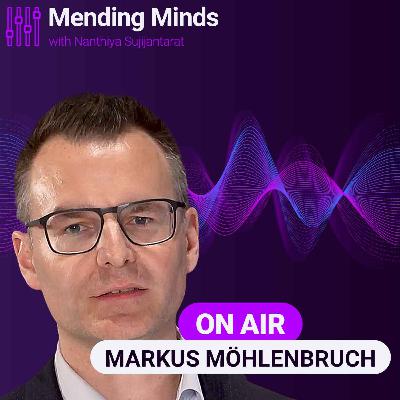
Join us for the first episode of "Mending Minds" where Dr. Nanthiya Sujijantarat welcomes Prof. Markus Möhlenbruch.What to expect in this episode:Latest advancements in neurointervention: A special focus on saccular intracranial aneurysms.Intrasaccular devices: How they are revolutionizing the treatment of wide-neck aneurysms without stenting.Expert tips on overcoming treatment challenges and navigating complex cases.Artisse Device: Deployment, procedure time, and efficacy highlights.INSPIRE registry results: Low complication rates, high safety, and promising outcomes.And Much More!Tune in now!For further exploration and to uncover more expert insights in neurology, neuroradiology, and neurosurgery, subscribe to LINNC INR Podcasts! Hosted on Acast. See acast.com/privacy for more information.
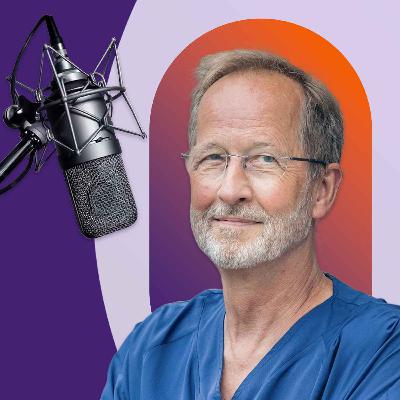
Join us for the ninth episode of "INR Stories: the Uncensored Interviews," where Nanthiya Sujijantarat welcomes Prof. Tommy Andersson.What to Expect in This Episode:Professional journey from neurosurgery to neurointervention, including training experience in Toronto.Collaborative approach to build a neurointervention practice in Stockholm.Overcoming obstacles in gaining acceptance within the medical community.The development of neurointervention and healthcare policies and primary care in Sweden.Insights on past and future advancements in neurointervention.And Much More!Tune in now!For further exploration and to uncover more expert insights in neurology, neuroradiology, and neurosurgery, subscribe to LINNC INR Podcasts! Hosted on Acast. See acast.com/privacy for more information.
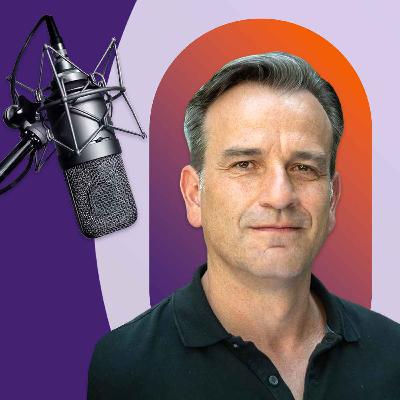
Join us for the eighth episode of "INR Stories: the Uncensored Interviews," where Nanthiya Sujijantarat discusses with Prof. Jens Fiehler.What to expect in this episode:Personal Journey and inspiration, highlighting the mentorship of Prof. Hermann Zeumer.Tips on communication: Insights into dealing with complications and managing the expectations of patients and their families.Collaboration with industry, advocating working with multiple companies to guide development and avoid biases.Insights on technology in neuroradiology: Proper AI usage, advancements in robotics, and the balance of data-driven approaches with the human element in medicine.And much more!Tune in now! For further exploration and to uncover more expert insights in neurology, neuroradiology, and neurosurgery, subscribe to LINNC INR Podcasts! Hosted on Acast. See acast.com/privacy for more information.

Join us for the seventh episode of "INR Stories: the Uncensored Interviews," where Nanthiya Sujijantarat welcomes Riitta Rautio. What to expect in this episode:Explore the peculiarities of the field in Finland and Scandinavian countries, including the current state of research, public healthcare, and personal work-life balance, as discussed by Dr. Rautio.Listen to Dr. Rautio as she shares insights into the most challenging case she had to manage, involving a newborn with a posterior circulation fistula. Discover how she relied on a network of colleagues and technical support to treat the case under the best possible conditions despite the difficult circumstances with such a young patient.Delve into reflections surrounding the delicate subject of sometimes having to refuse an intervention when the conditions are not met.Discover Dr. Rautio's take on the advantages of novel treatments, navigating the risks and uncertainties in achieving outcomes.And much more! Hosted on Acast. See acast.com/privacy for more information.
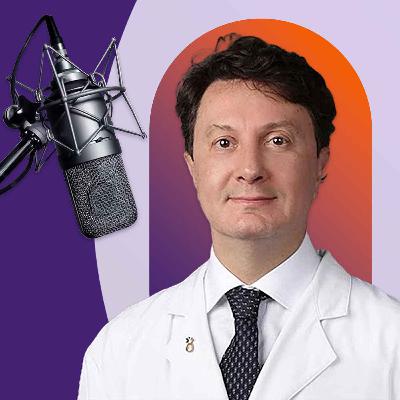
Join us for the sixth episode of "INR Stories: the Uncensored Interviews," where Nanthiya Sujijantarat welcomes Italo Linfante. What to expect in this episode:Overview of Italo Linfante's professional journey and difficulties from being a neurologist to specializing in neuro-endovascular surgery: training experiences, mentoring, and maintaining a work-life balance.Discussion on challenges in the field and solutions: global shortage of operators, need for infrastructure and technology, industry partnerships.Recommendations on standardized training programs, emphasizing the necessity for cross-specialty training and collaboration, as well as exposure to different specialties, and research.Insights into the evolution of Interventional Neurology, and perspectives offered by AI, neuroprotection, OCT, brain-computer interfaces, neuro-oncology… and young generations.And much more! Tune in now! For further exploration and to uncover more expert insights in neurology, neuroradiology, and neurosurgery, subscribe to LINNC INR Podcasts! Hosted on Acast. See acast.com/privacy for more information.
loading
Comments 
loading
