


 Claim Ownership
Zebra Talks: Living Your Best Bendy Life
Subscribed: 25Played: 227
Subscribe

© Copyright 2023 All rights reserved.
Description
Dr Libby Hinsley and guests help people with hypermobility live their best bendy lives.
36 Episodes
Reverse
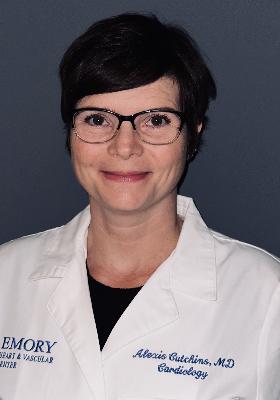
Host Dr. Libby Hinsley welcomes cardiologist Dr. Alexis Cutchins, who left Emory after 13 years to open a private practice in New York City with the goal of building a multidisciplinary center for hypermobility spectrum disorders. Dr. Cutchins describes how curiosity led her into treating patients with POTS, dysautonomia, long COVID, EDS, and MCAS, and explains that MCAS can both drive and be triggered by POTS physiology. She also explains pelvic venous disease/left iliac vein compression as a frequent contributor to pooling, reduced cerebral perfusion, and orthostatic symptoms, sometimes treated mechanically with venous stenting.
EPISODE HIGHLIGHTS:
00:00 Welcome to Zebra Talks
00:35 Meet Dr Alexis Cutchins
02:13 Why She Focuses on POTS
04:24 Leaving Emory for NYC
05:09 Building a Center of Excellence
06:40 Hypermobility in POTS Patients
07:44 MCAS and Connective Tissue Link
08:35 How MCAS Worsens POTS
12:24 Treating MCAS Stepwise
14:56 Do POTS Subtypes Matter
16:30 Tilt Table Test Debate
19:07 Stigma Around POTS Diagnosis
20:04 Stigma And Awareness
20:27 Primary Care POTS Care
20:51 Heart Rate Reassurance
22:11 MCAS Symptom Overlap
23:55 Why Mast Cells Trigger
26:04 Pelvic Venous Disease
27:51 Iliac Compression Explained
31:14 Symptoms And Red Flags
33:19 Stents And Treatment
35:39 Where To Find Dr. Cutchins
36:34 Telehealth And Wrap
EPISODE LINKS & RESOURCES:
Cutchins Cardiovascular Medicine
Follow Dr. Alexis Cutchins, MD on Instagram @drcutchins
Follow Dr. Alexis Cutchins, MD on YouTube @DrCutchins
LINKS AND RESOURCES:
Follow Libby Hinsley on Instagram @libbyhinsleypt
Follow Libby Hinsley on Facebook
Learn more about Libby Hinsley, How to Work with Her, or Join her Email List
Leave a review on iTunes

Host Dr. Libby Hinsley welcomes Dr. Poorvi Desai, a board-certified hematologist-oncologist living with hypermobile Ehlers-Danlos syndrome (hEDS) and comorbidities. Dr. Desai explains genetic testing basics (single-gene, exome, and whole-genome sequencing), distinguishing somatic testing from germline inherited testing used for hereditary connective tissue disorders. She notes that 13 of 14 EDS subtypes have identified single-gene causes, but hEDS does not. They warn that direct-to-consumer genetic tests can be misleading, produce uncertain results, and may require retesting, emphasizing clinician-ordered, validated testing mainly to exclude other conditions like vascular EDS, and expressing hope for updated 2026 criteria and improved evidence-based care.
00:00 Welcome to Zebra Talks
00:36 Meet Dr Poorvi Desai
01:14 Poorvi’s Hypermobility Journey
03:47 Genetic Testing Basics
06:00 Germline vs Somatic Testing
08:24 How Sequencing Works Today
10:10 Why HEDS Lacks a Gene
10:37 HEDGE Study Findings
15:05 Polygenic Neuroimmune Model
18:05 Direct to Consumer Pitfalls
28:26 Using Testing to Exclude Types
32:08 Access Cost and System Gaps
34:49 Hope New Criteria and Treatments
39:10 Evidence Based Caution
41:10 Where to Find Dr. Desai
42:05 Final Thanks and Goodbye
EPISODE LINKS & RESOURCES:
Follow Dr. Poorvi Desai, MD on Instagram @drpoorvidesai
Follow Dr. Poorvi Desai, MD on Substack @drpoorvidesai
Follow Dr. Poorvi Desai, MD on YouTube @drpoorvidesai
LINKS AND RESOURCES:
Follow Libby Hinsley on Instagram @libbyhinsleypt
Follow Libby Hinsley on Facebook
Learn more about Libby Hinsley, How to Work with Her, or Join her Email List
Leave a review on iTunes

In this episode of Zebra Talks, host Dr. Libby Hinsley discusses the challenges and experiences of living with hypermobility syndromes with guest Lauren Brown. Diagnosed with hypermobile Ehlers-Danlos Syndrome and POTS, Lauren shares her long and complicated journey through a diagnostic maze, frequent medical gaslighting, and the significant impact of finding knowledgeable and empathetic healthcare providers.
Despite her struggles, Lauren started a YouTube channel, POTS Zebra, to raise awareness and support others facing similar conditions. This episode highlights the importance of community, persistence, and self-advocacy in managing chronic illnesses.
Highlights of this episode include:
00:00 Introduction to Zebra Talks
00:35 Meet Lauren Brown: A Journey with EDS and POTS
01:44 Early Signs and Misdiagnoses
04:13 High School Struggles and a Breakthrough
06:29 College and Beyond: Continued Challenges
12:45 A Lifesaving Diagnosis
13:46 Ongoing Health Battles and Advocacy
19:11 Finding the Right Doctor
19:45 Sharing the Journey
22:02 Medical Gaslighting and Bias
23:11 The Importance of Diagnosis
27:19 Building a Support Network
30:10 Starting a YouTube Channel
33:11 Resources and Support
36:02 Final Thoughts and Community

In this episode of Zebra Talks, host Dr. Libby Hinsley, physical therapist and author of 'Yoga for Bendy People,' talks with guest Dena Mellick, a barbell coach and founder of Strength Equity.
Dena shares her journey from chronic illness and pain management to becoming a strength coach. They delve into the intricacies of training clients with hypermobility syndromes (HSD) and Ehlers-Danlos Syndrome (EDS), emphasizing the importance of resistance training and collaborative approaches for managing pain and improving quality of life.
Dena explains the benefits of strength training, particularly in combating age-related muscle loss, and offers practical tips for finding the right coach, avoiding common red flags, and accommodating individual needs. They also discuss the significance of progressive overload, appropriate equipment, and the critical role of protein in muscle recovery and maintenance.
Highlights of this episode include:
00:00 Introduction to Zebra Talks
00:35 Meet Dena Mellick: Strength Coach and Lifter
01:47 Dena's Journey to Lifting
03:30 The Importance of Strength Training
06:19 Powerlifting and Olympic Lifting Explained
09:04 Training Hypermobile Clients
16:26 Finding the Right Coach or Trainer
19:46 Resources for Training with Pain
22:30 Training with Hand Injuries
23:26 Green Flags in a Strength Coach
23:50 Red Flags to Avoid in a Coach
25:07 Importance of Proper Equipment
28:32 Personal Experiences with Coaching
30:08 One-on-One vs Group Training
32:25 Adapting Training to Life Stressors
35:17 Encouraging Barbell Use at Home
38:12 Getting Started with Resistance Training
40:43 Final Thoughts and Contact Information

In this episode of Zebra Talks, Dr. Libby Hinsley hosts Dr. Derik Anderson, a chiropractor and expert in soft tissue research and treatment, to discuss various facets of managing hypermobility syndromes.
Dr. Anderson shares his journey into treating Ehlers Danlos Syndrome, insights on fascia differences in bendy bodies, and the role of heart rate variability (HRV) in energy management. They also delve into the importance of joint stabilization, nutrition, and innovative approaches like vibration therapy to improve the quality of life for those with hypermobility.
The episode emphasizes the significance of a holistic and individualized approach to care, reflecting on the need for managing systemic inflammation and energy levels to enhance recovery and overall health.
Highlights of this episode include:
00:00 Introduction to Zebra Talks
00:40 Meet Dr. Derik Anderson
01:34 Dr. Anderson's Journey with EDS
05:40 Understanding Fascia in Bendy Bodies
16:23 Heart Rate Variability and Energy Management
28:08 Tools and Techniques for Fascia and Muscle Health
34:40 Nutritional Insights for Bendy Bodies
36:51 Conclusion and Contact Information
In this episode of Zebra Talks, host Dr. Libby Hinsley speaks with Rob West, a physical therapist and board certified orthopedic specialist. They discuss the use of blood flow restriction (BFR) training as a tool for improving strength and managing symptoms in patients with Ehlers Danlos Syndrome (EDS) and Postural Orthostatic Tachycardia Syndrome (POTS).
Rob shares his journey from learning about EDS through a classmate to becoming a specialist in treating this population. He provides insights into how BFR works, its benefits, and necessary precautions. Rob also highlights the positive impact BFR and trunk compression with weightlifting belts can have on cerebral perfusion and symptom management for POTS patients. Additionally, he shares inspiring case studies of patients who have significantly improved their quality of life through these training methods. Listeners will gain a deeper understanding of these innovative approaches to physical therapy and their practical applications.
Highlights of this episode include:
00:00 Introduction to Zebra Talks
00:35 Meet Rob West: Physical Therapist and Strength Specialist
02:58 Understanding Blood Flow Restriction Training
05:37 Applying BFR in Clinical Practice
08:29 BFR for POTS Management
27:22 Patient Success Stories with BFR
31:15 Closing Thoughts and Contact Information
In this episode of Zebra Talks, Libby welcomes Dr. David Saperstein, Director of the Center for Complex Neurology, EDS, and POTS in Phoenix, Arizona. Dr. Saperstein shares his journey into specializing in EDS and POTS, the complexities of diagnosing and treating POTS, and the importance of staying curious and open-minded in medical practice.
They discuss the challenges of diagnosing POTS, the importance of thorough testing, and various treatment strategies, including the critical role of salt and water intake. Dr. Saperstein also emphasizes the need for flexibility in treatment plans to better meet individual patient needs. Tune in to gain valuable insights into managing these complex conditions and hear about Dr. Saperstein's innovative approaches.
00:00 Introduction to Zebra Talks
00:35 Meet Dr. David Saperstein
01:45 Dr. Saperstein's Journey into EDS and POTS
03:47 Challenges in Diagnosing and Treating POTS
10:00 Understanding POTS and Its Complexities
18:29 Diagnostic Criteria and Testing for POTS
31:06 Treatment Strategies for POTS
36:54 Managing POTS with Lifestyle Changes
41:36 Conclusion and Contact Information

In this episode of Zebra Talks, Dr. Libby Hinsley hosts biomechanist and bestselling author Katy Bowman to discuss the unique features of hypermobile bodies. Katy shares her insights on biomechanics, tissue creep, and the importance of proprioception and attentional focus for hypermobile bodies.
They also explore the impact of sedentary culture and strategies for integrating more diverse movements into daily life. Katie explains her evolutionary perspective on movement and emphasizes the need for hypermobile individuals to engage in movement that enhances body awareness and stability.
Practical tips, theoretical insights, and Katie's innovative approach to movement therapy make this a must-listen for those living with hypermobility.
Highlights of this episode include:
00:35 Meet Katie Bowman: Biomechanist and Movement Expert
01:56 Understanding Biomechanics and Hypermobility
09:40 The Impact of Sedentary Culture on Hypermobility
17:17 Practical Tips for Managing Hypermobility
22:15 The Psychological Aspect of Movement
34:00 Final Thoughts and Resources
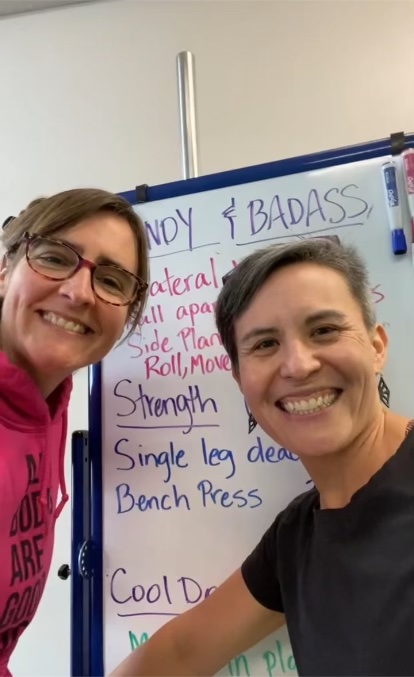
In this episode of Zebra Talks, host Dr. Libby Hinsley is joined by strength and conditioning coach Becca Lee to discuss their collborative innovative strength training class 'Bendy and Badass,' designed specifically for people with hypermobility syndromes.
They share their journey in developing the class, discuss the unique challenges faced by hypermobile individuals, and explain effective strategies and exercises used to help participants build strength and improve quality of life. The conversation also highlights the importance of slow, controlled movements, personalized programming, and the significance of community support within the class setting.
Highlights of this episode include:
00:35 Meet Becca Lee: Strength and Conditioning Coach
01:03 The Journey to Bendy and Badass
01:23 Becca's Coaching Philosophy
03:28 Libby's Personal Training Experience
12:59 The Birth of Bendy and Badass Class
14:23 Class Structure and Community Impact
16:14 Exercise Selection and Programming
23:10 Dumbbells and Progressive Loading
23:34 Four-Week Programming Cycle
28:36 Importance of Slow and Controlled Movements
34:11 Rate of Perceived Exertion (RPE)
40:57 Community and Individual Progress
46:13 Conclusion and Final Thoughts
In this episode of Zebra Talks, host Dr. Libby Hinsley is joined by Dr. Kate Bochnewetch, a physical therapist and run coach, to discuss running with hypermobile Ehlers-Danlos Syndrome (hEDS), Hypermobility Spectrum Disorders (HSD), and other chronic illnesses.
Kate shares her personal journey with hypermobility, POTS, and chronic migraine, and how these experiences influenced her approach to training runners with similar conditions. Topics covered include the importance of a gentle, conservative, and health-focused training plan, the role of strength training, managing stress, and the selection of appropriate footwear.
Kate also offers insights into pacing and mental preparedness, emphasizing the need for individualized care and flexibility in exercise routines. Listeners interested in learning more about Kate's work can find her on Instagram at @the_running_dpt or visit her website at therunningdpt.com.
Highlights of this episode include:
00:00 Introduction to Zebra Talks
00:35 Meet Kate Bognawicz: Physical Therapist and Coach
01:36 Kate's Journey with Hypermobility
03:30 Challenges in Traditional PT Practice
06:34 Approach to Running Training for EDS/HSD
08:20 Indicators for Running Readiness
10:07 Debunking Myths About Running with EDS/HSD
14:31 Strength Training for Joint Stability
16:51 Running Progression Timeline
22:04 Managing POTS in Running Training
24:14 Footwear Recommendations
27:08 Run-Walk Approach and Stress Management
32:18 Conclusion and Contact Information

In this episode of Zebra Talks, host Dr. Libby Hinsley welcomes Nikki Naab-Levy, a certified strength and nutrition coach with extensive experience in helping hypermobile individuals.
Nikki shares her personal journey with hypermobility and discusses the benefits of strength training for those with hypermobility syndromes. They explore the importance of understanding one's limits, the concept of rate of perceived exertion (RPE), and how to adjust training programs appropriately. The conversation also touches on the significance of proper nutrition and body autonomy. Listeners are provided with practical advice on how to approach strength training safely and effectively, even when dealing with chronic conditions.
Highlights of this episode include:
00:00 Introduction to Zebra Talks
00:35 Meet Nikki Naab-Levy
01:29 Nikki's Personal Journey with Hypermobility
04:16 The Benefits of Strength Training for Hypermobile People
04:40 Understanding 'Heavy' in Strength Training
06:43 Approach to Strength Training for Hypermobile Individuals
15:53 Progressing in Strength Training
23:52 The Importance of Deloading
25:11 The Importance of Deload Weeks
25:45 Listening to Your Body's Cues
27:52 Adjusting Workouts for Hypermobility
31:39 Indicators for Slowing Down
32:13 Mental Strategies for Setbacks
37:11 Nutrition and Recovery for Hypermobility
40:30 The Role of Alignment and Load
46:41 Final Thoughts on Body Autonomy
48:32 Where to Find More Information
In this episode of Zebra Talks, host Dr. Libby Hinsley talks with Dr. Mamak Shakib, a chiropractic physician specializing in functional mobility, joint hypermobility, and pelvic floor dysfunction. Dr. Shakib shares her 30-year journey in treating hypermobile patients, emphasizing the importance of developmental kinesiology and dynamic neuromuscular stabilization (DNS) for sustainable joint health and stability.
She discusses common issues faced by hypermobile individuals in traditional chiropractic and rehabilitation settings, the significance of tailored approaches, and the role of proper breathing techniques in maintaining functional stability. The episode sheds light on Dr. Shakib's unique methodologies and her advocacy for better communication and understanding between healthcare providers and patients with hypermobility syndromes.
Highlights of this episode include:
00:00 Introduction to Zebra Talks
00:35 Meet Dr. Mamak Shakib
01:58 Discovering Hypermobility
07:23 Challenges in Traditional Rehabilitation
20:55 Dynamic Neuromuscular Stabilization (DNS)
34:05 Breathing Techniques for Bendy People
45:45 Final Thoughts and Resources
In this episode of Zebra Talks, host Dr. Libby Hinsley welcomes Dr. Melissa Koehl to discuss her journey with Hypermobile Ehlers-Danlos Syndrome (EDS) and how it has shaped her career in physical therapy.
Melissa shares her personal struggles with diagnosis, the importance of recognizing hypermobility in the context of fibromyalgia, and the intersection of these conditions with other systemic issues like dysautonomia and mast cell activation syndrome. She also discusses the significance of personalized exercise programs, gut health, and the holistic approaches necessary to manage these complex conditions effectively.
00:00 Introduction to Zebra Talks
00:35 Meet Melissa Kahle: A Journey with Hypermobile EDS
01:40 Melissa's Personal and Professional Journey
03:35 The Diagnosis and Its Impact
06:19 Exploring Fibromyalgia and Hypermobility
06:48 Understanding Fibromyalgia: Diagnosis and Criteria
12:04 Treatment Approaches for Fibromyalgia
16:13 Exercise and Movement Strategies
22:35 Exploring Mast Cells and Fibromyalgia
24:28 The Gut Microbiome and Pain Connection
24:53 Personal Struggles with SIBO
29:20 Navigating Healthcare as a Hypermobile Human
31:59 Creating Resources for the Hypermobile Community
37:33 Final Thoughts and Resources
In this episode of Zebra Talks, host Dr. Libby Hinsley welcomes Dr. Jessica Eccles, a prominent consultant psychiatrist and researcher, to discuss her personal and professional experiences with hypermobility syndromes. Dr. Eccles shares insights from her extensive research on the links between hypermobility, anxiety, neurodevelopmental conditions, and chronic health issues such as fibromyalgia and ME/CFS. She explains how differences in brain structure and function, along with abnormal autonomic nervous system responses, can affect those with hypermobility. Dr. Eccles also introduces a novel treatment approach, the ADAPT therapy, designed to reduce anxiety in hypermobile individuals. The conversation highlights the importance of proper diagnosis, medical education, and innovative therapeutic strategies for managing these complex conditions.
00:00 Introduction to Zebra Talks
00:35 Meet Dr. Jessica Echols
01:34 Dr. Echols' Personal Journey with Hypermobility
04:00 Discovering the Link Between Hypermobility and Anxiety
08:50 Exploring Brain Differences in Hypermobile Individuals
11:00 The Role of the Involuntary Nervous System
17:02 Novel Treatments and Future Research
21:05 Connections Between Hypermobility and Neurodivergence
35:45 Challenges and Future Directions in Medical Education
39:53 Conclusion and Final Thoughts
If you have a bendy neck, this one's for you!
For this week's episode of Zebra Talks, Libby has a fascinating conversation with Taylor Goldberg, a chiropractor turned virtual hypermobility coach. Taylor shares a bit about her personal journey with hypermobility and her shift to a virtual coaching model, and then helps us understand all things upper cervical instability (UCI), including its causes, symptoms, diagnostic challenges, and treatment options. UCI affects a whole lot of people with hypermobility, but good news: the most severe cases requiring surgery are quite rare even among us bendy types. Whew!
Taylor unpacks a lot of definitions such as distinguishing between hypermobility and instability (no, they're not the same thing!). She also covers lots of good info about safe exercise practices, and emphasizes why it's so important to avoid certain chiropractic adjustments. The episode also touches on yoga practices for hypermobile individuals and the significance of conservative care in managing UCI.
Highlights of this episode include:
00:00 Introduction to Zebra Talks
00:35 Meet Taylor Goldberg: Chiropractor to Hypermobility Coach
01:49 Taylor's Personal Journey with Hypermobility
03:40 Understanding Hypermobility and Instability
06:11 Upper Cervical Instability: Symptoms and Diagnosis
14:42 Managing Upper Cervical Instability
19:01 Activities to Avoid and Chiropractic Cautions
24:12 Challenges in Chiropractic and PT Training
25:23 The Need for Comprehensive Connective Tissue Education
27:02 Creating Realistic Expectations in Recovery
27:49 Step-by-Step Recovery Process
29:39 Exercise Categories and Proprioception
33:46 Managing Upper Cervical Instability
35:01 Yoga and Hypermobility
39:11 Resources and Offerings for Hypermobility
41:16 Conclusion and Final Thoughts
In this episode of Zebra Talks, Dr. Libby Hinsley welcomes Lisa Sherman, a licensed acupuncturist with expertise in functional medicine and molecular biology, to discuss digestive issues among people with hypermobility syndromes.
They delve into the prevalence of gastrointestinal problems like dysmotility, microbial dysbiosis, and structural droopiness that hypermobile individuals often face. Lisa offers insights on contributing factors such as the autonomic nervous system and mast cell activation, and shares practical advice for lifestyle changes, nutritional strategies, and supplements that can help manage these conditions. The episode highlights the importance of mindful eating, movement practices, and vagus nerve activation for improving gut health in hypermobile individuals.
Highlights of this episode include:
00:35 Meet Lisa Sherman: Expert on Bendy Bellies
01:39 Understanding Digestive Issues in Hypermobile People
02:56 Prevalence and Impact of GI Issues
04:00 Common GI Conditions in the Bendy Population
07:03 Functional Gastrointestinal Disorders (FGIDS)
08:54 The Role of the Nervous System in Digestion
11:14 Hypermobile Gut and Hypomotility
18:19 Testing and Treating Gut Motility Issues
28:54 The Bendy, Itchy, and Dizzy Trifecta
37:57 Understanding Functional Gastrointestinal Disorders
39:24 Practical Tips for Gut Health
43:44 The Importance of Protein and Collagen
49:15 Navigating Histamine and FODMAPs
56:47 Supplements and Prokinetics
01:04:15 Vagus Nerve Stimulation and Lifestyle Changes
01:08:53 Research and Future Directions
01:10:25 Conclusion and Contact Information

In this episode of Zebra Talks, Libby welcomes biomechanics expert Jules Mitchell to discuss the science of stretching and connective tissue behavior, particularly in the context of hypermobility syndromes.
Jules provides insights from her extensive research and professional experience, addressing common misconceptions about stretching, the adaptive capabilities of connective tissue, and how people with hypermobility can safely engage in physical activities. The discussion includes the impact of mechanical tension on tissue adaptation, the importance of understanding individual responses to stretching, and the role of exercise science in improving joint stability and resilience.
Jules, who is also the author of 'Yoga Biomechanics Stretching Redefined' and an educator of yoga teachers worldwide, shares valuable perspectives on the interplay between biomechanics and yoga practices, offering practical advice for both practitioners and instructors.
00:35 Meet Jules Mitchell: Yoga Biomechanics Expert
02:18 Jules' Journey into Stretching Research
04:55 Understanding Connective Tissue and Hypermobility
12:46 The Science of Stretching and Tissue Adaptation
18:37 Practical Advice for Bendy People
40:22 Final Thoughts and Resources

In this Zebra Talks episode, host Dr. Libby Hinsley interviews Alanna Trzcinski, host of the Endo Battery Podcast and president of EndoVillage. The episode delves into Alanna's journey with endometriosis, advocacy work, and the surprising intersections with hypermobility syndromes. Alanna sheds light on the challenges of living with both conditions, the importance of excision surgery for endometriosis, and the nuanced nature of these overlapping chronic illnesses. The two discuss the critical role of multidisciplinary care, the need for increased research, and the psychological aspects of managing chronic pain. Listeners will gain valuable insights into the complexity of these conditions and the importance of informed, holistic care.
Highlights of this episode include:
00:35 Meet Alanna Trzcinski: Advocate for Endometriosis Awareness
02:24 Alana's Personal Journey with Endometriosis
05:21 Understanding Endometriosis: Definitions and Misconceptions
07:25 The Overlap Between Endometriosis and Hypermobility Syndromes
11:33 Challenges in Diagnosing and Treating Endometriosis
15:18 Effective Management and Treatment Options
18:54 The Importance of Multidisciplinary Care
24:54 Surgical Treatments: Excision vs. Ablation
31:20 Living with Endometriosis and Hypermobility
34:08 Advocacy and Future Research
40:39 Final Thoughts and Resources
This episode of Zebra Talks features a discussion with Naomi Bauer, a Doctor of Physical Therapy with personal and professional experience in treating dysautonomia and Long COVID. Hosted by Dr. Libby Hinsley, they explore the challenges and management strategies for those living with hypermobility syndromes, focusing on the overlap between long COVID, dysautonomia, and hypermobility.
Naomi shares her journey from a healthcare professional to a patient after developing long COVID dysautonomia herself and highlights the importance of understanding personal energy management through pacing and the 50 percent rule. The conversation also addresses potential underlying connections between hypermobility and the increased risk of developing long COVID, emphasizing the significance of social support, proactive resting, and setting boundaries for energy use.
Highlights of this episode include:
00:32 Meet Naomi Bauer: A Journey from PT to Long COVID Survivor
01:42 Exploring the Intersection of Long COVID and Hypermobility Syndromes
01:56 Naomi's Personal Battle with Long COVID and Suspected Hypermobility
05:55 The Complex World of Dysautonomia: From POTS to Long COVID
14:28 The Link Between Hypermobility Syndromes and Long COVID
23:47 Managing Long COVID and Hypermobility: Strategies for Recovery
41:24 Concluding Thoughts and Finding Support

In this episode of the Zebra Talks podcast, host Libby Hinsley interviews Megan Beach Gomes, a specialized pelvic health physical therapist focusing on pelvic pain and perinatal care. She discusses her journey into specializing in pelvic health and the importance of physical therapy for pregnant and postpartum individuals, especially those dealing with hypermobility.
Gomes highlights the key role of the hormone relaxin during pregnancy and its effects on the body's mobility, the challenges hypermobile individuals may face during and after pregnancy, and provides practical advice and exercises to help manage symptoms. Gomes emphasizes the need for comprehensive care, including pelvic support belts, specific exercises, and how to deal with issues such as diastasis recti postpartum. She also touches on finding specialized help through resources like the EDS Society, the importance of patient advocacy, and options like telehealth for individuals with limited access to specialized care.
Highlights of this episode include:
- Welcome to Zebra Talks: Introducing Megan Beach Gomes
- Journey into Pelvic Health: Megan's Story
- Understanding Hypermobility in Pregnancy
- Managing Pregnancy Symptoms for the Hypermobile
- Navigating Labor and Delivery with Hypermobility
- Preparation and Advocacy for Hypermobile Pregnant Persons
- Pregnancy Wellness Tips for the Hypermobile
- Ergonomic Supports for Comfortable Sitting
- Exercise Tips for Pregnancy with Increased Laxity
- Hip Hinge: The Ultimate Exercise for Pregnancy
- Managing Pelvic Girdle Pain with Simple Adjustments
- Postpartum Considerations for the Bendy Population
- Navigating Postpartum Recovery: Scar Care and Core Support
- Addressing Diastasis Recti in Postpartum Recovery
- Preventing and Managing Mommy Thumb Postpartum
- Finding Specialized Perinatal Physical Therapy

Comments

Download from Google Play

Download from App Store
 United States