


 Claim Ownership
Sushant Pradhan Podcast
Subscribed: 1,915Played: 32,286
Subscribe

© Sushant Pradhan
Description
Conversations spark ideas and ideas lead to actions that drive growth of the society. I believe long and unfiltered deep conversation is a lost art in this near perfectly presented world. And this is my attempt to have real conversations with real minds and present them to you. The goal is to learn from the greatest minds and take you on the journey.
Do subscribe if you feel this would add value to your life.
Do subscribe if you feel this would add value to your life.
553 Episodes
Reverse
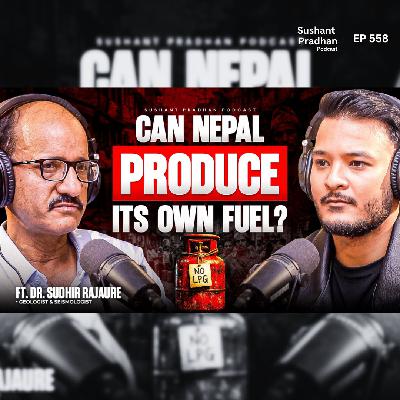
Is Nepal sitting on untapped gas and oil reserves? In this insightful podcast, Dr. Sudhir Rajaure, a leading geologist and seismologist, breaks down the reality of Nepal's gas reserves, oil potential, and the future of energy independence in Nepal. From methane gas in Kathmandu to unexplored natural resources across the country, this episode dives deep into Nepal’s energy future. We explore how gas is formed from rocks, whether fuel found in Nepal is usable, and the time required for gas extraction and production. The conversation also highlights the environmental impact of fossil fuels in Nepal and the risks involved in extraction processes. Beyond energy, Dr. Rajaure shares critical insights into earthquake risk in Nepal, including the possibility of major seismic events and what we should expect in the long run. Given that Nepal lies in a highly active geological zone, understanding these risks is crucial. If you're interested in Nepal geology, natural gas, earthquake prediction, and the country’s untapped potential, this podcast is a must-watch.
GET CONNECTED WITH Dr. Sudhir Rajaure:
LinkedIn - https://np.linkedin.com/in/dr-sudhir-rajaure-b385a353
Facebook - https://www.facebook.com/sudhir.rajaure.9
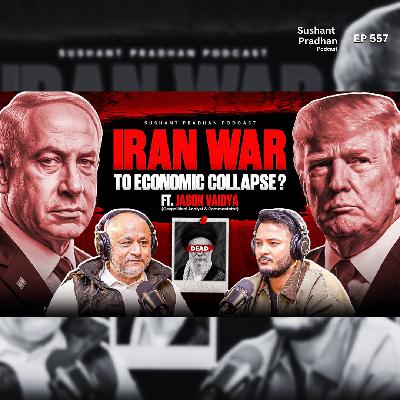
In this in-depth geopolitical podcast, Jason Vaidya breaks down the most critical global conflicts shaping the world today. From the possibility of the USA leaving NATO to rising tensions in the Iran war scenario, this episode explores how shifting US foreign policy could trigger a major global crisis. We discuss the Russia Ukraine war update, the growing risk of an oil crisis due to war, and how the Strait of Hormuz could impact global energy markets. The conversation also dives into India’s strategic position amid rising India Pakistan tension and whether India could become a future target in global power struggles. With insights into NATO crisis dynamics, Middle East war developments, and military escalation trends, this podcast provides a deep geopolitical analysis for anyone interested in global conflict and defense strategy. If you're looking to understand world war predictions, global economic crisis risks, and the future of geopolitics, this episode delivers expert insights in a clear and engaging way.
GET CONNECTED WITH Jason Vaidya:
YouTube - https://www.youtube.com/@GeoPoliticalCrossroad
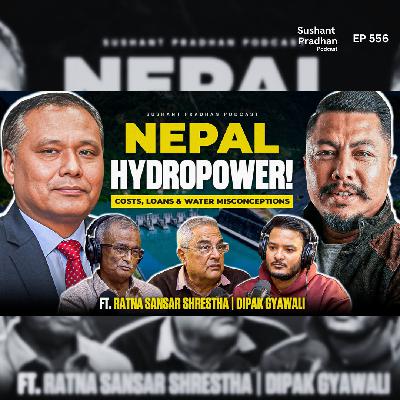
In this in-depth podcast, Ratna Sansar Shrestha (FCA and water resource analyst) and Dipak Gyawali (hydropower engineer and former Minister of Water Resources of Nepal) break down the reality behind Nepal's water resources and the truth about Nepal's hydropower. Is Nepal really a water-rich country? Or is it a myth we’ve believed for decades? This episode explores the reality of Nepal's water resources, hydropower in Nepal, and why Nepal's energy policy struggles to deliver long-term development. The discussion delves into how river projects are planned in Nepal, the challenges in water management in Nepal, and why Nepal's hydropower projects are often among the most expensive. The experts also analyze Nepal's loan approval systems, exposing inefficiencies and illogical investments in infrastructure. We also explore the Nepal electricity export debate and whether selling power can truly transform the Nepal economy. Key topics include hydropower economics Nepal, MCC Nepal controversy, and Nepal development challenges in the energy sector. Additionally, the podcast examines Nepal privatization debate, questioning whether loss-making industries should be privatized and how policy decisions impact growth. If you're interested in Nepal's energy crisis, infrastructure policy, or South Asia hydropower, this podcast offers valuable insights from two leading experts.
GET CONNECTED WITH
Ratna Sansar Shrestha:
LinkedIn - https://np.linkedin.com/in/ratna-sansar-shrestha-fca-57213a19
Instagram - https://www.instagram.com/ratna.sansar/
Facebook - https://www.facebook.com/Ratna.Sansar/
YouTube - https://www.youtube.com/@ratna.sansar/videos
Dipak Gyawali
Twitter - https://x.com/dipak_gyawali?lang=en
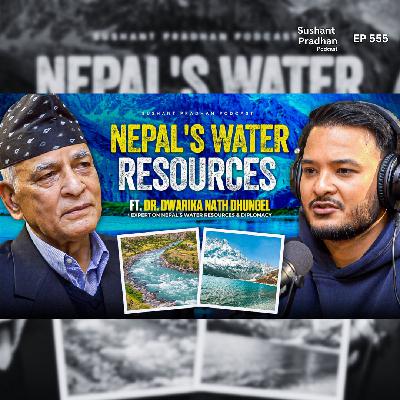
In this insightful podcast, Dr. Dwarika Nath Dhungel, a leading expert on Nepal’s water resources and diplomacy, dives deep into the growing Nepal water crisis and its regional implications. From the current state of Nepal water resources to the increasing water scarcity in South Asia, this episode uncovers critical challenges affecting the nation’s future. We explore Nepal’s complex water diplomacy with India and China, examining river treaties, groundwater statistics, and the policies governing naturally flowing rivers. The discussion highlights how water management failures, lack of long-term planning, and geopolitical tensions are shaping Nepal’s water future. Dr. Dhungel also explains the risks of water conflict in Asia, the untapped hydropower potential of Nepal, and the importance of sustainable environmental policy. With climate change accelerating water scarcity, Nepal faces urgent challenges in irrigation, river management, and policy execution. Most importantly, this podcast outlines what Nepal’s new government must do to fix water resource problems—offering actionable insights on policy reform, strategic planning, and international cooperation. If you’re interested in Nepal rivers, water politics, and the future of Himalayan water resources, this episode provides expert knowledge you don’t want to miss.
GET CONNECTED WITH Dr. Dwarika Nath Dhungel:
Facebook - https://www.facebook.com/dwarika.dhungel/
LinkedIn - https://np.linkedin.com/in/dwarika-nath-dhungel-43a05435
Google Scholar - https://scholar.google.com/citations?user=vn8ONA0AAAAJ&hl=en
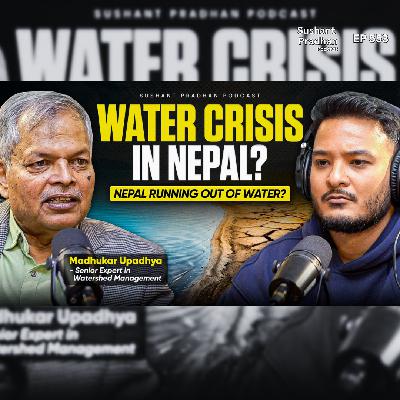
In this insightful podcast, watershed management expert Madhukar Upadhya breaks down the growing Nepal water crisis and the alarming effects of climate change in Nepal. With no winter rain in Nepal for years, the conversation dives deep into the reasons behind changing rainfall patterns and how this is impacting water availability, agriculture, and ecosystems across the country. We explore the science behind watershed management in Nepal, uneven rainfall distribution, and the real causes of water shortage in Nepal. Madhukar explains how declining rainfall is directly linked to soil erosion, landslides in Nepal, and long-term environmental damage. The podcast also highlights the future water crisis in Nepal, warning about what the next 5 years could look like if action isn’t taken. From shrinking water sources to threats to vegetation and wildlife, the impacts are already visible. Most importantly, this episode discusses solutions — including sustainable water management, policy changes, and why water must become a national priority. If you’re interested in Nepal environment issues, climate change impact in the Himalayas, agriculture crisis, and sustainability, this conversation is a must-watch.
GET CONNECTED WITH Madhukar Upadhya:
LinkedIn - https://np.linkedin.com/in/madhukar-upadhya-60b64316
Facebook - https://www.facebook.com/madhukar.upadhya/
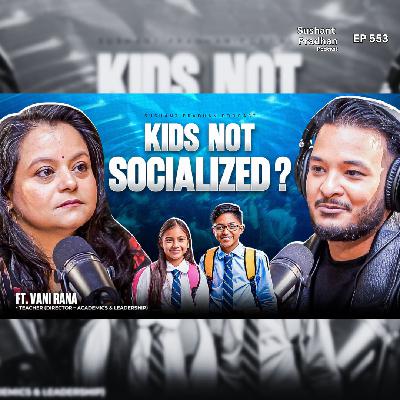
In this insightful podcast, Vani Rana, Director of Academics & Leadership Development, shares powerful perspectives on the modern education system and the challenges faced by students, teachers, and parents today. The conversation delves deeply into modern education, questioning whether the current education system truly supports student learning or merely focuses on exam results. We explore the growing gap between learning and market needs, as well as the increasing digital impact on children and how the internet is shaping their social skills and mental health. Vani Rana also breaks down common education myths, the importance of ECA activities, and why teaching methods must evolve to meet the needs of today’s generation. The discussion highlights the role of teachers, parenting in education, and practical strategies for student motivation and classroom engagement. From student learning speed to acknowledging individual growth, this podcast offers a complete view of child development and the future of education. Whether you’re an educator, parent, or student, this episode provides valuable insights into improving the school system, understanding student mental health, and creating meaningful learning experiences beyond exam marks.
GET CONNECTED WITH Vani Rana:
LinkedIn - https://np.linkedin.com/in/vani-rs-rana-🇳🇵-7890a362
Facebook - https://www.facebook.com/vani.rana
Instagram - https://www.instagram.com/_vani_sh/
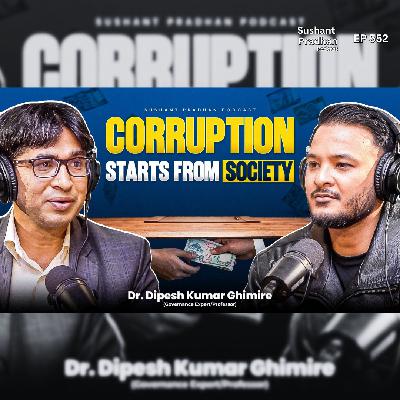
In this insightful podcast, Dr. Dipesh Kumar Ghimire, a leading governance expert and professor, breaks down the reality of corruption in Nepal and why it continues to persist despite laws and institutions. This episode explores corruption in Nepal, the deeper corruption system, and the psychological and societal factors behind it. We discuss why corruption exists, how Nepal’s system enables corruption, and why even people who initially oppose corruption often become part of it. The conversation dives into election corruption in Nepal, political corruption, and the role of governance failures in sustaining these issues. Dr. Ghimire also explains the effectiveness of punishment, why fear of law is decreasing, and whether stricter anti-corruption policies can truly work. A major highlight is the analysis of CIAA Nepal—its power, limitations, and real impact on corruption control. The podcast also uncovers linked corruption, where networks of influence and power protect corrupt practices, making reform even more difficult. Finally, we explore practical corruption solutions in Nepal and what the government must do to fix systemic corruption. If you're interested in Nepal politics, governance, public policy, or understanding corruption from a deeper perspective, this episode is a must-watch. GET CONNECTED WITH Dr. Dipesh Kumar Ghimire:
Facebook - https://www.facebook.com/dipeshjee/photos/
Twitter - https://x.com/dipeshjee
Google Scholar - https://scholar.google.com/citations?user=HVg0tXEAAAAJ&hl=en
In this deep conversation with Biswo Nath Paudel, the Governor of Nepal Rastra Bank, we explore the future of Nepal’s economy, artificial intelligence, and global financial trends. Dr. Paudel shares insights on AI in Nepal, why Nepal adopts technology later than other countries, and how the nation can build a competitive digital economy. The discussion covers Nepal’s economic future, the impact of AI replacing jobs, and why developing nations must invest in technology, innovation, and curiosity-driven education. We also discuss how countries like China achieved rapid technology adoption, why Nepal should consider hosting data centers, and the importance of building industries that support long-term economic growth and GDP expansion. Another key topic is global finance—what happens if the US dollar weakens, and what economic strategies Nepal should adopt to stay resilient in a changing global economy. This podcast explores the intersection of AI, economic policy, technology adoption, and Nepal’s development strategy. If Nepal wants to transform into a modern digital economy, investments in innovation, AI policy, and technology infrastructure will play a critical role.
GET CONNECTED WITH Dr. Biswo Nath Paudel:
Facebook - https://www.facebook.com/biswo.poudel.7
LinkedIn - https://np.linkedin.com/in/biswo-poudel-048aa94

In this fascinating podcast episode, Dr. Binod Dhakal, a pathologist and professor, explores the science of love, relationship psychology, and human behavior. From the history of love and evolution of relationships to the biology of attraction and hormones like dopamine and oxytocin, this conversation dives deep into how human bonding really works. Dr. Dhakal explains what love actually is from a scientific and psychological perspective, why long distance relationships often fail, and how modern relationship dynamics have changed over time. The discussion also explores human behavior in relationships, the role of hormones in attraction, and whether our actions influence biological responses. The episode also covers complex topics such as divorce psychology, midlife crisis in relationships, and the risky stages couples face during romantic partnerships. Dr. Dhakal shares insights into why relationships break down, how people misunderstand emotional needs, and what it takes to build a healthy and balanced relationship. Towards the end, the conversation focuses on practical perspectives including whether love is truly necessary for humans, what makes a perfect relationship, and how individuals can better understand love, attraction, and emotional connection. If you're interested in relationship psychology, the science of love, dating dynamics, and human bonding, this episode offers a unique perspective combining biology, psychology, and real-world relationship insights.
GET CONNECTED WITH Dr. Binod Dhakal:
LinkedIn - https://np.linkedin.com/in/dr-binod-dhakal-368735216
Facebook - https://www.facebook.com/binodhakal/
YouTube - https://www.youtube.com/@dbinod/videos
TikTok - https://www.tiktok.com/@drbidha
Twitter - https://x.com/himalayan_blues
In this podcast episode, Jagriti Luitel, a passionate aerospace engineer from Nepal, shares her journey into space technology, astronaut training, and aerospace engineering. From early curiosity about space to working on advanced space research and zero gravity projects, Jagriti explains how her fascination with the universe evolved into a career focused on the future of space exploration. The conversation explores how Nepal can get involved in space exploration, including both short-term and long-term plans for building a space technology ecosystem in Nepal. Jagriti also talks about the boundary between Earth and space, the science behind spaceflight, and why research in this field is important for humanity. She shares fascinating stories from her aerobatic flight training experience, the inspiration behind her astronaut dream, and what it takes to pursue a career in aerospace engineering. Jagriti also discusses her Zero Gravity Project, her curiosity about space science, and her future plans including a high-altitude balloon project for climate awareness. This episode is perfect for anyone interested in space technology, aerospace engineering, astronaut training, and Nepal’s future in space exploration. If you want to learn how young scientists from Nepal are working toward the dream of reaching space, this conversation with Jagriti Luitel offers inspiration, knowledge, and a vision for the future. Topics covered include Nepal space exploration, aerospace engineering careers, astronaut training, space research, zero gravity experiments, climate awareness balloon missions, and the future of space technology in Nepal.
GET CONNECTED WITH Jagriti Luitel:
Website - https://www.jagritiluitel.com/
Instagram - https://www.instagram.com/jagriti_luitel/
Twitter - https://x.com/LuitelJagriti
LinkedIn - https://www.linkedin.com/in/jagritiluitel/
YouTube - https://www.youtube.com/@jagritiluitel
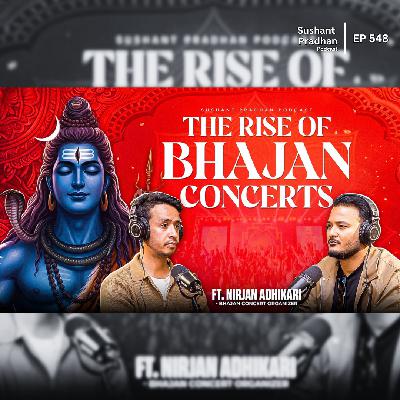
In this inspiring podcast, Nirjan Adhikari, founder of Yagyashala Nepal and a leading Bhajan Concert organizer, shares his powerful journey from being a theist to organizing impactful Bhajan Concert Nepal events. He opens up about his spiritual transformation, the intention behind starting Yagyashala Nepal, and how Bhajan healing power can change one’s state of mind. The conversation dives deep into Banaras spirituality and the unique perspective of Varanasi death rituals, exploring why Banaras celebrates death rather than mourning it. Nirjan explains the religious and spiritual significance of the city and how that experience shaped his vision for Nepal spiritual culture and devotional initiatives. We also explore the full process of Bhajan concert preparation, organizing spiritual events, selecting artists for Bhajan programs, and promoting Hindu devotional music gatherings. Nirjan discusses hosting events at Pashupatinath Bhajan venues, managing monthly Bhajan programs, and the challenges of sustaining Nepal religious events. The podcast highlights spiritual tourism Nepal, bringing foreigners to Nepal concerts, and expanding devotional music platforms beyond the valley. If you're interested in Hindu spiritual journey stories, devotional music podcast content, or the rise of Bhajan events in Nepal, this episode offers deep insight and inspiration. GET CONNECTED WITH Nirjan Adhikari: LinkedIn - https://np.linkedin.com/in/nirjan-adhikari-020626117 Facebook - https://www.facebook.com/nirjan.adhikari.90/ Instagram - https://www.instagram.com/jesson.adh/ Instagram - https://www.instagram.com/bhajansanjh/following/ Instagram - https://www.instagram.com/yagyashalanepal/
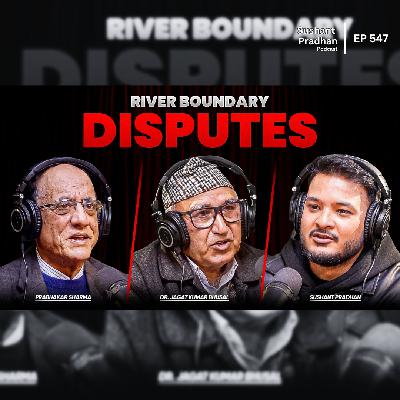
In this in-depth podcast, Dr. Jagat Kumar Bhusal (Engineer, Hydrologist, Former Chairperson of the Electricity Tariff Commission, Government of Nepal) and Prabhakar Sharma (Senior Geodetic Engineer and former UN Consultant at UNOWA) break down the complex Nepal border dispute and the geopolitics surrounding Nepal India border issues and Nepal China border tensions. The discussion explores how rivers become international borders, how river boundary disputes emerge when waterways shift naturally, and why the Mahakali river dispute remains central to Nepal’s territorial debate. We analyze the Sugali Treaty Nepal signed historically and question whether its interpretation remains logical today. The episode dives deep into the Pancheshwar project Nepal and the Budhigandaki dam controversy, highlighting concerns about water resources, hydrology, electricity generation, and national sovereignty. The experts also explain border pillar shift Nepal cases, the Kalapani Lipulekh dispute, and the Mt Everest China map controversy. A key segment examines why the international community Nepal border issue rarely gains traction globally and what that means for Nepal foreign policy and regional geopolitics. If you want a clear explanation of Nepal river border conflict, Mahakali Treaty implications, and evolving territorial disputes, this episode offers expert insight grounded in engineering, geodetic science, and policy experience.
GET CONNECTED WITH Dr. Jagat Kumar Bhusal:
LinkedIn- https://np.linkedin.com/in/jagat-k-bhusal-92436733
Quora - https://www.quora.com/profile/Jagat-K-Bhusal
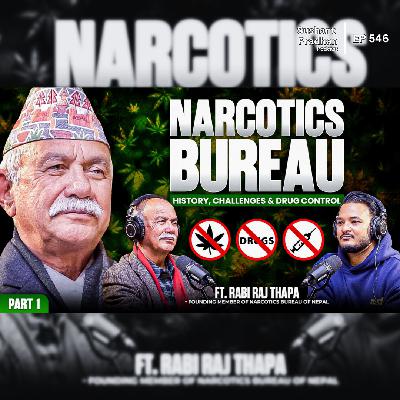
In this powerful podcast episode, Rabi Raj Thapa, founding member of Nepal Narcotics Bureau, shares untold insights into Nepal’s drug history, narcotics control, and the evolution of drug law in Nepal. From the Hippie era Nepal experienced in the 1960s and 70s to the rising drug crime in 90s Nepal, this conversation explores how hashish in Nepal was once socially accepted and how the UN narcotics ban influenced Nepal drug policy and enforcement strategies. We discuss how Nepal established the Narcotics Bureau, the challenges of drug trafficking in Nepal, and how narcotics control Nepal evolved under international pressure. Rabi Raj Thapa explains how drug crime in Nepal became more complex over time, why the morality aspect around cannabis history Nepal shifted, and how law enforcement adapted to emerging threats in the South Asia drug trade. This episode also dives into Nepal police history, crime during the hippie era, and the connection between clean money and hidden narcotics networks. If you're interested in Nepal law enforcement podcast content, drug awareness Nepal, or understanding the roots of Nepal drug laws, this in-depth discussion provides rare firsthand insight from a founding member of the Narcotics Bureau of Nepal. Watch till the end to understand how Nepal fought drug crime and what the future holds for narcotics control in Nepal.
GET CONNECTED WITH Rabi Raj Thapa:
Facebook - https://www.facebook.com/thapa.rabiraj
LinkedIn - https://www.linkedin.com/in/rabi-raj-thapa-76387245/
Twitter - https://x.com/ThapaRabi
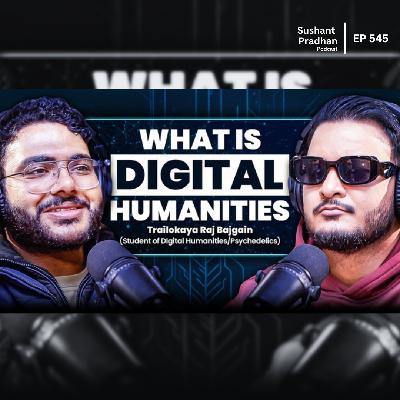
In this thought-provoking podcast, we sit down with Trailokaya Raj Bajgain, a student of Digital Humanities and Psychedelics, to explore the evolving relationship between artificial intelligence, human consciousness, and mental health. The conversation begins with an introduction to Digital Humanities, examining how technology, data, and human culture intersect in the modern world. We discuss whether tools like ChatGPT and AI systems are truly solving digital humanities problems or simply assisting human intelligence. As the discussion deepens, Trailokaya explains AI accuracy, human creativity, and why artificial intelligence cannot replace humanity despite rapid advancements. A major portion of the podcast focuses on consciousness explained through technology, biology, and philosophy, offering insights into how humans perceive self-awareness in the digital age. The episode also addresses ADHD, breaking down its meaning, psychological origins, symptoms, and relief mechanisms while removing common misconceptions around mental health. In a separate segment, we explore psychedelics, mushrooms, and spiritual consciousness, discussing their role in self-exploration and cognitive understanding. This podcast is ideal for anyone interested in Digital Humanities, AI vs humans, consciousness studies, psychology, ADHD awareness, neuroscience, and the future of artificial intelligence.
GET CONNECTED WITH Trailokaya Raj Bajgain:
LinkedIn - https://www.linkedin.com/in/trailokaya
Facebook - https://www.facebook.com/StoryOfAnOrdinaryHumanBeing/?locale=hi_IN
Website - https://trailokaya.com.np/
Email - trailokayaraj@gmail.com | trailokaya.bajgain@duke.edu
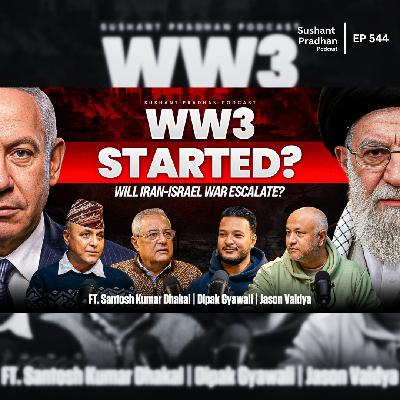
The Iran-Israel conflict is once again reshaping global geopolitics. In this deep-dive podcast, Retired Major General Santosh Kumar Dhakal, engineer and geopolitical analyst Dipak Gyawali, and geopolitical commentator Jason Vaidya analyze the rapidly evolving Iran Israel war, the US role in the Middle East, and the wider geopolitical consequences for the world. The discussion begins with the current Iran-Israel tensions and explores how military strategy, intelligence operations, and regional alliances are influencing the Middle East war. The experts examine whether the Iran Israel conflict could escalate into a larger war, how Israel’s security strategy works, and why the United States is deeply involved in Middle East geopolitics. The podcast also covers the Israel-Lebanon situation, the geopolitical history behind the creation of the Taliban and US intervention, and how propaganda and conspiracy theories shape global narratives around war. Another fascinating segment explores the role of Nepali immigrants serving in foreign militaries, national security concerns, and what these conflicts mean for Nepal’s leadership and foreign policy. Towards the end, the conversation shifts to global economic implications, including the declining value of the US dollar compared with gold, and how global conflicts reshape financial systems and international power dynamics. If you're interested in global geopolitics, Iran Israel war analysis, Middle East strategy, and international security, this episode provides expert insights from military and geopolitical perspectives.
GET CONNECTED WITH
Santosh Kumar Dhakal
Facebook - https://www.facebook.com/santosh.k.dhakal?mibextid=wwXIfr&rdid=VaLxSoPZUjvlUeBZ&share_url=https%3A%2F%2Fwww.facebook.com%2Fshare%2F197fRS2ntC%2F%3Fmibextid%3DwwXIfr#
Dipak Gyawali
Twitter - https://x.com/dipak_gyawali?lang=en
Jason Vaidya
Facebook - https://www.facebook.com/jason.baidya.5/
Twitter - https://x.com/JasonDBaidya
YouTube - https://www.youtube.com/@GeoPoliticalCrossroad
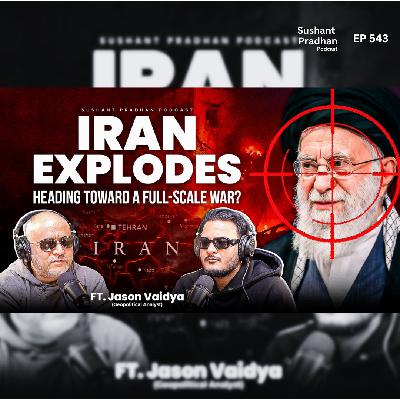
In this powerful geopolitical podcast, Jason Vaidya, a leading geopolitical analyst and commentator, breaks down the Iran war analysis and the broader Israel Iran conflict shaping today’s Middle East crisis. We explore the key events that led to the current Iran war, the strategic implications of high-profile assassinations, and whether there is a realistic chance of the war ending. The conversation expands into global power dynamics, including the role of the USA in the Middle East, the impact of USA leaving Ukraine, and how shifting US foreign policy is influencing global geopolitics. Jason also examines India’s foreign policy, India Israel Iron Dome cooperation, and India’s evolving defense strategy amid rising regional instability. We dive deep into the Pakistan Afghanistan war, Afghanistan Pakistan tensions, and their connection to South Asia security and the wider Iran Israel latest news cycle. From Israel’s defense system to India’s national security calculus, this episode unpacks how the Middle East war explained today could reshape global power balances in 2026 and beyond. If you’re interested in geopolitical podcast discussions, Middle East crisis analysis, Ukraine war impact, and strategic global affairs, this episode delivers expert insight you won’t want to miss.
GET CONNECTED WITH Jason Vaidya:
Facebook - https://www.facebook.com/jason.baidya.5/
Twitter - https://x.com/JasonDBaidya
Youtube - https://www.youtube.com/@GeoPoliticalCrossroad
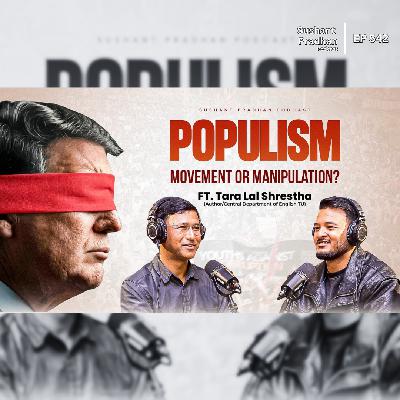
In this in-depth political podcast, Dr Tara Lal Shrestha from the Central Department of English TU breaks down populism explained from an academic perspective. What is populism? How is political populism different from simply being popular? This powerful conversation explores populism vs popularity, the evolution of modern political narrative, and how populism gradually developed a negative impact in democracy and global politics. Dr Tara Lal Shrestha analyzes fake promises by politicians, the transformation of leadership psychology, and how popular leaders vs populist leaders operate within political discourse. The episode dives into political ideology podcast discussions around democracy and populism, including references to CIA files politics and the broader global populism debate. We also explore Nepal politics discussion in the context of political reform solutions and whether there is a solution to populism in contemporary governance. This episode provides deep political leadership analysis and an academic view on populism, helping viewers understand how political narratives shape power structures. If you’re interested in political discourse analysis, political psychology leaders, and understanding the difference between authentic representation and strategic mass appeal, this episode delivers clarity and insight.
GET CONNECTED WITH Dr. Tara Lal Shrestha:
Facebook - https://www.facebook.com/p/Tara-Lal-Shrestha-100063579727015/
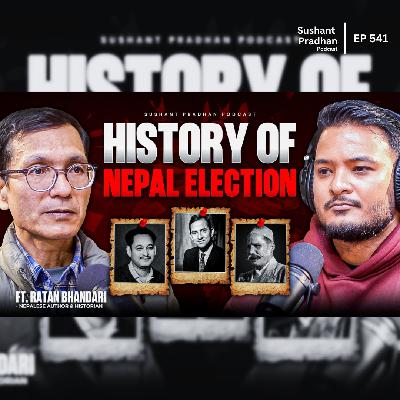
In this deep historical podcast, Nepalese author and historian Ratan Bhandari breaks down the complete story of Nepal’s first election and the political events that shaped modern democracy. From Nepal's history before democracy to the 2004 BS election, this episode explores how Nepal’s first election was conducted, how election rules were established, how voting areas were delineated, and why the election lasted 80 days. We also discuss the Nepal political history behind the Rana rule, Nepal history, the rise of Nepal Congress history, the roles of Bhimdatta Panta history and Dr KI Singh Nepal, and the political revolution Nepal experienced during that period. The episode further explains the Mahasabha election in the Nepal context, the Nepal voting system history, and the first parliamentary election in Nepal process. A major highlight includes the government formation after the first election in Nepal, including King Mahendra's government decisions and the Sarkar Ghatan Nepal process. If you want to understand Nepal's democratic history, Nepal's constitutional history, and the untold political truths behind Nepal’s election 80-day timeline, this episode provides a detailed historical breakdown. This podcast is essential for anyone interested in Nepal’s political transformation and the foundations of democratic governance.
GET CONNECTED WITH Ratan Bhandari:
Facebook - https://www.facebook.com/ratanbhandariji
YouTube - https://www.youtube.com/channel/UCnr3vDYv4dHSqq4oXVk54Cw
Twitter - https://x.com/ratanji
Instagram - https://www.instagram.com/bhandari_ratan/
In this powerful episode, Nepalese journalist and writer Basanta Basnet breaks down the current Nepal election environment, party politics, and the future of democracy in Nepal. From doubts on election rumors to the ground reality vs social media narratives, this in-depth Nepal politics analysis covers Congress, UML, Maoist party, and RSP Nepal politics in detail. Basanta Basnet shares his perspective on whether voters should vote party or individual, the importance of ideology in elections, and how party loyalty in Nepal is shifting. He discusses Prachanda’s position, UML situation in Nepal, Maoist party challenges, and whether people are hopeful with the Nepal Congress future. The episode also explores Harka Sampang party influence, Balen and Ravi politics, and how geopolitics in Nepal politics shapes party strategy. We also dive into protecting Nepal democracy, freedom of speech in Nepal, the role of journalists, and concerns around majority government in Nepal. If you want a clear understanding of Nepal election 2026, RSP Nepal politics, and the evolving political landscape, this Nepal political podcast delivers sharp insights grounded in real reporting.
GET CONNECTED WITH Basanta Basnet:
Facebook - https://www.facebook.com/basanta.basnet.33/
Instagram - https://www.instagram.com/basantabasnet0
Twitter - https://x.com/basantabasnet
LinkedIn - https://np.linkedin.com/in/basanta-basnet-ab489126a
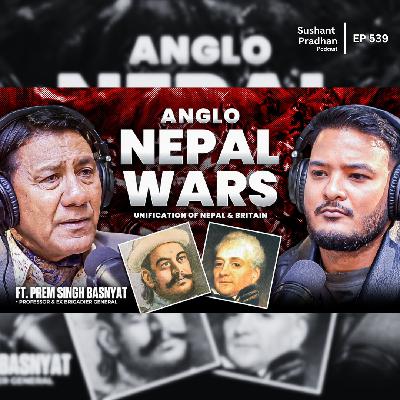
In this powerful history podcast, Professor and Ex-Brigadier General Prem Singh Basnyat dives deep into the Anglo Nepal War, its origins, and its connection to the unification of Nepal. This detailed military analysis explores how the conflict between Nepal and the British East India Company began, how the war proceeded, and why strategic decisions shaped its outcome. We examine the Nalapani Battle, Nepal vs British war strategy, the condition of weapons and tools, and whether Nepal gained any advantage after the war, including the long-term impact of the Sugauli Treaty. Prem Singh Basnyat shares insights from a soldier’s perspective, discussing Nepal military history, Gurkha legacy, war investigation, and historical accuracy in documenting conflict. The episode also explores Nepal’s preparedness for future conflict, defense strategy, and key lessons from history that remain relevant today. From reunification debates to Britain’s tactical shifts, this conversation sheds light on untold Nepal historical facts. If you’re interested in Nepal history podcast content, Anglo-Nepal War history, military analysis Nepal, and understanding Nepal’s national security mindset, this episode offers rare expert insight from a former Brigadier General. Watch till the end for critical reflections on whether Nepal needs to be ready for conflict in the modern geopolitical landscape.
GET CONNECTED WITH Prem Singh Basnyat:
Facebook - https://www.facebook.com/prem.singh.basnyat
Twitter - https://x.com/basnyat1422prem
LinkedIn - https://np.linkedin.com/in/prem-singh-basnyat-phd-13ba8432


Download from Google Play

Download from App Store
 United States
why is the word "covid" being beeped?